
Mammals

CITE
We have made every effort to follow citation style rules, but there may be some minor differences. If in doubt, please refer to the appropriate citation style manual.
Marsupials. (2026). In Q-files Encyclopedia, Life, Mammals. Retrieved from
https://www.q-files.com/life/mammals/marsupials
"Marsupials." Life, Mammals, Q-files Encyclopedia, 24 Mar. 2026.
https://www.q-files.com/life/mammals/marsupials.
Accessed 22 Sep. 2026.
Marsupials 2026. Life, Mammals. Retrieved 22 September 2026, from
https://www.q-files.com/life/mammals/marsupials
Life, Mammals, s.v. "Marsupials," accessed September 22, 2026.
https://www.q-files.com/life/mammals/marsupials


Marsupials
Marsupials are mammals that do not give birth to fully developed young. Instead, their young are born at a very early stage, and then continue to develop while clinging to their mother’s body. Apart from the opossum family of the Americas, marsupials live only in Australasia. They include the kangaroos, wallabies, koala, possums and wombats. These animals feed only on plants, leaves and fruit, but a few marsupials, such as the Tasmanian devil and some bandicoots, prey on insects and small animals.
Young marsupials
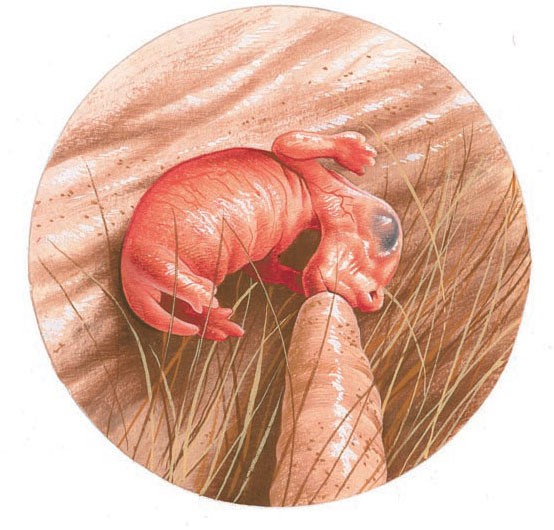
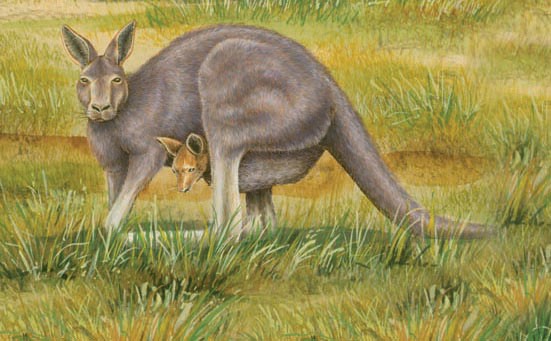
When a young marsupial is born, it is tiny—no larger than a jelly bean—blind and hairless. Its limbs are not even properly formed, but somehow it still manages to crawl through its mother’s fur to find her nipples. Many marsupials, including kangaroos and wombats, have large pouches of skin around their nipples. This pouch is called the marsupium.
The pouch of a kangaroo or wallaby is deep and forward-facing, so that the young joey does not fall out. Wombats are burrowing animals, so they have backward-facing pouches to stop soil getting inside. Other marsupials, such as the short-tailed opossum, have no pouch at all. Their young simply hang on to the nipples until they are old enough to let go.
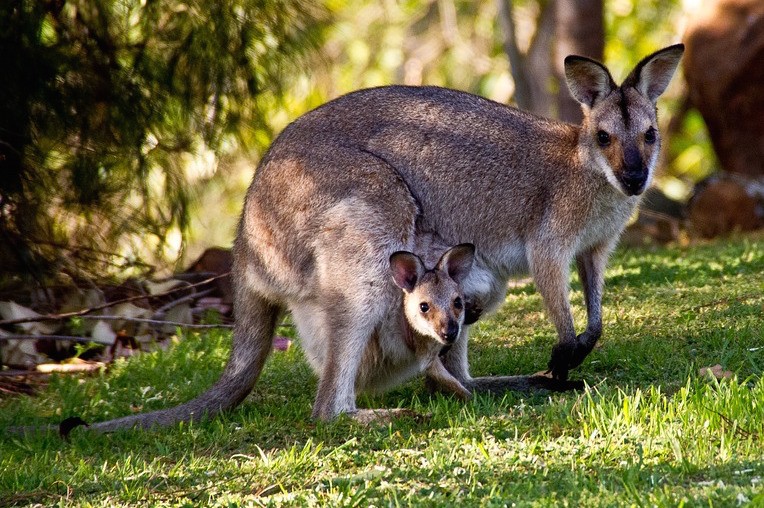
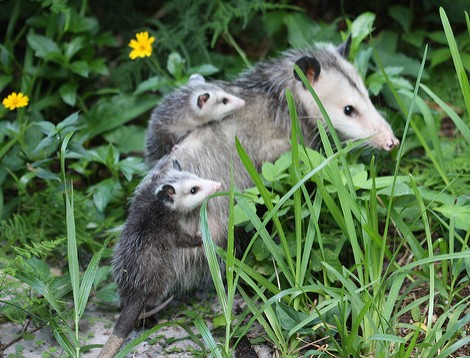
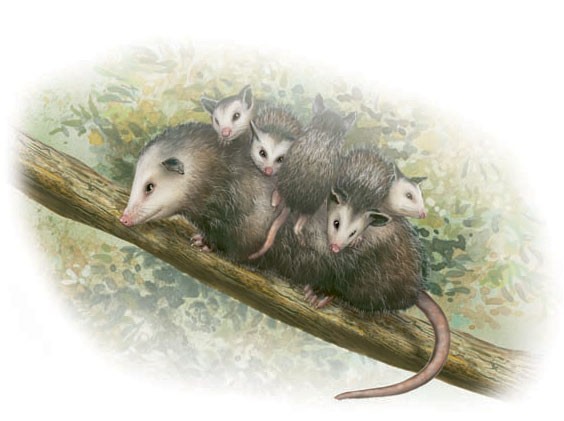
If a female marsupial has only one or two young, she can carry them in her pouch or, like the koala, on her back. Small marsupials, such as possums or bandicoots, which have several young at a time, must transfer them to a nest when they become too heavy to carry around.
Why Australia?
Before the dinosaurs became extinct at the end of the Cretaceous, two mammal groups, called marsupials and placentals (animals that give birth to fully developed young), existed in almost equal numbers all over the world. But in habitats where marsupials competed for food with placentals, marsupials tended to lose out.
Many kinds became extinct. Marsupials did, however, survive in South America. At this time, tens of millions of years ago, the Earth's continents were in different places to where they are now: South America, Antarctica and Australia were all linked together. Some marsupials simply walked from South America to Australia via Antarctica. Few, if any, placentals made the journey with them. When Australia became separated from the rest of the world later, many kinds of marsupial families grew up there, isolated from the rest of the world.
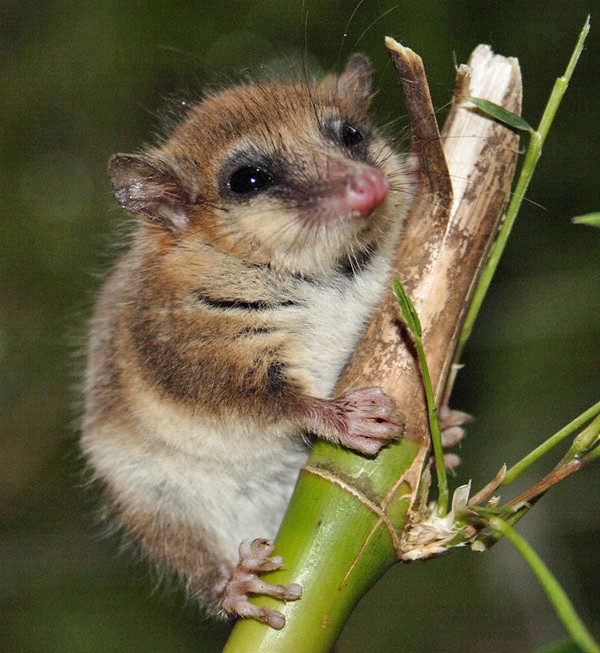
On the other continents, marsupials continued to lose out in the battle for survival with the placental mammals until eventually, with the exception of the opossums and the monito del monte in the Americas, they died out. In Australia, the marsupials had no other mammalian rivals and so they thrived—until the arrival of humans.
Wombats
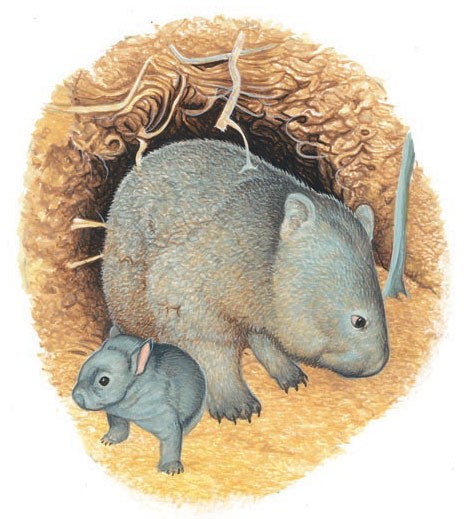
Wombats are stocky, herbivorous marsupials living in the forests, mountains and heathlands of southeastern Australia and Tasmania. Wombats are herbivores. Their incisor teeth resemble those of rodents such as beavers or rats. Like those animals, they use them for gnawing tough vegetation. Wombats dig their burrows with their teeth and powerful claws. They have backwards-facing pouches so that, when digging, they do not cover their young with soil. If attacked, wombats will dive into the nearest burrow entrances. The tough hide on their rumps makes it difficult for their pursuers to bite into.

Tasmanian devil
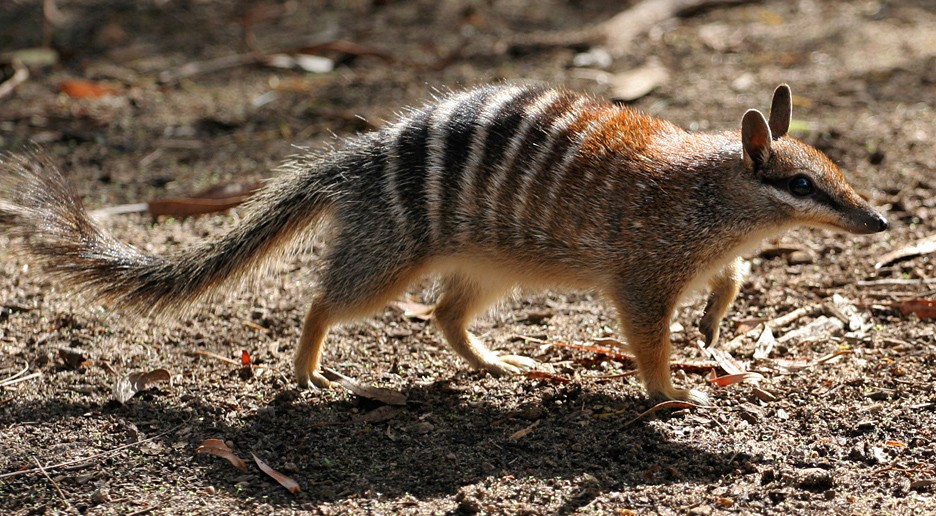
The largest carnivorous marsupial is the Tasmanian devil, which lives on the Australian island of Tasmania. It has a stocky body and dark fur with white markings on its chest. It is usually a scavenger, but will also kill small animals for itself. Other carnivorous marsupials include quolls, dunnarts and numbats.
Possums
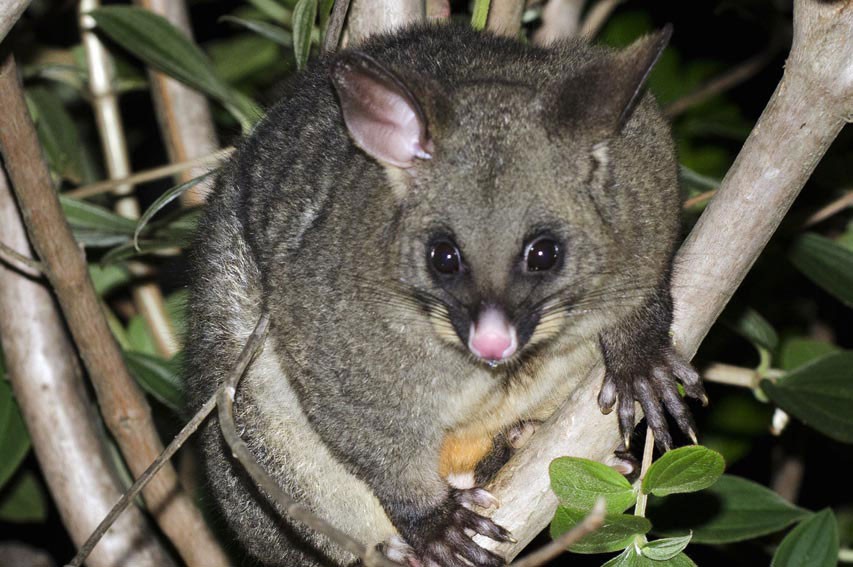
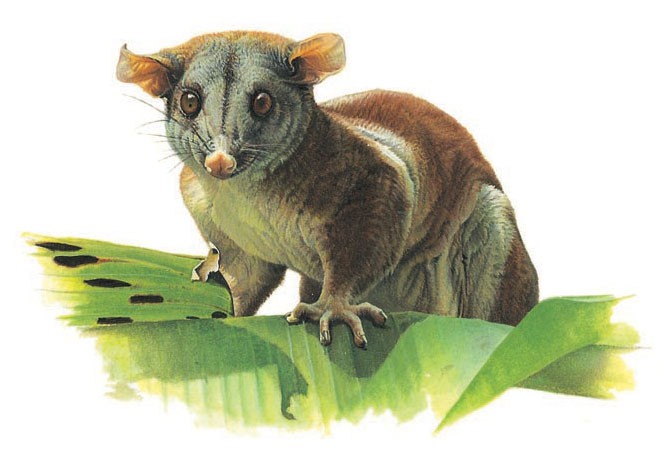
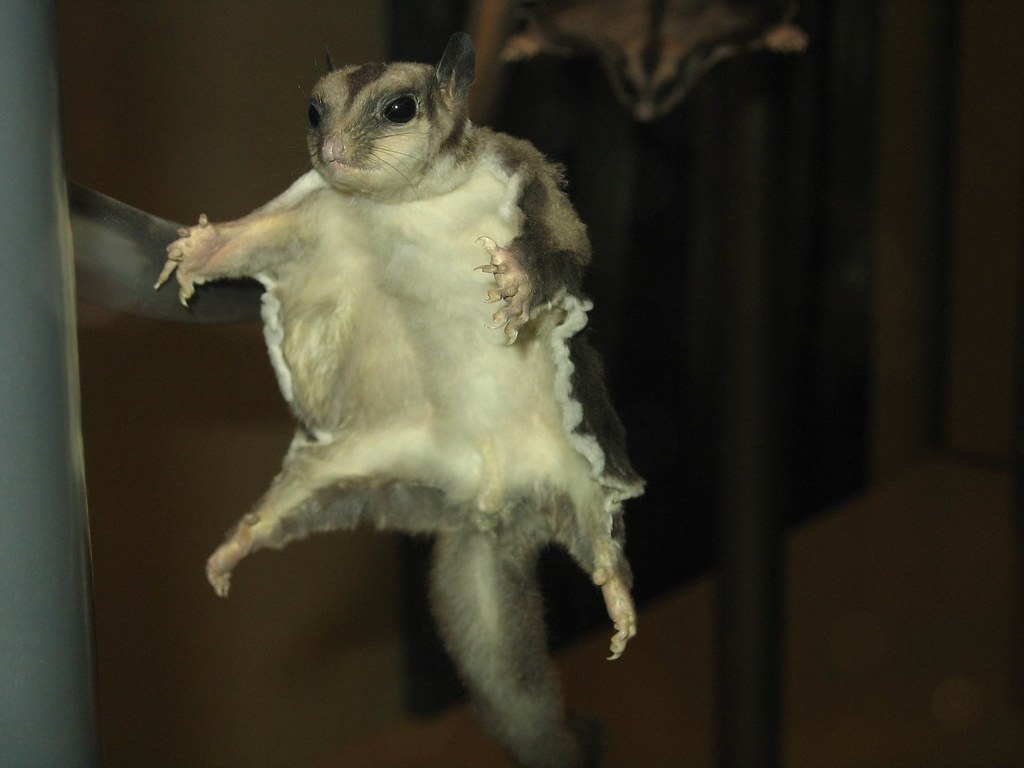
Possums are a group of nocturnal, omnivorous marsupials. There are 70 species, including the cuscuses and gliders. Most possums live in trees and have several young at a time. The female carries her young in a pouch for several months, before they crawl out and cling to her back for several more months. The American opossums are often called possums as well, but they are not related to these “true” Australian species.

Consultant: Chris Jarvis
pics
Without in any way limiting Q-files Ltd’s exclusive rights under copyright, any use of this publication to “train” generative artificial intelligence (AI) technologies to generate text is expressly prohibited. Q-files Ltd reserves all rights to license use of this work for generative AI training and development of machine learning language models.