
Mammals

CITE
We have made every effort to follow citation style rules, but there may be some minor differences. If in doubt, please refer to the appropriate citation style manual.
Pangolins. (2026). In Q-files Encyclopedia, Life, Mammals. Retrieved from
https://www.q-files.com/life/mammals/pangolins
"Pangolins." Life, Mammals, Q-files Encyclopedia, 24 Mar. 2026.
https://www.q-files.com/life/mammals/pangolins.
Accessed 22 Sep. 2026.
Pangolins 2026. Life, Mammals. Retrieved 22 September 2026, from
https://www.q-files.com/life/mammals/pangolins
Life, Mammals, s.v. "Pangolins," accessed September 22, 2026.
https://www.q-files.com/life/mammals/pangolins


Pangolins
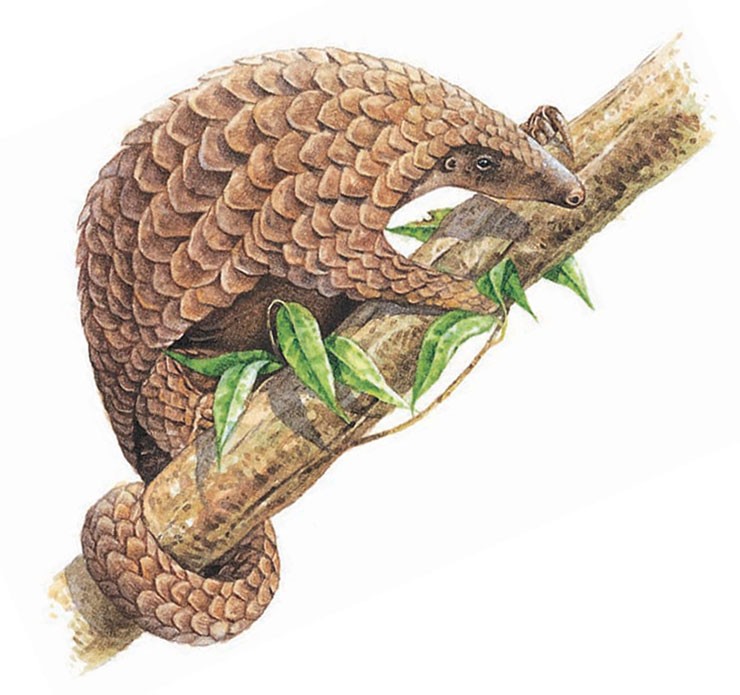
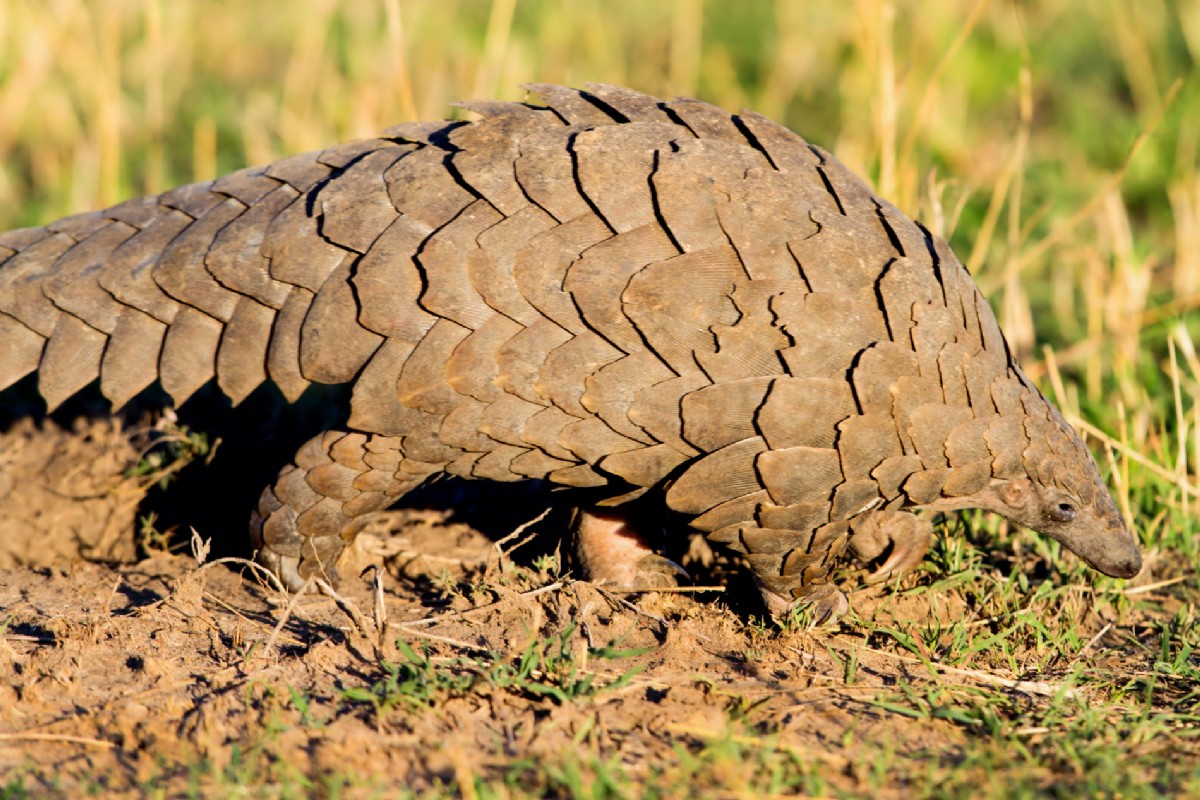
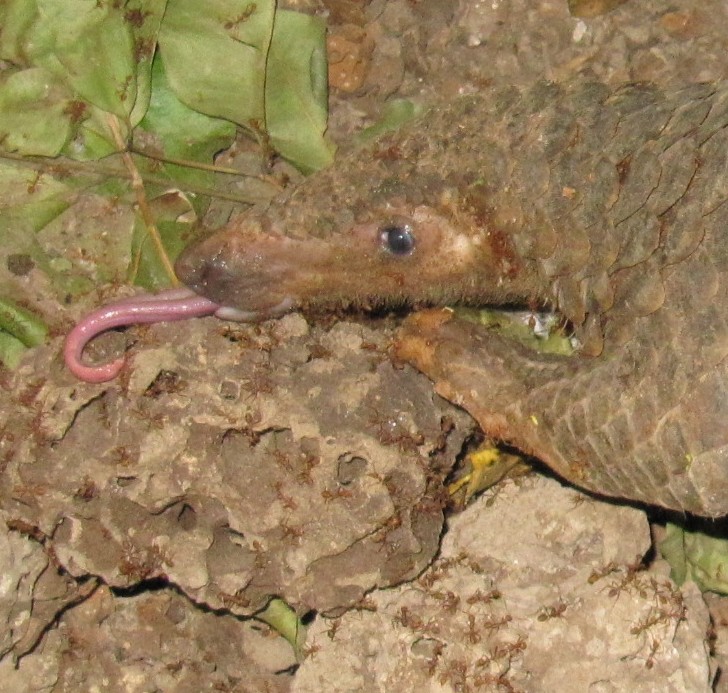
Pangolins are solitary, nocturnal animals from Africa and Asia. They feed from ant or termite nests, shooting their worm-like sticky tongues in and out to pick up many insects at once. The tongue is as long as the head and body and when not extended folds back into a throat pocket. Pangolins have strong front claws that are used for burrowing into insect nests. The tree pangolin is an excellent climber. It uses its long tail to help it move from branch to branch. If threatened, a pangolin curls up into a ball so that its scales shield it from harm. The pangolin’s thick scales cover almost all of its body and are regularly shed and replaced.
Scales
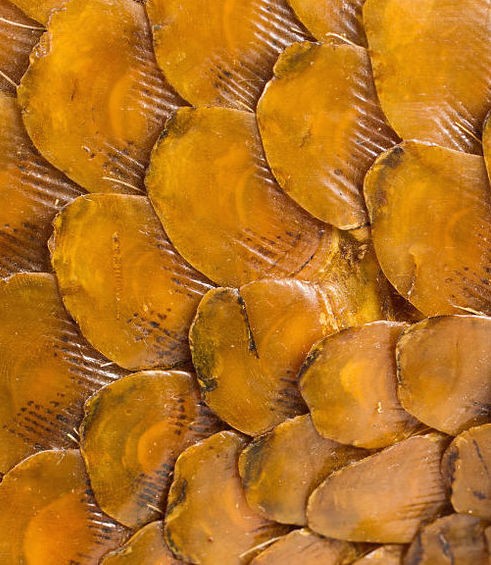
There are eight species of pangolin. Four are Asian (Chinese, Indian, Palawan and Malayan or Sunda); four are African (Cape or ground, tree, giant and long-tailed). They have no hair, except for eyelashes. Instead, they are the only mammals covered in scales. These are made of keratin, the same material that human fingernails and rhino horn are made of. The scales are much prized in Traditional Chinese Medicine. Some believe—without any scientific evidence—that the ground-up scales can cure a range of conditions, including cancer and asthma, or help breastfeeding mothers. As a result, tens of thousands of these animals are captured and sold illegally each year.
Insect hunters
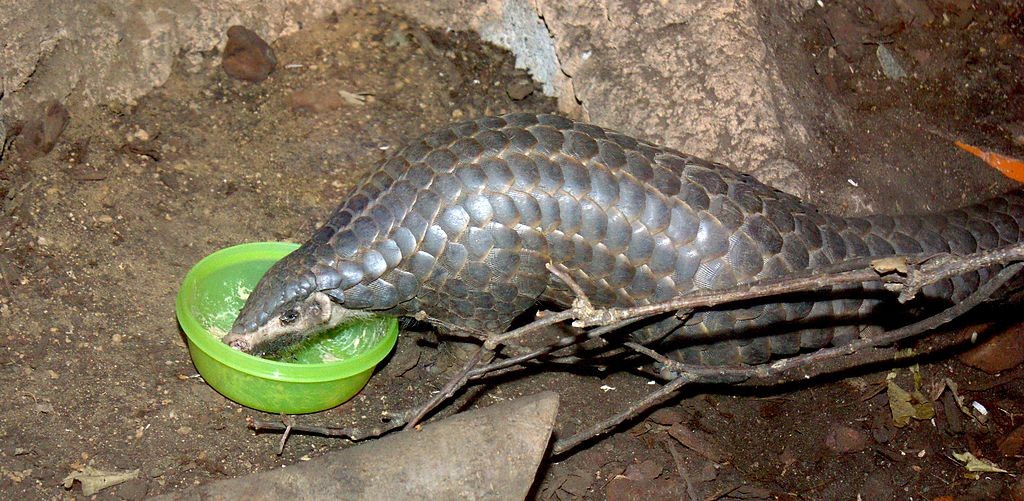
Pangolins are toothless and are unable to chew, so they use their long, sticky tongues to collect insects, which are then ground up inside their stomachs. Pangolins use their large, curved claws both to grip on to overhanging tree branches or dig into the hard ground to find insects. All but the long-tailed pangolin are nocturnal. They have poor eyesight, locating termite mounds and ant hills using their strong senses of smell and hearing instead.
Defence
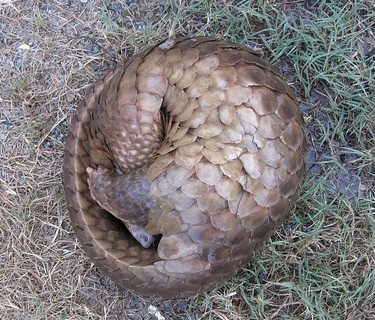
When threatened, pangolins roll themselves up into a tight balls, protecting their faces and soft undersides with their hard scales. They are too hard for even a lion or tiger to bite through. To defend themselves, pangolins may also lash out with their tail and emit a foul-smelling substance from glands near their anus.
Consultant: Chris Jarvis
pics
Without in any way limiting Q-files Ltd’s exclusive rights under copyright, any use of this publication to “train” generative artificial intelligence (AI) technologies to generate text is expressly prohibited. Q-files Ltd reserves all rights to license use of this work for generative AI training and development of machine learning language models.