
Medicine

CITE
We have made every effort to follow citation style rules, but there may be some minor differences. If in doubt, please refer to the appropriate citation style manual.
Complementary and alternative medicine. (2026). In Q-files Encyclopedia, Science, Medicine. Retrieved from
https://www.q-files.com/science/medicine/complementary-and-alternative-medicine
"Complementary and alternative medicine." Science, Medicine, Q-files Encyclopedia, 10 Mar. 2026.
https://www.q-files.com/science/medicine/complementary-and-alternative-medicine.
Accessed 7 Aug. 2026.
Complementary and alternative medicine 2026. Science, Medicine. Retrieved 7 August 2026, from
https://www.q-files.com/science/medicine/complementary-and-alternative-medicine
Science, Medicine, s.v. "Complementary and alternative medicine," accessed August 7, 2026.
https://www.q-files.com/science/medicine/complementary-and-alternative-medicine


Complementary and alternative medicine
Medical treatments that are usually practised by healthcare professionals such as doctors and nurses within a healthcare system are known as conventional, orthodox or mainstream medicine. Complementary and alternative medicines (CAM) are treatments that are not usually considered part of mainstream medicine. When these treatments are used alongside conventional medicine they are called complementary; when used instead of conventional medicine they are called alternative. CAM includes traditional medicine systems, herbal medicine and manual therapies, in which the body is pressed or massaged.
CAM or conventional?
There is a wide range of CAM treatments, many of which are based on principles and evidence that most scientists would not agree with. Some treatments are based on tradition or faith. This is unlike conventional medicine which usually bases its diagnoses and treatments on scientific evidence showing that they are safe and effective. Some CAM treatments are not part of conventional medical training, but are respected by some doctors.
Most people who choose CAM treatments continue to receive conventional treatments as well. It is important that they choose a complementary health practitioner who has been suitably trained and that they understand what benefits (and harm) might come from having such treatments.
Traditional medicine systems
Before the development of modern medicine, people relied on traditional medicine (also called folk medicine). Today, in some countries in Asia and Africa, 80% of the population still does. Traditional medicine is based on ideas gathered over the generations about the body, spirit and natural remedies.
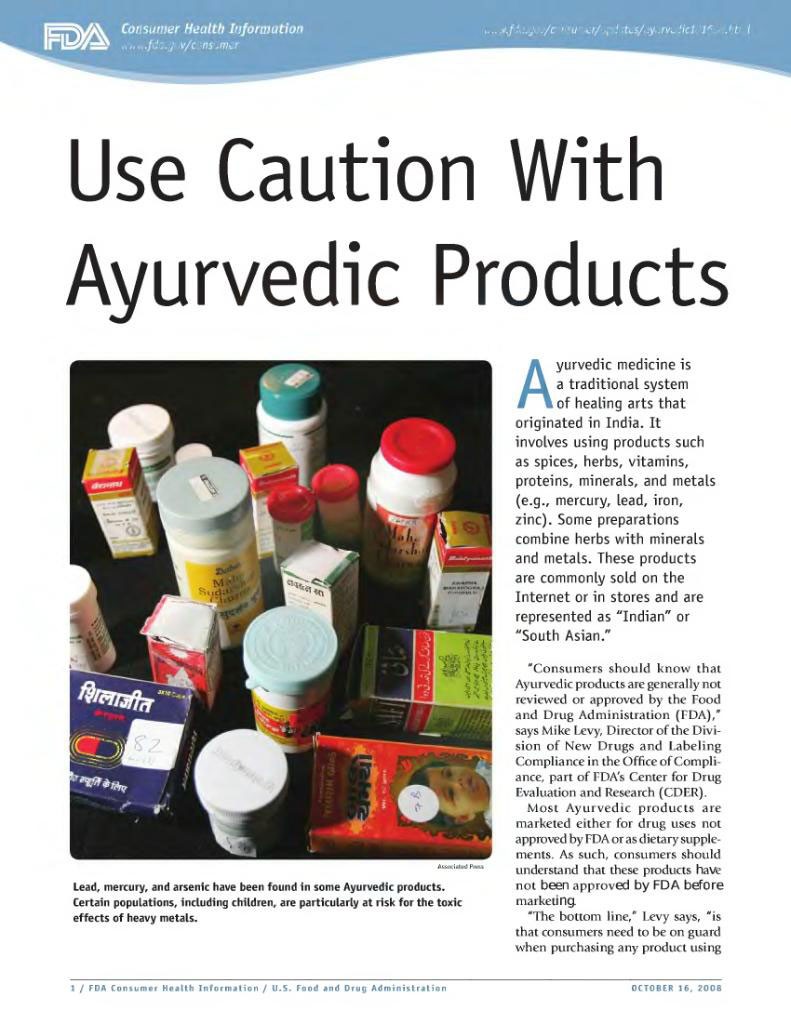
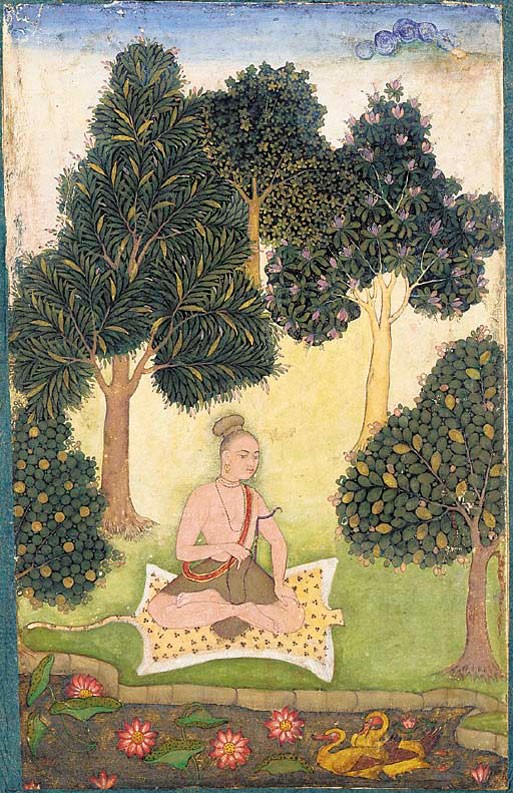
Ayurveda, the Hindu traditional medicine, is widely practised in South Asia. It aims to create balance in mind and body, using massage, yoga, meditation, good hygiene and plant and mineral remedies. Many traditional African healers use herbal remedies alongside rituals, charms and spells that call on the power of spirits. Christian faith healers use prayer, or call on the saints, in the belief that they will bring about cures.

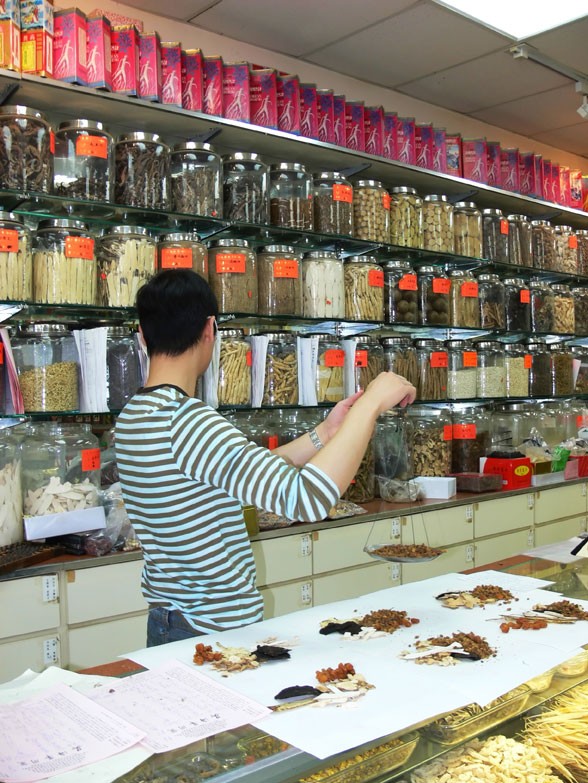
Traditional Chinese medicine (TCM) has its roots in practices that are up to 3000 years old. TCM medicines use plant, animal, human and mineral products. TCM is often criticized for using animal parts from some endangered species, such as tigers, seahorses and rhinoceroses.
Acupuncture
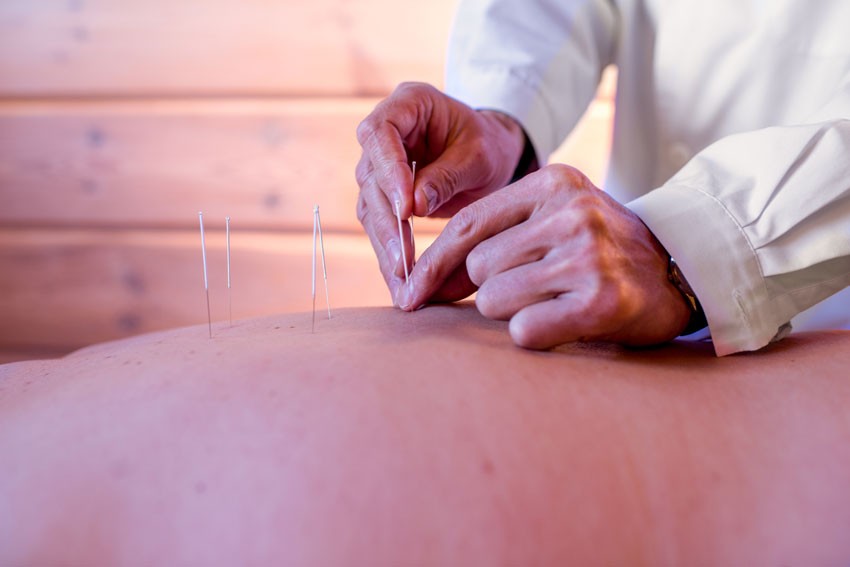
Acupuncture is an ancient Chinese treatment in which needles are inserted into certain points in the body for pain relief or for preventative purposes. Traditional acupuncture was based on the belief that a "life force" or "vital energy", called qi, flowed through the body along certain channels, called "meridians". When qi did not flow freely through the body, it caused illness. Applying acupuncture would allow qi to flow again.
Western medical acupuncture uses the same techniques following conventional medical diagnosis—although it is based on affecting the body's nervous system. Scientific evidence shows that medical acupuncture can stimulative nerves under the skin and in the muscles. This then results in the body producing pain-relieving substances, such as endorphins. Acupuncture is most often used to treat conditions such as headache, lower back pain and osteoarthritis, but can also be used to help with anxiety and asthma.
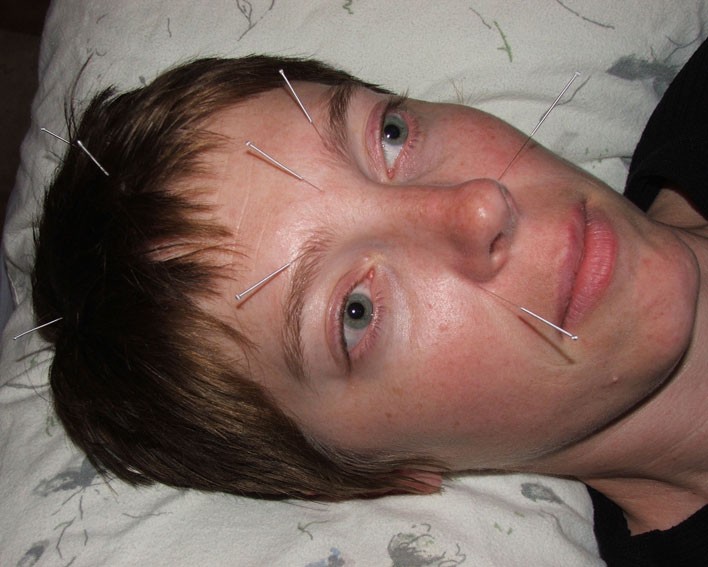
The treatment involves the insertion of pre-sterilized needles in up to 12 specific places on the body, known as acupuncture points. They are inserted just under the skin or deeper so they reach the muscles, and remain in place for normally between 10 and 20 minutes.
Herbal medicine
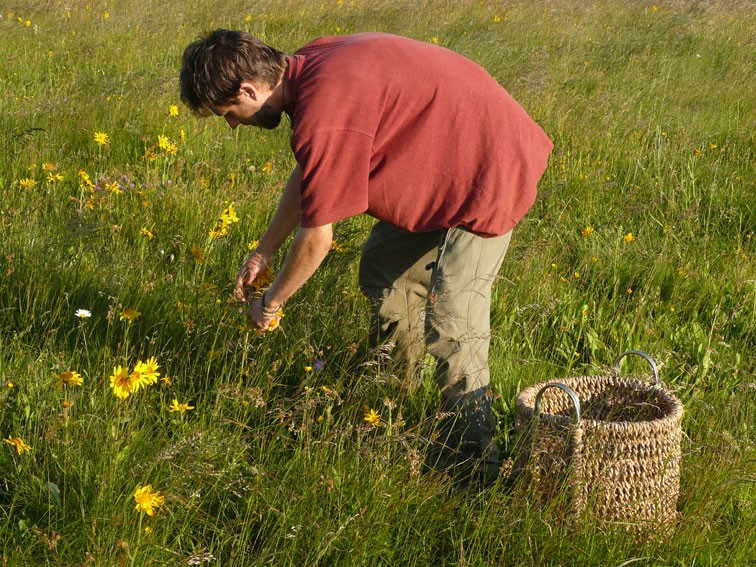
Herbal medicine is the use of plants—and sometimes minerals and fungi—to make medicines. Herbal medicine is a key part of most traditional medicine systems and is also practised by modern herbalists. The usefulness of some plants in treating disease has been proved through scientific testing. Around a quarter of modern medicines contain ingredients that were originally taken from plants. These include the painkiller aspirin (first obtained from willow tree bark) and the antimalarial quinine (from cinchona tree bark).
Herbalists believe that using purely herbal medicines is healthier than using pharmaceutical drugs, which contain synthetic chemicals. However, doctors warn about the safety and usefulness of herbal medicines, which do not go through the same strict testing as pharmaceutical drugs.

Aromatherapy
Aromatherapy is a complementary treatment that uses essential oils (liquids that contain fragrances from plants). They are either inhaled or used as massage oils. Popular oils, which aromatherapists believe have healing properties, include camomile, lavender, rosemary and tea tree. Oils that are used for making bath oils or massage oils include sweet almond oil, evening primrose oil and black seed oil.
Aromatherapy is intended to alleviate (make less severe) symptoms or to promote relaxation, but scientific studies suggest its effects are not strong enough to be useful in the treatment of anxiety and depression.
Chiropractic
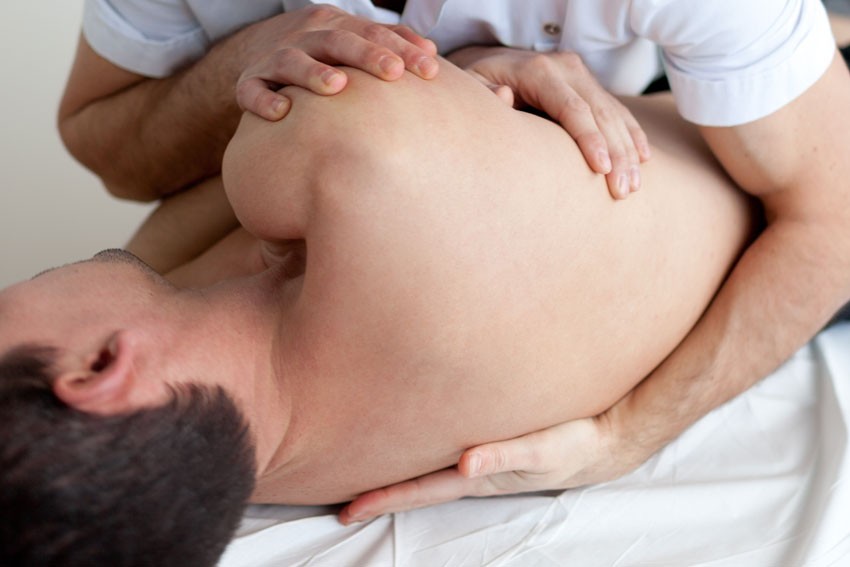
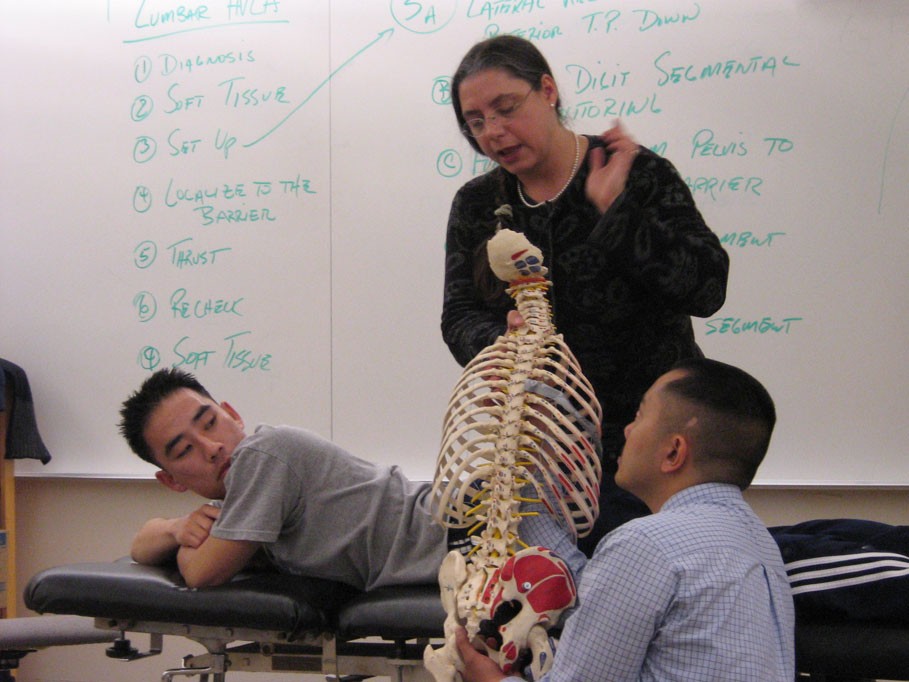
Chiropractic was founded in the 1890s by Canadian D.D. Palmer, who believed that the cause of all disease is misalignment of bones in the body. Today chiropractors commonly treat problems such as back and neck pain, using manual therapy (kneeding and movement of muscles and joints) and exercises. There is debate between doctors and chiropractors about the safety and usefulness of chiropractic.
Osteopathy
The US doctor Andrew Taylor Still was the founder of osteopathy in 1874. Osteopaths use manual therapy to help with problems such as back, neck, muscle and joint pain. Some osteopaths believe their techniques can also help with a range of diseases, from pneumonia to multiple sclerosis—but these claims are disputed by conventional medicine. In the USA, osteopaths must be licensed doctors, but their level of training varies in the rest of the world.
Massage
Massage is the movement, kneading, pressing and stretching of muscle, tissue, joints and skin. Massage aims to help with flexibility, healing, well-being and relaxation. There are many forms of massage, including sports massage, which is often used by physiotherapists, and Thai massage, which is influenced by yoga and Asian traditional medicine systems.
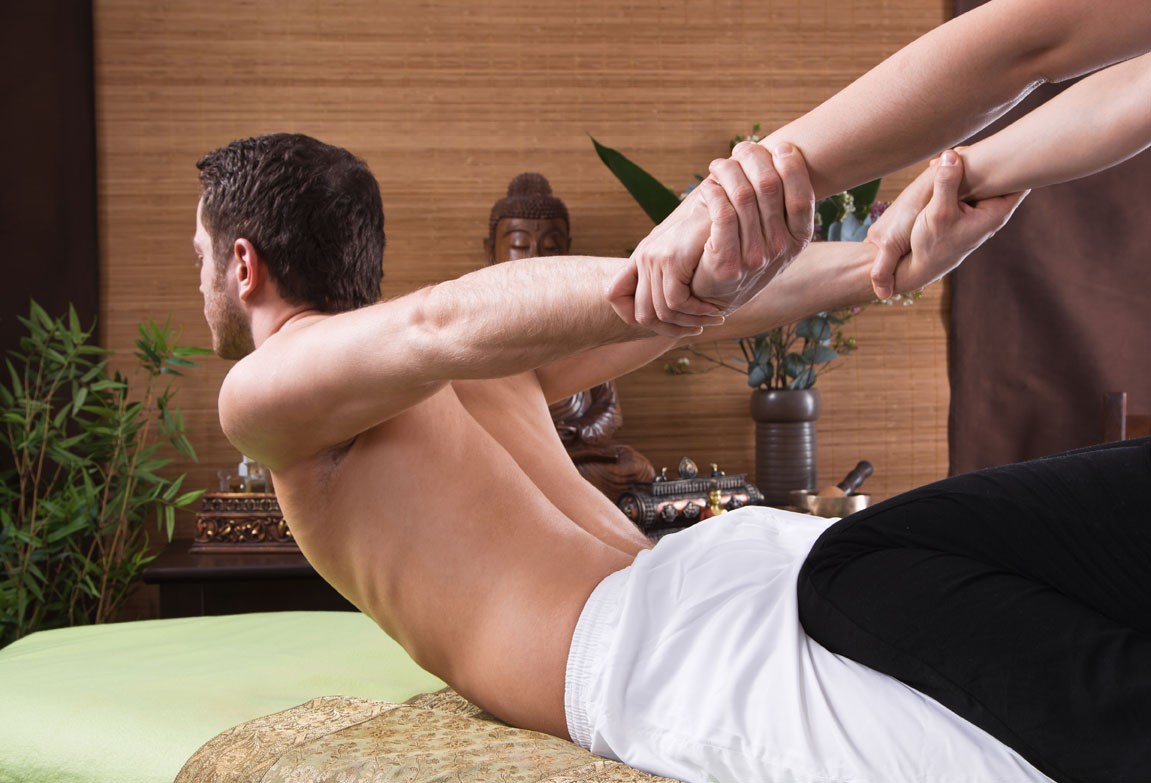
Energy therapies combine massage techniques with traditional Asian medicine ideas about body energy, often called qi. These include acupressure (similar to acupuncture but using pressure rather than needles), reflexology (pressing points on the hands and feet) and shiatsu (massaging the whole body).
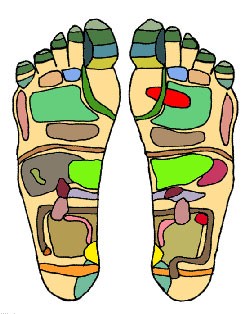
Reflexology
Reflexology is system of massaging the feet. It is based on the belief that there are invisible zones running vertically through the body, so that each of the body's organs has a corresponding location in the foot. For example, the toes represent the head and the ball of the foot the chest. Certain "reflex points" link to the organs and glands in these areas. Applying pressure to these points, practitioners claim, stimulates the circulation of the blood and relieves tension. There is no good evidence to support claims that reflexology is effective, however.
Hypnotherapy
Hypnotherapy uses hypnosis to bring about changes in behaviour, feelings and thoughts. While under hypnosis, a person is mostly unaware of their surroundings but is more likely to respond to suggestions. Suggestions are designed to bring about positive change, such as stopping smoking or feeling less anxious. When hypnotherapy is practised by a trained and licensed hypnotherapist, scientific studies have shown that it may be helpful in some circumstances. Hypnotherapy is sometimes used by psychiatrists alongside other treatments.
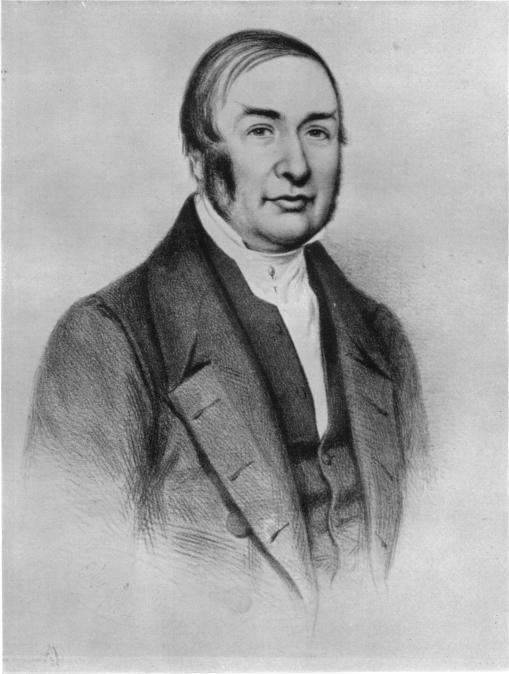

Homeopathy
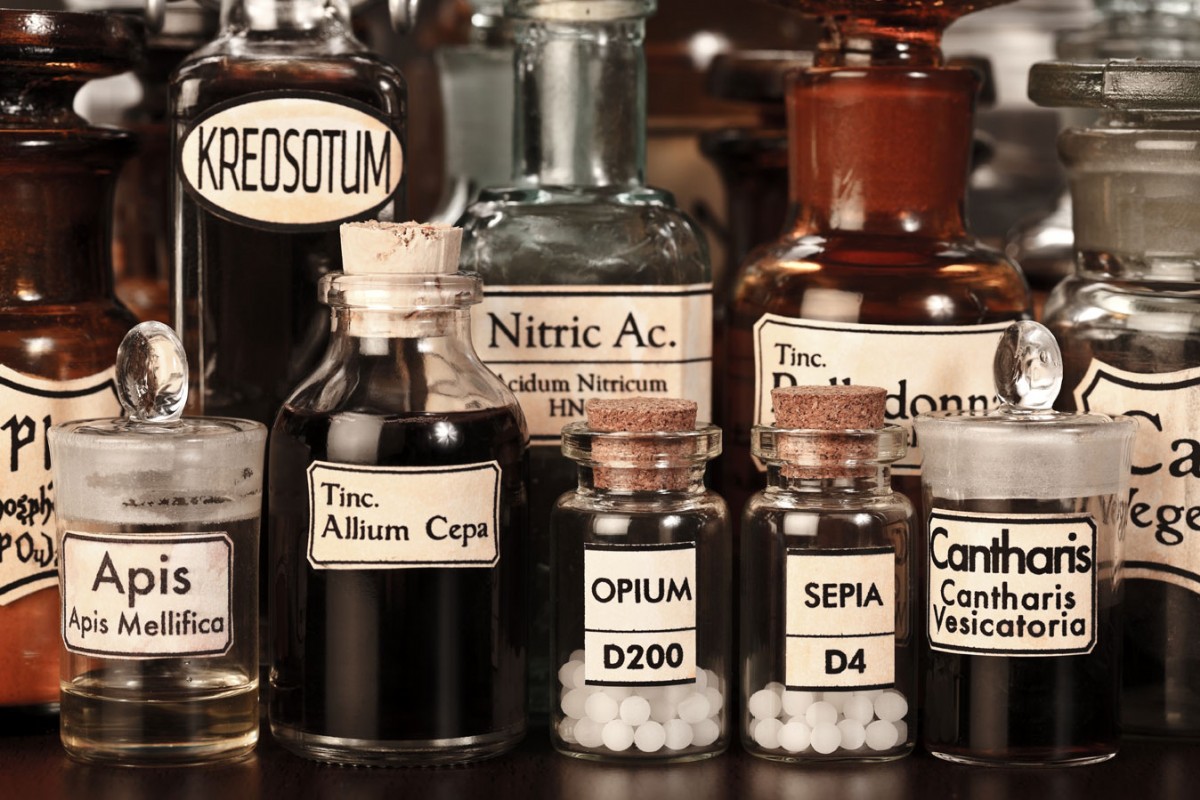
Practitioners of homeopathy use highly diluted substances that they claim cause the body to heal itself. One of homeopathy's principles is that "like cures like": a substance that causes certain symptoms can also be used to remove them. Another is the belief that the more a substance is diluted, the greater its power to treat symptoms. Many homeopathic remedies are solutions that have been diluted so many times there is none (or almost none) of the original substance left: they are nothing more than just water. Homeopaths believe that the original substance leaves an "imprint" of itself on the water. Scientists know of no means by which this could occur.
Homeopaths claim they can treat a wide range of both physical, such as asthma, and psychological conditions, such as depression. However, there is no clear evidence to show that homeopathy is an effective treatment for these or any other conditions.
Consultant: Kristina Routh
pics
Without in any way limiting Q-files Ltd’s exclusive rights under copyright, any use of this publication to “train” generative artificial intelligence (AI) technologies to generate text is expressly prohibited. Q-files Ltd reserves all rights to license use of this work for generative AI training and development of machine learning language models.