
Medicine

CITE
We have made every effort to follow citation style rules, but there may be some minor differences. If in doubt, please refer to the appropriate citation style manual.
Vaccination. (2026). In Q-files Encyclopedia, Science, Medicine. Retrieved from
https://www.q-files.com/science/medicine/vaccination
"Vaccination." Science, Medicine, Q-files Encyclopedia, 10 Mar. 2026.
https://www.q-files.com/science/medicine/vaccination.
Accessed 21 Sep. 2026.
Vaccination 2026. Science, Medicine. Retrieved 21 September 2026, from
https://www.q-files.com/science/medicine/vaccination
Science, Medicine, s.v. "Vaccination," accessed September 21, 2026.
https://www.q-files.com/science/medicine/vaccination


Vaccination
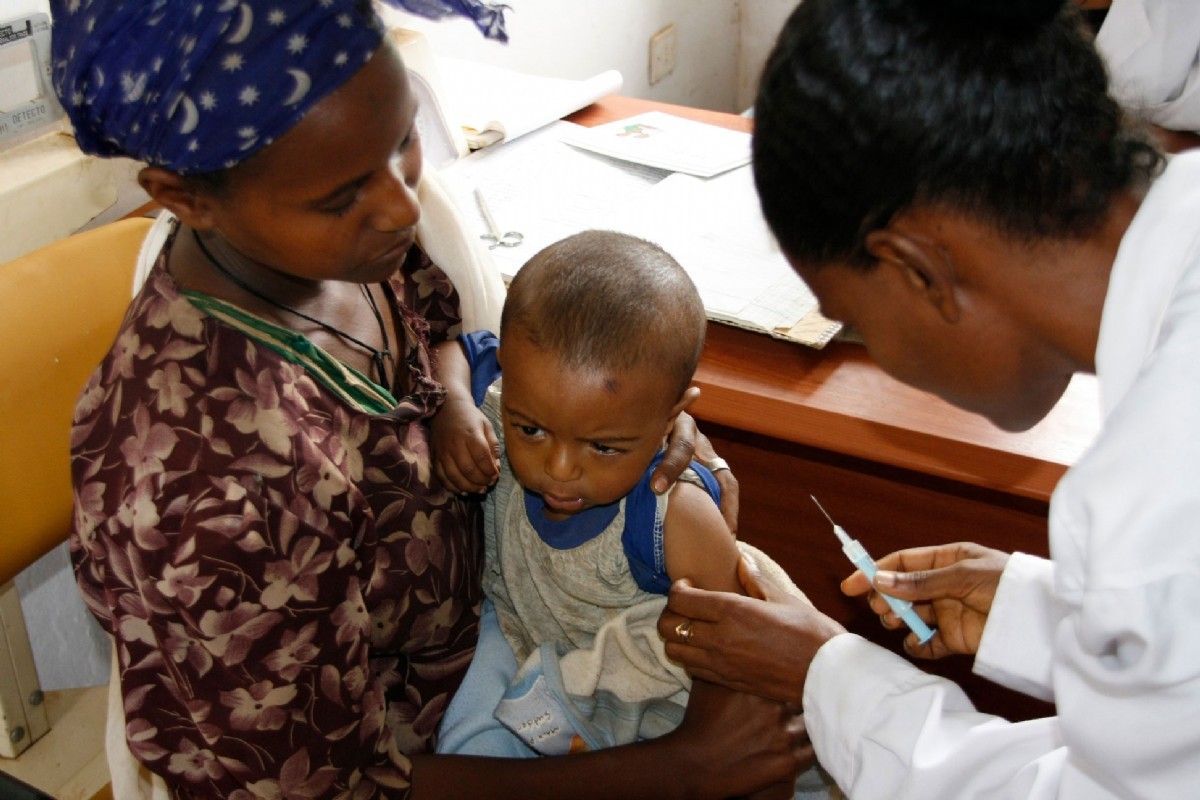
Immunization is the process of making our immune systems protective against diseases caused by pathogens: viruses or micro-organisms (also called microbes) such as bacteria, fungi and protists that cause disease. Immunization is usually done through vaccination, the safest and most effective method of preventing infectious diseases. Vaccination is largely responsible for the worldwide eradication of smallpox, one of the most contagious and deadly diseases in humans, and the restriction of rubella, polio, measles, mumps, chickenpox and tetanus.
Immune response

Your immune system naturally protects your body from infection by pathogens. It is spread throughout your body and involves many different cells, tissues, organs and substances. When the system encounters a pathogen, it mounts what is called an immune response: a carefully co-ordinated attack on the invaders.
The immune system is made up of innate immunity, which you are born with, and adaptive immunity, which develops as the body becomes exposed to microbes over time. The two parts of the system work together to keep you healthy.
How vaccines work
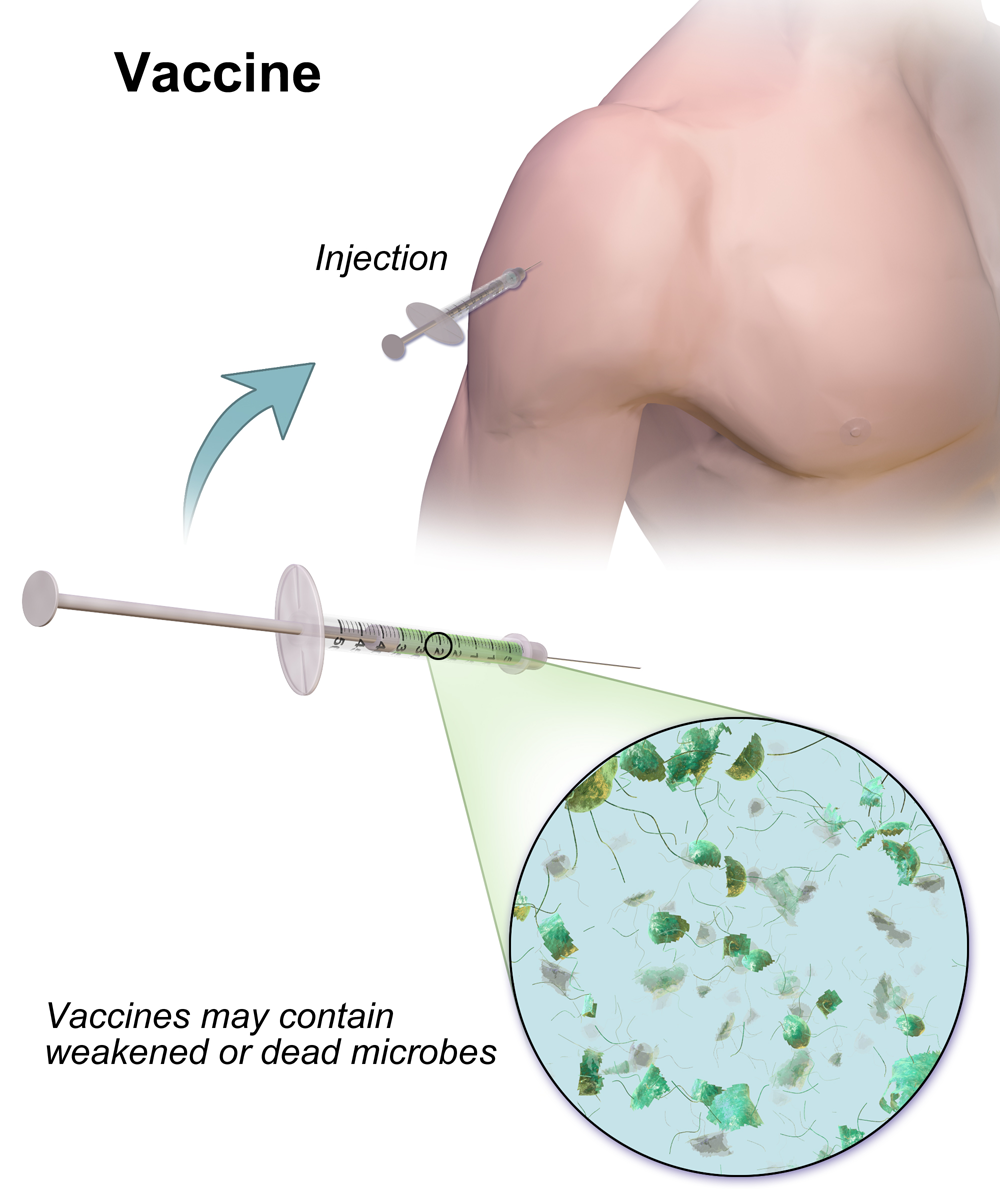
Vaccines contain antigens—weakened or dead pathogens, or parts of them, including the toxins (poisonous substances) they produce or the proteins that make them up. These antigens are introduced to a person, usually through an injection (although some vaccines are taken orally), in such a way that they do not become sick, but still bring about an immune response. White blood cells are triggered to produce antibodies to fight the antigens. Some of these cells, called memory B cells, then remember the antigen and remain in the body, waiting. They will quickly respond should the same antigens be encountered again—that is, when an actual pathogen enters the body—preventing infection and the person falling ill. This is known as having immunity.
Vaccination is considered safe, occasionally giving only mild symptoms of fever and swelling at injection sites. But allergic reactions can sometimes occur. There is a small risk associated with any injection. However, the risk of contracting a serious disease is far greater.
Clinical trials

Clinical, or human, trials are an essential part of the process a vaccine must go through before it receives approval and becomes available to the general public. There are three phases in any trial. The first involves a few healthy volunteers, and tests the vaccine for unwanted side-effects. The second involves many more people, and includes those who are at risk of getting the infection, to see if it gives them immunity. The third phase involves thousands of people to see how well the vaccine works and to check that it is safe. All vaccines go through these trials and will only be allowed to be used if they are shown to be safe and effective

Vaccination programmes
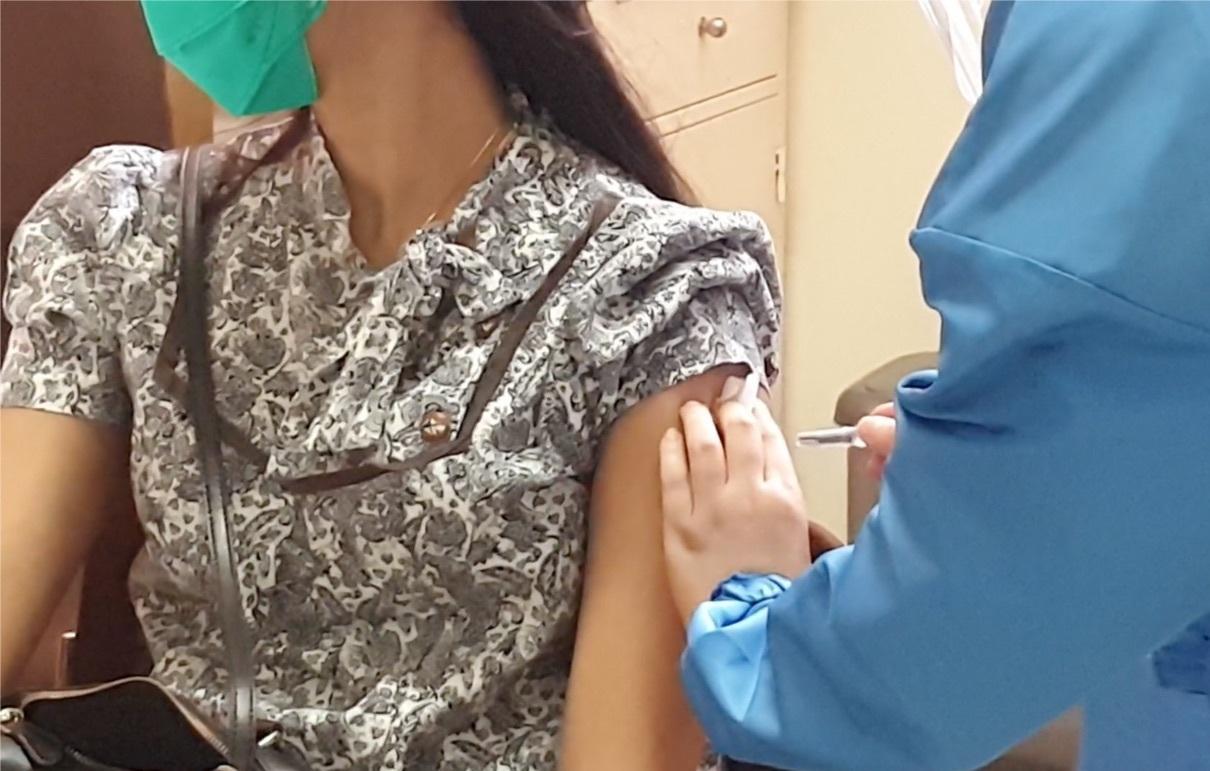
Setting up a vaccine programme presents a number of challenges. Once a new vaccine is approved, it will need to be manufactured (in the case of a global pandemic like Covid-19, in vast quantities) and transported to individual hospitals, surgeries and health centres. Many vaccines require refrigeration, sometimes at extremely low temperatures, so new equipment may be needed to store the vaccines. Staff trained to carry out the vaccinations must be made available. A system of record-keeping—so the healthcare system knows who has been vaccinated and who needs to be called for vaccines—will also be required.
Some new vaccines are expensive and so are most likely be bought up by nations that can afford them, leaving less wealthy ones without. This may require action by governments, aid agencies and international bodies such as the World Health Organization to ensure vaccines are made available to everyone who needs them.
Mutation
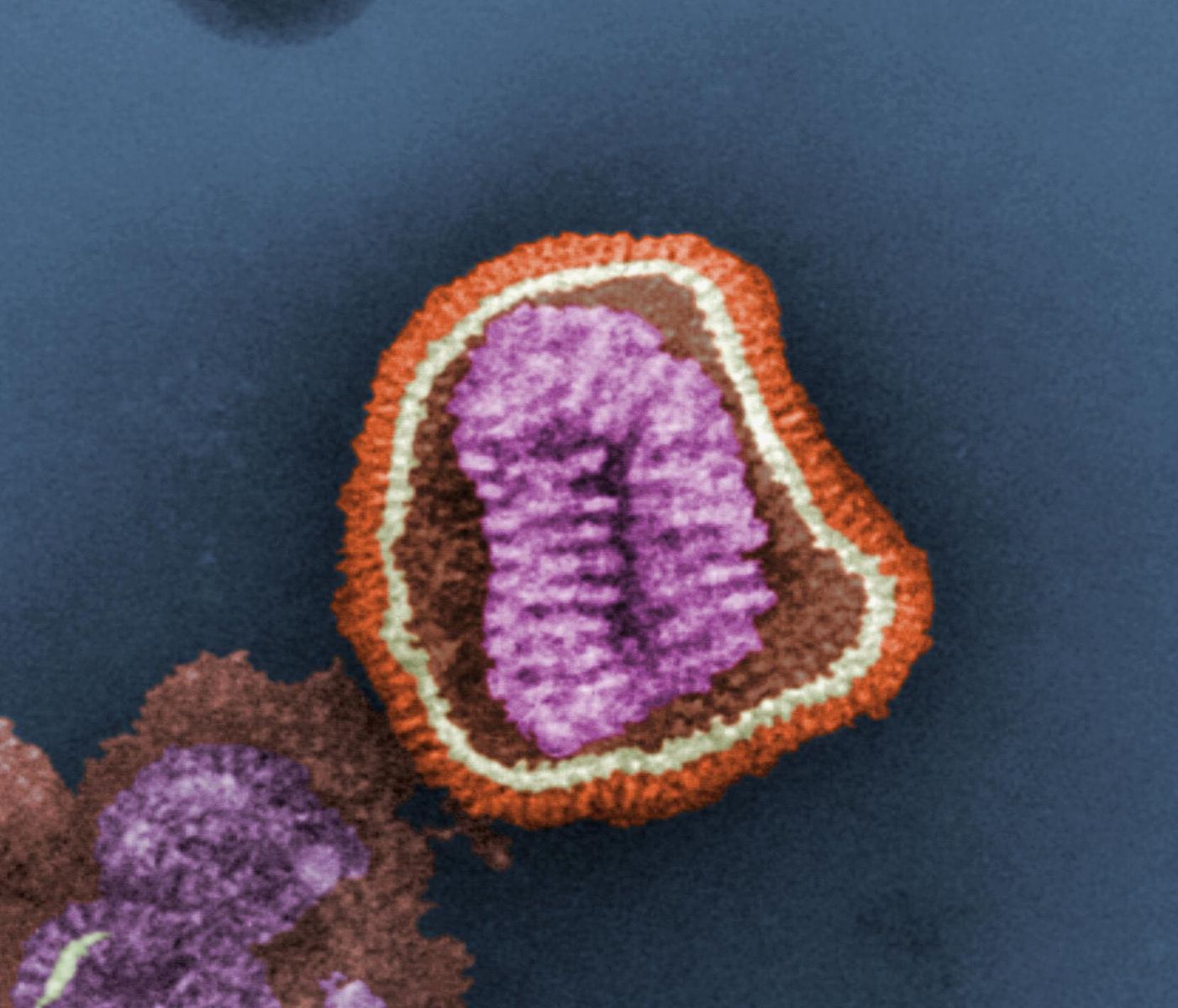
Some vaccines last longer than others. Once fully vaccinated against measles, the protection lasts for at least 20 years. But against viruses that, for example, cause influenza (flu), the protection may last only for a year or so. This is because the DNA of influenzaviruses mutates (changes) frequently, creating new antigens that the body's immune system's memory cells will not recognize and so are no longer effective against. This is called antigenic variation. A new vaccination against different "strains" of flu is needed each year to preserve immunity amongst those most at risk of complications from the disease, which can result in serious illness.
Herd immunity
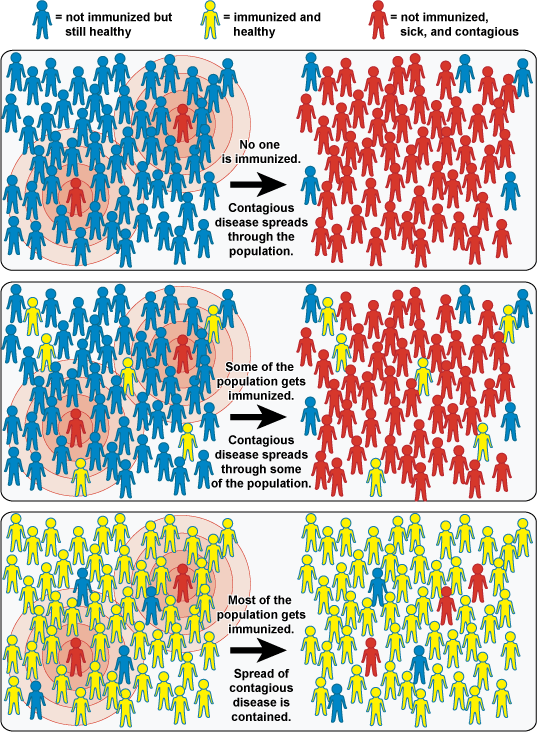
For any contagious disease, as long as the vast majority of people are vaccinated against it, it is much more difficult for an outbreak of that disease to spread, or break out in the first place. This effect is called herd immunity. It is crucial in containing epidemics (diseases that affect a large number of people) or pandemics (those that affect a continent-wide population, or the entire world, such as the Covid-19 outbreak).
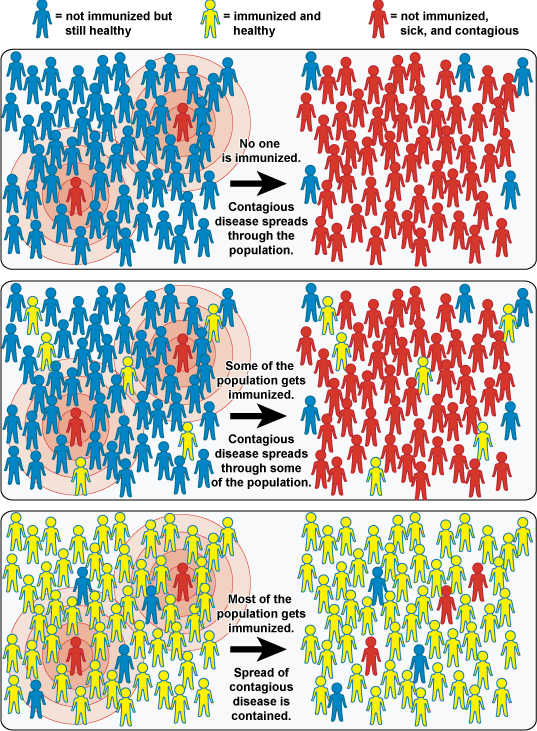
When a new vaccine is introduced, mass vaccination—in which a high percentage of the population is vaccinated—leads to herd immunity taking effect, decreasing risk to those people who cannot receive vaccines because they are too young or too old, or because their immune system may, for example, be seriously weakened (immunocompromised). But if the number of people vaccinated against a specific disease is below a certain proportion (estimated to be around 70% in the case of Covid-19), it leaves this vulnerable group exposed to a greater risk of infection, because they are more likely to come across people who are contagious.
Measles
Measles is an infectious viral disease that is that is most common in young children. Highly contagious, the measles virus is transmitted through the air in tiny droplets after an infected person coughs or sneezes (or simply breathes out). Measles causes a fever and skin rash, but in some severe cases it can lead to death.
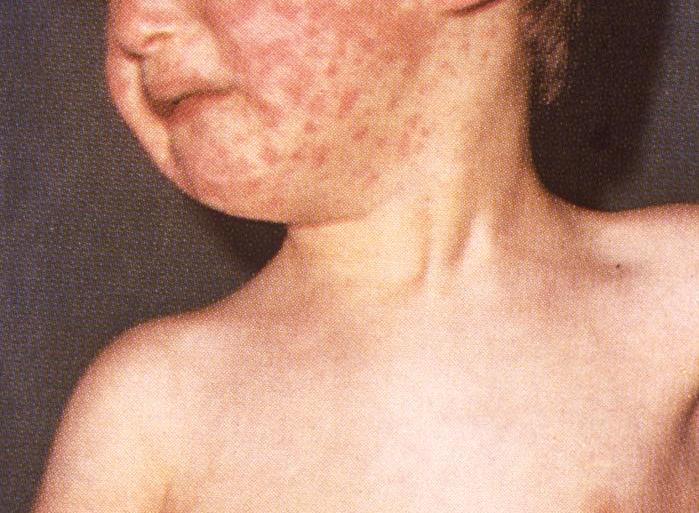

Many children in developed countries are given vaccines against measles, but this is not the case throughout the world, especially in the developing regions of Africa and Asia where measles remains one of the leading vaccine-preventable causes of death. By 2014, global vaccination programmes had reduced the number of deaths from measles to 73,000 (down from 2.6 million in 1980). However, death rates increased from 2017 to 2019, due to a decrease in immunization. As of 2023, there are now 107,500 deaths a year among those who have not been vaccinated. This is a consequence of, among other things, vaccine hesitancy.
Vaccine hesitancy

Vaccine hesitancy (also known as anti-vaccination or anti-vax), is a reluctance or refusal to be vaccinated, or to have one's children vaccinated. Vaccine hesitancy often results in disease outbreaks and deaths from diseases that could be prevented by vaccines, such as measles.
Arguments against vaccination are contradicted by overwhelming scientific agreement about the safety and effectiveness of vaccines. Worldwide, between two and three million deaths are prevented each year due to vaccination, while an additional 1.5 million deaths could be prevented each year if all recommended vaccines were used.
Incomplete vaccine coverage increases the risk of disease for the entire population because herd immunity is reduced.
In the UK, the MMR vaccine (a vaccine against measles, mumps and rubella) was the subject of controversy after the publication in 1998 of research by Andrew Wakefield and others, in which a link between the MMR vaccine and autism was claimed, but which was later proved to be false. Wakefield was struck off the UK medical register, barring him from practising medicine in the UK.

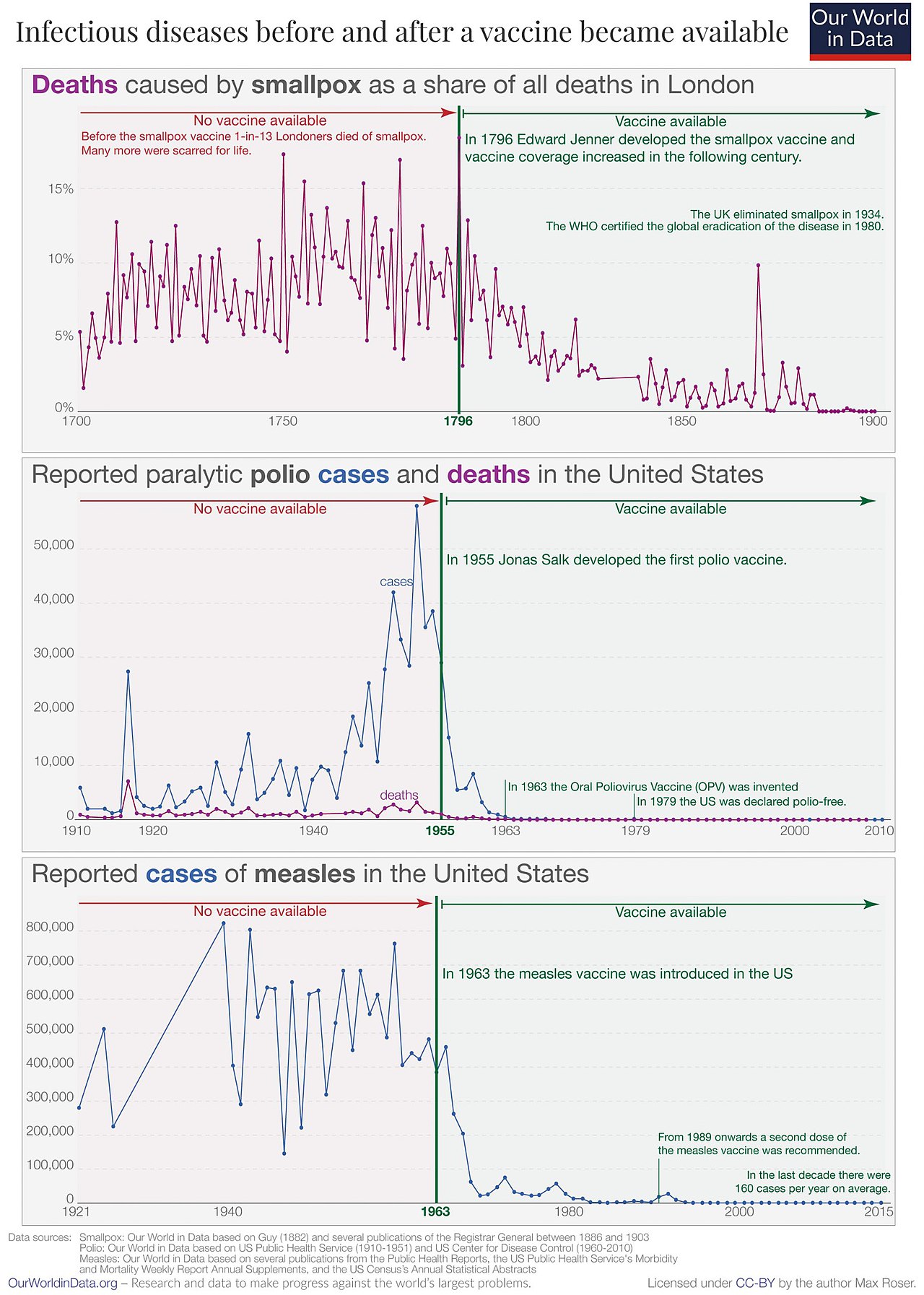
However, publicity around the 1998 study caused a sharp decline in vaccination rates (in the UK, these dropped from over 90% to just over 80%) in the early 2000s. This has led to a number of renewed outbreaks of measles around the world, including the US (see graph, opposite). The idea of a link between vaccines and autism has been extensively investigated in multiple studies and conclusively shown to be incorrect: vaccines do not cause autism.
History of vaccination
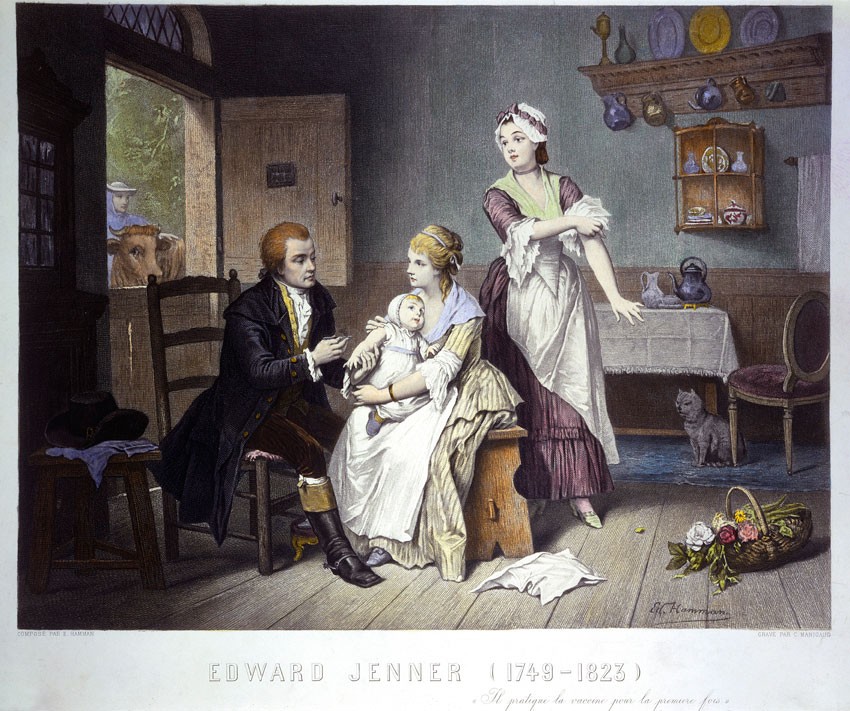
For centuries, serious diseases such as the plague and smallpox went uncontrolled. Millions of people died from them. It was the discovery of a means to protect people against one such disease, smallpox, that began the modern era of medicine. In the late 1760s, Edward Jenner (1749–1823), a young English country doctor, learned of a story, common in rural areas, that dairy workers would never get smallpox, because they had already caught a disease called cowpox, which has a very mild effect in humans. Cowpox is similar to smallpox, but much milder, and produces pus-filled blisters on the hands.
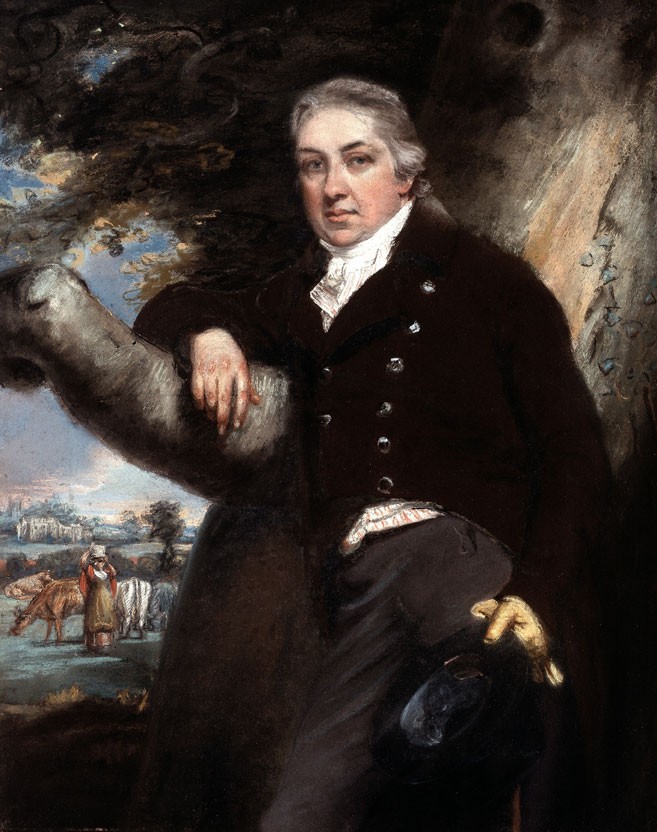

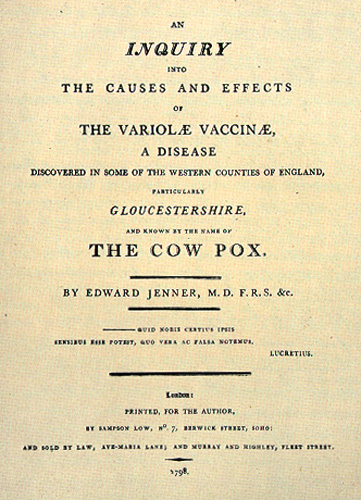
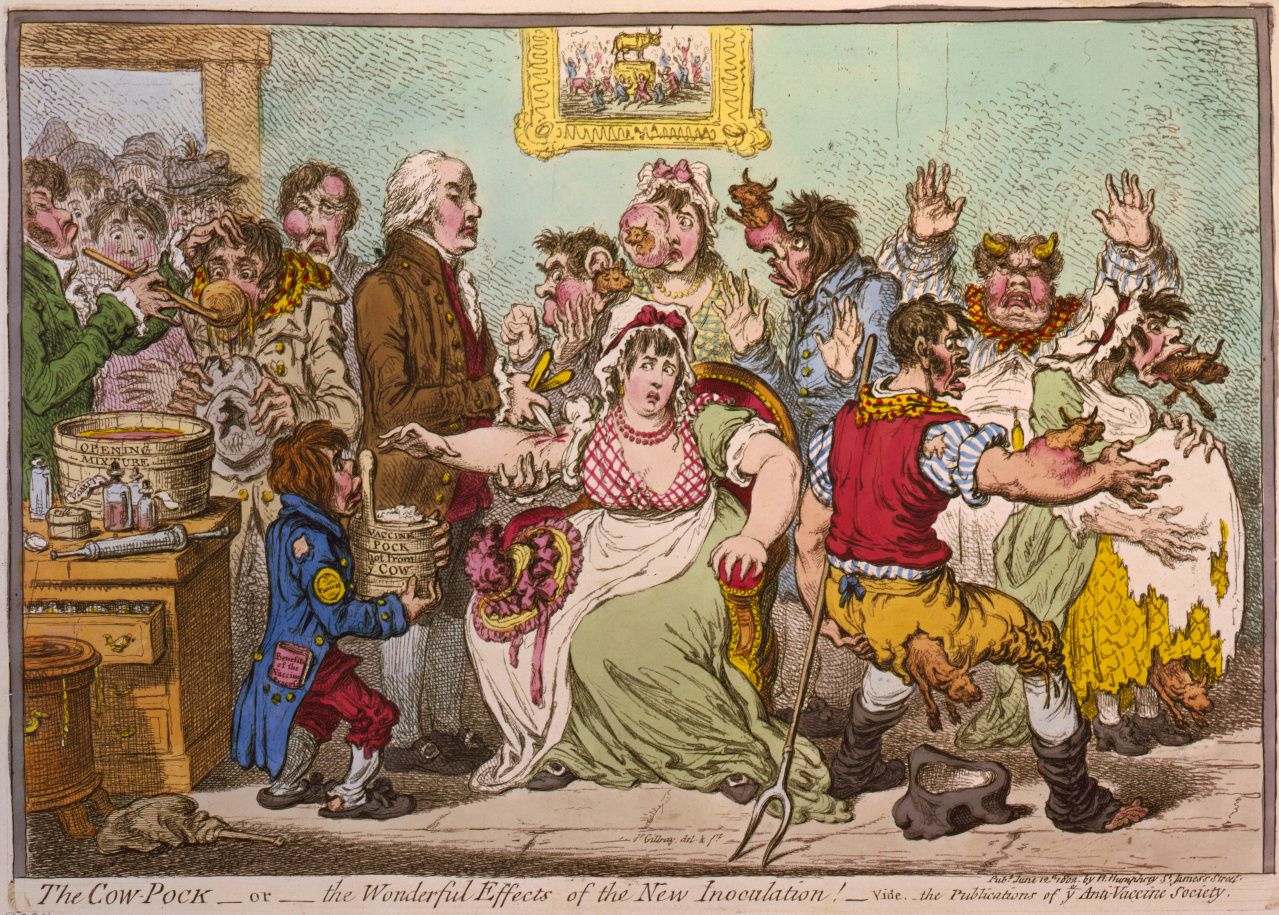
Jenner realised that infection with cowpox must be protecting the milkmaids from smallpox, and, some years later, in the 1790s, decided to test his theory. He took some pus from a milkmaid’s blister and scratched it into the arm of an eight-year-old boy, James Phipps. Within a few days, the boy developed mild cowpox. Six weeks later, Jenner infected the boy with smallpox, but James did not develop the disease. Jenner had "vaccinated" the boy against smallpox, by earlier introducing a weakened version of the microbes that cause the disease—although Jenner himself was unaware of what microbes were. It took until the 1840s before the medical establishment could accept the findings of a country doctor and adopt vaccination as a method of preventing disease.
Following on from Jenner's work, the next generation of vaccines was introduced in the 1880s by French chemist and microbiologist Louis Pasteur (1822–95), who developed vaccines for chicken cholera and anthrax.
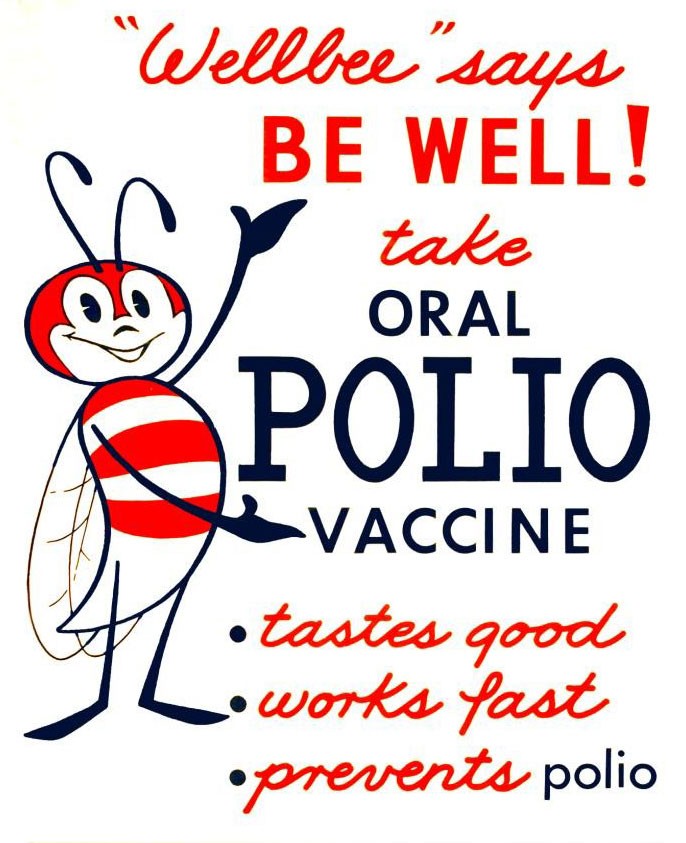
Several successful vaccines, including those against diphtheria, measles, mumps and rubella, emerged during the 20th century. Major achievements included the development of the polio vaccine in the 1950s and the eradication of smallpox during the 1960s and 1970s. Other diseases, such as typhus, rotavirus and hepatitis A and B are, thanks to vaccination programmes, well controlled. Vaccines for a number of serious diseases, however, including herpes simplex, gonorrhoea and HIV, are still in development or have yet to be developed.
Malaria vaccine
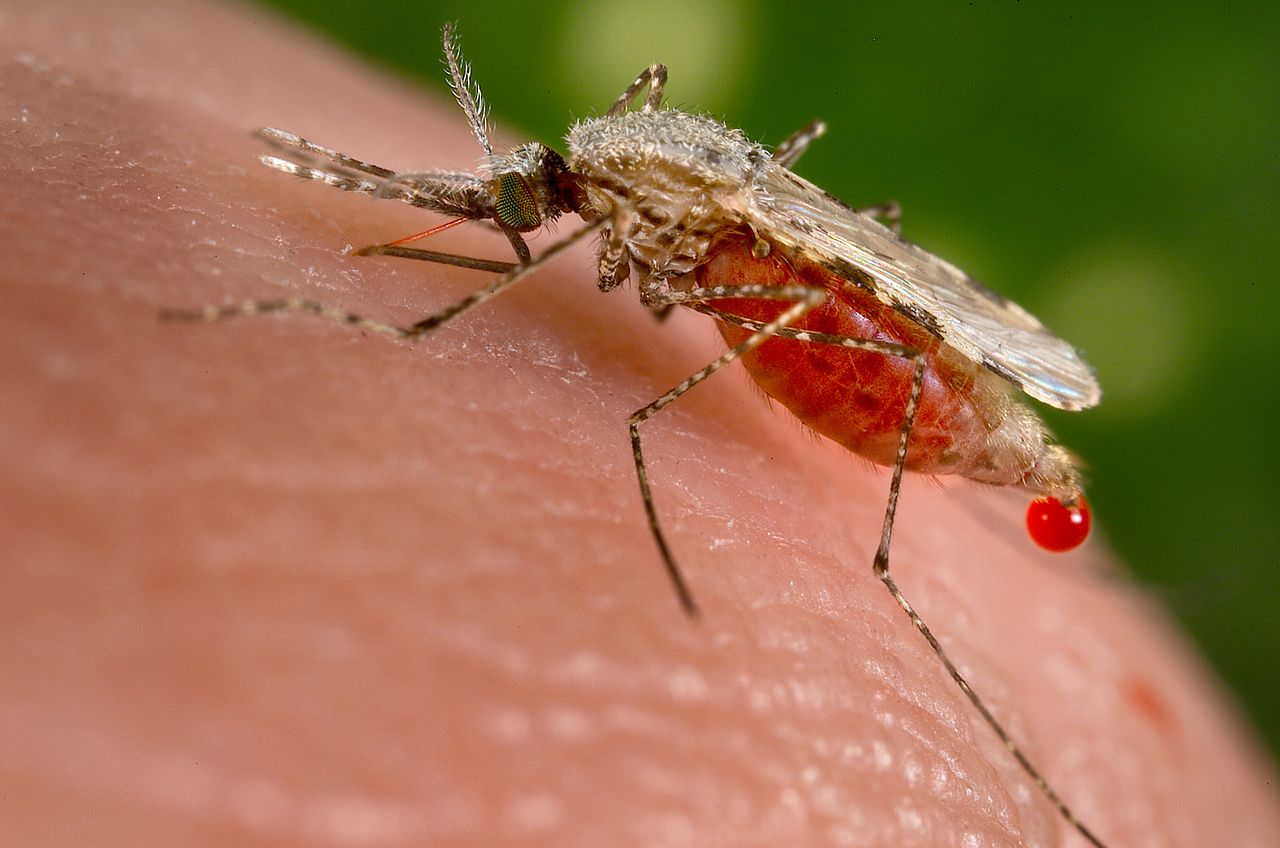
In October 2021, the World Health Organization announced that it had recommended the rollout of the world's first malaria vaccine. The vaccine could save tens of thousands of children’s lives each year across Africa. After a successful pilot programme involving more than 1.7 million children in Ghana, Kenya and Malawi, the RTS,S vaccine, also known as Mosquirix—developed by the British pharmaceutical company GlaxoSmithKline—is now being made available to children across sub-Saharan Africa.
An initial 18 million doses of the vaccine has been rolled out in 12 African countries. As of February 2024, nearly 10,000 children in Burkina Faso and Cameroon had received the RTS,S vaccine.
Taken on its own, the vaccine has limited effectiveness, preventing only 39% of malaria cases among small children. However, when they are given both the vaccine and anti-malarial drugs, there is a 70% reduction in hospitalization or death from the disease. Data from a 4-year programme, published in 2023, show that the vaccine cut deaths among young children by 13%.

In 2021, researchers from the University of Oxford reported findings from a trial of another malaria vaccine, known as R21/Matrix-M, which demonstrated much greater effectiveness of 77%. The first dose was given to an eight-month-old baby named Kalilou from Ivory Coast in July 2024. Supported by the world’s biggest vaccine manufacturer, India’s Serum Institute, which has the capacity to produce 100 million doses a year, R21 has been hailed as the first affordable malaria vaccine and a turning point in the fight to eradicate the disease altogether.

The race for a coronavirus vaccine
The outbreak of the Covid-19 pandemic started a race in which more than 150 companies and academic institutions set out to attempt to develop a successful vaccine against the Sars-CoV-2 coronavirus, the pathogen responsible for the disease. The vaccine projects used a range of new technologies to produce what they hoped would be an effective vaccine.
The Oxford/AstraZeneca vaccine was based on a virus that causes the common cold in chimpanzees. The chimp virus was modified so it could not multiply and cause disease in the human body. The gene for the coronavirus spike (the club-shaped parts that cover the virus's surface and which are crucial in enabling the virus to enter human cells), which is a protein, was then inserted, or spliced, into the chimp virus.
When the vaccine is injected, the chimp virus delivers the coronavirus gene to human cells. Our cells then get to work like miniature factories to produce the spike protein antigens. These are detected by the body's immune system, which produces antibodies. The body now has what it needs to attack the real coronavirus should it become infected with it in future.
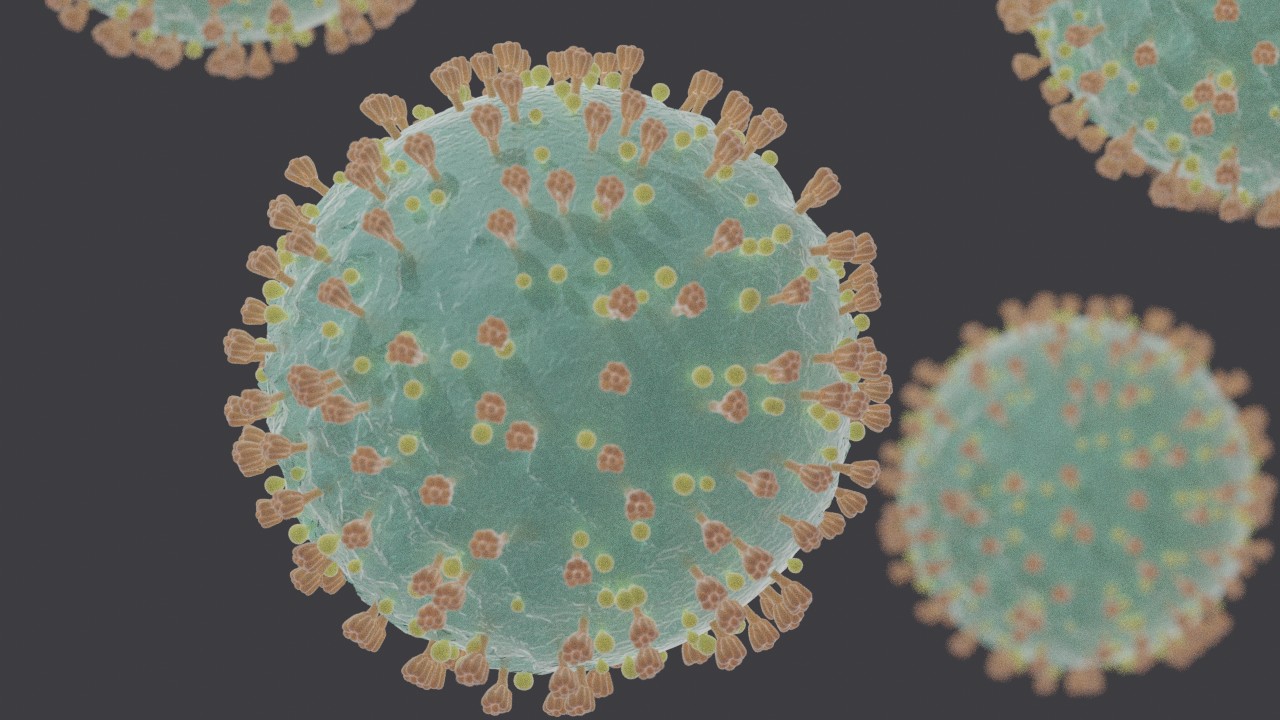

Researchers at Novavax took the genetic code for the protein spike on the surface of the virus, found in the virus's genetic material, called messenger RNA (mRNA), and spliced it into the DNA of bacteria or yeast. These micro-organisms, which reproduce extremely rapidly, then became the "factories" for producing large quantities of the protein. This then formed the basis of the vaccine.
Both the Pfizer/BioNTech and Moderna teams built their vaccine without creating a protein. Instead, fragments of the genetic code—the particular sequence that directs the virus to develop its spike protein—are, through vaccination, introduced as tiny strips of mRNA into the human body. Our cells then get to work to produce the spike protein antigens. These then prompt our immune systems to produce antibodies.
Although produced using different technologies, the Pfizer–BioNTech, Moderna and Oxford/AstraZeneca vaccines all proved highly effective. The Pfizer–BioNTech was the first Covid‑19 vaccine to be authorized, followed by the Moderna and Oxford–AstraZeneca, all by the end of December 2020.

Consultant: Kristina Routh
pics

Without in any way limiting Q-files Ltd’s exclusive rights under copyright, any use of this publication to “train” generative artificial intelligence (AI) technologies to generate text is expressly prohibited. Q-files Ltd reserves all rights to license use of this work for generative AI training and development of machine learning language models.