
The world in the 21st century

CITE
We have made every effort to follow citation style rules, but there may be some minor differences. If in doubt, please refer to the appropriate citation style manual.
Covid-19 pandemic. (2024). In Q-files Encyclopedia, History, The world in the 21st century. Retrieved from
https://www.q-files.com/history/the-world-in-the-21st-century/covid-19-pandemic
"Covid-19 pandemic." History, The world in the 21st century, Q-files Encyclopedia, 1 Nov. 2024.
https://www.q-files.com/history/the-world-in-the-21st-century/covid-19-pandemic.
Accessed 21 Sep. 2026.
Covid-19 pandemic 2024. History, The world in the 21st century. Retrieved 21 September 2026, from
https://www.q-files.com/history/the-world-in-the-21st-century/covid-19-pandemic
History, The world in the 21st century, s.v. "Covid-19 pandemic," accessed September 21, 2026.
https://www.q-files.com/history/the-world-in-the-21st-century/covid-19-pandemic


Covid-19 pandemic
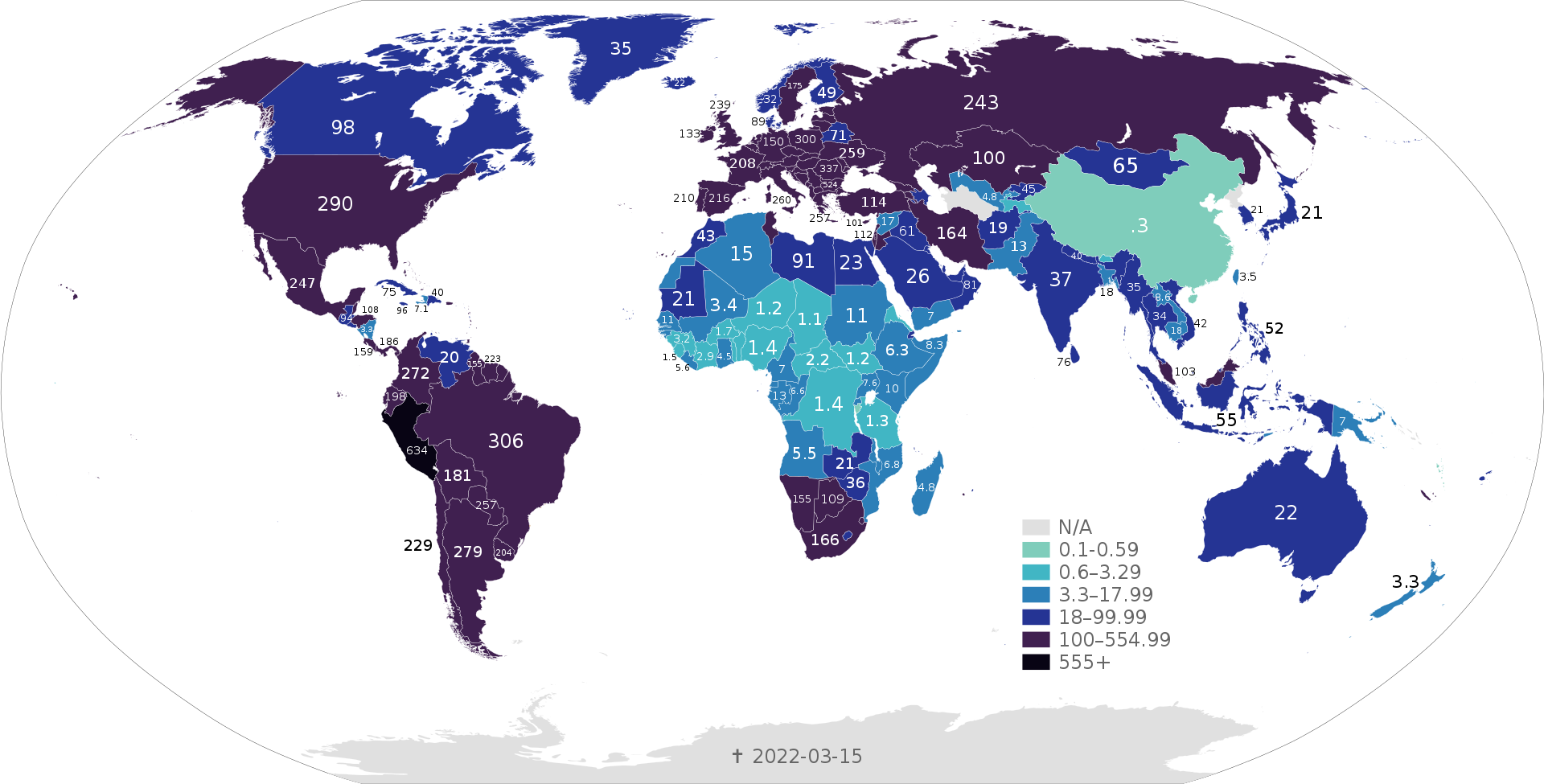
In December 2019, a pneumonia outbreak was reported in Wuhan, China. The disease was traced to a new strain of coronavirus, later named Sars-CoV-2. A lockdown in Wuhan and other cities in Hubei province, along with the imposition of strict travel bans, failed to contain the outbreak; some infected people had already left. The disease quickly spread to other parts of mainland China—and then around the world. The World Health Organization (WHO) declared a Public Health Emergency of International Concern on 30th January 2020, and a pandemic (a disease that has spread across the world) on 11th March. Variants of the virus, named by Greek letters such as Delta and Omicron, have emerged over the course of the pandemic. As of May 2023, 765 million cases and 6.9 million deaths have been confirmed, making Covid-19 one of the deadliest pandemics in history.
10th May 2023


Origins
Scientists found that the Wuhan strain had a 96% genetic similarity to a coronavirus common in bats. So it is widely suspected that the virus originated in bats and was transmitted, probably via another mammal, to humans. When pathogens (disease-causing micro-organisms) jump from a wild animal to humans, it is called a zoonotic spillover. Many of the first cases of Covid-19 were linked to Wuhan's Huanan "wet market", a place where wild animals are sold. Experts think Sars-CoV-2 found a host in one of the animals there. (It is also possible the virus leaked from the Institute of Virology, a research lab for bat coronaviruses, also in Wuhan.)
Because Sars-CoV-2 was new to humans, when the outbreak began no one had prior immunity to it. Human immune systems were unable to produce antibodies to combat the virus. And at the time of outbreak, no vaccine was available, which meant the virus could spread across the world unchecked.
Symptoms
Covid-19 symptoms range from barely noticeable to life-threatening. Common symptoms include: fever, cough, headache, fatigue, breathing difficulties and loss of smell and taste. Severe illness is more likely in the elderly, as well as those who have certain underlying medical conditions. But Covid-19 is also known to be hazardous for middle-aged adults—a fatal infection is far more dangerous than seasonal flu, for example. The vast majority of people recover, but a few continue to experience fatigue and other effects, including long-term damage to organs, for months after recovery, a condition called Long Covid.


Transmission
The virus is spread from an infected person to another person mainly through close contact—via droplets produced when someone breathes out, talks or sings, coughs or sneezes. The droplets may include minuscule airborne particles known as aerosols, which can remain suspended in the air for long periods, particularly indoors or where there is poor ventilation. It is also possible (but much rarer) to be infected after touching a contaminated surface and then the face.
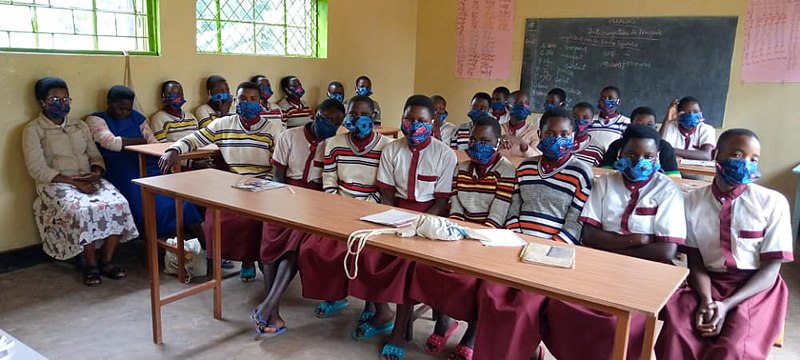
Recommended measures to prevent infection include social distancing—staying at least 2 metres (6 feet) apart—wearing face masks to contain the exhalation (breathing out) of droplets, and frequent hand washing. People infected remain contagious for up to 20 days, and can spread the virus even if they are asymptomatic (they do not develop any symptoms) themselves.

Combat strategies
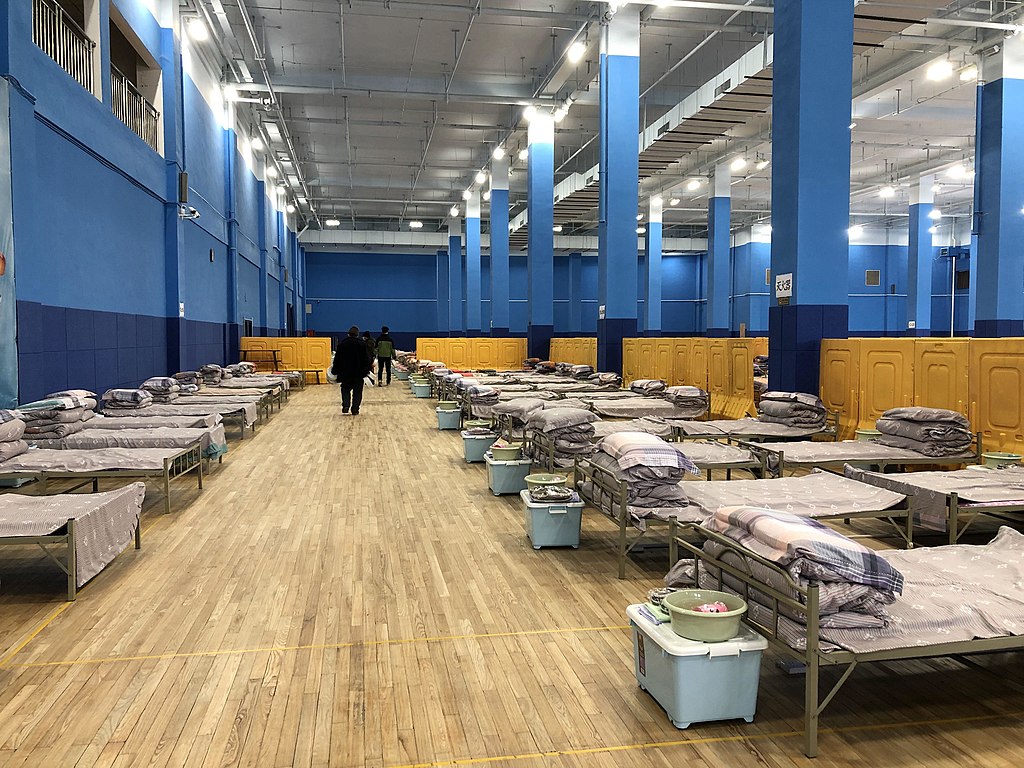
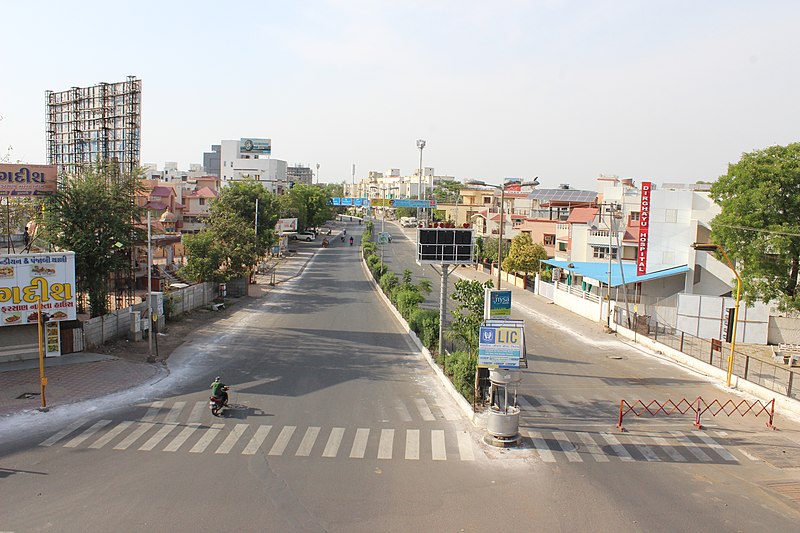
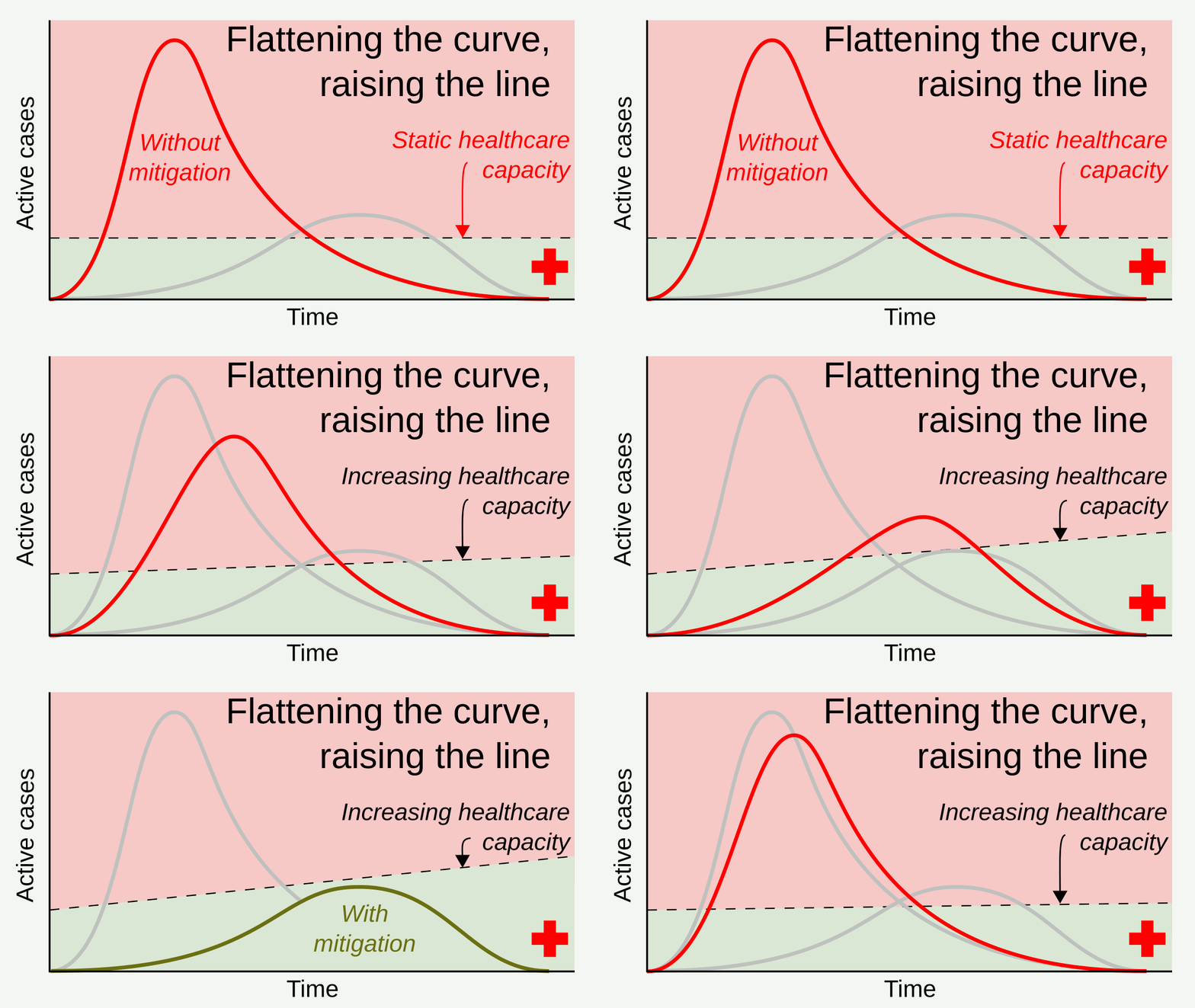
Before effective vaccines became available at the end of 2020, it was vitally important to contain the spread of the virus as much as possible. It soon became clear that it was not possible to eliminate the virus, so most governments practised a policy of mitigation—slowing the virus's spread to give health services time to deal with the huge volume of serious cases. From February 2020 onwards, as cases emerged in other countries besides China, governments introduced emergency measures. These included: travel restrictions, workplace controls, lockdowns and quarantines. Efforts to increase testing capacity and trace contacts of people who were infected were also put in place.
All this meant that across the world large parts of countries' economies—the production of goods and delivery of services—had to be temporarily shut down. Governments were forced to spend enormous sums to support businesses and citizens while people stayed at home and the emergency policies took effect.
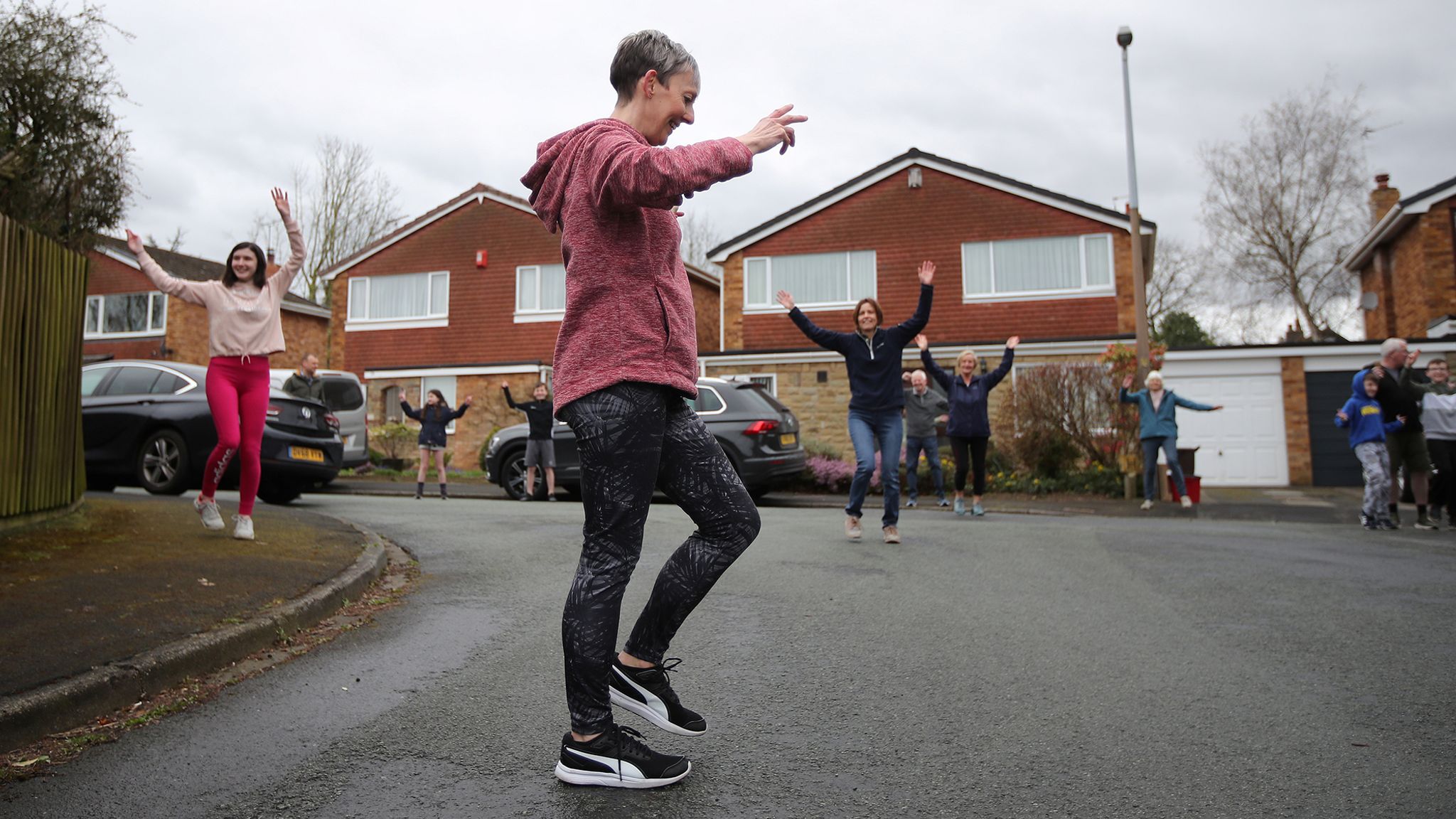
Containment was more successful in some countries than others. South Korea, for example, introduced the most extensive and best-organized programme in the world to screen its population for the virus, isolate any infected people and trace and quarantine them. Less successful were, for example, the UK, US, many EU nations, India and a number of South American countries, where the virus claimed hundreds of thousands of lives and health services were at least severely strained and, in some cases, in danger of being overwhelmed.

Treatment
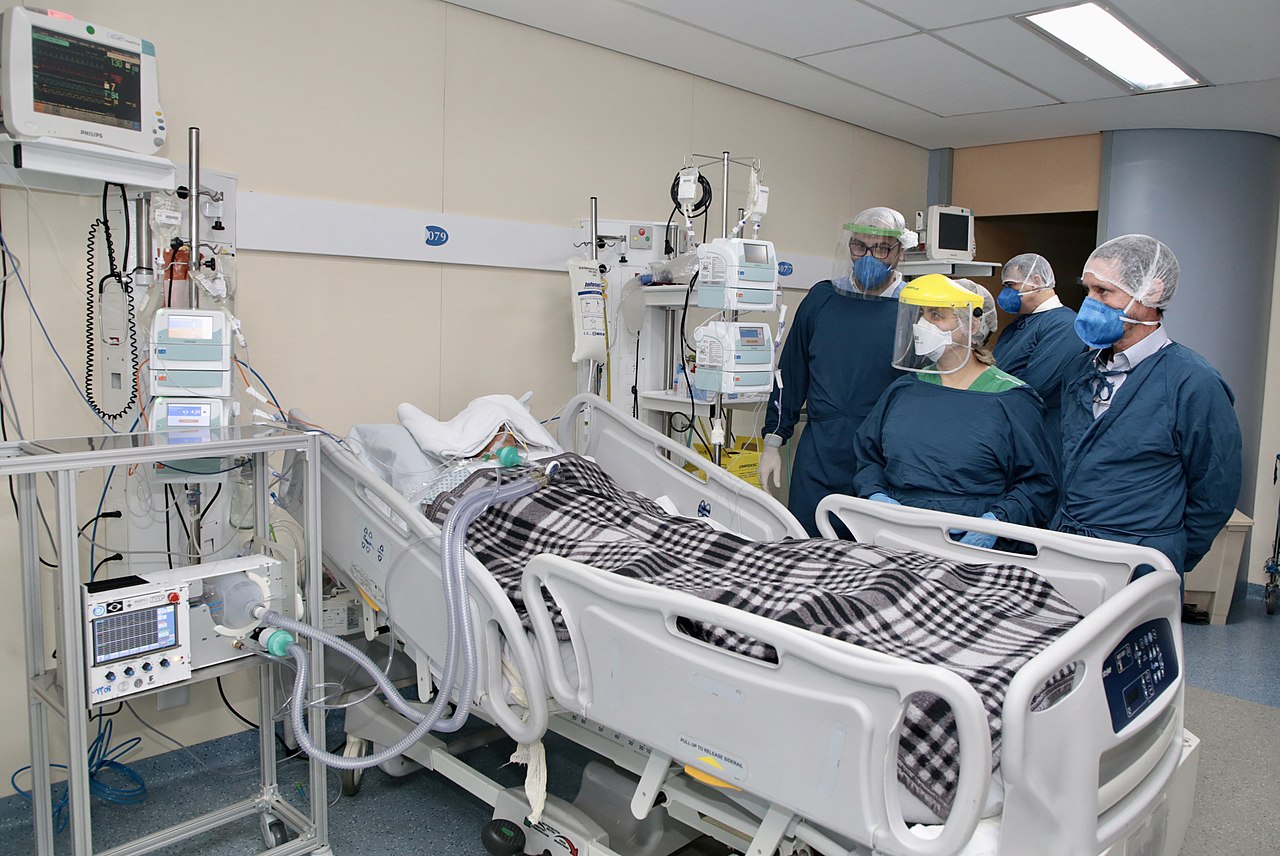
There was—and is still the case as of April 2022—no effective cure for Covid-19. But various measures could be taken to relieve symptoms and support affected vital organs. People with more severe cases were treated in hospital. Some needed admission to an Intensive Care Unit (ICU) for mechanical ventilation to aid breathing.
Vaccines
Soon after the outbreak was reported, more than 150 companies and academic institutions set out to attempt to develop a successful vaccine against the Sars-CoV-2 coronavirus. Many employed a range of new technologies. A number of vaccines were successfully developed and approved in record time, with those of Pfizer/BioNTech, Oxford/AstraZeneca and Moderna among the first.

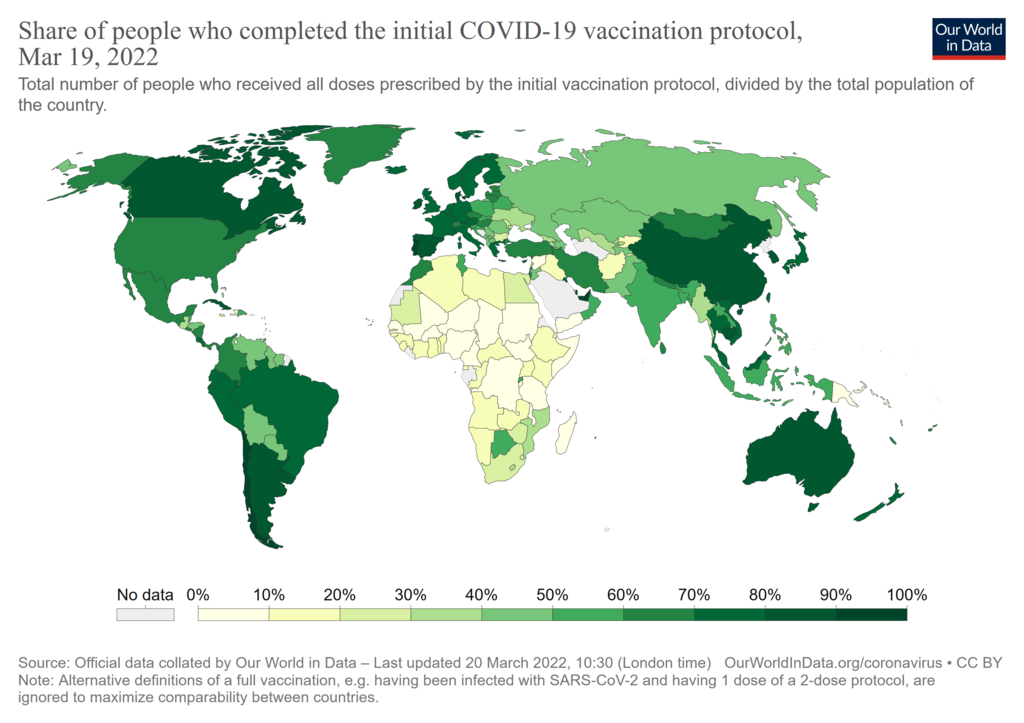
The first vaccinations took place in mid-December 2020. The vaccines are widely credited for helping reduce the spread and severity of Covid-19. As of January 2023, 13.2 billion vaccine doses had been administered worldwide with around 66% of the global population fully vaccinated (have received either a single-dose vaccine or both doses of a two-dose vaccine). Only around 26% of people in low-income countries have received at least one dose, with far fewer fully vaccinated.
Delta variant
The Delta variant is a strain of Sars-CoV-2, the virus that causes Covid-19. It was first detected in India in late 2020 and was named the Delta variant in May 2021. The strain has mutations in the gene that encodes the protein forming virus's spikes. This increases the virus's transmissibility—Delta is more capable than the original virus of getting into cells that line the nose, mouth and throat. Scientists consider Delta to be one of the most transmissible respiratory viruses (those that affect breathing) known. During 2021, it became the dominant strain in many parts of the world, including India, Europe and North America. The most reported symptoms are headache, sore throat and runny nose.
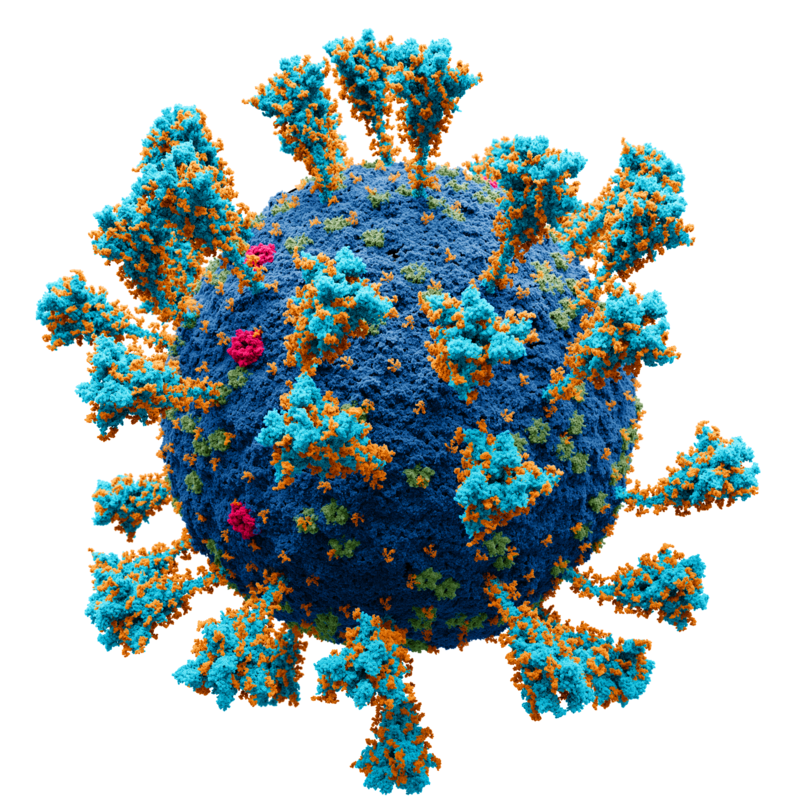

While vaccinated people are less likely both to become sick or spread the virus, they can still carry greater amounts of the Delta variant than the original virus, making it more likely that they could spread it. This is why in many countries the official advice is for everyone, whether they are vaccinated or unvaccinated, to continue to wear face masks in public indoor places.
Omicron variant
Another strain of Sars-CoV-2, called the Omicron variant, was first reported in South Africa in November 2021. By mid-December, it had spread to most other countries, fuelling a surge in infections in many places. Omicron has an unusually high number of mutations, many of which affect its spike protein. This led to concerns about its transmissibility and its ability to evade double vaccination and the body's immune system. Compared to Delta and other previous variants, Omicron is believed to be significantly more transmissible and, once it has infected someone, to spread around 70 times faster in the bronchi (lung airways). But it is less able to penetrate deep lung tissue, and so infections are milder, reducing the risk of needing to be admitted to hospital. Another factor may be that it is less able to escape from the body’s T cells, part of the immune system. Booster vaccinations have been shown to provide high protection against severe disease.
Herd immunity
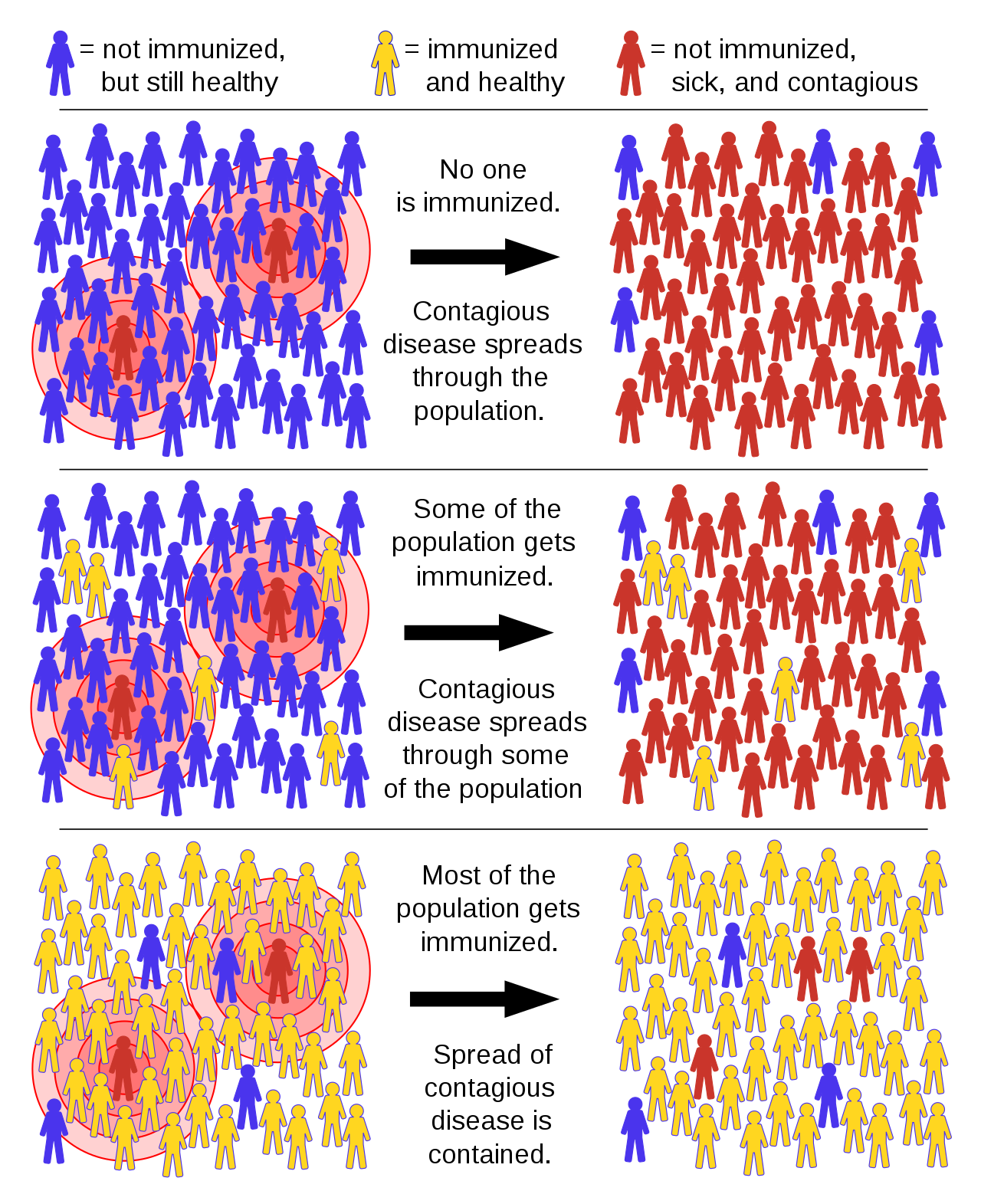
Herd immunity is a form of protection from a contagious disease, such as Covid-19, that can occur when a sufficient percentage of a population has become immune to an infection, either through vaccination or previous infections. This reduces the likelihood of individuals who do not have immunity from being infected. The greater the proportion of immune people in a community, the smaller the likelihood that non-immune individuals will come into contact with someone who is infectious. If herd immunity is maintained for a sufficient time, the disease will therefore be eliminated. Herd immunity worldwide will be crucial in overcoming the Covid-19 pandemic for good.
Impact on health and education
The pandemic has had a marked impact on people's health beyond those caused by the disease itself. A significant reduction in hospital visits for other reasons has sparked concerns that people have not been seeking treatments for serious conditions such as heart disease, strokes and appendicitis. The pandemic has also had a negative effect on mental health (defined by the WHO as "a state of well-being in which the individual realizes his or her own abilities [and] can cope with the normal stresses of life"), including increased loneliness and depression from having to endure lockdowns.

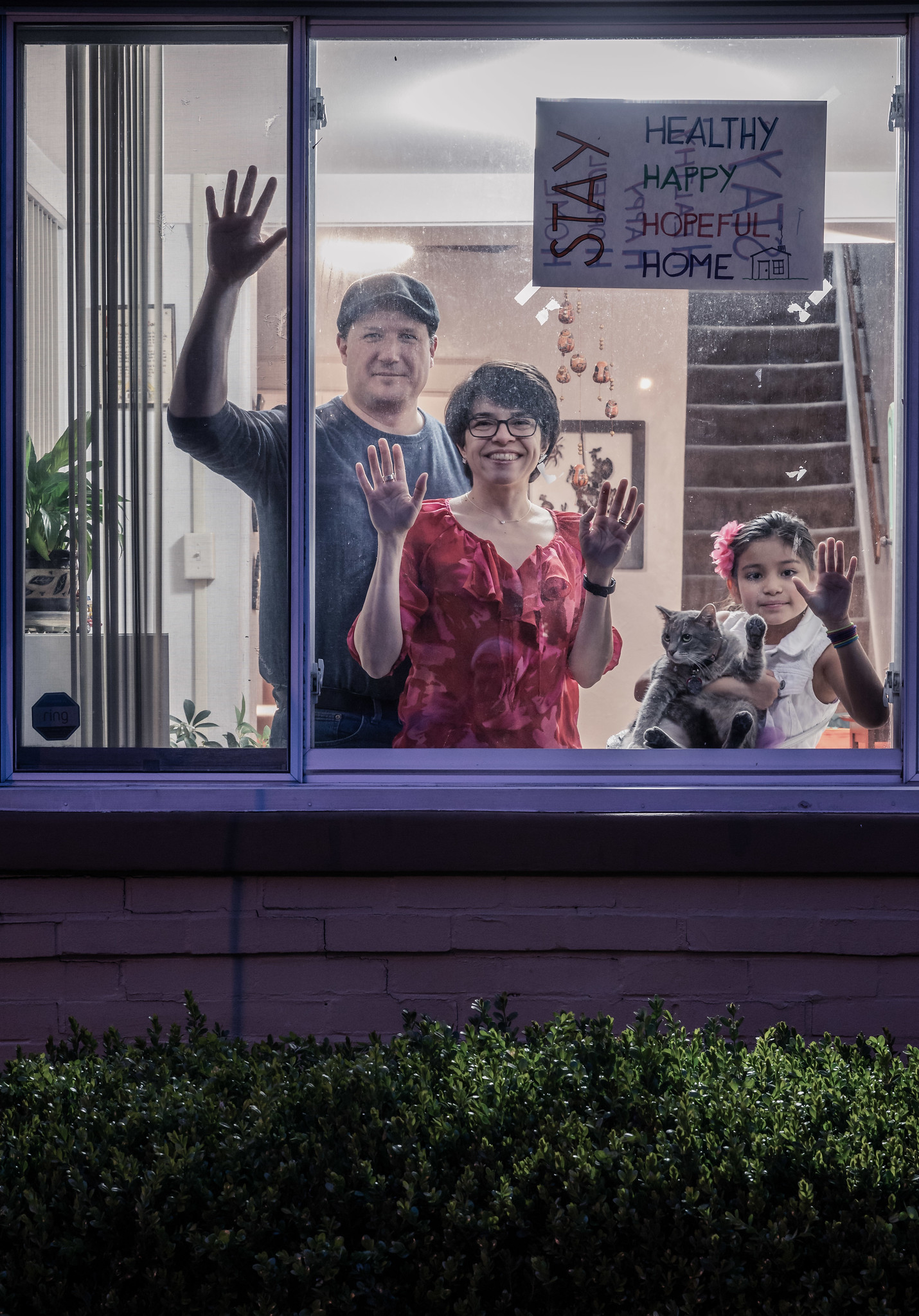
The pandemic has also had a significant impact on the provision of education. As part of lockdown strategies, governments temporarily closed schools and colleges, with many students switching to online education. The mental health of many young people worsened as a result of lockdowns, because they were unable to meet one other at school, college or in social situations.


Disruption
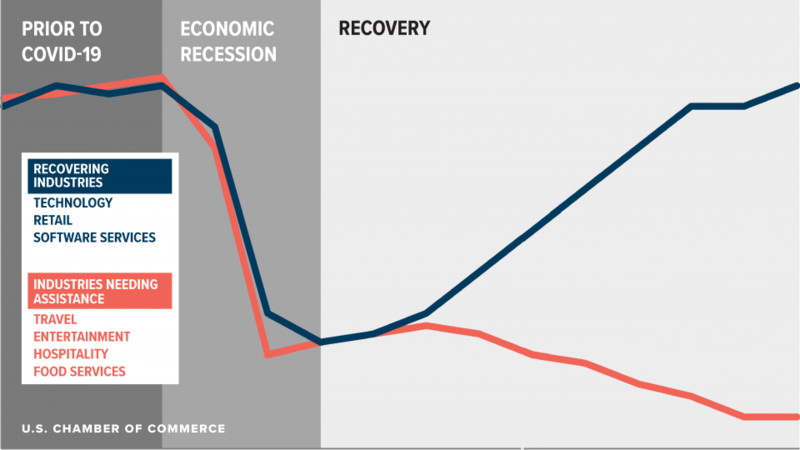
With governments taking action to close down their countries' economies and spending vast amounts of money on supporting businesses and their populations, the result was severe global social and economic disruption. It led to the deepest global recession (a decline in economic activity) since the Great Depression of the 1930s. There were widespread food shortages, made worse by panic buying among people fearing these same food shortages. Most public areas were partially or fully closed, with many events cancelled or, in the case of the Euros football tournament and Olympic Games, postponed from 2020 until 2021.

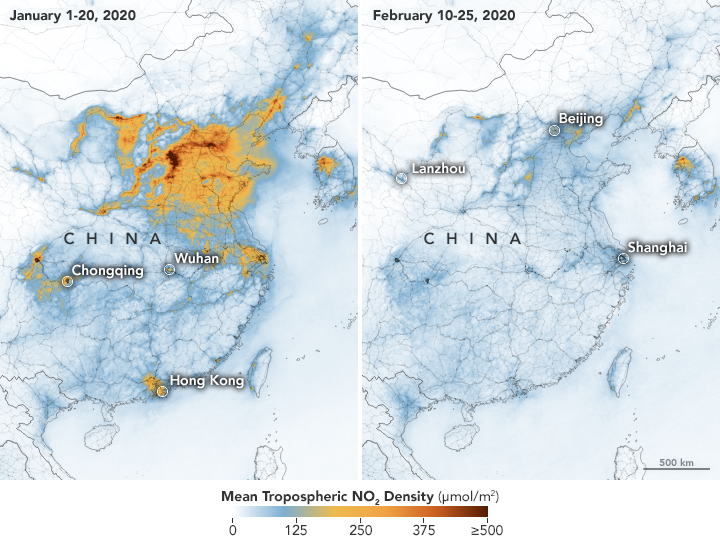
The global reduction in human activity, such as the drastic decline in travel, led to a significant (but temporary) drop in air pollution in many regions. In China, lockdowns and other measures resulted in a 25% reduction in carbon emissions, which some scientists estimated may have saved at least 77,000 lives over two months.
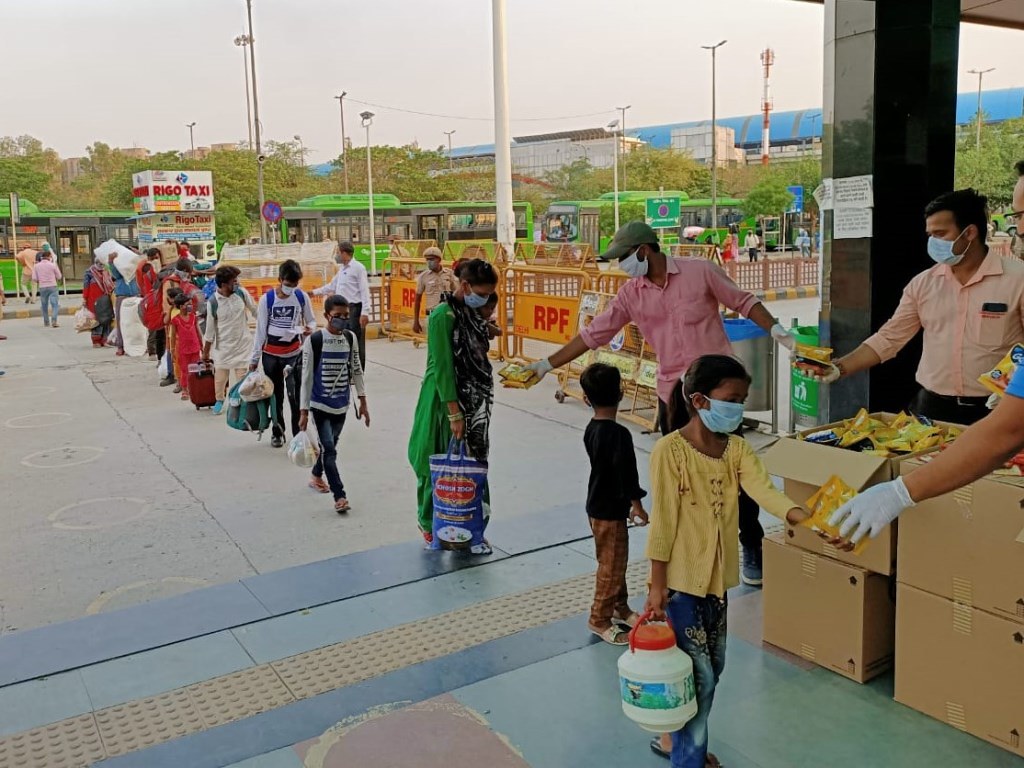
Lockdowns and travel restrictions has prevented the movement of aid and greatly impacted food production, raising the risk of famine in some parts of the world. According to forecasts, around 265 million people are likely to face famine conditions—an increase of 125 million due to the pandemic.
Culture—especially the performing arts—and sport have been badly affected by the pandemic. Museums, libraries and performance venues were closed, with their exhibitions, events and performances cancelled or postponed. Some services were able to continue online, however. Sports—both participation and spectating—also suffered. Attendance for religious worship, weddings, funerals and many other events had to be severely curtailed or cancelled altogether.

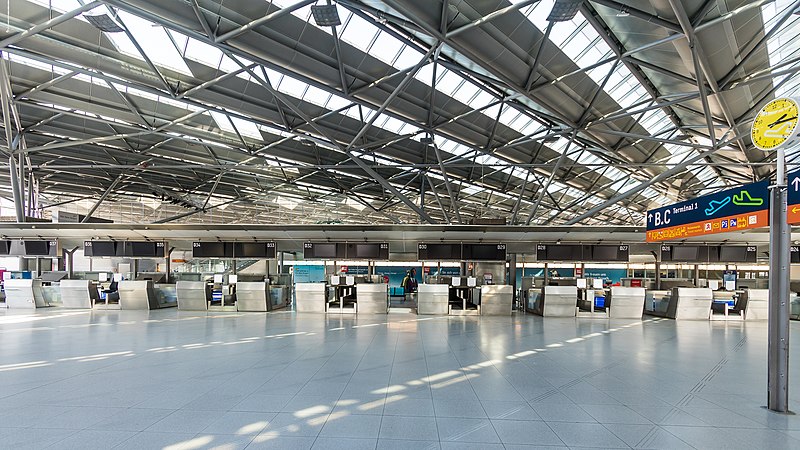
The outbreak has had a major destabilizing impact on the global economy, one that some experts believe could last for years. Many sectors have suffered from a dramatic fall in demand through enforced lockdowns. Tourism is one of the worst affected sectors due to travel bans, with many airlines having cancelled flights due to low demand. Apart from supermarkets and other essential food outlets, retail businesses faced heavy losses because of reductions in hours or temporary closures. Hospitality (hotels, restaurants, bars and cafés) lost business because of enforced closures. Manufacturing, agriculture and transportation were severely disrupted because many workers have been kept away by lockdowns or been forced to self-isolate.
As demand for manufactured goods—particularly cars, TVs, electric appliances and electronic devices—began to pick up from late 2020 onwards, a "supply-chain crisis" emerged. Low output in the factories, a shortage of raw materials, disruption at container ports and a lack of truck drivers all contributed to a backlog in deliveries and struggling economies around the world.
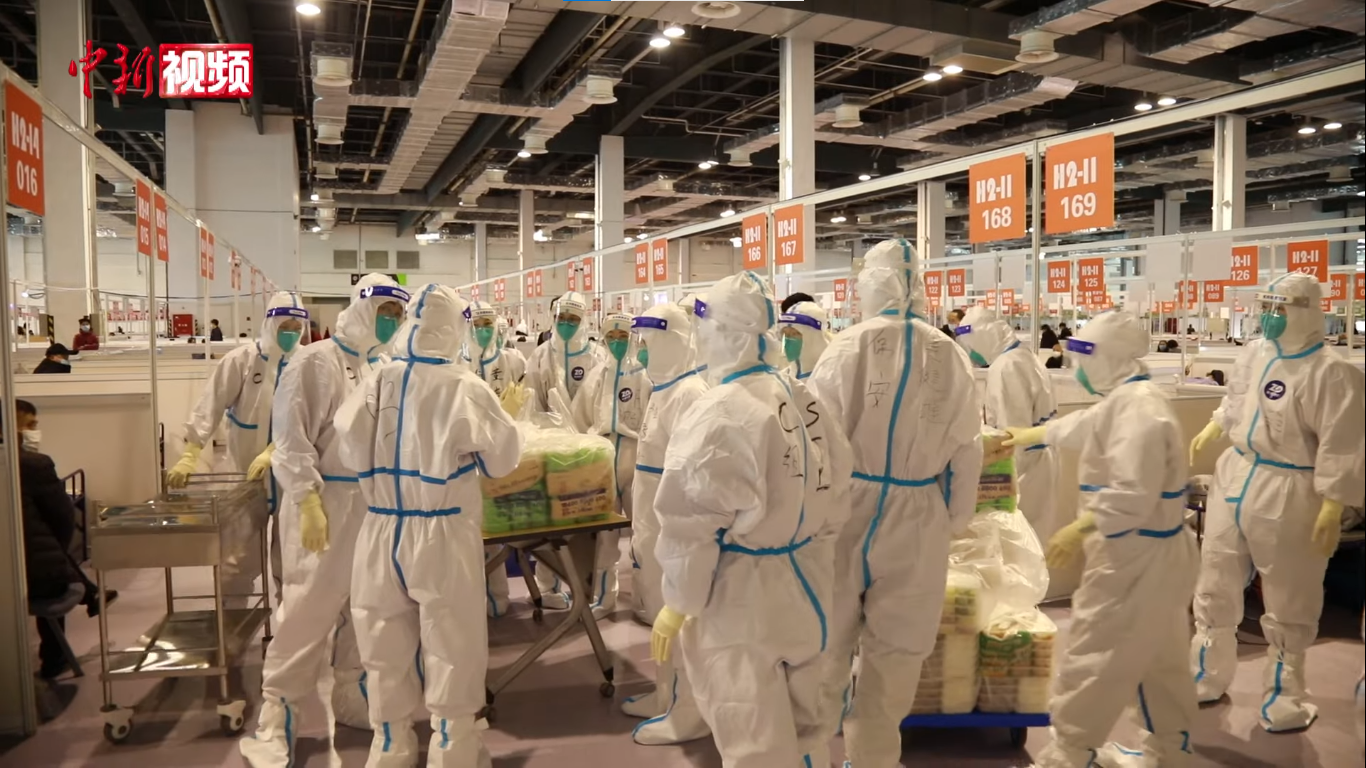
Lockdowns and
protests in China
China was one of a small number of countries during the Covid-19 pandemic that followed an elimination, or "zero-Covid", strategy. To keep case numbers low, the Chinese government enforced strict lockdowns in places where outbreaks occurred. The aim was to eliminate transmission of the virus and allow normal economic and social activity to resume as quickly as possible. This goal was largely achieved by mid-2020—at a time when much of the rest of the world was experiencing soaring numbers of Covid cases.
However, as the roll-out of vaccinations in other countries successfully reduced infections and saw a return to normal life from mid-2021 onwards, China's vaccination programme proved less effective: fewer than 20% of Chinese people over the age of 80 received a booster dose. As a result, Covid outbreaks occurred in many Chinese cities throughout 2021 and 2022. These were dealt with by local lockdowns. The largest of these was in Shanghai between March and May 2022, following an outbreak caused by the Omicron variant. It caused disruption to Shanghai's port and industries, panic-buying by residents and severe strains to the city's health service. Protests and clashes with police broke out.
From November 2022 onwards, the protests spread nationwide amid growing discontent among China's population over their government's zero-Covid policy. People were being confined to their homes without work, while many found themselves unable to purchase daily necessities. Known as the White Paper Protests or the A4 Revolution, they caused the Chinese government to ease restrictions in December 2022.
This policy change resulted in an immediate surge of Covid infections in Beijing, Guangdong and other provinces. It was reported that as many as 248 million people in China might have contracted Covid-19 over the first 20 days of December, with nearly 37 million infected on a single day. It is estimated that on average 5000 people were dying from the disease each day.

On 14th January 2023, the Chinese National Health Commission reported 59,938 Covid-related deaths from 8th December 2022 to 12th January 2023. Up to this point, the official death toll in China had previously totalled just 5241 people for the duration of the pandemic (since December 2019). A further 13,000 Covid-related deaths were reported on 19th January. Western experts say these figures are far too low. They estimated there would be about 1.7 million Covid-related deaths across China by the end of April 2023.
Timeline of the Covid-19 pandemic
December 2019
On 31st December, Chinese authorities confirm that they are treating dozens of cases of "pneumonia of an unknown cause", detected in Wuhan and linked to a wet market in the city. The affected individuals became ill between 12th and 29th December.
January 2020
The World Health Organization (WHO) reports that the Chinese authorities have identified a completely new coronavirus to be the cause of the illness. Chinese scientists have sequenced its genome (recorded the virus's genetic structure).
On 11th January, China reports that a 61-year-old man has become the first known victim of the virus. He was a regular visitor to Wuhan’s wet market. On the 23rd, Wuhan, a city of more than 11 million people, is put under a strict lockdown by the Chinese government. All travel in and out of the city prohibited. But by this date, cases outside mainland China—in Japan, South Korea, Thailand and the US—have already been confirmed. The first cases in Europe are reported on the 25th (France) and 31st (UK).
On 30th January, the WHO declares a global health emergency.
February 2020
On 11th February, WHO gives a name to the disease caused by the new coronavirus: “Covid-19”, a shortened form of ”coronavirus disease 2019”, after the year the first cases were reported.
Meanwhile the first deaths outside China are reported: 44-year-old man in the Philippines on the 2nd and, on the 15th, an 80-year-old Chinese tourist in Paris, the first coronavirus death in Europe. Iran becomes an early centre of the outbreak with its first deaths recorded on 20th February. Later in the month, Italy sees a major surge in coronavirus cases in in Codogno, southeast of Milan. Almost 50,000 people in the region are placed in lockdown in an attempt to control the virus. A man returning from Italy to São Paulo in Brazil tests positive for the coronavirus, becoming the first known case in Latin America.
On the 28th February the first British victim dies of coronavirus onboard the Diamond Princess cruise liner, while the following day a patient from near Seattle dies, the first coronavirus death in the US known at the time (in fact, two people died of Covid earlier, something only discovered until months later).
March 2020
On 11th March WHO declares Covid-19 a pandemic, while two days later President Trump declares a national emergency in the US. Italy meanwhile extends the lockdown in the northern region of Lombardy to the whole of the country. At least 26 European countries close their borders on the 17th. The UK enters lockdown on the 23rd with a TV announcement by Prime Minister Boris Johnson, while India declares its own lockdown on the 24th. People across the UK clap and cheer to thank healthcare workers for their service in tackling the pandemic at 8 p.m. on every Thursday starting on 26th.
By the end of March, Covid-19 has claimed more than 11,000 lives globally.
April 2020
Cases soar across the world to more than 2 million by 15th April. New York City is particularly hard hit, with hospitals there in danger of becoming overwhelmed. The UK is shaken by the news that Boris Johnson, who is taken into hospital with the virus and later moved into intensive care. He recovers and discharged a few days later. Later in the month, 99-year-old British war veteran Captain Tom Moore raises more than £30 million for charity by walking 100 laps of his garden.
Meanwhile lockdown is lifted in Wuhan, where the first coronavirus cases were detected and the rest of China begins to return to normal. The global death toll rises rapidly, however, to 200,000 by 26th April. Better news comes with the announcement that Covid-19 vaccine trials are starting in the UK.
May 2020
Infection rates start to slow in Europe and lockdown measures are eased in Italy, UK and elsewhere. The situation in the Americas, however, worsens. In Latin America, and especially in Brazil, cases continue to grow. By 28th May Covid-19 deaths in the US pass 100,000, making it the country with by far the highest number of coronavirus deaths recorded up to this date.
June 2020
As confirmed global coronavirus cases pass 10 million and the death toll reaches 500,000, trials show that a cheap and widely available drug, dexamethasone, could significantly reduce death rates among critically ill coronavirus patients.
July 2020
The WHO acknowledges evidence that the coronavirus can spread indoors via air particles. A new law compelling people to wear masks in shops in England brings it into line with other European nations such as Italy and Germany. While the pandemic has retreated in Europe, India reaches a million coronavirus cases and 25,000 deaths.
August 2020
Russia announces approval of its Sputnik V Covid-19 vaccine before it has undergone large-scale human trials. Meanwhile the number of confirmed coronavirus cases around the world passes 25 million.
The tragic milestone of 1 million deaths worldwide caused by Covid-19 is reached. The death toll in the US alone passes 200,000.
October 2020
Lockdowns return in Europe, following a resurgence in cases. Ireland becomes the first European country to impose a second nationwide lockdown, followed by England. US President Donald Trump tests positive for coronavirus on 2nd October, and is taken to hospital the following day. He returns to the White House on the 5th.
November 2020
Vaccine trials are proving successful: the Pfizer/BioNTech, Moderna and Oxford/AstraZeneca vaccines all show high levels of effectiveness in trials.
December 2020
On 2nd December, the UK becomes the first country in the world to authorize the Pfizer/BioNTech vaccine. On 8th, Margaret Keenan, 90, becomes the first person in Britain to receive the vaccine outside of trials. The UK’s mass-vaccination programme begins soon after. However, on 14th December a new variant of the coronavirus, possibly capable of transmitting faster than the original virus, is identified in Kent in the UK. As a result, planned relaxation of rules over Christmas is abandoned.
January 2021
England enters its third national lockdown on 4th January 2021. The surging cases are partly due to the variant first detected in Kent, which spreads faster. On 13th, the UK reaches 100,000 coronavirus deaths, joining the US, India, Brazil and Mexico. Over 7 million vaccine doses have been administered in the UK, but in Guinea, west Africa, only 25 doses have been injected.
During January, it is reported that 2 million people worldwide have died from Covid-19 since the pandemic began.
February–March 2021
By mid-February, more than 216 million people worldwide have received their first dose. With news of more variants emerging, vaccine developers are modifying existing vaccines to stay ahead of virus mutations. Meanwhile, the US passes the grim milestone of 500,000 deaths.
April–May 2021
UK identifies 55 new cases of the Covid-19 variant first identified in India, but the government confirms that the easing of lockdown will go ahead as planned on the 12th April. The WHO names the new variant the Delta variant on 31th May 2021.
The US sets new record by carrying out 4 million Covid-19 vaccinations in a single day (2nd April). By the 18th, half the nation's adult population has received at least one vaccine dose, with nearly a third fully vaccinated with two doses.
Amid reports that only 1% of the 1.3 billion vaccines injected globally have been administered in Africa, vaccine producers Pfizer, Moderna and Johnson & Johnson announce that they will supply around 3.5 billion vaccine doses at reduced price to low income countries.
June–July 2021
Brazil passes 500,000 Covid-19 related deaths. Protesters take to the streets over President Jair Bolsonaro’s handling of the pandemic. Protests on the same theme erupt in Cuba, Thailand and other countries in later weeks.
England confirms plans to remove all regulations on face masks and social distancing on July 19th.
The Summer Olympics, still called Tokyo 2020, get underway on 23rd July but with no spectators at most events.
August–September 2021
The Delta variant has now spread to 163 countries, becoming the dominant strain globally.
Having reaffirmed its intention to eradicate Covid-19, New Zealand goes into lockdown, following a small outbreak.
With 80% of over-16s in the UK now fully vaccinated, plans are announced to give booster vaccines to the over 50s and others most at risk.
October–December 2021
Globally confirmed deaths from Covid-19 surpass 5 million. On 26th November, the World Health Organization classifies Omicron as a variant of concern after it is first reported by scientists in South Africa. The variant has several mutations in the spike protein, raising concerns about its ability to evade vaccines. Omicron reportedly spreads across the world at a faster rate than seen with any previous variant.
January–April 2022
Since the Omicron variant of Covid-19 was classified as a variant of concern, it has caused record peaks in many countries before declining rapidly. This leads to the loosening of public health restrictions in most of these locations. By contrast, some places, such as Hong Kong, Shanghai and other parts of China see their worst peak yet, and lockdown restrictions are tightened. Shanghai is, in line with China's zero-Covid policy, placed in almost complete lockdown from early April, causing disruptions to food supplies and triggering mounting public discontent.
May–December 2022
Protests spread nationwide in November amid discontent among China's population over their government's zero-Covid policy. They cause the government to decide to ease restrictions in December. This policy change resulted in an immediate surge of Covid infections in Beijing, Guangdong and other provinces, causing millions of new infections.
January–May 2023
An Omicron variant, called Arcturus, spreads rapidly across India in January while also being identified in 26 other countries. Found to be no more severe than other strains, the mutation does however show increased infection ability. In Late January, the Chinese authorities release data showing the infection wave in China has passed its peak, with severe cases and deaths in hospitals down almost 90% since infection peak. Requirements to wear masks when using public transport are dropped in April, signalling the end of the pandemic in China. In May, the World Health Organization (WHO) declares Covid-19 is no longer a Public Health Emergency of International Concern globally.
pics

Without in any way limiting Q-files Ltd’s exclusive rights under copyright, any use of this publication to “train” generative artificial intelligence (AI) technologies to generate text is expressly prohibited. Q-files Ltd reserves all rights to license use of this work for generative AI training and development of machine learning language models.