
Europe

CITE
We have made every effort to follow citation style rules, but there may be some minor differences. If in doubt, please refer to the appropriate citation style manual.
Black Death. (2026). In Q-files Encyclopedia, History, Europe. Retrieved from
https://www.q-files.com/history/europe/black-death
"Black Death." History, Europe, Q-files Encyclopedia, 29 Jan. 2026.
https://www.q-files.com/history/europe/black-death.
Accessed 22 Sep. 2026.
Black Death 2026. History, Europe. Retrieved 22 September 2026, from
https://www.q-files.com/history/europe/black-death
History, Europe, s.v. "Black Death," accessed September 22, 2026.
https://www.q-files.com/history/europe/black-death


Black Death
The Black Death was the deadliest pandemic (the rapid spread of an infectious disease across continents or worldwide) recorded in human history. Originating in Asia and peaking in Europe between the years 1347 to 1351, it caused the deaths of up to 200 million people in Europe, Asia and North Africa according to modern estimates. The disease, bubonic plague, was caused by bacteria called Yersinia pestis and spread by flea-infested rats. The Black Death had far-reaching effects on the course of European history.

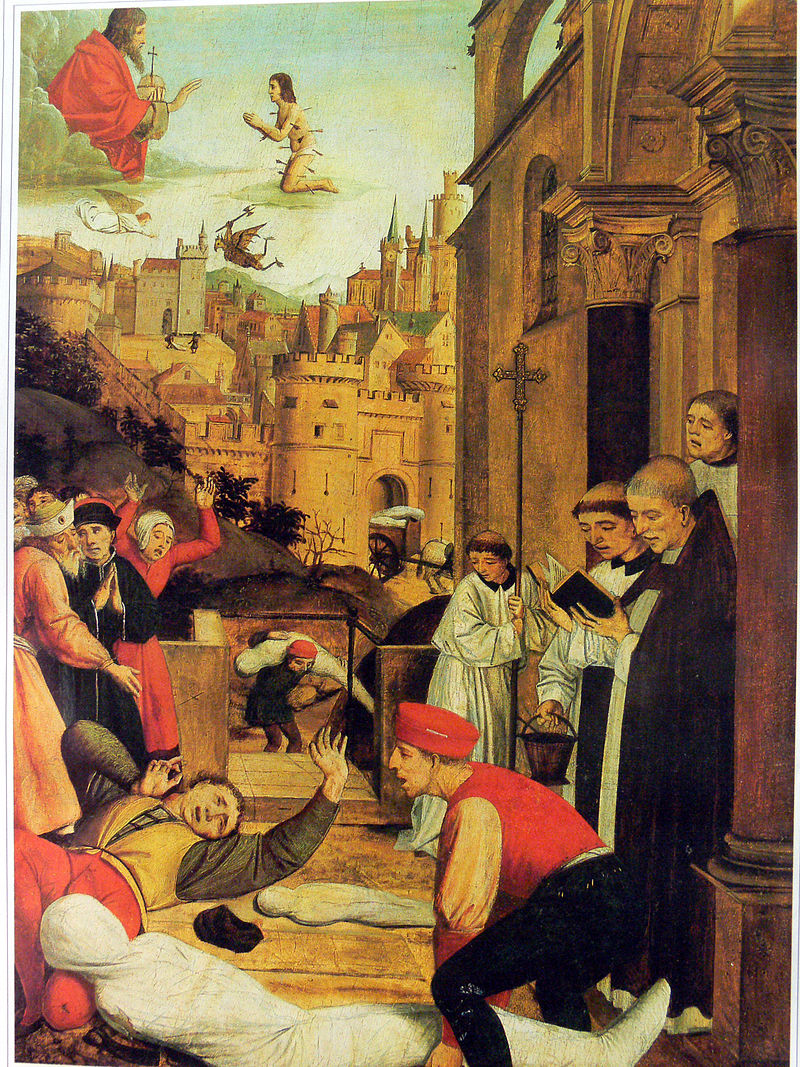
Plague of Justinian
There have been at least three major outbreaks of bubonic plague over the course of history. The Plague of Justinian (541–542 AD) was the first known outbreak. Named after the Byzantine emperor Justinian I, it claimed the lives of around 40% of the population of Constantinople (present-day Istanbul), capital of the Byzantine Empire. Up to 100 million people—half of Europe's population—died before the plague finally ended in the 700s. It would not return until the mid-14th century, when the Black Death—known at the time as the "Great Pestilence"—struck.
The spread of disease
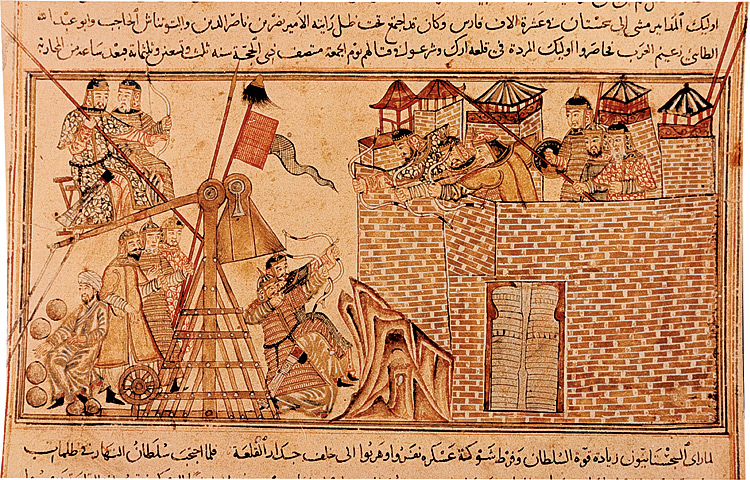
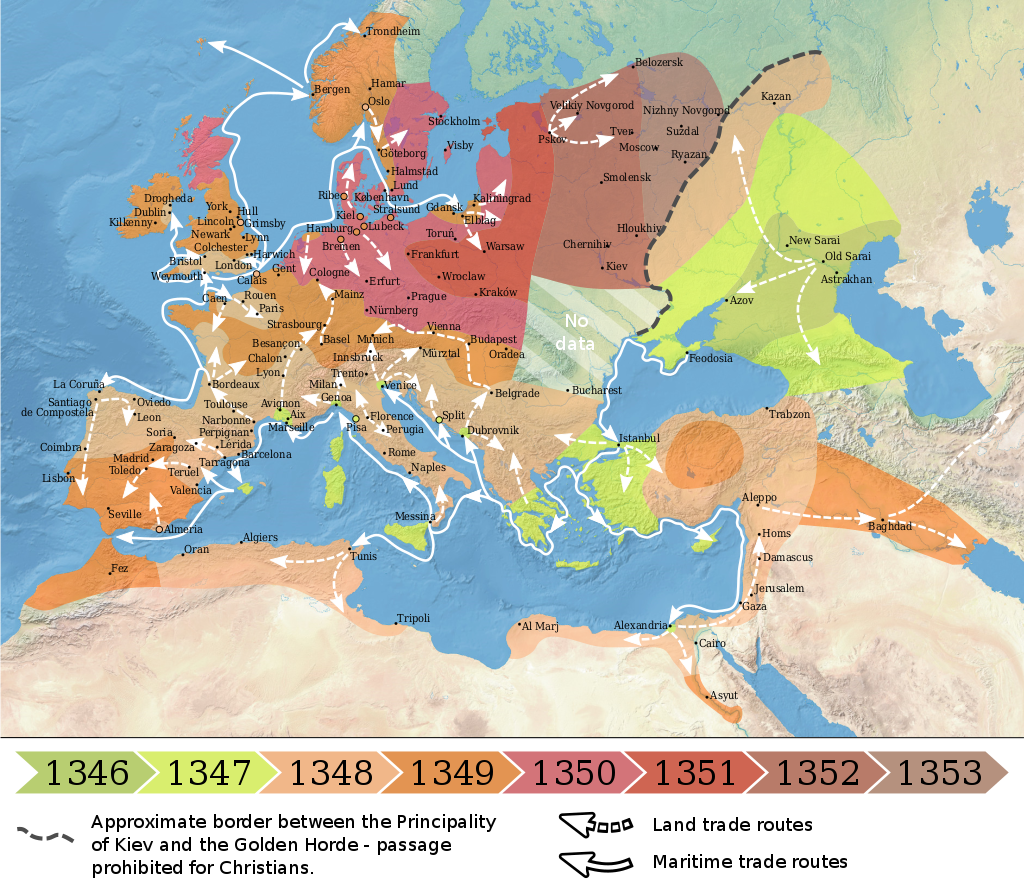
Historians once thought that the Black Death originated in China, but recent research shows that it actually began in the steppe region of Central Asia, then under the rule of the Mongol Empire. In the autumn of 1346, the Mongol army launched an attack on the Genoese merchants’ trading post of Kaffa (present-day Feodosia), on the Crimea Peninsula. Plague broke out among the besieging soldiers, and from them, spread to the city. The Mongols catapulted bodies of plague-ridden soldiers over the city walls in a bid to infect the citizens of Kaffa—although this is unlikely to have contributed much to the spread of the disease.
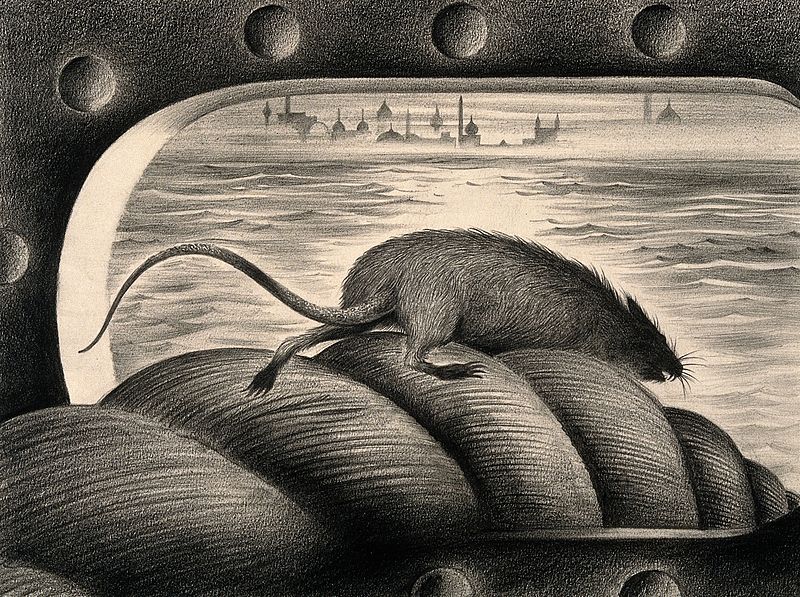
The following year, 1347, the Genoese merchants fled Kaffa on their ships: 12 galleys. Carried by fleas living on black rats aboard ship, the deadly plague bacteria sailed with them.
Even before some of the ships arrived at the Sicilian port at Messina in October 1347, rumours about a “Great Pestilence” were rife in Europe. By the early 1340s, the disease had already spread to China, India, Persia and Syria.

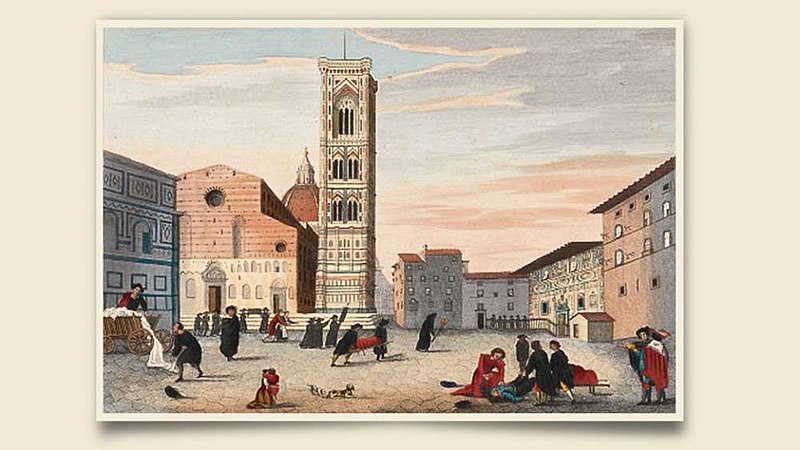
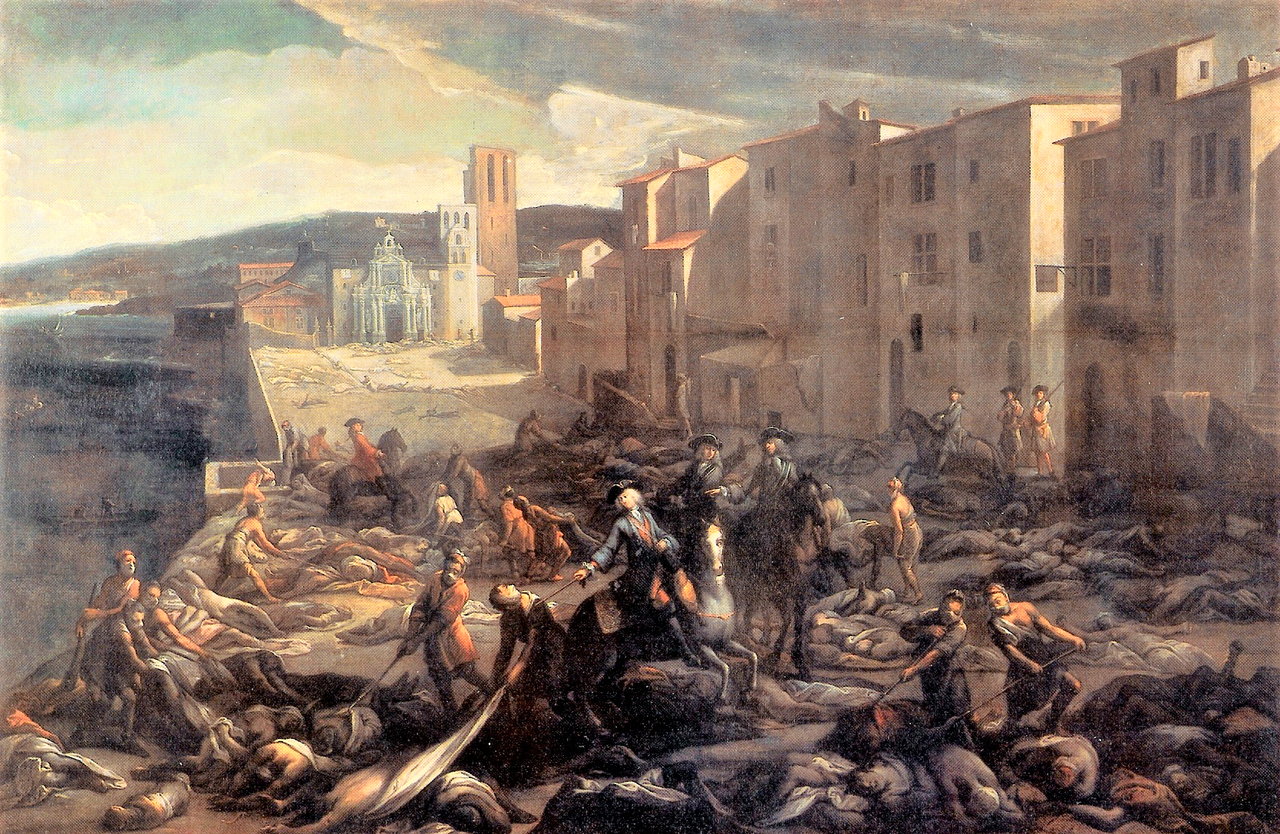
By the time some of the ships had moored at Messina, many of the sailors on board were already dead. Those still alive were covered in black boils that oozed blood and pus. The Sicilian authorities quickly ordered the fleet of “death ships” out to sea, but by then it was too late: the rats had already melted into the town. Other Genoese ships sailed to Venice, Genoa and Pisa, with similar consequences. The Black Death spread inland to Florence and other Italian cities. One of the ships expelled from Messina sailed on to Marseilles, southern France, while another crossed the Mediterranean Sea to Tunis in North Africa.
From the ports, the disease found its way inland across France, reaching the Atlantic port of Bordeaux in 1348. Ships from there took the disease to northern Spain, northern France and southern England. The plague then spread east and north through the Low Countries, Germany and Scandinavia between 1348 and 1350. It reached Russia in 1351.
Meanwhile, by autumn 1347, the plague had reached Alexandria in Egypt, carried by a single merchant ship bringing slaves from Constantinople—yet another port the disease-carrying Genoese ships had visited on their flight from Kaffa. From Alexandria the plague spread up the Nile to Cairo, capital of the Mamluk Sultanate. By 1349, it had spread through large swathes of the Islamic world. Mecca became infected by pilgrims carrying out the Hajj.

Black Death in Britain
A ship carrying the plague from Bordeaux arrived in the southern English town of Melcombe Regis, part of present-day Weymouth, Dorset, probably in June 1348. An epidemic broke out and spread both by ship to Bristol in August and by land to London in September. By the spring of 1349, it had reached East Anglia and the rest of southern England, then Wales and the Midlands. By late summer, the plague had arrived in Northern England and crossed the Irish Sea to Ireland.
The Scots, hearing that the plague of the English England "had befallen them through the revenging hand of God", mounted a raid on Durham in 1349. Probably because Scottish soldiers then caught the plague themselves, the Black Death ravaged Scotland in 1350.
The first wave died out in England in December 1349, but returned in 1360–63 and several more times after that for the rest of the 14th century. (As in the rest of Europe, the plague did not finally disappear until the end of the 17th century: one of its last occurrences in England was the Great Plague of London in 1665–66.)
The later 14th-century plagues were less severe, but killed mostly children, who, unlike adults, had not built up immunity to the disease. In all, around 3.6 million people—some 60% of the English population—may have perished. Some 62,000 Londoners are thought to have died between 1348 and 1353.

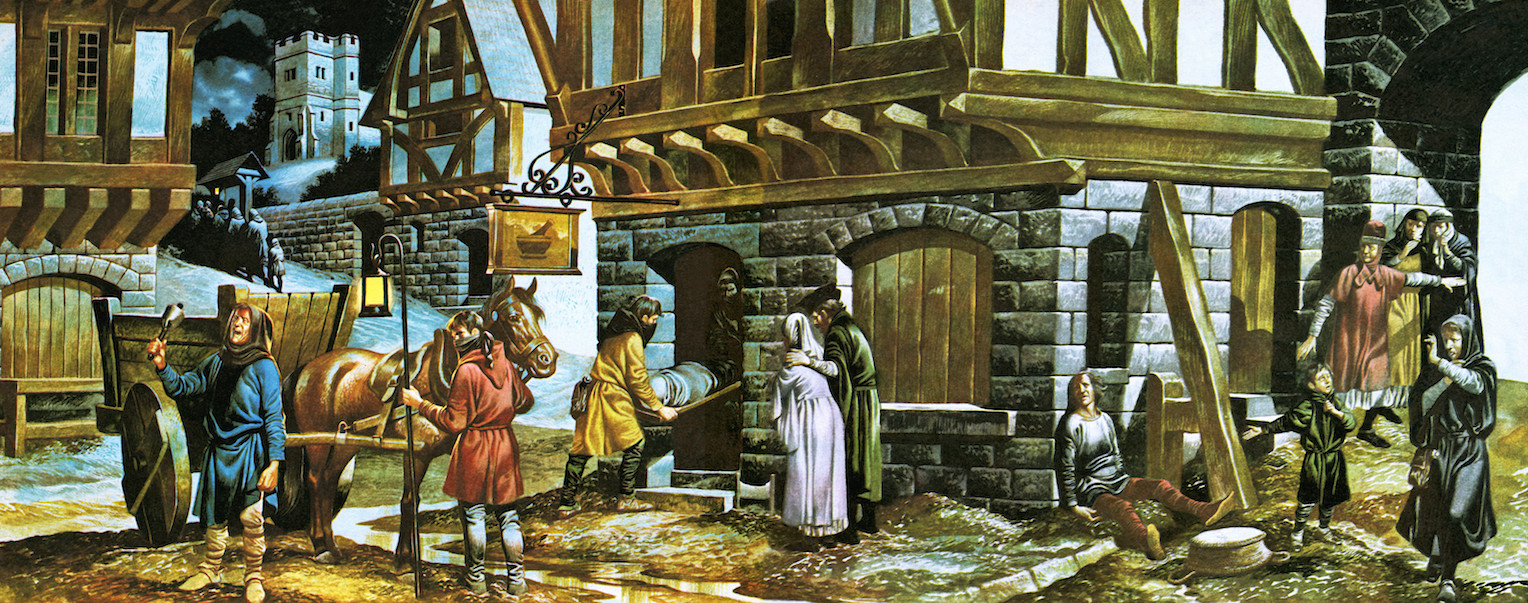
The Black Death was the second disaster to have afflicted Britain in the 1300s, the first being the Great Famine of 1315–17. With so many people having perished, there was a shortage of farm labour. As a result, workers could now demand more money from landowners.
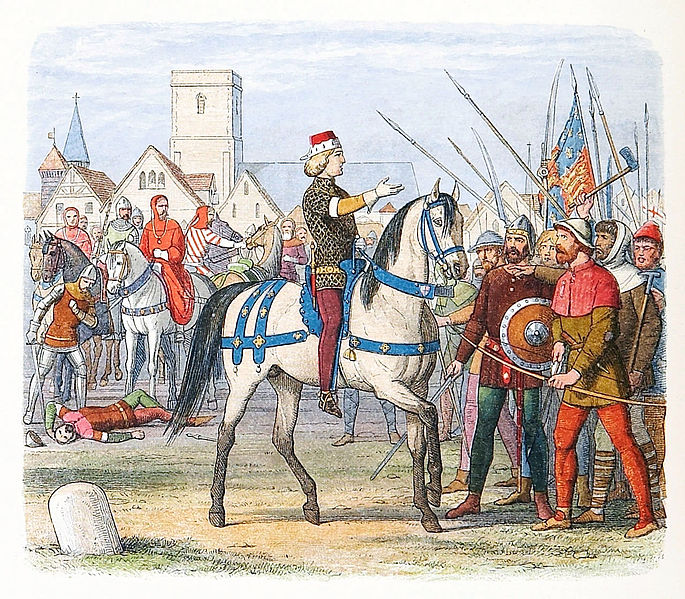
Fearing social upheaval, England's ruling classes pushed back. In 1349, King Edward III passed the Ordinance of Labourers, fixing wages at pre-plague levels. Strict measures to enforce this ruling caused public resentment, which helped spark the Peasants' Revolt of 1381. On reaching London and killing both the Chancellor and the Treasurer, the rebels demanded the complete abolition of serfdom (the state of being a feudal labourer). The revolt was suppressed, but the greater forces of social change were unstoppable. By around 1400, feudalism and serfdom was all but over in England.
Cause and transmission
For hundreds of years, the cause of the Black Death and later outbreaks of the plague remained unknown. Advances in microbiology eventually helped reveal the true culprit in 1894: a species of bacteria called Yersinia pestis. It bears the name of its discoverer, Swiss-French scientist Alexandre Yersin (1863–1943). The bacteria are carried by the oriental rat flea (Xenopsylla cheopis), which lives as a parasite on a range of rodent species, including rats, mice, chipmunks, prairie dogs, rabbits and squirrels.
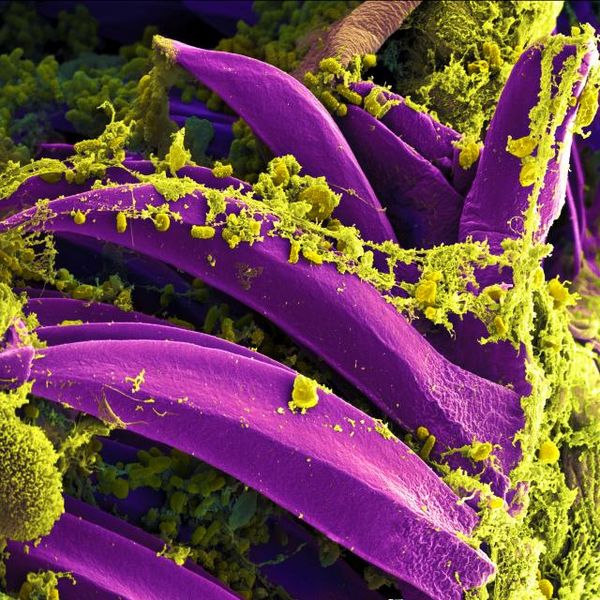
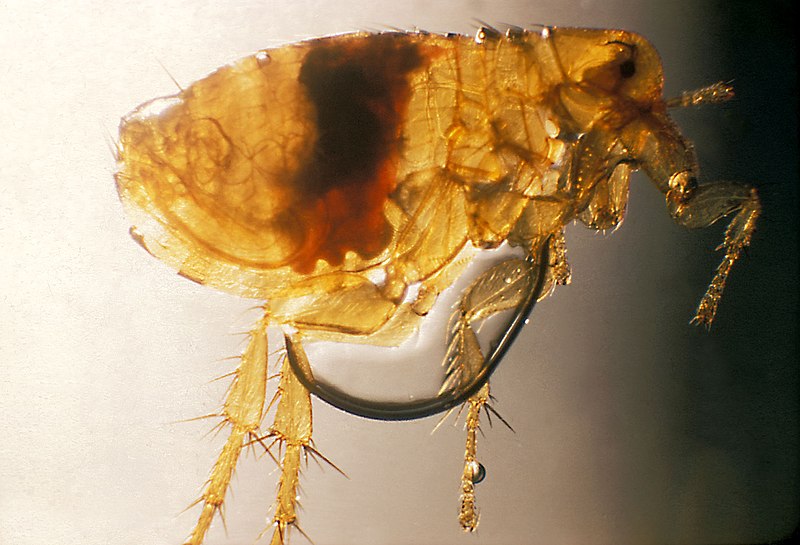
Some historians think that climate change might have triggered the Black Death. The steppe grasslands of Central Asia became much drier in the early 1300s. Forced to find food elsewhere, rats living on these grasslands moved to lusher, more populated areas, taking their fleas with them. Some time in the 1340s, the fleas came into contact with humans via one of their hosts, the black rat—the species of rat that lives closest to people. Rat fleas are adapted to riding with their hosts wherever they go. They also jump on to people's clothing and travel around with them to other places.
Flea bites spread bacteria into the human lymphatic system. The bacteria multiply in the lymph nodes and form swellings called buboes (the origin of the term "bubonic" plague), most often in the groin, thigh, armpit or the neck. These swellings could range in size from that of an egg to that of an apple. After a few days the bacteria enter the bloodstream and infect the body's vital organs, usually leading to the infected person's death.
Plague bacteria can break out of the buboes and be carried by the bloodstream to the lungs and cause a variant of plague that is spread by contaminated droplets from the cough or breath of patients. This is called pneumonic plague. It is not clear whether this form played a significant part in the Black Death. Recent evidence suggests it was responsible for only a small percentage of plague cases. Most people caught the plague from flea bites.
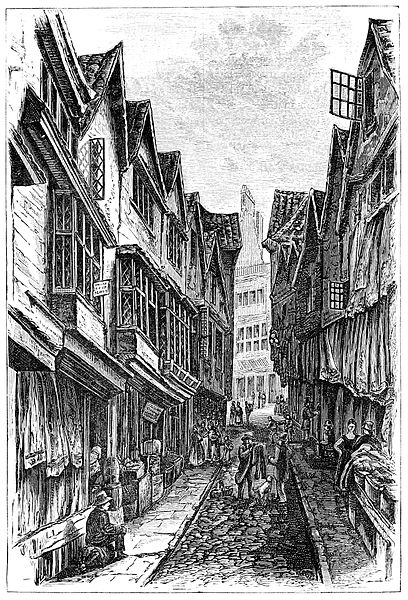
In 14th century Europe, all the conditions were right for a pandemic. Doctors had no cure for infectious diseases, nor any understanding of how they spread. People's health was already weakened by war and famine. Bacteria, along with the fleas that carried them, and the rats that carried the fleas, flourished in the dirty towns where the streets were awash with raw sewage, and where live animals roamed free. Meanwhile, busy trade routes linking all parts of Europe carried the plague swiftly from one place to another.


Evidence
Confirmation of the role of Yersinia pestis in causing the Black Death came in 2010, following DNA studies of the mass graves of victims: several plague burials in French cemeteries from the period 1348 to 1590. It was further confirmed in 2011 from evidence gathered at the Black Death cemetery in East Smithfield, London. Scientists discovered that the strain of bacteria that caused the Black Death had evolved not long before. Because it was a new strain, the human immune system had little or no defence against it. This helped to explain the plague's high death rates.
Symptoms and treatment
Having no resistance, nor any understanding of the cause of the pandemic, people caught up in the plague's onslaught were bewildered and panicked. No one knew how the disease was transmitted from one person to another. Monks and nuns cared for victims of the plague and were, as a result, especially hard hit.
Symptoms of the disease included fever, headaches, painful aching joints, The commonest symptom was the appearance of buboes in the groin, neck and armpits, which oozed pus and bled when opened. A host of other unpleasant symptoms followed: fever, terrible aches and pains, headaches, nausea and vomiting—and then death, usually within seven days of infection.
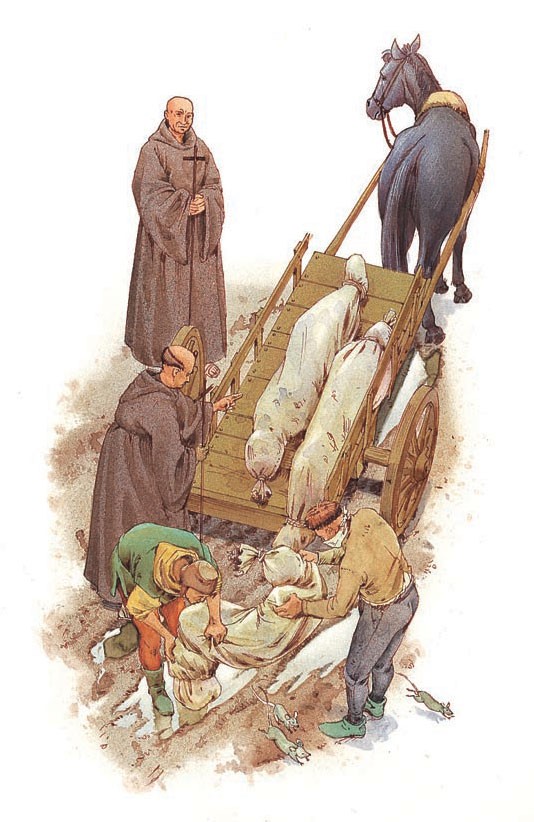
Medieval doctors did not understand the disease, and could not prevent or cure it. Various methods, including sweating, bloodletting (deliberately bleeding a vein) and forced vomiting, were used in an attempt to treat patients infected with the plague. Some even pressed the cut-open bodies of pigeons against the swellings. It was noted there was some chance of surviving if the buboes burst.
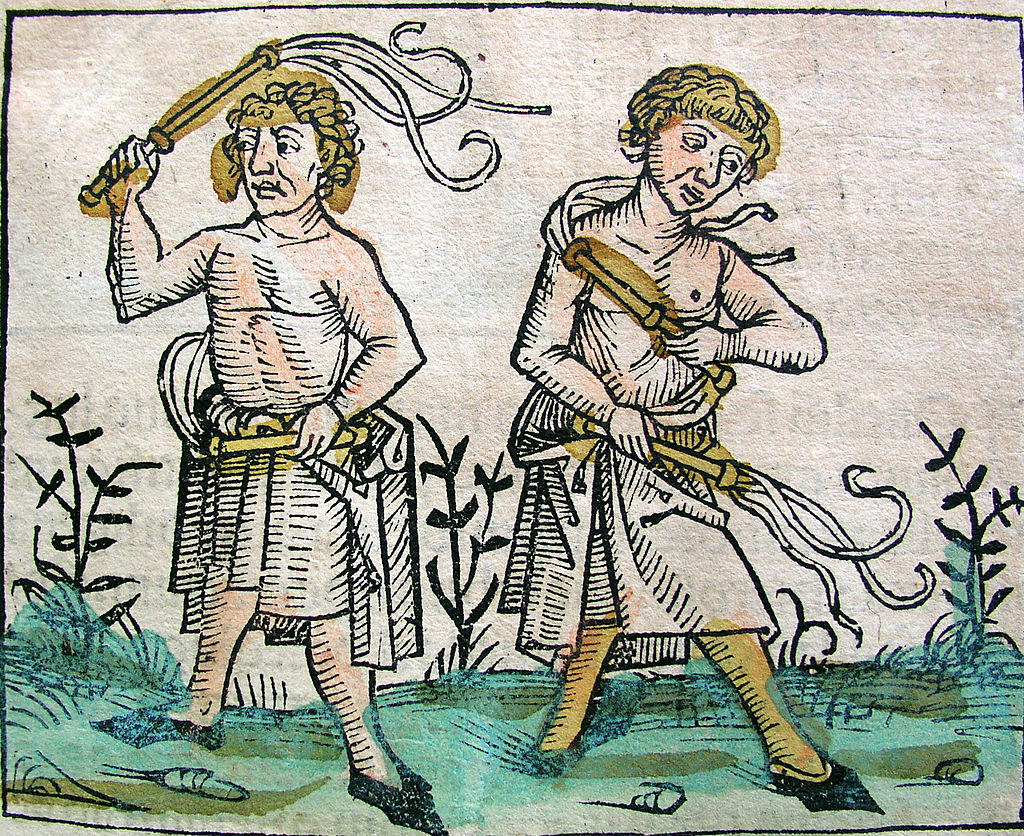
Not knowing what caused the plague, some people turned to astrology, suggesting the disease could somehow be the brought on by the movement of the planets. Others, known as flagellants, believed the plague to be a punishment from God, and went on processions whipping themselves in public displays of penance. Even merely staring at a victim or wearing pointed shoes were considered possible causes, but no one knew why this was so.
Consequences
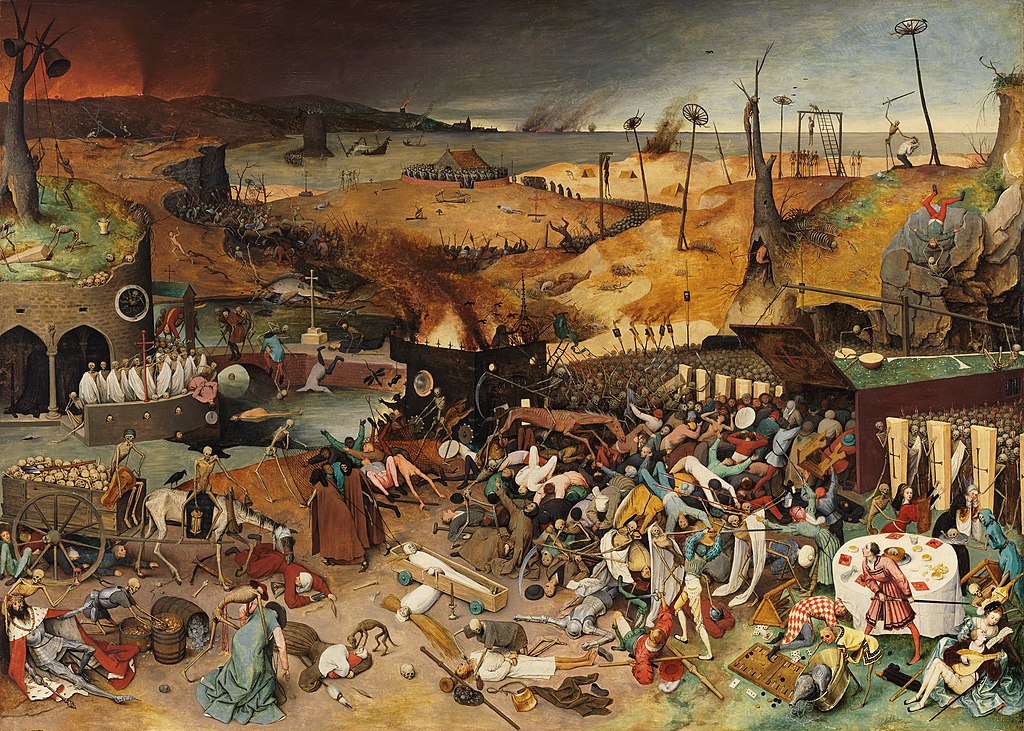
The Black Death caused the death of as many as 50 million Europeans—around 60% of the total. With further outbreaks throughout the Late Middle Ages, it took until 1500 for Europe's population to regain the levels of 1300. The populations of some Italian cities, for example Florence and Siena, did not regain their pre-14th century size until the 19th century.
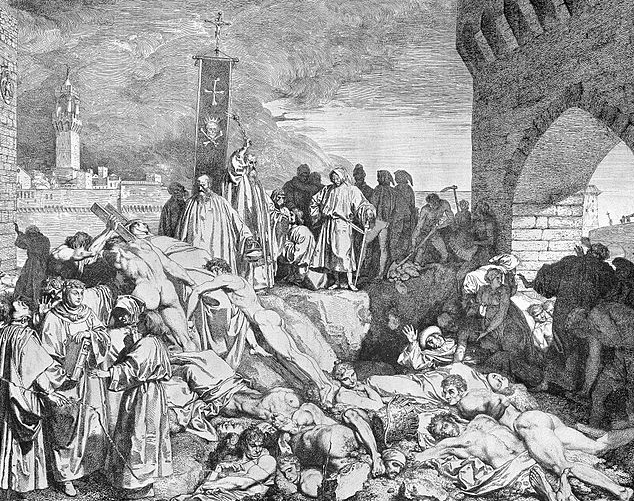
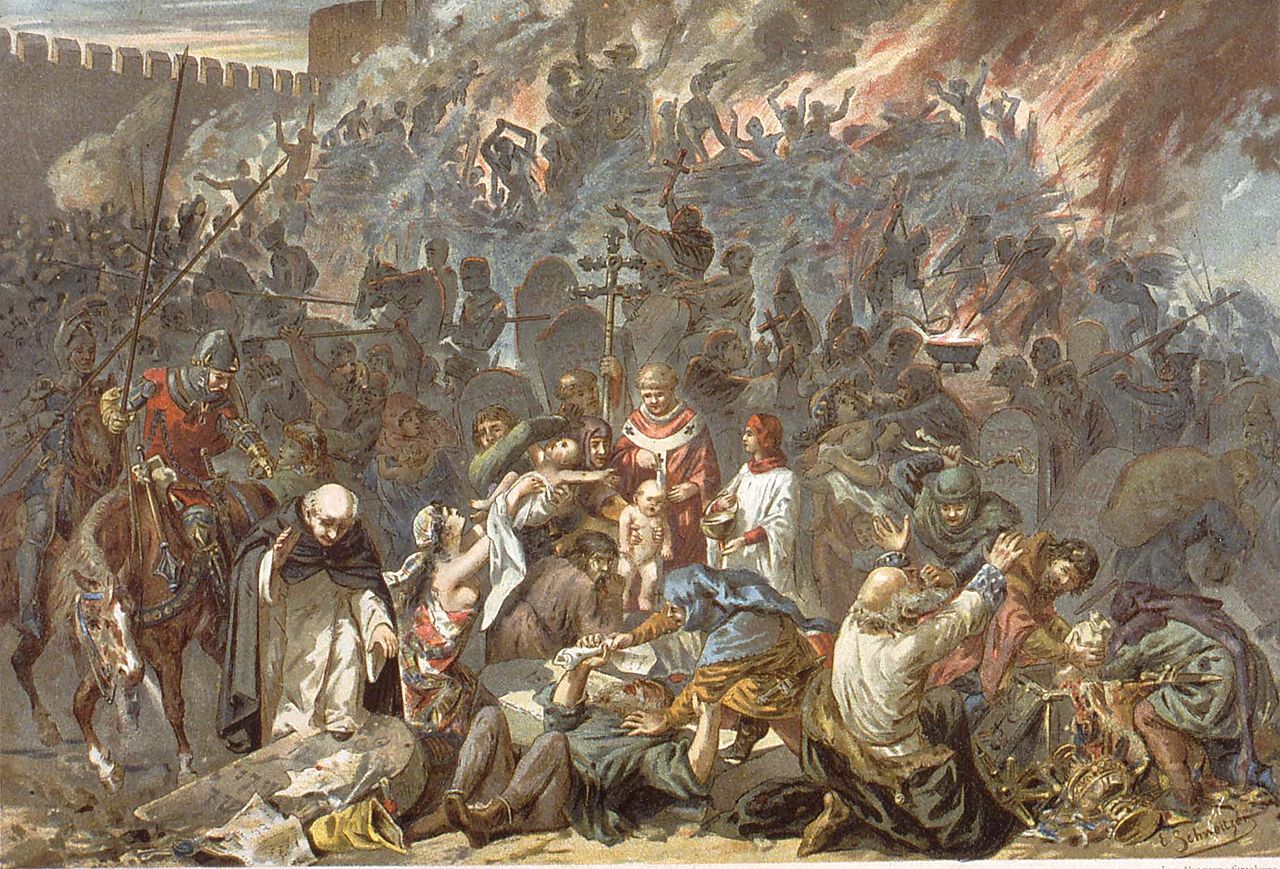
With such a large decline in population as a result of the pandemic, labourers were in short supply and wages soared in response. The prices of food dropped and land values declined significantly in most parts of Europe between 1350 and 1400.
Some European people, ignorant of the true cause of the pandemic, took it upon themselves to blame the crisis on others, including Jews (who were falsely accused of poisoning wells), the Romani, friars, beggars, pilgrims and lepers. There were a number of attacks on Jewish communities, including massacres in Strasbourg, Mainz and Cologne in 1348 and 1349. During this period, many Jews migrated to Poland where they could be relatively safe from violent mobs in western European cities.
The plague returns
The Black Death began the second plague pandemic (the first pandemic was the Plague of Justinian of the 500s). Over the second half of the 14th century, the plague would return at intervals of between five and 12 years—but mercifully with gradually declining death tolls. There were deadlier outbreaks between the years 1430 and 1480, and the plague continued to haunt Europe and the Mediterranean region until finally disappearing in the last years of the 17th century.
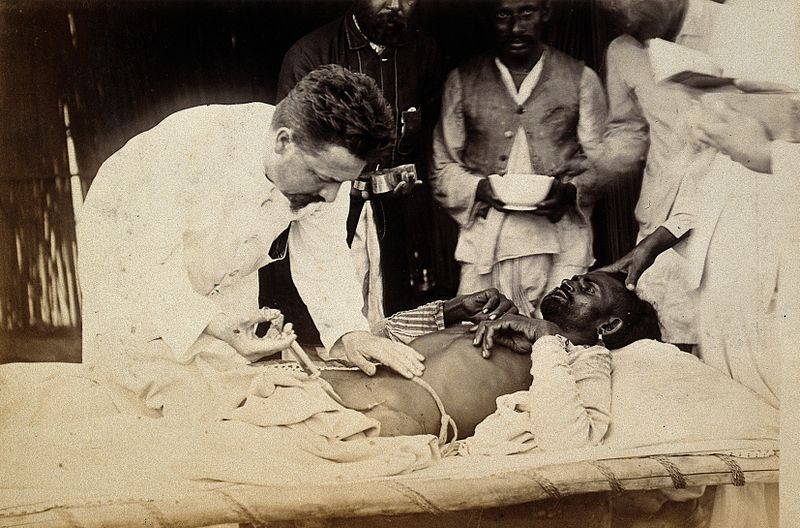
The third plague pandemic started in China in the 1850s, spreading to all the inhabited continents, including North America, where it was brought by ships in the early 1900s. This third wave did not officially end until 1959, by which time it had killed 10 million people in India alone.

Today
Modern sanitation, public health practices, vaccination and the use of antibiotics have greatly reduced the impact of the bubonic plague—but have not eliminated it. The bacteria that cause the plague still live in fleas carried by rodents all over the world. Conditions for a new outbreak are usually found only in poor rural areas of Africa.
According to the World Health Organization, there are still between 1000 and 3000 cases every year. It is feared that the plague bacterium could develop medication resistance and again become a major health threat. In October 2017 the deadliest outbreak of the plague in modern times hit Madagascar, infecting thousands and killing 209 people.
Consultant: Philip Parker
pics
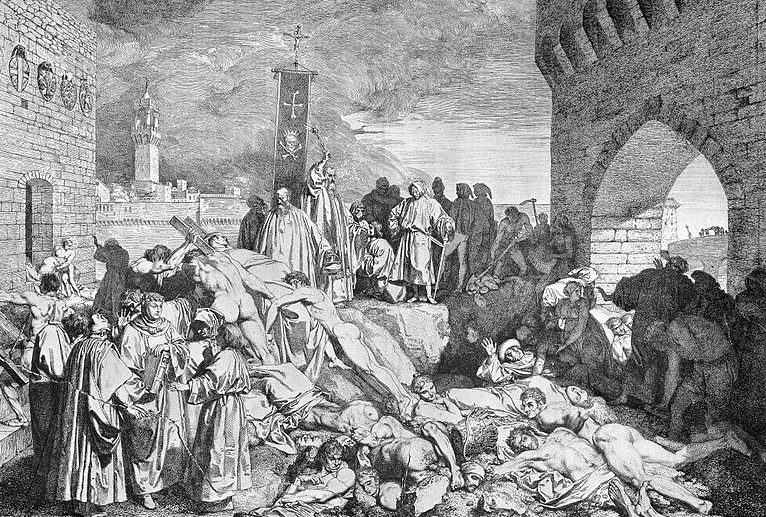
Without in any way limiting Q-files Ltd’s exclusive rights under copyright, any use of this publication to “train” generative artificial intelligence (AI) technologies to generate text is expressly prohibited. Q-files Ltd reserves all rights to license use of this work for generative AI training and development of machine learning language models.