
Europe

CITE
We have made every effort to follow citation style rules, but there may be some minor differences. If in doubt, please refer to the appropriate citation style manual.
Europe in the High Middle Ages. (2022). In Q-files Encyclopedia, History, Europe. Retrieved from
https://www.q-files.com/history/europe/europe-in-the-high-middle-ages
"Europe in the High Middle Ages." History, Europe, Q-files Encyclopedia, 30 Jun. 2022.
https://www.q-files.com/history/europe/europe-in-the-high-middle-ages.
Accessed 21 Sep. 2026.
Europe in the High Middle Ages 2022. History, Europe. Retrieved 21 September 2026, from
https://www.q-files.com/history/europe/europe-in-the-high-middle-ages
History, Europe, s.v. "Europe in the High Middle Ages," accessed September 21, 2026.
https://www.q-files.com/history/europe/europe-in-the-high-middle-ages


Europe in the High Middle Ages
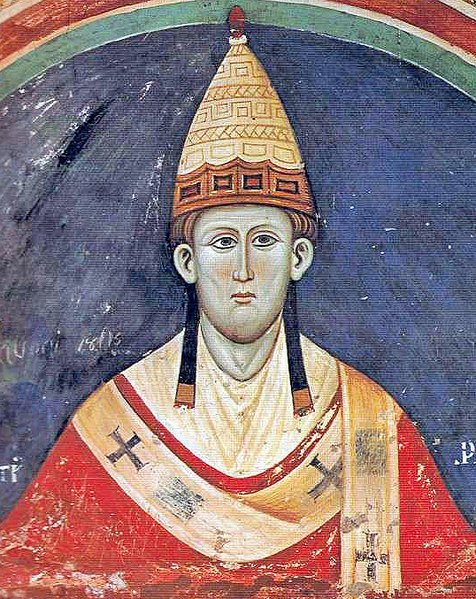
Apart from the Mongol invasions in the 13th century, there were no major migrations of people into Europe during the High Middle Ages (1000–1250). Instead, kingdoms established their boundaries or attempted to expand them, causing conflicts with neighbouring states. The Catholic Church, which reached the peak of its powers during this period, called armies from across Europe to mount a series of Crusades against the Seljuk Turks. The Christian kingdoms took much of the Iberian Peninsula from Muslim control while the Normans conquered southern Italy. The kingdoms of Bohemia, Italy and Burgundy, along with other smaller territories, united with the kingdom of Germany to form the Holy Roman Empire.
Europe's population
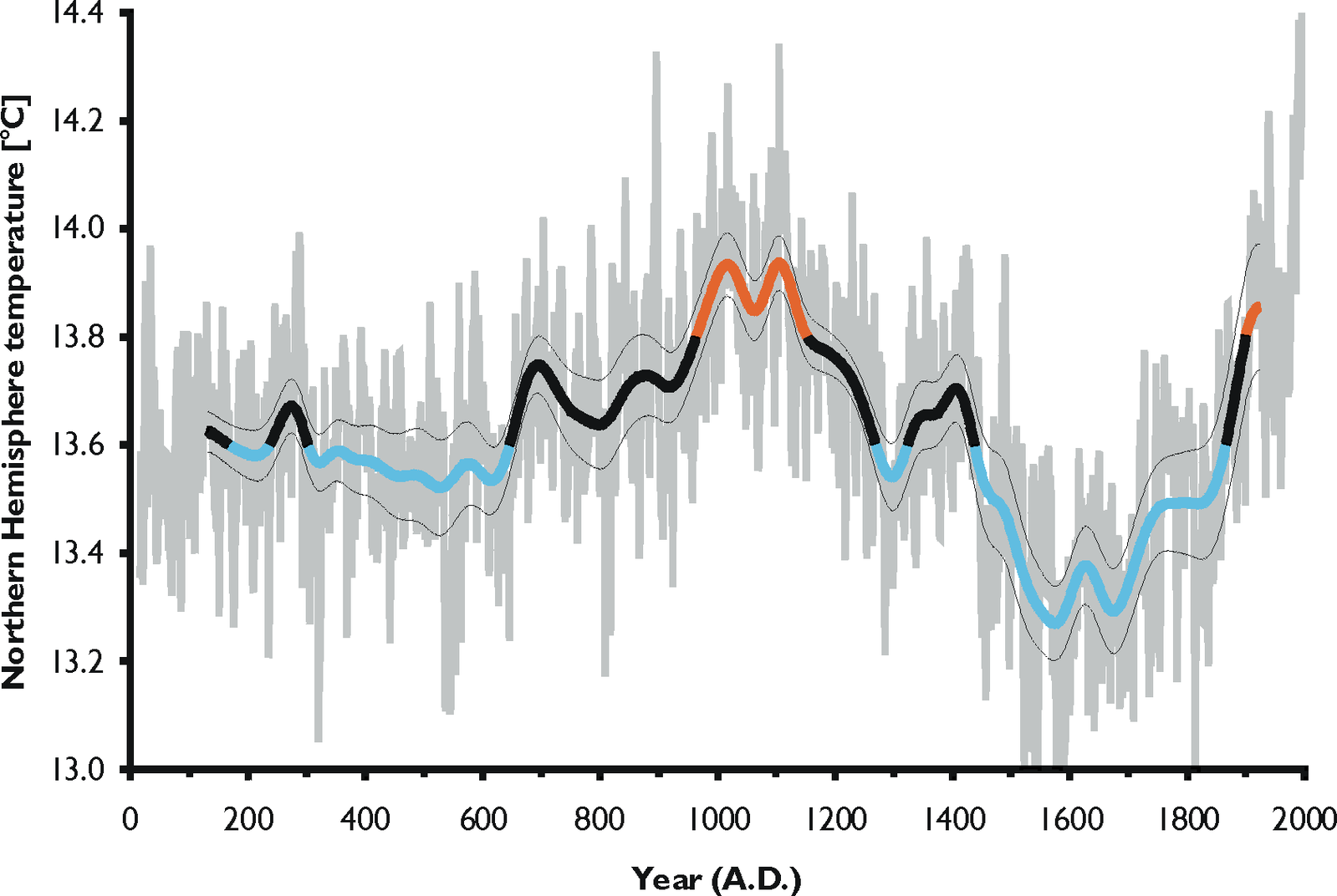
Europe's population grew rapidly in the High Middle Ages, rising from 35 to 80 million between 1000 and 1347. This may have been the result of a warmer climate—the onset of what is known as the Medieval Warm Period—leading to improved agricultural yields, increase in trade and general rising prosperity. But it may also have been a consequence of fewer migrations or invasions, and so fewer conflicts.
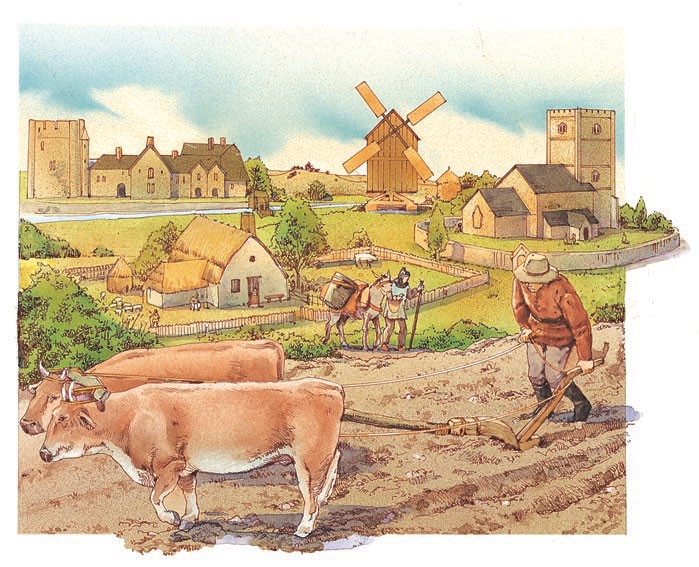
The High Middle Ages saw the emergence of feudalism. Under this system, knights and other lesser nobles owed military service to lords in return for the right to rent lands from them. At the lowest ranks of society the peasants owed rent and labour services to the nobles in return for the right to farm the land surrounding their villages, known as the manor.
Peasants made up around 90% of the European population at this time. The open-field system of agriculture (in which huge fields belonging to the manor were divided into narrow strips of land rented by the peasants to farm) was commonly practised in much of Europe. The crops in each field were rotated from year to year to allow the soil to recover.


The dominance of the nobility was built upon their control of land, which they defended by building castles. These huge fortified residences, made first of wood, later of stone, were internded to offer protection from the armies of rival lords.
Townspeople did not fit into the traditional three-fold division of society: nobles, clergy and peasants. During the 12th and 13th centuries, the numbers of townspeople rose significantly as towns both grew in size and multiplied in number. On the shores of the Baltic Sea, in central and northern Italy and in Flanders, the rise of towns led to increased trade between them.
Holy Roman Empire
The Holy Roman Empire originally consisted of a union of the kingdoms of Germany (formerly East Francia) and Italy. By the 1030s, under rulers of the Ottonian dynasty (descendants of Otto I) and later the Salian dynasty, the empire had absorbed the kingdoms of Burgundy and Bohemia, along with many other smaller territories, within its boundaries. The emperor, according to tradition, inherited his power from the emperors of Rome. He was elected by an assembly of the highest-ranking German nobles and crowned "King of the Romans" by the Pope.
After the Hohenstaufen dynasty (ruling family) came to power with Conrad III in 1138, German-speaking peoples from the western part of the empire, both Christians and Jews, started to settle in regions to the east that were largely uninhabited by Slavs: Prussia, Pomerania and Silesia.

The emperors—even the powerful Hohenstaufen emperor Frederick I Barbarossa (1155–90)—struggled to assert their authority over the empire's diverse peoples. It was made up of hundreds of kingdoms, principalities, duchies, counties and other territories. The emperors also frequently clashed with both the Pope and the German nobility. In the mid-13th century, the Holy Roman Empire faced the threat of the powerful forces of the Mongol Empire, which invaded Eastern Europe in 1241, 1259 and 1287.
Capetians and Normans
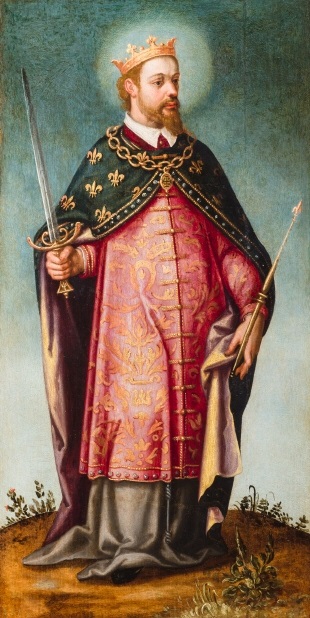
Under the Capetian dynasty the French monarchy began to strengthen its control over the country over the course of the 11th and 12th centuries. Their chief rivals were the dukes of Normandy. One of them, William, conquered England in 1066 and created an empire encompassing both Britain and France. Under the Angevin dynasty of Henry II (1154–89) and his son Richard I (1189–99), the kings of England ruled over large areas of France, brought to the family by Henry's marriage to Eleanor of Aquitaine. Richard's younger brother John (1199–1216) lost Normandy and the rest of the northern France in 1204 to the French King Philip II Augustus (1180–1223). Under Louis IX (1226–70), royal power in France became stronger than ever before.
Kingdom of Sicily
Norman adventurers had invaded southern Italy in 1016–17, defeating its Byzantine rulers. They eventually conquered the islands of Sicily and Malta from the Arabs and founded the Kingdom of Sicily under Roger II in 1130. The kingdom, which also encompassed the southern part of the Italian peninsula, fell first to the Hohenstaufen emperors of the Holy Roman Empire in 1194 and then, in 1266, to Charles, Duke of Anjou, brother of the powerful King Louis IX of France.
A successful uprising by the Sicilians against the French in 1282, called the Sicilian Vespers (so-called because it began at evening prayers on Easter Monday), led to a division of the kingdom between the island of Sicily, which came under the rule of the kings of Aragon, and the mainland, which stayed with the House of Anjou and became known as the Kingdom of Naples.

Reconquista
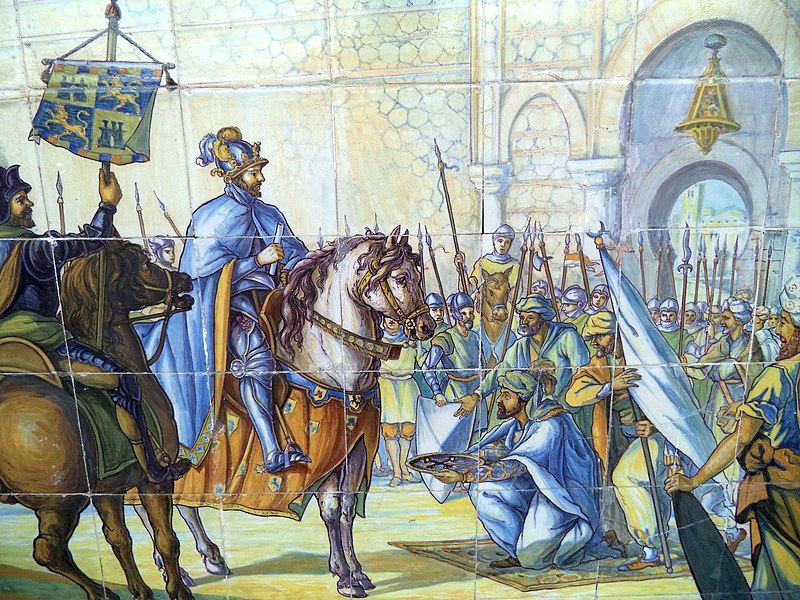
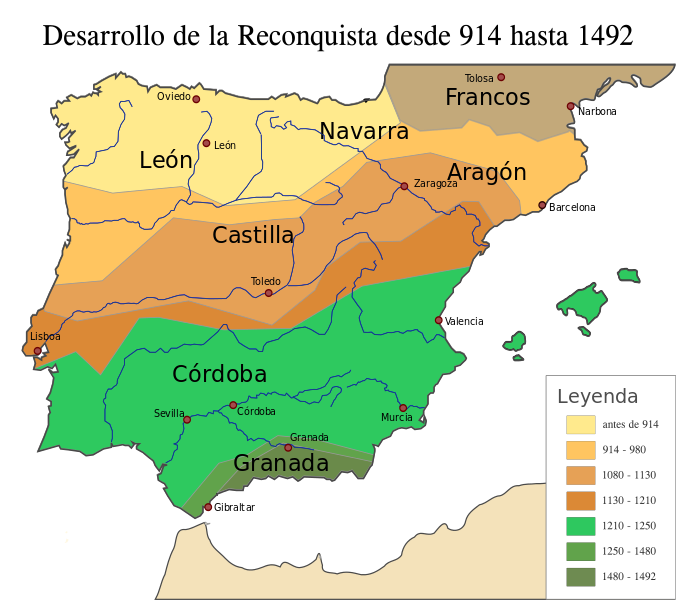
In Iberia, the Christian kingdoms of León, Castile, Aragon, Navarre and Portugal in the northern part of the peninsula, continued their gradual reconquest of the Muslim south, a period known as the Reconquista. The Muslim rulers' control weakened as the Caliphate of Cordoba broke up in the 11th century. Although the Almohad Caliphate re-established their rule in the 1170s, they were defeated by Christian forces at the Battle of Las Navas de Tolosa in 1212. Two great Muslim strongholds later fell to the Christians: Cordoba in 1236 and Seville in 1248. This left only Granada in Muslim hands.
Crusades
In the 11th century, the Islamic Seljuk Empire took over much of the Middle East, occupying Jerusalem in 1070. In 1071, the Seljuk army defeated the Byzantine army at the Battle of Manzikert and advanced through Asia Minor (present-day Anatolia in Turkey). While Jerusalem had been under Muslim rule for hundreds of years, the Seljuk takeover of the region threatened its Christian population, pilgrimages from the West and the existence of the Byzantine Empire itself.
The Byzantine Emperor, Alexios I Komnenos, appealed to Pope Urban II for assistance in fighting the Seljuks. The First Crusade was duly proclaimed by Urban in 1095. The aim of the Crusade was to regain Jerusalem from Muslim rule. Tens of thousands of people from all over Europe answered the call and marched on Jerusalem to re-capture it in 1099.
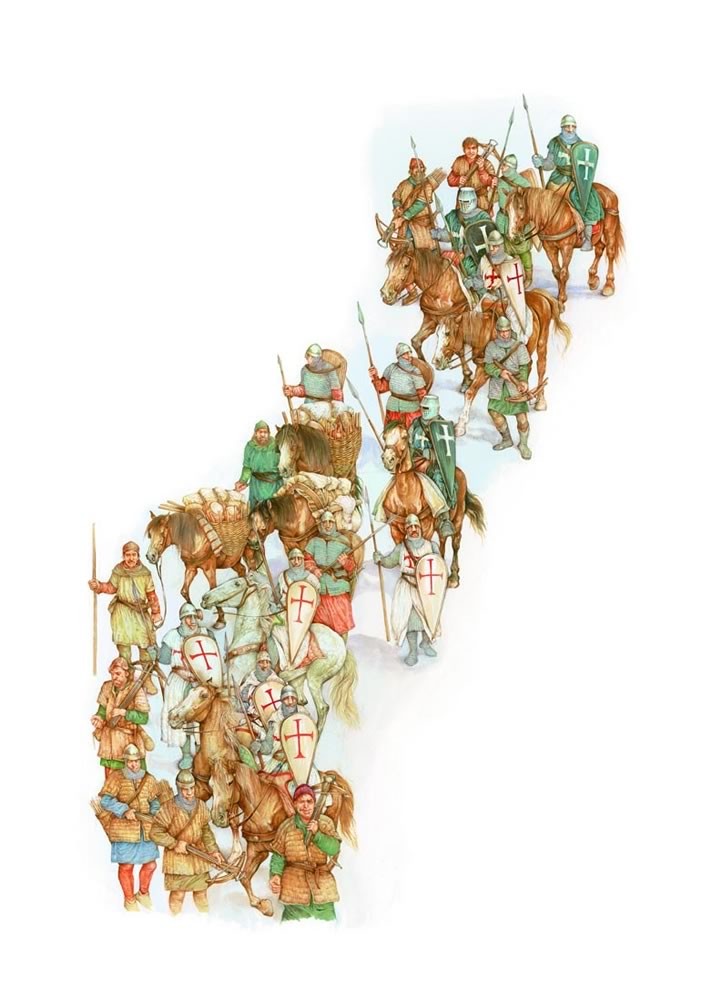
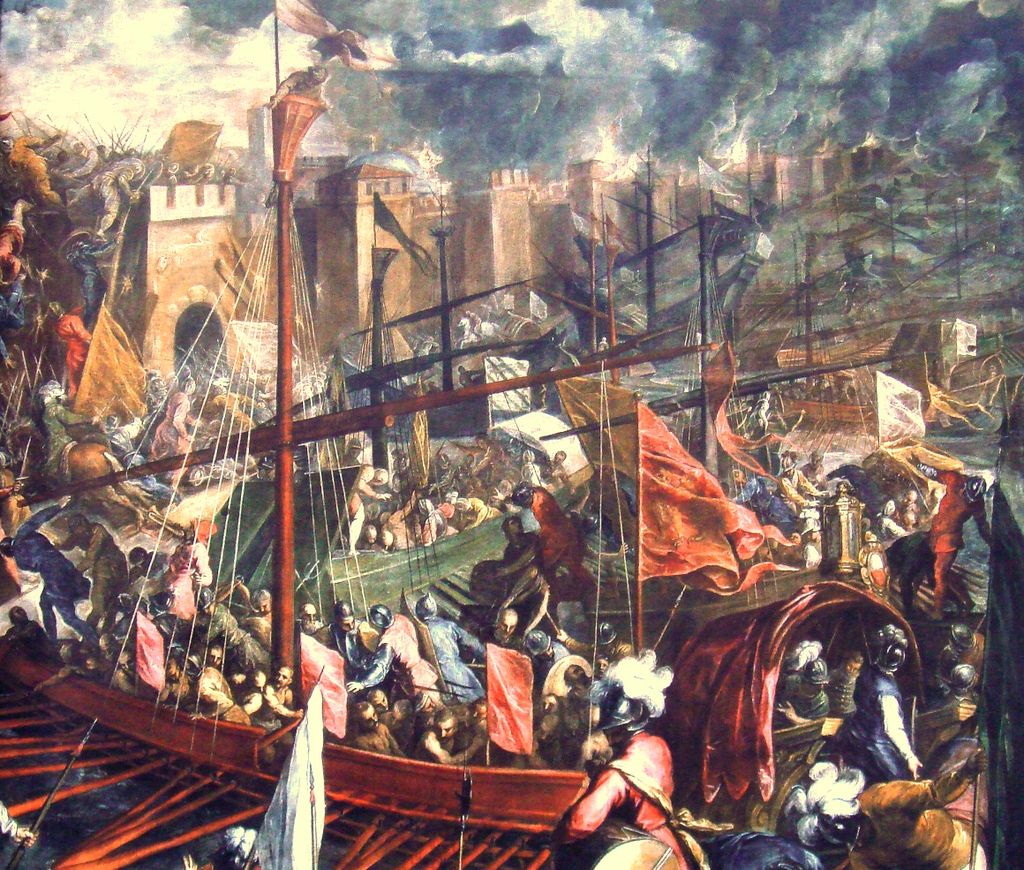
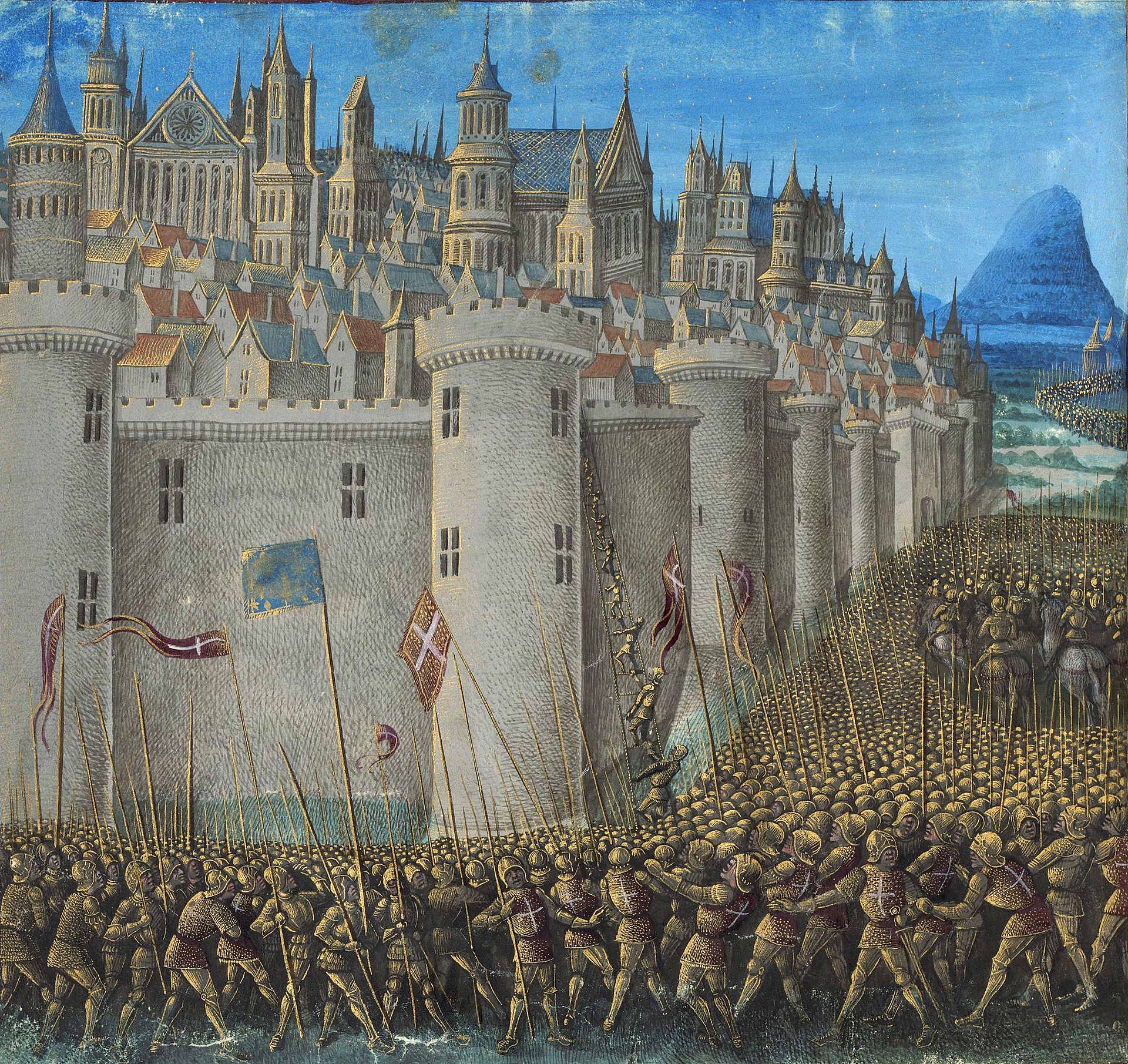
The Crusaders attempted to defend their conquests by founding states (Crusader States or Outremer) in the Holy Land. During the 12th and 13th centuries, there were a series of conflicts between them and the surrounding Arab states, leading to further crusades. In 1204, the Western Christian forces of the Fourth Crusade sacked Constantinople, broke up the Byzantine Empire and set up the Latin Empire of Constantinople, which lasted until 1261. By 1291 all the Crusader States had been lost.
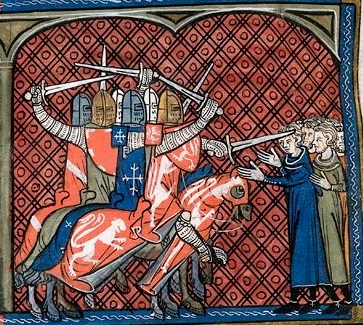
The word "crusade" took on other meanings for the leaders of the Christian Church. The Reconquista, the struggle between the Christians and Muslims in the Iberian Peninsula was proclaimed a crusade in 1123. In 1199, Pope Innocent III launched crusades against Christian heretics, people who openly disagreed with the accepted beliefs of the Church. This included the Albigensian Crusade (1209–29), directed against the Cathars in southern France, a movement of reformers who rejected the physical world and dismissed the priesthood—including the pope himself—as unworthy and corrupt.
Maritime republics
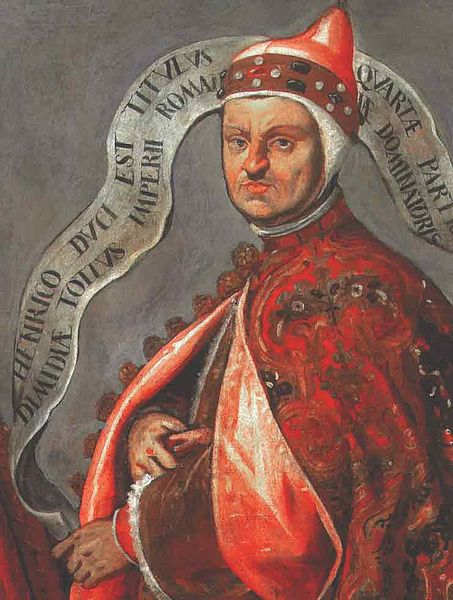
Two important maritime republics came to prominence in the High Middle Ages: the Italian city-states of Venice and Genoa. The Republic of Venice (its formal name was the Most Serene Republic of Venice, or La Serenissima in Italian) emerged in the late 7th century. Venice grew to dominate trade between Europe and North Africa, as well as the Levant (the eastern coast of the Mediterranean Sea), and became extremely wealthy during the High Middle Ages. The powerful Venetian fleet was involved in the Crusades, in particular the Fourth Crusade, which ended in the capture and sacking of Constantinople in 1204. Venice was rewarded with acquisition of Zara on the Dalmatian coast (Zadar today), Crete and the Aegean islands. The republic was ruled by the Doge, who was elected by members of the Great Council of Venice, the city-state's parliament.
The Republic of Genoa emerged in the 10th century. The Holy Roman Emperor was its overlord in name only; it was governed by elected consuls. Genoa gained prosperity through the naval victories of its fleet during the First Crusade, gaining many favourable commercial agreements for its merchants as a reward. Over the course of the 12th century, Genoa grew to become the dominant naval force in the Western Mediterranean Sea. Like its great rival Venice, it also played a leading role in the Mediterranean slave trade.
East-West Schism
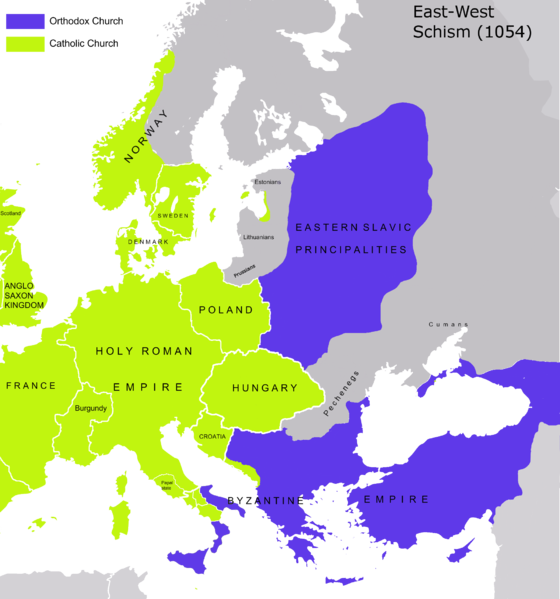
Over the course of the Early Middle Ages, important differences had emerged between the Eastern or Byzantine Christian Church and the Western Church. Some disputes were about beliefs (called theology) while others were over church practices—for example, whether leavened or unleavened (flat) bread should be used in Holy Communion. The formal break, called the East-West Schism, occurred in 1054, when the leadership of both churches, the papacy (popes) in Rome and the patriarchy of Constantinople, clashed over whether the pope should have authority over the Eastern Church as well. Christianity divided into two: the Western branch became the Roman Catholic Church and the Eastern branch the Eastern Orthodox Church.
Monastic orders
The High Middle Ages was a period of great religious movements. New monastic orders were founded, including the Carthusians (founded by Bruno of Cologne in 1084, and known as Charterhouse in English) and the Cistercians (an order that branched off from the Benedictines with the founding of Cîteaux Abbey in 1098) and which was formed out of a desire to return to a simpler religious life.
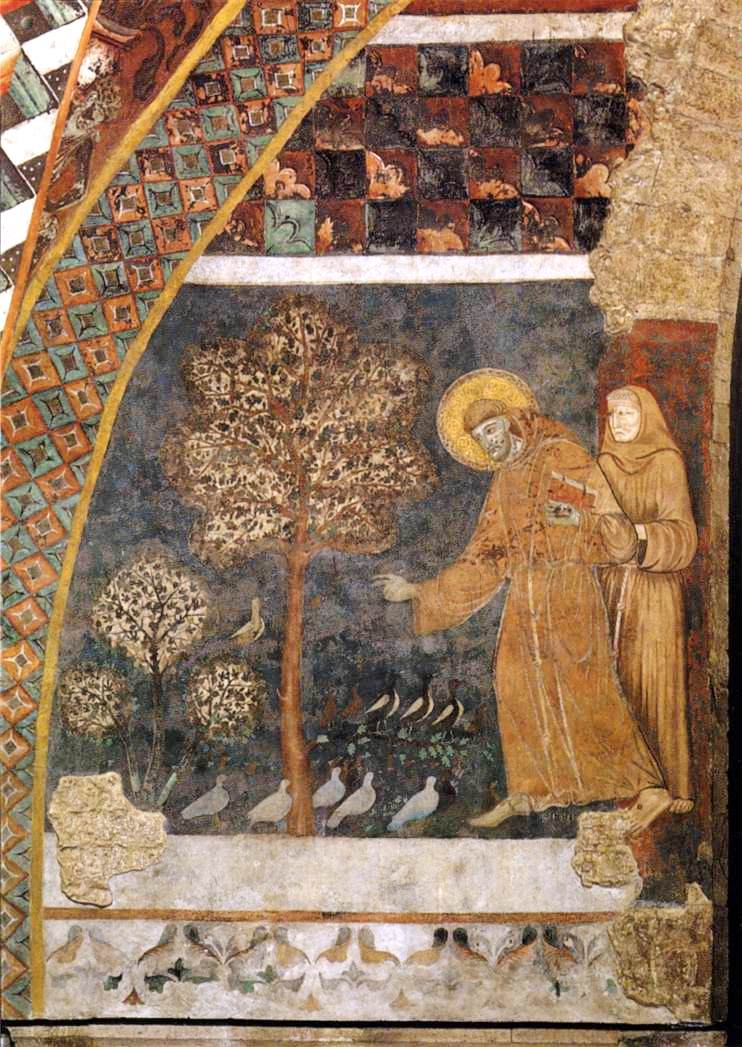
In the 13th century, mendicant orders—the Franciscans and the Dominicans—who swore vows of poverty and earned their living by begging, emerged. The Franciscan order (known as Greyfriars in English) was founded by St Francis of Assisi (c.1181–1226), who also established the women's Order of St Clare (Poor Clares). The Dominican order (known as Blackfriars in English), was founded by the Spanish priest Saint Dominic in Toulouse, France, in 1216.
Consultant: Philip Parker
pics
Without in any way limiting Q-files Ltd’s exclusive rights under copyright, any use of this publication to “train” generative artificial intelligence (AI) technologies to generate text is expressly prohibited. Q-files Ltd reserves all rights to license use of this work for generative AI training and development of machine learning language models.