
Farming

CITE
We have made every effort to follow citation style rules, but there may be some minor differences. If in doubt, please refer to the appropriate citation style manual.
History of farming. (2026). In Q-files Encyclopedia, Geography, Farming. Retrieved from
https://www.q-files.com/geography/farming/history-of-farming
"History of farming." Geography, Farming, Q-files Encyclopedia, 1 Apr. 2026.
https://www.q-files.com/geography/farming/history-of-farming.
Accessed 6 Aug. 2026.
History of farming 2026. Geography, Farming. Retrieved 6 August 2026, from
https://www.q-files.com/geography/farming/history-of-farming
Geography, Farming, s.v. "History of farming," accessed August 6, 2026.
https://www.q-files.com/geography/farming/history-of-farming


History of farming
People have been farming for around 10,000 years. Independently, ancient civilizations developed farming in different parts of the world, such as the Middle East, Egypt, China, northern India and Mexico. Over time, farmers learned to overcome challenges such as lack of water or poor soil. They invented tools such as ploughs and systems such as crop rotation to make the best use of their land. As the world’s population has increased, people have looked for new ways to grow enough crops to feed everybody. In the late 20th century, new methods such as genetically modifying crops were introduced to make farming more efficient. Today, one of the most important issues is sustainable farming: producing enough food for everyone without damaging the environment.

First farmers
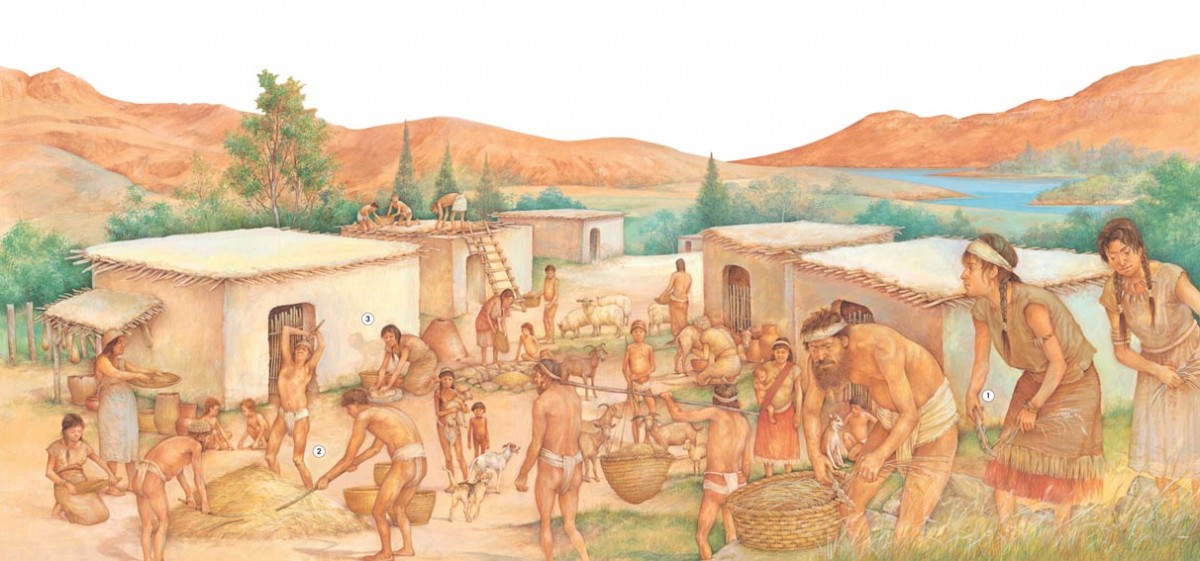
Starting in around 9500 BC, instead of gathering certain wild plants to use for making food, people began sewing the seeds of plants such as wheat, barley and peas on land set aside specially for this purpose. This was the beginning of farming, and it probably took place in the Fertile Crescent region of the Middle East. Early farming communities also started to keep sheep, pigs, goats and cattle in enclosures, rather than rely on being able to hunt them in the wild. Some of these domesticated animals were kept for their wool, milk, meat and skins, while others, like oxen and horses, were also put to use working on the farms. They carried loads and trampled fields ready for planting.
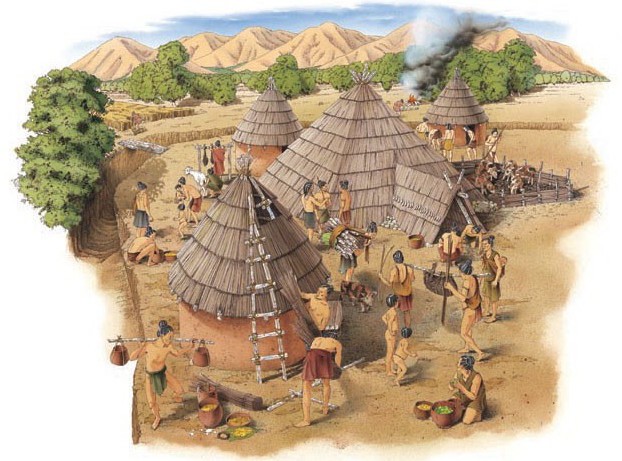
Independently and in different parts of the world, people learnt how to grow and harvest crops that grew best in the local environment. In ancient China, for example, famers were growing rice and millet in around 5000 BC, while farmers in South America grew beans, potatoes and coca around the same time. They domesticated certain wild plants by selecting those seeds that grew into plants that had the desired characteristics—a lengthy process of trial and error.
Plough
The first farmers prepared their fields for planting by using sticks to turn over their soil by hand. Ancient Egyptians used hand tools to drill holes for their crops in the soft soil along the banks of the Nile. The invention of the plough made this process much quicker and easier.
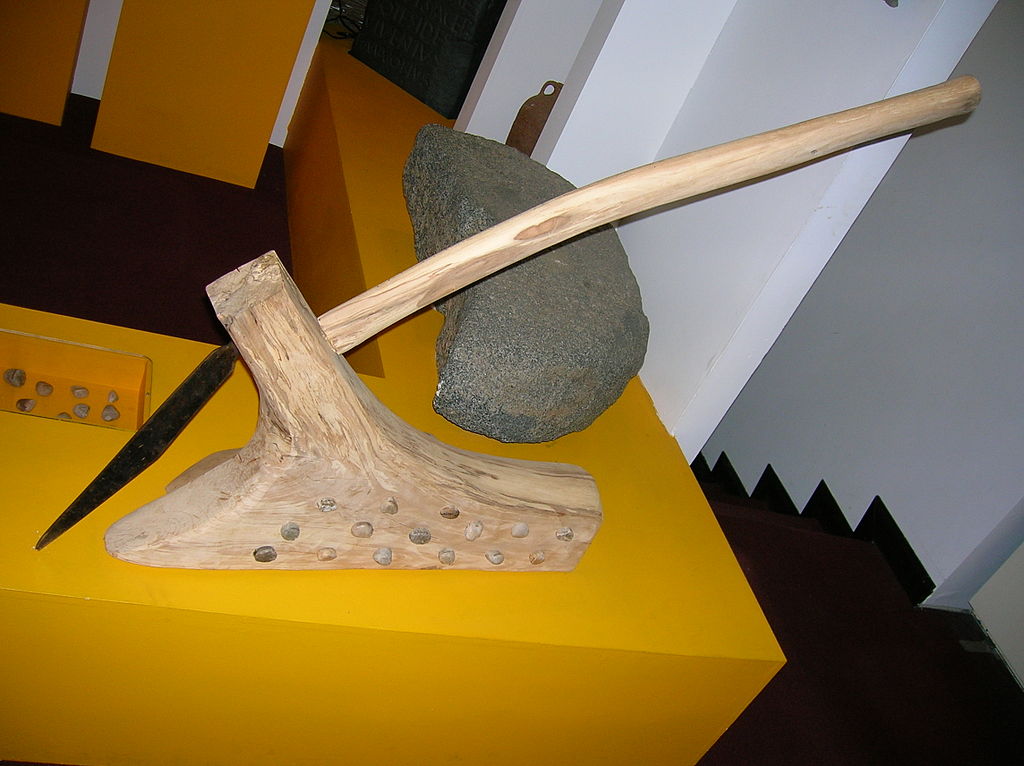
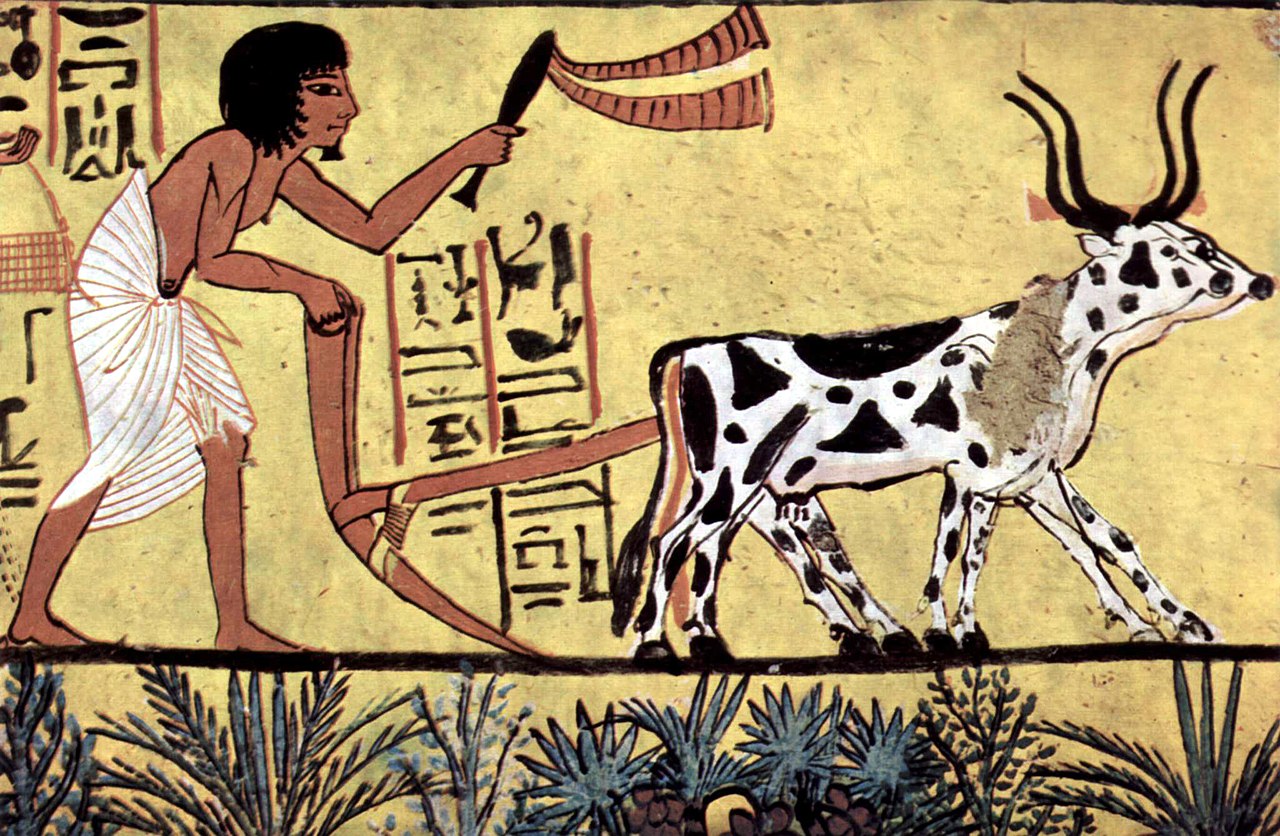
The first ploughs, called ards, appeared in around 3000 BC. They were heavy wooden spikes pulled through the fields by oxen. They churned up the soil, loosening it and preparing it for planting. Behind them, they left furrows, channels in the soil which were then ready to plant with seeds. The planting was done by hand.
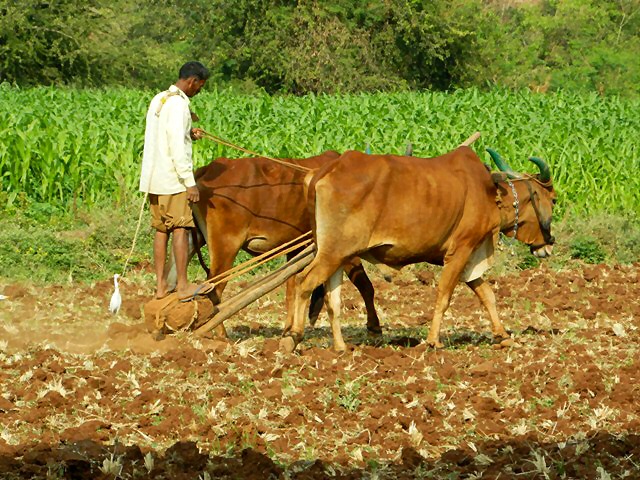
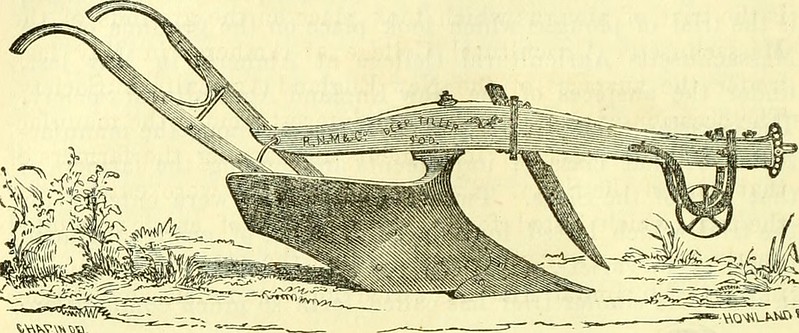
Improvements to the plough were made at different times in ancient civilizations around the world. The wooden stake was replaced by a sharp metal blade called a ploughshare. As the plough was dragged through the soil, a sharp spike, or coulter, cut into the soil, and behind it the ploughshare carved a furrow, for planting seeds.
A shaped piece of wood called a mouldboard added to the back of the plough lifted up the soil cut by the ploughshare and turned it over. This made the farmer's work much quicker. Later, wheels were added so the could be pulled through the fields more easily. This basic design remained in use across the globe until the 19th century.
Crop rotation
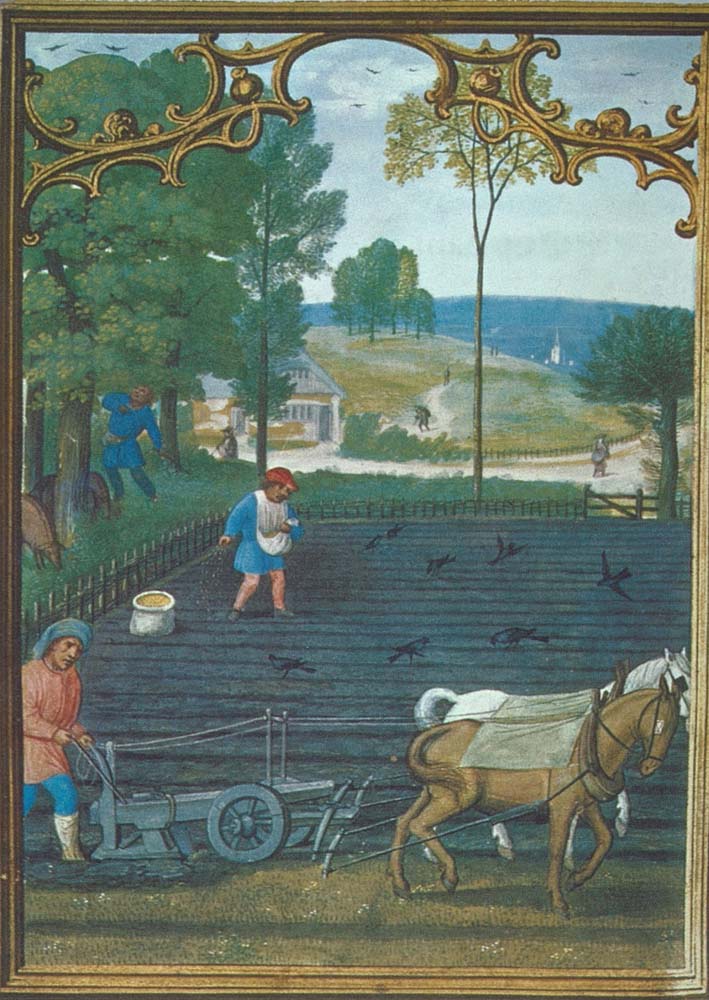
Farmers in Northern Europe during the Middle Ages adopted a system called open-field farming. The land around each village, the manor, was owned by a lord and divided into three huge fields. The villagers rented a strip in each field from the lord. They sowed two fields with wheat and barley and left the third unused (lying fallow), which allowed the land to recover. Next year the process was repeated with a different field unsown. This method of crop rotation continued until the 18th century. Once farmers had harvested their crops, they let their animals—pigs, sheep and cattle—graze on the fields. The animals' dung fertilized the soil in readiness for next year’s planting.
Farmers worked together to save money and resources, combining their oxen into teams to plough each other’s fields. They could not afford to keep all their animals fed through the winter, so they slaughtered them in the autumn before the weather became too cold.
Ridge and furrow
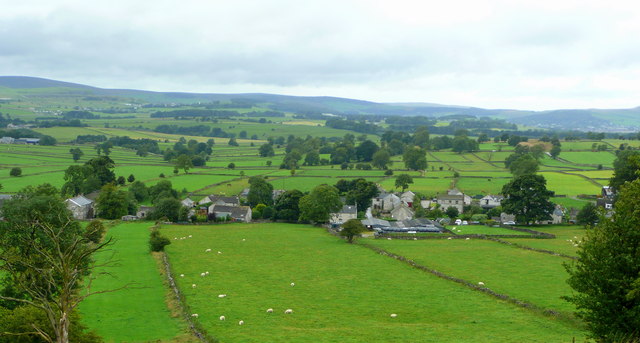
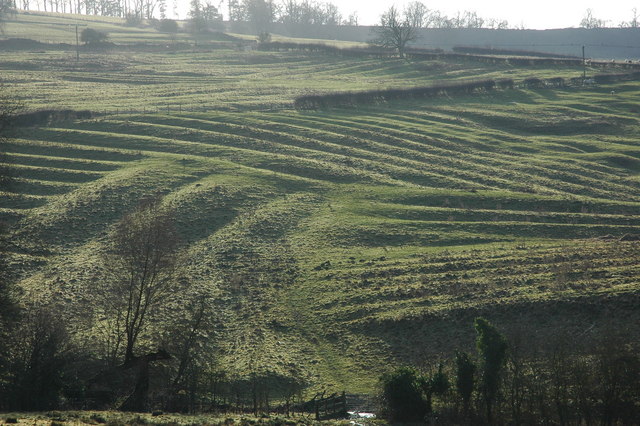
Ridge and furrow topography is the pattern of curved ridges and troughs—still seen in the countryside all over Europe today—created in the Middle Ages. Farmers used a system of ploughing typical of the open-field system. Each worked their own long strips of land, called furlongs. As a strip was ploughed, the soil would be turned to one side. At the end of the strip, the oxen looped round and the farmer ploughed another long furrow, piling the soil up against the first pile, creating a long heap between the two furrows. Over many seasons, the ridge would get higher while the trough between them deepened. When, centuries later, cultivation ceased and the land was put to grass, the rippled effect became preserved in the landscape.
Columbian Exchange
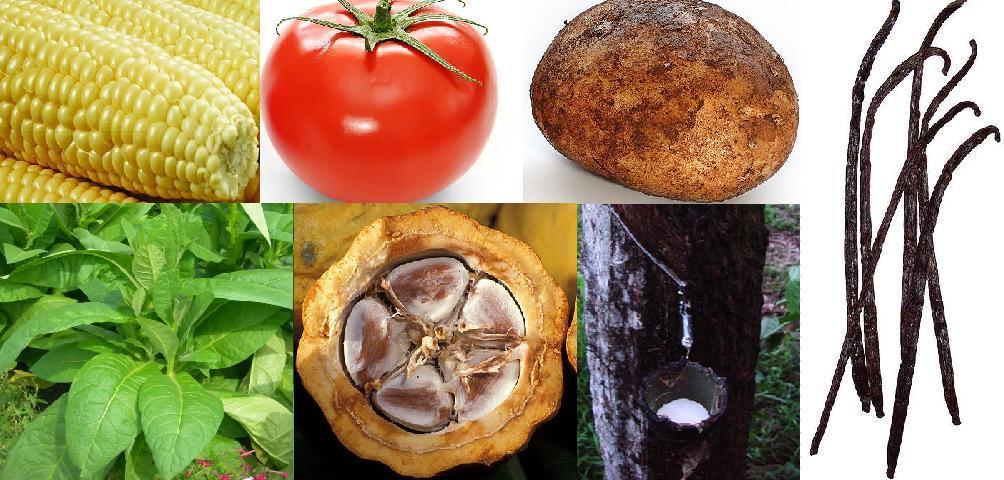
After Christopher Columbus arrived in the Americas in 1492, Europeans began to settle in what was to them newly discovered lands. They took barley, wheat and rye with them to the Americas, as well as Mediterranean crops such as sugar cane, oranges and lemons. These crops grew well in their new environment. At the same time, explorers brought native American crops such as potatoes, squash, tomatoes and maize back to Europe, from where they spread across the world. Potatoes soon became important crops in northern Europe and China, while maize and cassava became staple foods in Africa. From the 16th century onwards, nearly every part of the world was introduced to new crops, animals and foods in what is known as the “Columbian Exchange”.
Agricultural Revolution
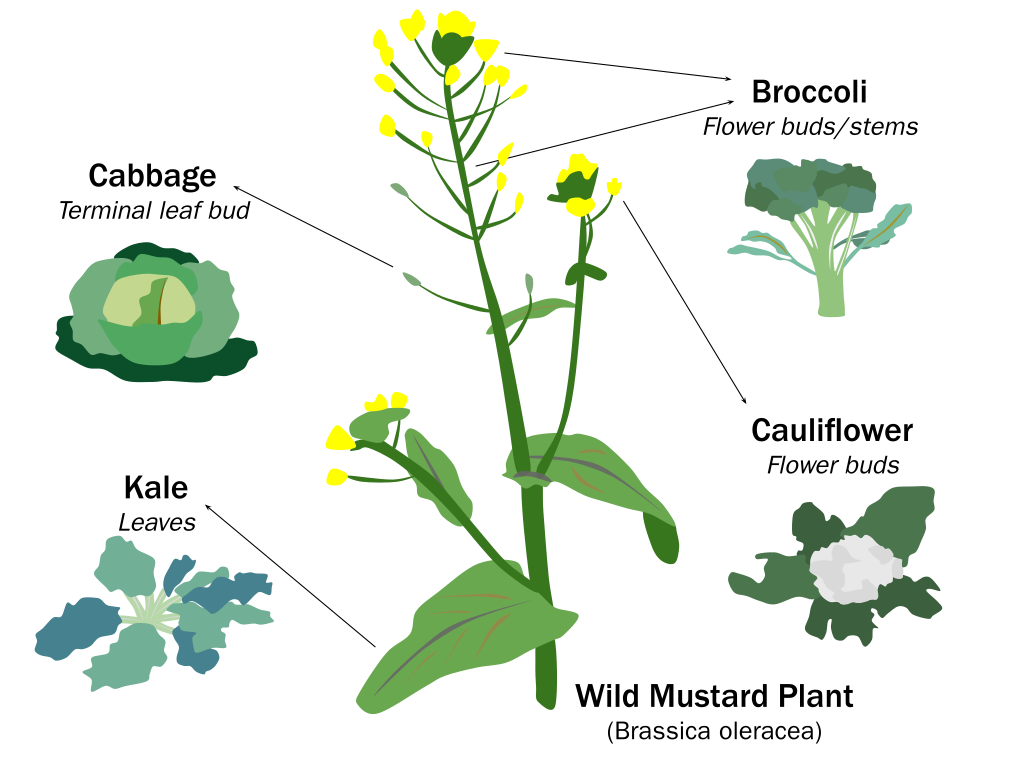
As the world’s population started to increase in the 17th century, farmers looked for ways to increase the amount of food they grew on their land. Because of the important changes in farming methods that took place during this period, it is known as the Agricultural Revolution. Farmers in began using their fields for arable farming (growing crops) instead of for livestock to graze. The landscape changed as people cleared remaining areas of forest to make way for crops.
Four-field rotation system
Farmers had long found that manure (dung of cattle and horses) spread on the land made their crops grow better. (This is because manure is rich in nitrates, vital natural fertilizers.) In the 18th century, farmers found the soil also improved growing legumes in it (these efficiently restore nitrates to the soil via bacteria in their roots). So they started sowing legumes such as beans, clover and turnips in fields that would otherwise be left fallow. These crops could also be used to feed livestock. Along with wheat and barley, clover and turnips became part of a typical four-field rotation system. The soil, and thus harvests, gradually improved, and livestock could be bred year-round.

New practices
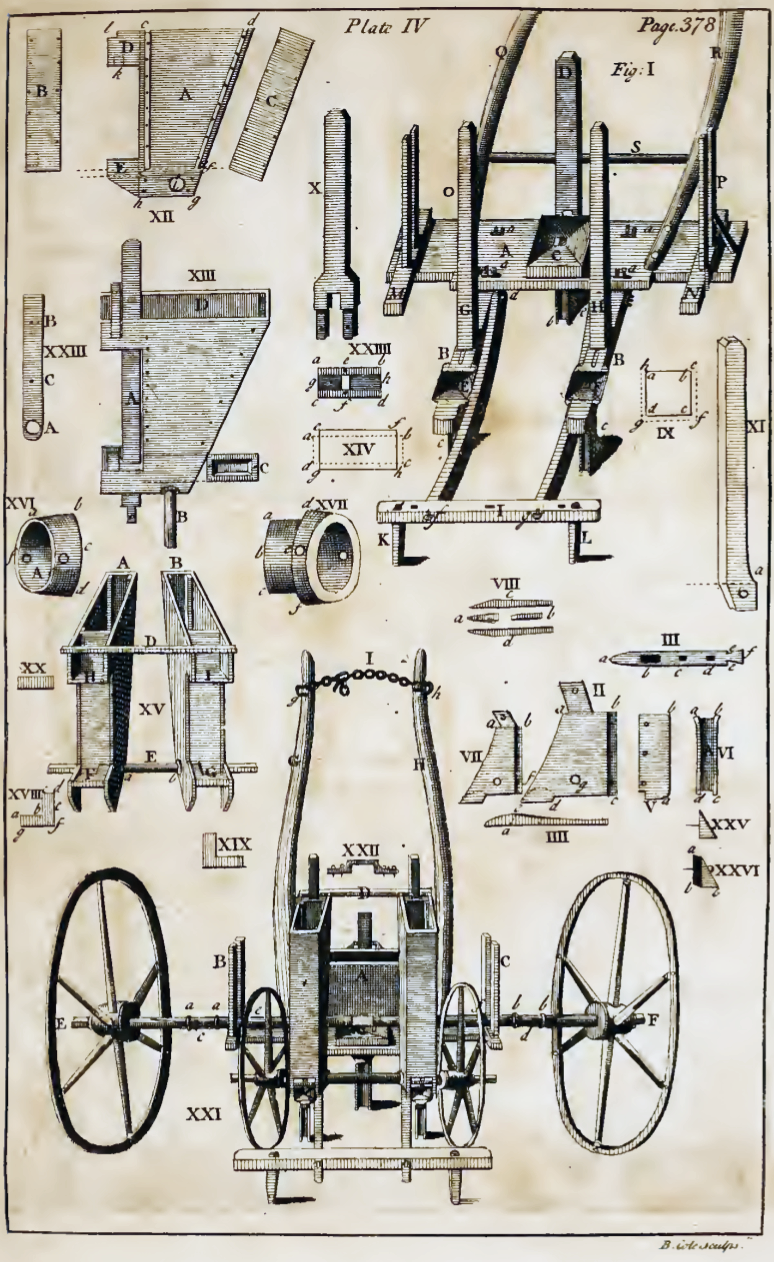
Simple machines were invented to improve the efficiency of various farming practices. In 1701 Englishman Jethro Tull (1674–1741) invented a horse-drawn seed drill, a mechanical seeder that sowed seeds at the correct depth and spacing and then covered them over with soil. Before its introduction, seeds were planted by broadcasting, throwing the seeds as evenly as possibly over the ground by hand, then lightly harrowing the soil to bury them to the correct depth.
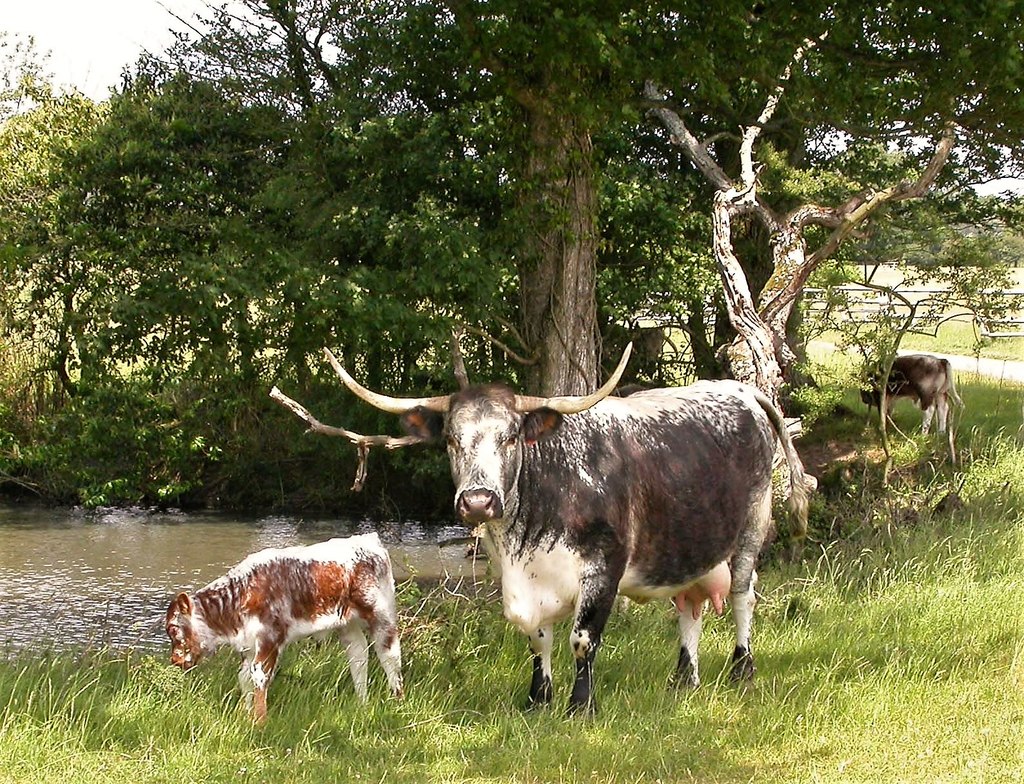
Later in the 18th century British farmer Robert Bakewell (1725–95) began selectively breeding animals to produce larger and stronger individuals. He chose certain animals in his flock with the aim of producing animals with the characteristics he wanted. Using these methods, Bakewell created a new breed of sheep called the New Leicester, and a breed of cattle called the Longhorn. A century later, his work would inspire Charles Darwin’s theory of natural selection. Today, Bakewell’s methods are a standard farming practice.
Farm machines
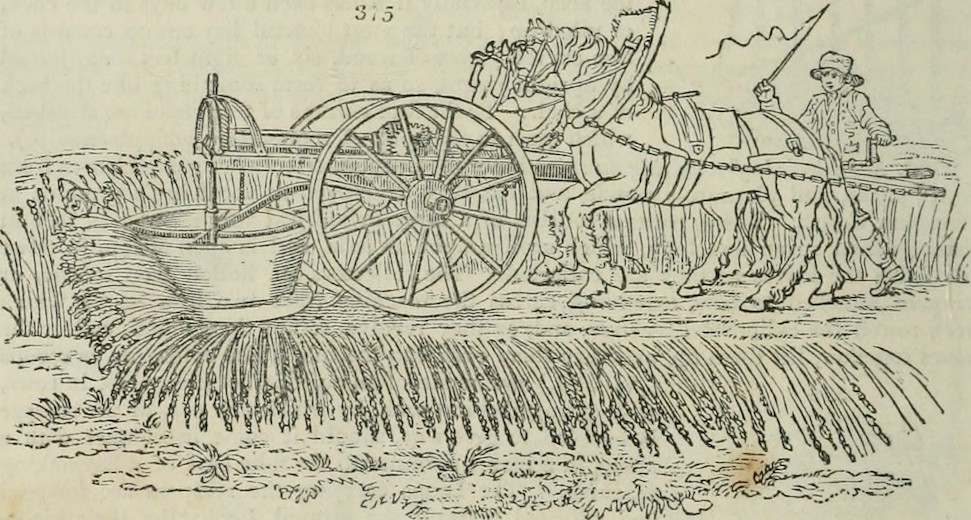
New farm machinery invented during the Industrial Revolution made farming easier and quicker. The threshing machine (1789) could help with harvesting by separating grain from the stalks of a plant. Just one threshing machine could do the work of up to a thousand farm labourers. In 1834 it was followed by the reaping machine, which both cut and collected the crops.
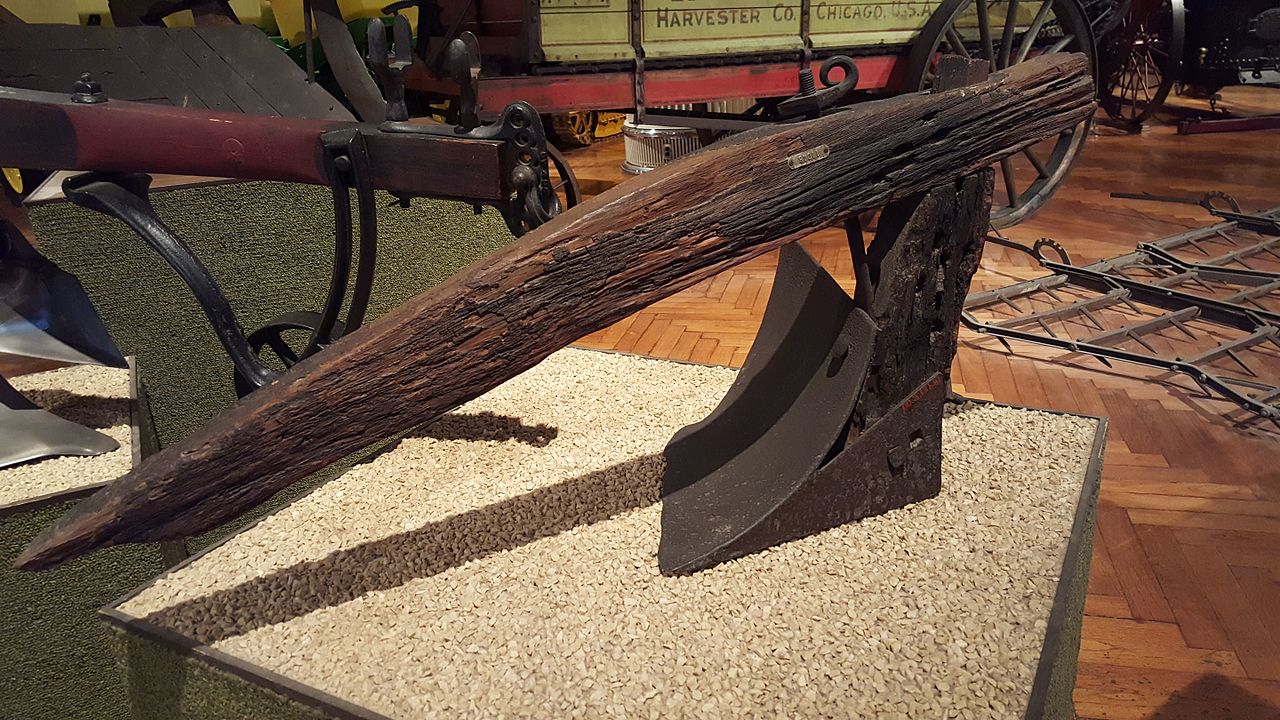
The plough, the basic design of which had remained largely unchanged since ancient times (see above), was improved in the 1830s when American blacksmith John Deere (1804–86) found a way to make a ploughshare and mouldboard from steel. The strength of Deere’s steel plough allowed farmers to work hard, stony land that had previously been thought to be unsuitable for farming altogether.
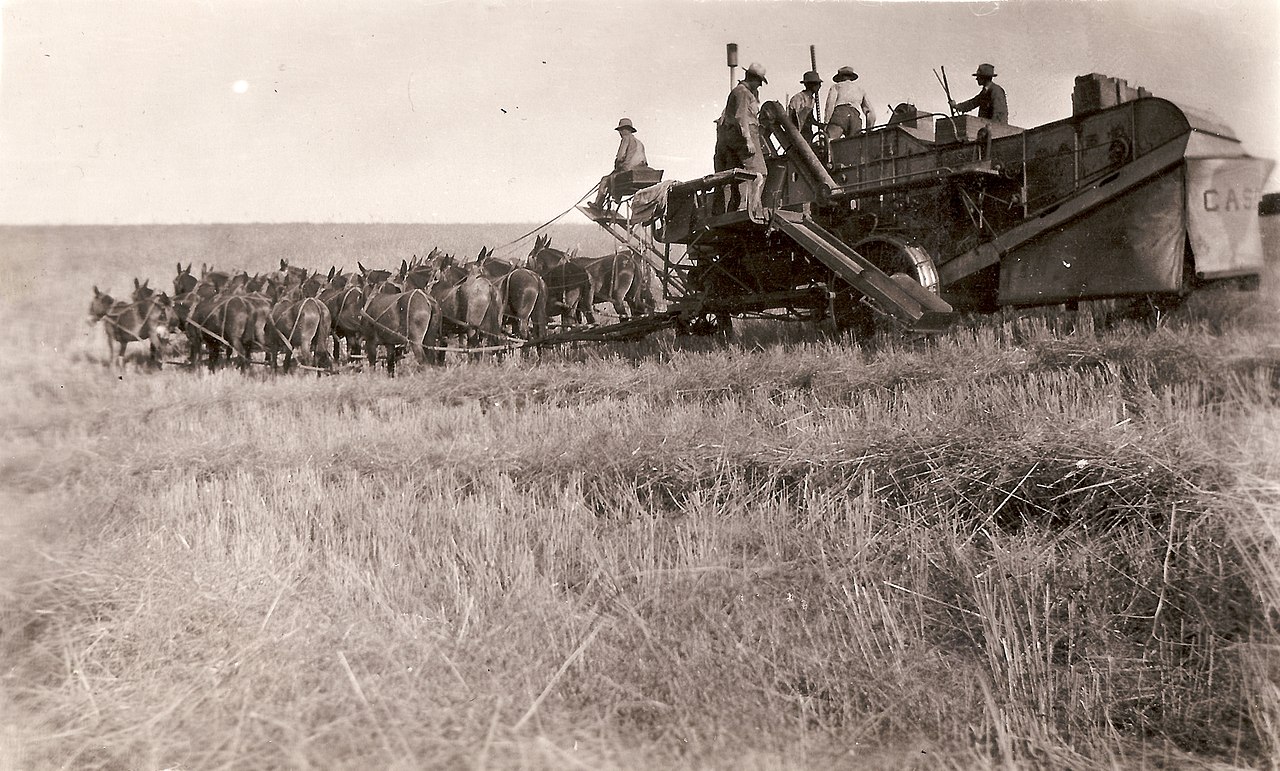
By the 1870s, steam engines were being used on farms to pull ploughs. These were the first tractors, although they did not develop into the tractors we recognize today until the 1920s. The first combine harvester was patented in 1886. It did the work of both reaping and threshing, and greatly reduced the time it took to gather in a harvest. The earliest combine harvesters were pulled by mules or horses, although they were soon mechanized.
20th century
At the beginning of the 20th century, the German chemists Fritz Haber and Carl Bosch invented a method of extracting nitrogen from the air to produce ammonia on an industrial scale. Their invention allowed new fertilizers to be made from ammonia and become widely available for use in agriculture. In the 1920s, plant breeders developed the 19th century Bohemian scientist Gregor Mendel’s pioneering work in genetics to breed new wheat and maize seeds.
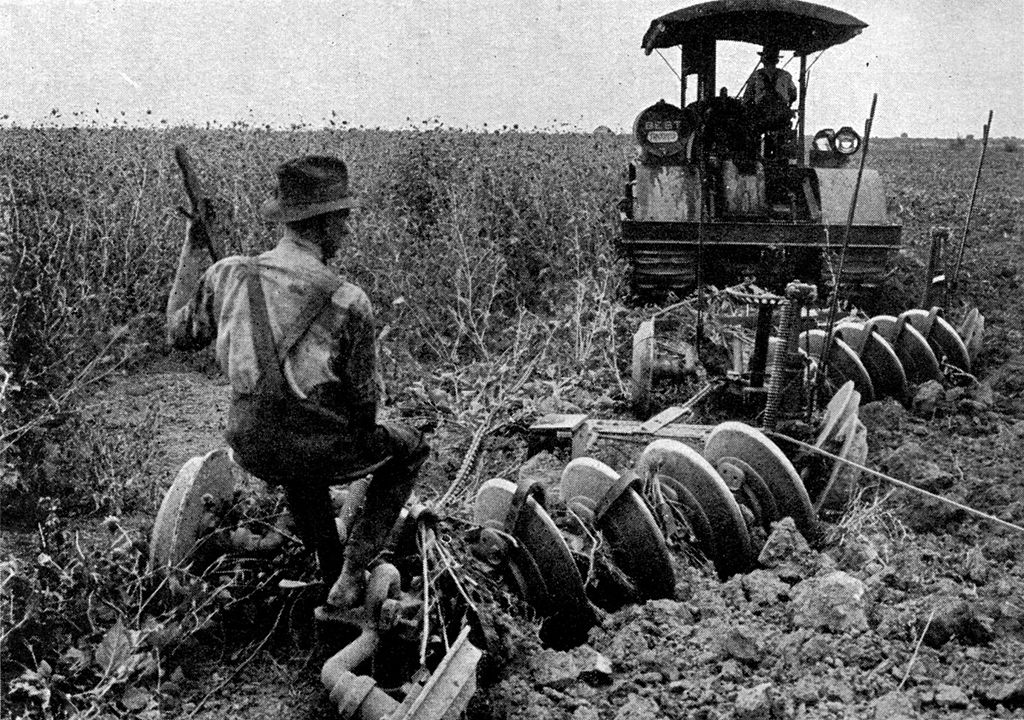
New types of tractor became lighter, faster and more affordable. In the 1940s, artificial insemination first became used in animal breeding. Instead of waiting for animals to mate naturally, farmers could combine the animals’ egg and sperm in a laboratory. It quickly became standard practice.
Green Revolution
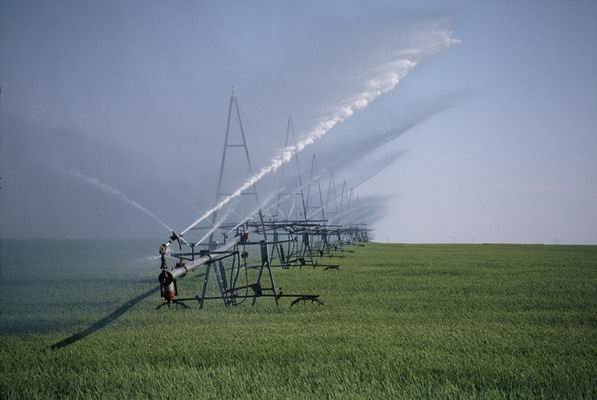
The Green Revolution took place between 1950 and the late 1960s. It involved the introduction of new technologies designed to increased agricultural production worldwide, particularly in the developing world. These technologies included: high-yielding varieties of cereals, chemical fertilizers, other agrochemicals, irrigation techniques and mechnical cultivation techniques.

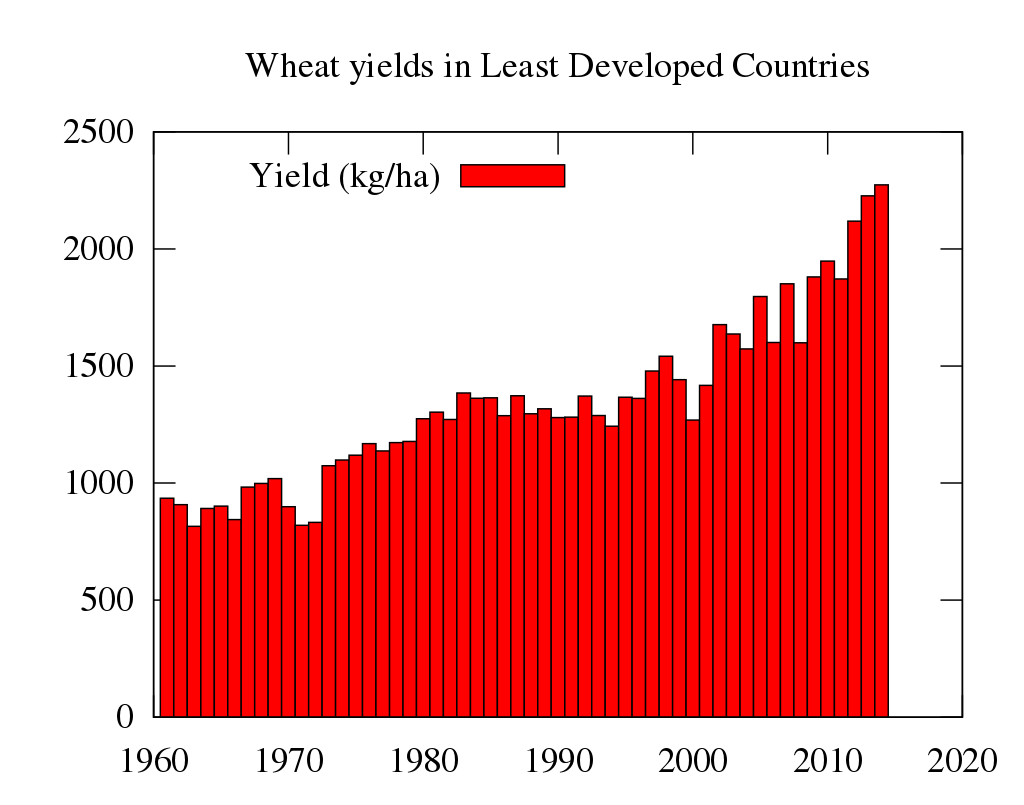
In the 1940s, American agricultural scientist Norman Borlaug (1914–2009) used his knowledge of genetics to develop varieties of wheat and rice that were both high-yielding (produced a large harvest) and resistant to disease. When Borlaug planted these new seeds in Mexico in the 1940s, the country began producing so much wheat that it soon had some left over to export. Borlaug tried his methods in India and Pakistan in the 1960s, again with success: wheat production nearly doubled in both countries within five years.
Borlaug’s work had a dramatic effect on farming. His new seeds could produce a larger harvest from a smaller area of land, which meant that people did not have to cut down forests to create more farmland. In 1970, Borlaug received the Nobel Peace Prize for his work. By increasing global food production, he had helped save millions from starvation.
Genetically modified (GM) crops
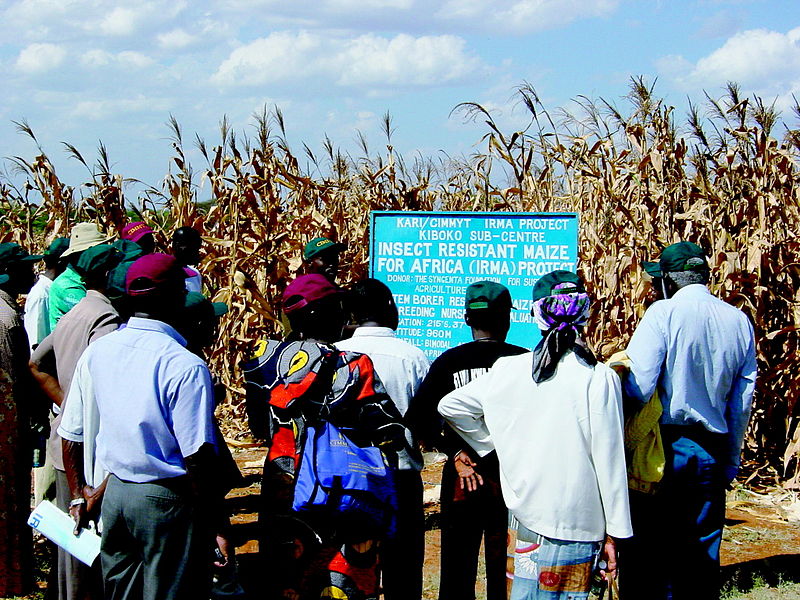
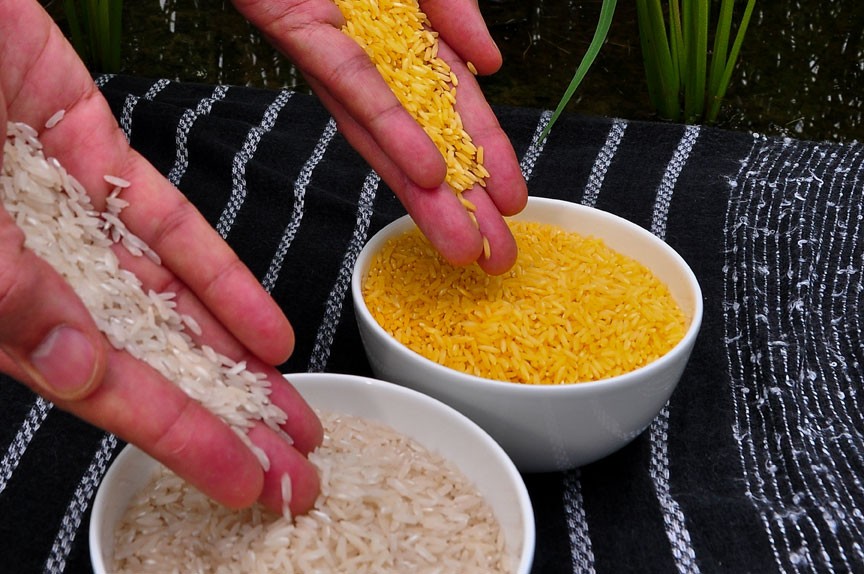
New advances in genetics in the 1970s meant that scientists were now able to edit the genes of plants, in a process called genetic engineering. They began modifying (changing) the genetic make-up of some crops to make them more resistant to disease and pests. They did this by introducing new characteristics that do not occur naturally. One such modification was the ability to resist herbicide, a type of weed killer. This meant that the crop could be sprayed with herbicide, but only the weeds would die, not the crop.
The first GM plants were planted in the 1990s. Today, around 13% of all the world’s farmland is used to grow GM crops. For some crops, such as cotton and soya beans, it has become widespread: around 75% of land planted with cotton and 72% of that planted with soya beans uses genetically modified plants.
Organic farming
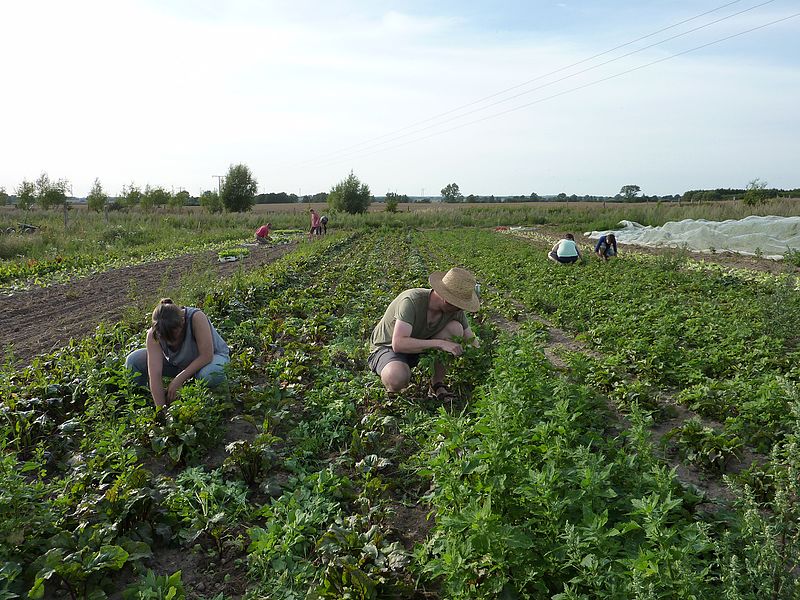
Before the first chemical fertilizers were invented, all farming was organic, but today, organic farms account for just 2% of the world’s farmland. Modern organic farming combines our modern scientific understanding of agriculture with traditional techniques that farmers used in the past. Organic farming does not use chemical fertilizers or pesticides, and livestock are not fed with antibiotics. By far the biggest country for organic farming is Australia, which accounts for more than a third of the global total of organic farmland.
Sustainable farming
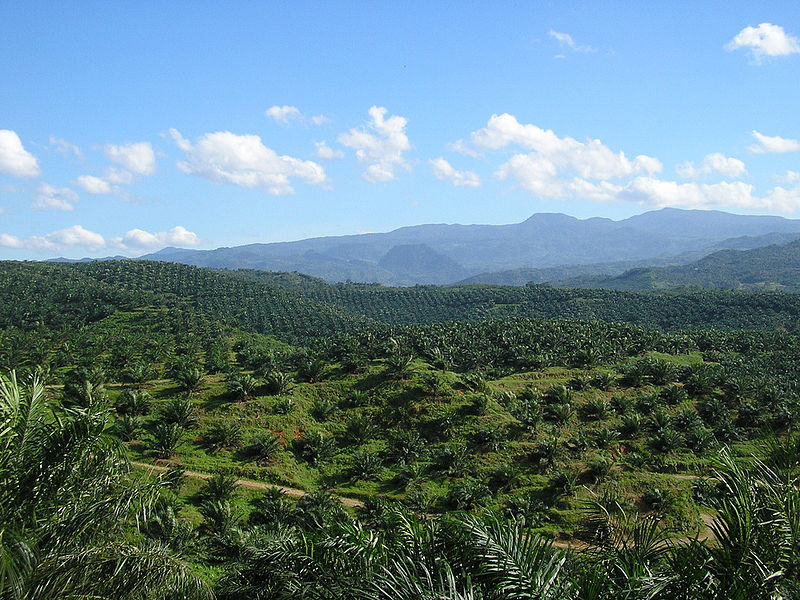
Farming has impacted negatively on the environment in a number of ways. Agrochemicals can easily enter groundwater and rivers through run-off (flow of water over the ground when rainwater cannot soak into the soil) and from there pollute the oceans. Through emissions from livestock and stored manure, and as an indirect product of fertilizers, farming contributes significantly to global warming. Some of the greatest harm to the environment comes from the clearing of forests and peatlands to make room for farmland. Besides being precious natural habitats for wildlife, these serve as important carbon sinks: they absorb carbon dioxide, a greenhouse gas, from the air, thus tempering global warming.
By 2050, the world’s population is expected to rise to 10 billion. To feed everyone, food production will need to rise by 50% by then. Sustainable farming is farming in a way which can meet the world’s current need for food (and cloth) without damaging the environment for future generations. It includes intensification (high crop yields, thereby reducing the need for more land to cultivate and destroying natural habitats), water efficiency (for example, the use of drought-resistant crops), soil conservation, organic farming and vertical farming (see below).

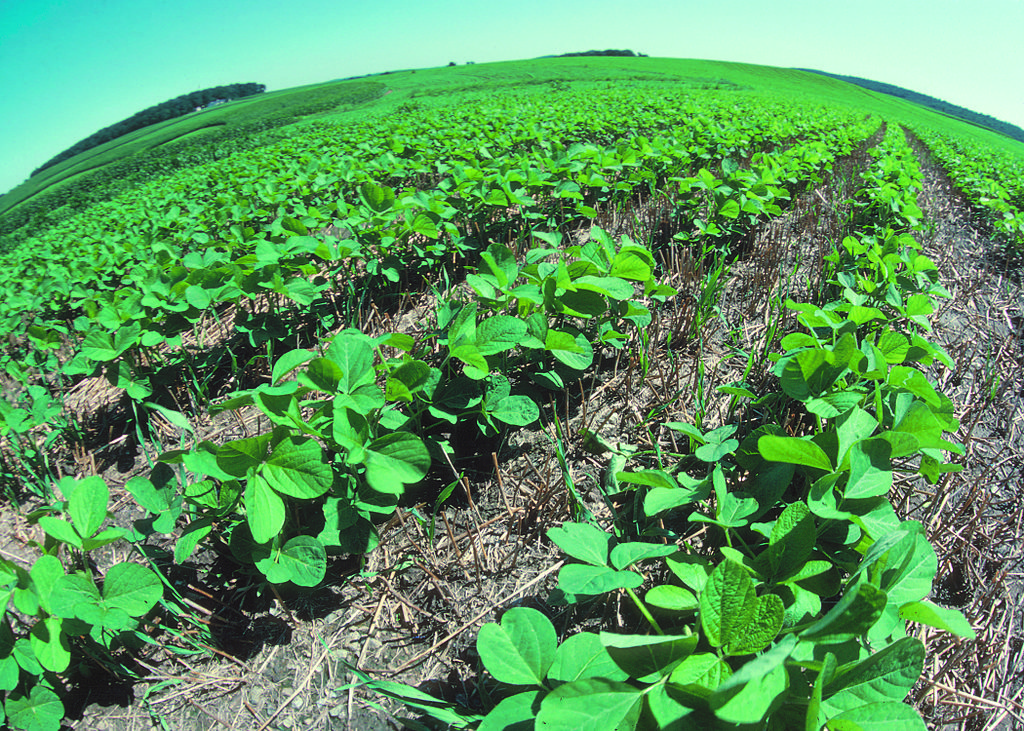
Traditional methods such as crop rotation (which replenishes soil nutrients naturally), and raised field farming (cultivating large fields surrounded by water-filled ditches, practised by Aztec and Maya civilizations in Central America before the Spanish conquest) are also both forms of sustainable farming.
Vertical farming
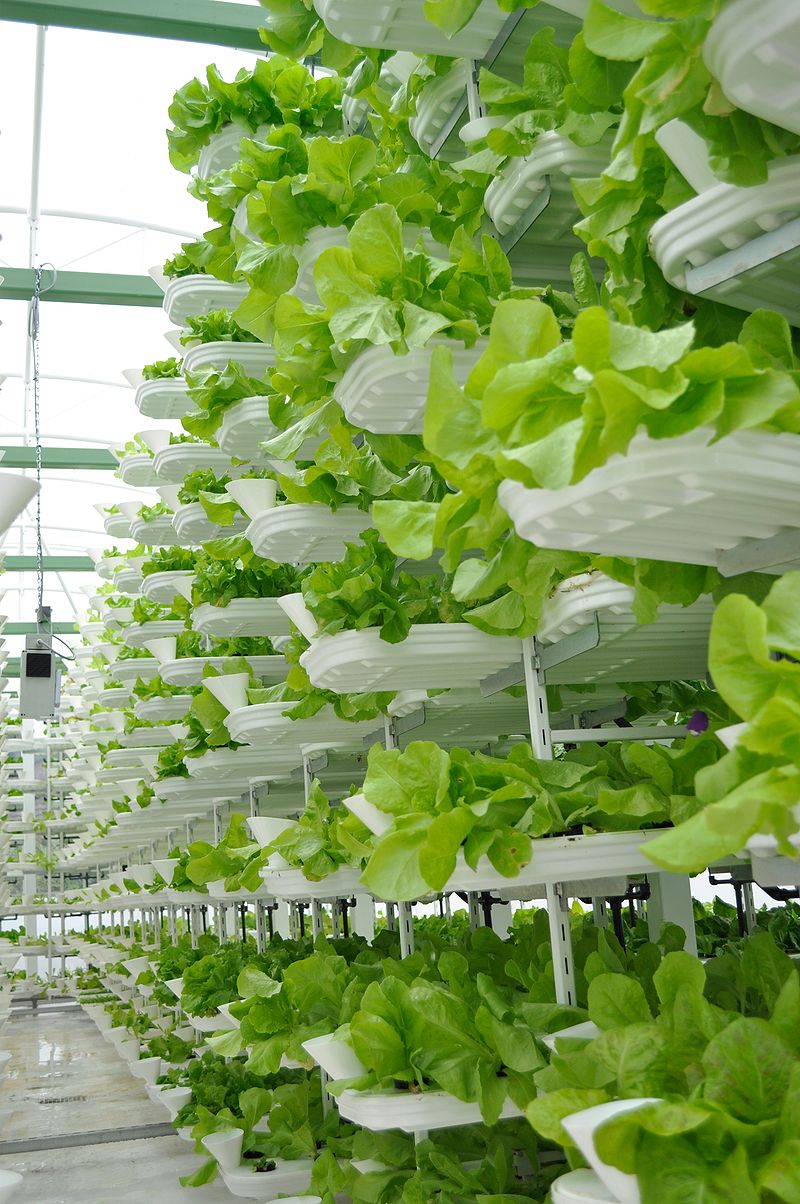
Vertical farming—growing crops indoors in layers stacked one on top of the other—is one way of overcoming the problem of limited available farmland. It works best for growing crops with shallow roots, such as tomatoes and green vegetables. Inside the stacks, LED lighting is used instead of sunlight. They can be grown using hydroponics, a system of farming in which crops are grown in water instead of soil. The water and nutrients used to nourish the crops can then be recycled.
Robotic farming
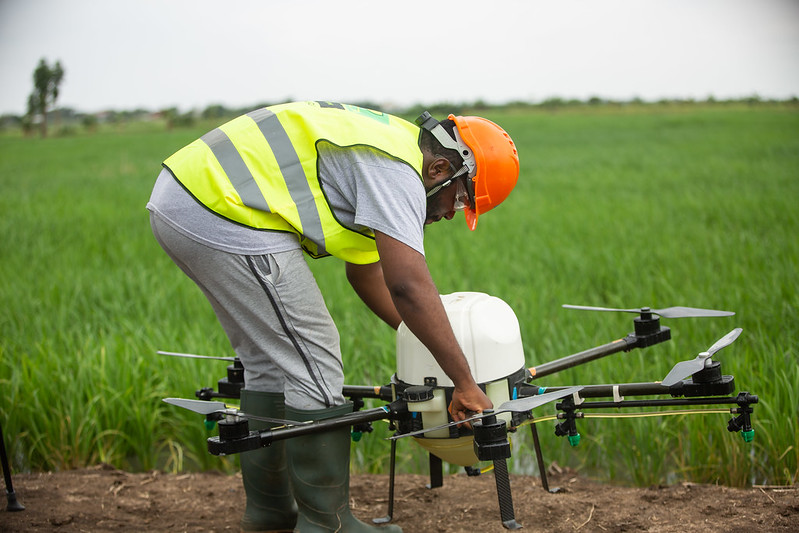
Designs for driverless tractors were first created in the 1940s. In recent years technologists have developed working prototypes for driverless tractors that could soon be used on farms. These machines use artificial intelligence and GPS to steer themselves.
Another recent innovation is automated milking systems, in which dairy cows are milked by robotic machinery instead of by hand. The cows are even trained to go to the milking sheds by themselves. These machines have been used on farms since the beginning of the 21st century.
pics


Without in any way limiting Q-files Ltd’s exclusive rights under copyright, any use of this publication to “train” generative artificial intelligence (AI) technologies to generate text is expressly prohibited. Q-files Ltd reserves all rights to license use of this work for generative AI training and development of machine learning language models.