
Environment

CITE
We have made every effort to follow citation style rules, but there may be some minor differences. If in doubt, please refer to the appropriate citation style manual.
Soil erosion. (2026). In Q-files Encyclopedia, Geography, Environment. Retrieved from
https://www.q-files.com/geography/environment/soil-erosion
"Soil erosion." Geography, Environment, Q-files Encyclopedia, 1 Apr. 2026.
https://www.q-files.com/geography/environment/soil-erosion.
Accessed 6 Aug. 2026.
Soil erosion 2026. Geography, Environment. Retrieved 6 August 2026, from
https://www.q-files.com/geography/environment/soil-erosion
Geography, Environment, s.v. "Soil erosion," accessed August 6, 2026.
https://www.q-files.com/geography/environment/soil-erosion


Soil erosion
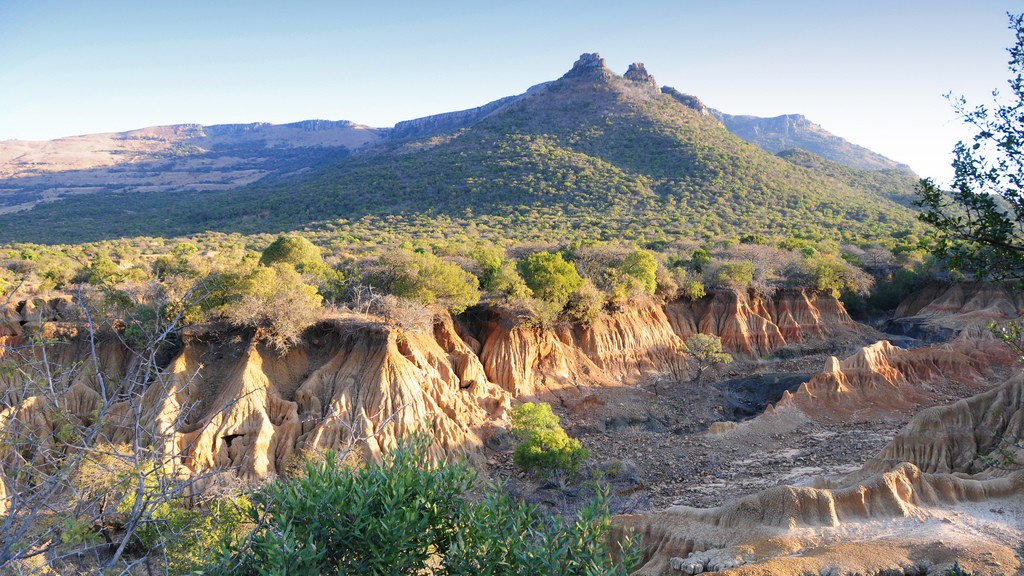
Soil erosion is the wearing away of topsoil by the natural forces of water and wind, or through farming activities. It has become one of the most serious environmental problems worldwide, contributing to desertification. Through the loss of the nutrient-rich upper soil layers, soil erosion reduces agricultural productivity and threatens the survival of whole ecosystems. Sediments—the eroded soil particles carried away by water or wind and deposited elsewhere—may choke rivers, lakes and wetlands over wide areas. Human activities have greatly increased the rate at which erosion is occurring. Intensive agriculture, deforestation, climate change and urban sprawl all have an effect.
Water erosion
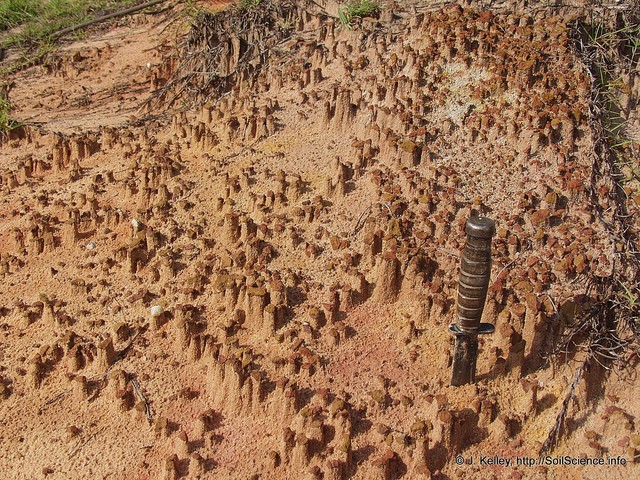
Rainfall produces four main types of soil erosion: splash erosion, sheet erosion, rill erosion and gully erosion. In splash erosion, falling raindrops create small craters in the soil from which soil particles are ejected. This can be considerable during high-intensity storms.
If rainfall is greater than the rate at which the water can percolate (seep down) into the soil, run-off occurs. Loosened soil particles are carried by the surface water down the slope. This is known as sheet erosion.
Rills and gullies
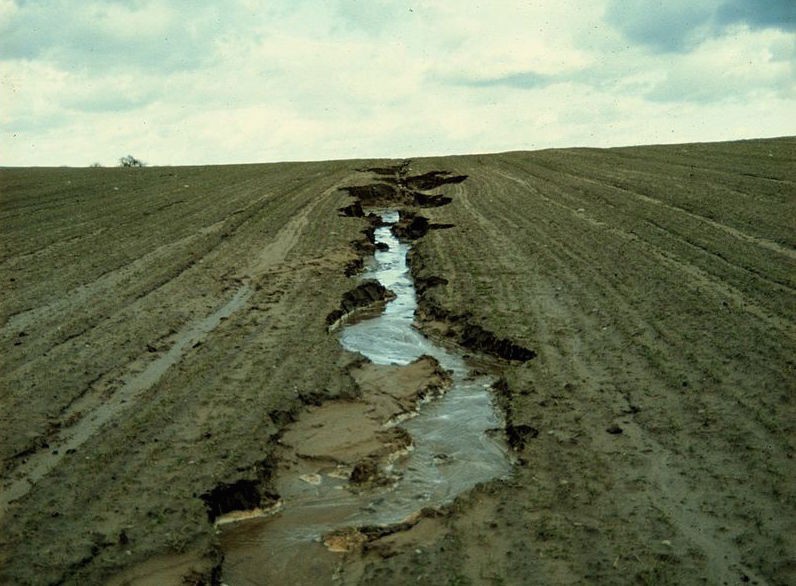
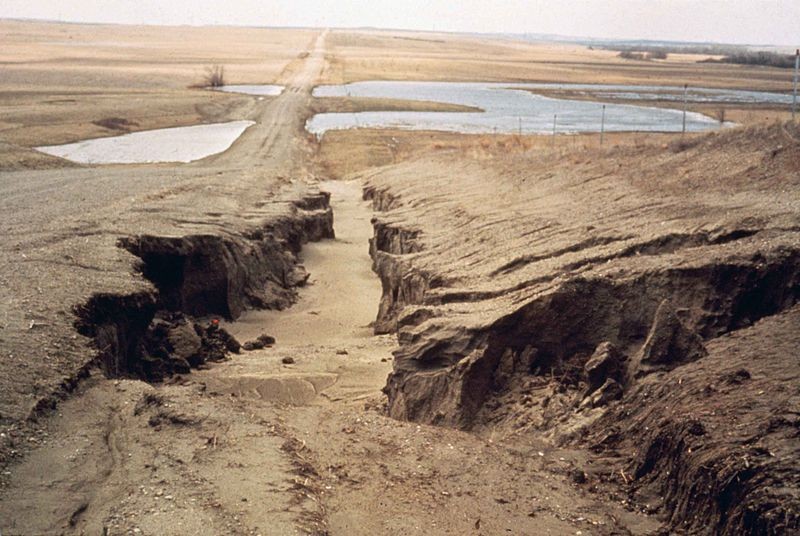
Narrow channels a few centimetres deep, called rills, may be formed on slopes by the run-off water as it transports the eroded soil particles downhill. Over time, the action of heavy rains or snowmelt will erode the rills further, transforming them into gullies with high, sloping sides. Soil may be removed to depths of tens of metres when gully erosion occurs.
Wind erosion
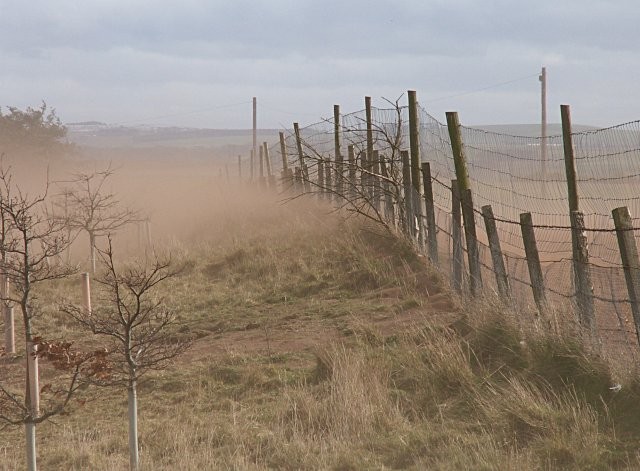
Wind erosion can be a major force, especially in arid and semi-arid regions—and in times of drought in other areas. Fine soil particles (silt) may be carried high into the air by the wind and transported great distances; this is called suspension. Medium-sized particles (sand) are lifted a short distance and drop back to the ground, damaging crops: this is saltation. Large-sized soil particles roll along the soil surface, a process known as surface creep.
A lack of permanent vegetation cover can result in severe wind erosion. Loose, dry, bare soil is the most susceptible.
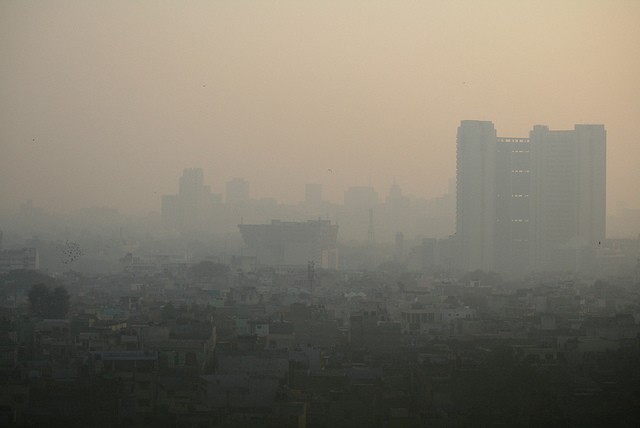
In addition to the loss of valuable topsoils, wind erosion damages crops by sandblasting young seedlings, burying plants or exposing seeds. Soil particles picked up during wind erosion of soil are also a major source of air pollution. These airborne particles are often contaminated with toxic chemicals, such as pesticides, posing a hazard to public health.
Risks of erosion
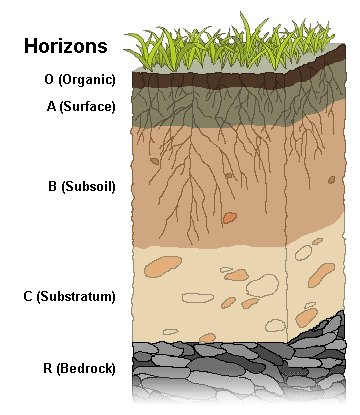
Soils containing higher levels of organic matter and with faster percolation rates (the rate at which water seeps down through the soil) have a greater resistance to erosion. Sandy and loam-textured soils tend to be less susceptible to erosion than denser clay-textured soils. Soils from deep beneath the surface have lower organic matter than topsoil above, and so are more easily eroded when exposed. The steeper the slope, the higher the risk for erosion. This is because the rainwater flows over the ground faster, giving it a greater scouring ability.
Soil already saturated with water cannot absorb further amounts of rainwater. This leads to higher levels of run-off, and thus a greater risk of erosion. Compacted soils are also less permeable (less able to let water percolate), so also have greater run-off.
Soil with little or no vegetation is more easily eroded. Plant cover protects the soil from raindrop splash, slows down the rainwater run-off and allows excess surface water to percolate more gradually. Plants also shelter the soil from winds, limiting wind erosion. Their roots bind the soil together, forming a solid mass that is more resistant to both water and wind erosion. The removal of vegetation therefore increases the risk of erosion.

Farming practices
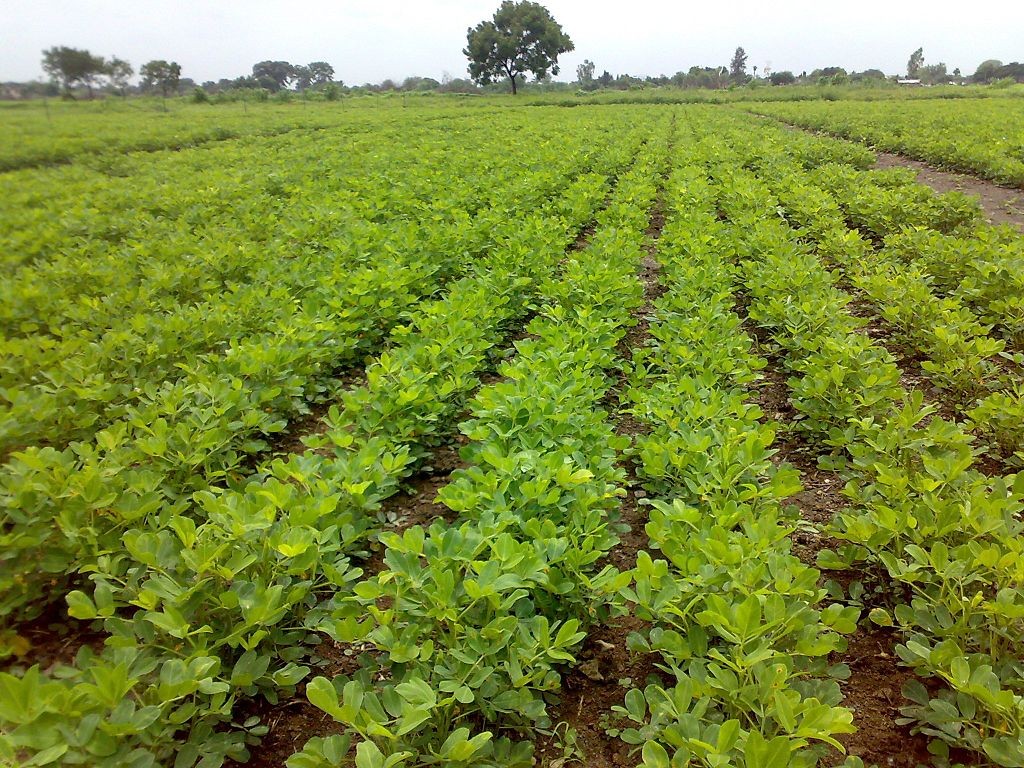
Some farming practices contribute greatly to soil erosion. Tilling the soil before planting, which breaks up soil into finer particles (making it easier for water or wind to carry them off), is one of the chief factors. Tilling may also reduce the organic matter in the soil, also making it more susceptible to erosion. The removal of trees from agricultural land increases the power of the wind, while heavy grazing reduces vegetation cover and causes soil compaction—both of which increase erosion rates.
Deforestation
In an undisturbed forest, the soil is protected by layers of leaf litter and humus on the forest floor. They protect the soil from the impact of raindrops, while allowing rainwater to seep gradually into the soil instead of flowing over the surface as runoff. The roots of the trees and plants bind the soil particles together, preventing them from being washed away. Their leaves reduce the impact of the raindrops before they hit the ground, diminishing their erosive power.
Deforestation removes the leaf cover, the roots and the humus and litter layers from the soil surface. Where trees have been cleared, especially in hilly terrain and areas of heavy rainfall, severe soil erosion is often the result, causing both the loss of nutrient-rich topsoil and choking local streams with sediments.
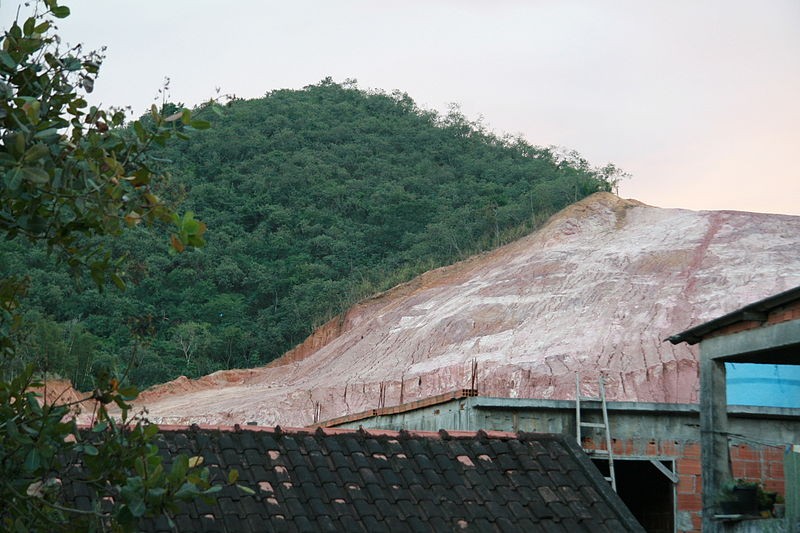
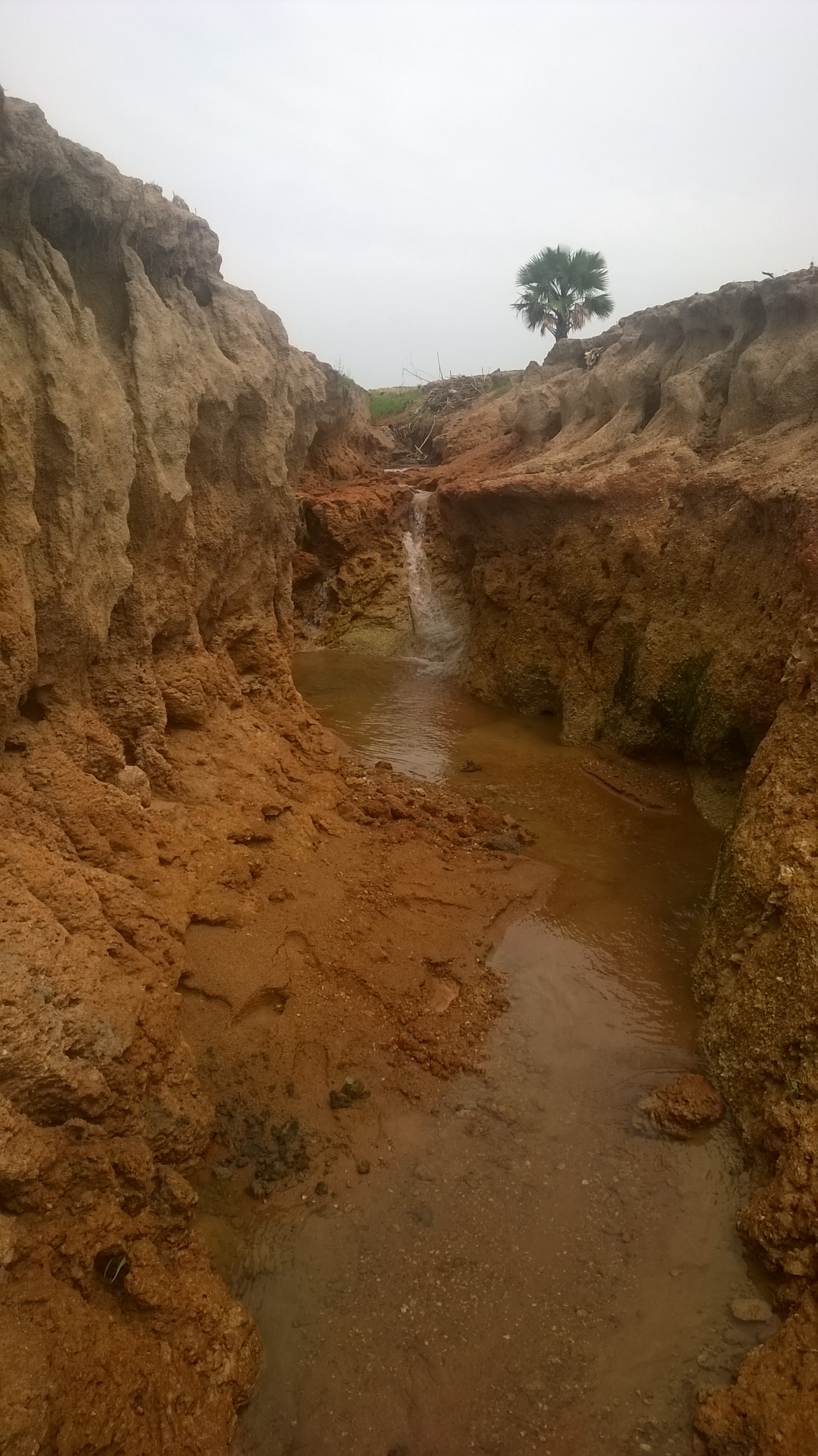
Buriticupu, in Maranhão state, on the edge of the Amazon rainforest in northeast Brazil, has about 30 gullies, some of which are 80 metres (260 feet) deep. They are known locally as voçoroca, or “torn land” in the indigenous Tupi-Guarani language. Buriticupu was once covered in trees, but in the 1990s the booming timber industry removed most of them, leaving behind open, stony ground. With no plant cover to absorb the rain, water collected on the surface, streams formed and wore the soil away, creating the deep gullies. This process is speeded up when rainfall is heavy, and with the changing climate producing more violent storms, gully erosion is likely to become a worsening problem in deforested regions all over the world.
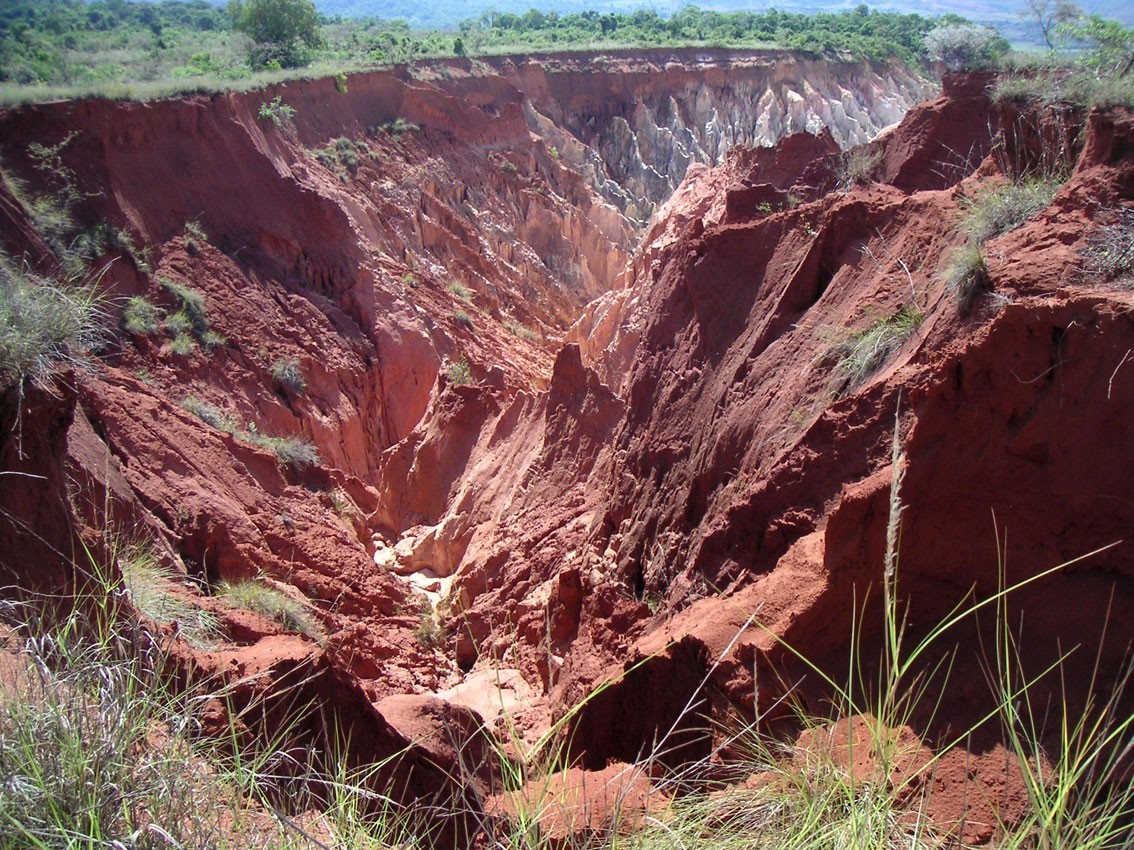
Where slash and burn—to clear the land for cultivation—is practised in areas of tropical rainforest, soil erosion is the usual result. The trees cannot regrow quickly enough to prevent the soil, along with all its nutrients, being eroded away. Today, the Madagascar high central plateau, for example, is scarred by erosion gullies, some more than 50 metres (160 feet) deep and 1 kilometre (0.6 miles) wide as a result of deforestation.
Urbanization
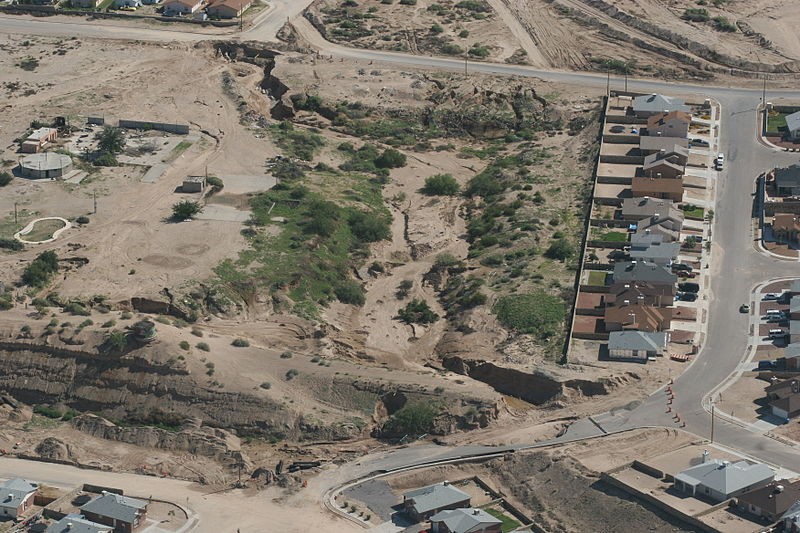
Roads and buildings cover the ground with an impermeable layer of asphalt or concrete. Rainwater cannot percolate into the soil beneath, so excess surface water (called urban run-off) is channelled via storm drains into sewers. These carry the water—contaminated by fuel and other chemicals—away to rivers or the sea. This can lead to major disruption of the nearby streams and rivers, causing sedimentation, pollution, bank erosion and flooding. Further soil erosion in surrounding areas results. Constructing special storage ponds in urban areas, with filter trenches to remove pollutants, can help tackle the problem.
Soil conservation
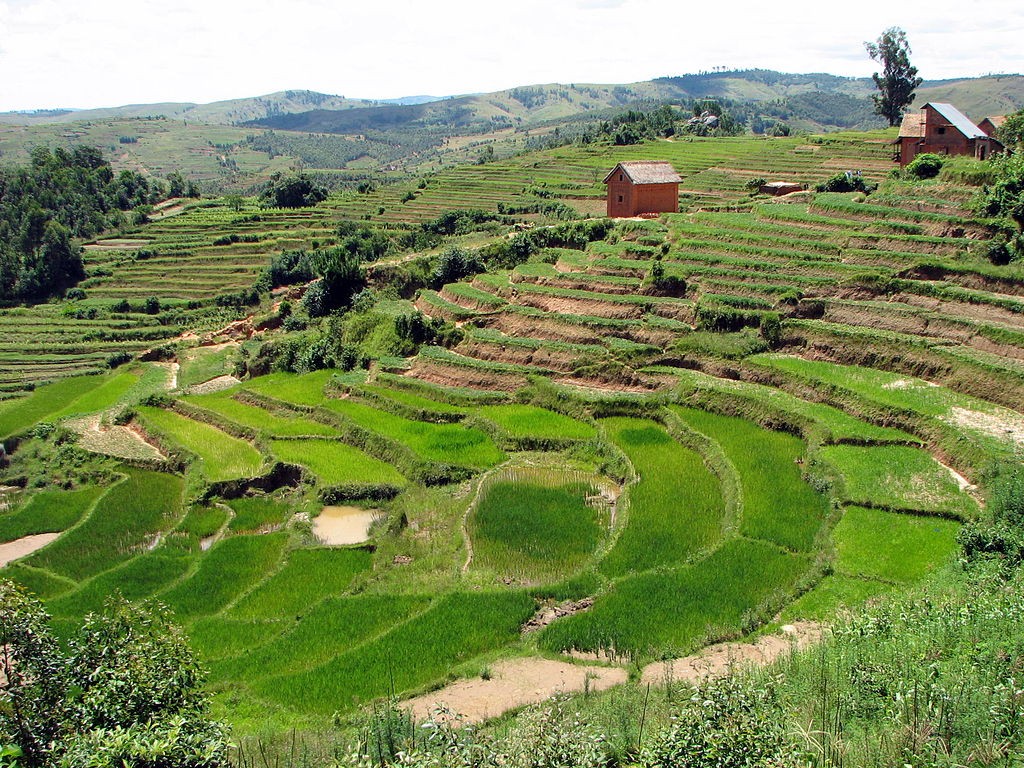
Traditional farming practices can reduce soil erosion. For example, contour ploughing (ploughing a slope following its contour lines, reducing the formation of rills and gullies), strip-cropping (cultivating a field divided into long, narrow strips which are alternated in a crop rotation system, providing a vegetation cover throughout the year), or terracing (creating steps in a slope, reducing runoff) are all effective methods of controlling soil erosion.
Crops that provide protective cover for much of the year (e.g. alfalfa) can reduce erosion more than those crops that leave the soil bare for a longer periods of time (e.g. cotton, maize, soya beans and sugar beet).
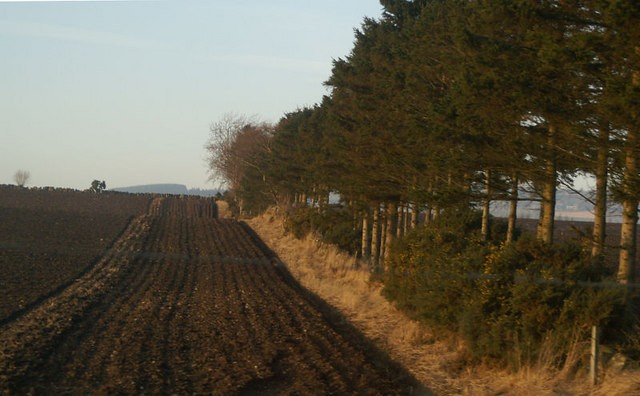
Increasing the vegetation cover, especially by reforestation, helps prevent both water and wind erosion. Planting windbreaks or shelterbelts, rows of trees or shrubs, along the edges of cropfields shield them against winds.
Consultant: Ian Fairchild
pics
Without in any way limiting Q-files Ltd’s exclusive rights under copyright, any use of this publication to “train” generative artificial intelligence (AI) technologies to generate text is expressly prohibited. Q-files Ltd reserves all rights to license use of this work for generative AI training and development of machine learning language models.