
South America

CITE
We have made every effort to follow citation style rules, but there may be some minor differences. If in doubt, please refer to the appropriate citation style manual.
Brazil. (2026). In Q-files Encyclopedia, Geography, South America. Retrieved from
https://www.q-files.com/geography/south-america/brazil
"Brazil." Geography, South America, Q-files Encyclopedia, 1 Apr. 2026.
https://www.q-files.com/geography/south-america/brazil.
Accessed 6 Aug. 2026.
Brazil 2026. Geography, South America. Retrieved 6 August 2026, from
https://www.q-files.com/geography/south-america/brazil
Geography, South America, s.v. "Brazil," accessed August 6, 2026.
https://www.q-files.com/geography/south-america/brazil


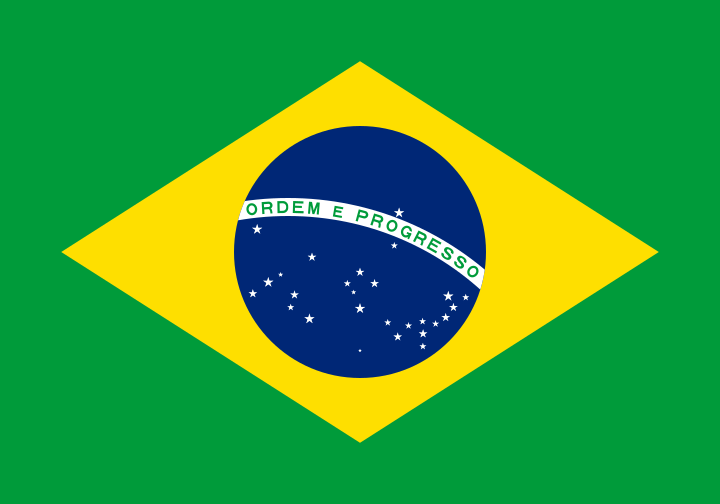
Brazil
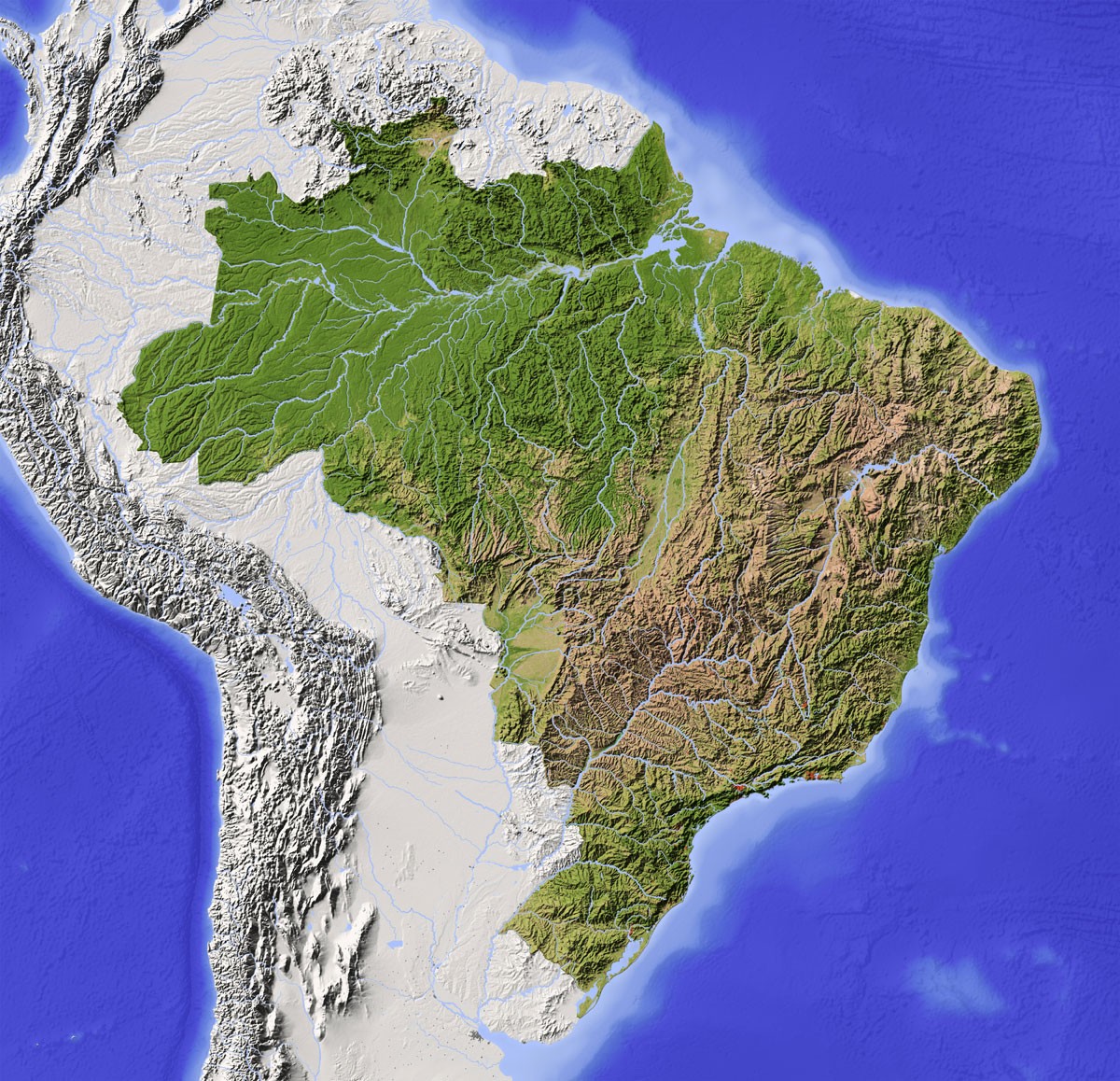
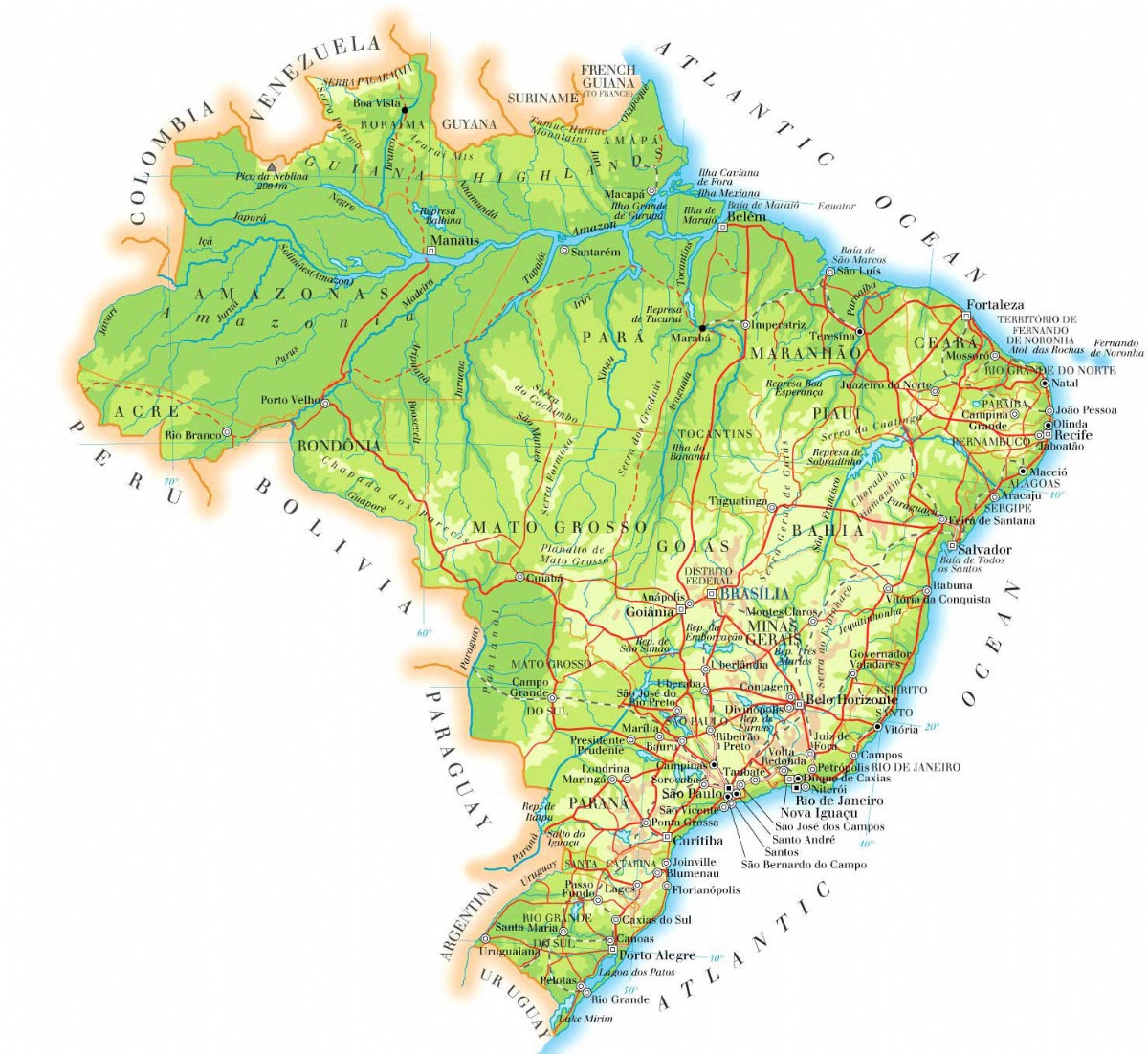
Covering nearly half of the continent, Brazil is South America’s largest and most populous country. In the north, the world’s largest rainforest covers the vast basin of the River Amazon. Covering most of eastern, central and southern Brazil are the Brazilian Highlands. Most of the country's cities, including São Paulo, Rio de Janeiro and Belo Horizonte, are situated in the southeast highlands or the narrow coastal plain. Brazil was ruled by Portugal for 325 years. Today, Portuguese is the country’s main language, uniting the mixture of European, African and other peoples who live there.
Amazon Basin
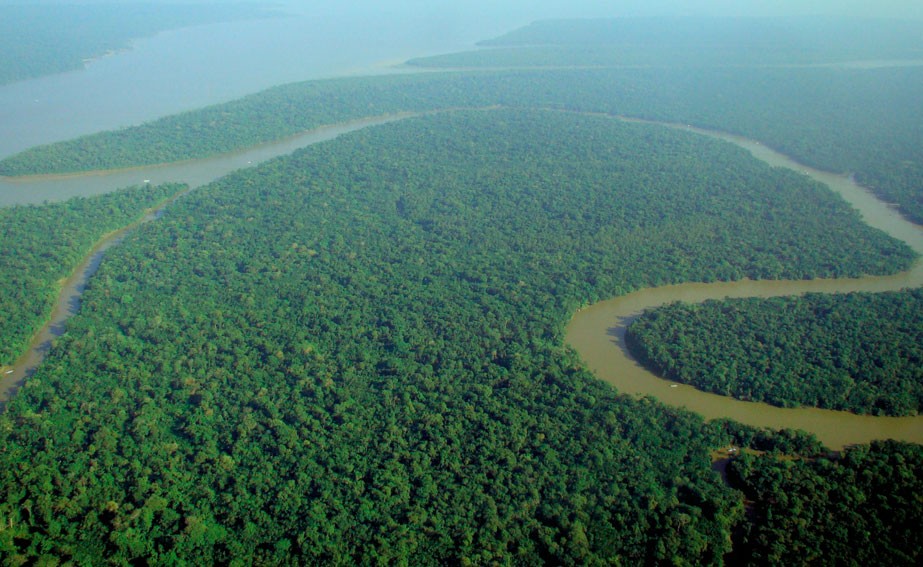
Northern Brazil is dominated by the Amazon Basin, still largely covered by dense tropical rainforest, and drained by the great River Amazon and its many tributaries. Known to as Amazonia, this hot, humid region has one of the highest levels of biodiversity on the planet: around one in 10 of all known species of all forms of life are found here.
For thousands of years, rainforest peoples have harvested foods, spices, medicines and materials from the forest. More recently, timber merchants, farmers, miners and oil companies have started to exploit the region. Less than a tenth of the Brazilian population lives in this vast area, most of them in the riverside cities of Manaus and Belém.


Cerrado
South of the Amazon rainforest, in the states of Goiás, Bahía and Minas Gerais, there are low plateaus covered by tropical savanna or cerrado—grassland mixed with trees. The cerrado, which has both a wet and dry season, occupies more than a fifth of Brazil's land area. More than a third of it has now been given over to agriculture including cattle-raising and the cultivation of maize, rice and soya beans. The trees are burnt for charcoal, used by the local steel plants.
Pantanal
Lying between the cerrado and the Bolivian border in Mato Grosso do Sul is a low-lying, swampy basin of lagoons and wetlands called the Pantanal. Into this basin flow several rivers from the surrounding plateau, depositing their sediments. The Pantanal, most of which is submerged during the rainy season, is home to a rich variety of wildlife including jaguars, capybaras, tapirs and caimans. The region is under threat from commercial fishing, cattle-ranching and pollution from mines.


Southeast
In the southeast of the country, the Brazilian Highlands rise to high peaks, with the highest found north of Rio de Janeiro. Their slopes were once covered by forest, known as the Atlantic Forest, or mata. Since the first Europeans arrived 500 years ago, people have cleared thousands of square kilometres of trees for pasture, farmland or for mining. Less than a fifth of the original forest remains today.
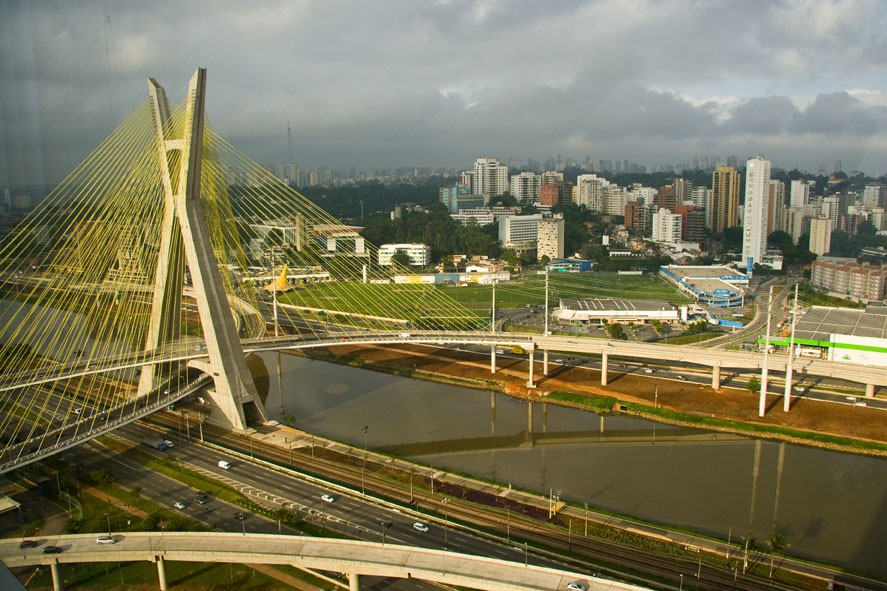
At the coast, the land falls away steeply, sloping to green plains and wide, sandy beaches. This region of Brazil is the most heavily populated, home to the sprawling megacities of São Paulo and Rio de Janeiro.
Rio de Janeiro

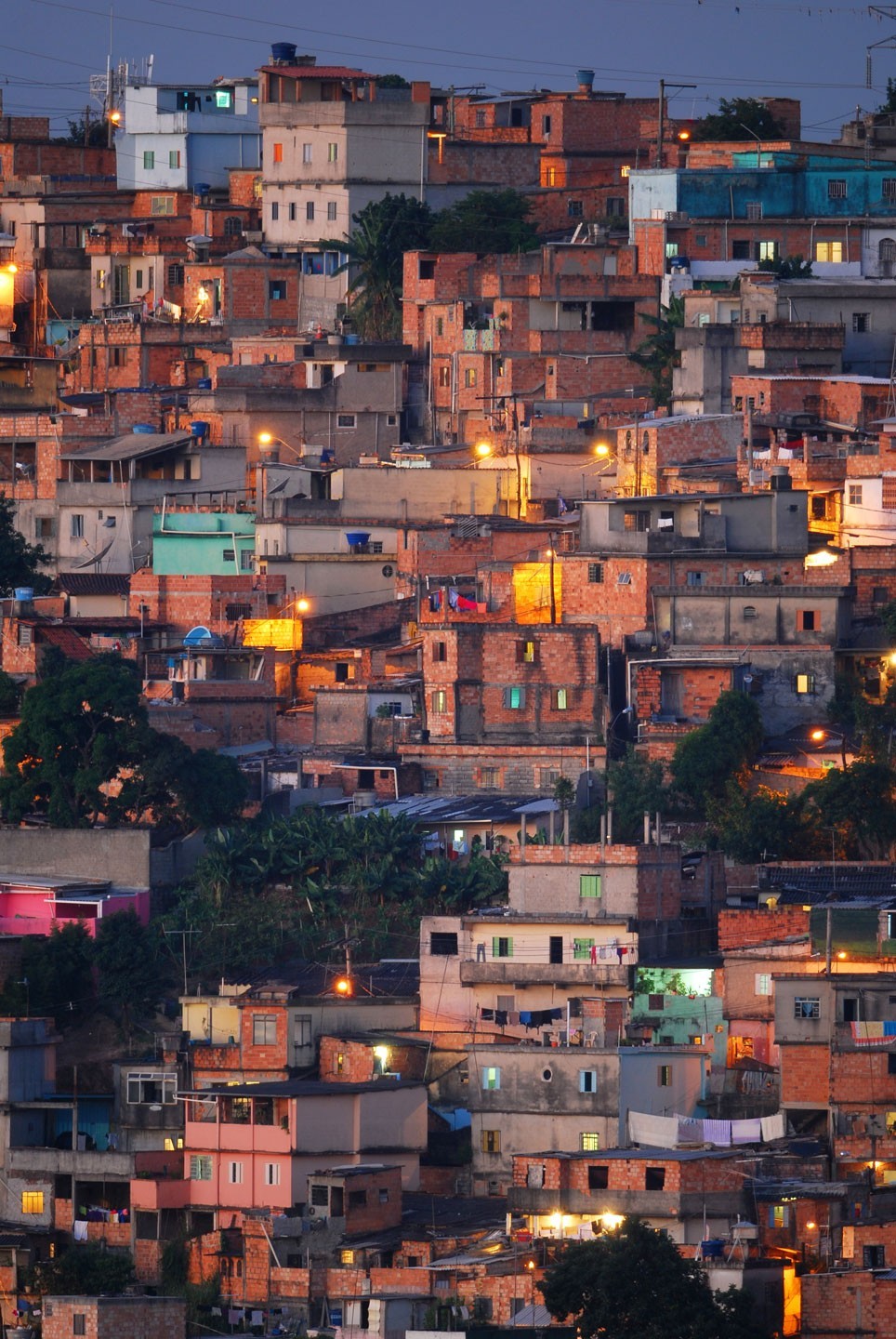
Today, Rio de Janeiro's wealthier inhabitants live in luxury apartments while—as in some of Brazil's other large cities—hundreds of thousands of poor people live in shabby shantytowns on the edge of the city, known as favelas.
The favelas underwent massive expansion since the 1970s when many people started leaving rural parts of Brazil to seek work in the cities. Today, despite high levels of crime, gang violence and government attempts to clear them, the favela population carries on growing rapidly. In some areas, upgrades and even tourism have improved conditions in some favelas.

South
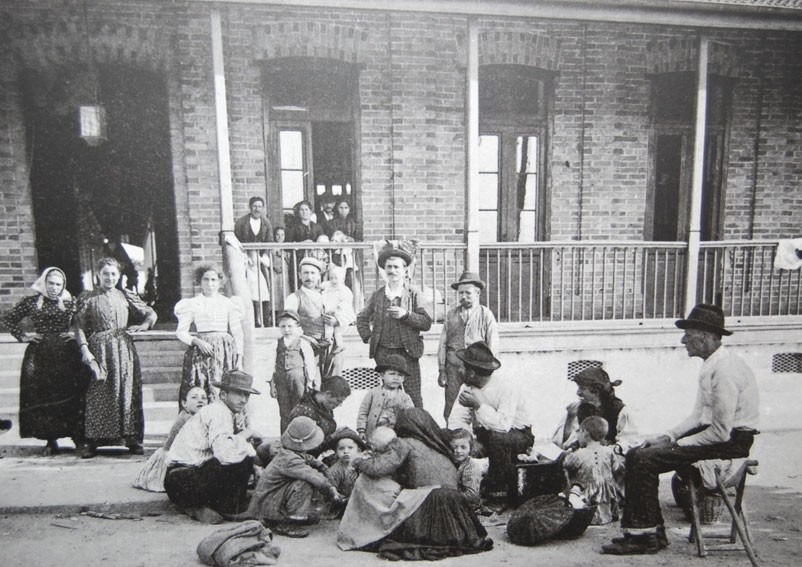
Southern Brazil has a mild, temperate climate. Its rich, fertile grasslands are used as pasture or farmland. At the Argentine border are the Iguaçu Falls. Here, the River Iguaçu widens, cascading over a 4-kilometre crescent-shaped cliff into a narrow gorge. Most people in the south live in large coastal cities such as Curitiba and Porto Alegre. Some are recent immigrants from European countries such as Italy, Portugal, Poland and Germany.

People
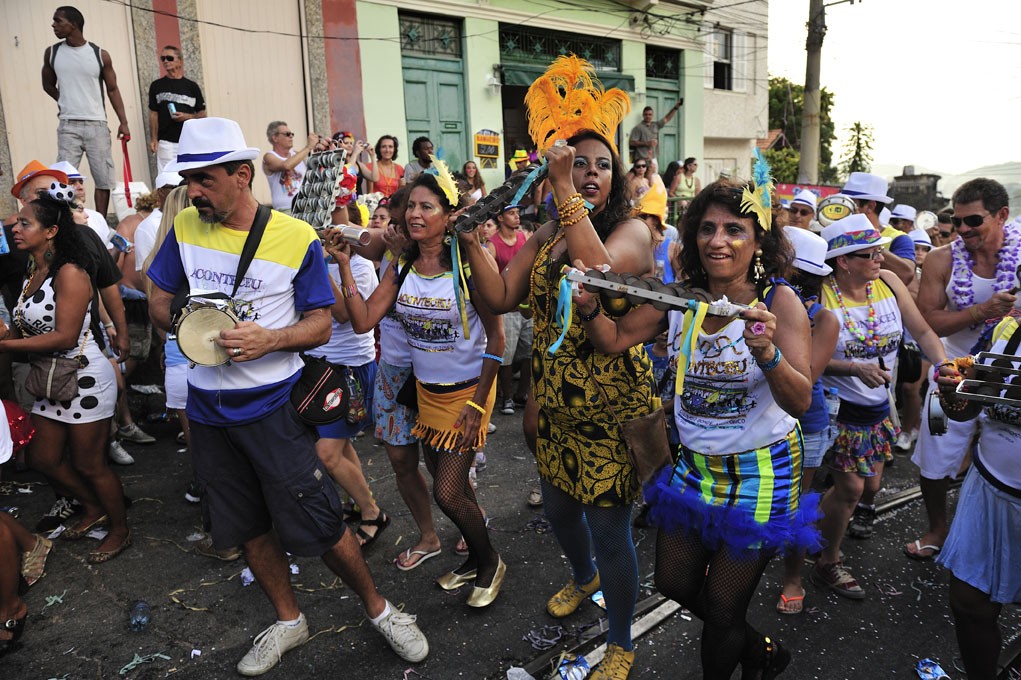
The Brazilians are a mixed population, descended from the first Portuguese settlers, black slaves brought over from Africa and forced to work on the sugar plantations, and later immigrants from Europe, the Middle East and Japan. A small number are the descendants of Native American peoples, the first inhabitants of Brazil.


About a third of all the oranges produced in the world come from Brazil. They are mostly grown in what is known as the Citric Belt—the state of São Paulo and the western portion of Minas Gerais—where the climate is frost-free. Much of it is processed into juice concentrates.
Coffee
Coffee was introduced to Brazil by the Portuguese in the 18th century. The success of the coffee industry helped to transform the town of São Paulo into Brazil’s largest city. Hundreds of thousands of enslaved people were shipped from Africa to work on the plantations.
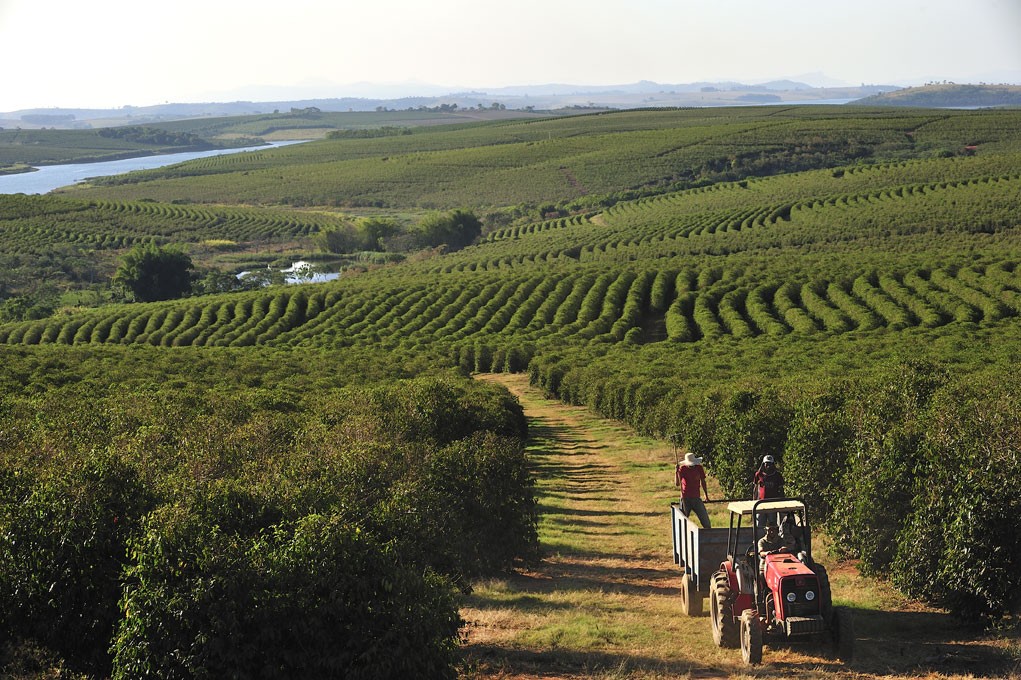
For 150 years, Brazil has been the largest exporter of coffee in the world. Nearly all its coffee plantations are in the southeast, where the mild, sunny climate provides ideal growing conditions. Coffee berries ripen and are harvested during the dry season (between June and September). The berries are cleaned and laid out to dry in the sun; then, the outer layer is removed, leaving the coffee bean. Workers grade the beans by quality before packing them into bags for export.
Industry
The success of Brazil’s mining, agriculture, manufacturing and tourism industries have combined to make it one of the most advanced economies in South America. The Brazilian Highlands contain large reserves of iron ore and gold; both are important exports. The country is also rich in oil and gas, with reserves in some coastal areas, in the highlands and in pockets of the Amazon rainforest. The southeastern cities of Porto Alegre and Campinas have become centres of high-tech industry, producing electronic equipment and car parts.


Hydro-electricity
Brazil is a giant consumer of energy. Much of it comes from renewable sources such as hydro-electricity and ethanol, a fuel made from plant and animal waste. Brazil and Paraguay share one of the world’s largest hydro-electric projects, the Itaipú Dam on the Rio Paraná. Many other Brazilian rivers have been dammed to create large reservoirs such as Sobradinho, on the Rio São Francisco.

Consultant: Nicholas Harris
Facts about Brazil
Population 212,583,750 (2024 estimate)
Area 8,459,417 sq km
Highest point Pico da Neblina 2994 m (9820 ft)
Capital Brasília, metro area population 3,548,438
Other major cities São Paulo (pop. 21,518,955 ), Rio de Janeiro (12.3 million), Belo Horizonte (5.1 million), Porto Alegre (3.9 million), Salvador (3.8 million)
Language Portuguese
Religions Christian (Roman Catholic) 65%, Christian (Protestant) 22%, other Christian 1%, others and none 12%
Ethnicity white European 48%, mulatto (mixed African / white European) 43%, black African 8%, Asian 1%, Native American less than 1%
Currency Brazilian real (BRL)
Chief exports vehicles and transport equipment, iron ore, crude oil, soya beans, footwear, coffee, sugar cane, fruit juice, chickens

History of Brazil
6000 BC
Tribes of semi-nomadic hunters live in the Santarém region of the lower Amazon
1400s
Semi-nomadic tribes live along Brazil’s coast and rivers, living by hunting and fishing
1500
Portuguese expedition, led by Pedro Álvares Cabral, lands in Brazil and claims it for the Portuguese Empire
16th century
The first sugar cane mills appear in Pernambuco in 1516. Sugar cane becomes a major export; West Africans are shipped to Brazil to work as slaves on sugar cane plantations
1534
King John III of Portugal divides the territory of Brazil into 15 private and autonomous captaincies
1555–67
France sets up a colony, France Antarctique, at Rio de Janeiro, controlling the coast; it is destroyed by the Portuguese
1630
Dutch West India Company invades the colony of Pernambuco and founds Dutch Brazil
1648–49
First and Second battles of Guararapes: the Portuguese army defeats the Dutch in northeast Brazil.
1690s–mid 1700s
Gold discovered in the eastern mountains of Minas Gerais (1693) sparks a gold rush: the region is soon home to half of the country’s entire population
1775
Kingdom of Portugal unites its South American colonies of the State of Brazil, the State of Great-Pará, and the State of Maranhão into the Colony of Brazil. Rio de Janeiro is the capital.
1807–21
Portugal moves its royal court to Brazil to escape conflict in Europe
1822
War of Independence breaks out: Prince Pedro de Alcântara, the son of the Portuguese king, calls for independence from Portugal and declares himself Emperor of Brazil.
1825
Brazil becomes independent from Portugal
1888
Slavery abolished; large numbers of European immigrants begin to arrive
1930s
Getúlio Vargas leads a revolt against the government and takes power, ruling as a brutal dictator.
1945
Vargas removed from power by the military, but is elected president again in 1951
1954
Forced by the army to resign or be removed from power, Vargas commits suicide
1960
The capital of Brazil is moved from Rio de Janeiro to Brasília, a specially-designed city
1992
Earth Summit held in Rio de Janeiro; 172 countries meet to discuss climate change and alternative ways to produce energy
2004
Brazil launches its first rocket into space
2010
Dilma Rousseff becomes Brazil’s first female president
2013
Public demonstrations in several Brazilian cities, initially to protest against increases in public transport fares, but grew to include government corruption and police brutality
2016 (February)
World Health Organisation declares a public health emergency following an outbreak of the Zika virus in Brazil
1864–70
Paraguayan War (War of the Triple Alliance) fought between Paraguay and the Triple Alliance of Argentina, the Empire of Brazil and Uruguay. Paraguay is defeated and forced to cede disputed territory to Argentina and Brazil.
1877–78
Grande Seca, the most devastating drought in Brazilian history, causes the deaths of between 400,000 and 500,000 people
2016 (August)
Summer Olympics are held in Rio de Janeiro; Rousseff is impeached (removed from the presidency)
2016 (November)
A plane carrying the Brazilian football team Chapecoense Real crashes in Colombia killing 71 people.
2018
Jair Bolsonaro, of the far right Social Liberal Party (PSL), wins the presidential election by a wide margin against Fernando Haddad of the left-wing Workers' Party. He is propelled to victory by campaign promises to stamp out corruption and drive down crime.
2019 (January)
Hundreds are feared dead after a dam collapses at an iron mine close to the town of Brumadinho in the southeastern state of Minas Gerais. The breach buries most of Brumadinho under a sea of mud and debris from the mine.
2019 (May–August)
Amazon rainforest wildfires: an unusual surge in the number of fires takes place in the Amazon rainforest during the dry season, starting in May. Slash-and-burn methods are normally used to clear the forest to make way for agriculture, livestock, logging and mining. The increased rates lead to international concern about the fate of the rainforest, which, as a CO2 "sink" (the forest trees remove CO2 from the atmosphere) plays a significant role in climate change.
2021
Demonstrations take place in different regions of Brazil over the government's handling of the Covid-19 pandemic. Protests both opposing and supporting the government take place.
2022 (Jan–May)
Periods of torrential rain cause catastrophic mudslides and flash flooding in four locations across the country through the year: Bahia and São Paulo states (January); Petrópolis, north of Rio de Janeiro (February), in which at least 230 people are killed; Pernambuco state (May), in which at least 91 people are killed
2022 (November)
Bolsonaro is defeated in the presidential election by Lula da Silva. Supporters of Bolsonaro, alleging election fraud, begin blocking roads across the country.
2023
(8th January) Bolsonaro supporters carry out attacks on Brazil's Congress, Supreme Court, and presidential offices at the Praça dos Três Poderes, calling for military intervention to prevent the inauguration of the elected president. The insurrection fails and thousands of Bolsonaro supporters are arrested.
2023 (November)
Brazil records its hottest ever temperature, 44.8°C / 112.6°F, in Araçuaí, Minas Gerais, as parts of the country endure a severe heatwave
2024 (April–May)
Heavy rains hit the southern state of Rio Grande do Sul (and adjacent parts of Uruguay), leading to Brazil's worst flooding in over 80 years. The floods cause 150 fatalities, widespread landslides, extensive damage to property and a dam collapse. Rising waters force more than 300,000 to flee their homes.
pics
Without in any way limiting Q-files Ltd’s exclusive rights under copyright, any use of this publication to “train” generative artificial intelligence (AI) technologies to generate text is expressly prohibited. Q-files Ltd reserves all rights to license use of this work for generative AI training and development of machine learning language models.