
South America

CITE
We have made every effort to follow citation style rules, but there may be some minor differences. If in doubt, please refer to the appropriate citation style manual.
Bolivia. (2026). In Q-files Encyclopedia, Geography, South America. Retrieved from
https://www.q-files.com/geography/south-america/bolivia
"Bolivia." Geography, South America, Q-files Encyclopedia, 1 Apr. 2026.
https://www.q-files.com/geography/south-america/bolivia.
Accessed 22 Sep. 2026.
Bolivia 2026. Geography, South America. Retrieved 22 September 2026, from
https://www.q-files.com/geography/south-america/bolivia
Geography, South America, s.v. "Bolivia," accessed September 22, 2026.
https://www.q-files.com/geography/south-america/bolivia


Bolivia
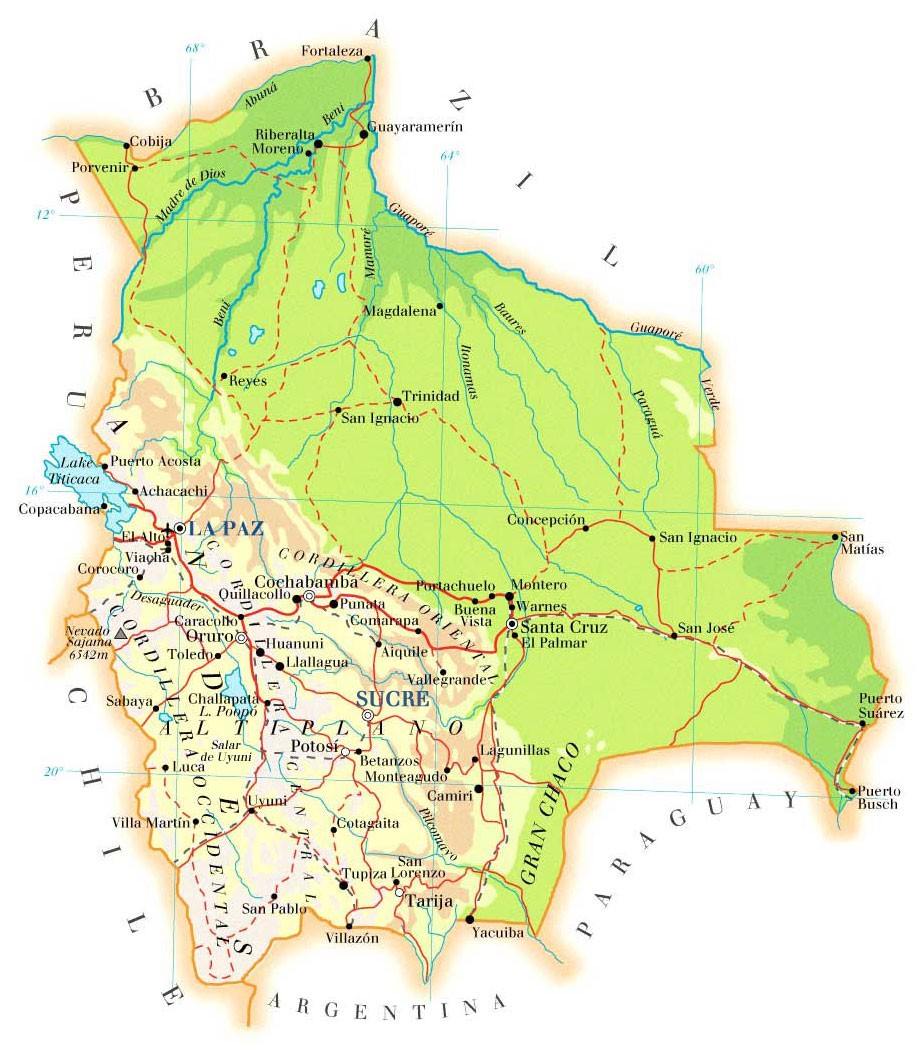
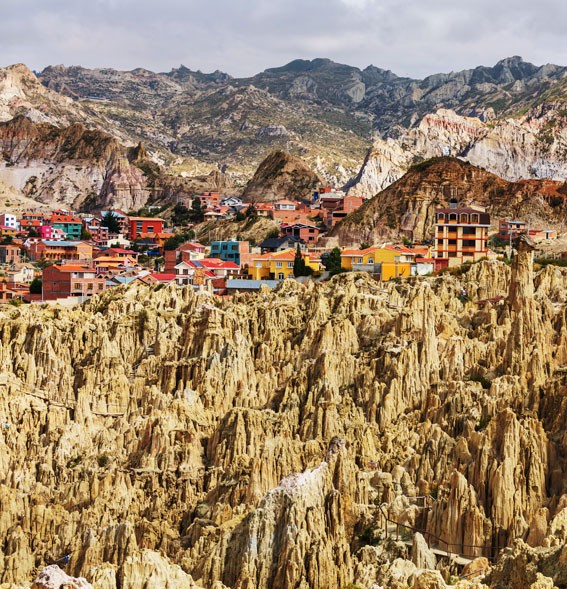
Bolivia is one of the poorest and least-developed countries in South America. The Andes Mountains rise in the west of the country. Lying in between the steep Andean mountain chains, known as cordilleras, is a high, level, windswept plateau called the Altiplano. The climate here is cool and dry. The region includes the vast salt flats of the Salar de Uyuni. Eastern Bolivia, by contrast, is low-lying. Here, grasslands merge with the hot, humid Amazon rainforest in the north, and the dry scrublands of the Gran Chaco in the south.

People
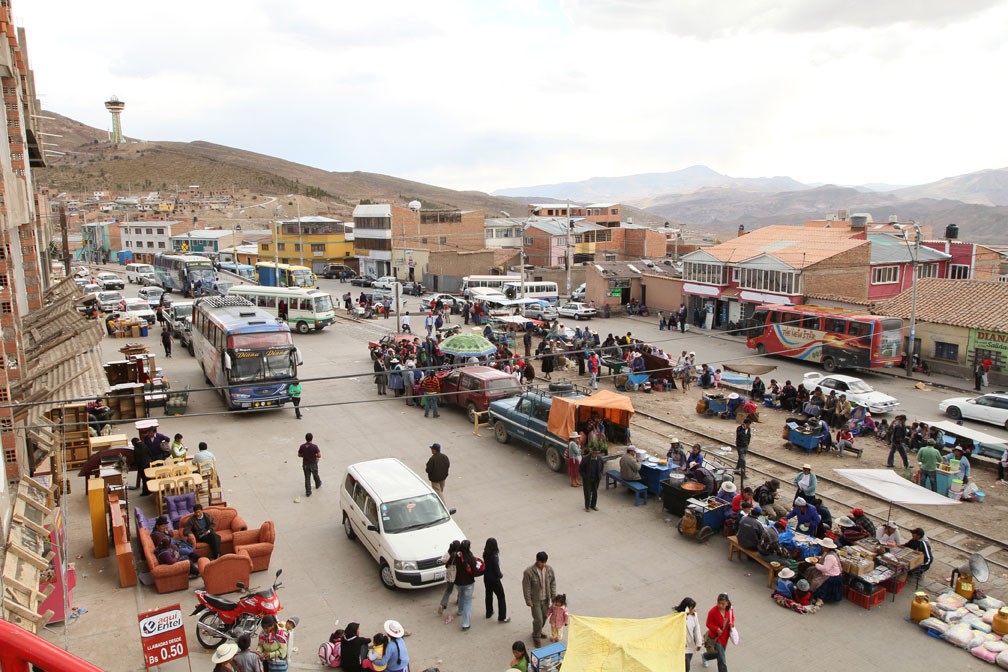
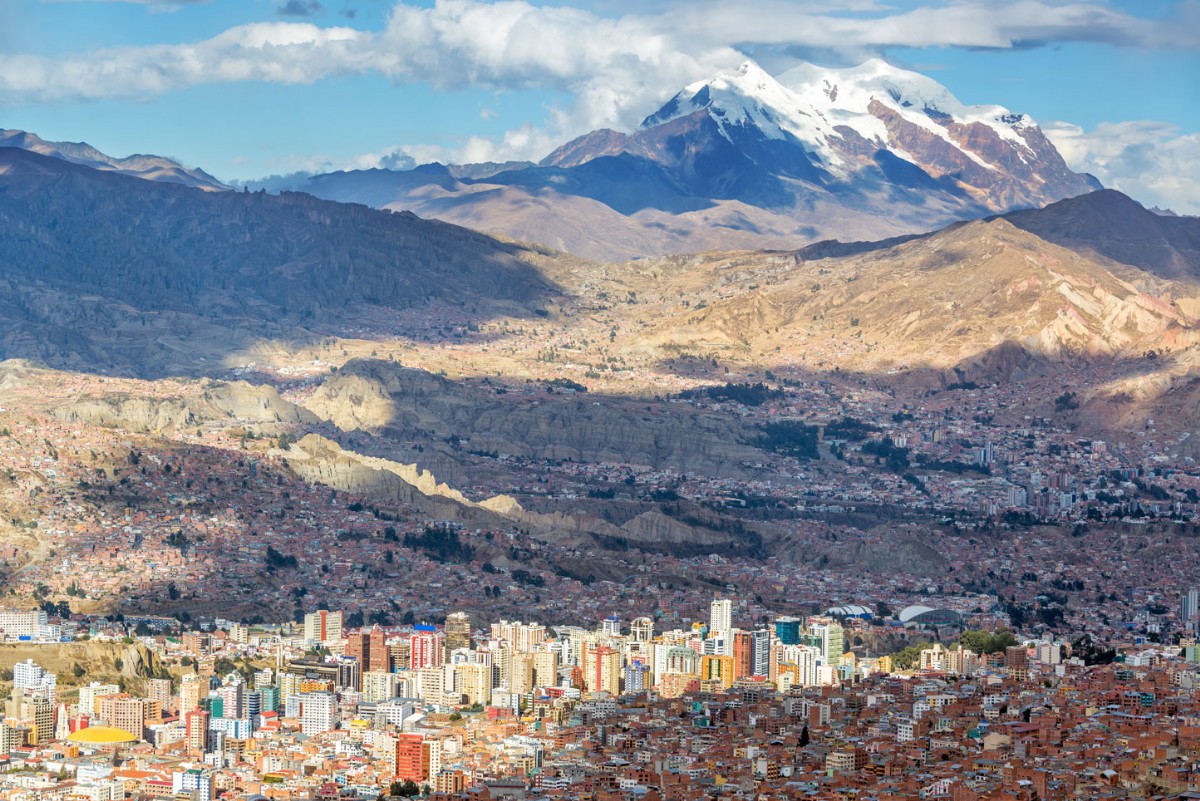
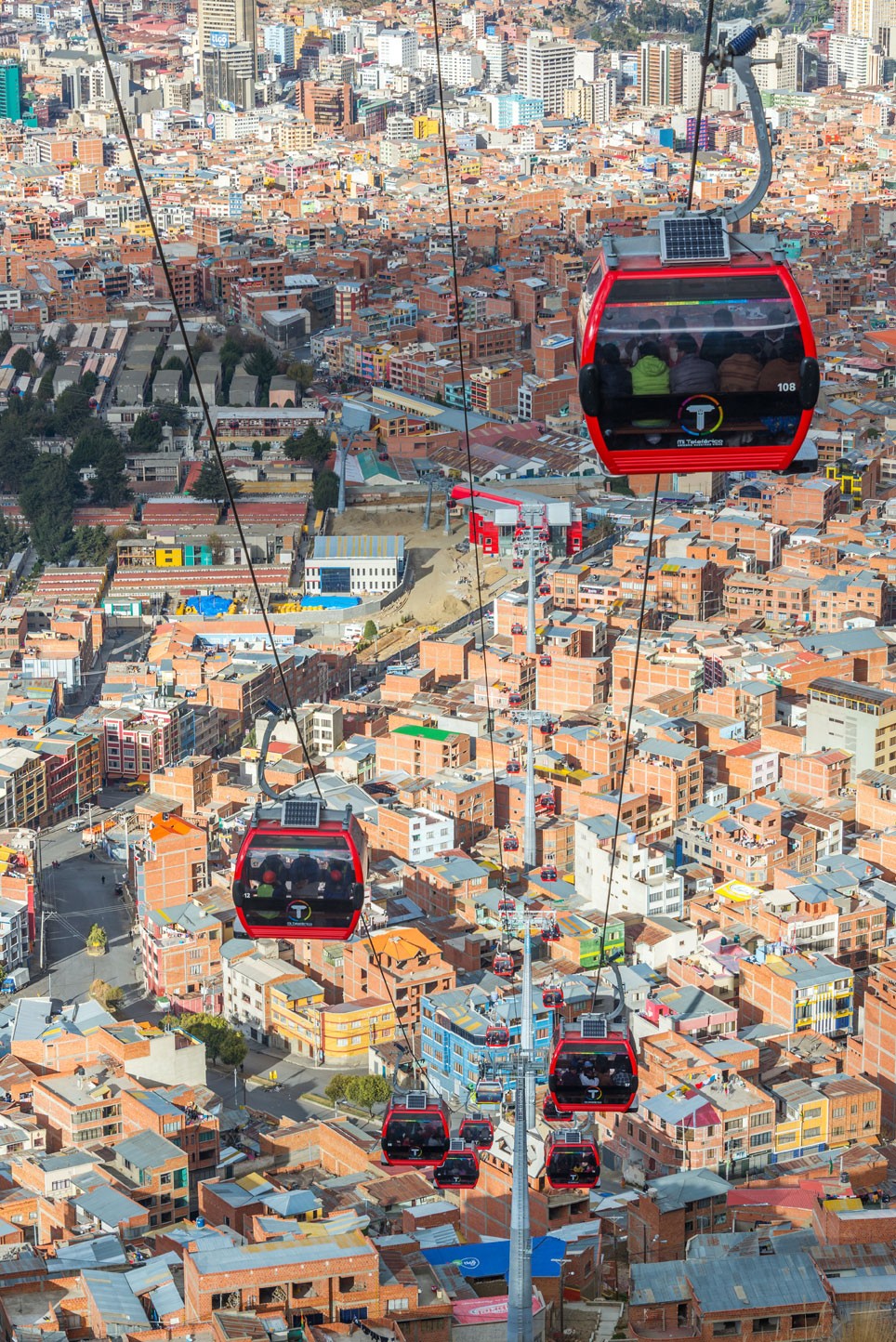
More than half of Bolivia’s population are Native Americans. The largest group, the Quechua, are descendants of those that once inhabited the Inca Empire. Other groups include the Aymara and Guarani. A smaller number are mestizo, with a mix of Spanish and Native American ancestry, or of European, Asian or African descent. More than 60% of Bolivians live in cities, such as La Paz, Santa Cruz and Cochabamba.
Mining
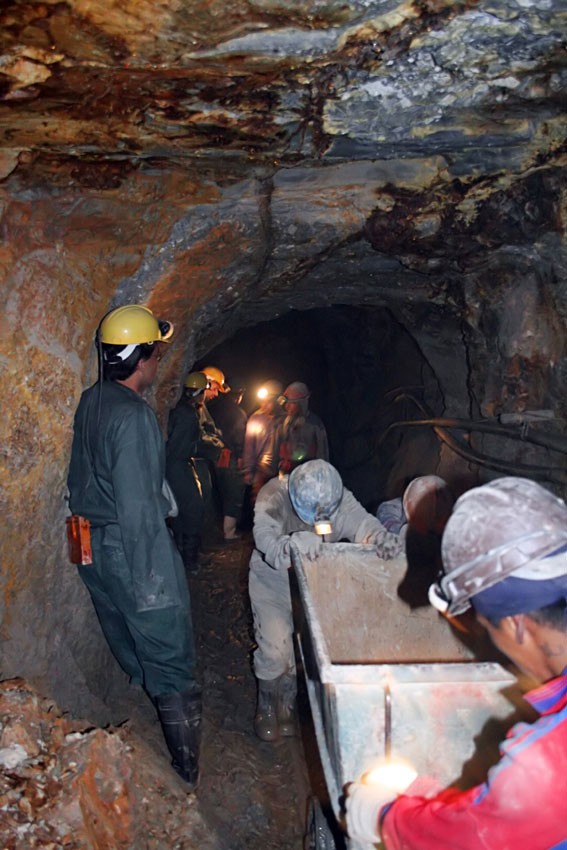
Bolivia is rich in minerals such as tin, gold, zinc, silver and lithium. Its massive tin deposits, lying high up in the Andes Mountains, are some of the world’s largest. Mining conditions are often dangerous; Cerro Rico, near Potosí, a mountain with huge deposits of silver and tin, is close to collapse after being mined intensively for over 400 years. Natural gas, a major export, and petroleum are drilled in the eastern lowlands around Santa Cruz.

Farming
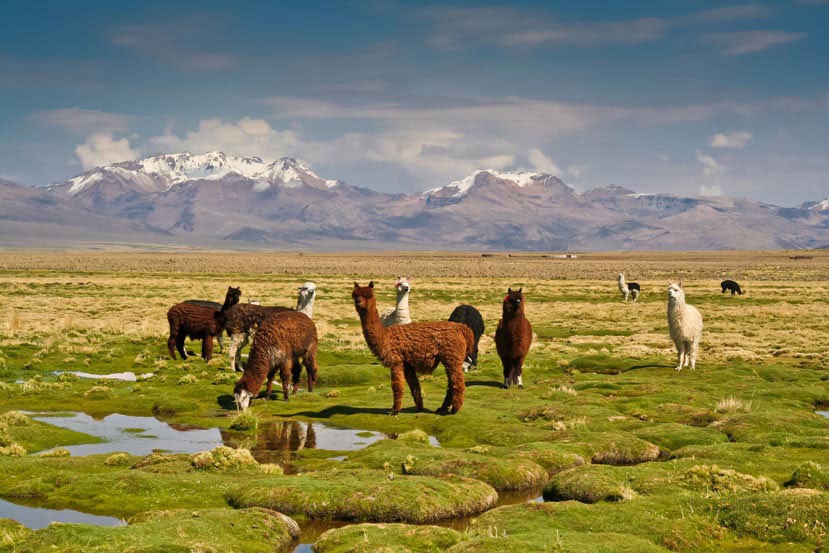
More than half of Bolivians work on farms. The northeastern lowlands are warm enough to cultivate tropical crops such as bananas and cacao. On the harsh plains of the Altiplano, only hardy crops such as potatoes, barley and quinoa can be grown. Farmers here keep llamas or sheep for their meat, wool and skins. In recent years, a combination of droughts and floods have caused crop failures, forcing many rural people to move to the cities in search of work.

On the eastern slopes of the Andes, many poor Bolivian farmers have replaced their food crops with coca, a plant whose leaves are smuggled abroad and used to make the illegal drug cocaine.
Salt flats
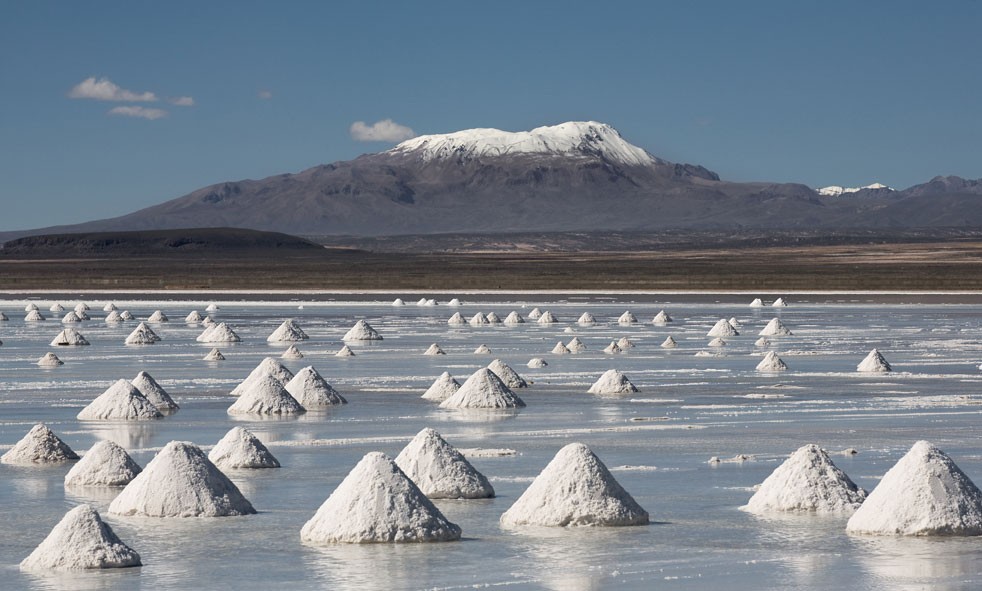
The salt flats at Salar de Uyuni are the largest in the world, containing over 64 million tons of salt. Underneath the salt is the world’s largest deposit of lithium, which is used to make batteries for cars and mobile phones. When it rains, a thin film of water collects on top of the salt flats, turning them into a giant mirror. The salt plains are so flat, over such a large area, that people standing on the plains can see the curvature of the Earth at the horizon. Satellites can beam radar on to the plains to check the accuracy of their height measurements.
Consultant: Nicholas Harris
Facts about Bolivia
Population 11,428,245
Area 1,083,301 sq km
Highest point Nevado Sajama 6542 m (21,458 ft)
Capital Sucre (official capital), population 390,000; La Paz (administrative capital), population of urban area 2.2 million
Other major cities Santa Cruz (pop. 2.3 milion), Cochabamba (1.4 million)
Languages Spanish, Quechua, Aymara
Religions Christian (Roman Catholic) 95% Christian (Protestant) 5%
Ethnicity Quechua 30%, mestizo (mixed European / Native American) 30%, Aymara 25%, white 15%
Currency Bolivian boliviano (BOB)
Chief exports natural gas, soya beans, crude oil, zinc ore, tin
History of Bolivia
AD 400–800
City of Tiwanaku in Western Bolivia is the centre of a thriving civilization and a major power in the region
15th–early 16th century
Inca Empire conquers large parts of western and southern Bolivia
1538
Spanish conquer Bolivia and make it part of the Vice-royalty of Peru
1545
Spanish discover Cerro Rico (Rich Mountain), one of the largest silver deposits ever recorded
1781
Indigenous people rebel against Spanish rule, surrounding and destroying buildings in La Paz
1809
Uprising by the people of Sucre and La Paz, demanding independence, but Spanish forces quell the unrest
1825
Bolivia becomes an independent republic, led by Simón Bolívar, who becomes president
1836–39
Bolivia forms a brief union with Peru, called Peru-Bolivian Confederation. It fights against Chile and Argentina in the War of the Confederation, after wish the Confederation is dissolved.
1841–42
War between Bolivia and Peru, ended with Treaty of Puno
1879–83
War of the Pacific: Chile occupies and takes control of mineral-rich Bolivian land, including its former coastal region and the port of Antofagasta
1903
Brazil takes control of the rubber-rich Bolivian region of Acre
1923
A miners’ strike is violently ended by the government
1932–35
In the Chaco War, Bolivia loses more land, to Paraguay
1952
Military government is overthrown by peasants and miners. President Victor Paz Estenssoro introduces better education and voting rights and nationalizes the tin mines
1967
US and Bolivian forces capture and execute the Argentinian revolutionary Che Guevara in Bolivia
1986
Tin prices suddenly drop; 21,000 miners lose their jobs
1990
Over 16,000 sq km (6178 sq miles) of rainforest is returned to Native Americans
2005
Evo Morales wins the presidential election. He is the country's first president to come from its indigenous population.
2011
The price of food rises sharply, leading to violent protests
2019
(November) Following the general election, in which Morales was initially declared the winner, protests erupt over allegations of electoral fraud. Morales is eventually forced to resign and he flees to Mexico.
2024
(June) A military coup attempt led by Juan José Zúñiga ends after 5 hours with his arrest
2024
(July–November) Following a long drought, wildfires burn more than 10 million hectares (39,000 square miles) of forest, farmland and savannah grassland in the centre, north and east of the country
pics
Without in any way limiting Q-files Ltd’s exclusive rights under copyright, any use of this publication to “train” generative artificial intelligence (AI) technologies to generate text is expressly prohibited. Q-files Ltd reserves all rights to license use of this work for generative AI training and development of machine learning language models.