
South America

CITE
We have made every effort to follow citation style rules, but there may be some minor differences. If in doubt, please refer to the appropriate citation style manual.
Uruguay. (2026). In Q-files Encyclopedia, Geography, South America. Retrieved from
https://www.q-files.com/geography/south-america/uruguay
"Uruguay." Geography, South America, Q-files Encyclopedia, 1 Apr. 2026.
https://www.q-files.com/geography/south-america/uruguay.
Accessed 22 Sep. 2026.
Uruguay 2026. Geography, South America. Retrieved 22 September 2026, from
https://www.q-files.com/geography/south-america/uruguay
Geography, South America, s.v. "Uruguay," accessed September 22, 2026.
https://www.q-files.com/geography/south-america/uruguay


Uruguay
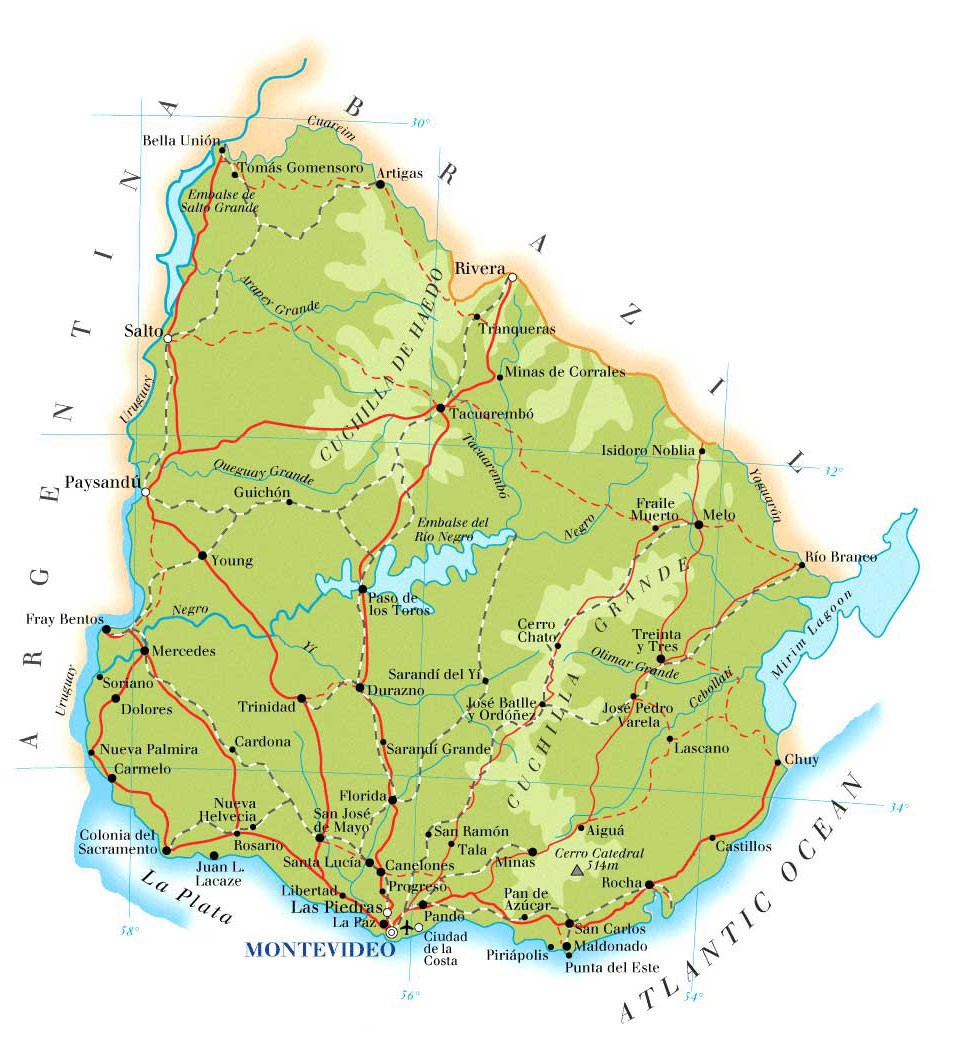
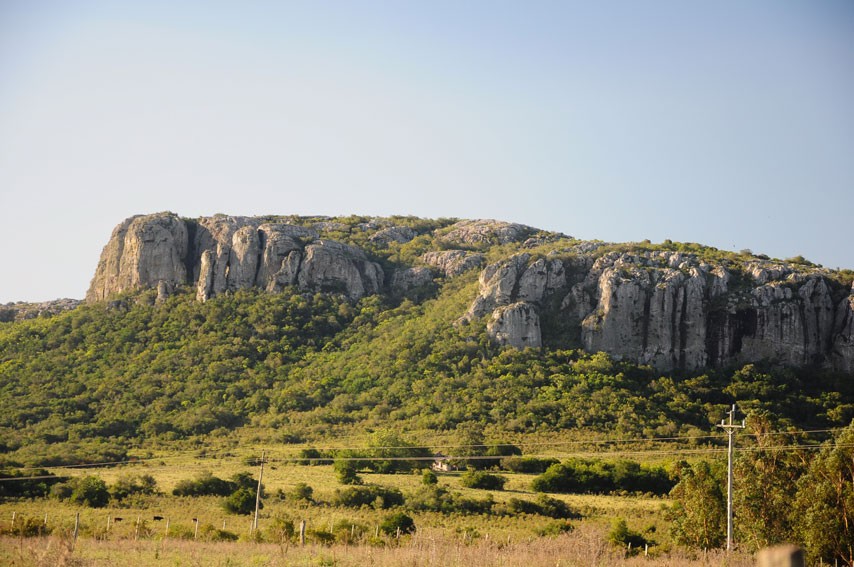
Uruguay lies sandwiched between its huge neighbours, Brazil and Argentina. Much of the country is covered by the grassy plains of the Pampas. Low ranges of hills called cuchillas rise from these plains. Uruguay is criss-crossed by rivers. The largest, the Rio Negro (“Black River”) flows across the country from east to west, while the River Uruguay forms the western border with Argentina. Along the coast are sandy beaches, dunes and lagoons. Uruguay has a mild temperate climate.


People
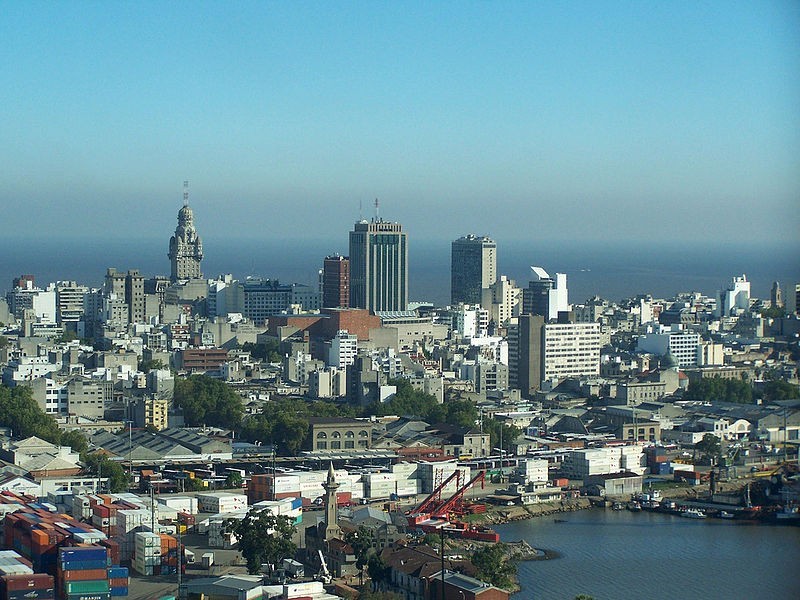
Nearly all Uruguayans are descendants of the thousands of Spanish and Italian immigrants who arrived in the country after independence in 1828. The official language is Spanish, but on the border with Brazil many people speak a mixture of Portuguese and Spanish, called “Portuñol”. More than half the population lives in the capital, Montevideo or its metropolitan area.
Uruguay is a peaceful, liberal country. Its citizens enjoy a high standard of living; everyone has access to a good education, clean water, healthcare and social security. However, many skilled, educated Uruguayans, especially those under 25, have left the country to look for work in the US and Spain. The result is an ageing population.

Agriculture and tourism
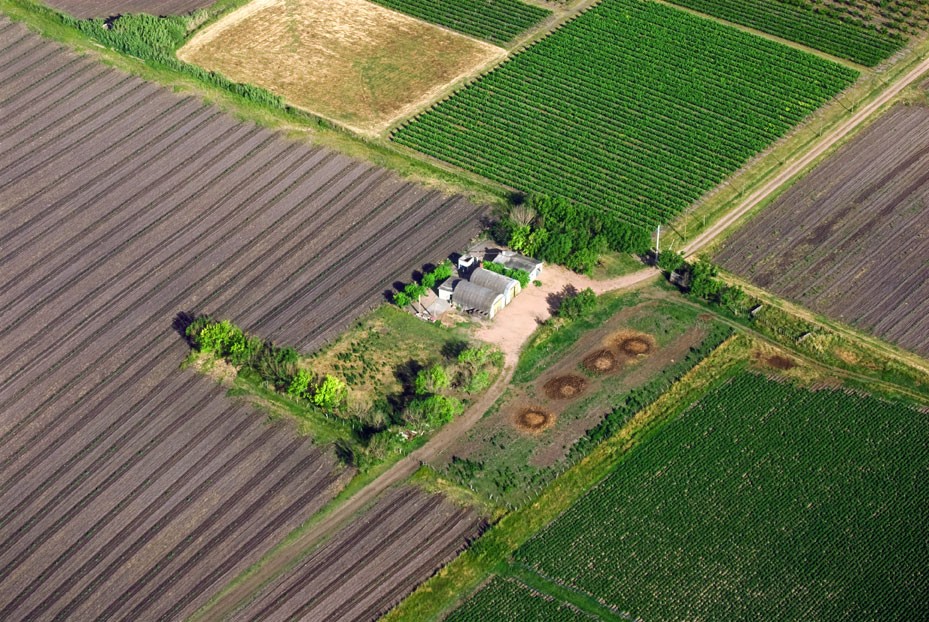
Uruguay’s richest resource is its farmland. For over 200 years, farmers have raised cattle on the Pampas. Today, more than three quarters of Uruguay's land area is used for grazing. Animal products such as beef, wool, milk and leather are still the country's main exports. Crops grown include soya beans, rice and wheat. Large factories in the south and west process and pack meat and dairy products for export.
A large number of Uruguayans, especially those in cities, work in service industries such as banking, education or tourism. Tourism is becoming popular in Uruguay: its sandy Atlantic beaches, rivers, lakes and the cities of Montevideo and Punta del Este attract nearly 2 million visitors each year.
Consultant: Nicholas Harris
Facts about Uruguay
Population 3,499,451 (2023 census)
Area 175,015 sq km
Highest point Cerro Catedral 514 m (1686 ft)
Capital Montevideo, metro area population 1,947,604
Other major cities Salto (pop. 104,011), Ciudad de la Costa (95,176)
Language Spanish
Religions Christian (Roman Catholic) 47%, other Christian 34%, others and none 19%
Ethnicity white European 88%, mestizo (mixed Native American / European) 8%, black African 4%
Currency Uruguayan peso (UYU)
Chief exports beef, soya beans, rice, wheat, wood and pulp, dairy products, wool, leather, medicines
History of Uruguay
1500s
The Charrúa, a native American people, live in the region that is now Uruguay
1516
Spanish explorer Juan Diaz de Solis is killed by the Charrúa while exploring the Rio de la Plata
1600s
Spanish and Portuguese empires both try to gain control of the region; Spanish settlers build small villages and farm cattle
1726
Spanish build the city of Montevideo at a natural harbour on the south coast
1776
Uruguay becomes part of the Viceroyalty of La Plata, a Spanish-ruled group of countries including Argentina, Bolivia and Paraguay. It is known as Banda Oriental.
1816–21
Banda Oriental is invaded and occupied by Portuguese forces from Brazil.
1821–28
Banda Oriental becomes the Brazilian province of Cisplatina, remaining part of Brazil after its independence from Portugal in 1822
1825
Local rebel leaders in Cisplatina declare independence on 25th August (present-day Uruguay's Independence Day) with support of the United Provinces of the Río de la Plata (present-day Argentina), sparking the Cisplatine War
1828
Brazil and Argentina sign a treaty recognizing Uruguay’s independence
1838–65
Civil War between the future liberal (Colorado) and conservative (Blanco) parties
1865–70
Uruguay, Argentina and Brazil ("Triple Alliance") declare war on Paraguay, defeating it
1903–15
President José Batlle y Ordóñez (Colorado party) introduces voting rights for women, separates Church from state and abolishes the death penalty
1950
Uruguay’s national football team wins the World Cup
1973–85
The army seizes power and large numbers of Uruguayans flee abroad; a return to constitutional government (following the constitution) is agreed in 1985
2009
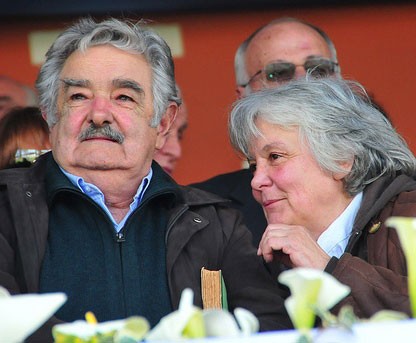
José Mujica, a former left-wing militant who spent almost 15 years in prison during military rule, is elected President. Abortion, same-sex marriage and cannabis are legalized during his term (2009–15).
pics

Without in any way limiting Q-files Ltd’s exclusive rights under copyright, any use of this publication to “train” generative artificial intelligence (AI) technologies to generate text is expressly prohibited. Q-files Ltd reserves all rights to license use of this work for generative AI training and development of machine learning language models.