
Age of Discovery

CITE
We have made every effort to follow citation style rules, but there may be some minor differences. If in doubt, please refer to the appropriate citation style manual.
Portuguese exploration. (2026). In Q-files Encyclopedia, History, Age of Discovery. Retrieved from
https://www.q-files.com/history/age-of-discovery/portuguese-exploration
"Portuguese exploration." History, Age of Discovery, Q-files Encyclopedia, 20 Mar. 2026.
https://www.q-files.com/history/age-of-discovery/portuguese-exploration.
Accessed 6 Aug. 2026.
Portuguese exploration 2026. History, Age of Discovery. Retrieved 6 August 2026, from
https://www.q-files.com/history/age-of-discovery/portuguese-exploration
History, Age of Discovery, s.v. "Portuguese exploration," accessed August 6, 2026.
https://www.q-files.com/history/age-of-discovery/portuguese-exploration


Portuguese exploration
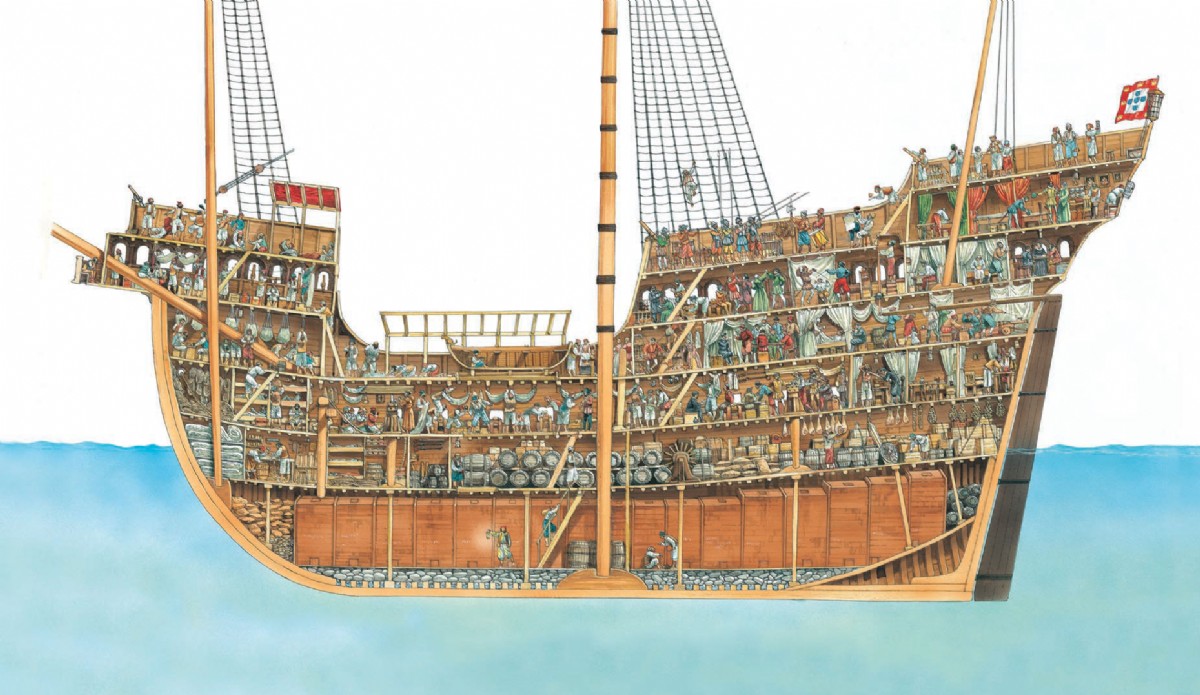
Living on on the western edge of Europe, the Portuguese were well-placed to undertake early voyages of exploration. During the 15th century, they ventured out from their kingdom in search of gold, riches and a sea route to the Far East. They developed a small sailing ship called a caravel, which enabled them to cover great distances by sea, and so was a great advantage to early Portuguese explorers. The vessels were smaller, more streamlined and more manoeuvrable than carracks, the cargo vessels in common use at the time. Based on the design of Arab fishing boats called dhows, they carried triangular sails, called lateen sails.

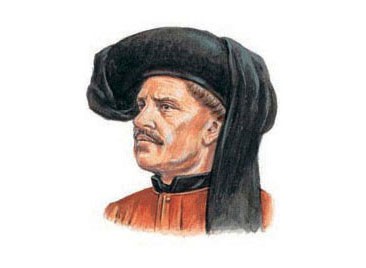
Henry the Navigator
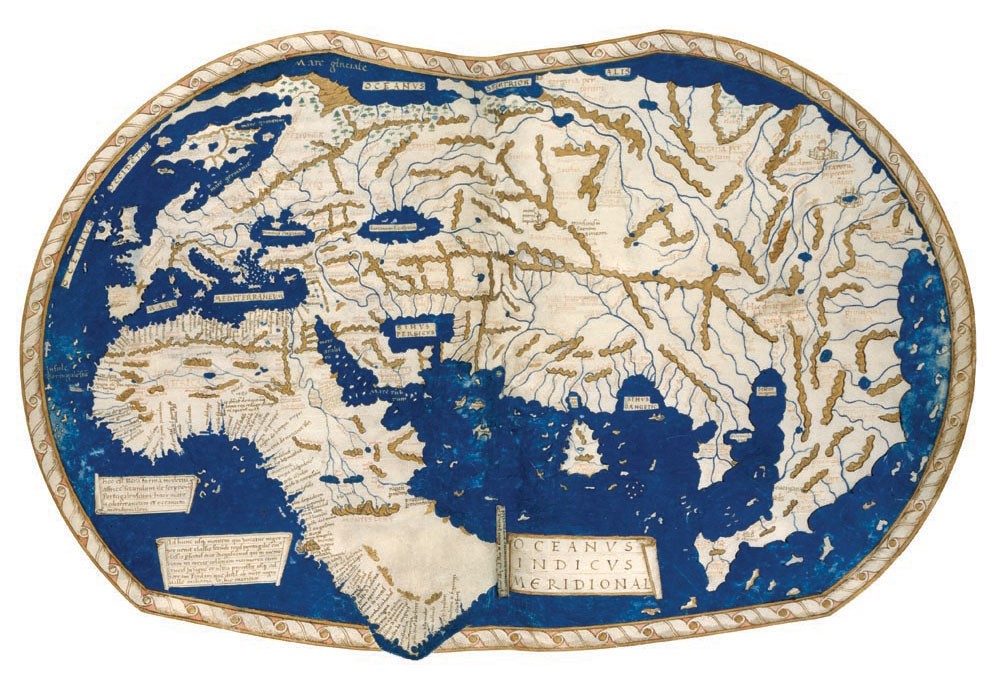
In 1419, Prince Henry (1394-1460), the third son of King John I of Portugal, set up a school of navigation, map-making and astronomy. Now Portuguese sailors could learn the skills they needed to make long, dangerous journeys at sea. In 1434, Gil Eannes sailed past Cape Bojador in Africa, at that time the most westerly point known to Europeans. From then on, the Portuguese gradually began to map the coast of West Africa. Prince Henry sent many expeditions to explore this coast. His aim was to find the source of the gold that was brought by Muslim traders north across the Sahara.
A route to the East
Luxury goods such as jewels, silks and spices had long been imported into Europe from the East along the Silk Road. But in the mid-1400s this land route to China became difficult and dangerous due to the breakdown of the Mongol Empire. The Portuguese now needed to find a new route to Asia: they would have to sail round Africa instead. In 1488, Bartolomeu Dias rounded the Cape of Good Hope at Africa’s southernmost tip. He wanted to carry on, but his crew forced him to return to Portugal. In 1498, Vasco da Gama became the first European to reach India by sea.
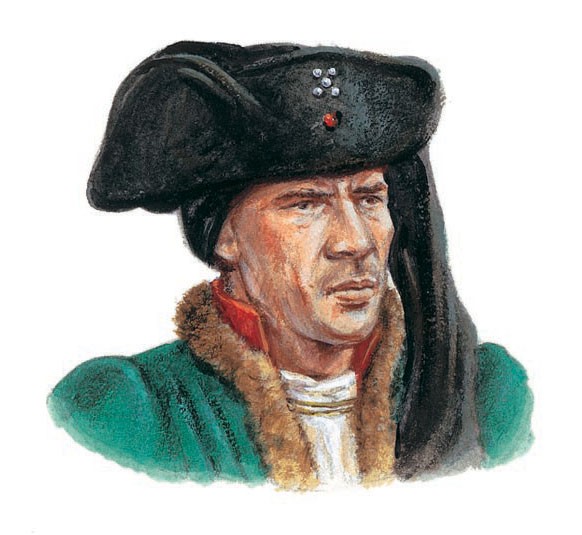
Trade with India
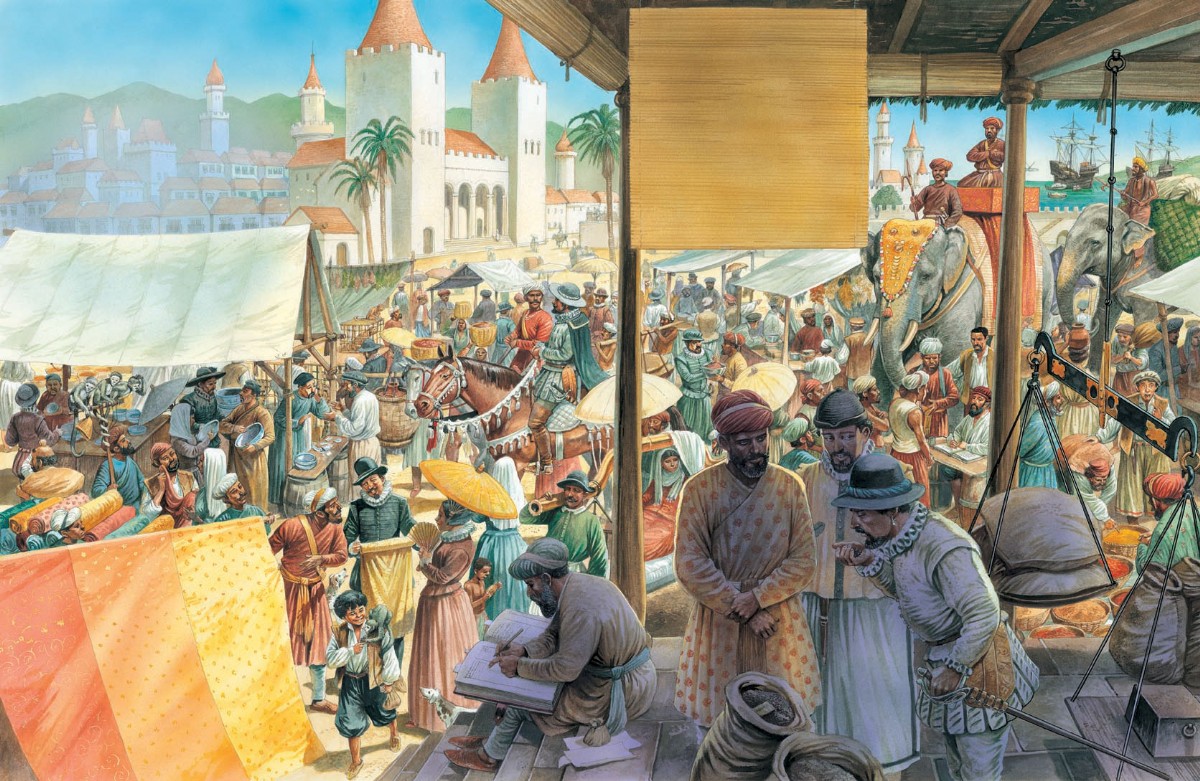
After da Gama's voyage, Portugal began to establish colonies in India and from there, opened up trade with Southeast Asia, the Spice Islands, China and Japan. Trade in spices in particular brought great wealth and power to Portugal, who controlled the sea route from Lisbon to India for most of the 16th century. Under the terms of the Treaty of Tordesillas of 1494, by which all lands in the unexplored world to the east of a line agreed with Spain belonged to Portugal (while those lands to the west of it belong to Spain), the route to India and the Far East from Europe was barred to the Spanish.
African trading posts
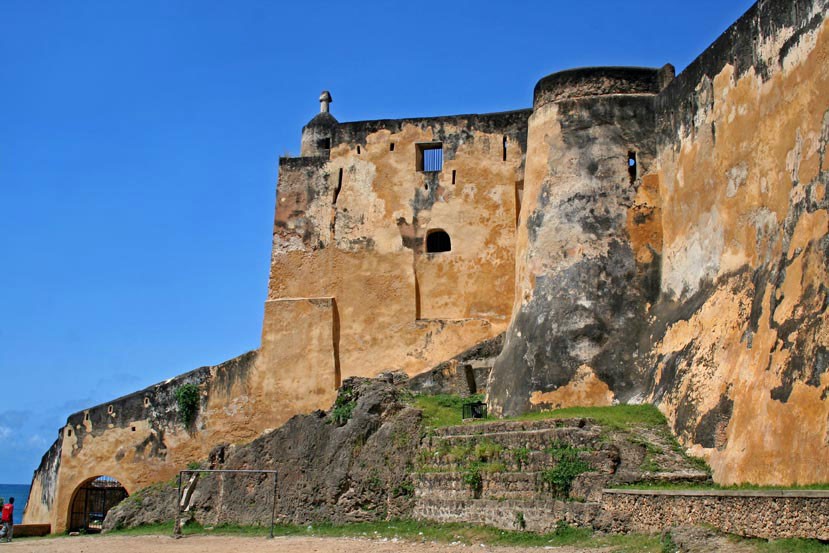
On their way to the Far East, the Portuguese soon realised the trading possibilities of Africa itself, especially in gold, ivory and slaves. They established a chain of trading posts along the west coast and built fortresses to protect them. They also attempted to convert the native peoples to Christianity, but with only limited success.
Discovery of Brazil
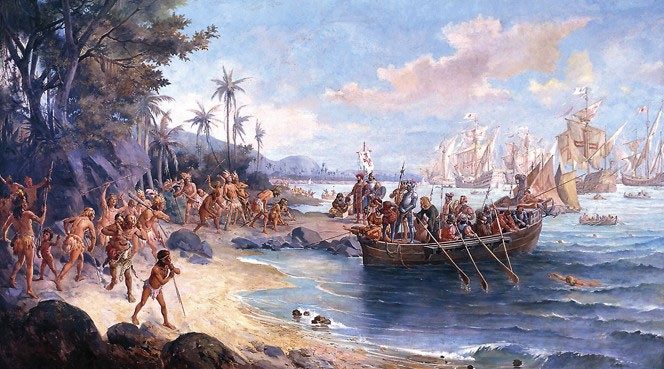
When Pedro Cabral attempted to follow da Gama’s route in 1500, he sailed too far west and accidentally reached the northeast coast of South America. Cabral was the first European to explore this land, which he thought at first to be a large island. As it lay within the Portuguese sphere according to the Treaty of Tordesillas (it lay east of the agreed dividing line), Cabral claimed it for Portugal.
Cabral made contact with the native peoples, the Tupiniquim, who were friendly. To confirm his claim, he erected a large wooden cross, and named the newly discovered land: the Island of the True Cross. He soon realised that the landmass he had discovered was probably part of a continent. The land he had claimed later came to be known as Brazil.
Consultant: Philip Parker
Timeline
1418/19
Prince Henry of Portugal sets up a school of navigation in Ceuta, northern Africa..
1434
Portuguese navigator Gil Eannes sails past Cape Bojador to Cape Blanc on the northwest coast of Africa.
1453
Ottoman Turks seize Constantinople, blocking overland trade routes to the East.
1458
Portuguese navigator Diego Gomes reaches the Gulf of Guinea off the coast of equatorial Africa.
1482
Diego Cão is the first European to cross the Equator.
1487
Pedro da Covilhã and Afonso da Paiva sail across the Mediterranean and down the Red Sea.
1488
Bartolomeu Dias rounds the Cape of Good Hope, at the southern tip of Africa.
1492
Christopher Columbus sails across the Atlantic and accidentally "discovers" the Americas.
1494
Spain and Portugal sign the Treaty of Tordesillas, by which the unexplored world is divided between the two countries.
1498
Vasco da Gama reaches India.
1500
Pedro Cabral sets out for India. However, his ship is blown off course and he accidentally reaches Brazil.
pics
Without in any way limiting Q-files Ltd’s exclusive rights under copyright, any use of this publication to “train” generative artificial intelligence (AI) technologies to generate text is expressly prohibited. Q-files Ltd reserves all rights to license use of this work for generative AI training and development of machine learning language models.