
Age of Discovery

CITE
We have made every effort to follow citation style rules, but there may be some minor differences. If in doubt, please refer to the appropriate citation style manual.
Conquest of the Aztecs. (2026). In Q-files Encyclopedia, History, Age of Discovery. Retrieved from
https://www.q-files.com/history/age-of-discovery/conquest-of-the-aztecs
"Conquest of the Aztecs." History, Age of Discovery, Q-files Encyclopedia, 20 Mar. 2026.
https://www.q-files.com/history/age-of-discovery/conquest-of-the-aztecs.
Accessed 6 Aug. 2026.
Conquest of the Aztecs 2026. History, Age of Discovery. Retrieved 6 August 2026, from
https://www.q-files.com/history/age-of-discovery/conquest-of-the-aztecs
History, Age of Discovery, s.v. "Conquest of the Aztecs," accessed August 6, 2026.
https://www.q-files.com/history/age-of-discovery/conquest-of-the-aztecs


Conquest of the Aztecs
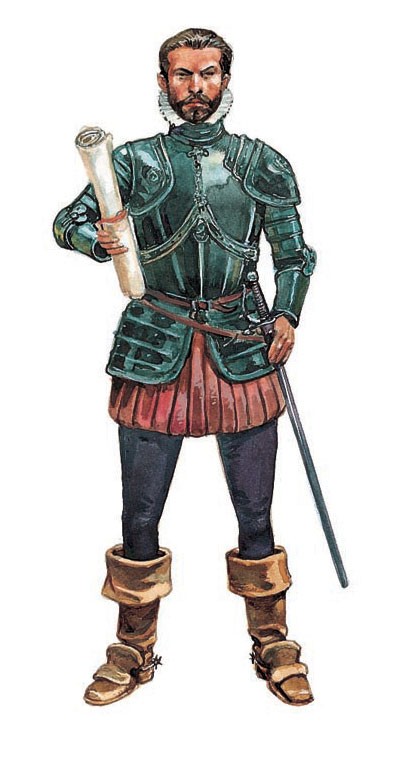
The Genoese explorer Christopher Columbus made several voyages to the Americas, taking him to the coast of mainland Central and South America. Amerigo Vespucci’s 1501–2 exploration of the east coast of South America seemed to confirm the lands were part of a new continent, which was named “America” after his first name. The Spanish crown then backed further expeditions to explore and conquer new territories in the Americas. The first campaigns were led by soldiers and adventurers who were in search of riches and fame: the conquistadores, one of whom, Hernán Cortés (1485–1547), set out to conquer the Aztec Empire (in modern Mexico).

The Aztecs
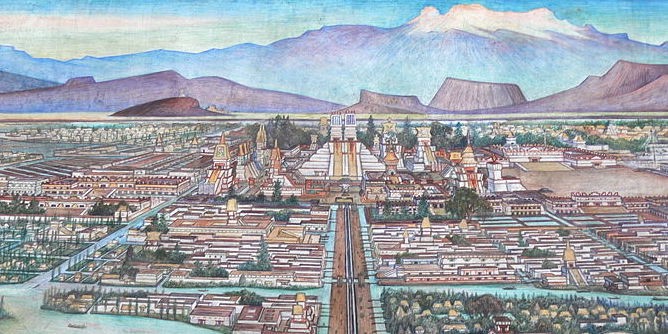
The centre of the Aztec civilization was Tenochtitlán, their capital. Founded in 1325, the city was built on an island in Lake Texcoco. Its inhabitants were supplied with fresh water by a system of pipes and aqueducts. By the 1400s, the Aztecs controlled much of the land surrounding the city. Under their ruler Moctezuma I (ruled 1440–69), the Aztecs extended their empire across central Mexico, from coast to coast. At its height, at the beginnning of the 16th century, the Aztec Empire had a population of around 4 million.
Cortés arrives in Mexico

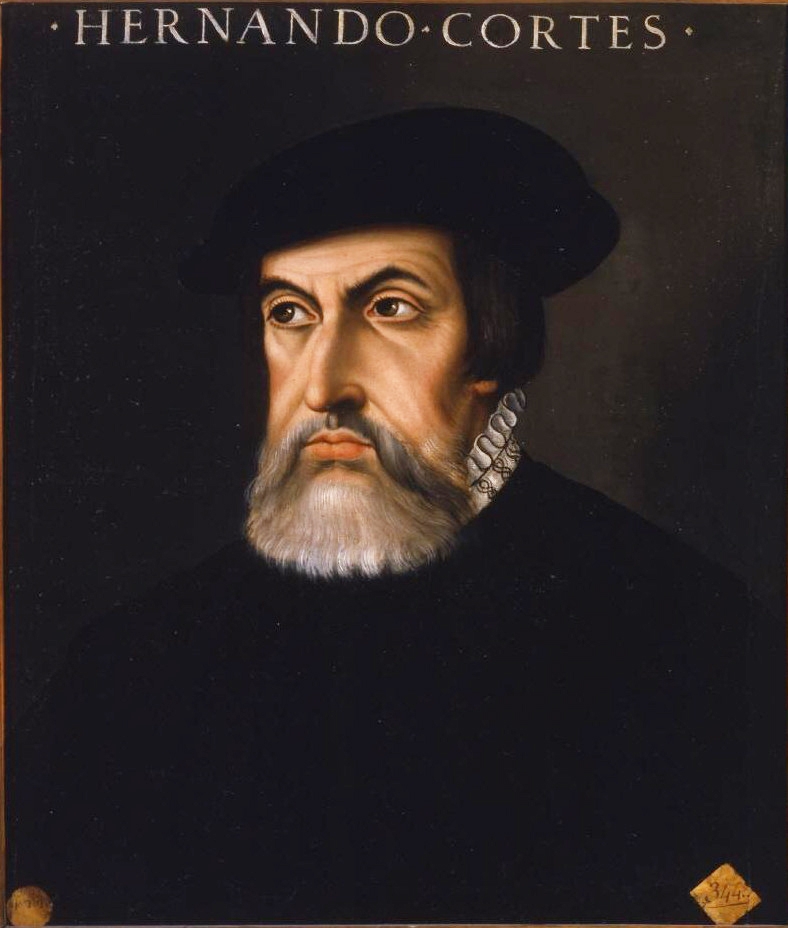
In 1517, Hernandez de Córdoba explored the coast of Central America. He brought back reports of a rich kingdom hidden further inland. This was actually the Aztec Empire, ruled by Moctezuma II (ruled 1502–20). Hernán Cortés landed on the coast of Mexico in 1519, near what is now the port of Veracruz. He was eager to find and conquer the fabulous Aztec Empire, of which he had heard so much.
Meeting in Tenochtitlán
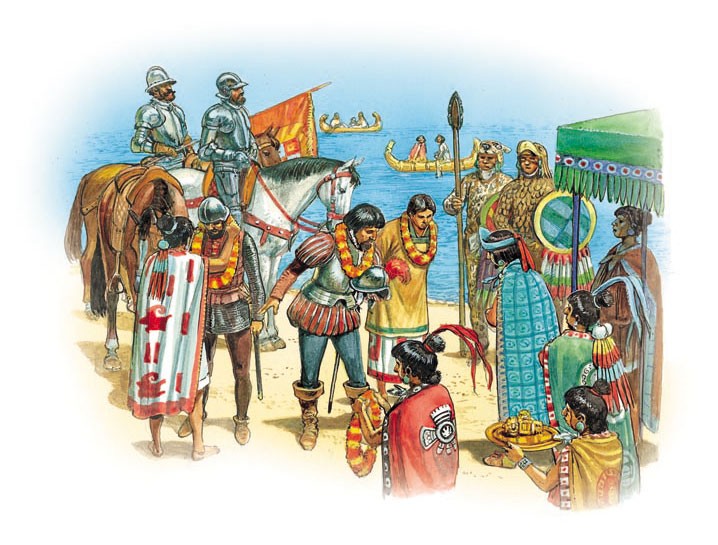
On his way to the Aztec capital, Cortés first made an alliance with Tlaxcala, a region hostile to the Aztecs. Along with a large force of Tlaxcalan warriors, he travelled on to Tenochtitlán, where he and his companion and translator, a local woman called Marina (La Malinche), were greeted with great ceremony by the Aztec emperor himself, Moctezuma. Cortés later took Moctezuma hostage and demanded a huge ransom for his release.
The defeat of
the Aztecs
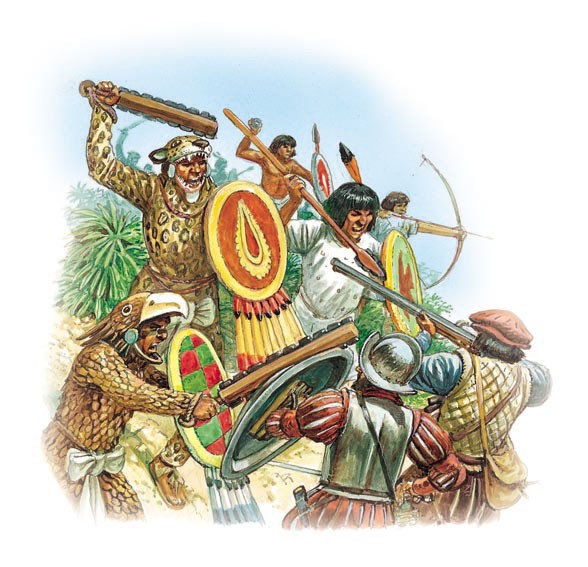
The Aztecs were at first cowed by the Spanish with their cavalry and superior weapons. On 1st July 1520, Moctezuma was killed and the local people turned hostile. They fought back against the invaders and succeded in driving them out of Tenochtitlán in what was known as La Noche Triste (The Night of Sorrows). But the Aztec victory was shortlived: an epidemic of smallpox, carried by the Spanish, broke out in Tenochtitlán in October. The local population was devastated.
In May 1521 Cortés returned with his Tlaxcalan allies to lay Tenochtitlán under siege. The Spanish cut off the city's causeways from the mainland. They also destroyed the aqueduct and patrolled Lake Texcoco with armed brigantines (warships) they had built in Tlaxcala. The siege lasted eight months, during which Tenochtitlán was almost totally destroyed by cannon fire. Despite stubborn Aztec resistance led by their new emperor, Cuauhtémoc, Tenochtitlán fell to Cortés on 13th August 1521.

Mexico City
The king of Spain, Charles V, appointed the victorious Cortés as governor of the newly conquered territory of the Aztecs. It was called "New Spain". Cortés began the construction of a new capital, destroying Aztec temples and buildings and then rebuilding over the top of the ruins of Tenochtitlán. Mexico City, as the new city was called, soon became the most important European city in the Americas.
Cortés ruled New Spain until 1524. He was rewarded by the king with a coat of arms, a mark of high honour.

Consultant: Philip Parker
pics
Without in any way limiting Q-files Ltd’s exclusive rights under copyright, any use of this publication to “train” generative artificial intelligence (AI) technologies to generate text is expressly prohibited. Q-files Ltd reserves all rights to license use of this work for generative AI training and development of machine learning language models.