
Slavery

CITE
We have made every effort to follow citation style rules, but there may be some minor differences. If in doubt, please refer to the appropriate citation style manual.
Atlantic slave trade. (2023). In Q-files Encyclopedia, History, Slavery. Retrieved from
https://www.q-files.com/history/slavery/atlantic-slave-trade
"Atlantic slave trade." History, Slavery, Q-files Encyclopedia, 17 Oct. 2023.
https://www.q-files.com/history/slavery/atlantic-slave-trade.
Accessed 6 Aug. 2026.
Atlantic slave trade 2023. History, Slavery. Retrieved 6 August 2026, from
https://www.q-files.com/history/slavery/atlantic-slave-trade
History, Slavery, s.v. "Atlantic slave trade," accessed August 6, 2026.
https://www.q-files.com/history/slavery/atlantic-slave-trade


Atlantic slave trade
From the 16th century onwards, overseas colonies brought huge wealth to countries in Europe. Spain plundered its colonies on the American mainland, carrying vast amounts of gold and silver to Europe. Portugal, too, had rich sources of gold in its colony in Brazil. Goods such as sugar (from the Caribbean), coffee and chocolate (from South America) also became popular across Europe. To exploit these resources, the European colonists needed labourers. They turned to Africa, from where captives were transported to the Americas in their millions and sold into slavery. This was the Atlantic slave trade.


Sugar cane
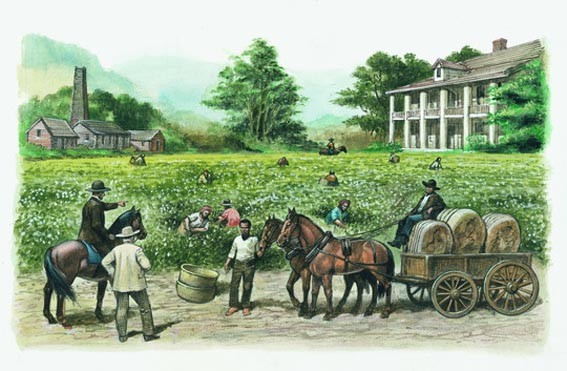
Spanish colonists in the Caribbean quickly discovered that sugar cane grew well in the hot, humid climate of the islands. Sugar was increasingly popular in Europe, as it could be used to sweeten the new drinks that were also arriving from overseas: coffee, tea and cocoa.
The Spanish colonists grew sugar cane in plantations, where they forced the native Amerindians to work. But so many of them died, from ill-treatment and from disease epidemics, that there was soon a shortage of labourers. So in the early 1500s captives were brought from Africa instead to work as slaves on the plantations. The trickle soon turned to a flood, as millions of people were transported across the Atlantic Ocean.
The trade begins
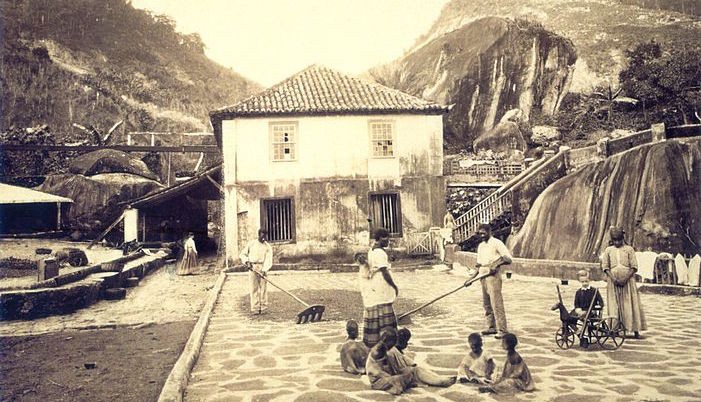
The Atlantic slave trade began in the early 1500s with (mostly) Portuguese traders taking slaves mainly from West Africa to work on the sugar plantations the Spanish colonies of South America as well as the Portuguese colony of Brazil. A few decades later, English privateers such as Sir John Hawkins, also started selling slaves to the Spanish colonies.
In 1627, the English captured Barbados in the West Indies, followed by Jamaica in 1655. The Royal African Company was set up in 1672 to organize the trade of African slaves to the sugar plantations on these islands. Under the terms of the Treaty of Utrecht, signed at the end of the War of the Spanish Succession in 1713, Spain granted British slave traders the asiento, a licence to trade 4800 slaves a year for 30 years to Spanish America.
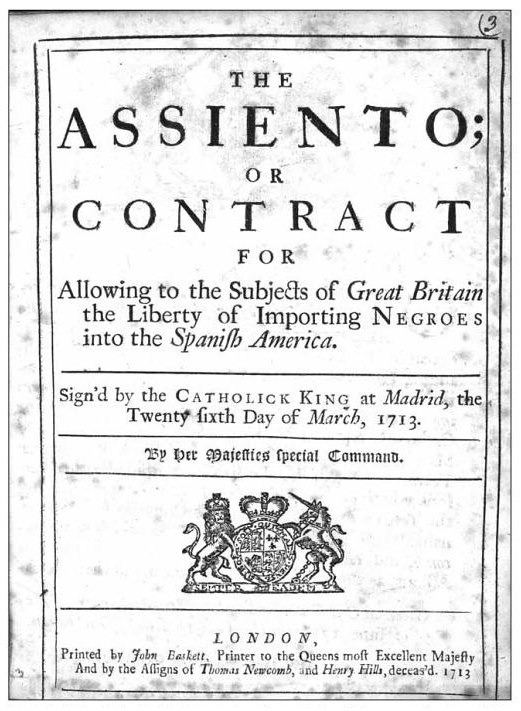
In the 18th and 19th centuries, the numbers of slaves being transported greatly increased. Western Africa (part of which became known as the "Slave Coast"), Angola and later Central Africa, became the source for enslaved people to meet the demand for labour. Because huge profits could be made from selling slaves, traders ignored the fact it was cruel and inhuman.
Triangular trade
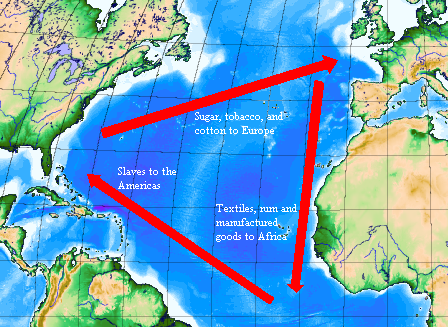
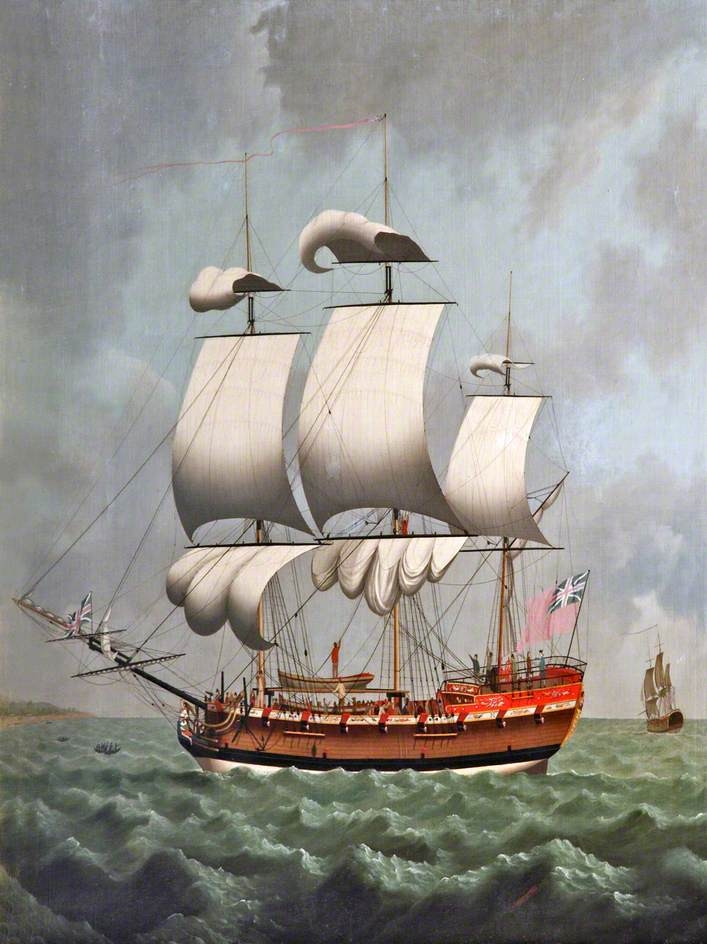
The slave trade that grew up between Africa and America towards the end of the 16th century is known as the “triangular trade” because it was made up of three stages. Ships sailed to West Africa from Europe loaded with goods to exchange for slaves—cloth, guns and alcohol, for example. Captives were then transported across the Atlantic, along a route that became known as the Middle Passage. In the Caribbean islands (and later, the North American colonies) the captives were sold and the money used to buy cotton, sugar, rum and tobacco, which was then shipped back to Europe.

Between 12 and 13 million Africans were taken to the Americas as slaves between 1532 and 1832. More than 2.5 million of them travelled in British ships. While Britain was one of the leaders of the slave trade, other European countries, including France, Holland and Portugal, also took part in this terrible trade.
Middle Passage
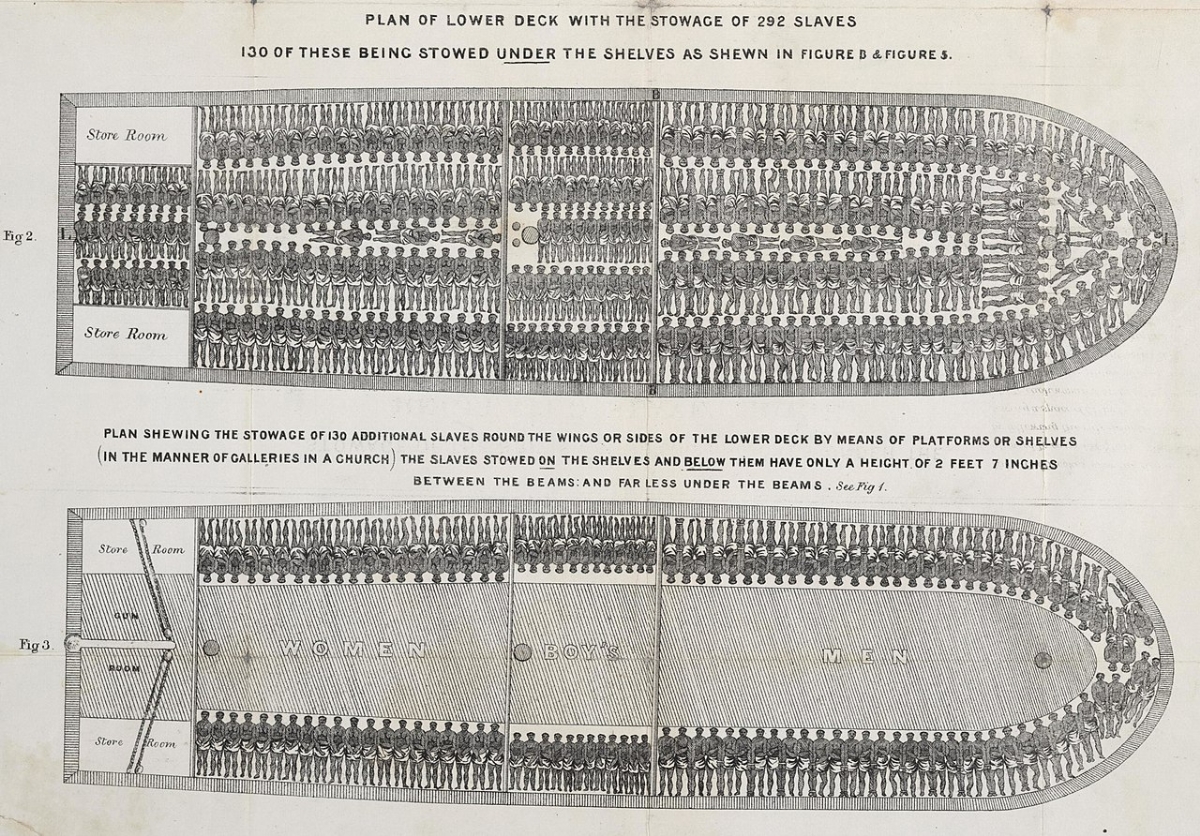
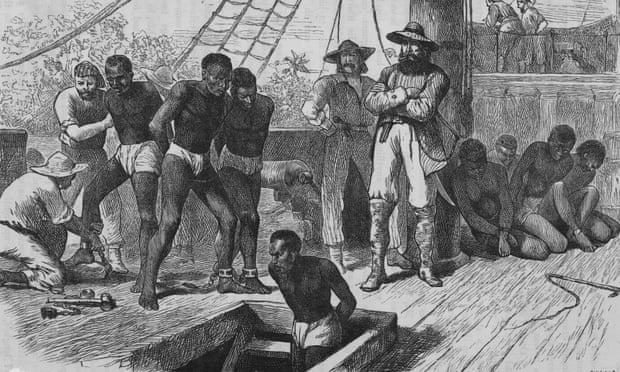
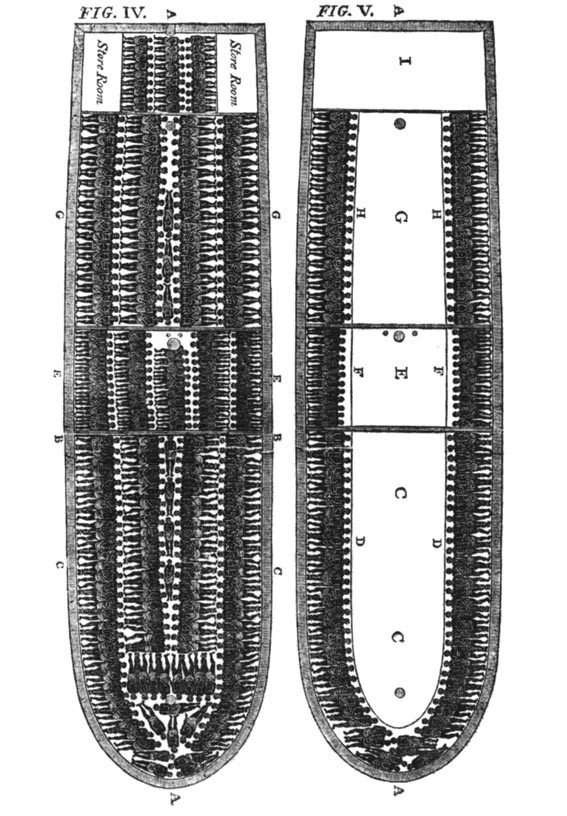
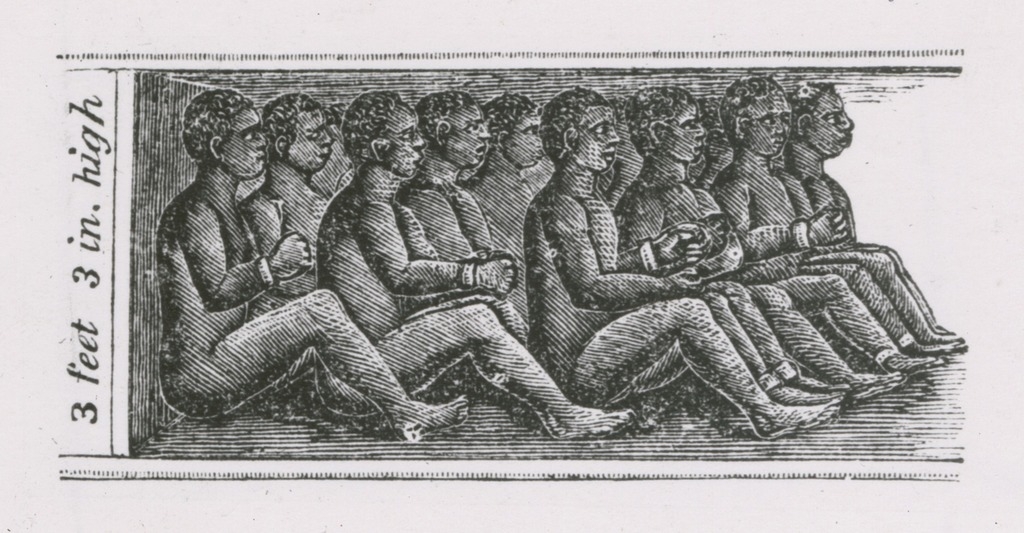
Perhaps up to 2.4 million slaves died onboard ship in the Middle Passage. The journey could last between six weeks and several months, depending on the weather. Slave traders would try to fit between 350 to 600 slaves on one ship. They were packed into tight spaces and chained to one another by their legs. Many captives died from diseases such as smallpox, scurvy and measles. Measures taken to curb these deaths included enforced exercise—such as "dancing" on deck—and force-feeding any slaves who tried to starve themselves.
Buying and selling
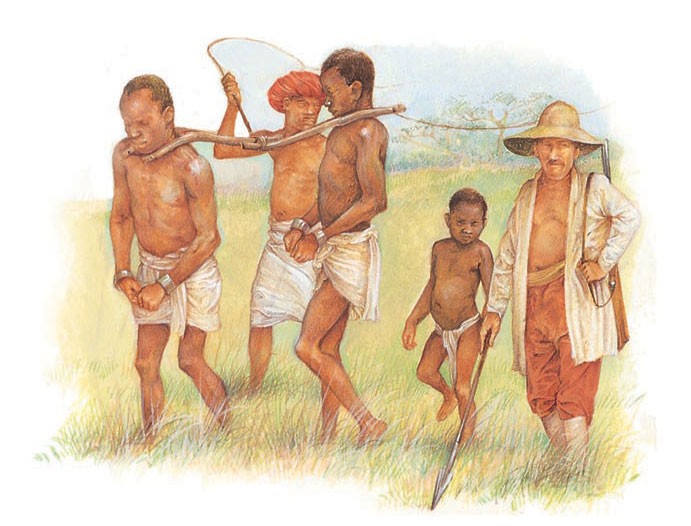
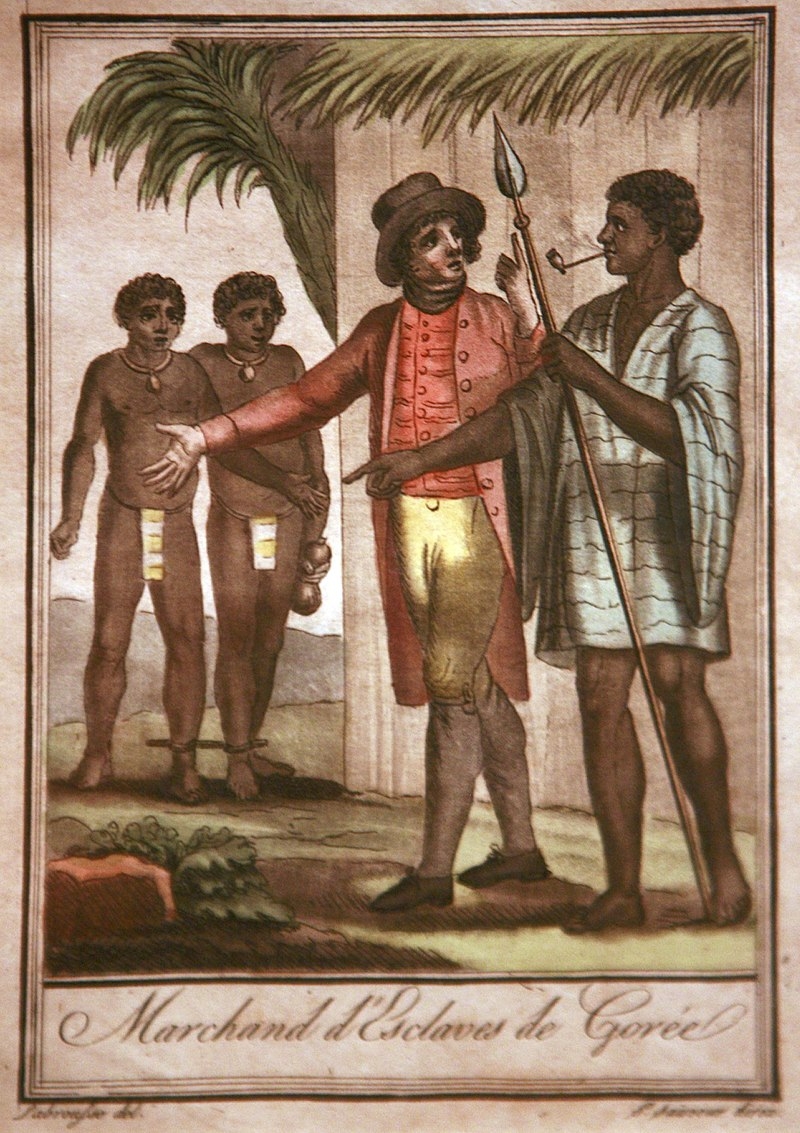
How did the European slavers get their slaves? They, or their agents, called factors, bought them from local tribal rulers in West Africa. The chiefs themselves obtained them as captives from armed raids on rival villages. Convicted criminals were also sold to the slavers. In 1700, a slave would change hands for about £3-worth of European goods.
As soon as they were bought by European traders, the slaves were branded with red-hot irons. They were then marched to the coast in chained lines called coffles. They were held in prisons called factories before being loaded on to a ship.
After arriving in the Americas, the slaves were sold at auctions called scrambles. The price in 1700 was about £20. Many slaves were then sent to "seasoning camps" where they were trained to obey their new masters, often using brutal methods. It is thought up to a half of all slaves sent to these camps died there, mostly from diseases such as dysentery.
The total number of African captives' lives lost during their transportation may equal or even exceed the number of those who survived to be enslaved. This excludes later deaths as a result of hard labour, revolts or disease.
Britain and the slave trade
As Britain emerged as a great naval power in the 1700s and settled continental North America and some islands of the West Indies (as their Caribbean possessions were known), it became the leading slave trading nation. The most profitable colonies in 1800—Jamaica, Trinidad, Leeward Islands, Barbados and British Guiana—belonged to Britain. This advantage was reinforced when France lost its most important colony, Saint-Domingue (now Haiti), to a slave revolt that began in the 1790s.
The English ports of London, Liverpool and Bristol flourished as the profits poured in. Much of the wealth on which the city of Manchester was built between the late 1700s through to the end of the 19th century was based on the processing of slave-picked cotton. The demand for cheap brassware for export to Africa caused a boom in the copper and brass manufacturing industries outside Bristol. Birmingham supplied guns to be traded for slaves. Three-quarters of all sugar produced in the plantations was sent to London, and much of it was consumed in its coffee houses.

Abolition
In the late 18th century, European people started to question the slave trade. In Britain, opposition to the trade was led by the Society of Friends (Quakers) and men such as the politician William Wilberforce (1759–1833). New laws came in to restrict slavery. Vermont in 1777 and Virginia (under the leadership of Thomas Jefferson) in 1778 became the first states in the US to stop the import of slaves for sale. Denmark was the first country to ban the trade through a law that took effect in 1803. Britain banned the slave trade in 1807, although slavery itself was not abolished until 1833. The US Congress outlawed the import of slaves in 1808.

The British Royal Navy, which largely controlled the world's oceans, then took active steps to stop the slave trade, declaring that slavers were no different from pirates. Between 1807 and 1860, the Royal Navy seized approximately 1600 ships involved in the trade and freed 150,000 Africans who were destined for life as slaves. Large numbers of people continued to be illegally transported to Brazil and Cuba until the 1860s, when the Atlantic trade was finally ended.
Indentured labour
After the end of slavery in 1833, new ways were found to provide labour on plantations in the colonies. The British East India Company introduced a system to force Indians to work in other colonies of the British Empire. Each worker was made to declare he or she was going to work voluntarily and given a five-year paid contract. In practice, the system, known as "indentured labour", was little different to slavery. The transportations began in 1838 (five years after the abolition of slavery), and continued until 1917. During this time, around 3.5 million Indian "coolies", as they were known, were shipped to places such as Mauritius in the Indian Ocean, Fiji in the Pacific, Jamaica, Trinidad and British Guiana (now Guyana) in the Caribbean, and Natal in South Africa. A number were also shipped to French and Dutch colonies.

Consultant: Philip Parker
pics
Without in any way limiting Q-files Ltd’s exclusive rights under copyright, any use of this publication to “train” generative artificial intelligence (AI) technologies to generate text is expressly prohibited. Q-files Ltd reserves all rights to license use of this work for generative AI training and development of machine learning language models.