
British history

CITE
We have made every effort to follow citation style rules, but there may be some minor differences. If in doubt, please refer to the appropriate citation style manual.
Black history of Britain. (2026). In Q-files Encyclopedia, History, British history. Retrieved from
https://www.q-files.com/history/british-history/black-history-of-britain
"Black history of Britain." History, British history, Q-files Encyclopedia, 30 Mar. 2026.
https://www.q-files.com/history/british-history/black-history-of-britain.
Accessed 21 Sep. 2026.
Black history of Britain 2026. History, British history. Retrieved 21 September 2026, from
https://www.q-files.com/history/british-history/black-history-of-britain
History, British history, s.v. "Black history of Britain," accessed September 21, 2026.
https://www.q-files.com/history/british-history/black-history-of-britain


Black history of Britain
Black African people have lived in Britain since Roman times. Records show there were black people living in England during the Tudor and Stuart period, although not in great numbers. With the growth of the transatlantic slave trade in the 17th century onwards, black people came to Britain in greater numbers. Many worked as servants, but some achieved status in society— they helped bring about the abolition of the terrible trade, and slavery more generally in the 19th century. Black people fought for Britain in both world wars and, responding to the call for work in the National Health Service and other essential industries, started a wave of black immigration to Britain from 1948 onwards, firstly from the Caribbean islands, later from Africa.

Roman Britain
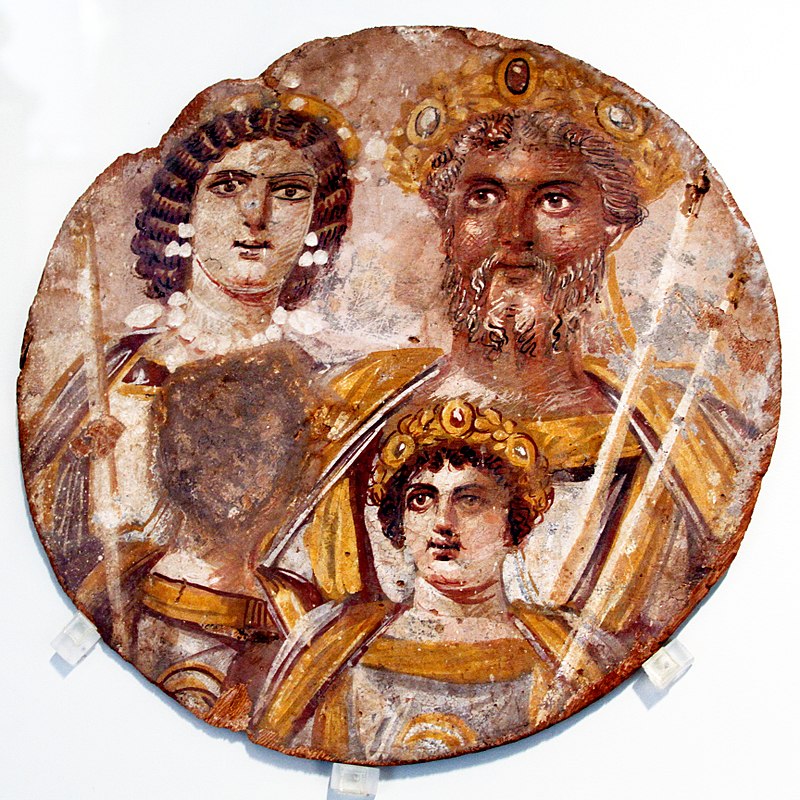
There is evidence of people with African (largely North African) ancestry in Roman Britain. The Roman Empire included parts of North Africa bordering the southern coast of the Mediterranean Sea. Soldiers of African ancestry are known to have manned Hadrian's Wall from the 2nd century AD. We know that African soldiers, or other people with African ancestry, also lived in Roman London. In a study of the remains of 22 individuals discovered in Southwark, four of them probably had African ancestry.
The remains of someone known to archaeologists as "Ivory Bangle Lady", dated to the second half of the 4th century, were found in a exacavation of a burial site in York in 1901. She also had features suggesting a black ancestry. Her sarcophagus was made of stone and also contained jet and African elephant ivory bracelets, an ivory bangle, earrings, pendants, beads, a blue glass jug and a glass mirror, indicating great wealth for the time.
Evidence of black people living in Britain in the Anglo-Saxon, Viking or Norman periods of British history is sparse. During the Middle Ages, North Africa was under Arab rule and any contact between Europeans and Africans was limited. Probably only a small number of Africans lived in Britain during this time.
Tudors and Stuarts
During the 16th and 17th centuries, as trade routes opened up between London and West Africa during the Age of Discovery, a number of black people came to live in England as sailors or slaves from the early 1500s onwards. In the period of the war with Spain, between 1588 and 1604, the English freed many captives of African origin from enslavement on Spanish ships. Some had both African and Spanish ancestry. Many of these new arrivals settled in London. While most English had never seen people of that skin colour before, it appears they were happy to live and work alongside them with little evidence of discrimination.

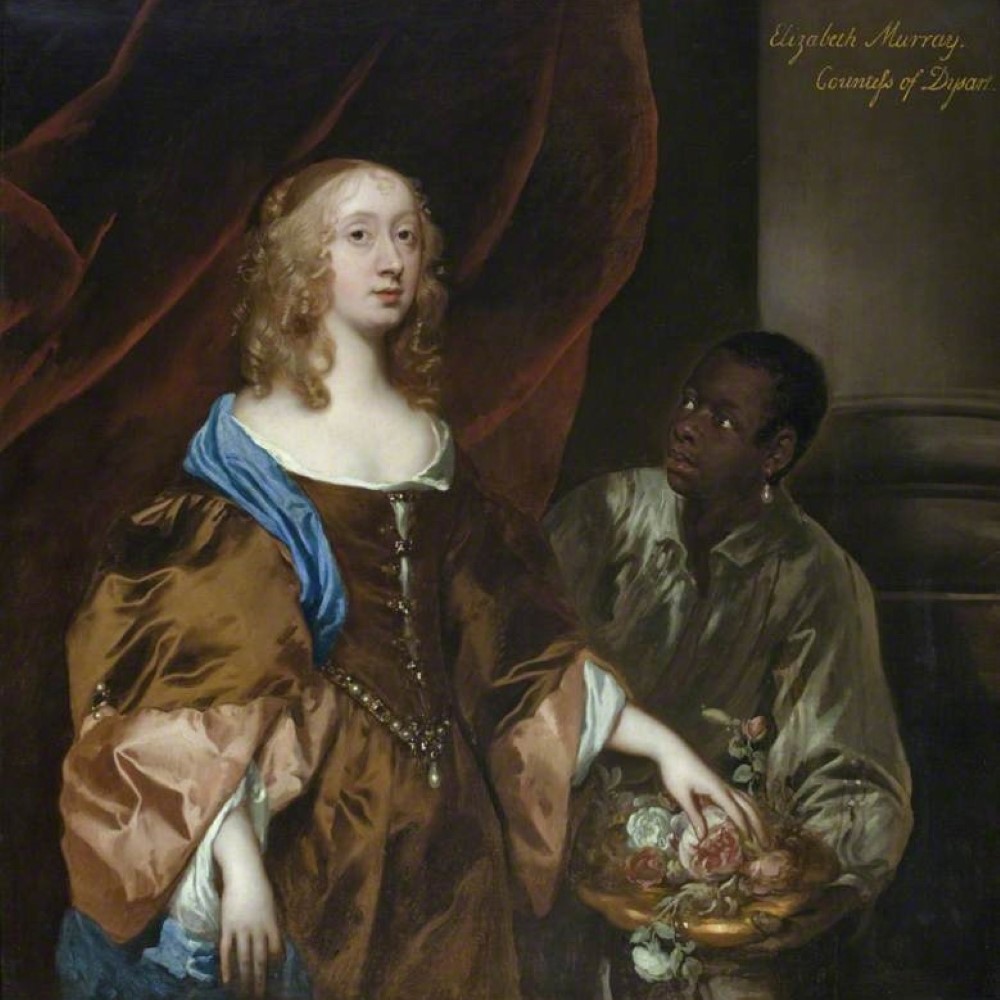
Amongst the wealthy, "blackamoors", as Africans were known at the time, were seen as a fashionable novelty and many were employed as servants or entertainers. Some African-born people were free workers. A few became independent business owners, among them the silk weaver, Reasonable Blackman. The resident population of black people during the Elizabethan period was, however, never more than a few hundred.

Slave trade
From the mid-16th century, a growing demand for sugar led the colonial powers of the time, Spain and Portugal, to establish plantations in the Americas. Here, the crop grew well in the humid tropical climate. Sugar cane was grown using slave labour, with local Amerindians soon joined by Africans forcibly transported across the Atlantic from their home continent. Keen to take over this profitable business, the British, French and Dutch competed with one another for colonies in the Caribbean from the mid-17th century onwards, and started importing African slaves themselves. By the 1730s, the British had become the leading slave trading nation.
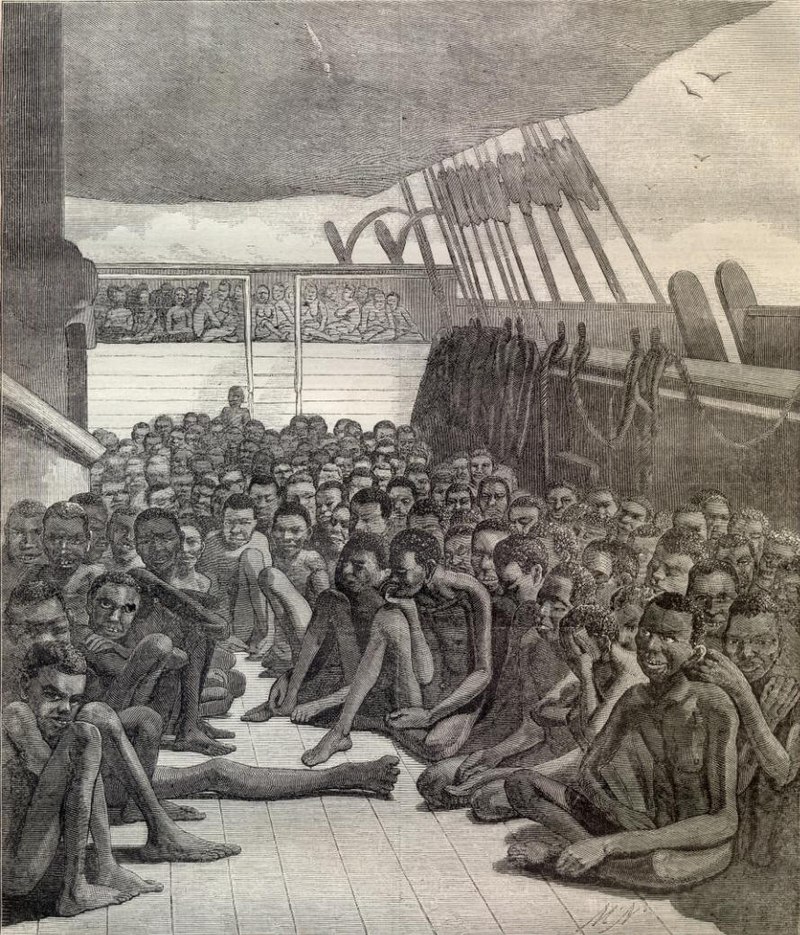

The involvement of British merchants in the Atlantic slave trade, which flourished until the early 1800s, led to the development of black communities in Britain itself. These were mainly in port cities involved in the slave trade, such as Liverpool and Bristol, as well as London. It was in these cities that the most active and skilled members of the black community lived. Liverpool is home to Britain's oldest black community, dating at least to the 1730s. Among the first black settlers were seamen, the mixed-race children of British traders sent to be educated in England, servants and freed slaves who previously worked for sea captains, traders, plantation owners and military men.
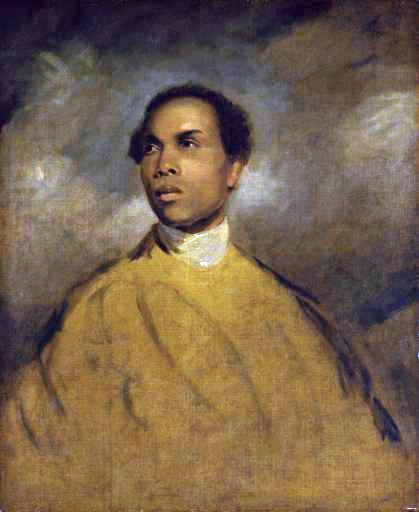
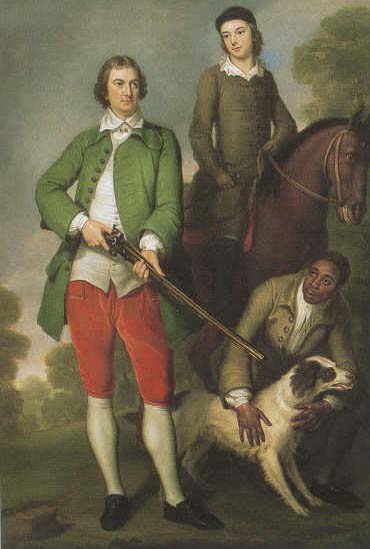
Despite several rulings declaring that slavery was not legally recognized in Britain, many wealthy Londoners purchased Africans from the Caribbean to be their unpaid servants regardless. They were slaves in all but name. Black slaves continued to be bought and sold in England until 1772. Not all black people arriving in Britain from the Caribbean were enslaved, and others resisted slavery by escaping. A few attained highly respected positions in society, for example, Ignatius Sancho, Olaudah Equiano and Francis Barber, a servant to Dr Samuel Johnson who became a beneficiary of his will. However, most "free" black people, among them many soldiers and sailors who were otherwise unskilled, lived lives of poverty. Many were forced to become beggars due to the lack of jobs and racial discrimination.

Former slaves Olaudah Equiano, Ignatius Sancho and Ottobah Cugoano were among those who campaigned for the end of slavery. The eventual abolition in 1833 effectively ended the period of black immigration to Britain as wealthy families no longer hired black servants. Former black seamen abandoned by their employers began to put down roots in the small black communities in British port cities. Among them were Canning Town in London, Liverpool and Cardiff.
World Wars
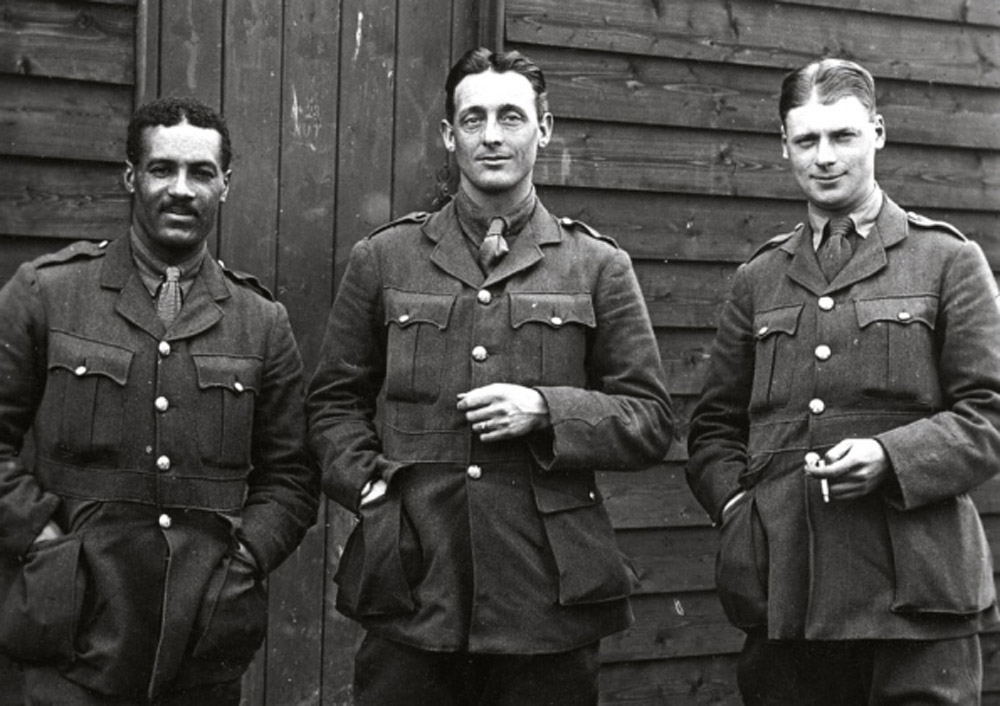
At the outbreak of World War I in 1914, Britain's black population was an estimated 10,000, a tiny percentage of the overall British population. Over the course of the war, London's black communities grew with the arrival of merchant seamen and soldiers. By 1918 there may have been as many as 30,000 black people living in Britain. Along with people from across the British Empire, volunteers from the West Indies joined the British Army. More than 15,000 black soldiers served in the British West Indies Regiment. They were not allowed to fight alongside white soldiers and faced racism from both comrades and enemy soldiers. Most carried out jobs such as loading ammunition, laying wires and digging trenches, although some did see combat.

After the armistice in 1918, the men of the British West Indies Regiment were moved to an army base in Taranto, Italy, where they were tasked with cleaning clothes and latrines for white soldiers. Driven to mutiny by this indignity, they were later excluded from taking part in victory parades.
When soldiers returned home to Britain after World War I there was a jobs shortage. Houses were also hard to come by. Some white people came to the mistaken belief that they were not getting jobs or houses because black people were taking priority. Some white men were also angered by rumours that black men were marrying white women and starting families. These led to race riots breaking out across Britain in 1919. Black sailors and black-owned businesses were targeted and attacked by white crowds in cities including Glasgow, London, Liverpool, South Shields, Cardiff and other seaports across Britain.
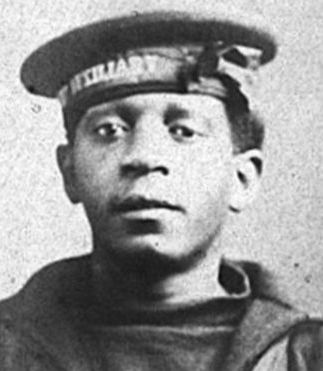
In fact, many black serviceman and workers found themselves without jobs after a "colour bar" was introduced in many industries after World War I. Many white workers, often backed by their unions, refused to work alongside black people. Many black men from the Caribbean were sent back to where they lived before the war.

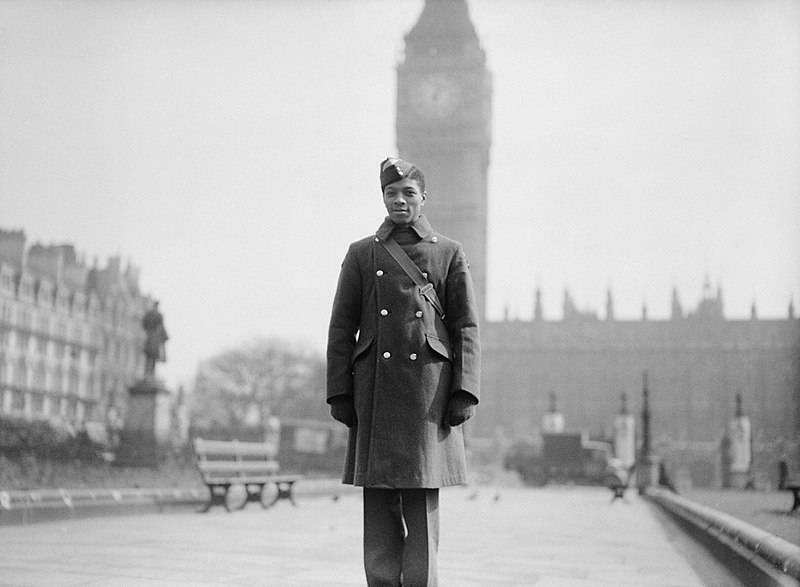
World War II marked another period of growth for the black communities in London, Liverpool and elsewhere in Britain. Many black people from the Caribbean and West Africa arrived to reinforce the armed forces, or work in munitions factories, coalmines and on merchant ships. The black population was swollen temporarily by the arrival of around 130,000 African American GIs, soldiers based in the UK ahead of the D-Day invasion of Europe in 1944. However, by 1948 the black population was estimated to be still less than 20,000, out of a total British population of 49.4 million people.
Windrush Generation

Following World War II, the British government began to encourage immigration from the former countries of the British Empire and Commonwealth to fill severe shortages in the labour market, especially the new National Health Service (NHS), but also to work on the bus and railway network. The British Nationality Act 1948 gave the right of entry, settlement and citizenship settlement in the UK to all people living in the colonies. Many West Indians were attracted by better prospects in what was known at the time as the "mother country".
The ship HMT Empire Windrush brought a group of 492 West Indian men to the port of Tilbury, near London, on 22nd June 1948. An advertisement had appeared in a Jamaican newspaper offering cheap transport on the ship for anybody who wanted to come and work in Britain. The arrivals were temporarily housed in the Clapham South deep shelter in southwest London. Many people intended to stay in Britain for only a few years, but although a number did return to the Caribbean, the majority decided to settle permanently. They, along with those people and their families who came on later ships, are referred to as the "Windrush Generation". Over the next decade, nearly 200,000 West Indians, the majority of them from Jamaica, came to settle in Britain.

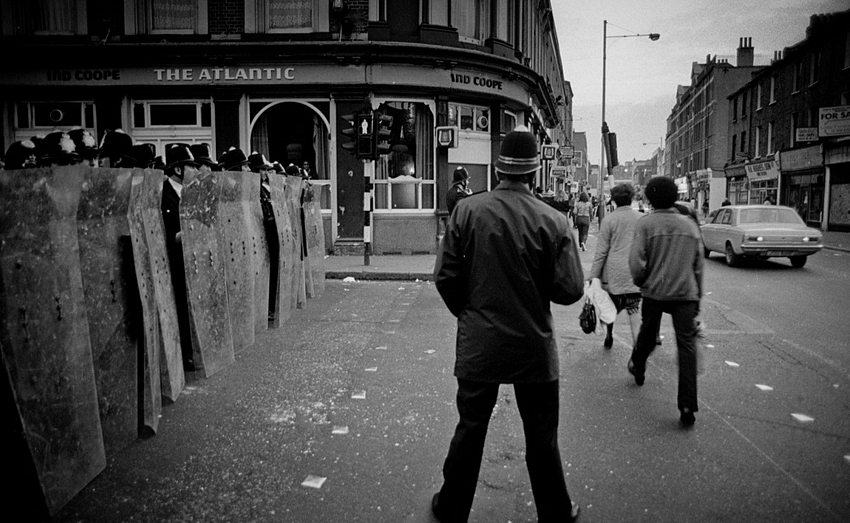
The new immigrants were forced to contend with open and persistent racial prejudice. Tensions between local black communities and white racists steadily rose over the next decade. The first major outbreak of violence occurred in 1958 in Notting Hill, London, when hundreds of white youths armed with iron bars and knives attacked black people and their homes. The following year, Antigua-born Kelso Cochrane died after being set upon by a gang of white youths, also in Notting Hill.
Prejudice and protest
By 1961, the population of people born in Africa or the Caribbean and living in Britain was estimated at 191,600. The British government decided to change their policy on unrestricted entry of people from the colonies. The 1962 Commonwealth Immigrants Act, along with other laws in 1968, 1971 and 1981, severely restricted the entry of immigrants from former colonies, many of them black people, into Britain.
Racial intolerance and prejudice continued, however, along with worsening relations between black communities and the police. During the 1970s, police forces across England increasingly began to use the "sus law" (a stop-and-search law that permitted the police to arrest someone they suspected was intending to commit an offence), provoking a feeling that young black men were being discriminated against by the police. There were a number of serious incidents involving street fighting between local black youths and police officers in the 1970s and early 80s.
Since the 1980s, the majority of black immigrants into the UK came from Africa, mostly Nigerians, Ghanaians and, from the late 1980s, Somalis, while the numbers of British-born black people grew as the post-war migrants from the West Indies started having families. By the end of the 20th century, the black population of Britain had risen to more than 1.1 million, more than half of whom were living in London.
Black Britons today
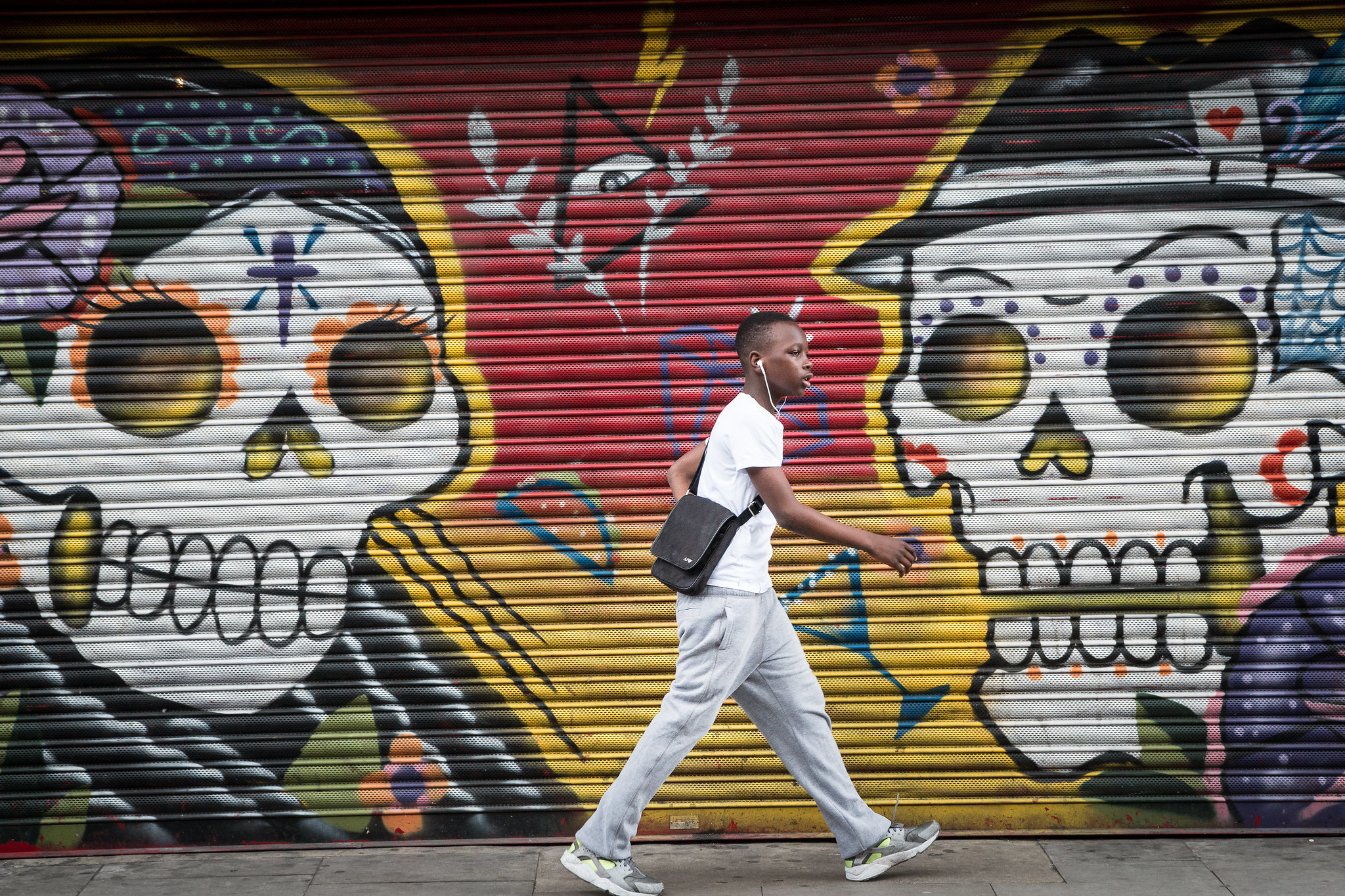
The black population of the UK further increased to just over 1.9 million in 2011. Almost 97% of black Britons live in England, with most—more than a million—living in Greater London. The British West Indian population has by and large successfully integrated with the rest of the British population—more than half living in Britain today have partners who are not West Indian. Through sport, music, cinema, fashion and—most recently—film and television, black Britons have established a new cultural and national identity.

Discrimination, however, remains a serious issue. While many black people are leading successful careers in business, finance, the professions and the arts, black workers are also more than twice as likely than white people to be in insecure forms of employment: for example, care workers, cleaners, kitchen assistants and security guards. Black people are far more often the victims of crime, and three times more likely to be prosecuted than white people.
Advances have been made to improve relations between black and white communities. A number of black people have been elected as MPs. Acts of Parliament have outlawed race hatred and sought to establish racial equality. Despite this, tensions persist between the black community and the authorities in Britain today. The police continue to exercise their stop and search powers disproportionately to young black men. The Black Lives Matter movement, which was galvanized by the murder of African American George Floyd in May 2020, triggered demonstrations across Britain and elsewhere in the world.


In 2018 it was reported that a number of black people had been wrongly detained, denied legal rights and threatened with or actually deported from the UK by the government. The policy dated back to the "hostile environment policy" introduced by Home Secretary Theresa May in 2012. Many of those affected had been born British subjects or had arrived in the UK before 1973, particularly from Caribbean countries as members of the Windrush Generation. The scandal dealt a blow to relations between the black community and the British government.
Timeline
AD 43 Roman rule in Britain begins. The Numerus Maurorum Aurelianorum (the Aurelian Moors), an African auxiliary unit of the Roman army, is stationed on Hadrian’s Wall from the 3rd century onwards.
668 African-born scholar Hadrian of Canterbury, having rejected a request from the pope to become Archbishop of Canterbury, travels to Britain with Theodore, who takes up the post instead. Hadrian becomes an abbot in Canterbury.
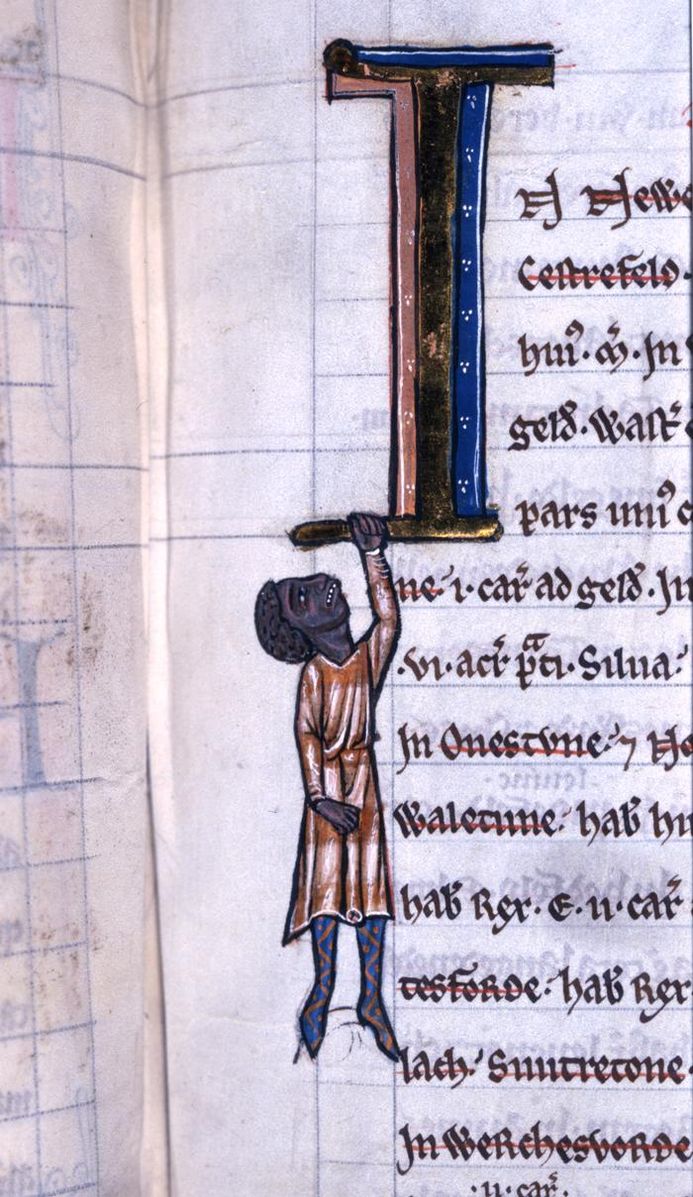
1241 An image of a black Briton, the earliest known, appears in an abbreviated version of the Domesday Book used to collect taxes.
1508 A poem by Scottish poet William Dunbar called Of Ane Blak-Moir tells us there were black people living in Britain at this time.
1511 An illuminated manuscript depicts a black musician among the six trumpeters in the royal retinue of Henry VIII at the Westminster Tournament. The musician wears the royal livery and is mounted on horseback. He is known as John Blanke, "the blacke trumpeter", who is listed in the payment accounts of both Henry VIII and his father, Henry VII.
1555 Merchant John Lok brings several captives to London from Guinea, on the west coast of Africa. An account of the time reports: "The colde and moyst aire doth somewhat offend them."
1562 John Hawkins is the first Englishman to lead a slave trading voyage from West Africa, arriving in the Americas with 300 captives
1596 Queen Elizabeth I's privy council issues letters (and again in 1601) to the lord mayors of major cities stating that "of late divers blackmoores brought into this realm, of which kind of people there are already here too manie..." and requests that they "should be sent forth from the land" partly because of economic pressures, and because "most of them are infidels, having no understanding of Christ or his Gospel."
1604 William Shakespeare's play featuring a black leading character, Othello, is performed.

1623 The arrival of English settlers on the island of St Kitts marks the beginning of British colonization of the islands of the Caribbean.
1672 The Royal African Company is granted a charter giving it the exclusive right to carry slaves from Africa to the Americas.
1687 A "moor" (a name used at the time for inhabitants of North Africa) is given the freedom of the city of York. He is listed in the freemen's rolls as "John Moore – blacke".
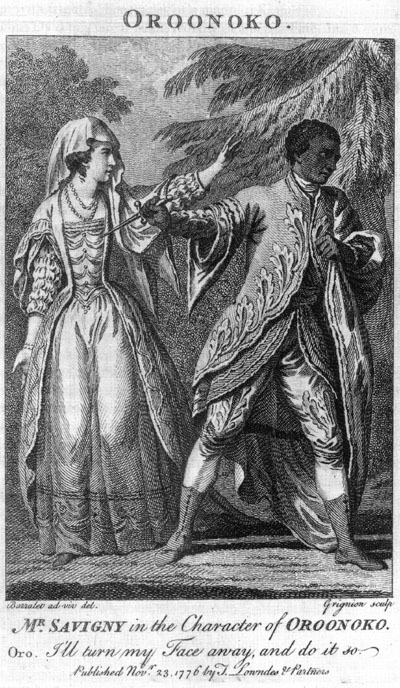
1688 Aphra Behn publishes her novel Oronooko about an African of royal blood. It is one of the first written attacks on the Atlantic slave trade.
1760s Around 15,000 black people live in Britain (with a population then of 8 million) including up to 10,000 in London, making black people around 1% of the overall London population.
1772 Lord Chief Justice William Murray, 1st Earl of Mansfield, rules that James Somersett, an escaped black slave from Virginia, cannot be taken by force in England, nor sold abroad. Somersett's case is supported by the abolitionist Granville Sharp (1735–1813). Mansfield's ruling helps send slavery into decline. Many freed slaves, however, become unemployed and destitute; they become known as the "black poor".
1774 A financially independent householder, Ignatius Sancho (1729–80) becomes the first black person of African origin to vote in parliamentary elections in Britain, in a time when only 3% of the British population are allowed to vote.

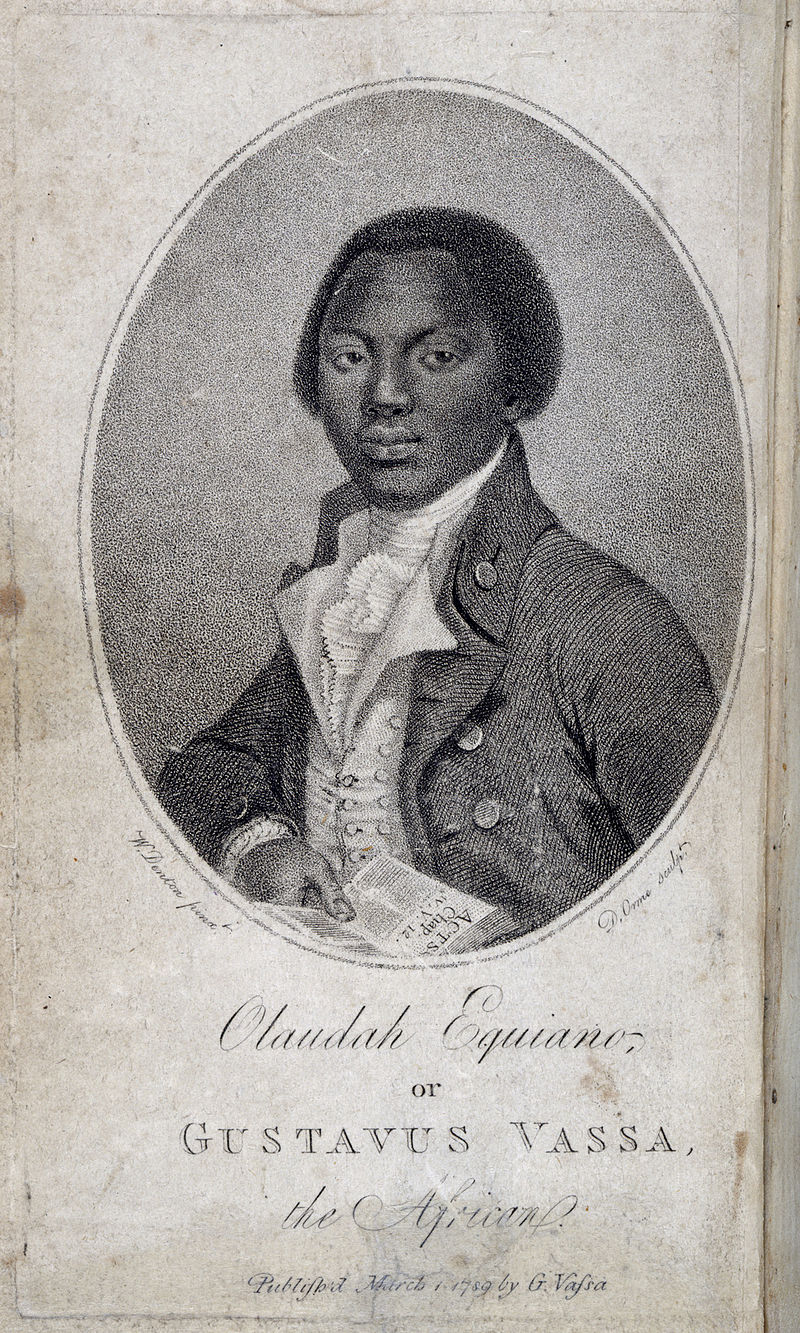
1781 Captain Collingwood orders 132 sick Africans to be thrown off the slave ship Zong in order to collect insurance money for them. Informed of the case by writer Olaudah Equiano (1745–97), Granville Sharp attempts to mount a prosecution for murder. While this is unsuccessful—no officer will ever be prosecuted for killing the slaves—a judge rules that the Zong's owners cannot claim insurance on the slaves. The incident boosts support for the movement to abolish the Atlantic slave trade.
1780s During the American Revolutionary War, African Americans fleeing captivity are offered their freedom in return for agreeing to join the British forces. Following the British defeat, several thousand black troops, including their families, flee to British-held territories, including Canada and Ireland. Hundreds of black loyalists are also resettle in Britain as free men. They are not awarded pensions, so many of them become poverty-stricken and are forced to beg on the streets.
1786 Olaudah Equiano becomes the first black person to be employed by the British government. He is made Commissary of Provisions and Stores for the 350 black people suffering from poverty who decide to accept the government's offer of an assisted passage to Sierra Leone.
1787 Encouraged by the Committee for the Relief of the Black Poor, 400 black Londoners emigrate to Sierra Leone in West Africa, founding the first British colony on the continent, called Freetown.
1796 Ships from the Caribbean carrying over 2000 black and mixed-race prisoners of war, following the surrender of a French garrison on St Lucia, dock at Portsmouth Harbour. Almost all are imprisoned at Portchester Castle, but due to the extreme cold, many of them are moved into two prison ships, the Captivity and Vigilant. Most prisoners are later exchanged for British prisoners held by the French. Some travel back to the Caribbean where they take up arms against Napoleon’s re-imposition of slavery.
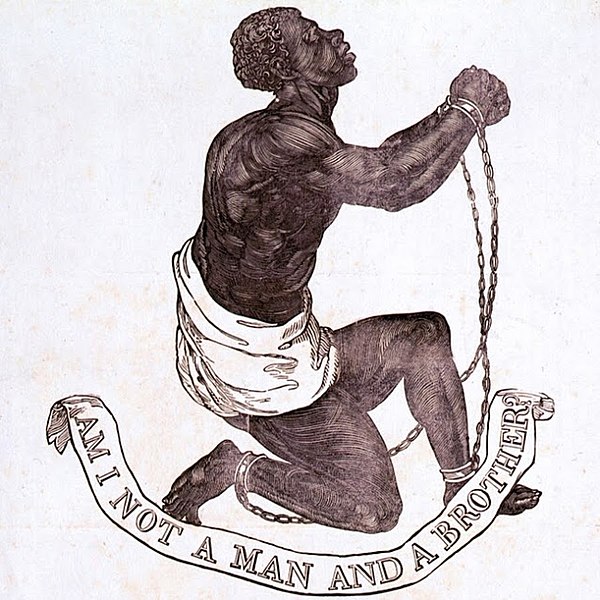
1807 The British slave trade is abolished by the Abolition of the Slave Trade Act. However, many slave traders discover ways to get round the new law. Slavery itself remains legal.
1833 The Slavery Abolition Act becomes law in Britain. Though the law now bans slavery, formerly enslaved Africans have to serve an apprenticeship of up to six years on low or no pay, until this system is scrapped in 1838. Slave-owners together receive £20 million in compensation, equivalent to 40% of the Treasury’s annual income at the time. The freed slaves receive nothing.
1913 John Richard Archer is elected as Mayor of Battersea, thus becoming London’s first black mayor.
1914–18 World War I: a large number of soldiers from the West Indies and the rest of the British Empire join the war effort, and many perish. More than 15,000 soldiers serve in the British West Indies Regiment. Walter Tull, one of the first black men to command white soldiers in action, is killed in battle in 1918.
1919 Race riots: black sailors and black-owned businesses are targeted and attacked by white crowds in cities including Glasgow, London, Cardiff and other seaports across Britain.
1943 The manager of a London hotel refuses to accommodate West Indian cricketer Learie Constantine (who was, at the time, working for the Ministry of Labour and National Service as a Welfare Officer responsible for West Indians employed in English factories) and his family on the grounds of their race. Constantine successfully sues the hotel company. The case becomes a milestone in British racial equality.
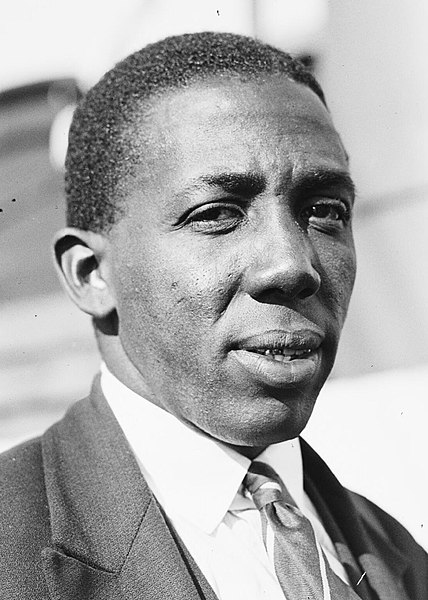
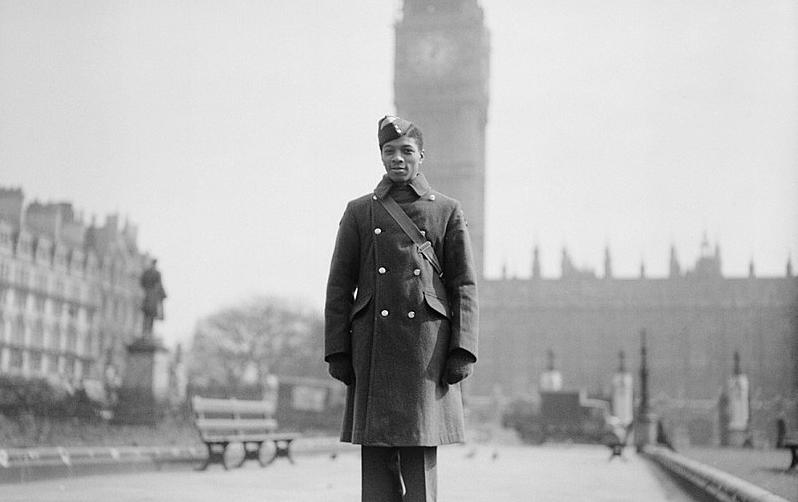
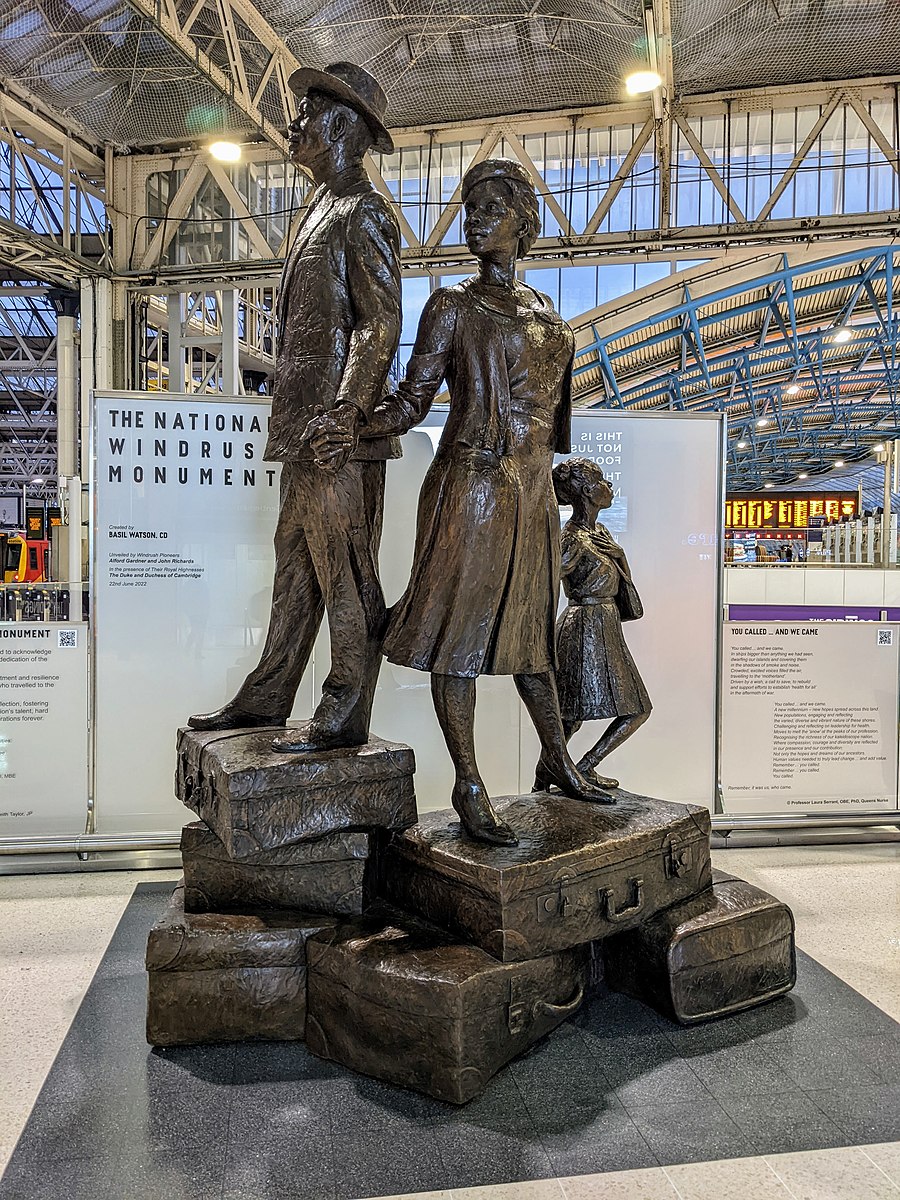
1948 The Empire Windrush arrives in England from Jamaica on 22nd June (which, after 2018, has been commemorated as Windrush Day).
1948 The National Health Service (NHS) is established. Many of the workforce that help build this institution come from the West Indies.
1962 Commonwealth Immigrants Act is passed with the aim of reducing immigration from the former British Empire. Six years later the controls are tightened further.
1963 Bristol Bus Boycott: the Bristol Omnibus Company refuses to employ black or Asian bus crews in the city of Bristol. Led by an organization founded by Roy Hackett and Paul Stephenson, a boycott of the company's buses by local residents lasts for four months before the company backs down.
1968 Conservative politician Enoch Powell makes his “Rivers of Blood” speech, strongly criticizing mass immigration, especially Commonwealth immigration to the United Kingdom, and the proposed Race Relations bill.
1968 The Race Relations Act is passed, making it illegal to refuse housing, employment or public services to a person on the grounds of colour, race, ethnic or national origins in Britain.
1976 Outbreak of street fighting at the Notting Hill Carnival between several hundred police officers and youths, many of them black
1976 The Race Relations Act 1976 is passed, preventing discrimination on the grounds of race, colour, nationality, ethnic and national origin in the fields of employment, the provision of goods and services, education and public functions. The Commission for Racial Equality is established.
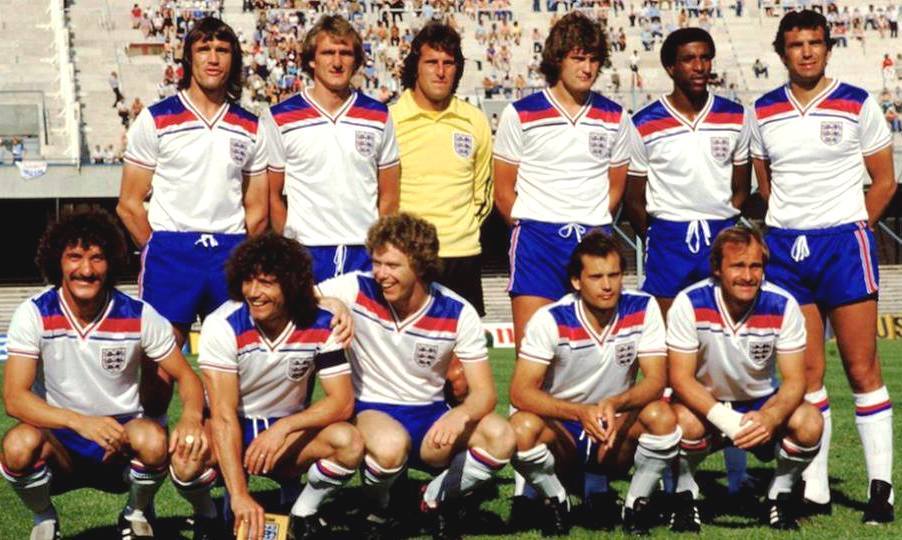
1976 Viv Anderson becomes the first black footballer to play for England's senior men's team.
1980 Riots in St Pauls, Bristol, in response to what is seen as police harrassment. A disproportionate number of young black men are being stopped and searched under the 1824 Vagrancy Act (originally designed to stop begging), more commonly known as the “sus law”, during the 1970s and 80s.
1981 (January) Black People's Day of Action, held to protest against the New Cross Fire in which 13 black youngsters who were attending a birthday party perish—in particular the hostility and indifference that is seen to come from from the police, politicians and press over the incident.

1981 (April) Riots in Brixton, London and later in Toxteth, Liverpool, after police launch a series of mass stop-and-searches of young black men. Recognizing the level of resentment among the black community, the Scarman Report makes recommendations to challenge racial disadvantage. The sus laws are also repealed.
1985 Riots in Tottenham are sparked by the death of Cynthia Jarrett, a black woman, during a police raid on her home in the Broadwater Farm estate.
1987 The first female black Member of Parliament, Diane Abbott, is elected alongside male black MPs Bernie Grant, Paul Boateng and Keith Vaz.
1993 Stephen Lawrence, a young black man, is murdered at a bus stop in southeast London by a group of white racists.
1999 The Macpherson report on the police investigation into the murder of Stephen Lawrence is published. The report identifies institutional racism in the police force for the first time.
2001 The Race Relations Amendment Act states all public services must actively promote racial equality.
2006 The Racial and Religious Hatred Act makes it illegal to stir up hatred against someone because of their race or religion.
2011 Mark Duggan, a black man, is shot dead by the police in Tottenham, north London. His killing sparks riots which quickly spread across the UK.
2012 Changes to immigration law now make people show evidence they have lived in the UK continuously since 1973, or risk being deported (forced to leave). This affects the Windrush Generation—those people, adults and children who travelled from the Caribbean to join parents or grandparents in the UK (or travelled with their parents without their own passports): they have never needed, nor have been given travel documents, since they have always had a legal right to come to the UK.
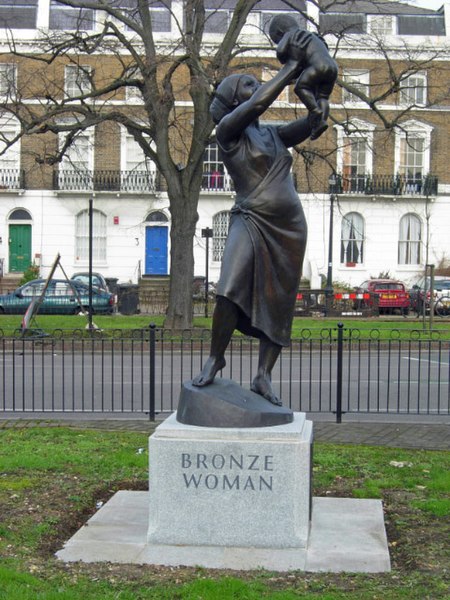
2013 Malorie Blackman, black author of Noughts and Crosses, becomes the UK’s children’s laureate. Noughts and Crosses is a series of young adult novels describing an alternative history in which native African people ("Crosses") had colonized the European people ("Noughts"), rather than the other way around, with Africans having made Europeans their slaves.
2015 Britain’s bill to compensate slave-owners after the abolition of slavery in 1833 is finally paid off.
2018 An investigation by The Guardian newspaper reveals that thousands of Caribbean migrants who have had the right to settle in the UK have been denied NHS treatment and legal rights, wrongly detained, or in some cases deported. It becomes known as the Windrush scandal, because, although it affects up to 57,000 Commonwealth migrants, they include those people and their families who were invited to Britain from Jamaica and other Caribbean islands after World War II.
2020 Covid-19 pandemic has a disproportionate impact on black, Asian and minority-ethnic (BAME) people. Health workers and those in frontline jobs face the biggest risks from the coronavirus.
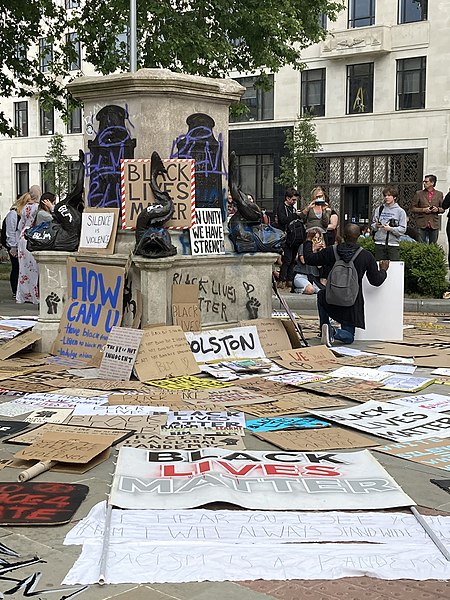
2020 (May/June) Following the arrest and murder of George Floyd in Minneapolis in the US by a white police officer, Derek Chauvin, protests erupt across America and quickly spread around the world, fuelling the Black Lives Matter movement.
2020 (June) Demonstrators in Bristol tear down the statue of 17th-century slave trader Edward Colston, who had personally been involved in transporting 84,000 people into slavery, and throw it into the nearby River Avon.
Consultant: Philip Parker
pics

Without in any way limiting Q-files Ltd’s exclusive rights under copyright, any use of this publication to “train” generative artificial intelligence (AI) technologies to generate text is expressly prohibited. Q-files Ltd reserves all rights to license use of this work for generative AI training and development of machine learning language models.