
British history

CITE
We have made every effort to follow citation style rules, but there may be some minor differences. If in doubt, please refer to the appropriate citation style manual.
Roman Britain. (2026). In Q-files Encyclopedia, History, British history. Retrieved from
https://www.q-files.com/history/british-history/roman-britain
"Roman Britain." History, British history, Q-files Encyclopedia, 27 May. 2026.
https://www.q-files.com/history/british-history/roman-britain.
Accessed 26 Oct. 2026.
Roman Britain 2026. History, British history. Retrieved 26 October 2026, from
https://www.q-files.com/history/british-history/roman-britain
History, British history, s.v. "Roman Britain," accessed October 26, 2026.
https://www.q-files.com/history/british-history/roman-britain


Roman Britain
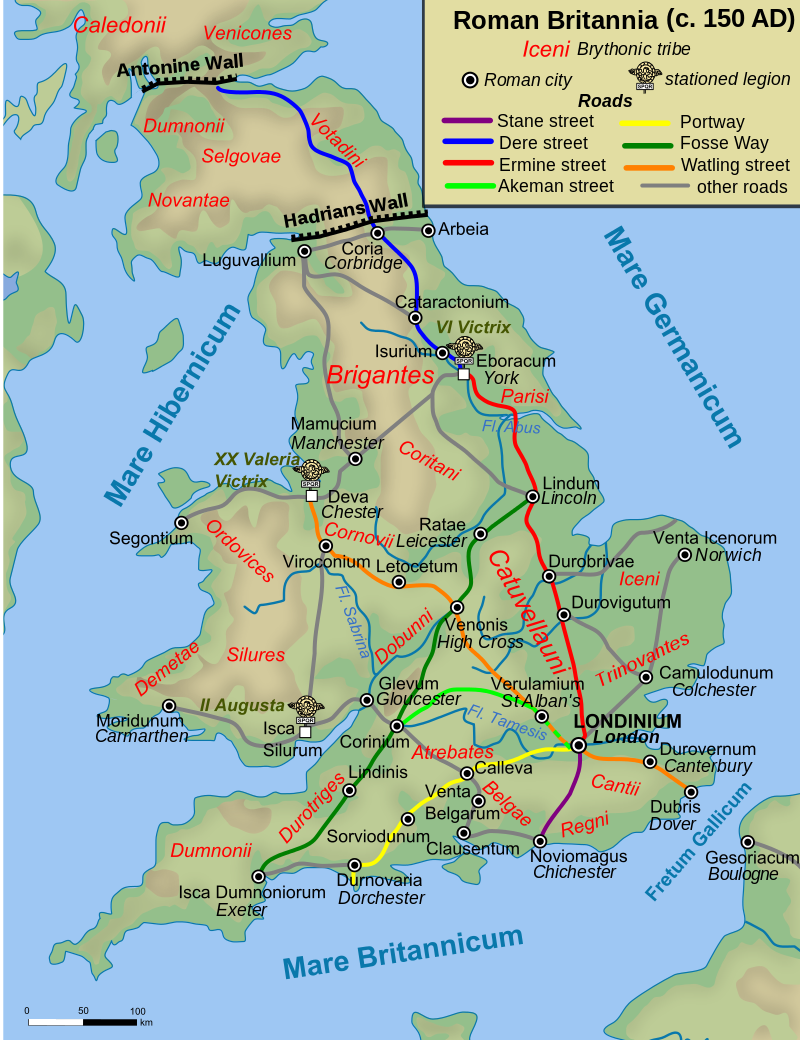
For almost 400 years after AD 43, Britain was part of the Roman Empire. Governed from the capital, Londinium (London), the Roman province of Britannia saw many years of peace. Garrisons of Roman soldiers put down rebellions when they did occur. Trading links with the rest of the empire brought wealth to Britain. Metals such as gold, silver, iron, copper and lead, agricultural products, oysters and salt were exported in return for products like pottery, glassware, olive oil and salted fish. Local people continued to worship their Celtic gods, but also joined in the worship of the Roman gods and emperors. Most Britons had become Christian, the religion of the Roman Empire after 325, by the beginning of the 400s.

The Roman invasions
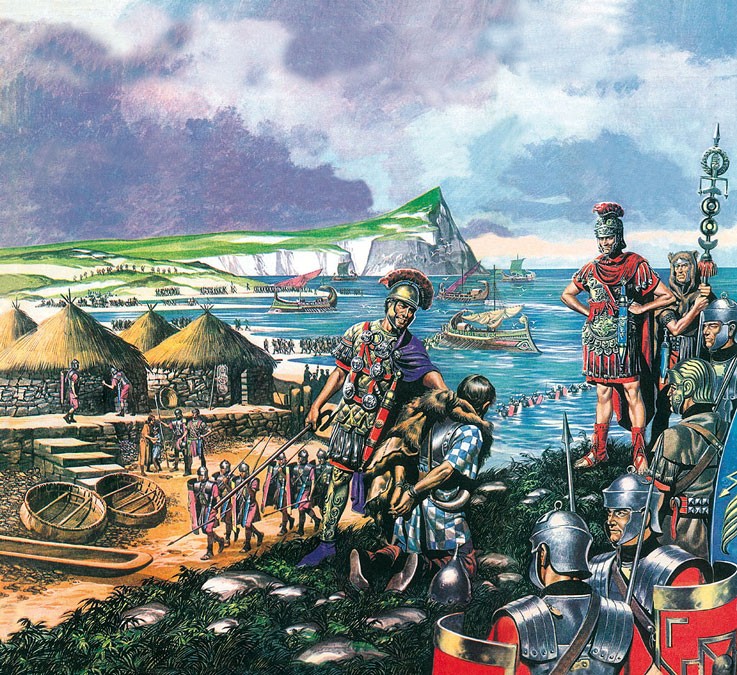
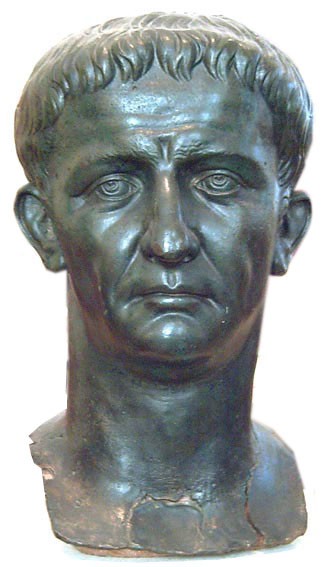
In 55 BC, British tribes sent men to fight with the Gauls in France against the invading Roman army of Julius Caesar. In response, Caesar sent a mission to Britain to punish them. The following year, he returned with a large army and defeated the British north of the River Thames before returning to France. Rome then forgot about Britain until Claudius became emperor in AD 41. He wanted a military victory to establish himself in power, so in AD 43 he decided to send a large army to conquer Britain. The Romans landed in Kent, marched north across the Thames and on to Colchester, where they defeated the powerful ancient British kingdom of the Catuvellauni. From then on, the Romans gradually extended their power throughout what is now England and Wales.
Boudicca
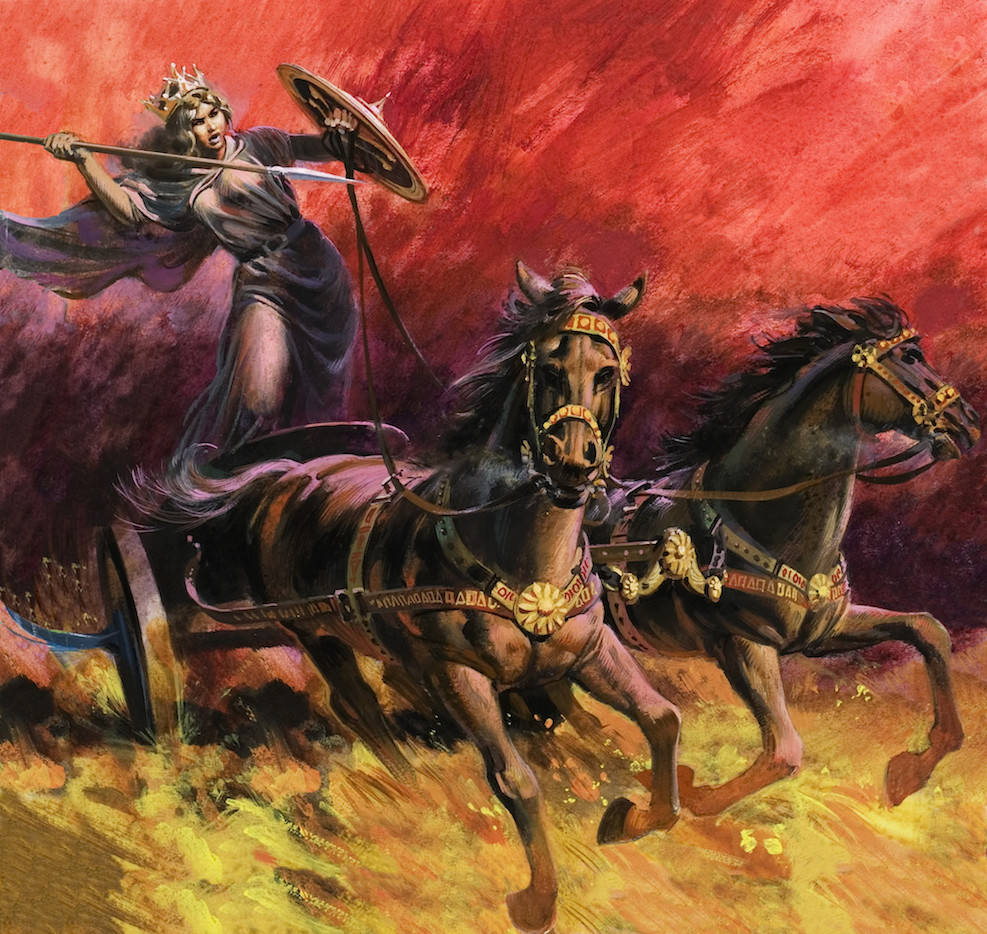
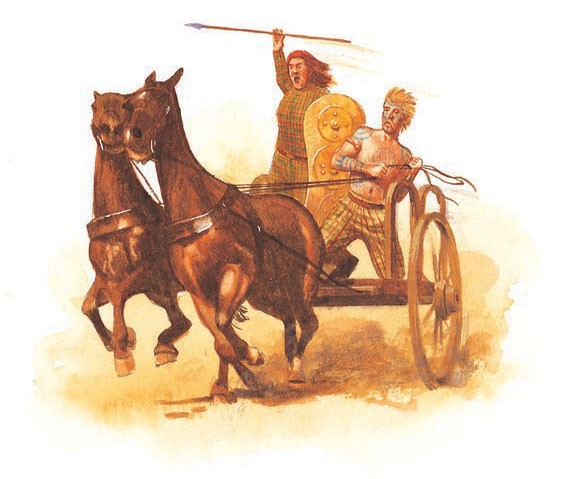
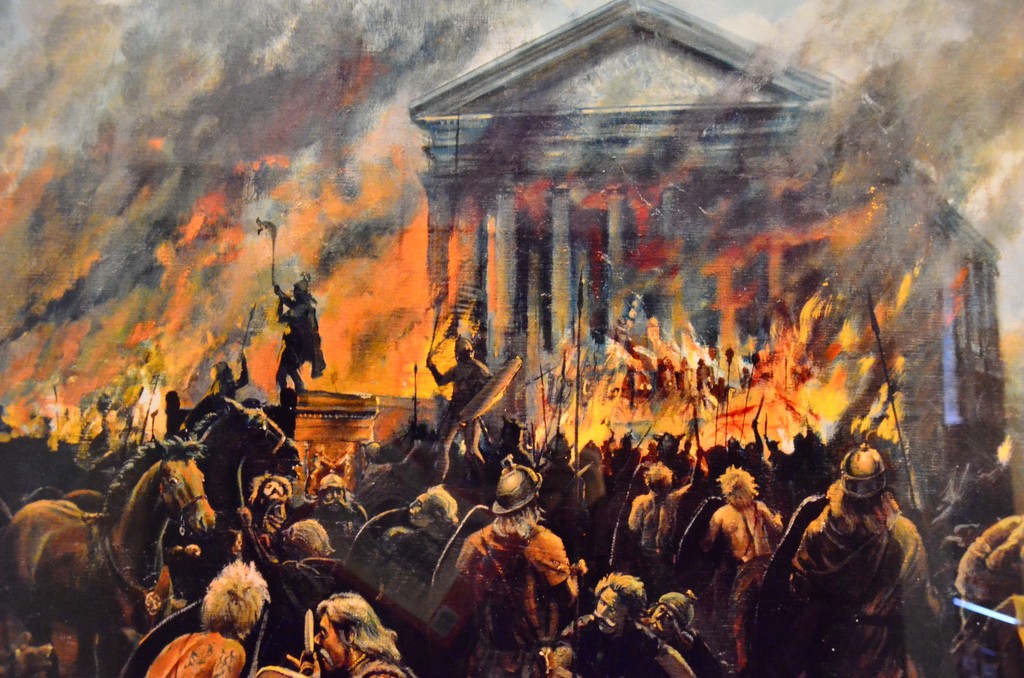
In around AD 60, the Iceni tribe of eastern Britain rose in revolt against the Romans. The king of the Iceni had died and left his kingdom jointly to his daughters and to the Roman Emperor. The Romans ignored his wishes and took over the kingdom entirely. The old king's wife, Boudicca, led the rebellion. Her armies destroyed Colchester, London and St Albans. Eventually, the Romans overcame the Iceni and their allies at the Battle of Watling Street. Boudicca killed herself and the rebellion ended.
Hadrian's Wall
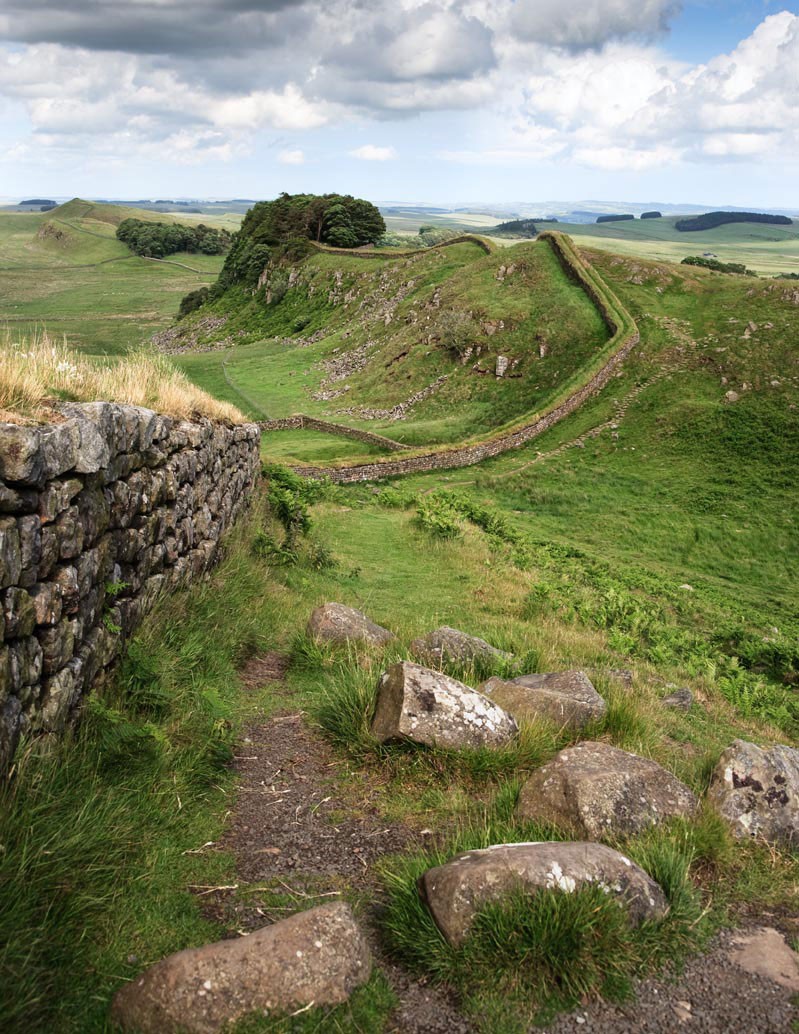
In AD 122, Emperor Hadrian ordered the construction of a long wall along the entire northern border of Roman Britain. The wall was designed to mark the border with Scotland and to control the movement of Scots to the north. The wall, which stretched from the Irish Sea to the North Sea, was 118 kilometres (74 miles) long, 3 metres (10 feet) wide and up to 6 metres (20 feet) high. It was built mainly of stone. Forts, such as Vindolanda, and watchtowers along its length housed soldiers on the lookout for hostile barbarians. Much of Hadrian's Wall still stands today.
Roman fort
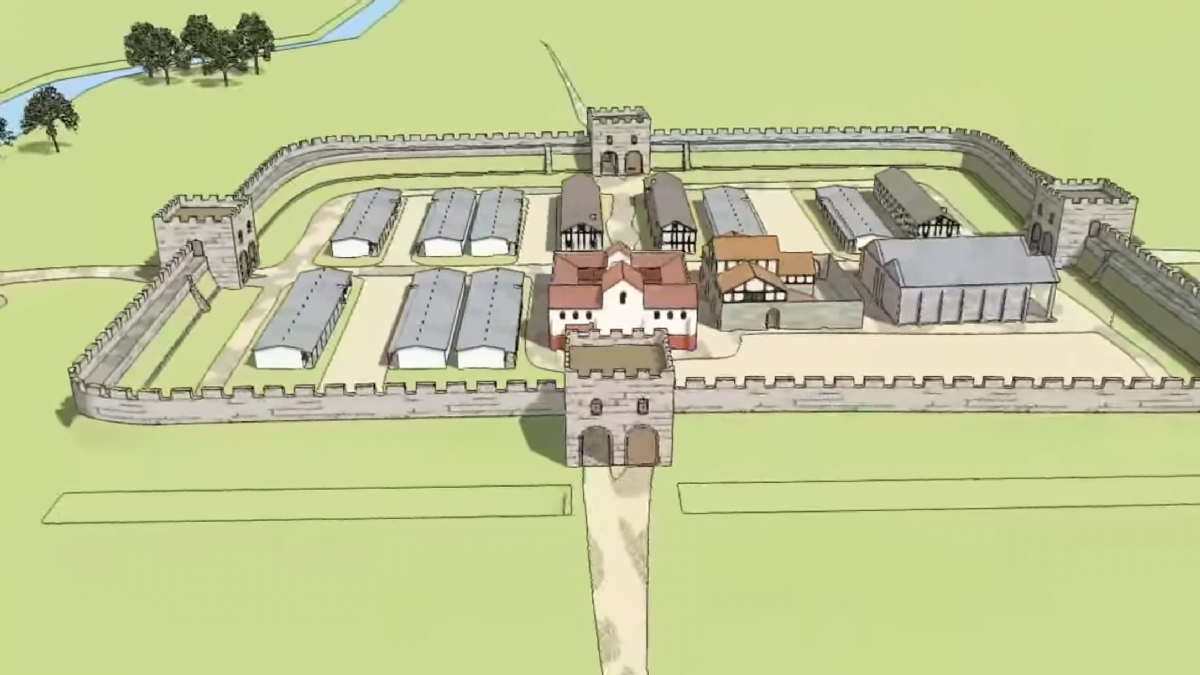
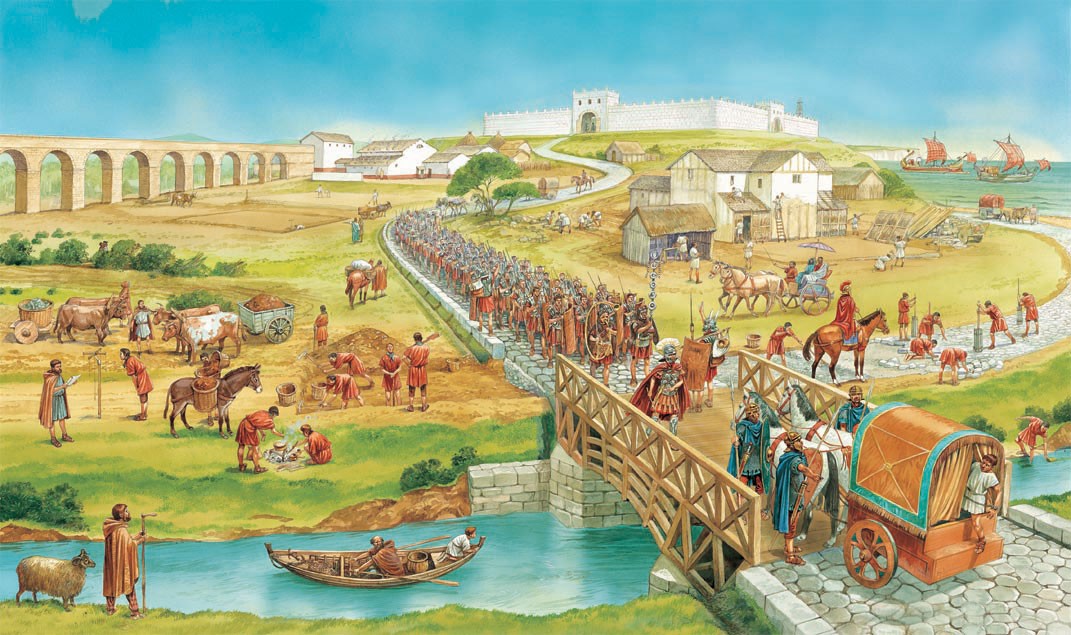
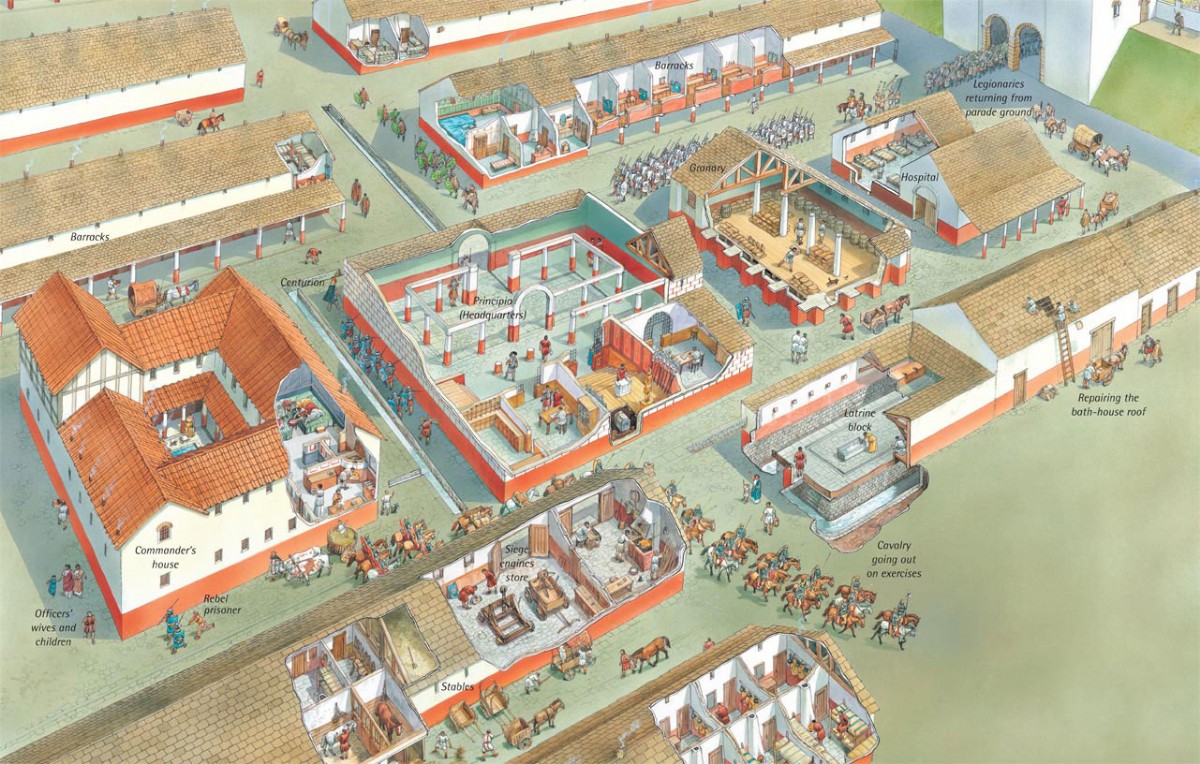
The Roman army built forts across Britannia. Some could house up to 800 men. From these forts, the army was able to supervise a large area. A fort, protected by a surrounding ditch and wall, included a hospital, bathhouse, granary (for storing grain), barracks (where the soldiers slept) and stables. Every camp had a wide "main street", which ran through the camp in a north–south direction.
The praetorium, the grandest building in the fort, was the home of the commanding officer. Luxuriously furnished it had underfloor hypocaust heating and its own bath-house. The principia, or headquarters of the fort, housed the chapel, a strongroom and offices for the standard bearers, who were also the army’s treasurers.
Villages often grew up next to the larger, permanent forts. They were home to people who were not soldiers (civilians) but who provided essential goods or services for the army. These settlements had shops, bakeries, houses, workshops, temples and taverns.
The Latin word for a fort was castrum (plural castra). Many of the towns of England, which grew up around the forts, include forms of the word castra in their names, usually as -caster, -cester or -chester. Lancaster, Tadcaster, Worcester, Gloucester, Colchester and Manchester are a few of many examples.
Roman London
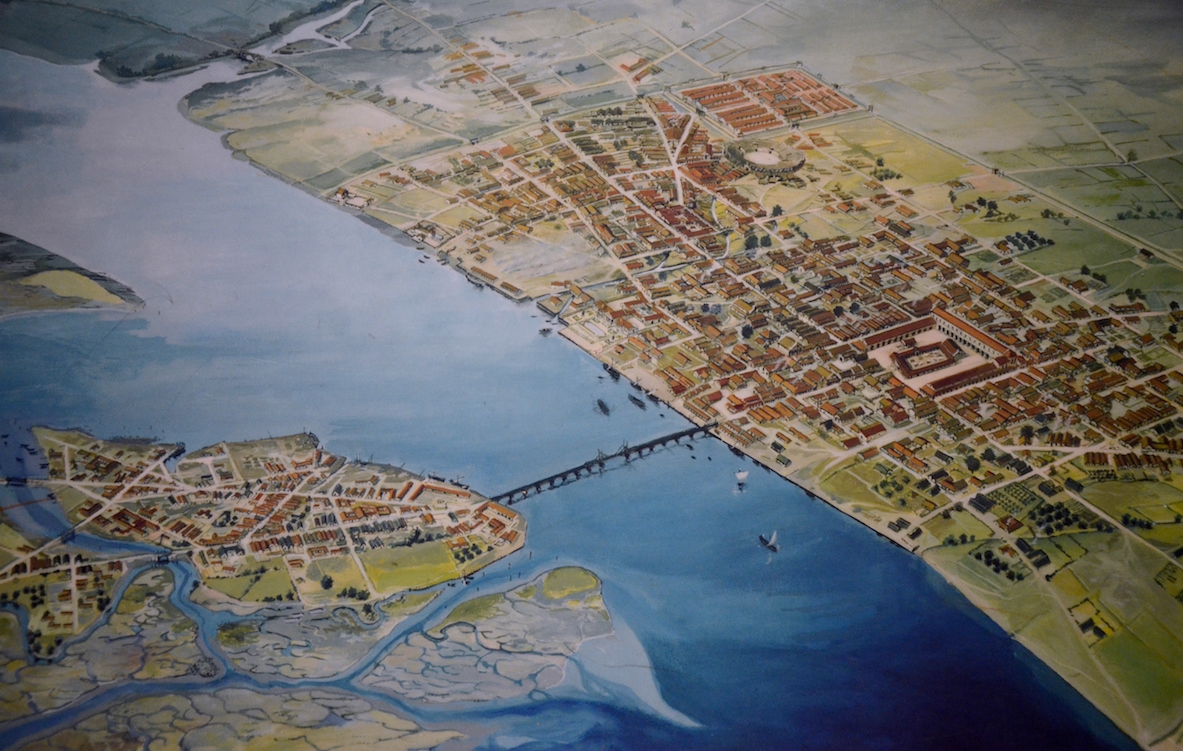
Soon after their conquest of Britain, the Romans began to build a town on the north bank of the River Thames at the river’s lowest crossing point. Known as Londinium, the new town had a large amphitheatre for games and gladiator fights, a forum or open space for public gatherings, markets, baths, temples and a number of grand public buildings. A bridge connected the town to the south bank of the Thames and, when it was completed by AD 255, a 6-metre (20-foot) high wall stretched for 2.5 kilometres (1.5 miles) around Londinium. The remains of the wall roughly form the boundary of the City of London today.
Roman towns
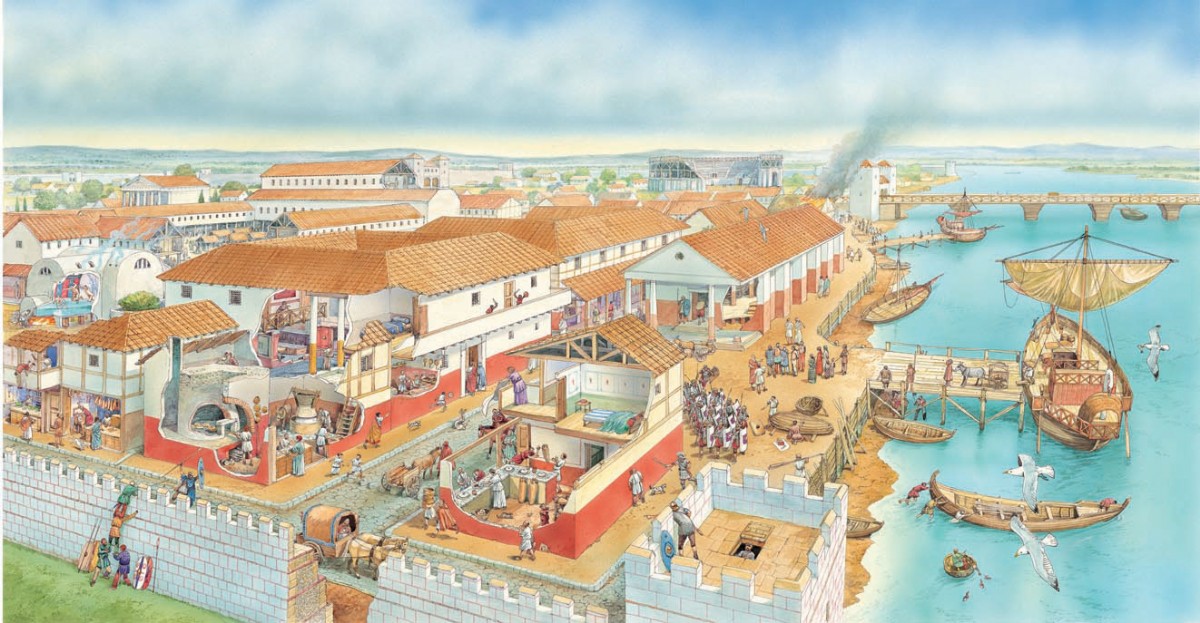
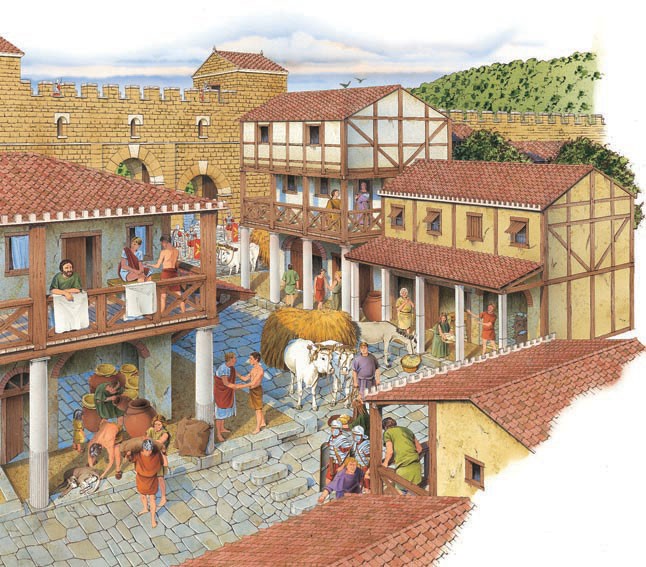
The Romans built towns of stone and brick across Britannia, such as Eboracum (York), Camulodunum (Colchester) and Verulamium (St Albans). They filled them with houses, grand public theatres, baths and other fine buildings laid out in a grid pattern around the forum, a central meeting square. The basilica (town hall) and public temple overlooked the forum. There were also many shops, bars, restaurants and craft workshops. Farmers from the countryside brought their produce into the towns to sell at the market.
Wealthy Romans lived in comfortable, spacious townhouses, but poor people lived in small and cramped apartment blocks, called insulae. Most apartments had no running water or toilets, so people used public baths and lavatories, and fetched fresh water from public fountains on street corners. Apartments had no stoves for cooking either, because the risk of fire in these buildings was too great, so people bought takeaways from a thermopolium (snack bar).

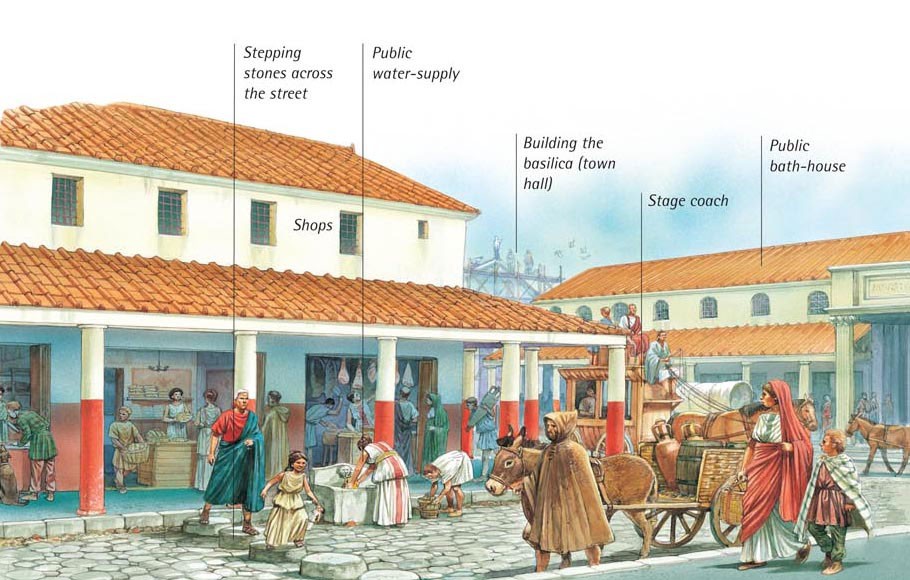
Roman towns had drains and sewers, but waste was still dumped straight into the street. People crossed streets using stepping stones to avoid getting too dirty. The wealthiest Romans travelled by carriage or in litters (portable chairs) carried by slaves. Clean water was brought into the town from a nearby river or lake through a system of pipes and channels.
Roman Bath
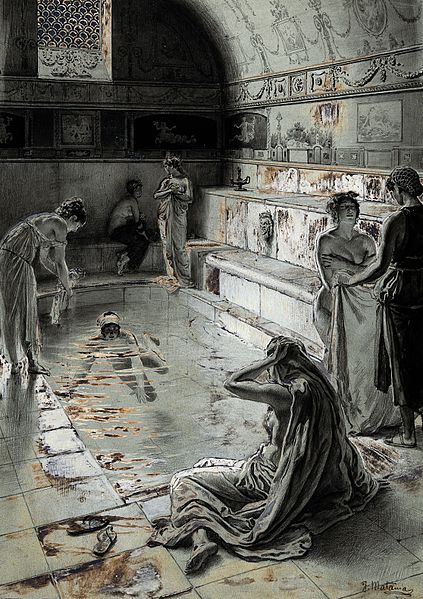
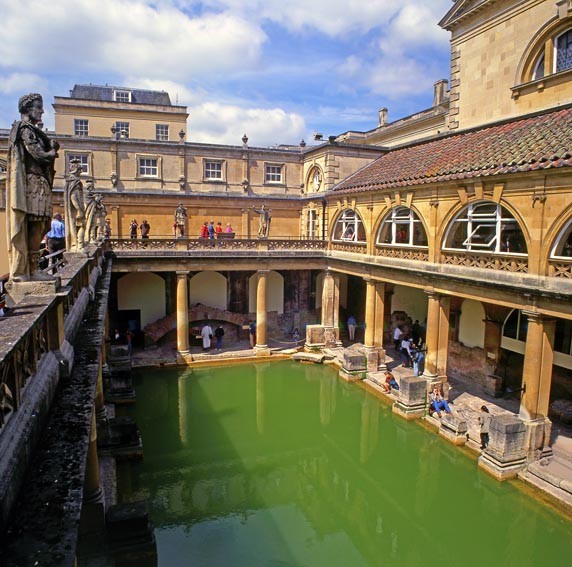
The Roman baths in Bath date back to Celtic times (the buildings above the level of the pillar bases are of 18th-century construction). The water that bubbles up from the ground falls as rain on nearby hills. It percolates down through the rock to a depth of up to 4300 metres (14,000 feet), where it is heated. Under pressure, the heated water rises to the surface along faults in the limestone. The Celts built a shrine at the hot springs dedicated to the goddess Sulis.
After the Roman conquest, the town that grew up on the site was named Aquae Sulis ("the waters of Sulis"). A temple was built around the springs in around AD 70. It was enclosed within a bath-house In the 2nd century.
Roman roads
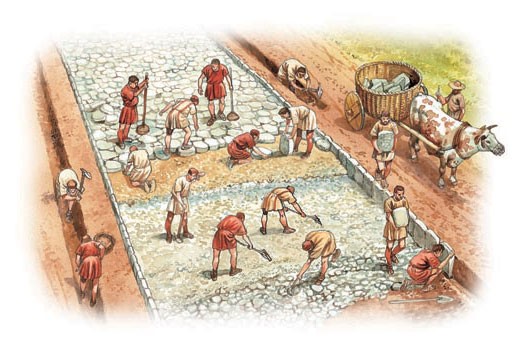
The Romans were great engineers, creating straight, paved roads across the British countryside that allowed their soldiers to march quickly from place to place and in all seasons. The road network also made the transportation of goods around Britain much easier. The earliest roads connected Londinium with the ports such as Chichester and with the military bases at Colchester, Lincoln (Lindum), Wroxeter (Viroconium), Gloucester and Exeter. The Fosse Way, which ran from Exeter to Lincoln, was built to connect these bases with each other.
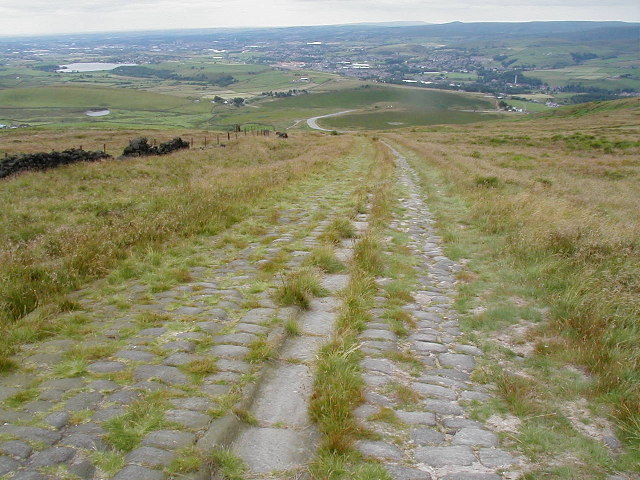
A large number of Roman roads remained in daily use long after the end of Roman rule in Britain. Some routes are now part of the UK's national road network, while others are tracks or have been lost.
Roman villas
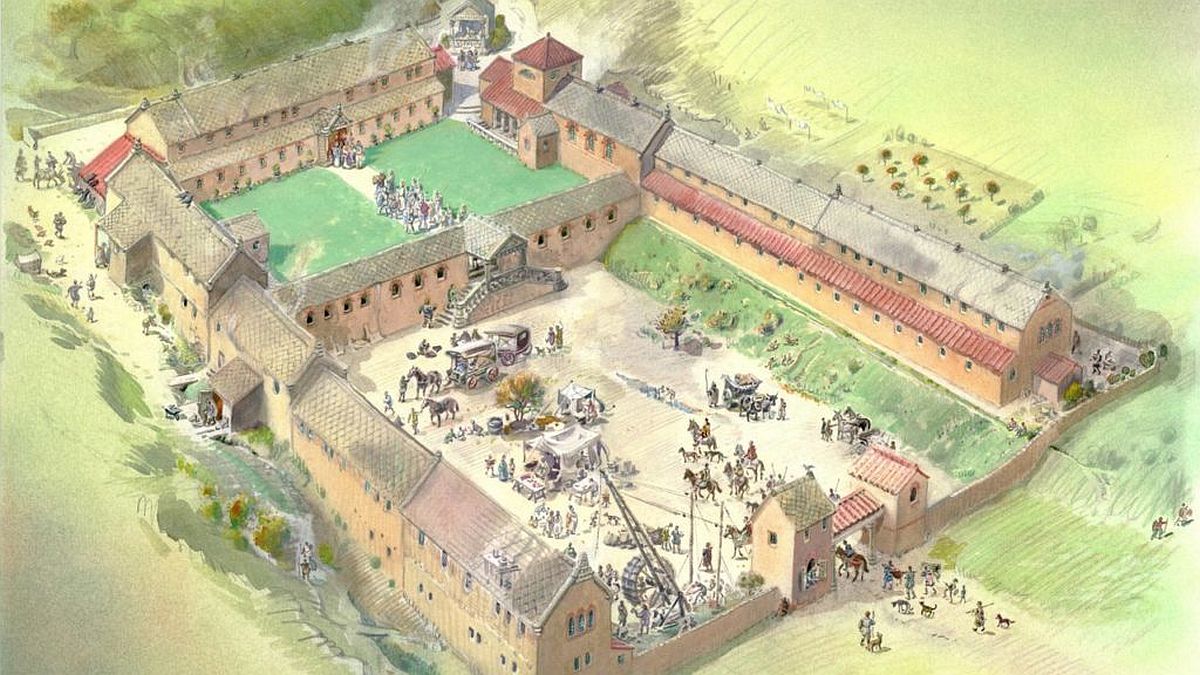
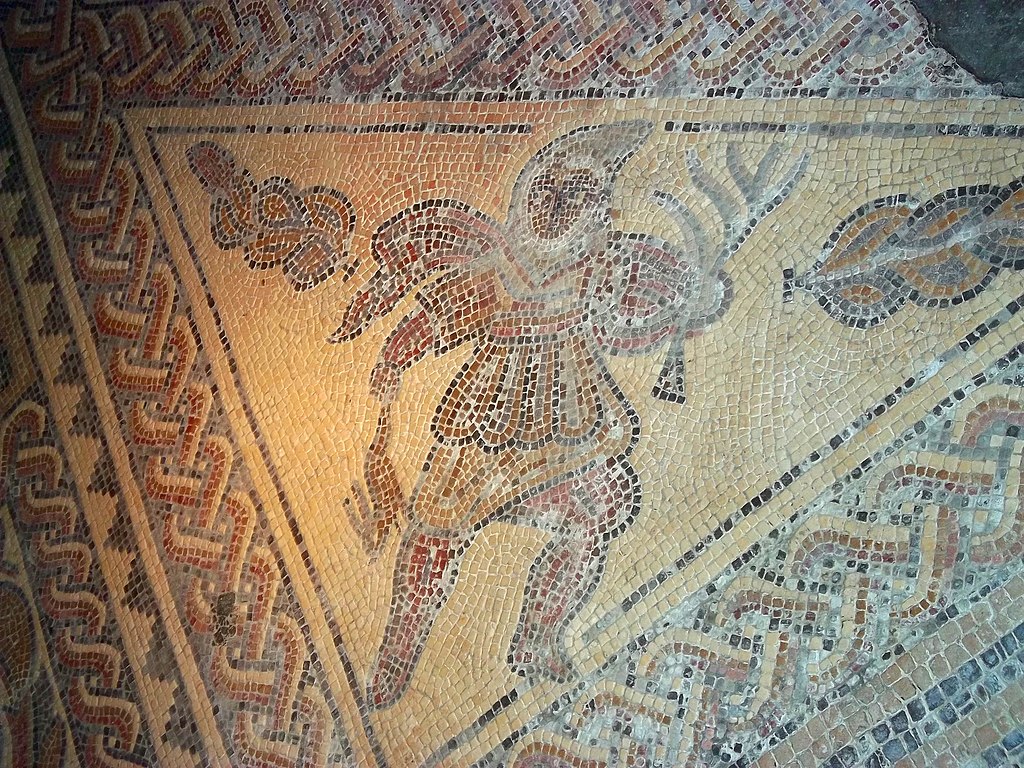
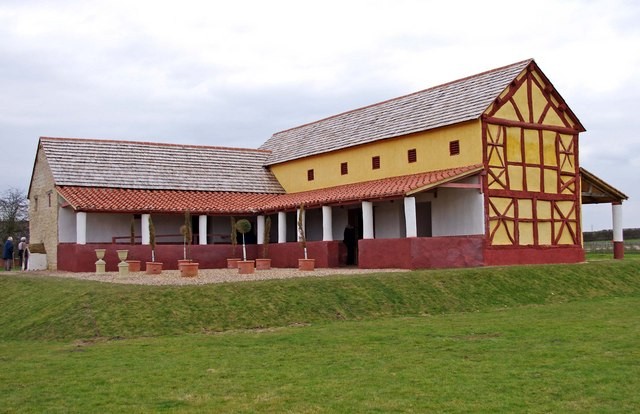
Rich Romans built luxury villas in the countryside to live in. Hundreds of villas were built across Britannia and the remains of some of them survive today. Chedworth Roman Villa, Gloucestershire, is one of the largest Roman villas ever discovered (accidentally, in 1864) in Britain. It was situated close to a natural spring just off the Roman road known as the Fosse Way, north of the important town of Corinium Dobunnorum (present-day Cirencester).
The home of a very wealthy person, the villa was built in phases from the early 2nd century to the 5th century. The west wing, built in the 4th century, contained a dining room (triclinium) with a fine mosaic floor and hypocaust heating, and two bathing suites.
The Roman withdrawal
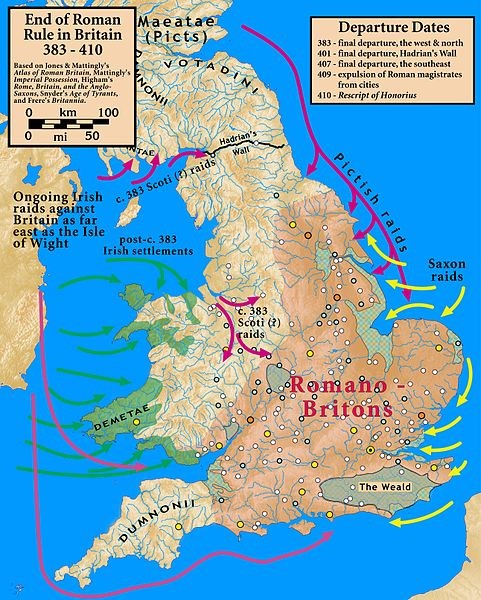
In AD 375, the Roman Empire was invaded by the Visigoths, a Germanic tribe from northern Europe. Other Germanic tribes, including the Goths and Vandals, followed them, raiding imperial lands and attacking towns and cities. In 410, Rome itself was sacked (robbed) by the Visigoths. The empire could no longer defend all its territories. Army units were withdrawn, the Roman government collapsed and Emperor Honorius told the British that they had to organize their own defence. With no strong government, the former Roman province slowly fell apart and was gradually conquered by incoming Angles, Saxons, Jutes and other tribes from Germany, Denmark and the Netherlands.
Consultant: Philip Parker
Timeline of Roman Britain
55–54 BC
Julius Caesar leads two Roman military expeditions to Britain. The campaign is to punish the British tribes who sent men to fight with the Gauls in France against the Roman invaders.
43 AD
Emperor Claudius orders four legions to conquer Britain. An army of four legions and approximately 20,000 auxiliaries, commanded by senator Aulus Plautius, landed at Richborough, Kent. They meet a large army of Britons led by the Catuvellauni kings Caratacus and his brother Togodumnus, on the River Medway. The Britons are defeated. Togodumnus dies and Caratacus flees to Wales. The capital of the Catuvellauni tribe, present-day Colchester, falls to the Roman invaders, a few months later.
44
Roman general Vespasian captures the Dorset hill forts
47
Ostorius Scapula, Roman Governor of Britain, orders the Iceni tribe to surrender their weapons even though they are the Romans' allies. A revolt by the tribesmen is quickly put down.
47–50
London (Londinium) is founded and a bridge built across the River Thames. Roads, such as Watling Street, Ermine Street, Stane Street and Fosse Way, are completed.
48
The whole of present-day southern England is under Roman control.
51
Caratacus, leading the opposition to the Romans in the west of Britain, is defeated by Scapula and captured.
c. 60
Boudicca leads a rebellion of the Iceni against the Romans. After burning down Colchester, London and St Albans, she is defeated at the Battle of Watling Street.
71
Roman forces defeat the Brigantes tribe under Venutius, giving them control of Northern England.
78
The Roman army defeats the Ordovices and Silures tribes of Wales. The Romans then invade Mona (Anglesey) and destroy the last major centre of the druids, religious leaders.
84
Roman forces led by Gnaeus Julius Agricola defeat Caledonian tribes at the Battle of Mons Graupius, in the Scottish Highlands. Agricola then withdraws south.
122
Emperor Hadrian orders the construction of a wall to strengthen the the northern defences of Roman-occupied Britain.
142
Construction of the Antonine Wall, north of Hadrian's Wall, begins. It is abandoned in 163.
211
Britain is divided into two separate provinces: Britannia Superior, with London as its capital, and Britannia Inferior, with York as its capital.
255
London's city wall is completed.
296
Roman forces under Constantius Chlorus defeat and kill Allectus, who had taken control of Britain in defiance of Rome. Roman rule is fully restored by Constantius's son, Constantine (declared Roman Emperor in 306).
367
Picts from Scotland, Attacotti from the Western Isles, Scots from Ireland, and Franks and Anglo-Saxons from Germany all launch attacks on Roman legions, overwhelming their frontier defences. They are driven out by Theodosius, but the uprisings and invasions continue.
401–410
Roman troops are withdrawn from Britain. In 410, with Angles, Saxons, Picts and Scots, continuing to invade, Britain appeals to Emperor Honorius for help. Honorius replies telling them to "look to their own defences". This is seen as marking the end of Roman rule in Britain.
pics
Without in any way limiting Q-files Ltd’s exclusive rights under copyright, any use of this publication to “train” generative artificial intelligence (AI) technologies to generate text is expressly prohibited. Q-files Ltd reserves all rights to license use of this work for generative AI training and development of machine learning language models.