
British history

CITE
We have made every effort to follow citation style rules, but there may be some minor differences. If in doubt, please refer to the appropriate citation style manual.
Georgian Britain. (2026). In Q-files Encyclopedia, History, British history. Retrieved from
https://www.q-files.com/history/british-history/georgian-britain
"Georgian Britain." History, British history, Q-files Encyclopedia, 30 Mar. 2026.
https://www.q-files.com/history/british-history/georgian-britain.
Accessed 26 Oct. 2026.
Georgian Britain 2026. History, British history. Retrieved 26 October 2026, from
https://www.q-files.com/history/british-history/georgian-britain
History, British history, s.v. "Georgian Britain," accessed October 26, 2026.
https://www.q-files.com/history/british-history/georgian-britain


Georgian Britain
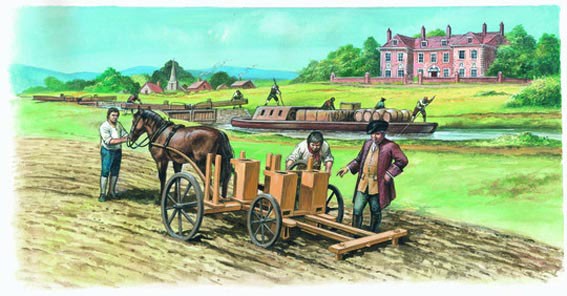
In 1714, a dynasty of kings from Hanover in Germany took the throne in Britain: the first of them was George I, who spoke no English. The Hanoverians came from a landlocked country (the state of Hanover had no coastline) with no parliament, so found Britain a strange and foreign island. Despite these handicaps, they worked hard to learn British ways. Under the six Hanoverian monarchs, Britain became the world’s first industrial country and built a worldwide empire. The country prospered and became the most powerful in the world.
The Hanoverian succession
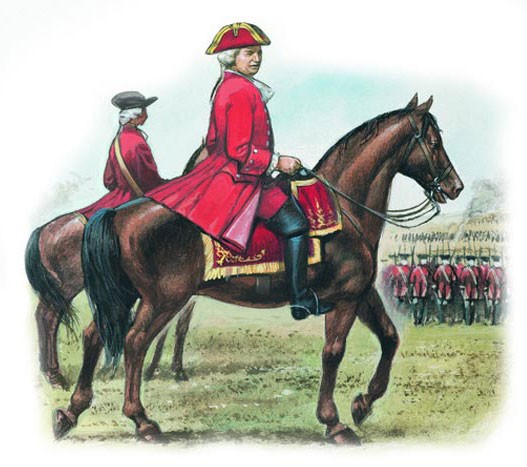
In 1701, the English parliament passed the Act of Settlement. This stated that if Anne, the heir to the throne, had no surviving children herself, the throne would pass to her distant German relative, the Protestant Electress of Hanover, Sophia. When Sophia died in 1714, the succession passed to her son George. Queen Anne died childless later the same year, so George became the first Hanoverian king of England and Scotland as George I.
The office of
prime minister
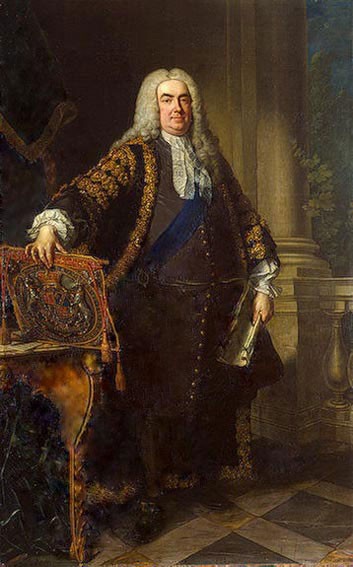
During the reign of Charles II (1660–85), the king had begun to meet regularly with his senior ministers in his private apartments, or cabinet. Under King William and Queen Mary, this cabinet of ministers took charge of all government business and held weekly meetings presided over by the monarchs. Cabinet members were usually drawn from the political party that had the largest number of members of parliament. When George I became king in 1714, he was unable to chair the cabinet meetings as he spoke no English. As First Lord of the Treasury from 1721 to 1742, Robert Walpole took over the role and became in effect the first prime minister.
The Jacobite risings
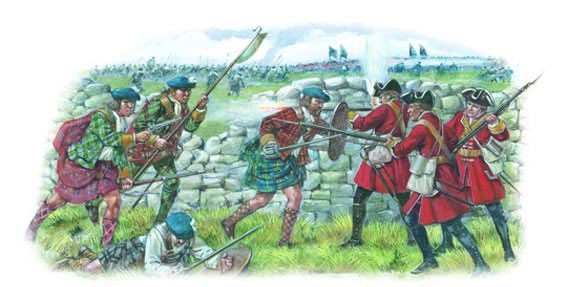
In 1688, the Catholic James II was thrown out in the Glorious Revolution and replaced by his Protestant daughter, Mary, and her husband William. In 1715, James II’s son, James Edward Stuart, known as the Old Pretender, rose in revolt against the Hanoverian kings. His supporters were called the Jacobites. The rising was crushed.
James Edward Stuart's son, Charles Edward Stuart, the Young Pretender, known as "Bonnie Prince Charlie", had more success when he rose in revolt in 1745. He raised an army in Scotland and reached as far south as Derby before he was forced to turn back. His supporters were then heavily defeated at Culloden in Scotland in 1746 and Charles was lucky to escape into exile in Europe.
George III
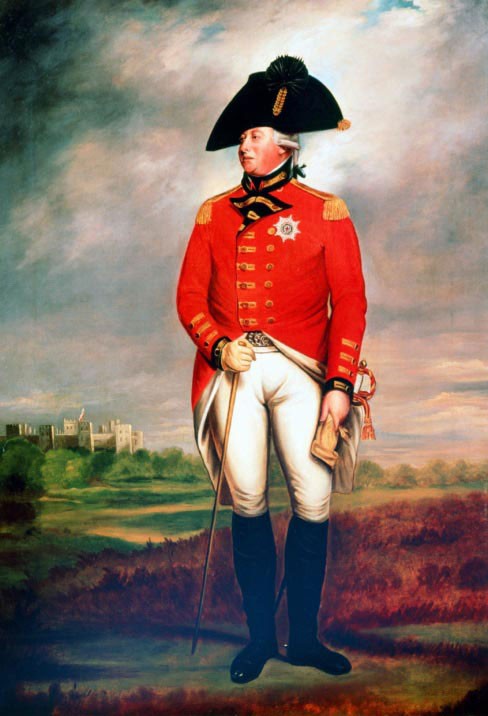
In 1760, George III succeeded his grandfather George II as king. He was the first Hanoverian monarch to be born in England and he spoke English, although with a heavy German accent. He took his royal role seriously and tried to rule in the correct way, working with Parliament. He did, however, sometimes interfere in politics and had problems finding suitable ministers to lead his government. During his long reign of 60 years, Britain became a world power with a large empire and a rich industrial economy.
Georgian towns
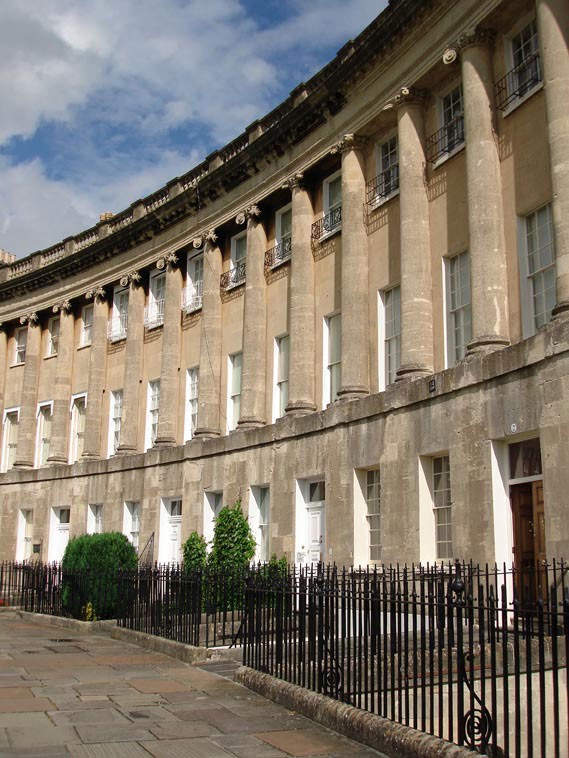
The Georgians were skilled town planners, building streets and crescents of beautiful terraced houses, notably in Bath. In Edinburgh, an entire new town was laid out next to the old town. Stately homes were built in the countryside in various European styles. These houses were often filled with finely crafted furniture made by Thomas Chippendale, George Hepplewhite and Thomas Sheraton. Painters such as Thomas Gainsborough and Joshua Reynolds painted the occupants of these grand homes.
The Seven Years’ War
From the 1600s onwards, both Britain and France had acquired colonial possessions in North America, Africa and India. In 1754, a colonial war broke out in North America between Britain and France. The war then spread to Europe in 1756 and widened in scope when Britain’s ally Prussia attacked Saxony, bringing neighbouring Austria into the war on the French side. Other European countries also joined in, making this the first truly world war in history.
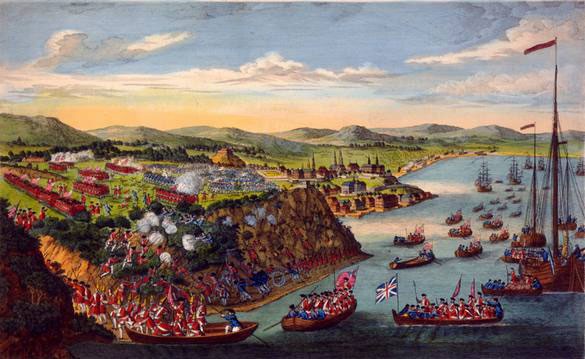
The war was bitterly fought, the British gaining great victories over the French at Québec in Canada in 1759 and in India in 1760. By the Treaty of Paris that ended the conflict in 1763, Britain gained Canada from France, Florida from Spain, and ended French influence in India. Britain now dominated North America and India and was quickly building a major world empire.
The loss of America
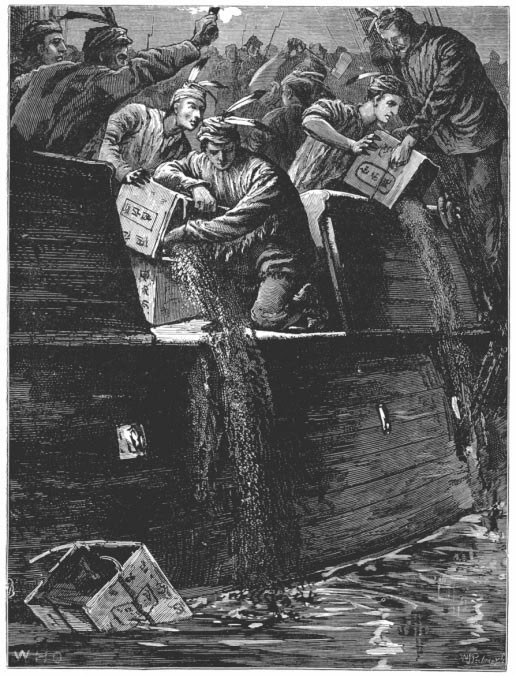
After the end of the Seven Years’ War in 1763, Britain dominated the whole of North America. It decided to increase taxes in its American territories, known as the Thirteen Colonies, in order to pay for their defence. In response, the colonists demanded “No taxation without representation” in parliament. In 1773, some tipped a cargo of British tea into Boston Harbour in protest against the new taxes. The argument eventually led to war in 1775, the Thirteen Colonies declaring their independence in 1776. This was the first major revolt in the British Empire.
Despite their superior army and navy, the British were unable to defeat the colonists. After a major defeat at Yorktown in 1781, the British agreed in 1783 to recognize the independence of the new United States of America.
Gordon Riots
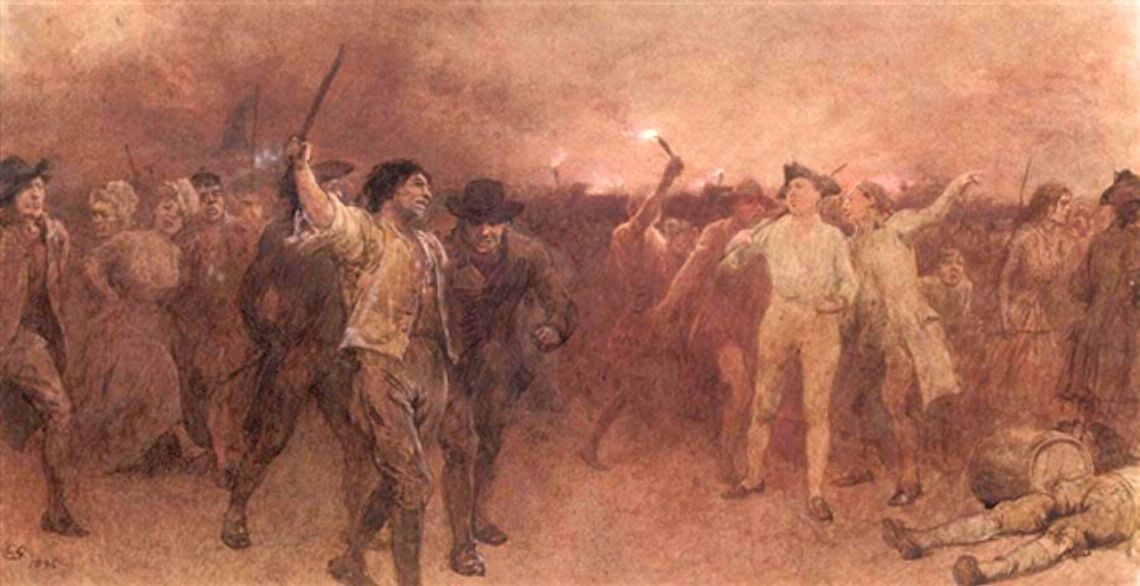
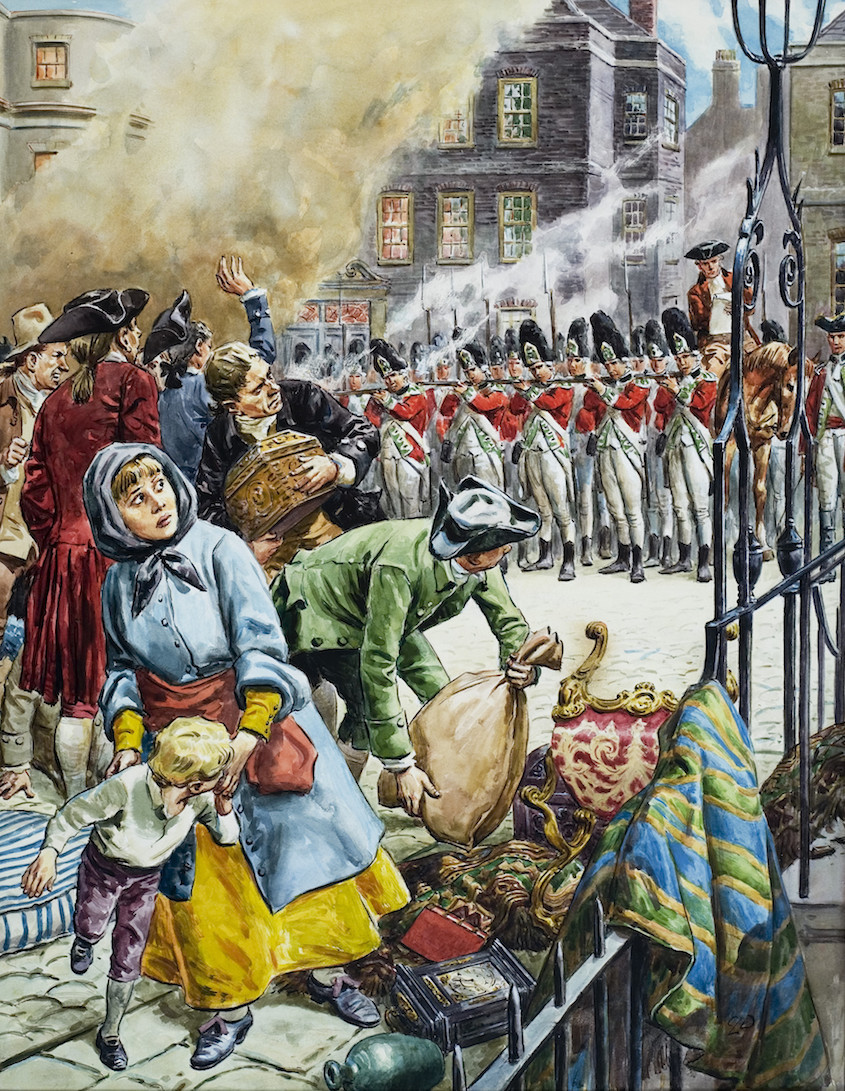
In 1780, anti-Catholic riots broke out in London. Known as the Gordon Riots, they began with a peaceful protest against the Papists Act of 1778. This Act released Catholics from having to take the religious oath when joining the British armed forces—a move intended to boost the recruitment of Catholics at a time, during the American War of Independence, when Britain's military forces were stretched thinly. Lord George Gordon, head of the Protestant Association, argued that the law would enable Catholics to join the army and plot treason (despite the fact that large numbers of Catholics, from Ireland and the Scottish Highlands, were already serving in the military).
A large crowd marched on the Houses of Parliament on 2nd June 1780. Later that day, Catholic chapels in foreign embassies were looted and set alight. Violent attacks on the district of Moorfields, home of many Catholic Irish immigrant workers, Newgate Prison and even an attempt on the Bank of England followed. Many of the rioters were poor Londoners protesting at rising prices and unemployment, while others were angry that Britain's war effort was being mishandled by the prime minister, Lord North. The army were called in on 7th June to suppress the riots. This resulted in 285 people being shot dead and 200 wounded.
Demands were later made for a London police force to be set up.
Wars against France
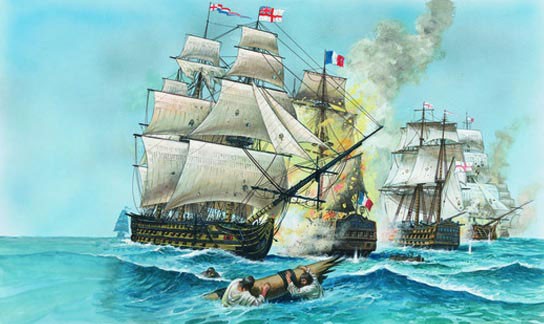
In 1789, revolution broke out in France and a republic was eventually set up. As other European countries expressed concern at events and offered support to the deposed French king, Louis XVI, the new republic of France decided to declare war first on Austria in 1792 and then Britain and the Netherlands in 1793. The war with France, after 1803 known as the Napoleonic Wars, lasted (except for a short gap) until 1815. Led by Napoleon Bonaparte, the French soon dominated mainland Europe, but were defeated at sea by Admiral Nelson and the British navy at Trafalgar in Spain in 1805. French forces were finally overcome by a joint British and Prussian army led by the Duke of Wellington at Waterloo in 1815.
Industrial Britain
During the late 1700s, Britain underwent an industrial revolution that completely transformed the country. Coal-powered steam engines now generated power to pump water from the mines and drive the many new machines in textile factories and iron foundries. Britain started to produce new industrial products, such as mass-produced textiles, ironware and pottery, that were exported around the world.
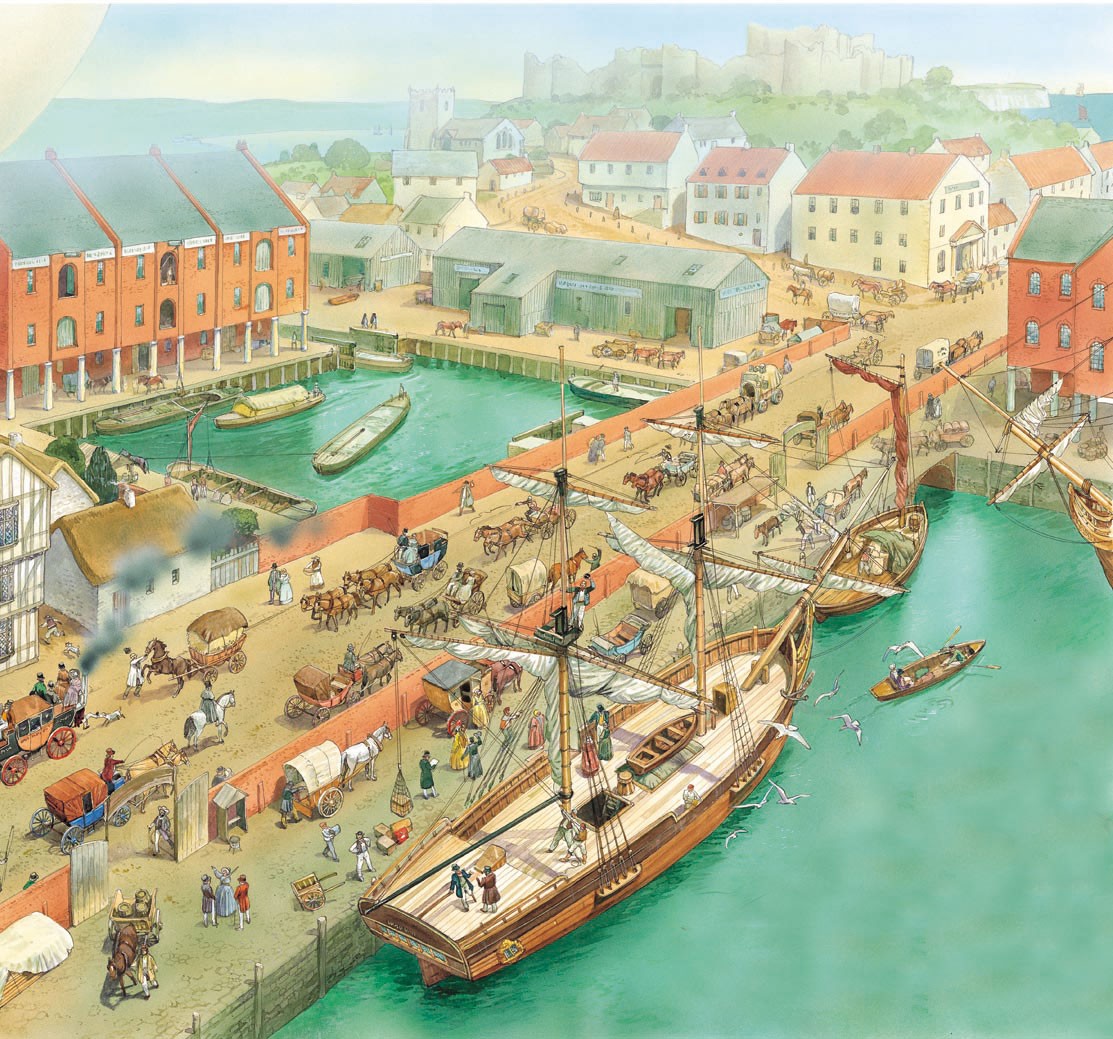
Many products were made in factories where thousands of people worked for long hours each day. This Industrial Revolution, as it has come to be known, transformed Britain from a rural, agricultural nation into an urban, industrial one, producing great wealth but also great hardship for many of its workers.
The Regency
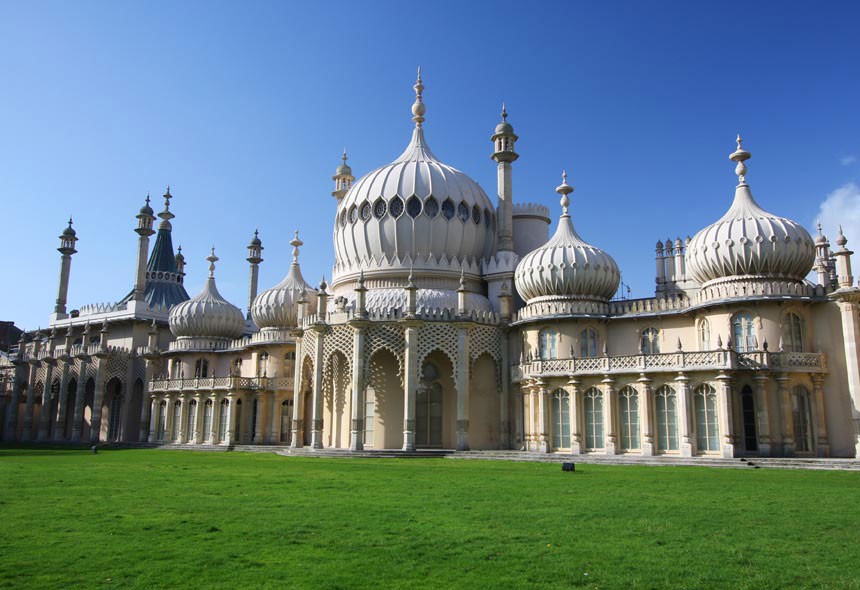
In 1788, George III suffered the first of a series of fits caused by an illness known as porphyria. By 1811, he had become unfit to rule, so his son George, Prince of Wales, took over as Prince Regent in his place. George was an extravagant prince, building a fabulous residence in Brighton, known as the Royal Pavilion. In 1795, George married Caroline of Brunswick, but they did not get on. When he became king in 1820, he excluded her from his coronation. On his death in 1830, George was succeeded by his younger brother, William, who had not expected to be king. He ruled for only seven years before he too died in 1837.
Ending the slave trade
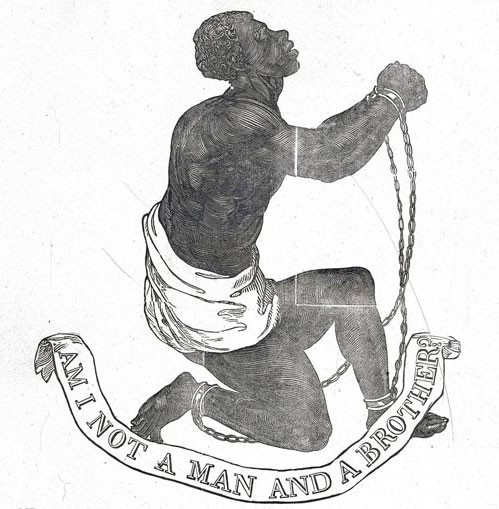
Between 1680 and 1783, millions of West Africans were shipped across the Atlantic in chains and sold as slaves in the Caribbean, South America and the British colonies in North America to work in the sugar and tobacco plantations. By the 1780s, two-thirds of these slaves were carried in British ships, a source of great wealth for the merchants of Bristol, Liverpool and other ports. At first, few people saw anything wrong with slavery, but a campaign began in the 1770s to end this barbaric trade. In 1807, Parliament ended the slave trade, but not slavery itself. After several efforts by William Wilberforce MP, slavery was eventually outlawed throughout the British Empire in 1833.
Corn Laws
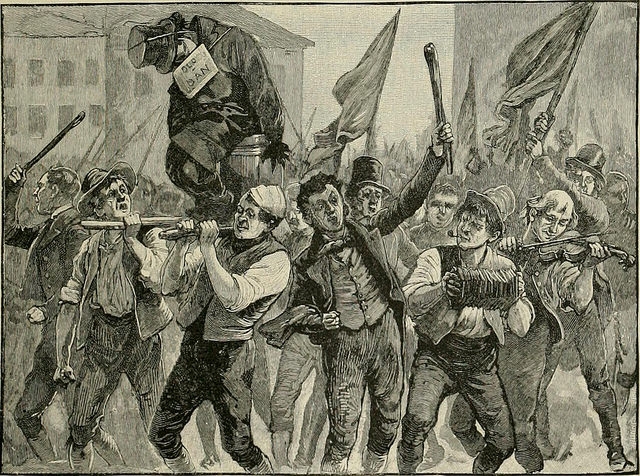
After the Napoleonic Wars ended in 1815, the price of cereal grain ("corn") fell. The government passed a series of Corn Laws. These imposed duties (taxes) on imports, making it expensive to buy grain from abroad. This kept the price of home-produced grain high, which favoured British farmers and landowners. In 1816, the "Year Without a Summer", caused by the eruption of Mount Tambora in Indonesia the previous year, saw a bad harvest and much-reduced crop yields in Britain. Because no grain could be imported, there were serious food shortages. This led to famine and riots.
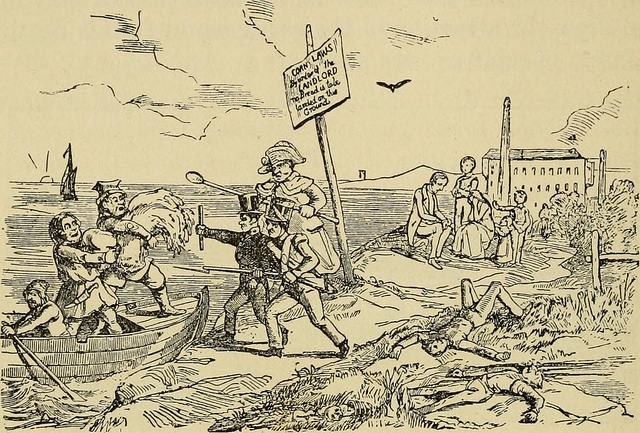
The Corn Laws remained deeply unpopular. Eventually, the onset of the Irish famine of 1845 forced an urgent need for new food supplies. In 1846 the Conservative Prime Minister, Sir Robert Peel, repealed (cancelled) the Laws, in the face of opposition from most of his own party.
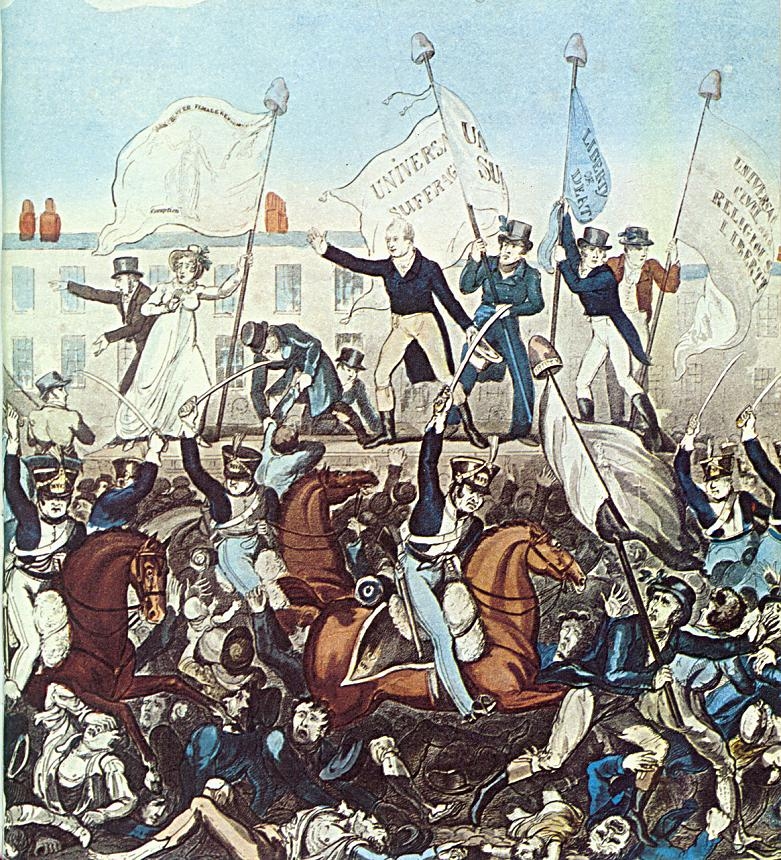
Peterloo Massacre
The years after the end of the Napoleonic Wars saw famine, worsened by the introduction of the Corn Laws and unemployment. By 1819, discontent at the poor economic conditions, combined with the lack of suffrage (the right to vote in elections) in Northern England, where many large cities had no representation in Parliament at all, led to the rise of protest movements. The Manchester Patriotic Union organized a demonstration at St Peter's Field, Manchester on 16th August 1819, to protest about the lack of parliamentary representation. Those who attended were to be addressed by Henry Hunt.
Shortly after the meeting began, the Manchester and Salford Yeomanry were summoned to arrest Hunt. During the disturbances that followed, the army, the 15th Hussars, was called in to disperse the crowd of between 60,000 and 100,000 people. They charged at the unarmed protesters with sabres drawn.
Eighteen people were killed (either at St Peter's Field, or shortly afterwards) and up to 700 were injured. The massacre was given the name "Peterloo" as a bitter comparison to the Battle of Waterloo, which had taken place four years earlier.
Consultant: Philip Parker
pics
Without in any way limiting Q-files Ltd’s exclusive rights under copyright, any use of this publication to “train” generative artificial intelligence (AI) technologies to generate text is expressly prohibited. Q-files Ltd reserves all rights to license use of this work for generative AI training and development of machine learning language models.