
History of London

CITE
We have made every effort to follow citation style rules, but there may be some minor differences. If in doubt, please refer to the appropriate citation style manual.
Georgian and Victorian London. (2026). In Q-files Encyclopedia, History, History of London. Retrieved from
https://www.q-files.com/history/history-of-london/georgian-and-victorian-london
"Georgian and Victorian London." History, History of London, Q-files Encyclopedia, 24 Apr. 2026.
https://www.q-files.com/history/history-of-london/georgian-and-victorian-london.
Accessed 6 Nov. 2026.
Georgian and Victorian London 2026. History, History of London. Retrieved 6 November 2026, from
https://www.q-files.com/history/history-of-london/georgian-and-victorian-london
History, History of London, s.v. "Georgian and Victorian London," accessed November 6, 2026.
https://www.q-files.com/history/history-of-london/georgian-and-victorian-london


Georgian and Victorian London
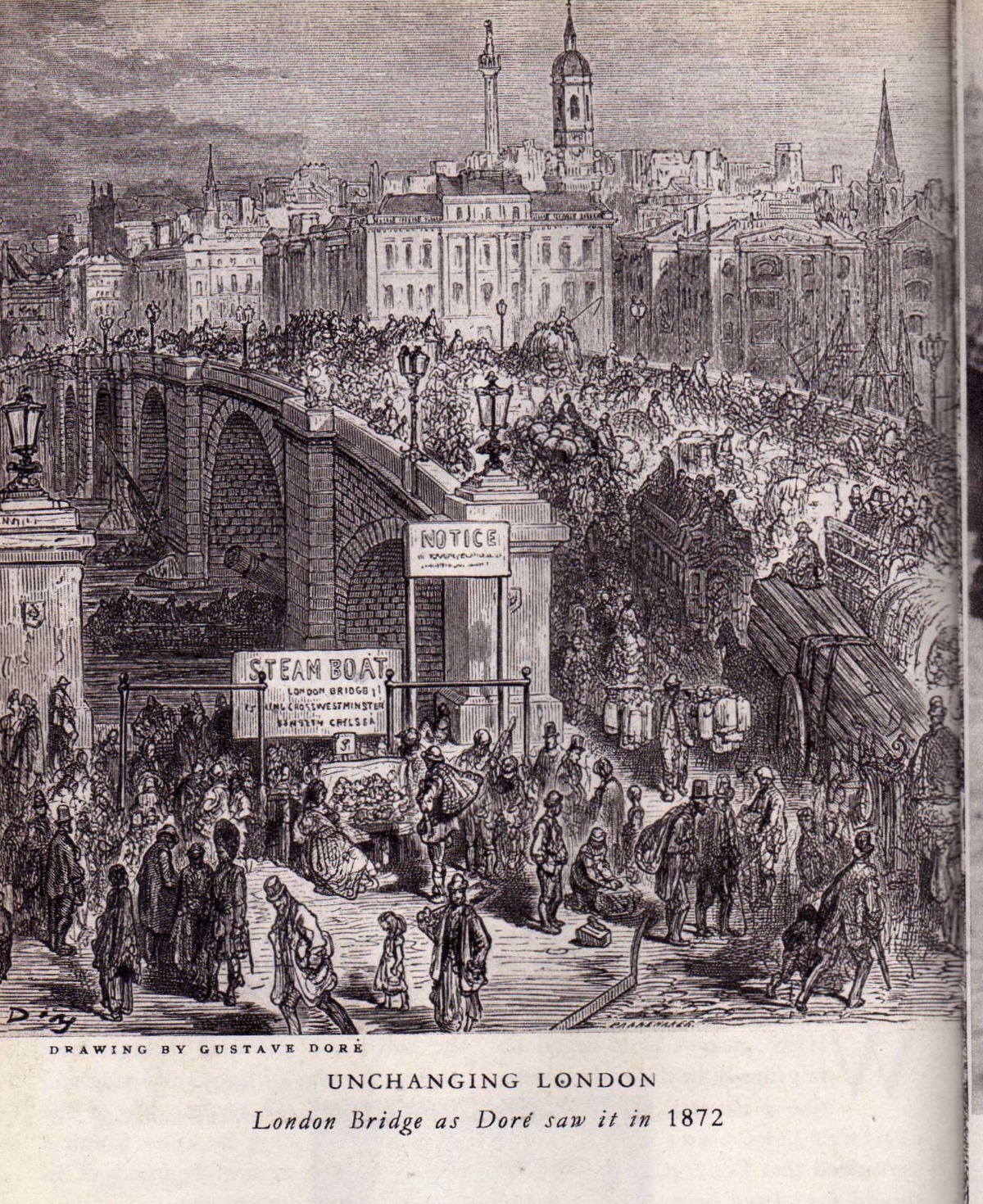
In 1700, London’s population reached 600,000. By the end of the century, its population would double. London was now the largest city in Europe. As the number of inhabitants grew rapidly, the city expanded in all directions: the wealthy in new estates of fine houses to the west, tradespeople and workers close to the industries sprouting out to the east and along the Thames, especially the docks. The new Westminster Bridge, completed in 1750—only the second river crossing to be completed since London Bridge was rebuilt in medieval times—triggered urban development south of the Thames. Villages that once lay beyond the edge of London, such as Paddington and St Marylebone, gradually became absorbed into the city.


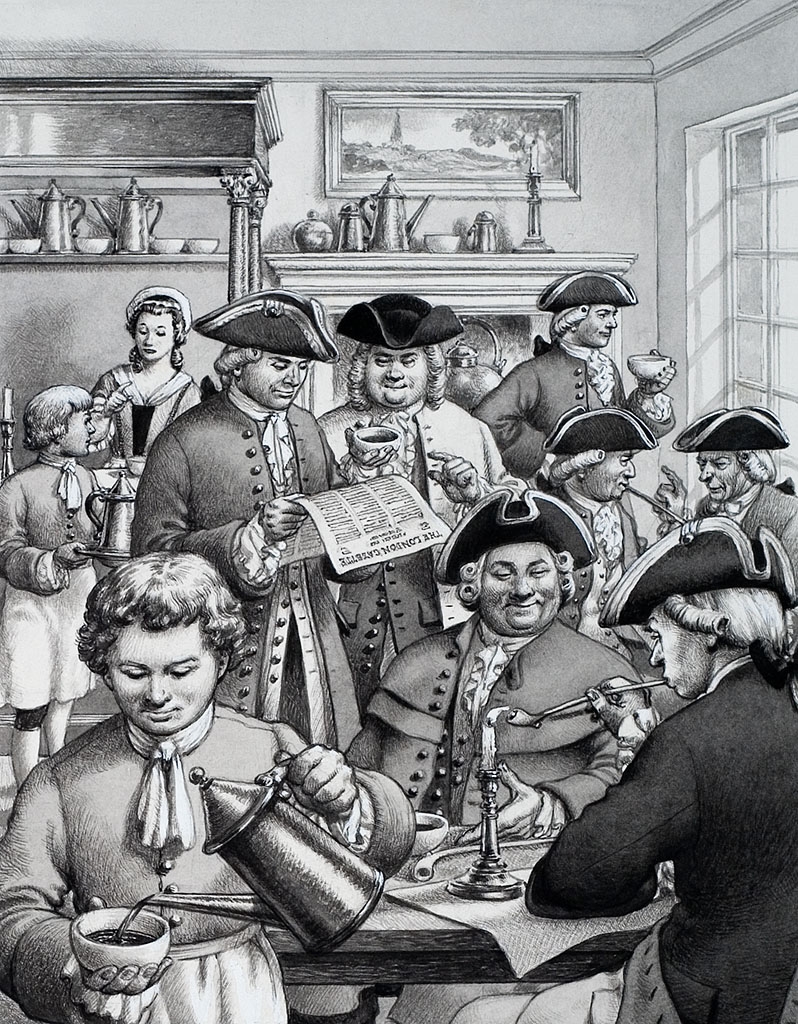
Georgian London
During the 18th century, more and more people—among them city merchants, shipowners and bankers—became prosperous. Most chose to move away from the City of London, now a deeply unpleasant place to live. A pall of smoke, caused by a change of household fuel from wood to coal, frequently hung over it. Londoners lived constantly under the threat of epidemics of dysentery, smallpox and other diseases. The streets had become a hotbed of crime, violence and alcoholism. The well-to-do bought large houses built around elegant squares in new estates such as Mayfair, in the West End. The middle classes also left the City and East End for new communities south of the river, such as Blackheath, Brixton, Dulwich and Putney.
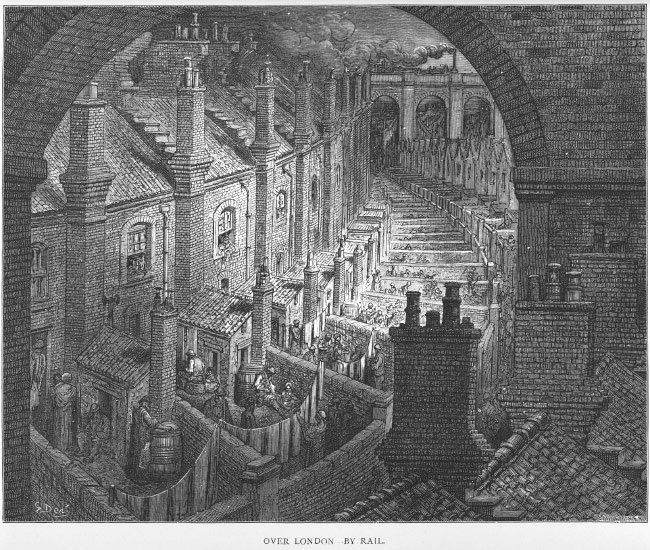
The poor meanwhile, their numbers increasingly swollen by migrants from the countryside, crowded into tenements. These were the buildings left behind by the departing wealthier classes and divided up into multiple households. They were packed into districts on the fringes of the City, such as St Giles, Clerkenwell, Spitalfields, Whitechapel and Southwark.
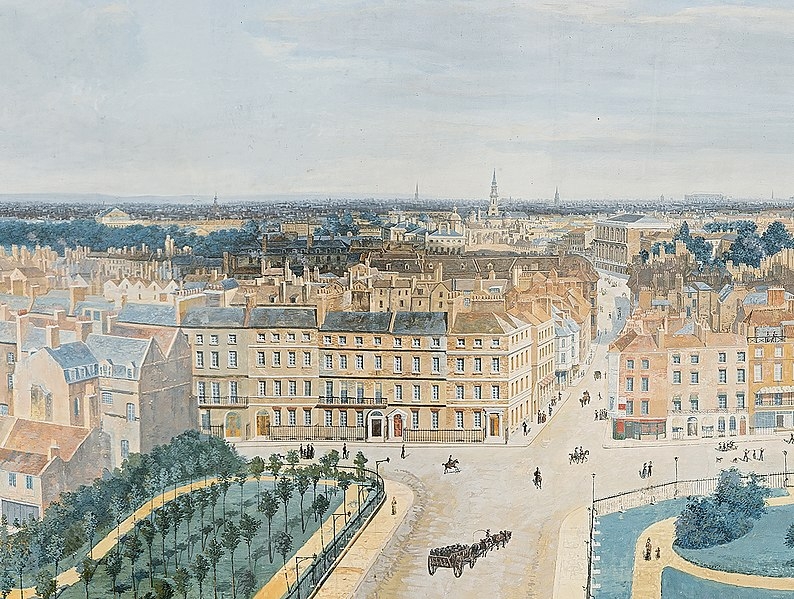
Immigration
During the 19th century London grew more rapidly than ever before. The Industrial Revolution was under way, and thousands of people moved from the countryside to work in London's many workshops, factories and docks. London was a major centre of trade and finance, home to the world’s busiest port. It was also the capital of the British Empire. In around 1825, London became the largest city in the world, with a population of 1.6 million.
After 1848, huge numbers of Irish immigrants fleeing famine in their home country arrived in London. Working as labourers and concentrated in the poorest neighbourhoods around the edges of the City, the Irish soon made up 20% of the population of London. The Jewish population also rapidly increased in the 1880s as Jews fled persecution in Eastern Europe. By 1901, London's population had soared to 6.5 million.
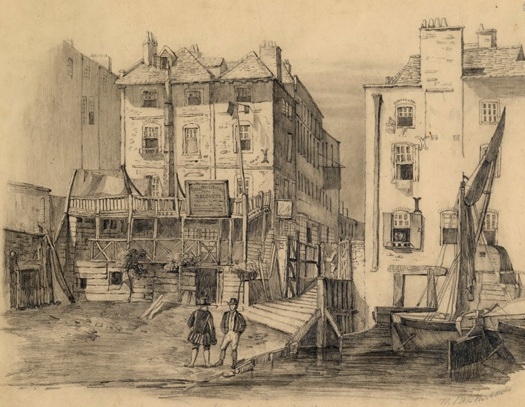

Victorian London
Much of the London we recognize today emerged during the Victorian period. During this time, terraces (long streets of houses joined together) were built across London. As the better-off middle classes moved to the cleaner, safer suburbs farther from the centre, such as Holloway and Camberwell, the larger terraced housing that had been built for them was subdivided for less well-off families to occupy as they, too, moved away from the City. London became a patchwork of distinct social areas, each characterized by its residents' social status and how well-off they were.
In many poorer parts of London, overcrowding became a serious problem. This was especially so in areas such as the East End, where millions lived in poverty, their homes dirty, dilapidated slums. Crime was common, and disease spread quickly. Pollution was so bad that everything open to the air was covered with dirt: buildings, people’s skin and clothing—even grass and flowers were blackened with soot.

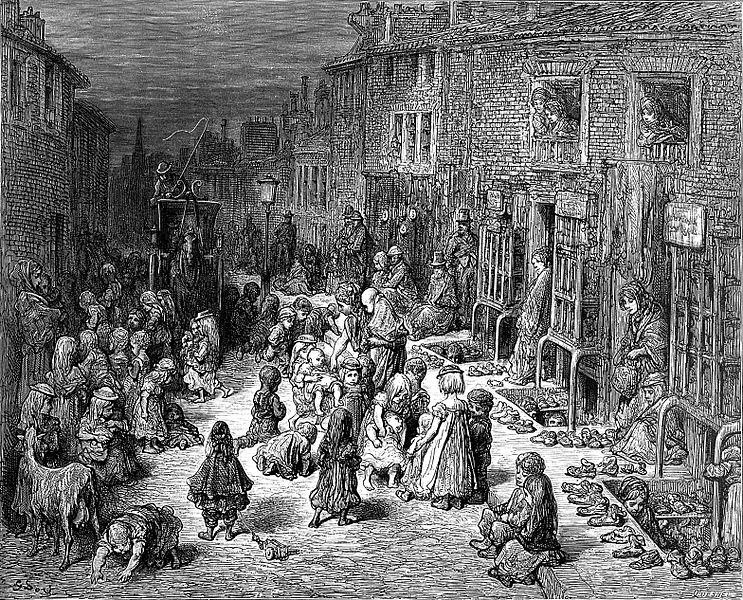

Great Stink
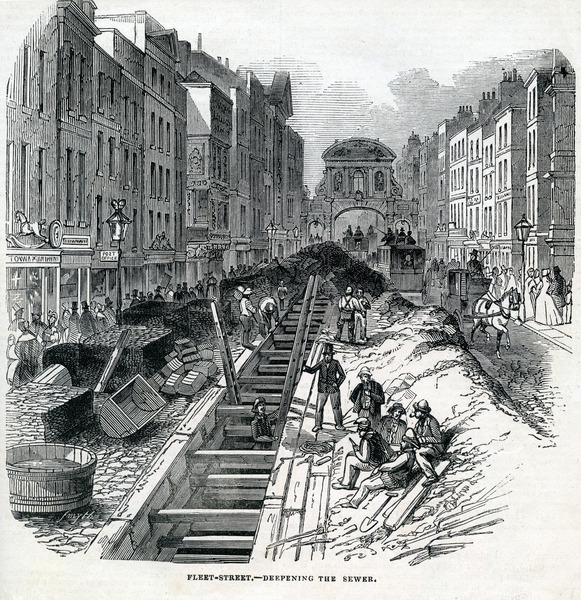
In 1858, a particularly hot summer caused “The Great Stink” in London as the sun heated up untreated sewage lying along the banks of the Thames. The smell became so bad that city officials immediately began work designing a sewerage system for London. When it opened seven years later, London became a much cleaner, fresher place to live. Deaths from cholera—a disease spread through water—also dropped dramatically. The civil engineer in charge of building London's sewers, Joseph Bazalgette, received a knighthood for his work.
Heart of Empire
Besides being Britain's most important city, Victorian London was the "Heart of Empire" and the world's financial capital. Government buildings in Westminster and financial institutions in the City, along with many offices and department stores elsewhere in the centre, sprang up. Magnificent railway terminuses, such as St Pancras (1868) were erected. "Albertopolis", a project masterminded by Queen Victoria's consort Prince Albert in the 1850s, saw the building of several museums (including the Natural History, Science and Victoria and Albert museums), the Albert Hall and Imperial College in South Kensington in the second half of the 19th century.


Transport
The massive increase in London's geographical area that accompanied the growth in population meant that new forms of transport were needed to get around the capital. Horse-drawn coaches, called omnibuses (meaning "for all the people", and shortened to just "buses"), first appeared in 1829.
In 1860, work began on an underground railway (the world's first), running under the main streets of London and designed to ease above-ground traffic—buses and hackney cabs—clogging up central London. Named the Metropolitan Railway, its first line opened in 1863, with trains running between Paddington and Farringdon. By the end of the century, two additional deep-level "tube" lines had been added to the underground network, which now carried more than 200 million passengers a year. Outside the City and the West End, horse tramways first appeared on suburban streets in the 1870s. The trams were electrified in the early 1900s.

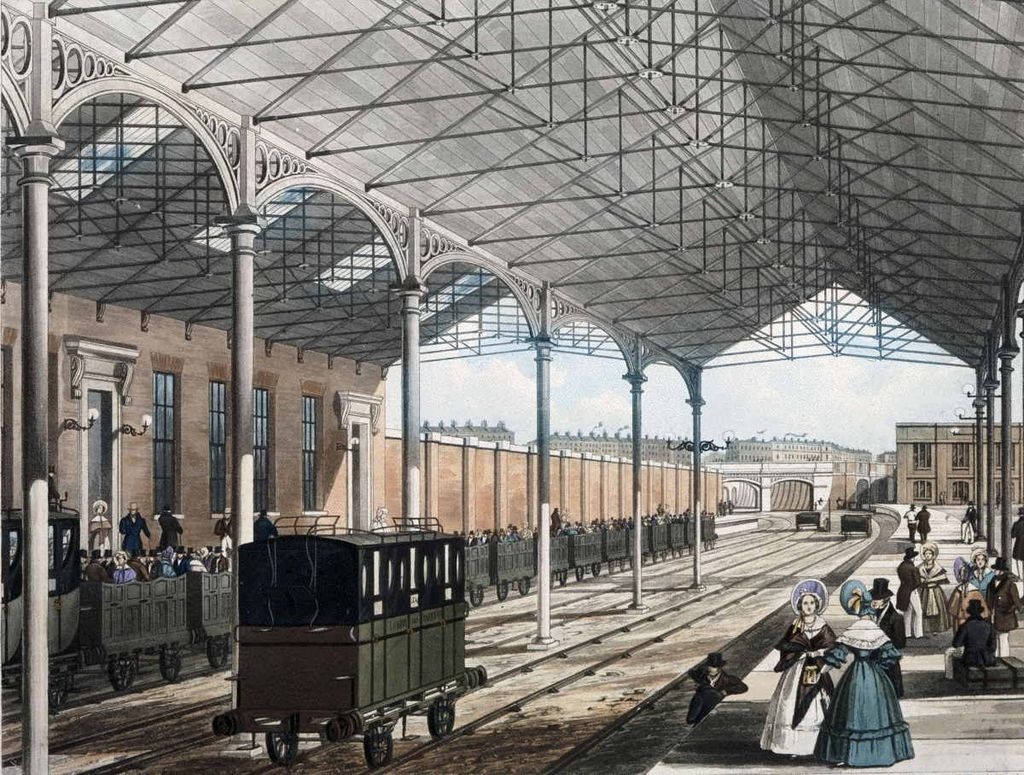
London’s major railway terminuses, including Euston (1837), Paddington (1838) and King’s Cross (1852) were built to connect London by rail to the rest of the country. The building of new tracks, viaducts and stations involved large-scale demolition and significant changes to the urban landscape.
Consultant: Philip Parker
pics


Without in any way limiting Q-files Ltd’s exclusive rights under copyright, any use of this publication to “train” generative artificial intelligence (AI) technologies to generate text is expressly prohibited. Q-files Ltd reserves all rights to license use of this work for generative AI training and development of machine learning language models.