
British Empire

CITE
We have made every effort to follow citation style rules, but there may be some minor differences. If in doubt, please refer to the appropriate citation style manual.
Second British Empire. (2026). In Q-files Encyclopedia, History, British Empire. Retrieved from
https://www.q-files.com/history/british-empire/second-british-empire
"Second British Empire." History, British Empire, Q-files Encyclopedia, 30 Mar. 2026.
https://www.q-files.com/history/british-empire/second-british-empire.
Accessed 6 Aug. 2026.
Second British Empire 2026. History, British Empire. Retrieved 6 August 2026, from
https://www.q-files.com/history/british-empire/second-british-empire
History, British Empire, s.v. "Second British Empire," accessed August 6, 2026.
https://www.q-files.com/history/british-empire/second-british-empire


Second British Empire
The loss of the Thirteen Colonies, which declared their independence as the United States of America in 1776, was the first major setback in the development of British Empire. The American colonies were, at the the time, Britain's most populous overseas possession. Some historians today see the event as marking the end of the "first" and the beginning of the "second" empires. Britain would now shift its attention away from the Americas towards Asia (where the British East India Company's trading activities in India were reaping huge profits), the Pacific and the newly discovered lands of Australia and New Zealand, and, later in the 19th century, Africa.

Australia
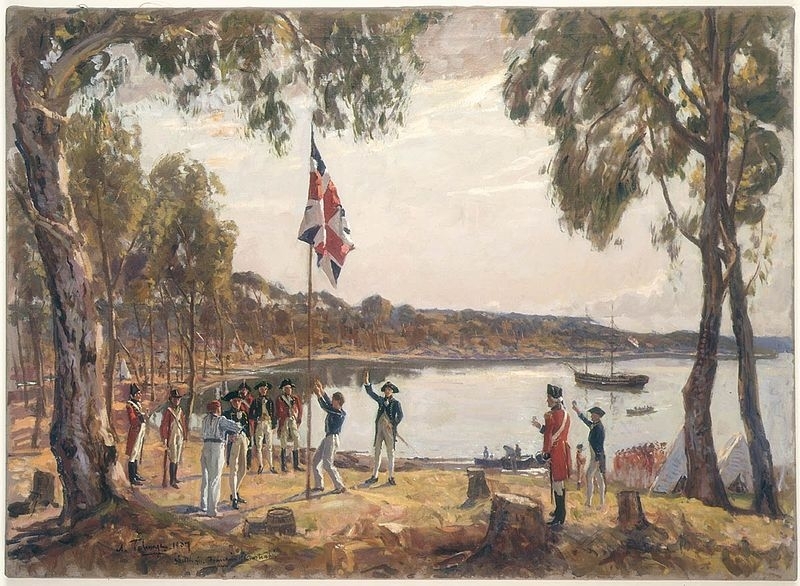
Since 1718, Britain had been transporting thousands of convicts to the American colonies. With the loss of America, Britain was forced to find an alternative destination. The newly discovered land of Australia appeared to provide the answer. Captain James Cook had discovered the eastern coast of Australia in 1770 while on a scientific voyage to the South Pacific Ocean, and claimed the land—which he named New South Wales—for Britain. Botany Bay, Cook's landing place, was deemed suitable for the establishment of a penal settlement, and so it was that in 1787 the first shipment of convicts set sail, arriving in 1788.

Meanwhile, from the 1820s onwards, settlers from Britain and Ireland—along with freed convicts—started to colonize Australia's inland grasslands, which were perfect for raising cattle and sheep. The indigenous population was decimated by the spread of diseases carried by the Europeans to which they had no immunity. Those who survived were either forcibly removed from their lands to arid parts of the continent not wanted by the white colonists, or massacred.
Separate colonies were created from parts of New South Wales: Van Diemen's Land (later Tasmania) in 1825, South Australia in 1836, Port Phillip District in 1834 (later becoming the colony of Victoria in 1851) and Queensland in 1859. The transportation of convicts to Australia was phased out between 1840 and 1868.
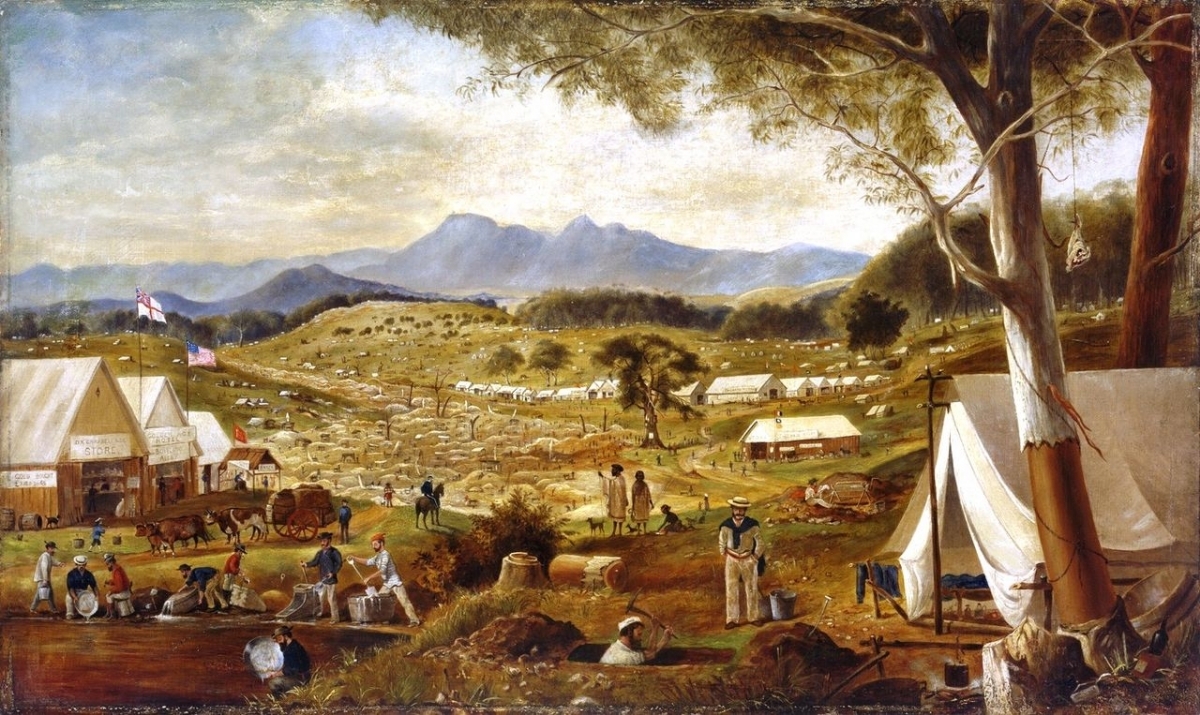
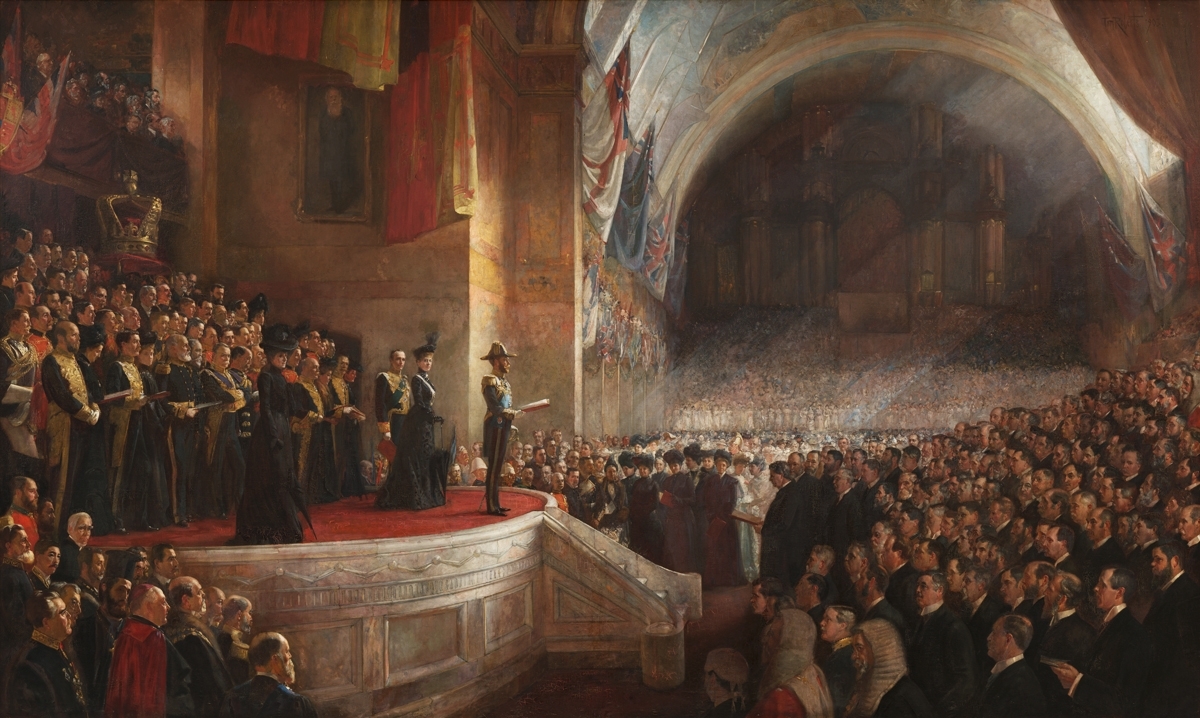
In the 19th century, the Australian colonies became profitable exporters of wool and gold. Gold rushes in the colony of Victoria in the 1850s made its capital Melbourne for a time the richest city in the world and the second largest city (after London) in the British Empire. In 1901, the Commonwealth of Australia, a federal country (one made up of a number of states), came into being. Australia was now a self-governing Dominion of the British Empire.

New Zealand
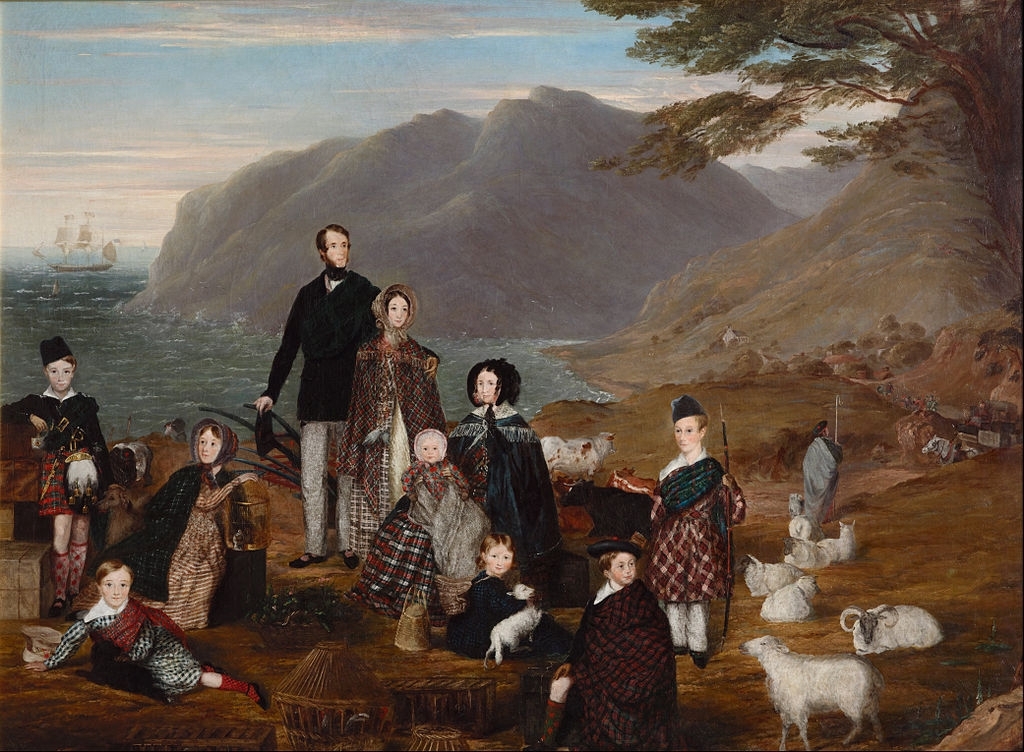
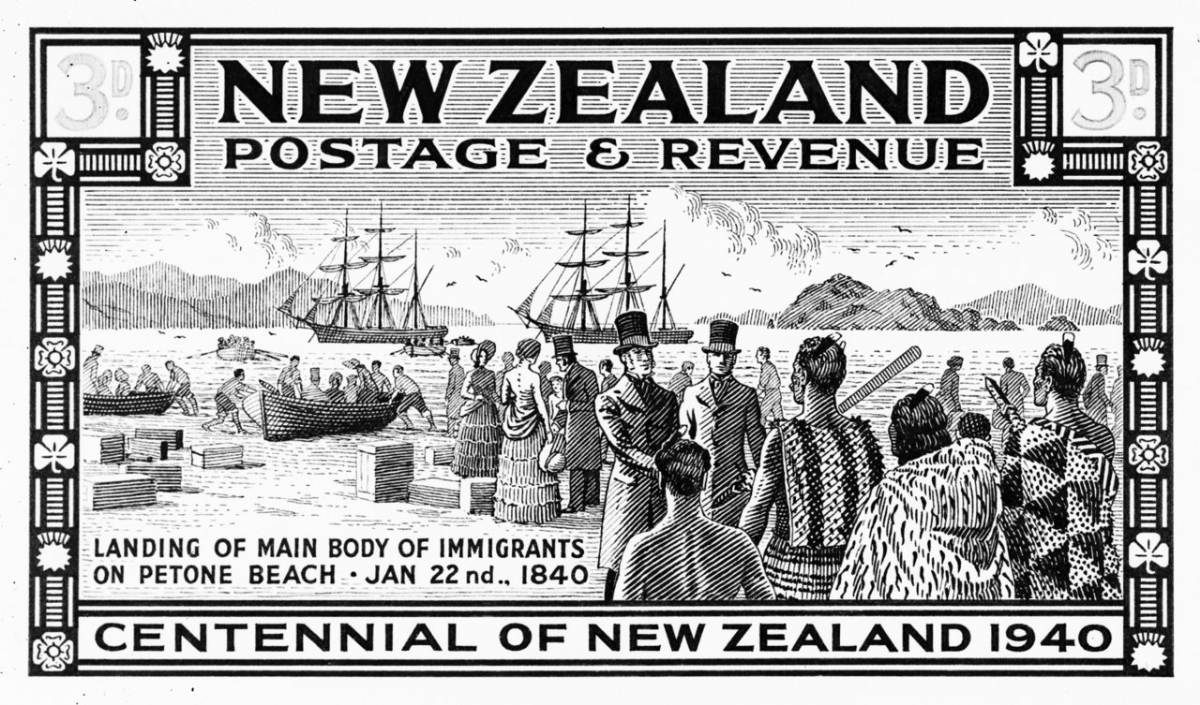
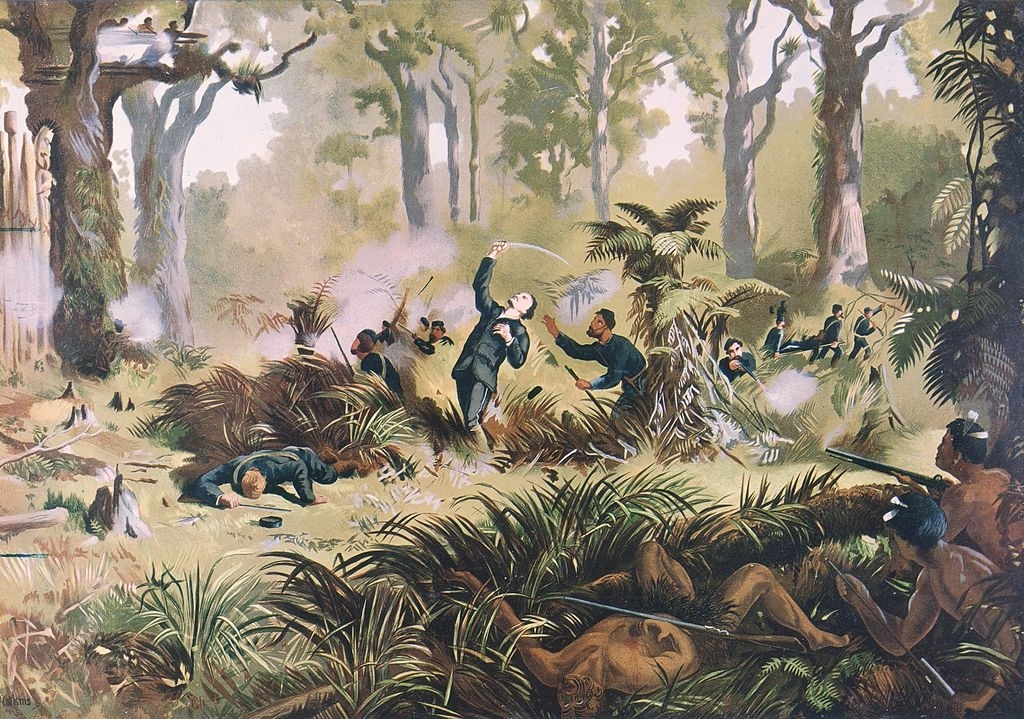
During his voyage, Cook had also visited New Zealand, and claimed the North and South islands for the British crown in 1769 and 1770 respectively. The land was already occupied by the indigenous population, the Maori. In 1839, the New Zealand Company announced plans to buy large areas of land and in 1840 Captain William Hobson and around 40 Maori chiefs signed the Treaty of Waitangi. British and Irish settlers started to arrive in the 1840s, but conflict between them and the Maori soon broke out and lasted until 1872. By the end of the century, the Maori population—devastated by war and disease—had more than halved since the British arrived. In 1907, New Zealand became a self-governing Dominion within the British Empire, equal in status with Australia and Canada.
Canada
Following its victory in the Seven Years' War in 1763, Britain had acquired all the French lands in North America known as New France—including the substantial French-speaking population of the territory along the Saint Lawrence River known as Canada. Renamed the Province of Quebec, it extended from the coast of Labrador on the Atlantic Ocean, southwest through the Saint Lawrence River Valley to the Great Lakes as far as the confluence of the Ohio and Mississippi Rivers. The area southeast of the Great Lakes was ceded to the United States in 1783 following the British defeat in the American War of Independence. In 1791, the Province of Quebec was divided into French-speaking Lower Canada (present-day Quebec) and English-speaking Upper Canada (present-day Ontario), with its capital at York, present-day Toronto.

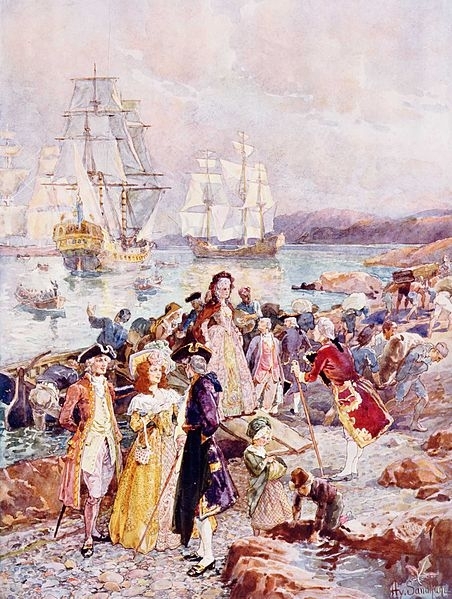
The two parts were reunited in the Act of Union in 1840, which created the Province of Canada. Then, in the British North America Act of 1867, the Province of Canada, New Brunswick (a colony created for British loyalists exiled after the American Revolution) and Nova Scotia were formed into the Dominion of Canada, a confederation enjoying full self-government, with the exception of foreign policy.
Also joining as provinces in later decades were new territories to the west and north, acquired by the Hudson's Bay Company (which merged with the North-West Company). They included British Columbia (joined in 1871) and other parts of Rupert's Land and the North-West Territory.
Pax Britannica
After the defeat of France, with Napoleon's ambitions finally ended at the Battle of Waterloo in 1815, Britain became the undisputed naval and imperial power of the 19th century. It had no serious rival, other than Russia in Central Asia. Britain now adopted the role of "global policeman", a state of affairs later known as the Pax Britannica ("British Peace"). This was a century of relative peace in Europe and the world lasting until the outbreak of World War I in 1914 (also called the "imperial century"). It was according to many the modern equivalent of Pax Romana (Latin for "Roman Peace"), a period of peace and stability in the Roman Empire, lasting from 27 BC to AD 180. Between 1815 and 1914, around 26,000,000 square kilometres (10,000,000 square miles) of territory and roughly 400 million people were added to the British Empire.
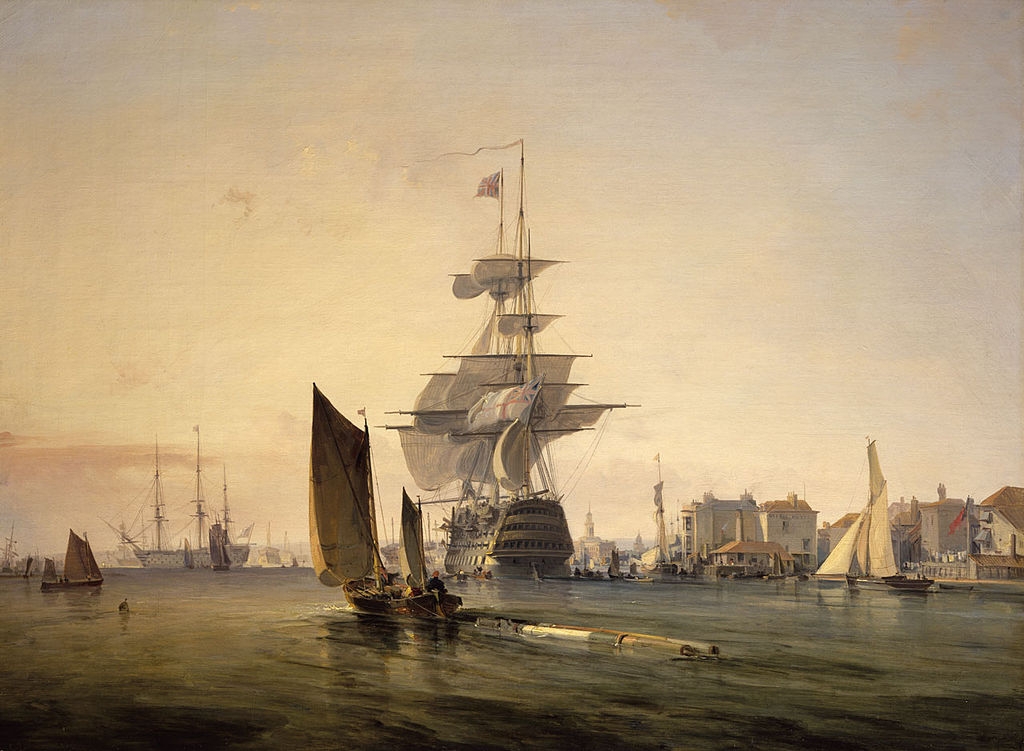
In the period immediately after the end of the Napoleonic Wars, Britain benefitted from the exchange of colonies at peace treaties. It gained Malta, Mauritius, Saint Lucia, Seychelles and Tobago from France, Trinidad from Spain, Guyana and the Cape Colony from the Netherlands. Britain returned Guadeloupe, Martinique, French Guiana and Réunion to France, and Java and Suriname to the Netherlands, while gaining in return control of Ceylon (present-day Sri Lanka).
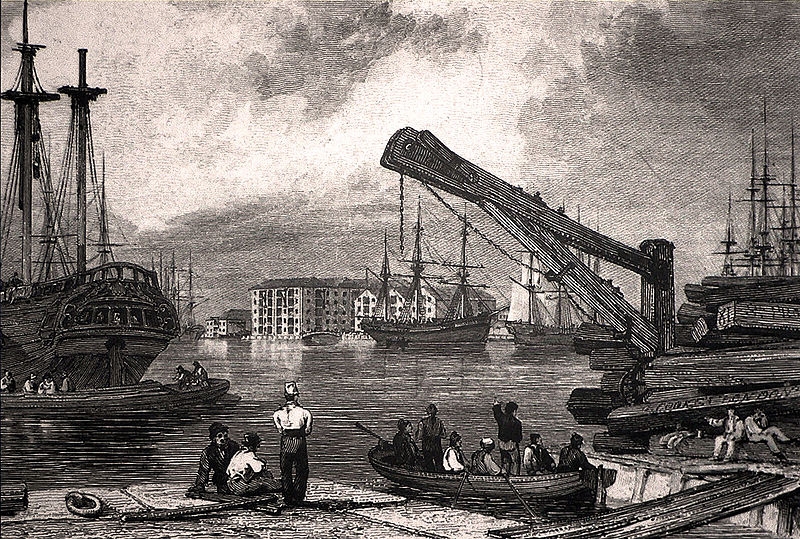
In the early 19th century, the Industrial Revolution began to transform Britain. It population increased at a dramatic rate, accompanied by rapid urbanization. By the time of the Great Exhibition in 1851, the country was described as the "workshop of the world". In order to seek both new markets and much-needed sources of raw materials, the British government launched a period of further imperial expansion.
Already by the mid-19th century, the Empire included Australia, New Zealand, Canada, most of India, some coastal regions of West Africa, parts of southern Africa as well as a number of smaller islands and territories around the world. Besides the territories over which Britain (or British companies) ruled directly, its dominance of world trade meant that it also effectively controlled the economies of many other countries in Asia, including China and Siam (present-day Thailand), and Latin America (including Argentina).

Abolition of slavery
Partly as a result of pressure from the British abolitionist movement, the British parliament enacted the Slave Trade Act in 1807, which abolished the slave trade (but not yet slavery itself) in the British Empire. In 1808, the British Crown Colony of Sierra Leone was founded, with Freetown serving as the capital of British West Africa. The city's population expanded rapidly with freed slaves.

It was not until 1834 that slavery was abolished in the British Empire, with the exception of "the Territories in the Possession of the East India Company", Ceylon (now Sri Lanka) and Saint Helena, where full abolition was enforced in 1843. The British government paid slave-owners vast sums of money (£20 million, or about £16.5 billion in today's money) to compensate them for the loss of the slaves, but paid nothing to the former slaves themselves.
Indentured labour
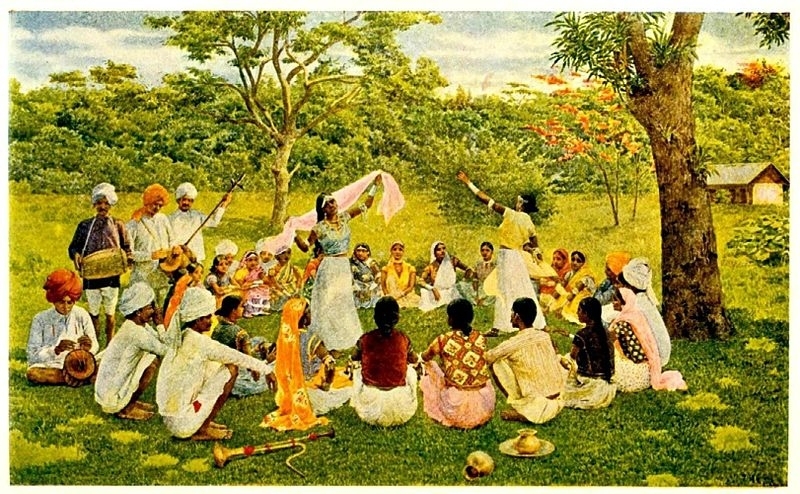
The British East India Company had, meanwhile, introduced a system to force Indians to work in other colonies of the British Empire, mainly on sugar plantations. Each worker was made to declare he or she was going to work voluntarily and given a five-year paid contract. In practice, this system, known as indentured labour, was little better than slavery. The transportations began in 1838 and continued until 1917. During this time, around 3.5 million Indian "coolies", as they were known, were shipped to British colonies around the world—places such as Mauritius in the Indian Ocean, Fiji in the Pacific, Malaysia, Jamaica, Trinidad and British Guiana (now Guyana) in the Caribbean, and Natal in South Africa. A number were also shipped to French and Dutch colonies.
Ireland
Ireland had been under English rule for centuries, with an attempt by Catholic lords to assert their control ruthlessly put down by Oliver Cromwell's troops in 1649–52. Irish Catholics became second-class citizens in their own land, but, inspired by the French Revolution of 1789, rose up in rebellion against British rule in 1798. Having crushed the uprising, the British government abolished the Irish parliament and united the country with England. In 1801 the United Kingdom of Great Britain and Ireland was established with a single parliament at Westminster.
The Irish people suffered a severe famine between 1845 and 1849, but the British government took only limited action to feed the starving. As a result, an estimated 1 million Irish people died of hunger and disease, while another 1.5 million emigrated to the US and Canada, as well as mainland Britain.

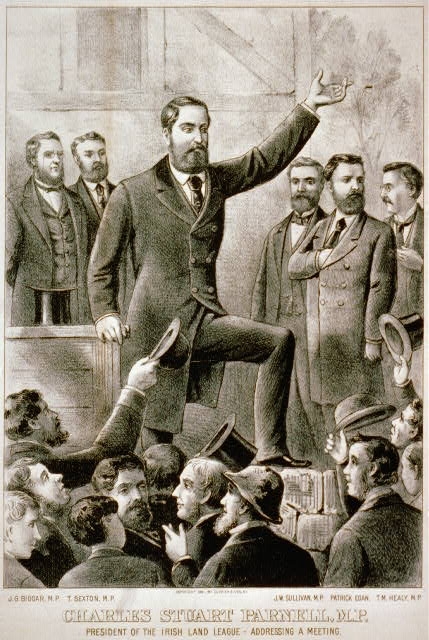
Many Irish people believed that the new Union parliament in London ignored their interests. They wanted Home Rule, their own national parliament in Dublin so that they could govern themselves. After 1874, a large group of Irish MPs began to campaign for Home Rule. In 1886 they forced the Liberal government of William Gladstone to introduce a Home Rule Bill into parliament, but it was defeated and Gladstone resigned as prime minister. Many MPs feared that a partially independent Ireland might pose a security threat to Great Britain, or mark the beginning of the break-up of the Empire. Gladstone, who hoped that Ireland might follow in Canada's footsteps and become a Dominion within the Empire, introduced a second bill in 1893, but it too was defeated in the House of Lords. From then on, British governments tried to kill Home Rule “by kindness”. They introduced many reforms and improved social conditions in Ireland, but the demand for Home Rule continued.
Consultant: Philip Parker
pics

Without in any way limiting Q-files Ltd’s exclusive rights under copyright, any use of this publication to “train” generative artificial intelligence (AI) technologies to generate text is expressly prohibited. Q-files Ltd reserves all rights to license use of this work for generative AI training and development of machine learning language models.