
Australian states and territories

CITE
We have made every effort to follow citation style rules, but there may be some minor differences. If in doubt, please refer to the appropriate citation style manual.
Victoria. (2026). In Q-files Encyclopedia, Geography, Australian states and territories. Retrieved from
https://www.q-files.com/geography/australian-states-and-territories/victoria
"Victoria." Geography, Australian states and territories, Q-files Encyclopedia, 1 Apr. 2026.
https://www.q-files.com/geography/australian-states-and-territories/victoria.
Accessed 22 Sep. 2026.
Victoria 2026. Geography, Australian states and territories. Retrieved 22 September 2026, from
https://www.q-files.com/geography/australian-states-and-territories/victoria
Geography, Australian states and territories, s.v. "Victoria," accessed September 22, 2026.
https://www.q-files.com/geography/australian-states-and-territories/victoria


Victoria
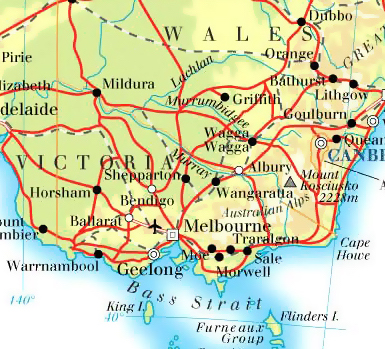
Victoria (VIC) is a state in southeastern Australia. Despite its relatively small size, Victoria encompasses a range of climates and geographical features, including the temperate coastal and central regions, the Victorian Alps in the northeast and the semi-arid north and west. With 28 people per square kilometre, Victoria is the most densely populated state in Australia. Three-quarters of the population live in Melbourne's metropolitan area. More than a third of the state's inhabitants are immigrants or the children of immigrants, many of them from south and east Asia.
Landscape
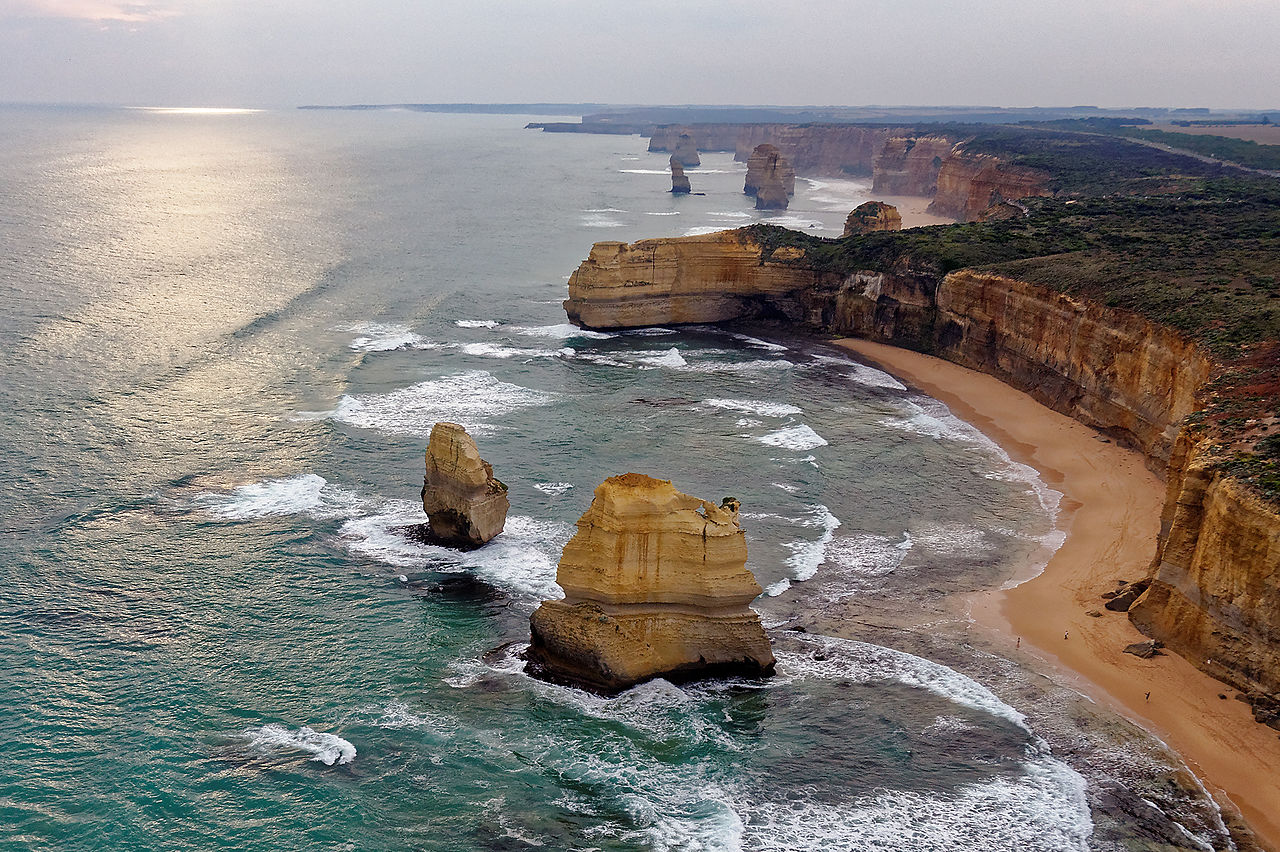
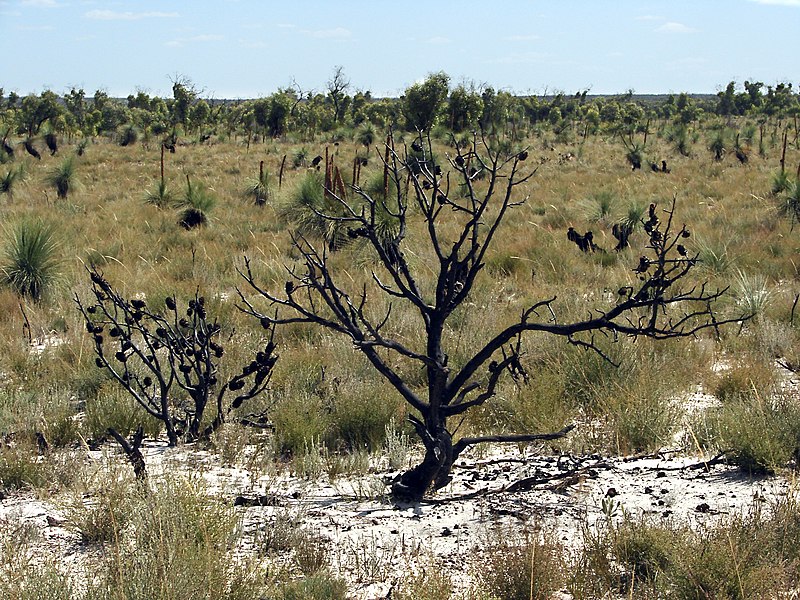
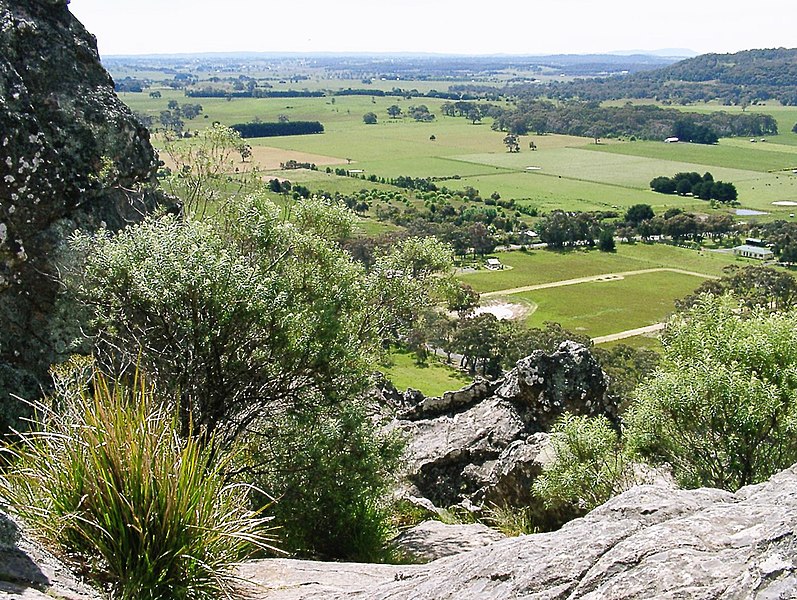
The uplands of the Great Dividing Range of eastern Australia curve westwards through Victoria, becoming narrower and lower before ending near the border with South Australia. Plains stretch off to the north, west and south. Lying to the south of the narrow strip of fertile land running alongside the Murray River (which forms Victoria's northern border with New South Wales) are the semi-arid northwestern plains of the Mallee. The name comes from a type of eucalypt, a short tree consisting of a number of slender trunks. It forms the dominant vegetation of dry scrublands across Australia as a whole. To the west, the Mallee merges into desert. South of the uplands lies Victoria's coastal plain, a temperate region where most of the population lives.
Climate
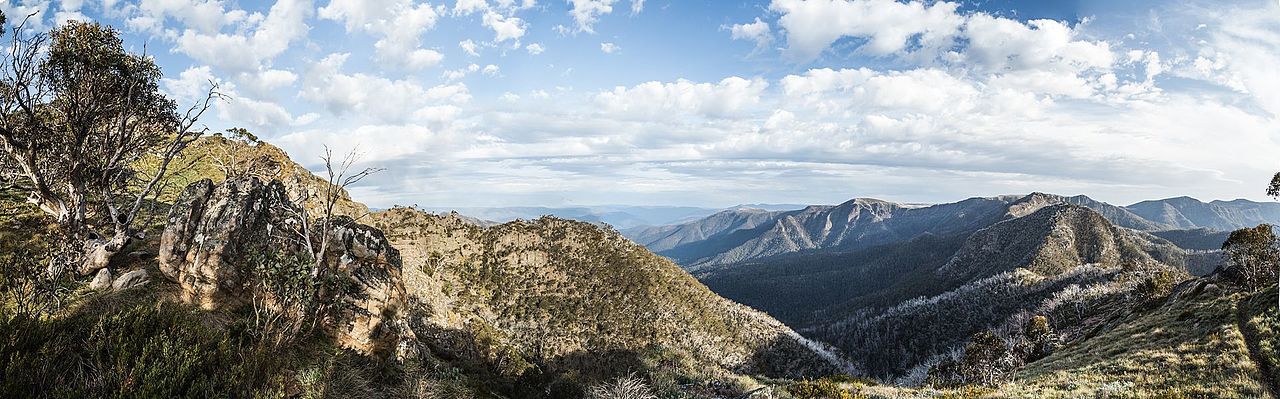
Victoria has a wide range of climate types across its small geographical area. The northwest has a semi-arid temperate climate with hot summers, while the coastal region has a wetter, temperate climate with mild winters. The Great Dividing Range in the centre of the state has a cooler, mountain climate, with the snow-covered Victorian Alps in the east the coldest part.
Economy
The broad, semi-arid plains of the Mallee are given over to wheat and barley cultivation, or are grazed by millions of sheep. Most of Victoria's vineyards are also found in this region. The irrigated Murray River valley and the coastal plains, especially the Gippsland Plains in the southeast, are areas of dairy farming and fruit and vegetable growing.
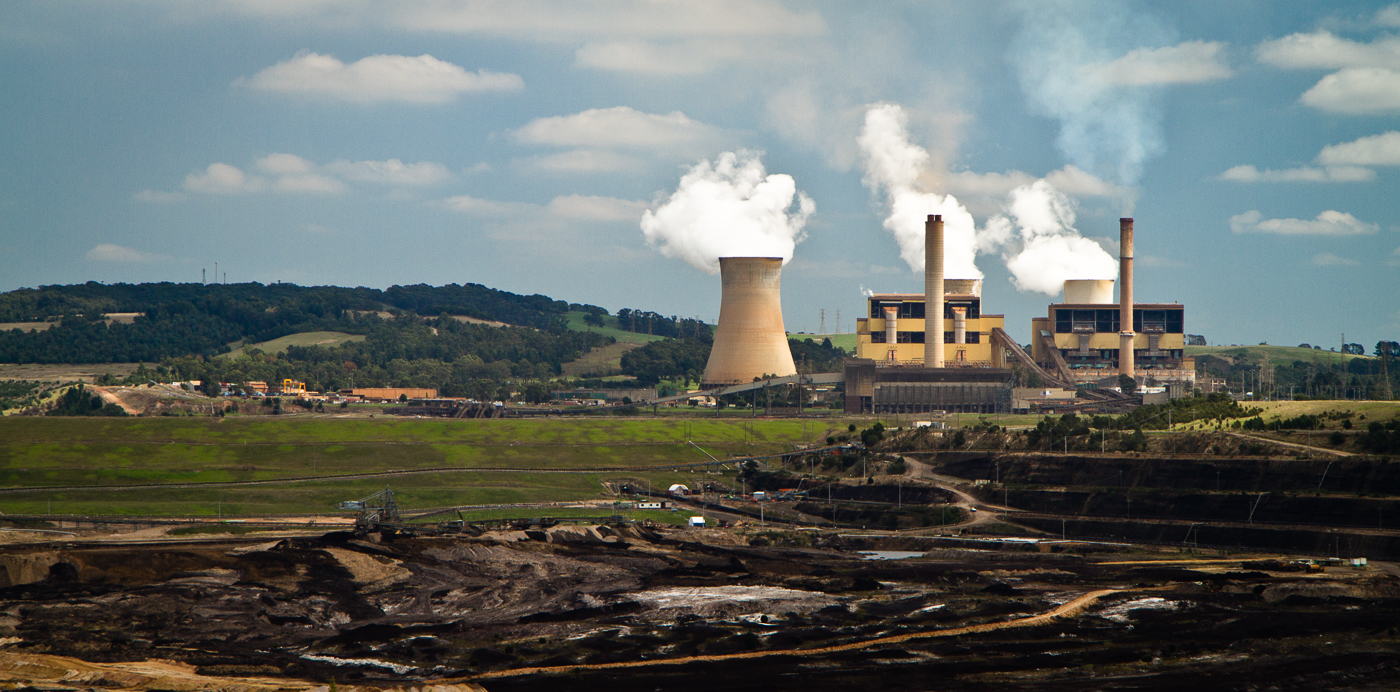
Melbourne is still a centre of manufacturing, although this sector of the Australian economy is in decline while services, including tourism, dominate. Machinery, equipment, food and beverage products, petrochemicals and chemicals are the state's chief industrial products. Brown coal, mined in Gippsland's Latrobe Valley—home to the world's largest known reserves—is Victoria's leading mineral and is used in power stations.
Melbourne
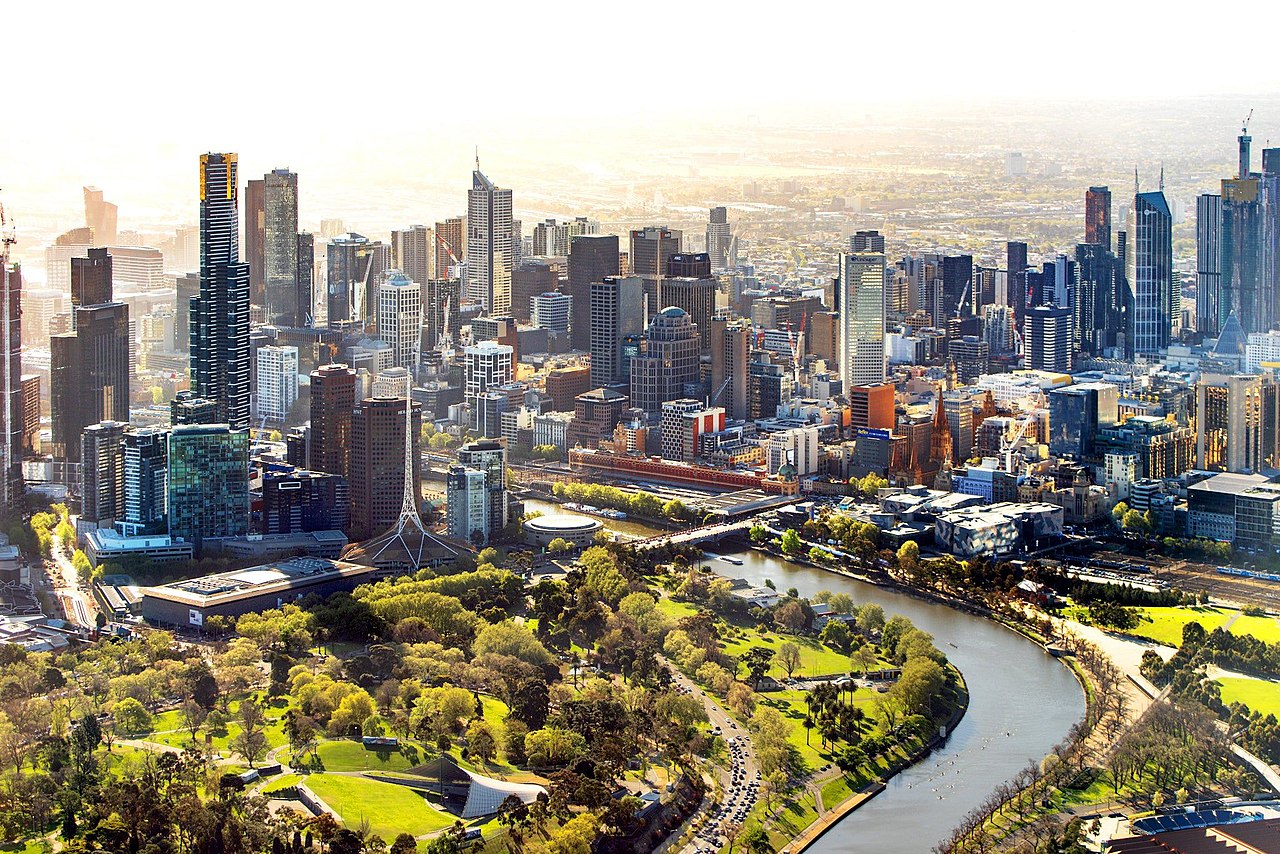
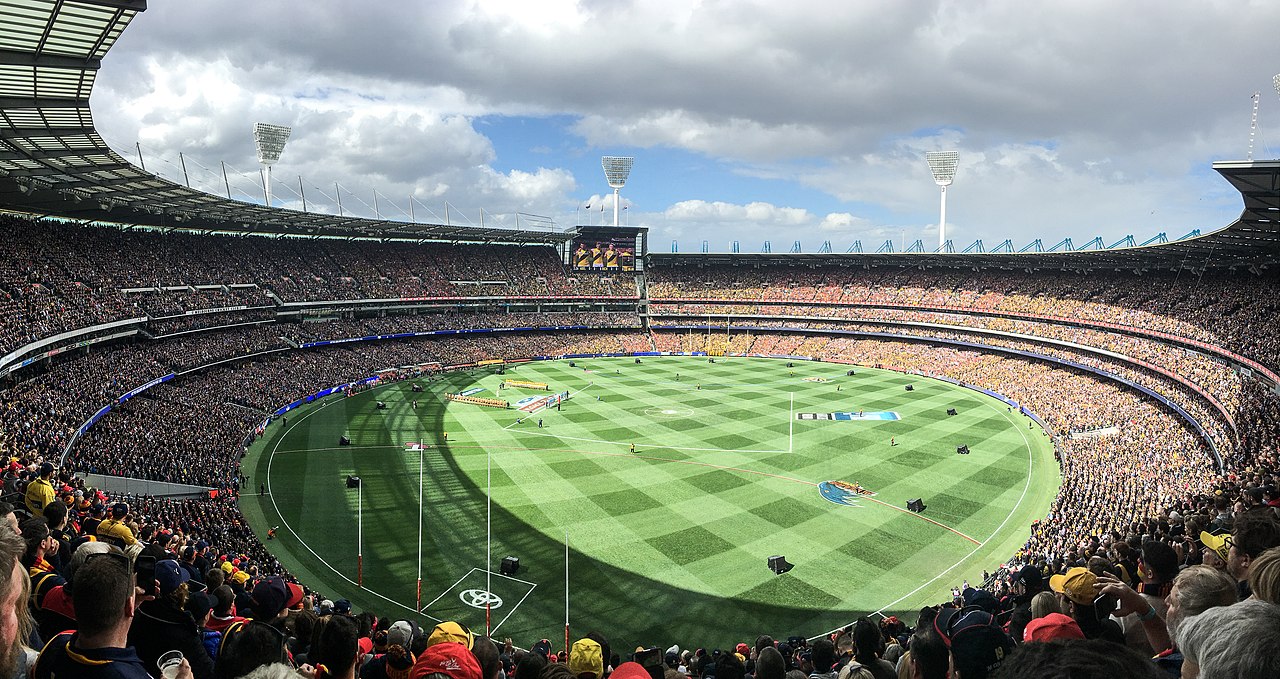
Melbourne is the capital and most populous city of Victoria. It was founded in 1835 with the arrival of free settlers from Van Diemen’s Land (modern-day Tasmania). Melbourne became a Crown settlement in 1837, and named after the then British Prime Minister, William Lamb, Lord Melbourne. It became the capital of the new colony of Victoria in 1851. Boosted by the 1850s gold rush, which brought a huge influx of migrants from Europe and China, the city grew rapidly, overtaking Sydney in size. With the gold rush over by 1860, it developed as a major port for exporting the agricultural products of Victoria, mainly wool.
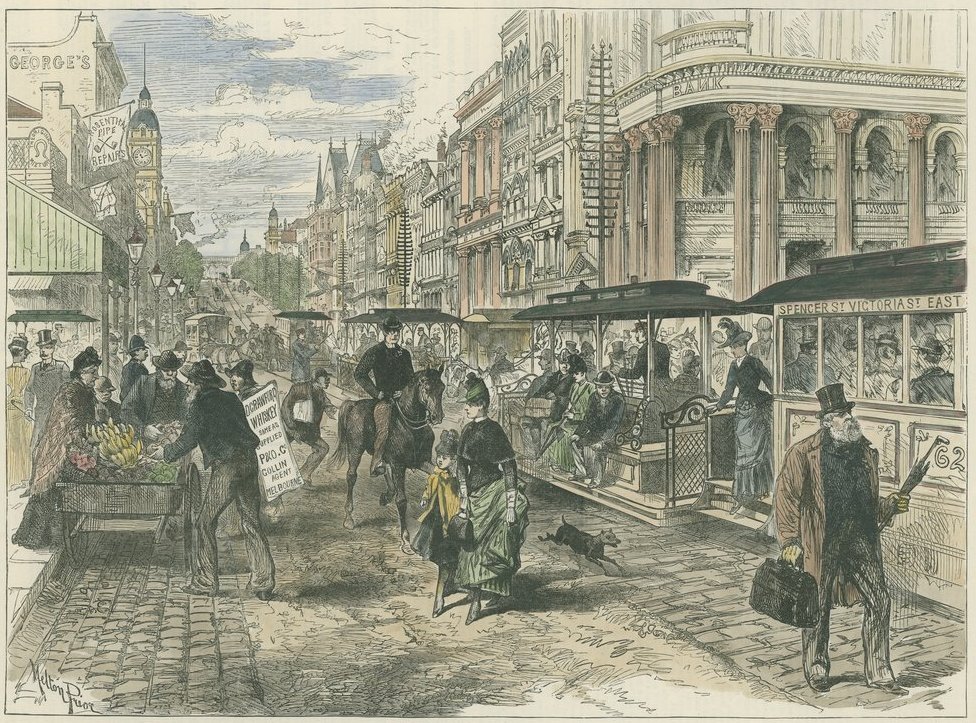
By the 1880s, Melbourne had become one of the world's largest and wealthiest cities, second only to London in the British Empire. When the independent Commonwealth of Australia was created in 1901, it served as temporary capital until Canberra took over in 1927.
Consultant: Nicholas Harris
Facts about Victoria
Nickname The Garden State
Area 227,436 sq km (87,814 sq miles) Rank 6th
Highest point Mount Bogong 1986 m (6516 ft)
Population 6,694,884 Rank 2nd
Capital Melbourne pop. 4,196,201 (metropolitan area)
Other major cities Geelong (pop. 157,103), Ballarat (93,761), Bendigo (92,384), Melton (54,455)
State mammal Leadbeater's possum
State bird Helmeted honeyeater
State fish Weedy seadragon
State flower Common (pink) heath

History of Victoria
40,000 years ago
Aboriginal Australians inhabit Victoria, living a semi-nomadic existence of eel fishing, hunting and gathering
before 12,000 years ago
Sea levels are low enough for an area of dry land, called the Bassian plain, to exist between southern Victoria and what is now the island of Tasmania. This "land bridge" allows Aboriginal Australians to cross to Tasmania
1770
British explorer James Cook makes the first recorded sighting of the Victorian coast at Point Hicks
1788
After the founding of the colony of New South Wales, Australia is divided into an eastern half named New South Wales (which includes the area of what is now Victoria) and a western half named New Holland
1798–1802
Explorers George Bass, James Grant, John Murray and Matthew Flinders chart Victorian waters and explore its bays
1803
The first British settlement in the area later known as Victoria, a penal settlement, is founded by Lieutenant-Governor David Collins at Sullivan Bay (near present-day Sorrento) on Port Phillip Bay. It is established out of concerns that the French might establish their own settlement in the region and so challenge British claims to the continent
early 1800s
On first contact with Europeans, there are three main Aboriginal groups living in Victoria: the Kurnai of Gippsland, the Yorta Yorta of the eastern Murray and the Kulin of the Central Divide
1834
In defiance of a British government edict forbidding settlement in the area, the family of Edward Henty, who had previously settled in Tasmania (then called Van Diemen's Land), establishes a farming settlement in Portland Bay
1835
John Batman crosses from Van Diemen's Land and sets up a base in Indented Head, Port Phillip. John Pascoe Fawkner also establishes a colony on the banks of the Yarra River. Batman presents local Aboriginal people with a treaty, and later claims he has been granted land in exchange for "payment" of goods and rations. Formed from the colonies of Batman and Fawkner, the town of Melbourne is officially recognized as a settlement in 1837
1830s–40s
As more and more settlers arrive from Britain and other parts of Australia and take over grazing land, wars between the settlers and Aboriginal peoples rage, intensified by the use of the Native Police Force. The numbers of Aboriginal people drop from an estimated 100,000 to 3500 by 1850 as a result of both the spread of European diseases and massacres carried out by white settlers
1843
Border between District of Port Phillip (as Victoria is then called) and the rest of the Colony of New South Wales is established. It runs from Cape Howe, to the nearest source of the Murray River, and then along the course of the Murray to the border with South Australia
1851
The independence of the Colony of Victoria from New South Wales is proclaimed. It is named in honour of Queen Victoria. Days later, gold is discovered near Ballarat (and later at Bendigo and many other sites across Victoria) triggering a major gold rush and a population increase from 76,000 to 540,000 (nearly half the Australia total) by 1860. The immigrant population is swollen by arrivals from Ireland and China
1854
An armed rebellion against the government of Victoria is made by miners protesting against taxes imposed on them. Known as the "Eureka Stockade", it is crushed by British troops, but the incident persuades the colonial authorities to reduce the hated mining licence fees and extend the electoral franchise (those permitted to vote in elections)
1855
British Parliament passes Colony of Victoria Act, establishing a government in Victoria
1891
Financial crash, leading to failure of several banks in Victoria and severe economic depression
1901
Victoria becomes a state in the Commonwealth of Australia. While the new capital, Canberra, is being built, Melbourne serves as the country's first federal capital until 1927
1956
Melbourne becomes the first city in the Southern Hemisphere to host the Olympic Games
pics
Without in any way limiting Q-files Ltd’s exclusive rights under copyright, any use of this publication to “train” generative artificial intelligence (AI) technologies to generate text is expressly prohibited. Q-files Ltd reserves all rights to license use of this work for generative AI training and development of machine learning language models.