
Australian states and territories

CITE
We have made every effort to follow citation style rules, but there may be some minor differences. If in doubt, please refer to the appropriate citation style manual.
South Australia. (2026). In Q-files Encyclopedia, Geography, Australian states and territories. Retrieved from
https://www.q-files.com/geography/australian-states-and-territories/south-australia
"South Australia." Geography, Australian states and territories, Q-files Encyclopedia, 14 Apr. 2026.
https://www.q-files.com/geography/australian-states-and-territories/south-australia.
Accessed 21 Sep. 2026.
South Australia 2026. Geography, Australian states and territories. Retrieved 21 September 2026, from
https://www.q-files.com/geography/australian-states-and-territories/south-australia
Geography, Australian states and territories, s.v. "South Australia," accessed September 21, 2026.
https://www.q-files.com/geography/australian-states-and-territories/south-australia


South Australia
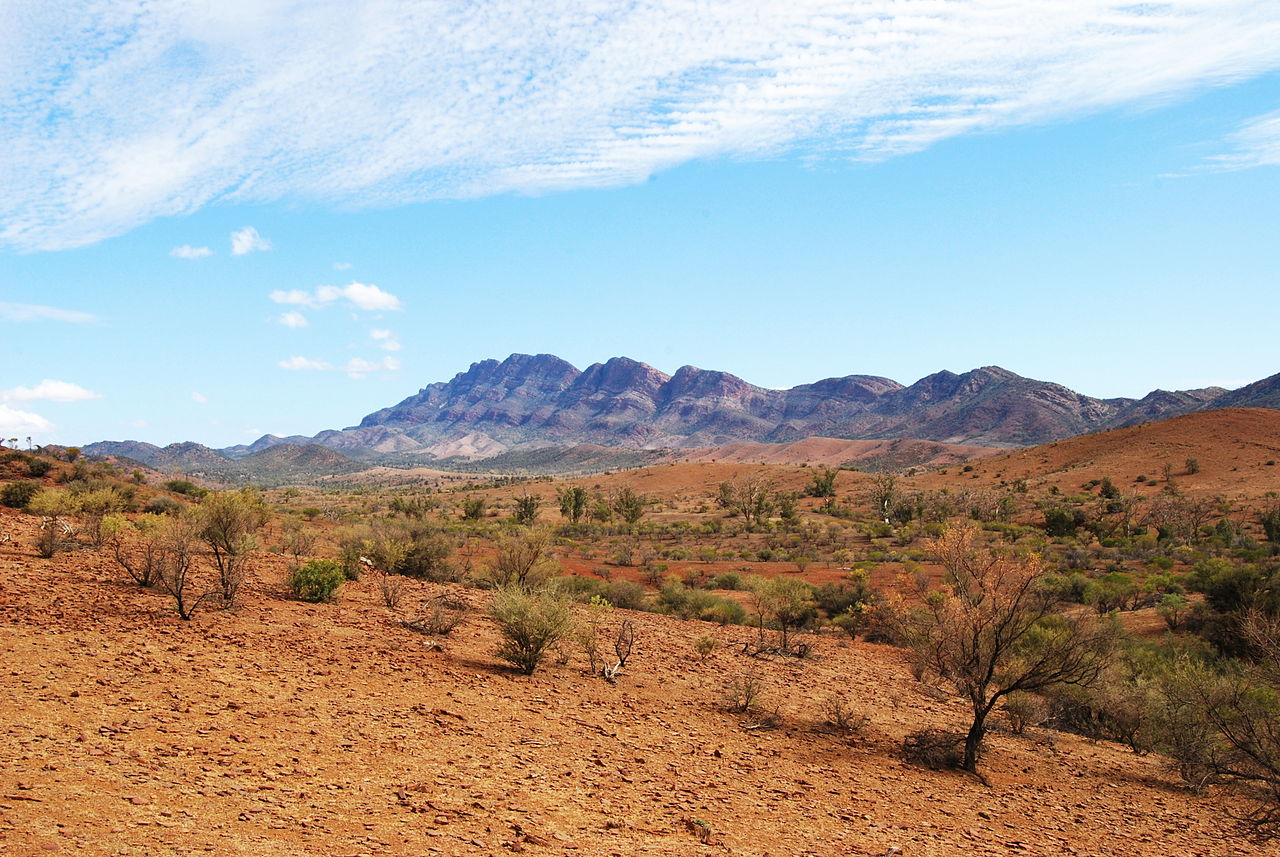
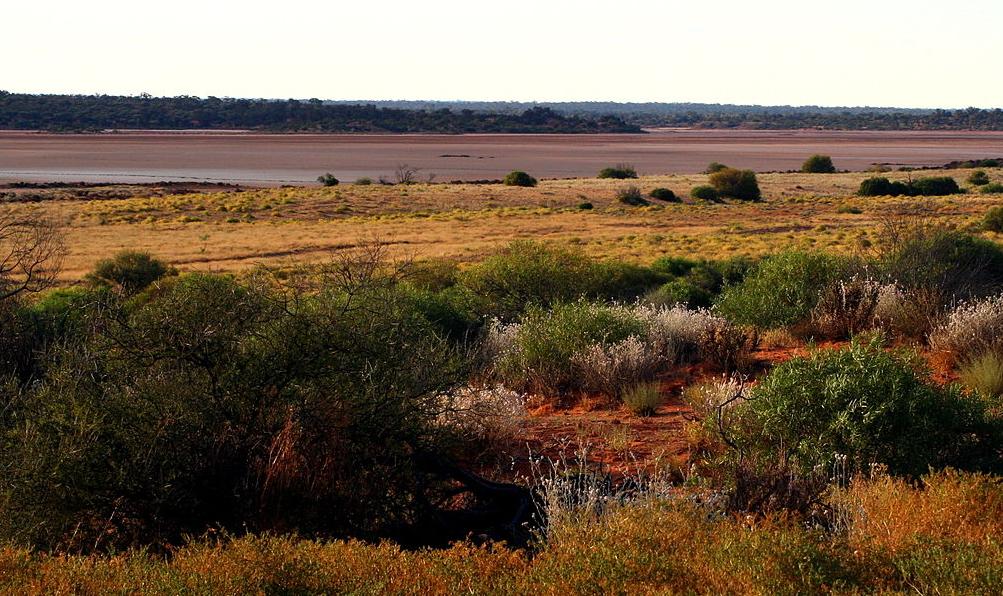
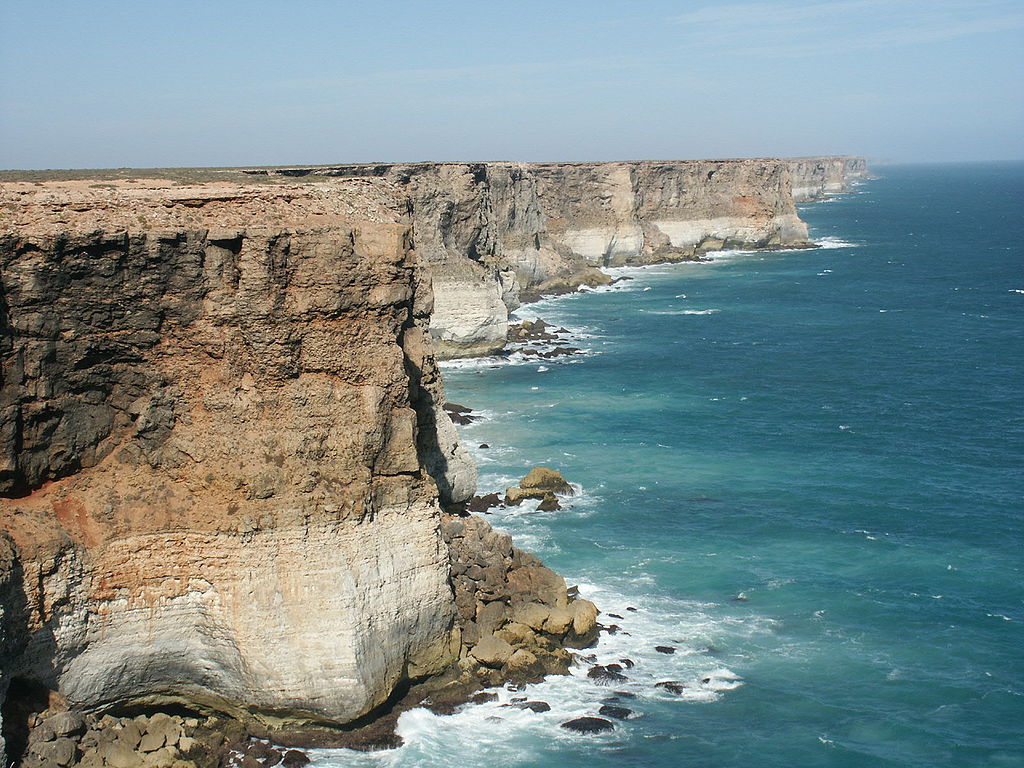
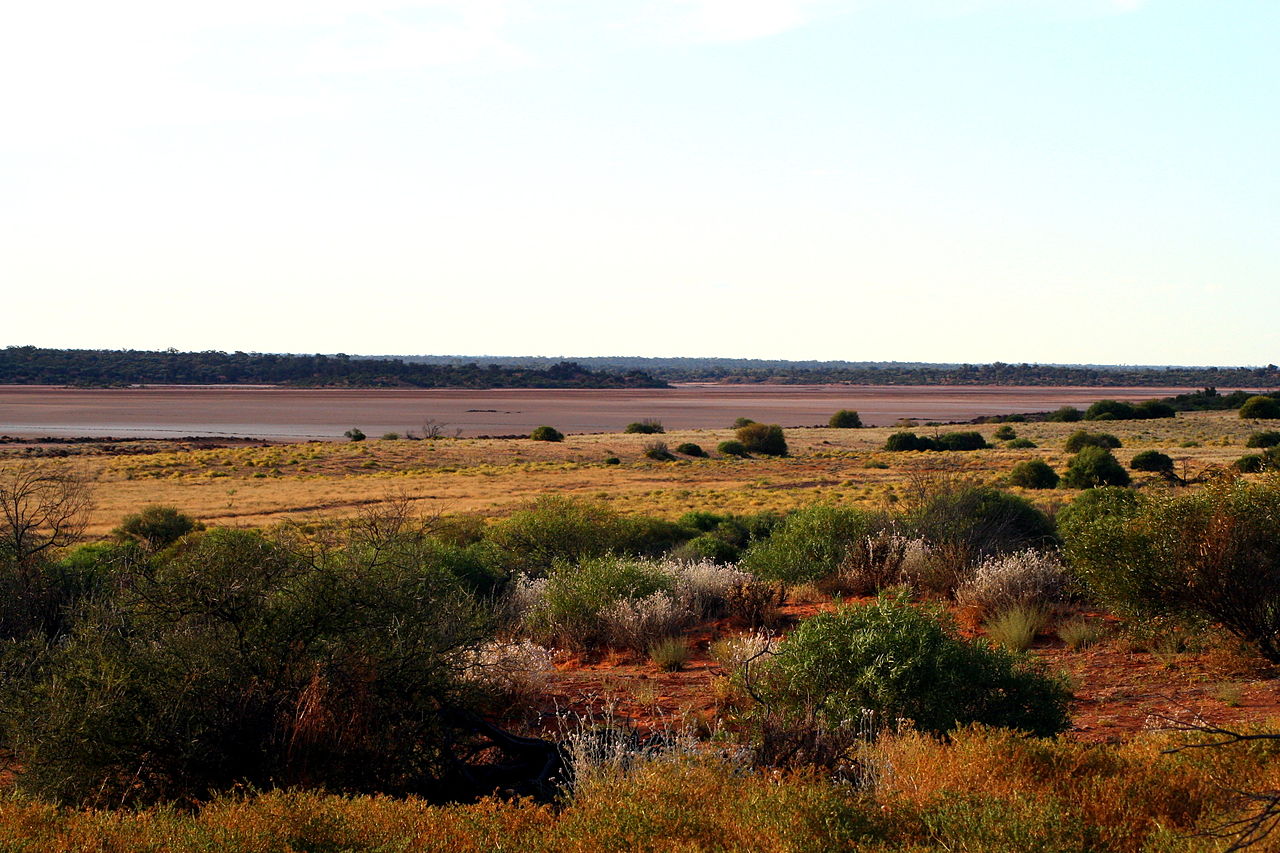
South Australia (SA) is a state in the central southern region of Australia. The southeastern coastal portion, a well-watered, fertile region with a Mediterranean climate (mild, wet winters and hot, dry summers) is where most of the state's population lives. The rest of South Australia consists of arid or semi-arid rangelands (areas grazed by livestock) with several low mountain ranges, such as the Flinders Ranges. Lake Eyre and Lake Torrens only rarely contain water. The Great Victoria Desert stretches off to the west, while in the southwest lies the sparsely inhabited Nullarbor Plain, a flat limestone plateau dotted with sinkholes and containing long caves. It meets the Great Australian Bight in a line of cliffs.

Economy
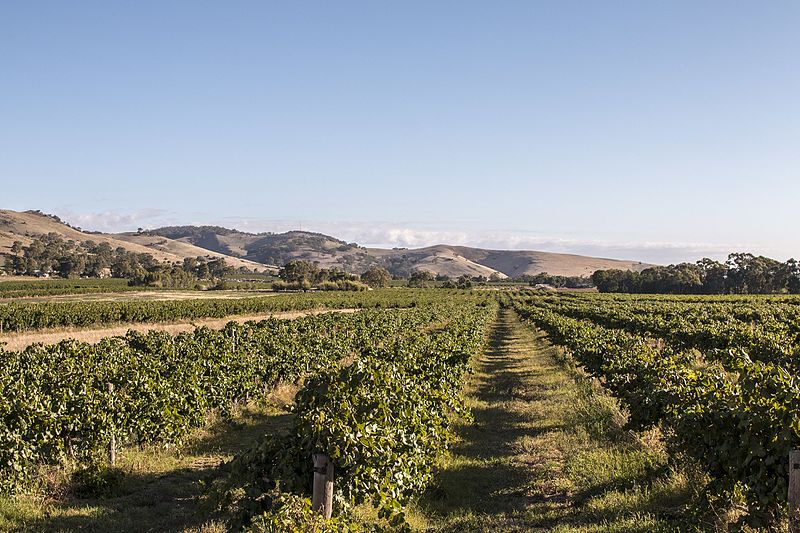
The principal industries and exports of South Australia are wheat, wine and wool. More than half of Australia's wines are produced in the South Australian wine regions, including Barossa Valley, Clare Valley and McLaren Vale.
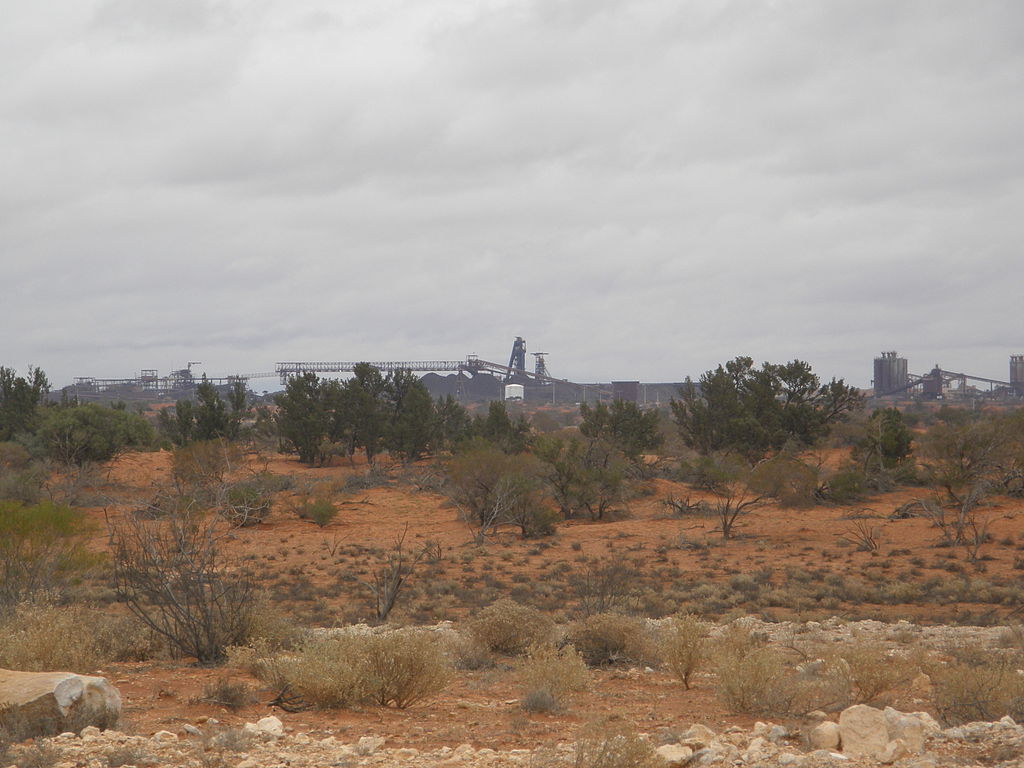
The Olympic Dam mine near Roxby Downs in northern South Australia has the largest deposits of uranium in the world. It has more than a third of the world's low-cost recoverable reserves. The mine is also the world's fourth-largest remaining copper deposit, and the world's fifth largest gold deposit.
Adelaide
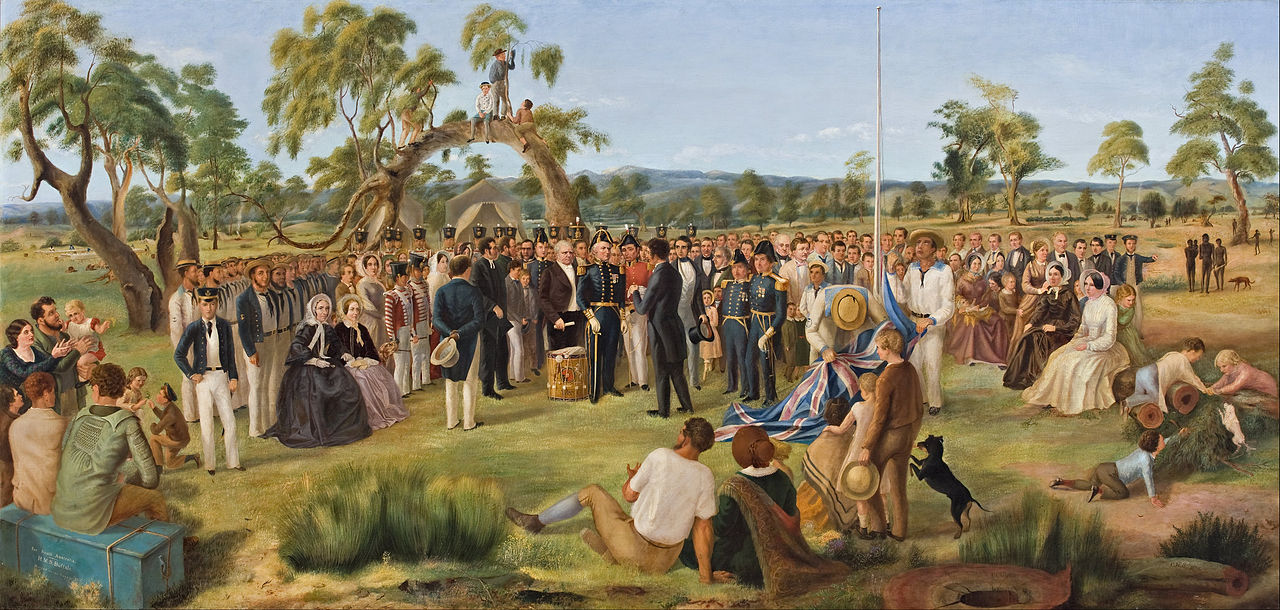
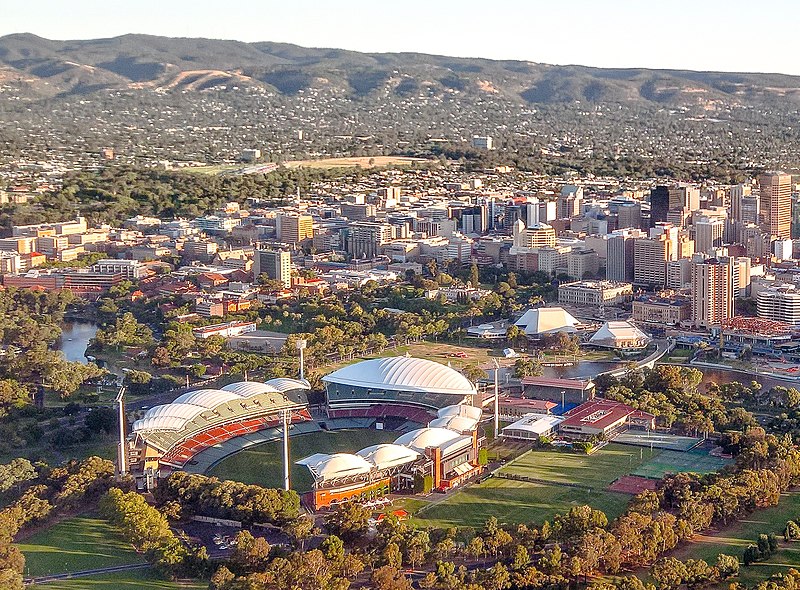
Adelaide is the capital city of South Australia. Named in honour of Queen Adelaide, consort to King William IV, the city was founded in 1836 as the planned capital for the only freely-settled British province in Australia. The first governor proclaimed the beginning of colonial government in South Australia on 28th December 1836 near The Old Gum Tree in what is now the suburb of Glenelg North. Colonel William Light, Adelaide's planner, chose a location for the new city close to the River Torrens, in an area originally inhabited by the Kaurna people and known to them as Tarndanyangga ("place of the red kangaroo"). Noted for its emphasis on religious freedom, civil liberties and progressive politics, Adelaide became known as the "City of Churches".
Kangaroo Island
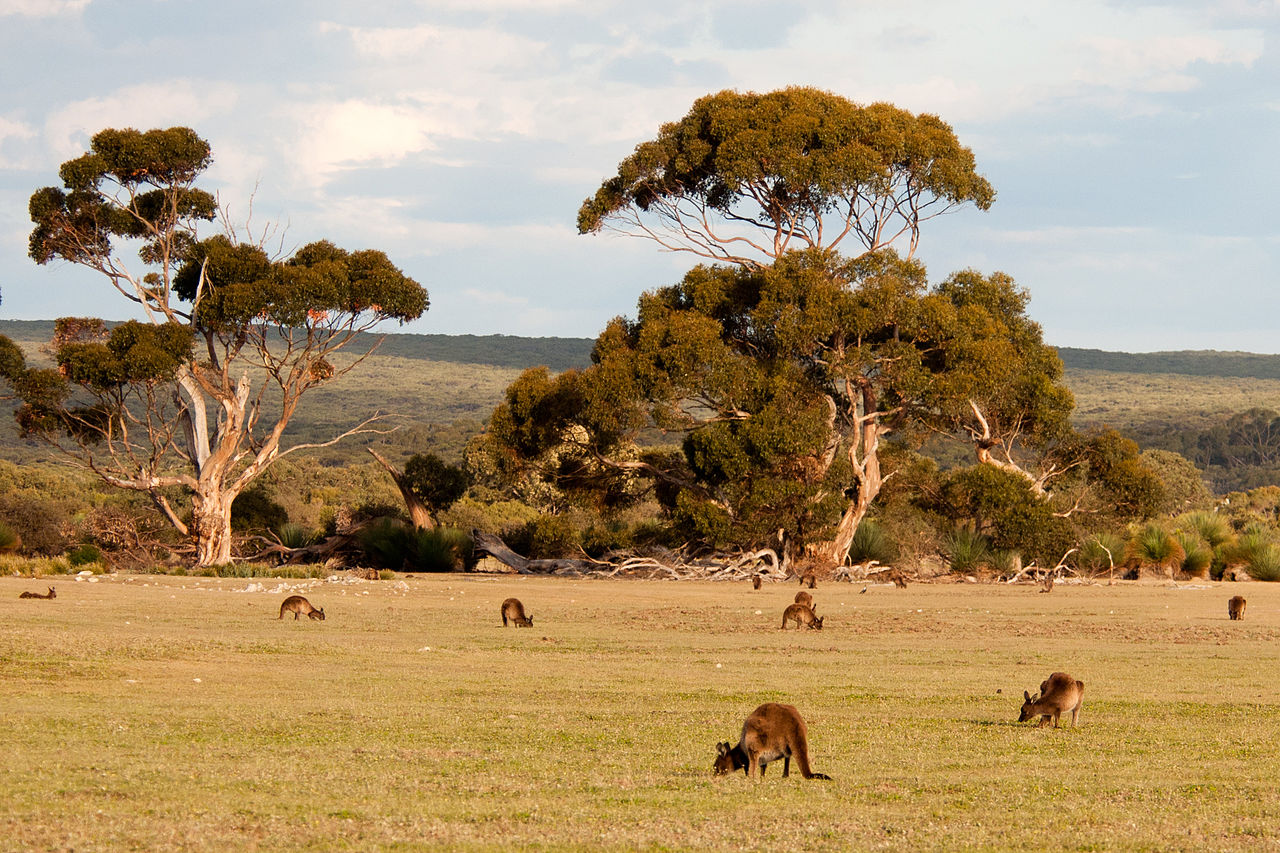
Kangaroo Island, also known as Karta pintingga ("Island of the Dead"), lies just off South Australia's coast. It was once home to Aboriginal Australians, sometimes called the Kartan people. Nearly half the island has never been cleared of vegetation. It remains a sanctuary for a number of species, including the Kangaroo Island kangaroo, Kangaroo Island dunnart, southern brown bandicoot, tammar wallaby, common brushtail possum, short-beaked echidna and glossy black cockatoo. Little penguins, once common on the island, are now rare.
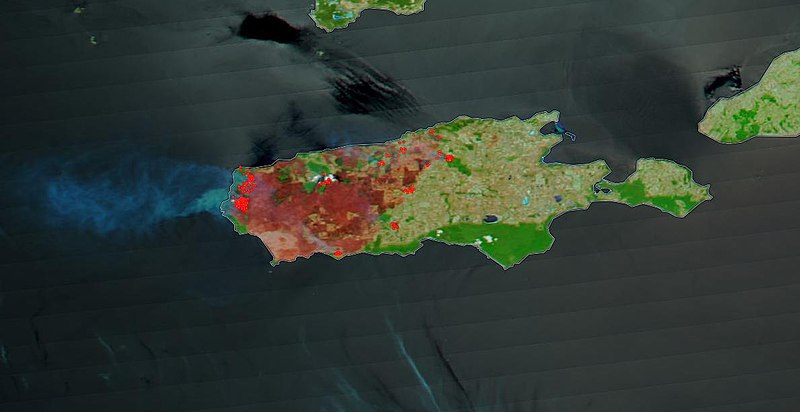
In January 2020, Kangaroo Island was badly affected by bushfires (wildfires), which raged across half the island. A number of wildlife species, already endangered, were feared extinct as a result of the fires.
Consultant: Nicholas Harris
Facts about South Australia
Nicknames The Festival State, the Wine State
Area 983,482 sq km (379,725 sq miles) Rank 4th
Highest point Mount Woodroffe 1435 m (4708 ft)
Population 1,769,319 Rank 5th
Capital Adelaide pop. 1,333,927 (metropolitan area)
Other major towns Mount Gambier (pop. 29,505), Victor Harbor-Goolwa (26,334), Whyalla (21,976)
State mammal Southern hairy-nosed wombat
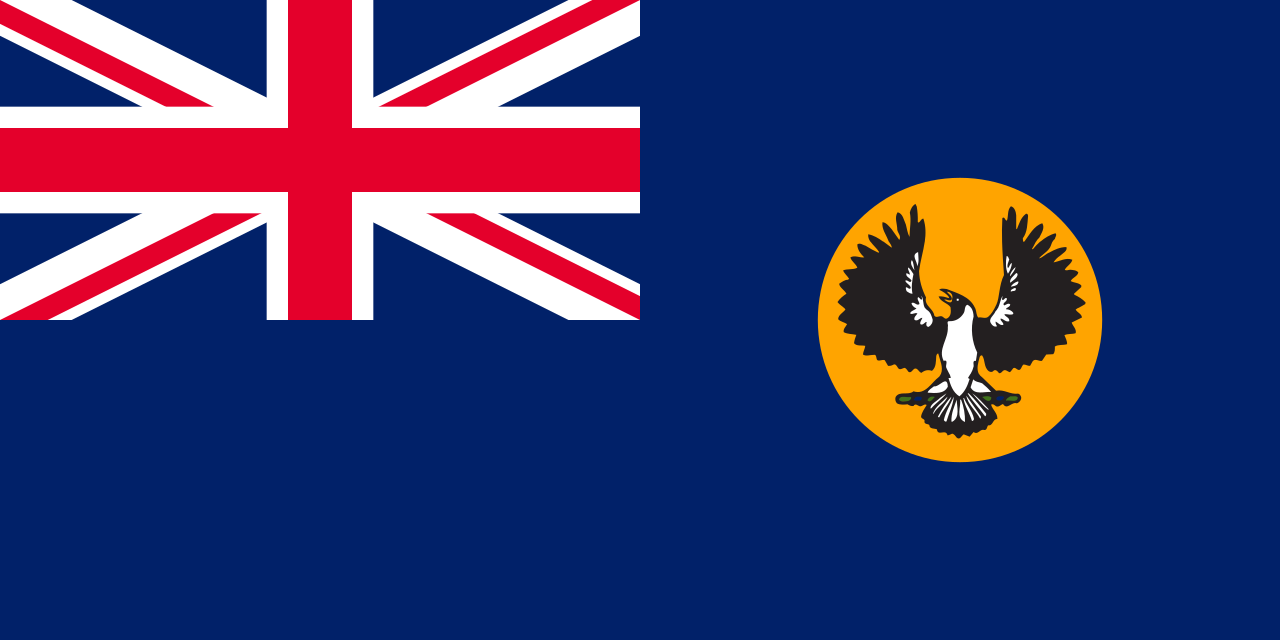
State bird Piping shrike (Australian magpie)
State fish Leafy seadragon
State flower Sturt's desert pea
State mineral Bornite

History of South Australia
20,000 years ago
Evidence of human activity in South Australia: flint mining activity and rock art in the Koonalda Cave on the Nullarbor Plain. An estimated 15,000 Aboriginal Australians, living in small bands, inhabit the region and Kangaroo Island
1627
The first recorded European sighting of the South Australian coast is made by the Dutch ship the Gulden Zeepaert, captained by François Thijssen. He names it Nuyts Land after a distinguished passenger on board
1788
The land that now forms the state of South Australia is claimed for Britain as part of the colony of New South Wales, although no settlements are yet established there
1834
South Australia Act (Foundation Act) is passed by the British Parliament, establishing a province in southern Australia. The Act states that it would be a convict-free province for free immigrants to settle, where they could be assured of civil liberties and religious tolerance. Although the Act guarantees land rights for the indigenous inhabitants, this clause is ignored by the South Australian Company, eager to set up whale and seal fisheries on the coast
1836
The first immigrants arrive at Holdfast Bay, near present-day Glenelg, in November. The commencement of colonial government is proclaimed on 28th December, now known as Proclamation Day
1840
Coorong Massacre: survivors of shipwrecked vessel Maria are massacred by Aboriginal people of the Milmenrura tribe near Cape Jaffa
1842
South Australia Act gives the British Government full control of South Australia as a Crown Colony
1845
Large deposits of copper are discovered at Burra, triggering a mining boom
1855
The right to vote is granted to all male British subjects of 21 years or over living in South Australia
1856
South Australia becomes a self-governing colony. A parliament is elected the following year
1861
Propertied women in South Australia are granted the vote
1862
John McDouall Stuart's successful expedition to the north coast of Australia begins in South Australia
1863
The lands lying to the north of South Australia, still forming part of New South Wales, are annexed to South Australia as the "Northern Territory of South Australia". The Northern Territory will be later handed over to Australia'a federal government in 1911 and become a separate territory
1895
Taking effect from the 1896 colonial election, South Australia becomes only the second democracy in the world after New Zealand to allow women to vote, and the first in the world to allow women to stand for election
1897
Writer and campaigner Helen Spence becomes the first Australian woman to run for political office, but she is unsuccessful
1901
South Australia becomes an original state of the Commonwealth of Australia
pics
Without in any way limiting Q-files Ltd’s exclusive rights under copyright, any use of this publication to “train” generative artificial intelligence (AI) technologies to generate text is expressly prohibited. Q-files Ltd reserves all rights to license use of this work for generative AI training and development of machine learning language models.