
Australian states and territories

CITE
We have made every effort to follow citation style rules, but there may be some minor differences. If in doubt, please refer to the appropriate citation style manual.
Western Australia. (2026). In Q-files Encyclopedia, Geography, Australian states and territories. Retrieved from
https://www.q-files.com/geography/australian-states-and-territories/western-australia
"Western Australia." Geography, Australian states and territories, Q-files Encyclopedia, 1 Apr. 2026.
https://www.q-files.com/geography/australian-states-and-territories/western-australia.
Accessed 21 Sep. 2026.
Western Australia 2026. Geography, Australian states and territories. Retrieved 21 September 2026, from
https://www.q-files.com/geography/australian-states-and-territories/western-australia
Geography, Australian states and territories, s.v. "Western Australia," accessed September 21, 2026.
https://www.q-files.com/geography/australian-states-and-territories/western-australia


Western Australia
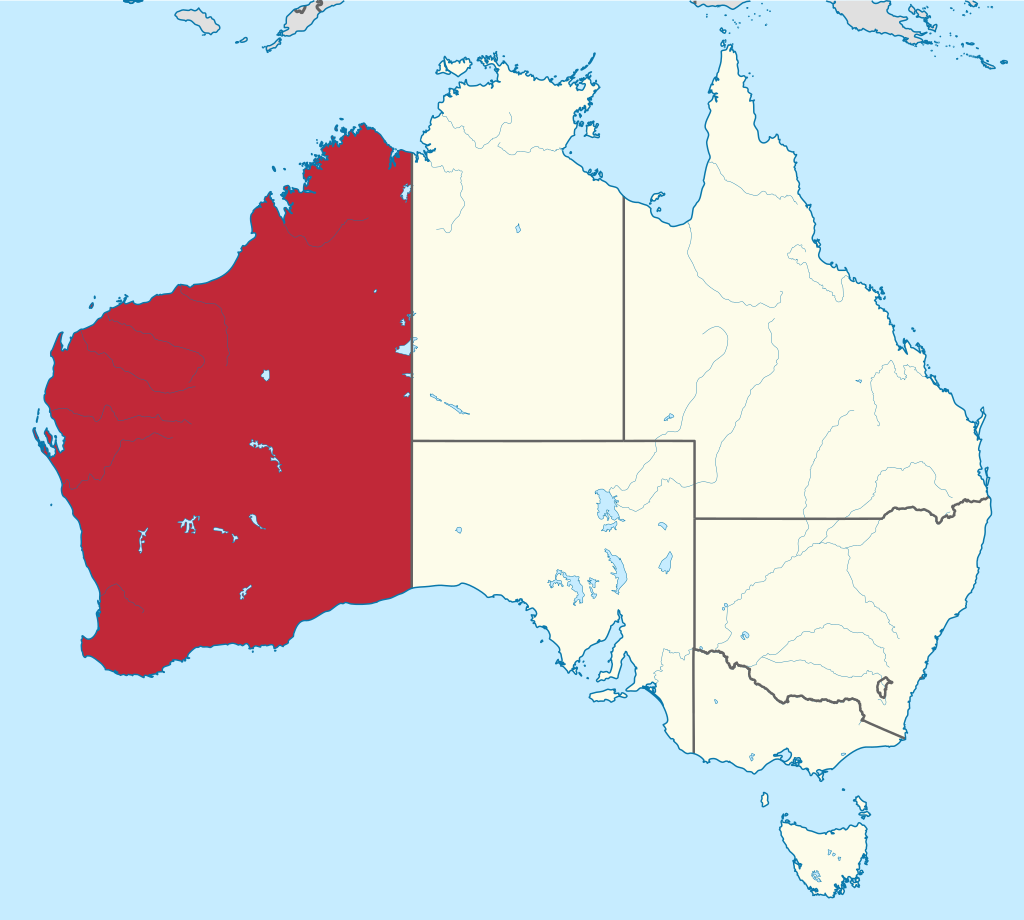
Western Australia (WA), Australia's largest state, occupies the western third of the island continent's entire area. The great majority (92%) of its inhabitants live in the southwest corner, leaving the remainder of this vast state sparsely populated. The southwest enjoys a Mediterranean climate, with mild, wet winters and hot summers. The central two-thirds of the state is arid and sparsely inhabited. The only settlements in this part of Western Australia are clustered around mines. The far north has a hot monsoonal climate with a very long rainless season.
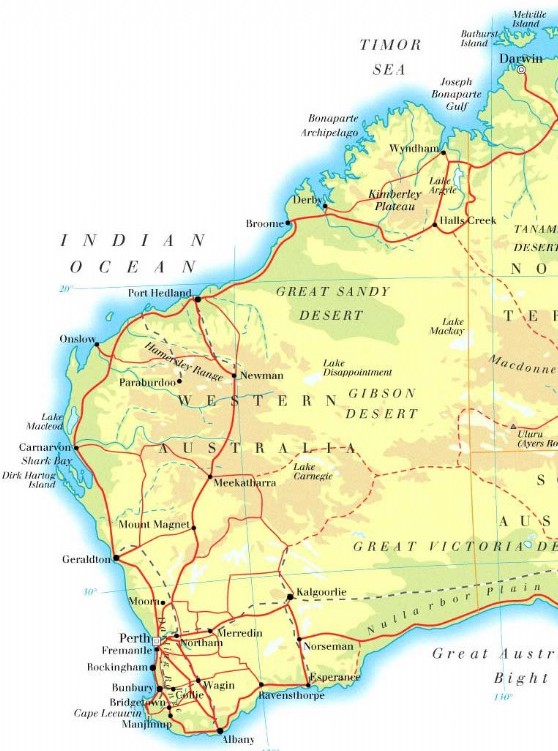
Landscape
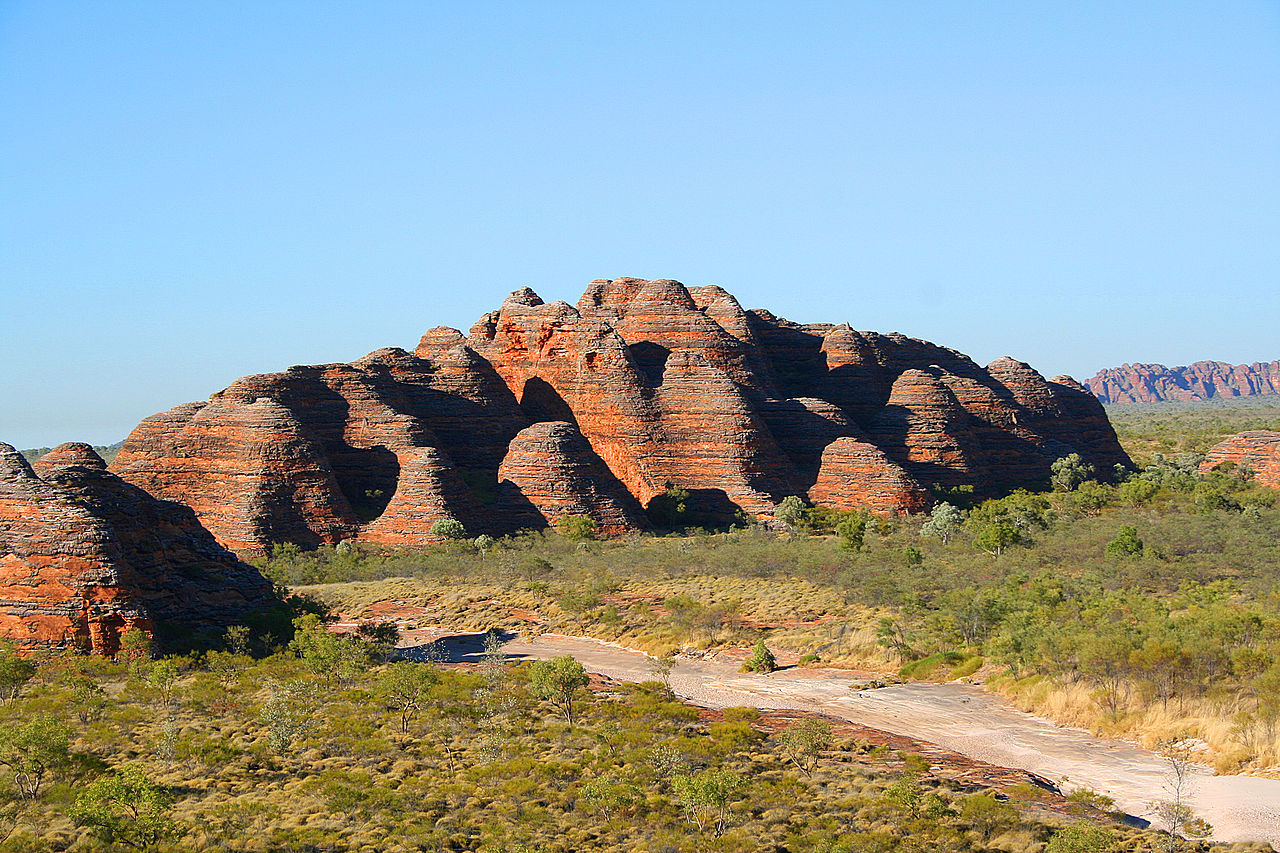

Western Australia lies in a shield, a geologically stable region, so there are no towering mountain ranges. The land consists of ancient rocks, greatly eroded over many millions of years. Most of the state is a low plateau, descending—in some places, along a steep escarpment—to the coastal plains. Stretching away to the east are deserts, including the Great Sandy Desert and its high sand dunes, reaching up to 9 metres (30 feet) in height. The "lakes" are playas, dried up lake beds.
To the southwest of the Great Sandy Desert lies the Pilbara region, a rugged, arid landscape of red earth and ancient rocks where some of the world’s oldest fossil stromatolites (about 3.5 billion years old) can be found. The region includes the gorges of the Hamersley Range. Its rivers, usually dry, sometimes become raging torrents during the cyclone season.

Economy
Western Australia's economy is largely driven by mining and processing of a range of minerals and petroleum products. The state's major exports include iron ore (mined mainly in the Pilbara region) petroleum, gold, alumina (processed from bauxite), nickel, copper, lithium and wheat. Australia's largest oil refinery, along with alumina and nickel processing plants, engineering works and port facilities for grain and other bulk exports, are located in the Kwinana industrial area to the south of Perth. Tourism also forms a major part of the Western Australian economy.

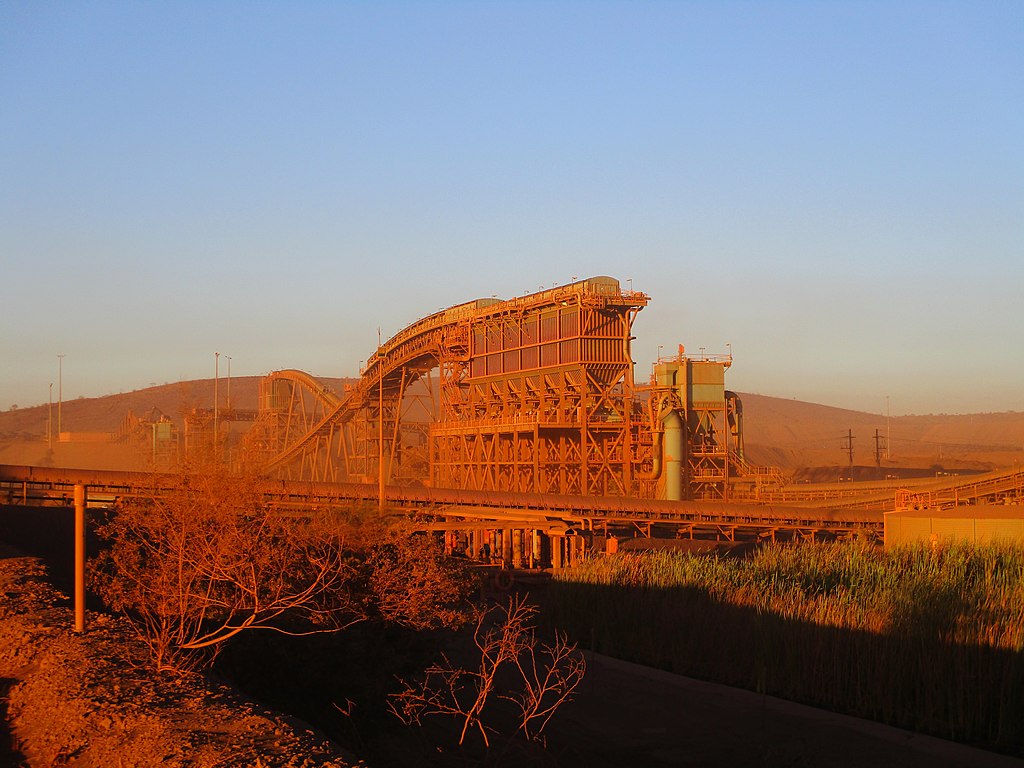
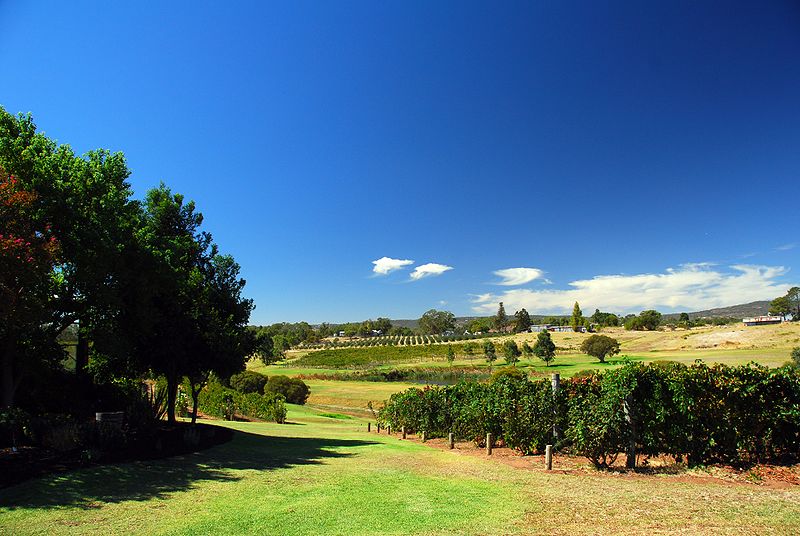
Inland from Perth lies the Wheatbelt, an area of both cereal cultivation and sheep farming. The region's massive farms span thousands of hectares. Wine is produced mainly in the Margaret River and Great Southern regions south of Perth, and in the Swan Valley.
Perth

The Noongar, an Aboriginal Australian people, have inhabited the Perth area—known to them as Boorloo—for at least 38,000 years. Dutch explorer Willem de Vlamingh made the first sighting of the region by a European in 1697. He and others after him decided the area was too inhospitable, so it was not until 1826 that the British decided to found a settlement nearby (in what is now Albany)—but only because they feared the French would colonize the area before they did.
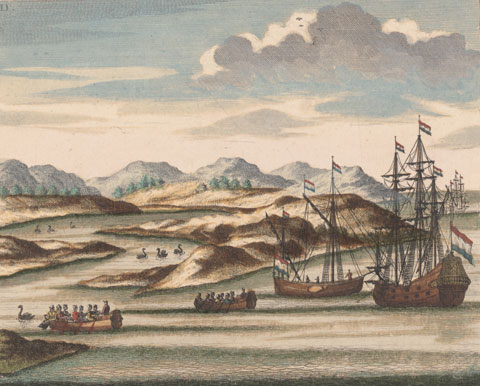
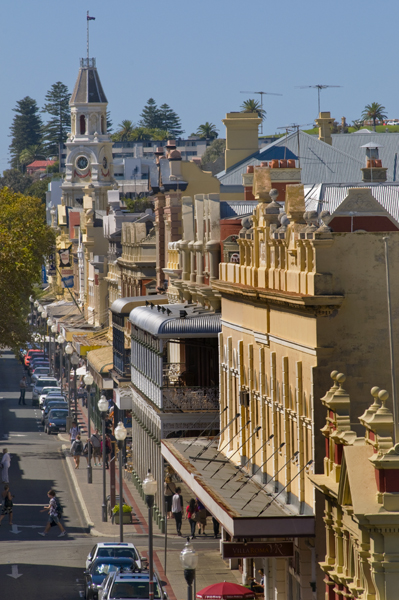
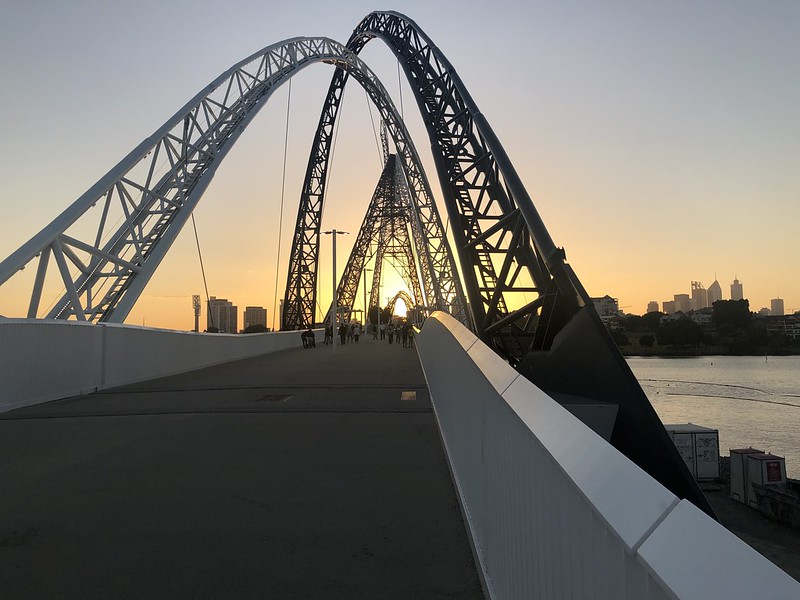
In 1829 another colony was established on the banks of the Swan River. It was founded by Captain James Stirling in 1829 as the administrative centre of the Swan River Colony and named after Perth, Scotland, in honour of Stirling's patron Sir George Murray, who was born there (and after whom the Murray River is named). As the colony grew, so hostile encounters between the British settlers and the Noongar people mulitiplied, culminating in the Pinjarra massacre in 1834, in which scores of Noongar people lost their lives.
Gaining city status in 1856, Perth's population increased substantially as a result of the gold rushes in the late 19th century. The mining boom of the late 20th and early 21st centuries has seen Perth become the regional headquarters for large mining operations.
Consultant: Nicholas Harris
Facts about Western Australia
Nickname The Wildflower State
Area 2,527,013 sq km (975,685 sq miles) Rank 1st
Highest point Mount Meharry 1249 m (4098 ft)
Population 2,661,936 Rank 4th
Capital Perth pop. 2,043,138 (metropolitan area, including Mandurah)
Other major towns Bunbury (pop. 73,989) Geraldton (37,961), Albany (33,998), Kalgoorlie-Boulder (30,420)
State mammal Numbat
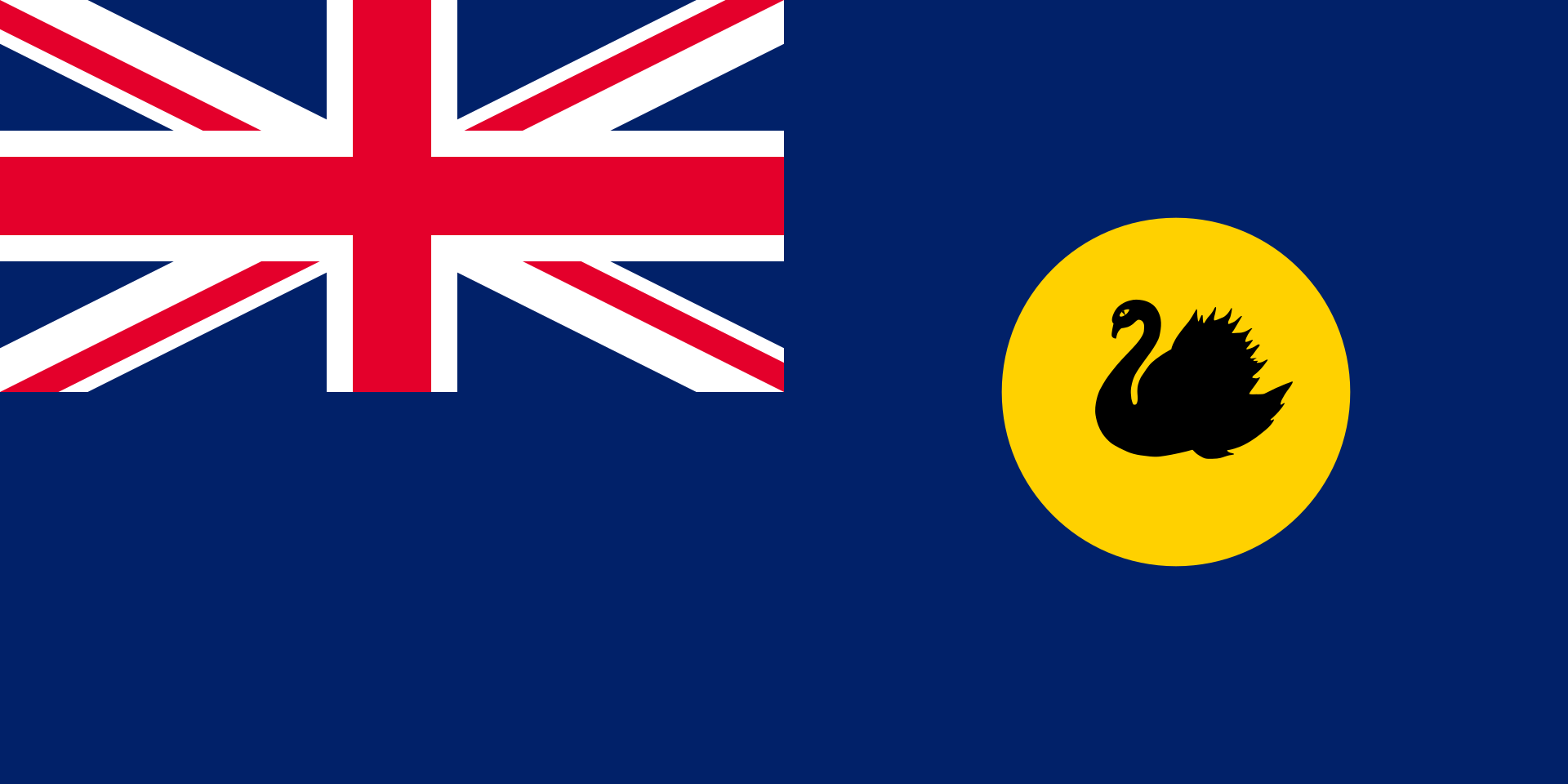
State bird Black swan
State fish Whale shark
State flower Red-and-green (or Mangles) kangaroo paw
History of Western Australia
60,000–40,000 years ago
Aboriginal Australians first settle in Western Australia
1616
An expedition party led by Dutchman Dirk Hartog become the first Europeans to visit Western Australia when they land at what is now known as Cape Inscription, Dirk Hartog Island
1629
Wiebbe Hayes Stone Fort, the oldest surviving European building in Australia, is built on West Wallabi Island in Western Australia by survivors of the Batavia shipwreck and massacre by Aboriginal Australians
1697
Dutch explorer Willem de Vlamingh explores the Swan River area
1800–03
The French Baudin expedition party charts the coast of Western Australia, resulting in the Freycinet Map of 1811, the first map featuring the full outline of Australia
1826
The first permanent European settlement is established by Major Edmund Lockyer from New South Wales, who builds a convict-supported military garrison at King George III Sound, present-day Albany
1827
Lockyer declares the entire western portion of the continent not already claimed by the British Crown to be a British possession, in response to concerns about French claims to the coastal lands of Western Australia
1829
Swan River Colony, which includes the site of present-day Perth, is founded by Captain James Stirling, and settled by British and Irish immigrants
1831
York, the first inland settlement in Western Australia, situated 100 km (60 miles) east of Perth, is founded
1832
The official name of the colony changes to Western Australia. The name "Swan River Colony", however, remains the popular name for many years afterwards
1834
Aboriginal Australians' resistance, triggered by the European settlers' disregard for their land rights, is finally overcome at the Battle of Pinjarra, in which scores of natives are massacred
1850s
Following wealthy landowners' call for extra labour, thousands of convicts from southeastern Australia are relocated to Western Australia
1880s–90s
Significant discoveries of gold are made, especially around Kalgoorlie in 1893, encouraging a boom of immigrants
1890
An act granting self-government to the colony is passed by the British Parliament
1901
Along with the other self-governing colonies, Western Australia becomes a state in the new Commonwealth of Australia
1903
Goldfields Water Supply Scheme pipeline carries water 530 km (330 miles) from Perth to Kalgoorlie, encouraging farmers to settle in the southwest
pics
Without in any way limiting Q-files Ltd’s exclusive rights under copyright, any use of this publication to “train” generative artificial intelligence (AI) technologies to generate text is expressly prohibited. Q-files Ltd reserves all rights to license use of this work for generative AI training and development of machine learning language models.