
Australian states and territories

CITE
We have made every effort to follow citation style rules, but there may be some minor differences. If in doubt, please refer to the appropriate citation style manual.
Northern Territory. (2026). In Q-files Encyclopedia, Geography, Australian states and territories. Retrieved from
https://www.q-files.com/geography/australian-states-and-territories/northern-territory
"Northern Territory." Geography, Australian states and territories, Q-files Encyclopedia, 1 Apr. 2026.
https://www.q-files.com/geography/australian-states-and-territories/northern-territory.
Accessed 21 Sep. 2026.
Northern Territory 2026. Geography, Australian states and territories. Retrieved 21 September 2026, from
https://www.q-files.com/geography/australian-states-and-territories/northern-territory
Geography, Australian states and territories, s.v. "Northern Territory," accessed September 21, 2026.
https://www.q-files.com/geography/australian-states-and-territories/northern-territory


Northern Territory
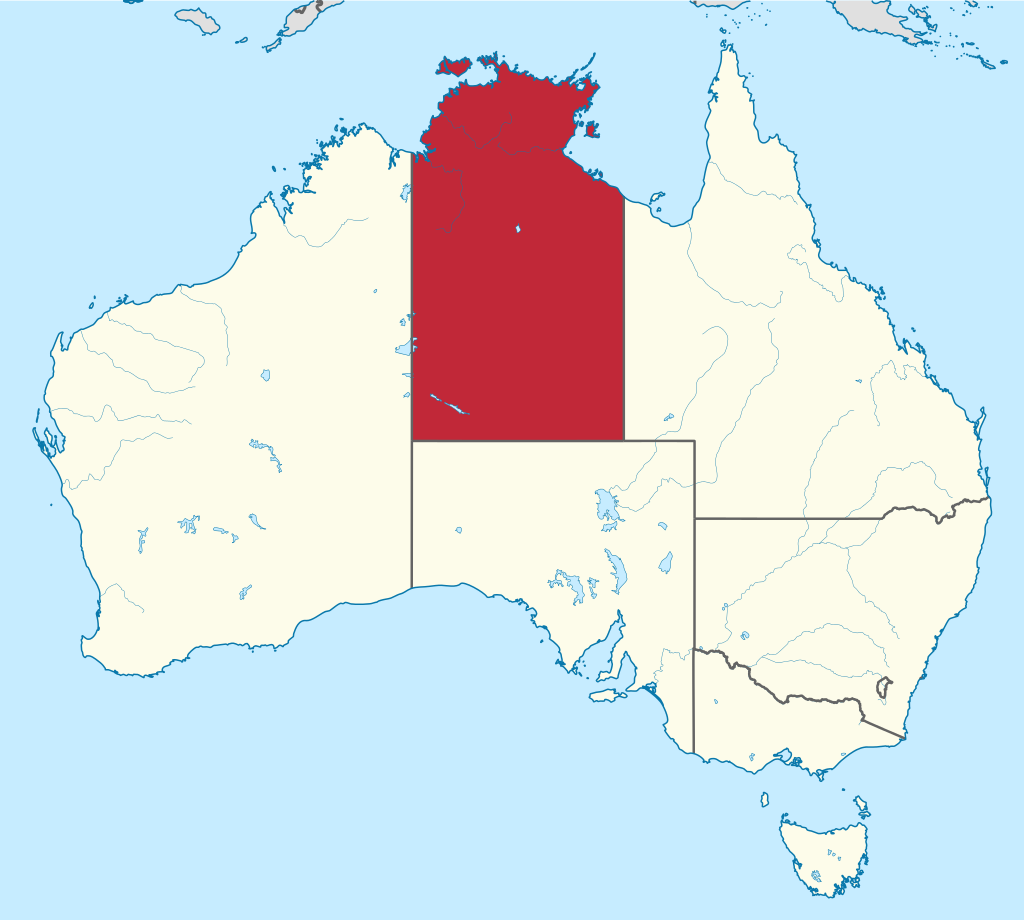
The Northern Territory (NT) is a territory—not a state—in the central northern region of Australia. The land, much of it semi-arid scrubland or desert, is sparsely populated, with a population less than half that of Tasmania (whose area is just 5% that of the Northern Territory). More than half of Territorians live in Darwin, located on the north coast (Top End). The only other settlements line the Stuart Highway, the road connecting Darwin with Adelaide, South Australia.


Geography
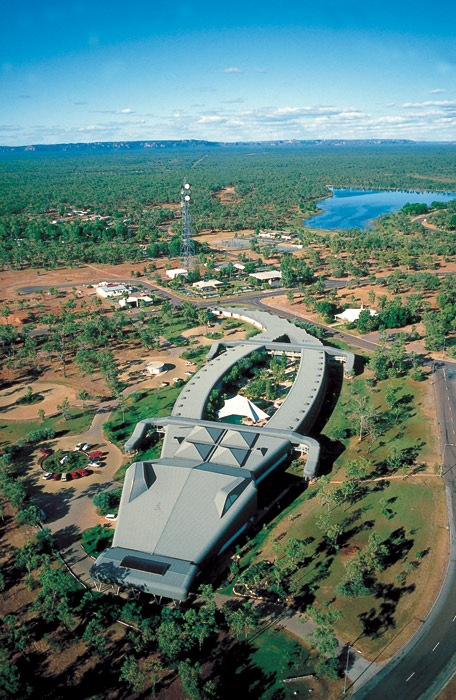
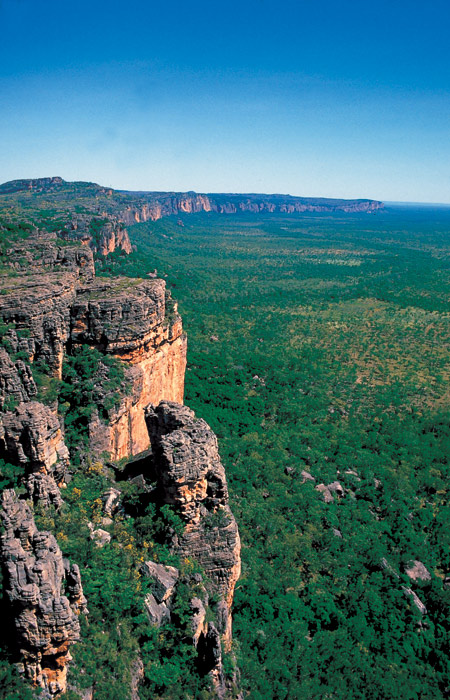
Just inland from the coast, fringed with mangrove swamps, the Top End is largely a flat region, covered with tropical savanna—grassland mixed with eucalyptus trees. There are also patches of rainforest. A rugged sandstone plateau rises in Arnhem Land to the east, which is cut through with gorges and edged by a steep escarpment. Much of this area lies within Kakadu National Park, an area which also encompasses extensive wetlands rich with wildlife.
To the south, the savanna merges into the grassy plains of the Barkly Tableland, used for cattle grazing, and, further west and south, semi-arid scrubland plains and sandy desert of the Australian Outback—sometimes called the Red Centre, after the colour of the soil. Across this landscape roam significant numbers of feral camels, which do severe damage to, among other things, fencing and Aboriginal religious sites. Also in this region are the low mountains and gorges of the MacDonnell Ranges.

Climate
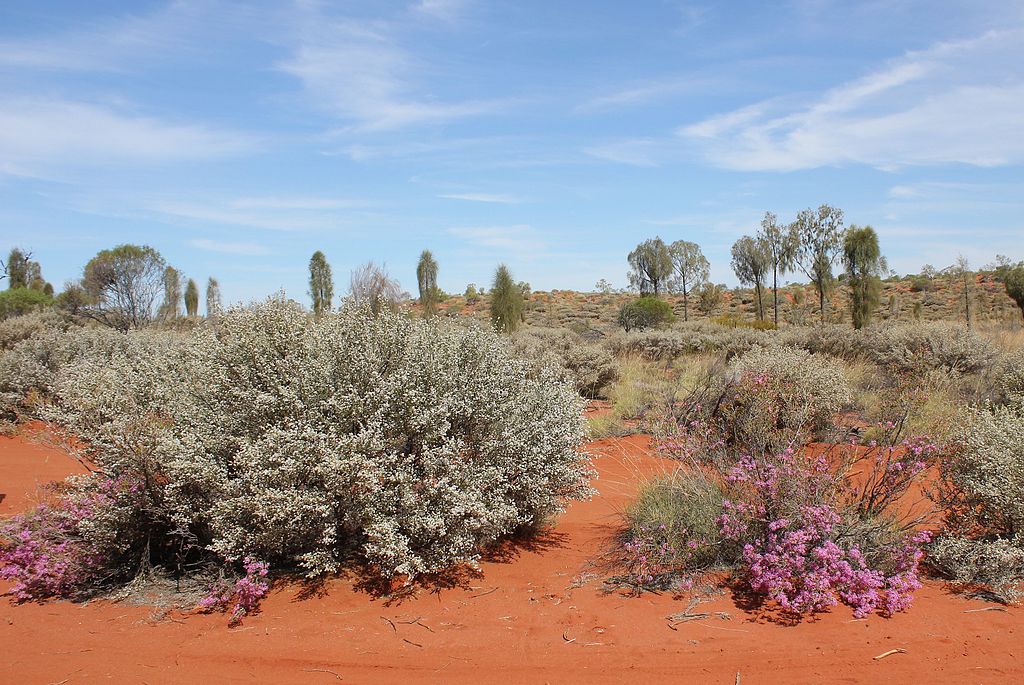
The Top End has a humid tropical climate. There is very little rainfall during the winter months, between May and September. The wet season comes with tropical cyclones, thunderstorms and monsoon rains. In the desert region farther south, there is a semi-arid climate, with very hot summers and cool winters.
Aboriginal Australians
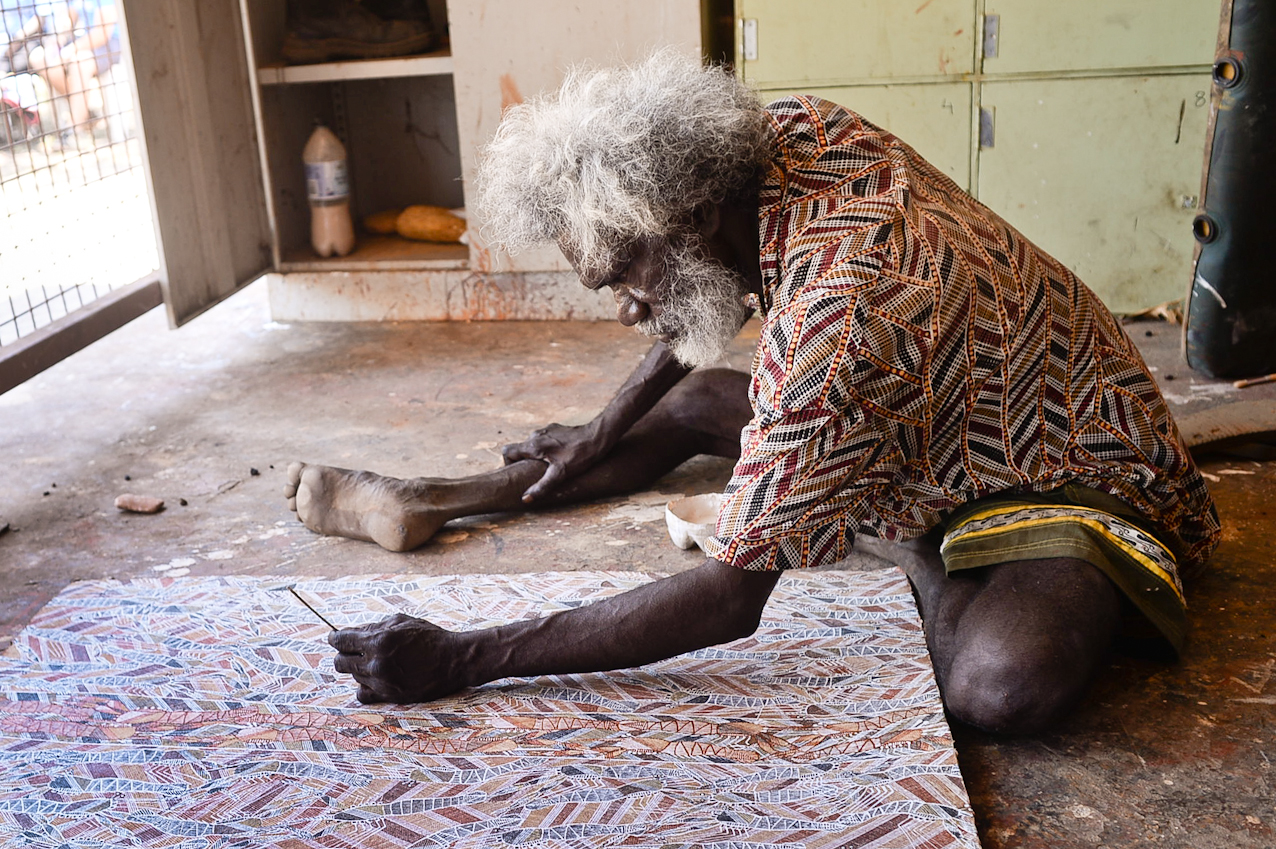
More than a quarter of the population of Northern Territory, around 58,000 people, are Aboriginal Australians. Collectively, Aboriginals own around half of the land area of the Territory—chiefly, Arnhem Land and, further south the region to the west of the Stuart Highway. There are Aboriginal communities in many parts of the territory, the largest ones being the Pitjantjatjara near Uluru, the Arrernte and Luritja near Alice Springs, and the Yolngu in eastern Arnhem Land. There are more than 100 Aboriginal languages and dialects spoken in the Northern Territory.
Some Aboriginal Australians live in outstations, small, often remote, towns with basic facilities and which are closed to outsiders. In comparison with the wider Australian population, they suffer more from the social problems that come with unemployment, a lack of education and poverty.


Mining
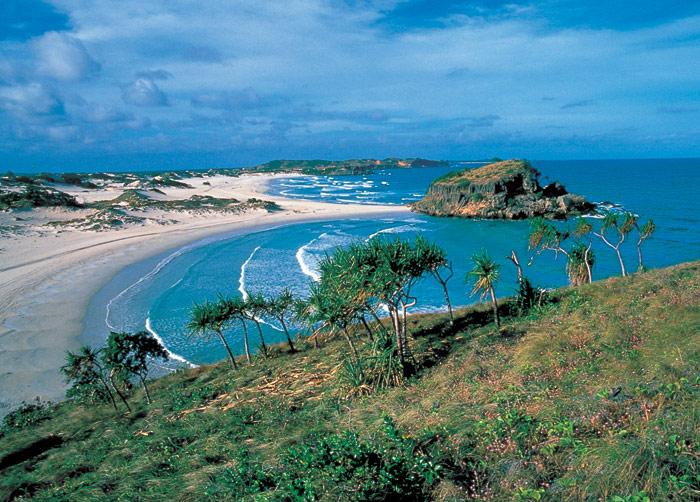
The Northern Territory's economy is largely driven by the production of oil and gas, and mining—bauxite at Gove Peninsula, manganese at Groote Eylandt, gold at the Union Reefs plant and uranium at Ranger Uranium Mine.
Tourism

Tourism is also an important industry in the Northern Territory. It has two spectacular natural rock formations, Uluru (Ayers Rock) and Kata Tjuta (the Olgas), which are sacred to the local Aboriginal peoples, and which have become major tourist attractions.
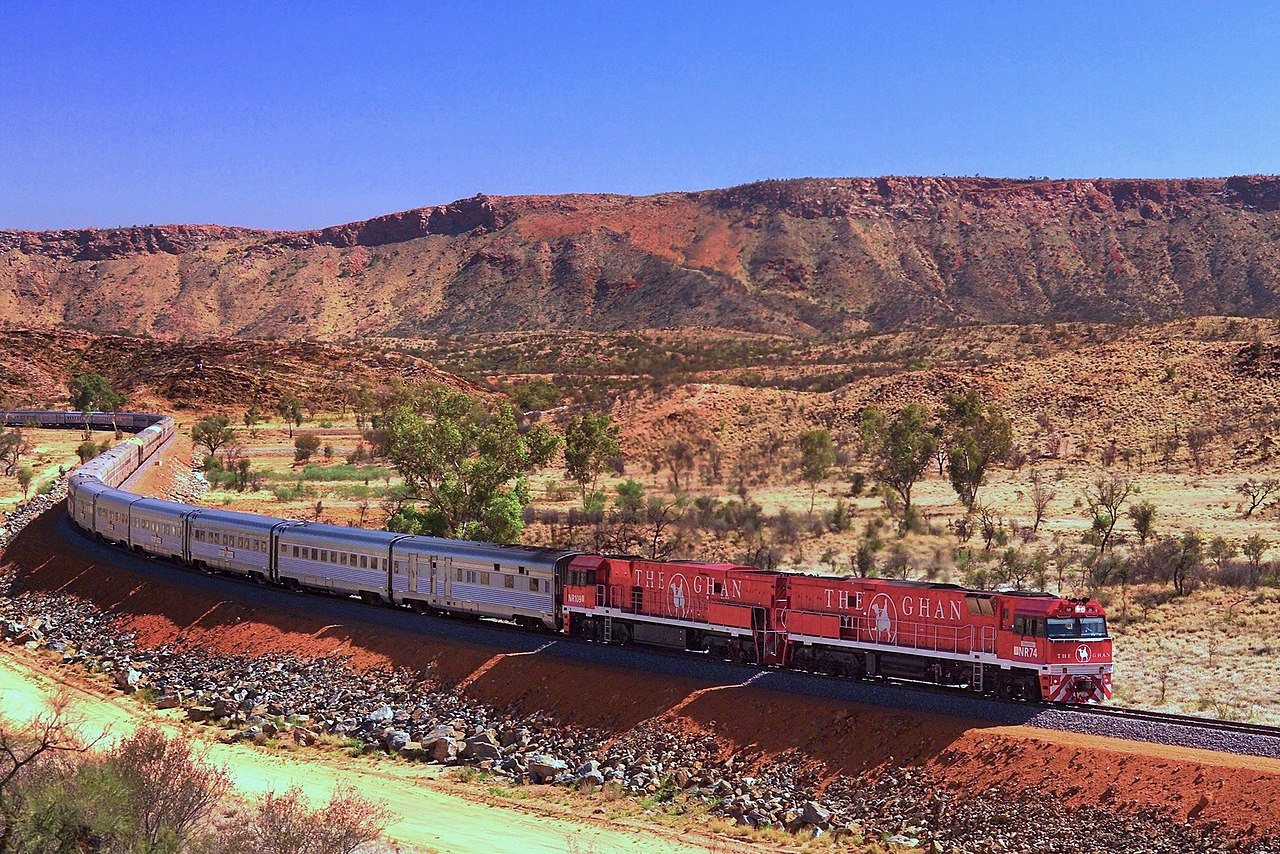
Northern Territory's many national parks are also a major draw. Another popular tourist experience is riding the Ghan (short for "Afghan Express"), a passenger train that travels through spectacular scenery between the cities of Adelaide, Alice Springs and Darwin.
Consultant: Nicholas Harris
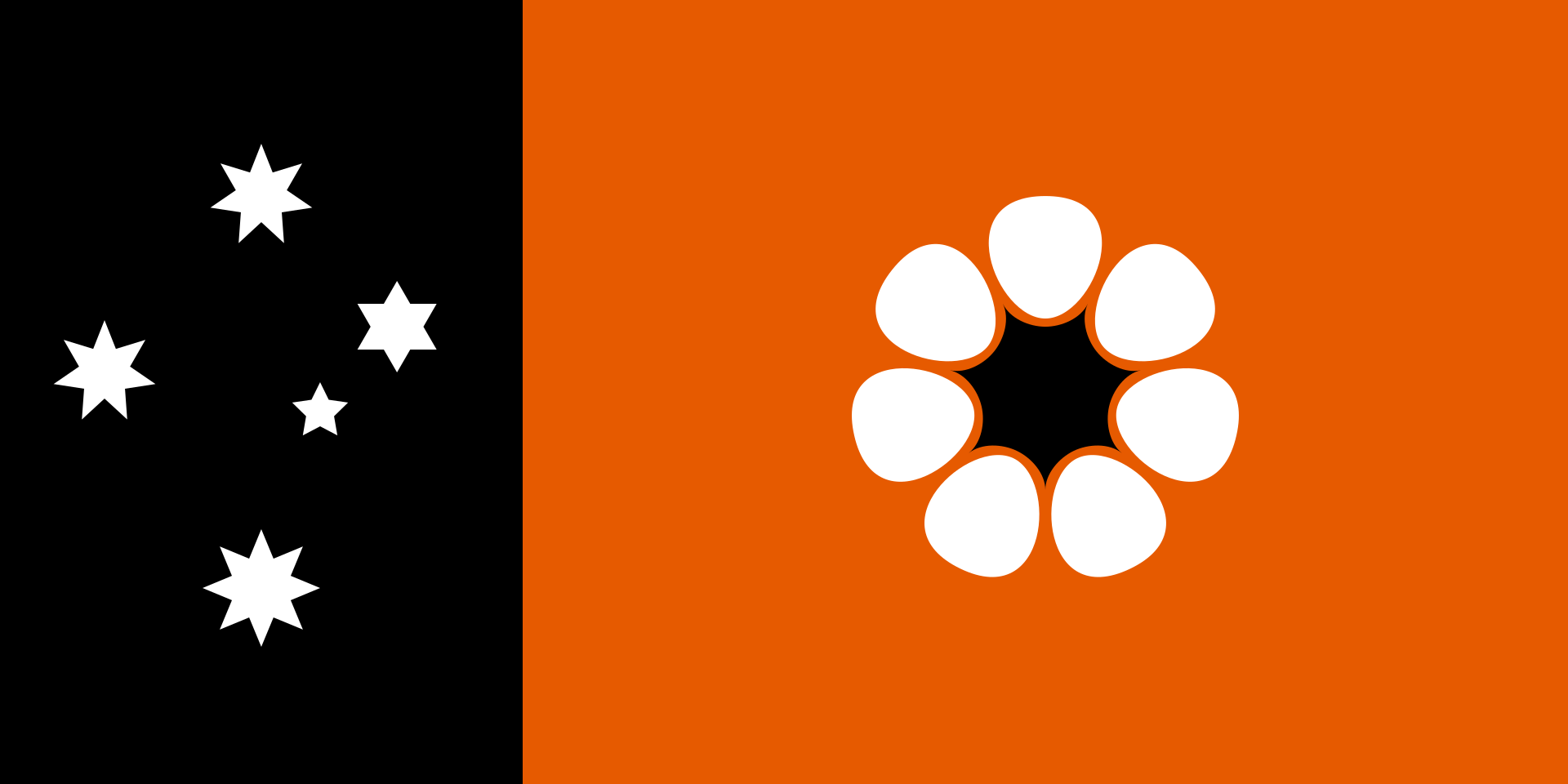
Facts about the Northern Territory
Nickname The Territory
Area 1,349,129 sq km (520,902 sq miles) Rank 3rd
Highest point Mount Zeil 1531 m (5023 ft)
Population 245,980 Rank 8th
Capital Darwin pop. 78,925
Other major towns Palmerston (pop. 30,098), Alice Springs (28,449), Litchfield (20,039), Katherine (10,355)
Territory mammal Red kangaroo
Territory bird Wedge-tailed eagle
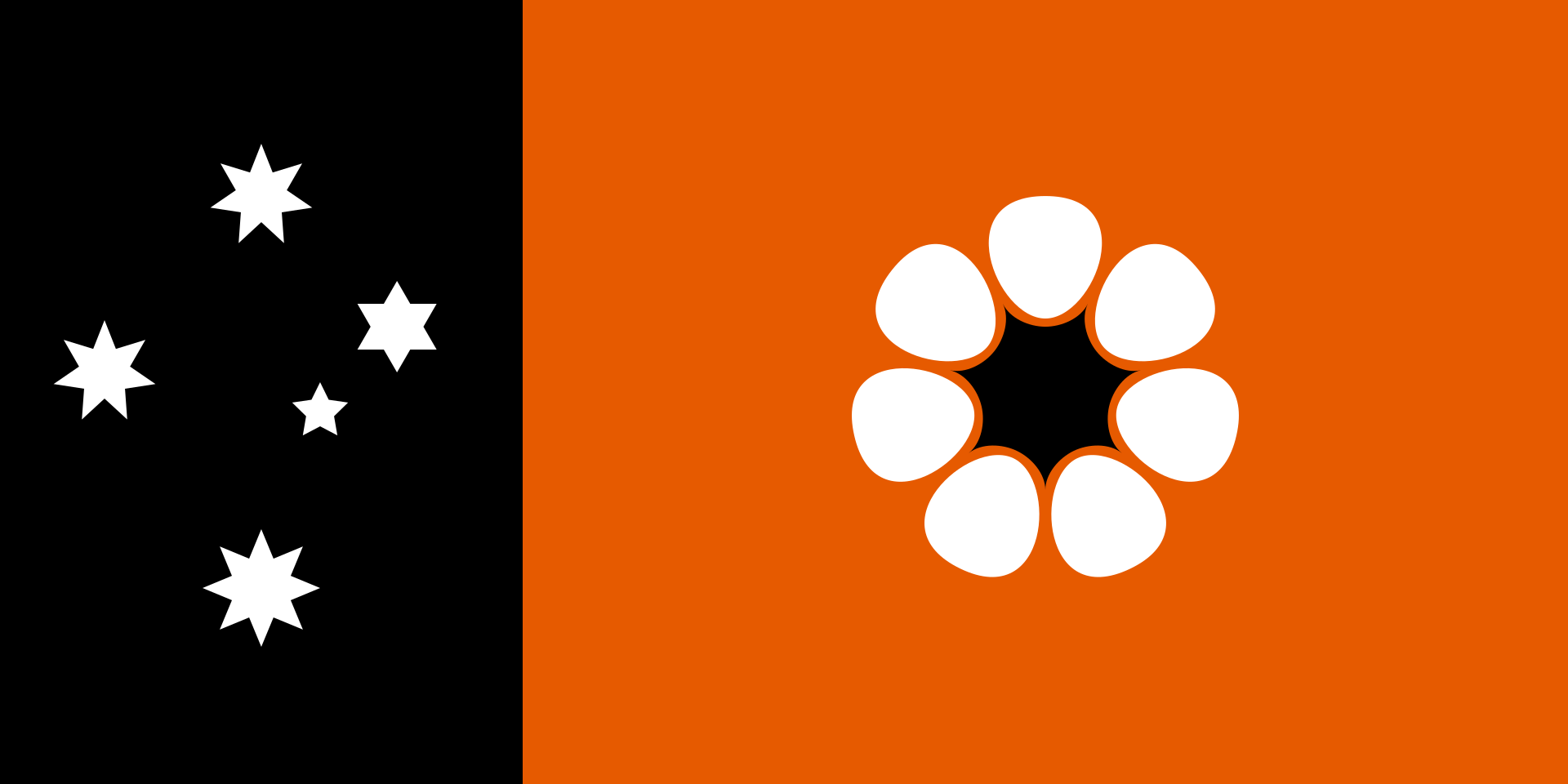
Territory flower Sturt's desert rose
History of the Northern Territory
60,000–40,000 years ago
Aboriginal Australians settle this region of Australia, probably arriving by sea from the islands just to the north
1400s–1800s
Traders from Makassar (what is now Ujung Pandang in Indonesia) visit Arnhem Land to harvest trepang (sea cucumbers), prized as a medicine in China. They trade cloth, tobacco, knives, rice and alcohol with the local Aboriginal Australians. Baijini "sea gypsy" families also come to trade for pearls, oyster and turtle shell.
1605
The Duyfken, a vessel commanded by the Dutch explorer Willem Janszoon, explores the eastern shore of the Gulf of Carpentaria. Janszoon is the first known European to sight the mainland of Australia
1824
British Captain James Gordon Bremer establishes Fort Dundas on Melville Island as a part of the Colony of New South Wales, but it is abandoned in 1828
1827–29
Settlements are founded at Raffles Bay and Fort Wellington, but both are soon abandoned
1838
Fort Victoria at Port Essington is established, but is disbanded in 1849
1862
Scottish explorer John McDouall Stuart succeeds in crossing Central Australia from south to north, arriving in Northern Territory
1863
Northern Territory is annexed by South Australia
1869
George Goyder, the Surveyor-General of South Australia, establishes a small settlement at Port Darwin. Goyder names the settlement Palmerston, after the British Prime Minister of the day
1870–72
Australian Overland Telegraph Line, connecting Adelaide with Palmerston (and from there to Singapore via Java) is completed, linking Australia by telegraph to the rest of the world
1872
Gold is discovered at Grove Hill
1911
The Northern Territory is separated from South Australia and transferred to Australian federal control. A new name, "Kingsland" (after King George V and to correspond with Queensland), is proposed but never implemented. The capital, Palmerston, is renamed Darwin
1927–31
The Northern Territory is divided into North Australia and Central Australia at the 20th parallel of latitude
1942
(19th February) Darwin is bombed by Japanese planes during World War II in the largest single attack ever mounted by a foreign power on Australia
1974
(Christmas Day) Darwin is devastated by Tropical Cyclone Tracy, which kills 71 people and destroys more than 70% of Darwin's buildings, leaving 41,000 out of the 47,000 inhabitants of the city homeless
1976
The Aboriginal Land Rights (Northern Territory) Act is passed. It provides the basis upon which Aboriginal Australians can claim rights to land in the territory based on traditional occupation. It is the first law by any Australian government that legally recognizes Aboriginal land ownership
1978
The Northern Territory becomes self-governing under its own administrator appointed by the Governor-General of Australia
1985
The Australian government returns ownership of Uluru to the local Aboriginal people, the Anangu, on condition that it is leased it back to the National Parks and Wildlife Agency
pics
Without in any way limiting Q-files Ltd’s exclusive rights under copyright, any use of this publication to “train” generative artificial intelligence (AI) technologies to generate text is expressly prohibited. Q-files Ltd reserves all rights to license use of this work for generative AI training and development of machine learning language models.