
Weather and climate

CITE
We have made every effort to follow citation style rules, but there may be some minor differences. If in doubt, please refer to the appropriate citation style manual.
Storms. (2026). In Q-files Encyclopedia, Earth, Weather and climate. Retrieved from
https://www.q-files.com/earth/weather-and-climate/storms
"Storms." Earth, Weather and climate, Q-files Encyclopedia, 6 Mar. 2026.
https://www.q-files.com/earth/weather-and-climate/storms.
Accessed 13 Sep. 2026.
Storms 2026. Earth, Weather and climate. Retrieved 13 September 2026, from
https://www.q-files.com/earth/weather-and-climate/storms
Earth, Weather and climate, s.v. "Storms," accessed September 13, 2026.
https://www.q-files.com/earth/weather-and-climate/storms


Storms
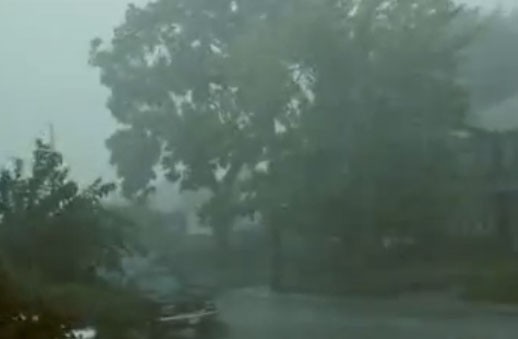
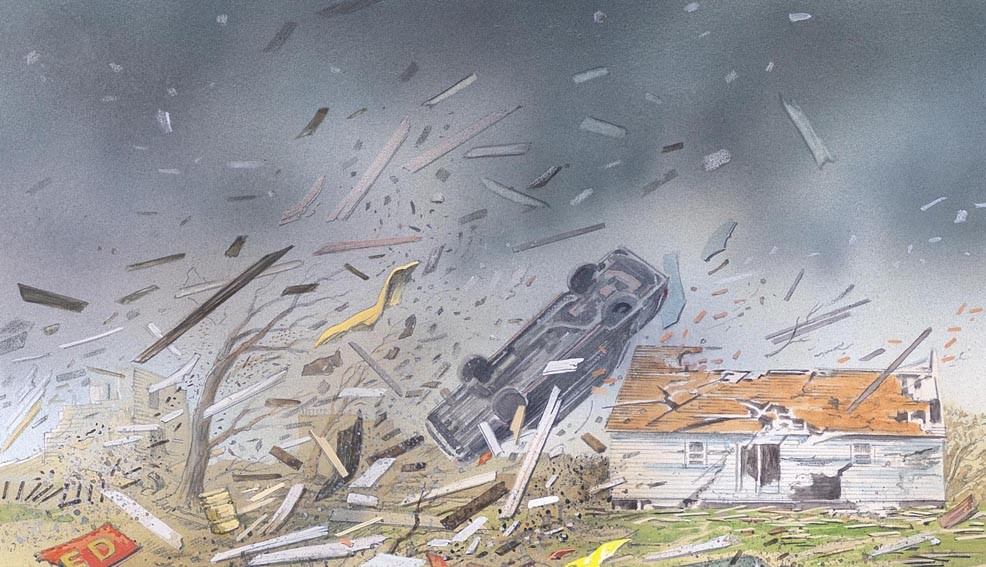
There are many different kinds of storm. Most involve severe, violent weather with regions of high winds and heavy rain, and perhaps a sudden change in temperature. Some have thunder and lightning. They move across sea and land and may cause great damage and loss of life. Powerful winds in tornadoes or hurricanes blow down buildings and bridges and toss cars and trucks about like toys. Heavy rain or snow causes floods, mudslides or avalanches.
How storms occur
Most storms begin as the Sun heats an area of land or sea and causes warm air to rise rapidly. Storms vary greatly in size and duration. A small tornado or “twister” may have a base just a few metres across and be gone in half an hour. A typical thunderstorm is 5–10 kilometres (3–6 miles) wide and lasts for a few hours. A large hurricane may be more than 2000 kilometres (about 1250 miles) across and rage on for two or three weeks.
Thunderstorms
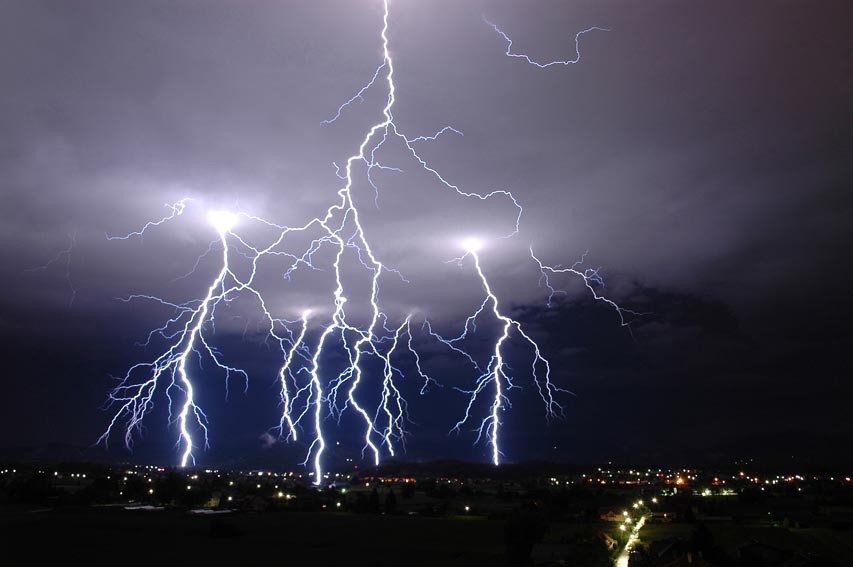
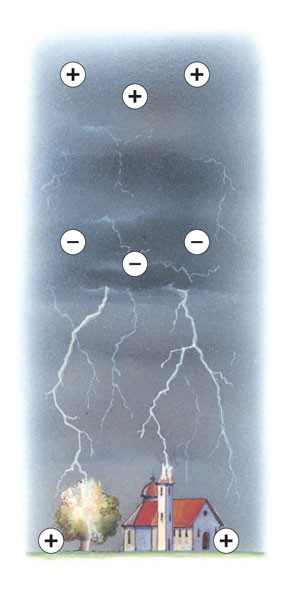
After hot, dry weather, some land areas become very warm. As cool, moist air blows over them, it is heated, rises fast, and cools. Its moisture turns into water droplets or ice crystals which form towering cumulonimbus clouds. The droplets and crystals swirl up and down inside the cloud. As they bump together, they become charged with static electricity. This builds up until it is suddenly released as a great spark of lightning that suddenly leaps from the clouds (negatively charged) to the ground (positive charge). The heat of the flash makes the air around it expand so fast it makes a boom of thunder.
Ordinary thunderstorms are incredibly powerful. Every day around the world there are 44,000 thunderstorms; every second there are 100 lightning strikes, each with a force of 100 million volts or more. The amount of power generated daily by such storms would be enough to supply the whole of the United States—twice over.
Storm clouds
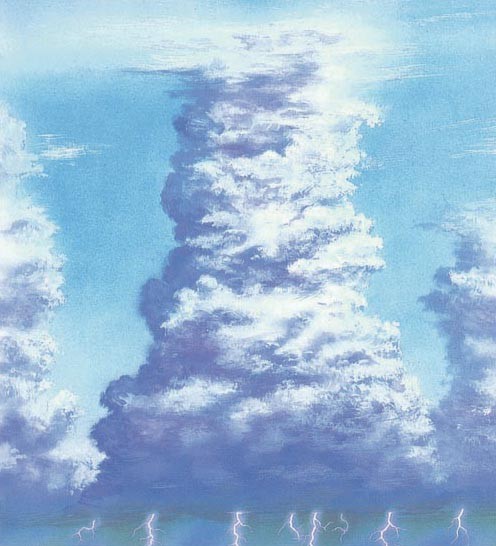
The tallest clouds are giant cumulonimbus, which, in the tropics, may reach 20 kilometres (12 miles) or more into the sky from their bases at around 500 metres (about 1500 feet) above ground level. Currents of air shoot up inside them at 160 km/h (100 mph) or more, and can keep hailstones weighing as much as 500 grams (about a pound) suspended in the air. Clusters of cumulonimbus clouds can produce raging thunderstorms and torrential rain, and may, in some parts of the world, spawn destructive tornadoes.

Hail
Hail is a kind of solid precipitation. Each hailstone consists of a lump of ice usually measuring a few millimetres across—although they can grow to 15 centimetres (6 inches).
Hailstones form inside cumulonimbus clouds as water droplets, turning to ice as updrafts of greater than 160 kmh (100 mph) whisk them up the cloud. New layers of ice form around the hailstones as they are hurled about inside the cloud. They are held in the air by the strong updrafts until they are too heavy and fall to the ground.
Hail can cause serious damage to cars, aircraft, roofs, livestock and crops. Aircraft can be seriously damaged within seconds when battered by hailstones measuring a centimetre or more in diameter.
Consultant: Ian Fairchild
pics
Without in any way limiting Q-files Ltd’s exclusive rights under copyright, any use of this publication to “train” generative artificial intelligence (AI) technologies to generate text is expressly prohibited. Q-files Ltd reserves all rights to license use of this work for generative AI training and development of machine learning language models.