
Construction

CITE
We have made every effort to follow citation style rules, but there may be some minor differences. If in doubt, please refer to the appropriate citation style manual.
Bridges. (2026). In Q-files Encyclopedia, Technology, Construction. Retrieved from
https://www.q-files.com/technology/construction/bridges
"Bridges." Technology, Construction, Q-files Encyclopedia, 13 Mar. 2026.
https://www.q-files.com/technology/construction/bridges.
Accessed 13 Sep. 2026.
Bridges 2026. Technology, Construction. Retrieved 13 September 2026, from
https://www.q-files.com/technology/construction/bridges
Technology, Construction, s.v. "Bridges," accessed September 13, 2026.
https://www.q-files.com/technology/construction/bridges


Bridges
Bridges have been used since ancient times to span deep ravines, rivers and other stretches of water. Modern bridges are built using steel and concrete. They may carry roads or railways over rivers, wide estuaries or high valleys, or above other roads and railways. There are a number of different kinds of bridge design available, each of which may be used in a modern bridge according to the type of crossing required.
Beam bridge
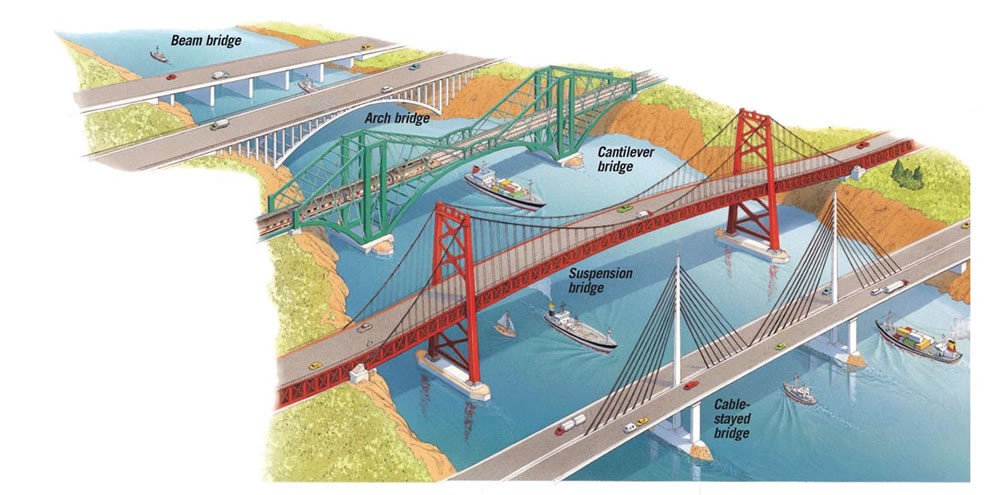
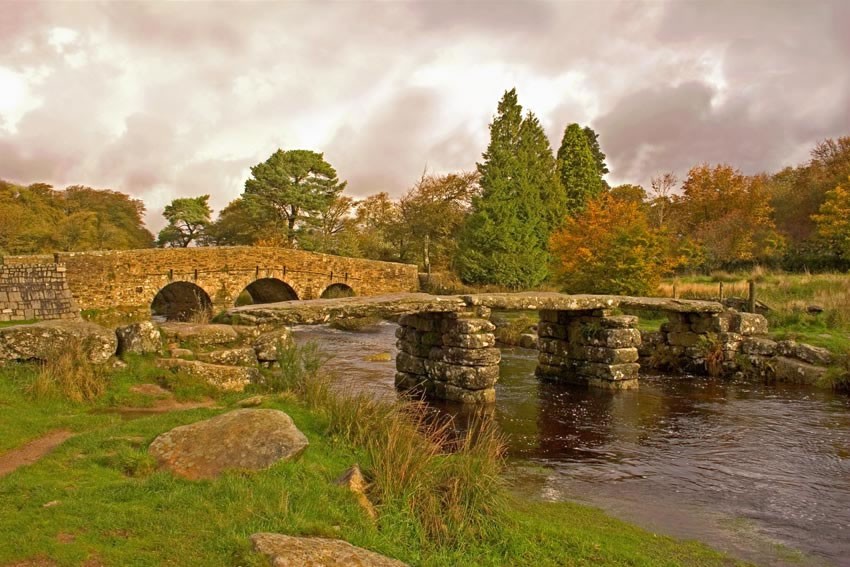
A beam bridge is one of the simplest and oldest designs. The beam is supported at each end. The earliest bridges were tree trunks or stone slabs laid across a stream supported by the banks. A clapper bridge is a type of beam bridge which is supported from beneath by several columns in the river bed or ground. The deck of a beam bridge may be flat or made from a hollow girder (truss) containing the road or railway.
Arch bridge
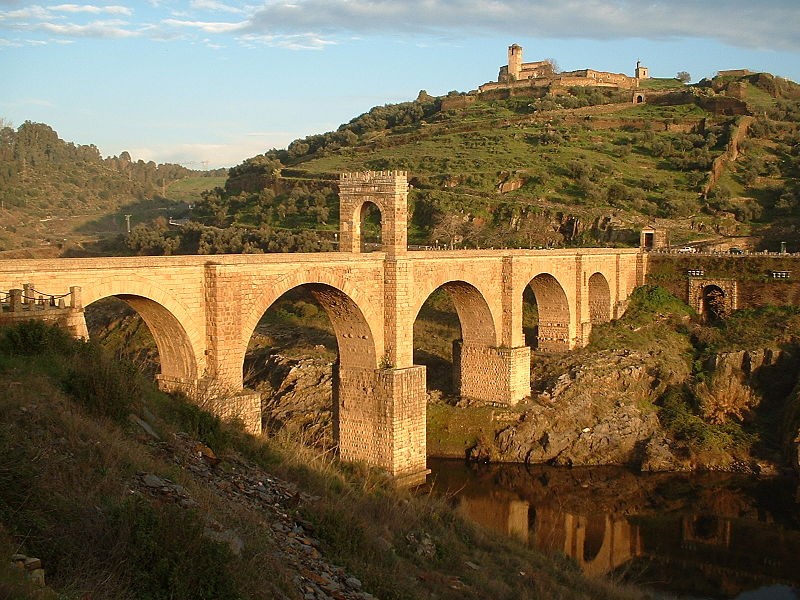
An arch bridge has a deck supported on an arch fixed to the banks. An arch bridge can have a single span, or be made up of a series of arches, each resting on supports, called piers. It is strong because an arch is a strong shape that transfers the weight to the banks or piers. It can cover a larger span than a beam bridge. Some arch bridges are too low for river traffic to pass underneath so a part of their span may be a bascule or lift bridge. This can be raised in the middle like a drawbridge so that ships can pass through.
Iron bridges
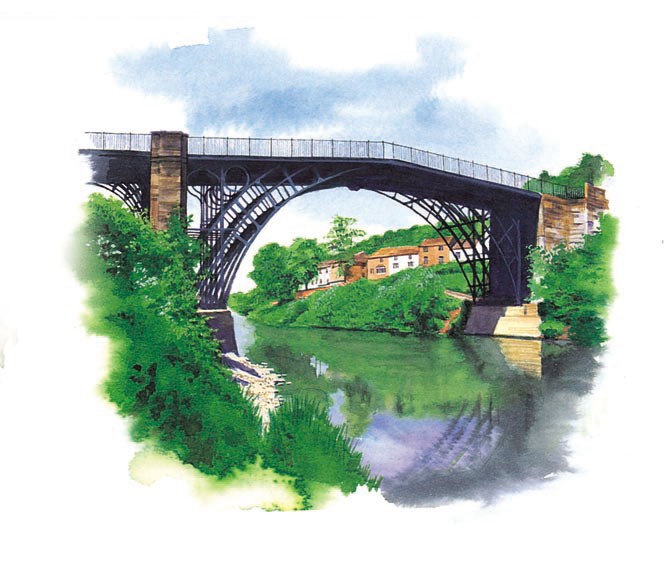
During the Industrial Revolution, which began in the 18th century, engineers began to build bridges made from iron. These were much more durable than wooden bridges and could span longer distances than stone ones. The first iron bridge, an arch bridge with a 30-metre (100-foot) span, was built at Coalbrookdale, Shropshire, England, in 1779. Another iron bridge, built downstream at Coalport in 1818, is of stronger construction: it still carries road vehicles today.
Cantilever bridge
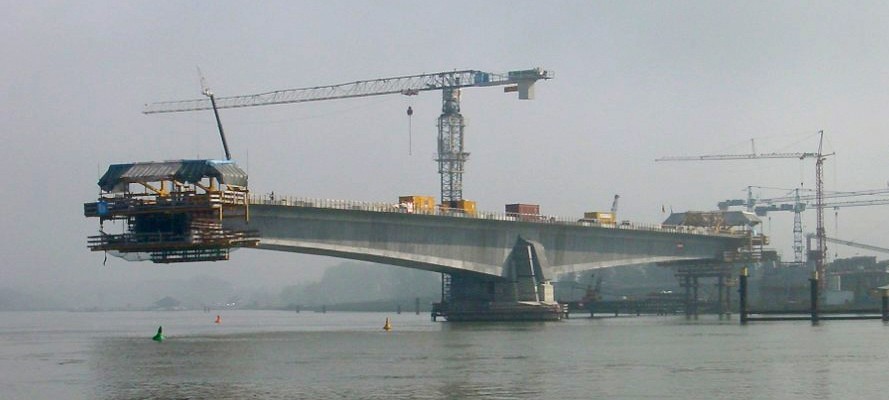
A cantilever is a beam or structure that is fixed at one end only. Cantilever bridges are often built in two halves, with each beam cantilevered out from the bank and each half balanced on a support in the river. There may be a short central span where the two halves meet.
Suspension bridge
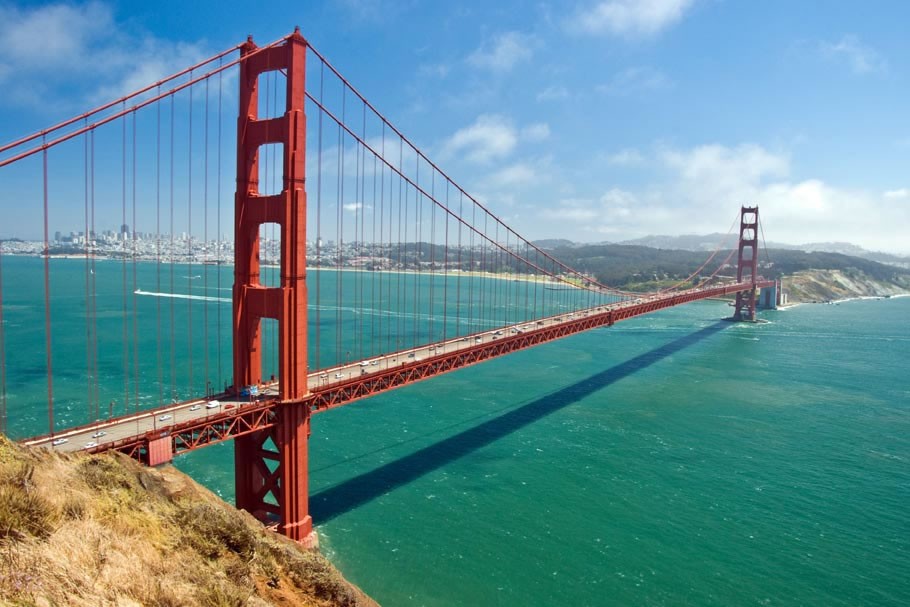
Suspension bridges can span long distances. The towers of the bridge are built first and long steel cables are suspended from the towers. Lengths of cable called hangers are fixed to the suspending cables. The deck of the bridge is lifted into position and attached to the hangers. Suspension bridges are ideal for long, high spans as they do not require a row of supporting columns that may interfere with river transport. One of the most famous examples of a suspension bridge is the Golden Gate Bridge (1.28 kilometres / 0.8 miles), near San Francisco in California, USA, which was completed in 1937.
Cable-stayed bridge
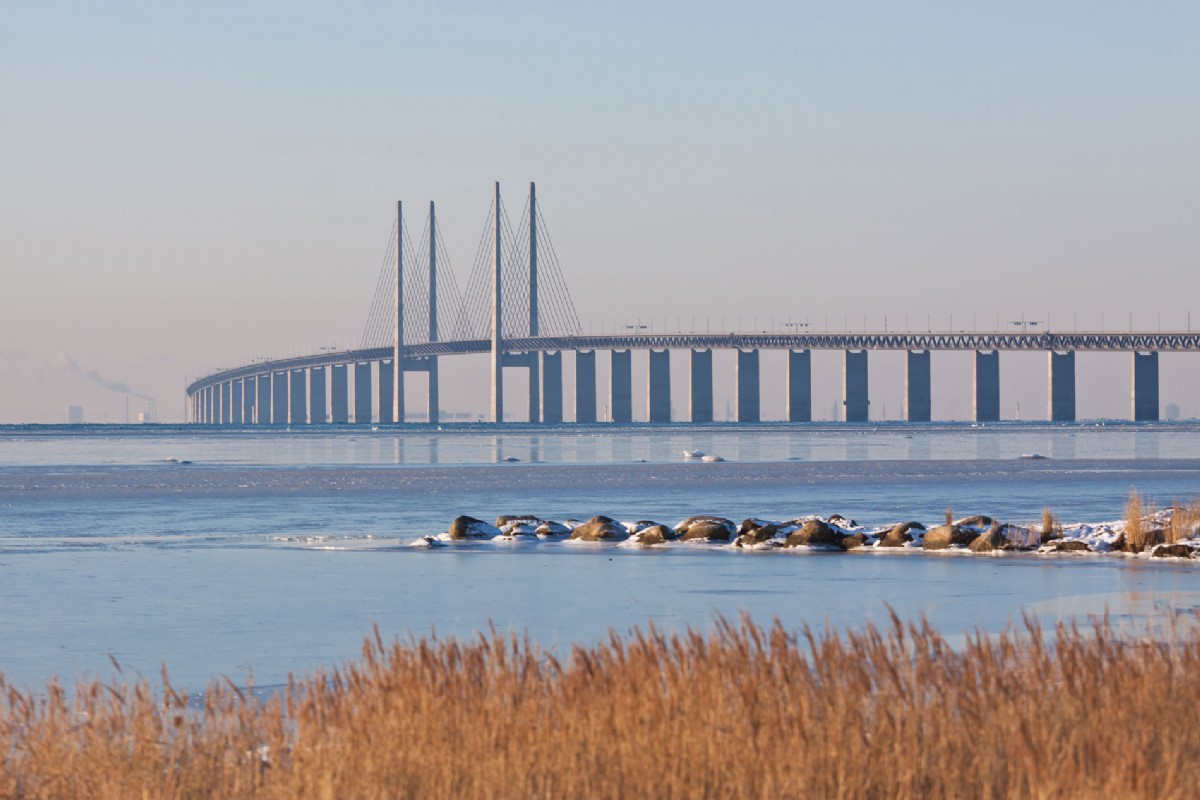
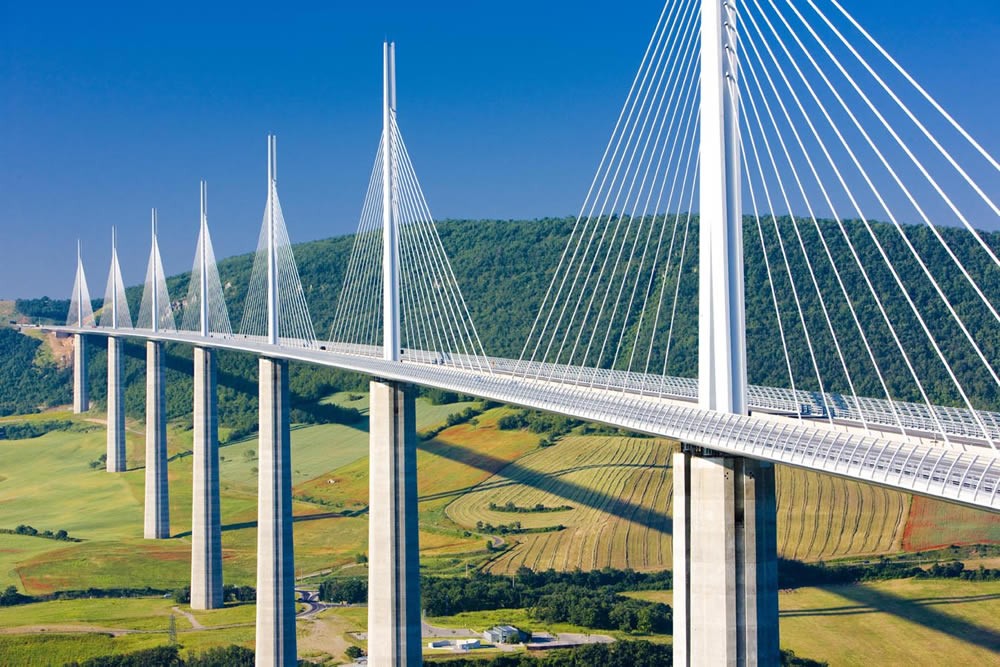
A cable-stayed bridge has diagonal steel cables running from high supporting masts at either end connected to the deck of the bridge. The weight of the deck is supported by the masts. The Millau Viaduct, a cable-stayed bridge that spans the valley of the River Tarn near Millau in southwestern France, is the tallest bridge in the world. The top of one of its towers is 343 metres (1125 feet) high above the ground. The deck height of 270 metres (890 ft) above the valley floor makes it only the 30th highest bridge in the world.
Seto-Ohashi Bridge
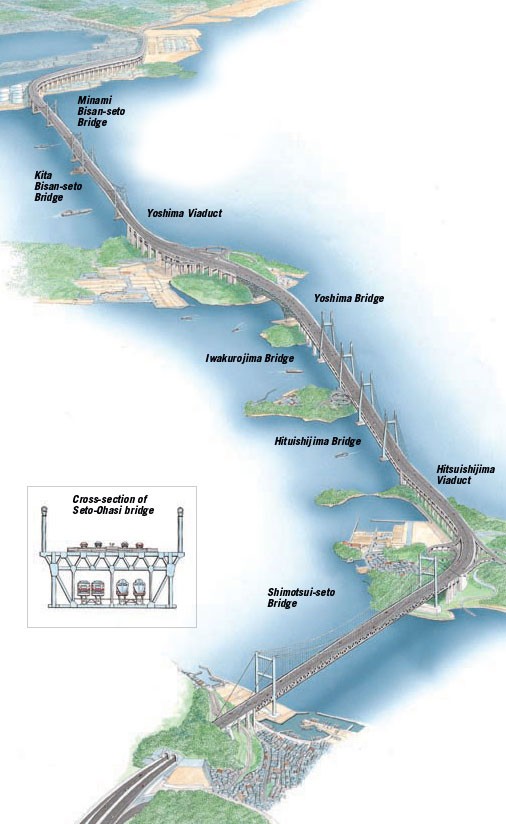
The Seto-Ohashi Bridge in Japan is one of the world’s longest combined road and rail bridges. Completed in 1998, the two-tiered bridge is nearly 13 kilometres (8 miles) long and crosses 10 kilometres of the Seto Inland Sea, using five small islands as "stepping stones". Because the seabed is hard granite, supports were also built in the water. Of its six spans, three are suspension, two are cable-stayed and one is a truss girder beam.
Consultant: Chris Oxlade
pics
Without in any way limiting Q-files Ltd’s exclusive rights under copyright, any use of this publication to “train” generative artificial intelligence (AI) technologies to generate text is expressly prohibited. Q-files Ltd reserves all rights to license use of this work for generative AI training and development of machine learning language models.