
Rocks

CITE
We have made every effort to follow citation style rules, but there may be some minor differences. If in doubt, please refer to the appropriate citation style manual.
Rock types A-Z. (2026). In Q-files Encyclopedia, Earth, Rocks. Retrieved from
https://www.q-files.com/earth/rocks/rock-types-a-z
"Rock types A-Z." Earth, Rocks, Q-files Encyclopedia, 23 Apr. 2026.
https://www.q-files.com/earth/rocks/rock-types-a-z.
Accessed 6 Aug. 2026.
Rock types A-Z 2026. Earth, Rocks. Retrieved 6 August 2026, from
https://www.q-files.com/earth/rocks/rock-types-a-z
Earth, Rocks, s.v. "Rock types A-Z," accessed August 6, 2026.
https://www.q-files.com/earth/rocks/rock-types-a-z


Rock types A-Z
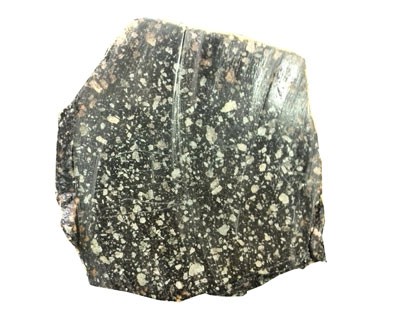
Andesite
Andesite is an extrusive igneous rock. It is usually formed where two tectonic plates are pushing towards each other (a convergent plate boundary). Andesite is brown or grey and composed mostly of feldspar minerals plus hornblende or biotite.
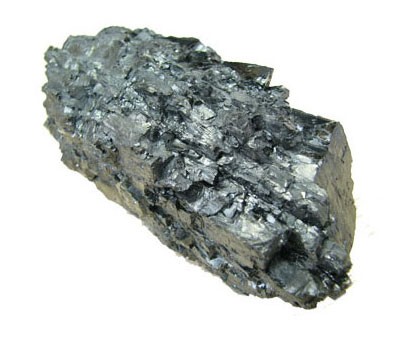
Anthracite
Anthracite is a type of coal. Unlike most coal types, which are sedimentary rocks, anthracite is a metamorphic rock. It is often found on the sides of mountain ranges, where sedimentary coal has been put under huge pressure. Smooth, shiny and black, anthracite does not dirty the fingers (unlike softer coals). All forms of coal are composed largely of carbon, which makes them good fuels.

Basalt
Basalt is an extrusive igneous rock, formed when magma bubbles up through the ocean crust, or when thin, runny lava erupted from a shield volcano spreads out over a large area. Basalt is dark grey, but weathers to brownish-red as its iron-rich minerals turn to rust. Its key minerals are feldspars, pyroxenes and olivines.
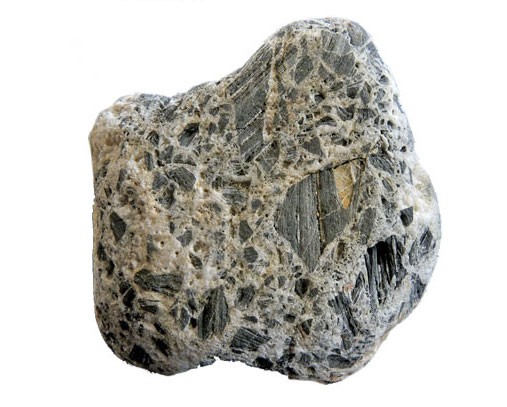
Breccia
Breccia is composed of broken pieces of rock or mineral, cemented together by smaller grains. There are many different types of breccias, with different compositions. Sedimentary breccias often form where fragments of other rocks pile up, as in an underwater avalanche. Igneous breccias may form after rocks are hurled out during a volcanic eruption.
Chalk
Chalk is a sedimentary rock, formed by the compression and cementing of tiny skeletons that settled on the seabed. It is a form of limestone, composed of the mineral calcite (calcium carbonate). Chalk is a powdery white rock and is porous, so it can hold large amounts of groundwater. It is also quite resistant to weathering and slumping, so it forms steep cliffs where chalk ridges meet the sea.
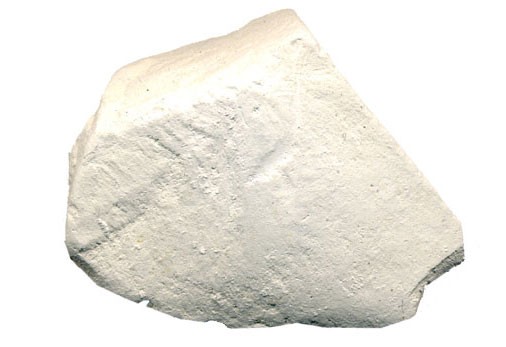
Chert
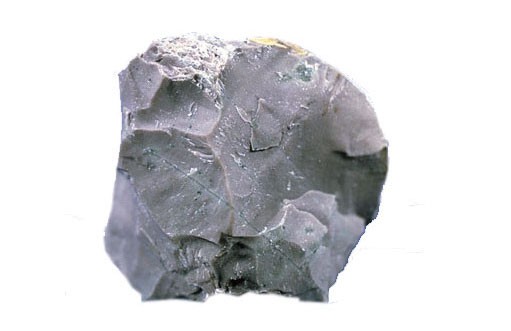
Chert is a sedimentary rock, composed of tiny crystals of quartz. It often forms as chunks or layers within sediments that will become rocks such as limestone or chalk. When broken, chert often has a sharp edge, leading to early people using it for tools. When chert is found in chalk or marlstone, it is called flint.
Clay
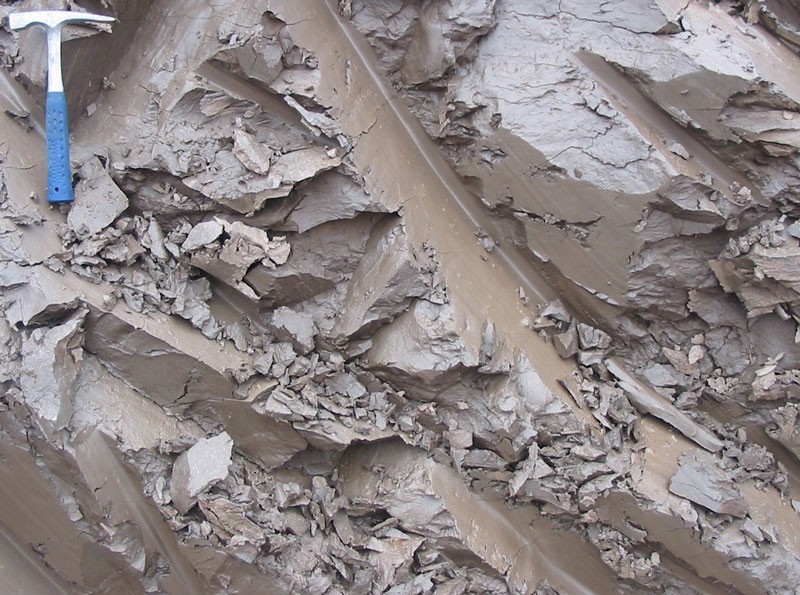
Clay is a soft sedimentary rock made up of very fine-grained sediments. It is formed on lake and seabeds. It is a mixture of minerals—such as kaolinite and illite—and some organic fragments. Clay is plastic (easily shaped) when moist, but hardens on heating, as when fired in a kiln to produce pottery, tiles and bricks.
Coal
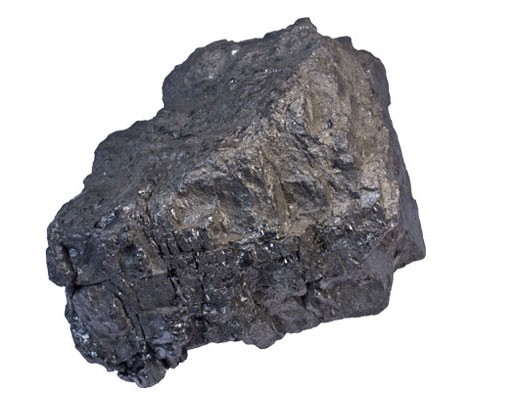
Most types of coal (apart from harder types, such as anthracite and graphite) are sedimentary rocks. The most widely used deposits of coal formed around 350 million years ago during the Carboniferous Period, when dead plants and trees in vast swamps rotted down to form a dark soil called peat. The peat was buried under layers of sand and mud, which slowly compressed it into hard, black rock. All forms of coal are largely composed of carbon, which burns well, making them useful as fuel.
Conglomerate
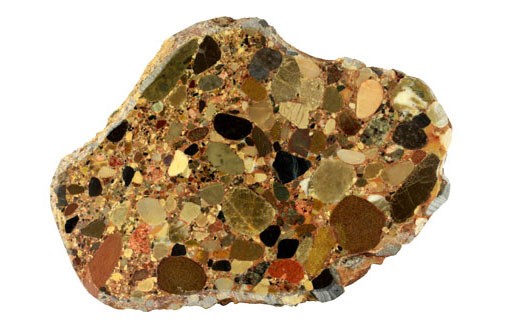
Conglomerates are sedimentary rocks composed of cobbles or pebbles of rock, typically cemented together with a sand matrix (a mass of finer-grained material). Conglomerates are similar to breccias, but the pebbles are rounded rather than angular because they have been worn away, usually by swiftly flowing water. Conglomerates may form on the site of an old river or beach.
Diorite
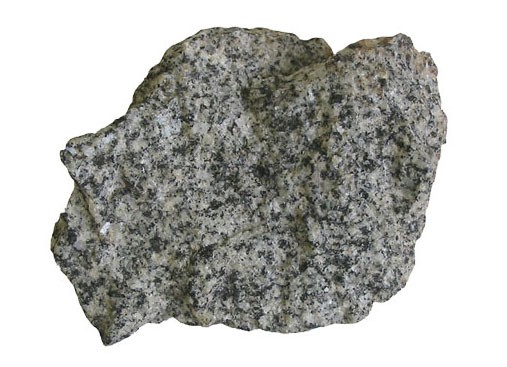
Diorite is an intrusive igneous rock. It ranges from bluish grey to black, depending on its mineral content, which includes feldspar, biotite and hornblende. Diorite is formed when a rock rich in magnesium and iron melts above a subduction zone (where one tectonic plate is moving under another plate).
Flint
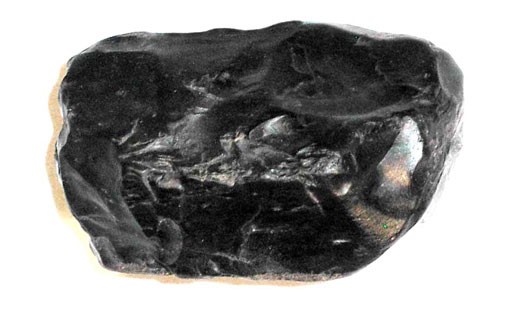
The sedimentary rock flint is a form of chert. It is found in chalk or marlstone. As tiny skeletons of sea creatures were being compressed and cemented into chalk, lumps of flint, made from silica inside the remains of sea sponges and plankton, were formed as well. A form of the mineral quartz (silicon dioxide), flint is hard and sharp—perfect for making cutting tools and weapons for Stone Age humans.
Gabbro
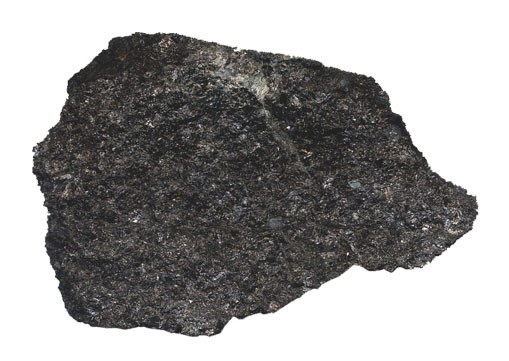
This intrusive igneous rock is formed when magma rich in iron and magnesium is trapped beneath the Earth’s surface and cools underground. If this lava had reached the surface before solidifying it would be basalt. Gabbro is dark coloured and largely contains feldspar and pyroxene minerals.
Gneiss
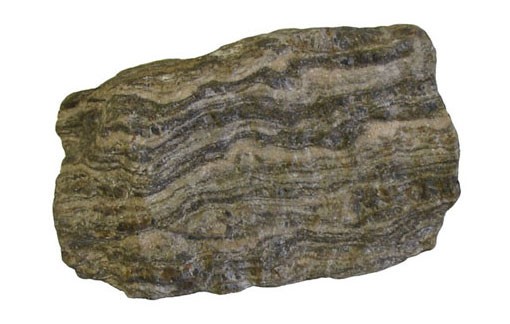
Gneiss is a metamorphic rock, formed from either igneous or sedimentary rocks. It is usually made up of bands that differ in colour and composition. Often light and dark bands alternate: the light is rich in minerals such as feldspar and quartz, while the dark is rich in hornblende or mica.
Granite
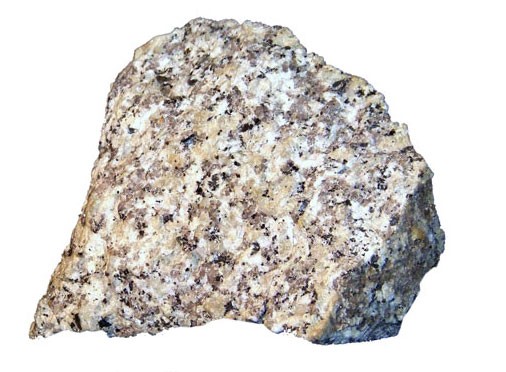
This hard, often pink-grey intrusive igneous rock is made up of large, clearly visible crystals (granite comes from the Latin for “grain”). Granite contains large amounts of light-coloured feldspar and quartz, often dotted with darker mica and amphibole minerals. It is formed when magma rich in potassium and silicon cools slowly below the Earth’s surface. Granite is hard and tough, so it is often used in construction.
Granulite
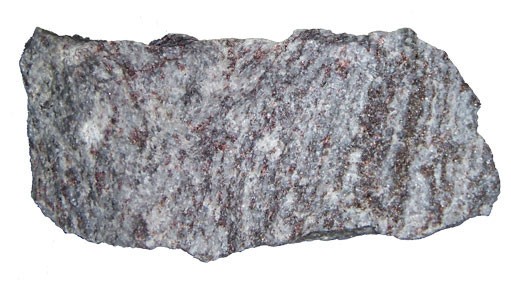
Granulites are a group of metamorphic rocks that often have a visible pattern of grains or crystals. They may contain quartz, feldspar, garnet and pyroxene, depending on the “parent” rock (the rock they were made from). Granulites form when sedimentary or igneous rocks are put under extremely high temperature and pressure.
Gritstone
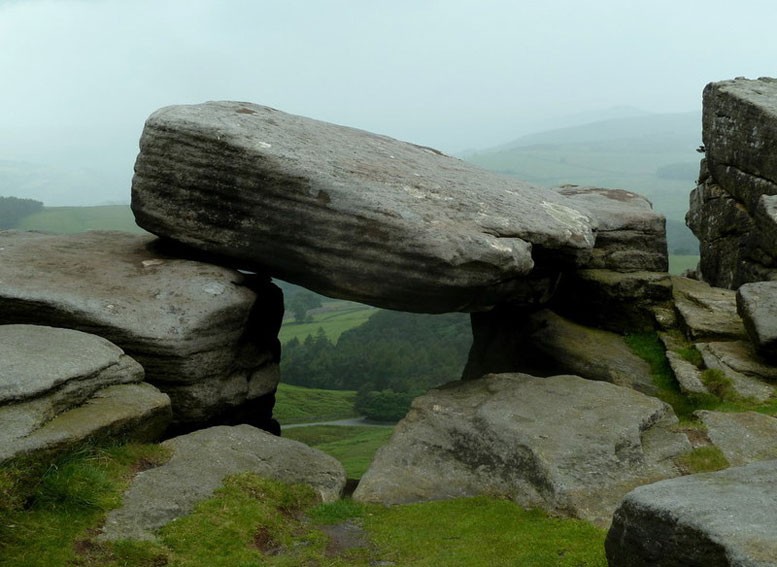
Gritstone is a hard, coarse-grained sandstone, sometimes containing small pebbles. Gritstone is commonly found in northern England. It is used as a building material and, in the past, for millstones (for grinding flour) and grindstones (for sharpening blades).
Hornfels
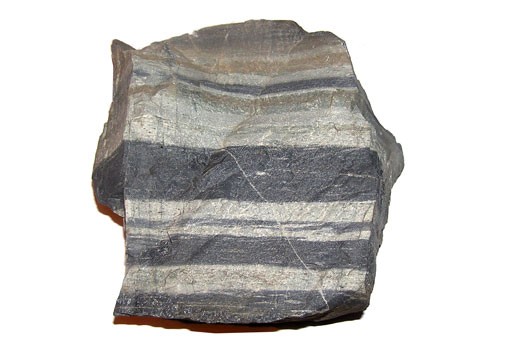
Hornfels are a group of metamorphic rocks that have been baked by the heat given off by magma, making them extremely hard. The composition of a hornfels depends on the “parent” rock (the rock it was made from).
Lignite
Lignite is the youngest type of coal. It is a sedimentary rock formed from compressed peat. It has the lowest carbon content of all the coal types, but is still used as a fuel in power plants.
Limestone
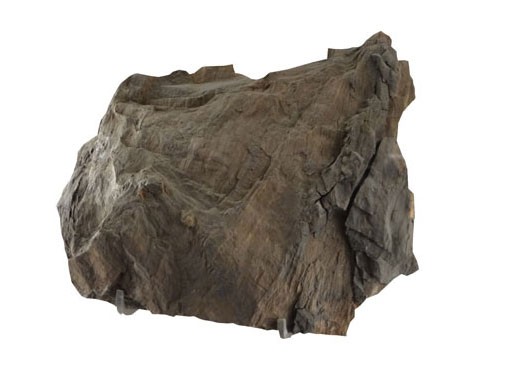
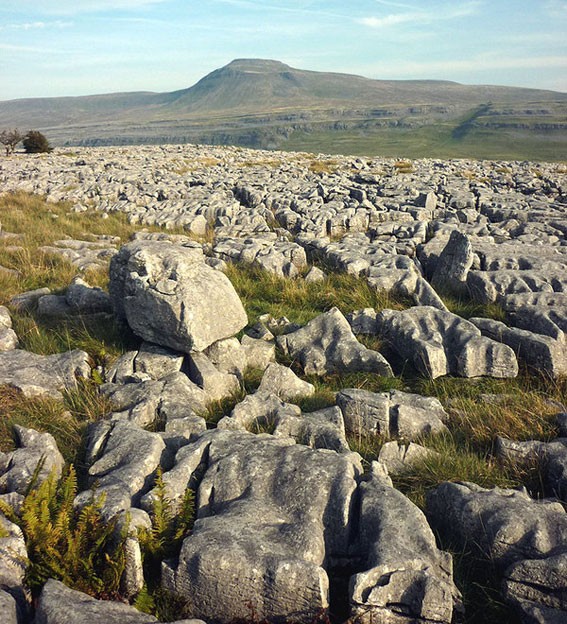
Limestone is a sedimentary rock made of the remains of tiny sea creatures—plankton, shellfish and corals—that lived millions of years ago. Their shells and skeletons, made of calcium carbonate, formed thick layers of ooze on the seabed. Over millions of years, they became compressed and cemented together, eventually turning to rock. Calcium carbonate dissolves easily in water, so limestone landscapes often have features such as caves and sinkholes.
Marble
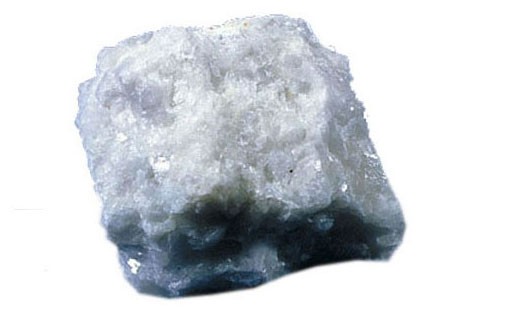
Marble is a metamorphic rock formed when limestone is heated to high temperatures. Marble is composed mostly of carbonate minerals, such as calcite and dolomite. Its swirling patterns and colours (ranging from pink, blue and green to black) are the result of impurities, such as clay and chert. Marble is often used in construction and sculptures.
Marlstone
A sedimentary rock, marlstone is formed from the erosion of rocks containing clay and calcium carbonate minerals (such as limestone). Over time, the tiny rock particles become cemented together. In the past, marlstone was used as a fertilizer to reduce the acidity of soil and provide calcium.
Mudstone
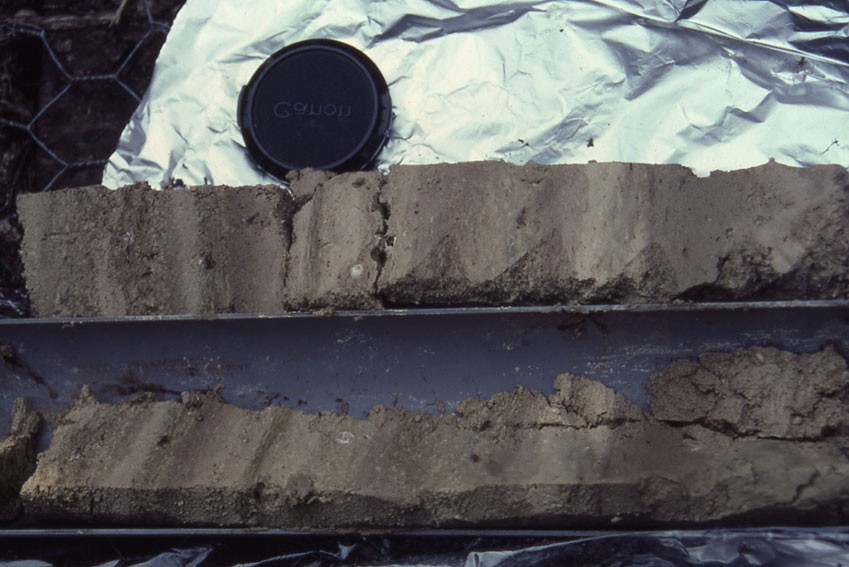
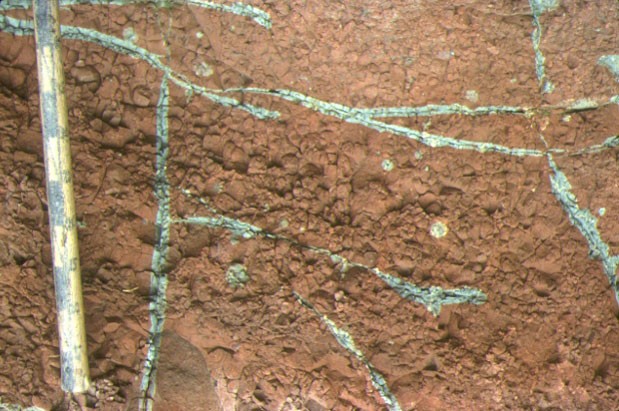
Mudstone, claystone and siltstone are sedimentary rocks composed of clay, mud or silt. The rock is created by very fine sediment grains settling on each other in still water, then compacting over time. They look like hardened clay.
Obsidian
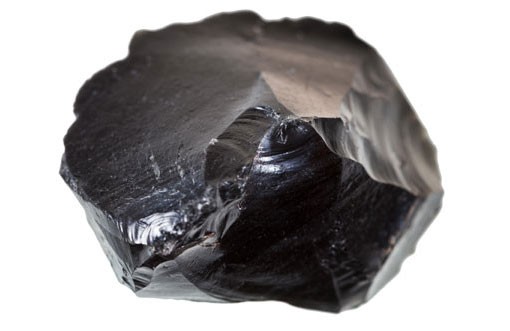
Dark and glass-like, obsidian is an extrusive igneous rock. It is formed when lava cools down so quickly that its minerals do not have time to crystallize. It consists mainly of silicon dioxide (also called silica).
Oil shale
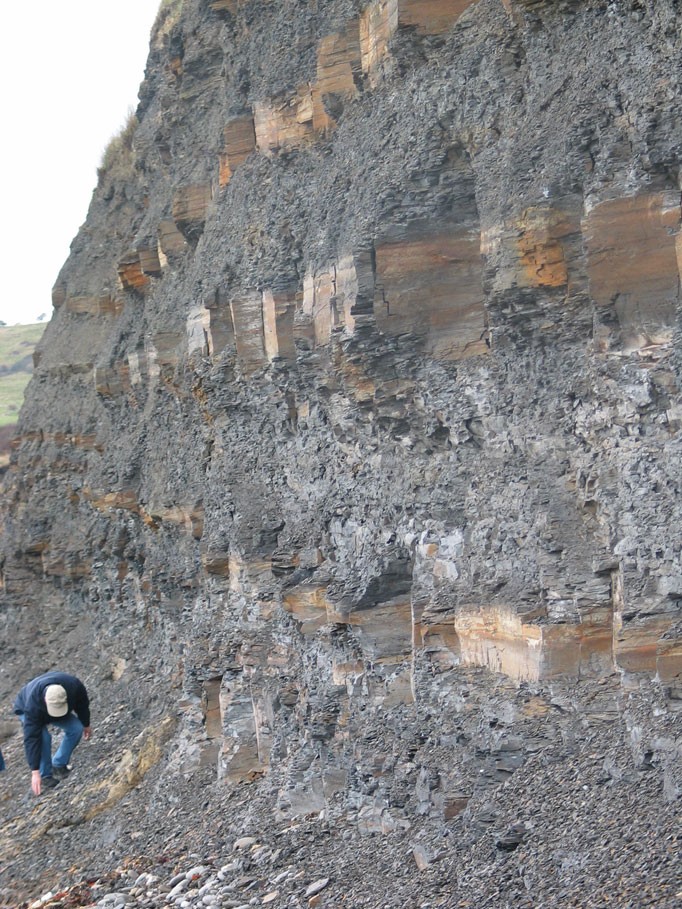
Oil shale is a sedimentary rock formed by the build-up of silt and organic matter on sea and lake beds. It is formed by a similar process to oil, but with less heat and pressure. The resulting rock contains a solid, tar-like substance called kerogen, which makes the rock burnable. Oil shale can also be heated to extract the kerogen as a liquid to be used as fuel.
Oolite
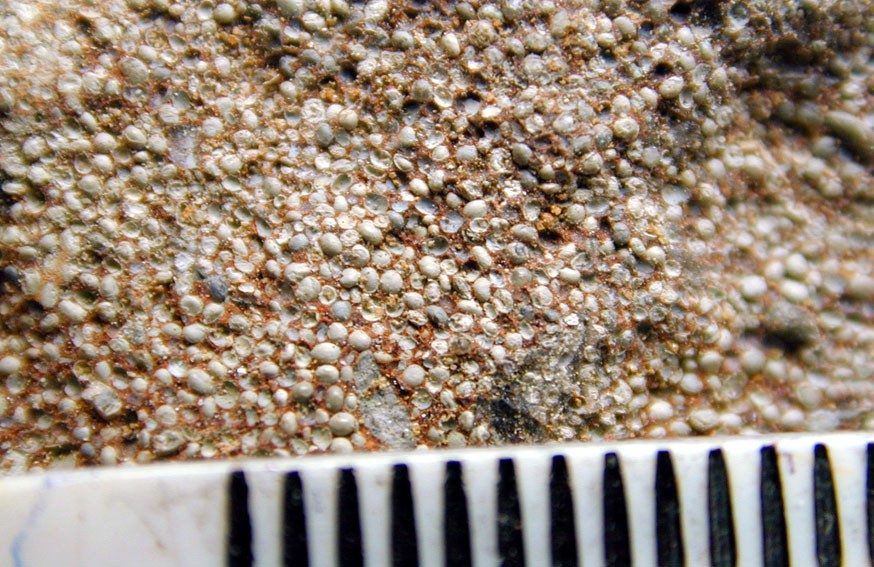
Oolites are sedimentary rocks composed of round grains (called ooids, from the Greek for “egg”). Oolites are often composed of calcium carbonate minerals such as calcite. They usually form in seawater that is saturated with calcite. A small fragment, such as a tiny shell, acts as a seed—currents wash the seed around the seabed as it builds up layers of calcite. The size of the ooid shows how long it was exposed to the water before being buried by sediment.
Peridotite
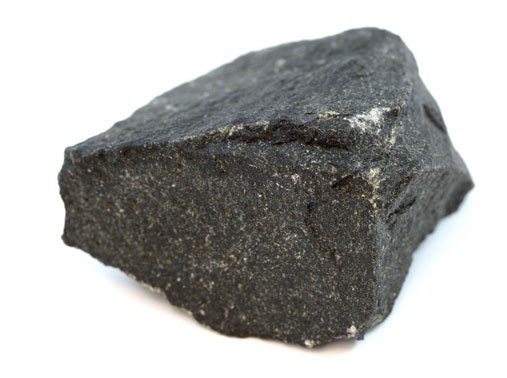
An intrusive igneous rock, peridotite is often composed largely of the mineral olivine (gem-quality olivine is the semi-precious stone peridot). Much of Earth’s upper mantle is composed of peridotite. It is an economically important rock as it often contains chromite (the only ore of the metal chromium) and diamonds.
Pumice
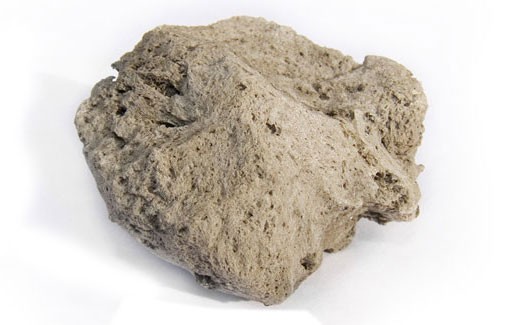
An extrusive igneous rock, pumice is formed when super-hot, highly pressurized lava is hurled out of a volcano. Its bubbly appearance is caused by gases dissolved in the lava cooling and depressurizing very quickly. Pumice typically contains quartz and feldspar minerals, which give it a light colour. Pumice is used in lightweight cement and as an abrasive (for rubbing and polishing).

Quartzite
Quartzite is a metamorphic rock formed when quartz-rich sandstone is put under great heat and pressure at the edges of tectonic plates. The process fuses the quartz grains together, making the rock smoother. Quartz gives the rock a pale grey colour, but shades of red, yellow, green and blue are caused by the presence of other minerals.
Sandstone
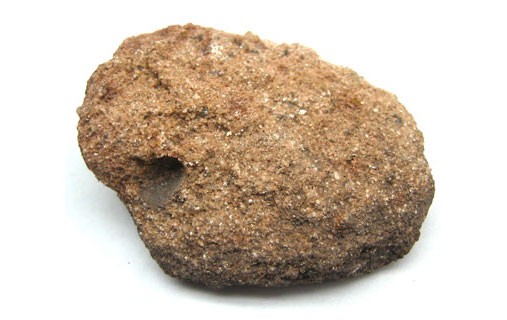
Sandstone is a sedimentary rock made up of sand (grains of minerals and rocks) compressed and cemented together. Most sandstone is composed of quartz or feldspar, because these minerals are commonly found in rocks at the Earth’s surface. Like sand, sandstone ranges in colour from yellow or pink to black. The rock is easy to carve but slow to weather, so it is often used in construction.
Schist
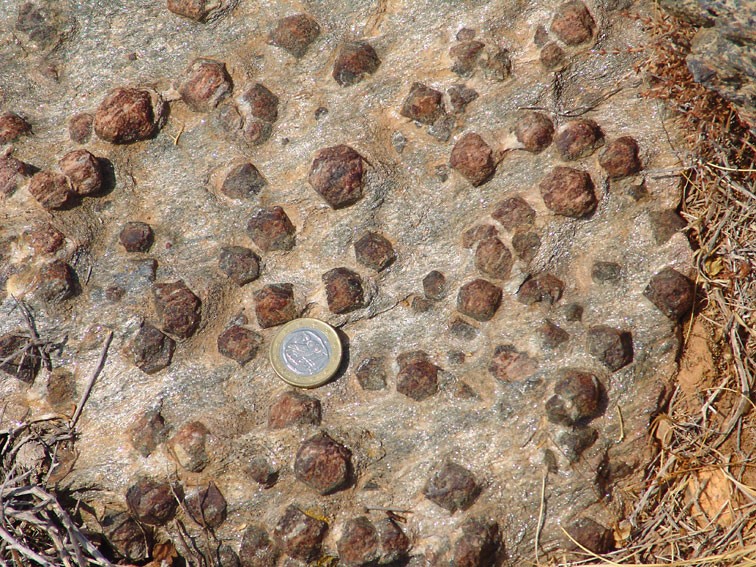
Schist is a metamorphic rock that is often formed from shale and similar sedimentary rocks. In schists, the minerals have been drawn out into large sheet-like grains by heat and pressure. If put under less heat and pressure, slate might have been formed. A schist’s mineral composition depends on the “parent” rock (the rock it was made from).
Shale
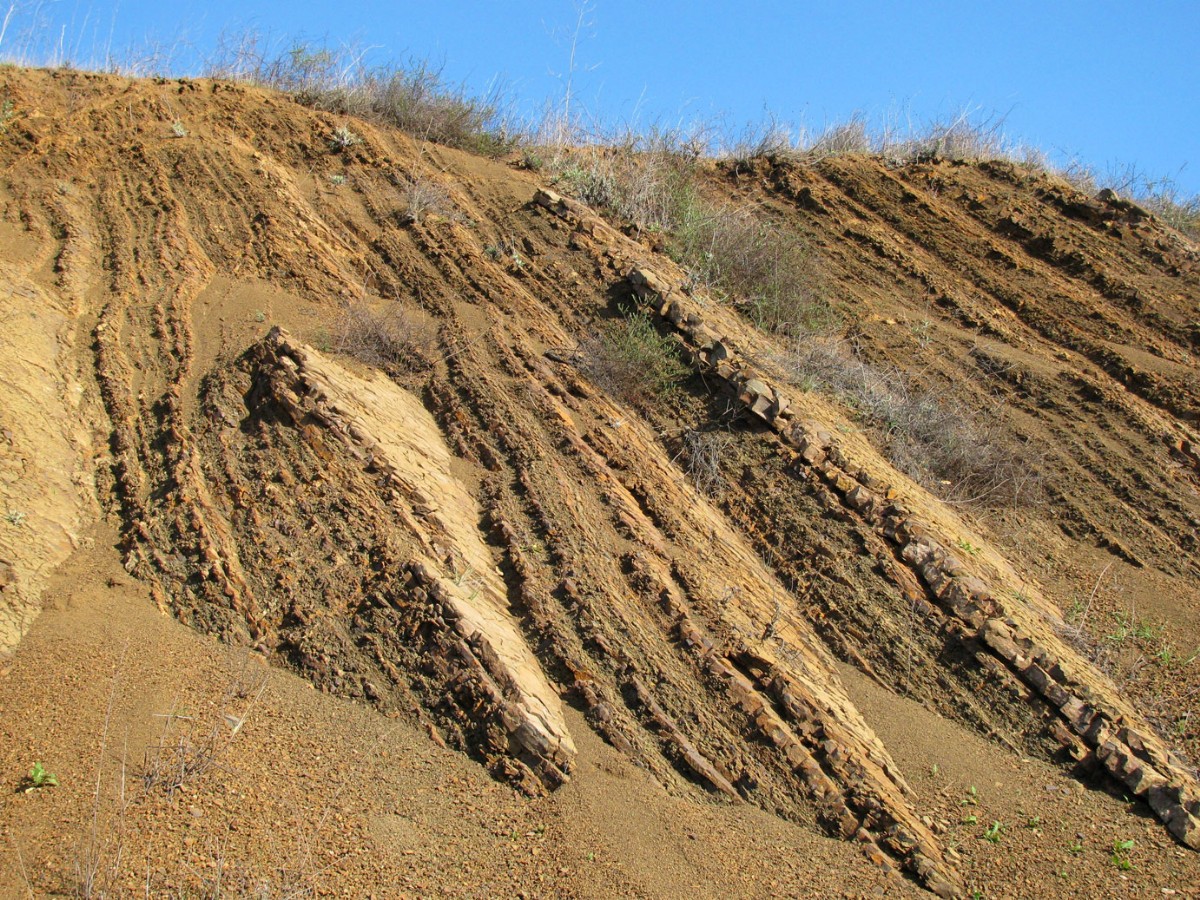
Shale is a sedimentary rock formed from mud, clay and tiny fragments of other minerals. It is similar to mudstone, except that it tends to split into thin sheets (because the clay minerals lie parallel to each other in layers). Shales are largely composed of clay minerals (mostly kaolinite, montmorillonite and illite) and quartz.
Slate
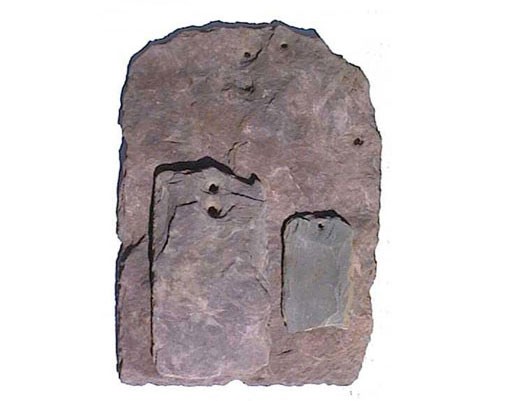
Slate is a dark grey metamorphic rock formed from shale and similar sedimentary rocks, or from volcanic ash. The crystals that make it up are very flat, so slate easily splits into thin slabs. This makes it a useful material for tiling roofs.
Soapstone
A metamorphic rock, soapstone is largely composed of the mineral talc. Soapstone is quite soft—the softest grades may even feel soapy. In the past it was used for carving artworks and household goods, while today it is commonly used for moulds and insulation.
Travertine
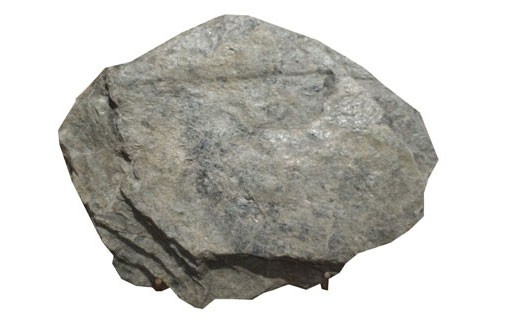
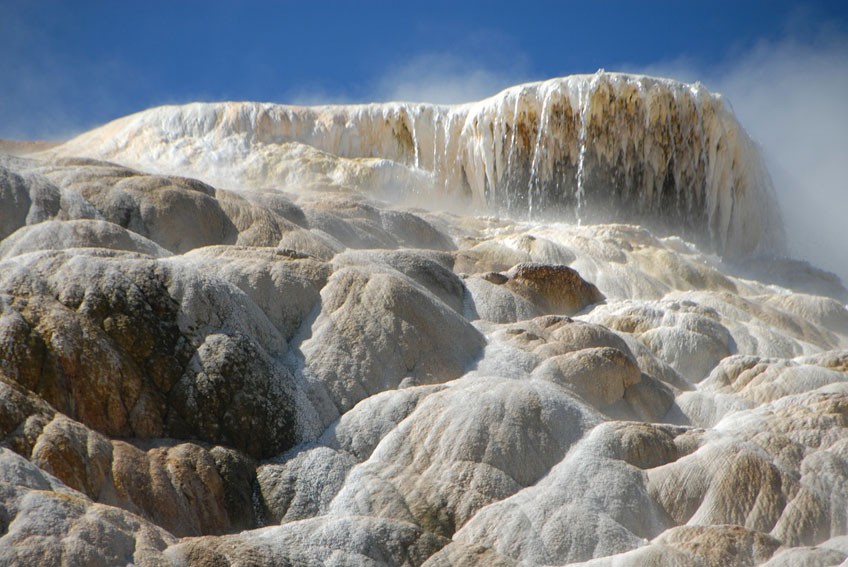
A form of limestone, travertine is a sedimentary rock. It builds up at the mouths of hot springs and in limestone caves, where water rich in calcium carbonate deposits carbonate minerals. Travertine is often used as a building material.
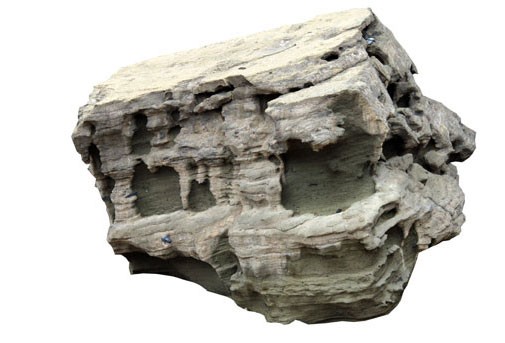
Tuff
Tuff is an extrusive igneous rock that forms from the magma, rock and ash that a volcano has blasted over the surrounding area. When this material is compacted and cemented into a rock, it is called tuff. Tuff has many different compositions, depending on the nature of the eruption.
Consultant: Ian Fairchild
pics
Without in any way limiting Q-files Ltd’s exclusive rights under copyright, any use of this publication to “train” generative artificial intelligence (AI) technologies to generate text is expressly prohibited. Q-files Ltd reserves all rights to license use of this work for generative AI training and development of machine learning language models.