
Rocks

CITE
We have made every effort to follow citation style rules, but there may be some minor differences. If in doubt, please refer to the appropriate citation style manual.
Metamorphic rocks. (2026). In Q-files Encyclopedia, Earth, Rocks. Retrieved from
https://www.q-files.com/earth/rocks/metamorphic-rocks
"Metamorphic rocks." Earth, Rocks, Q-files Encyclopedia, 6 Mar. 2026.
https://www.q-files.com/earth/rocks/metamorphic-rocks.
Accessed 29 Oct. 2026.
Metamorphic rocks 2026. Earth, Rocks. Retrieved 29 October 2026, from
https://www.q-files.com/earth/rocks/metamorphic-rocks
Earth, Rocks, s.v. "Metamorphic rocks," accessed October 29, 2026.
https://www.q-files.com/earth/rocks/metamorphic-rocks


Metamorphic rocks
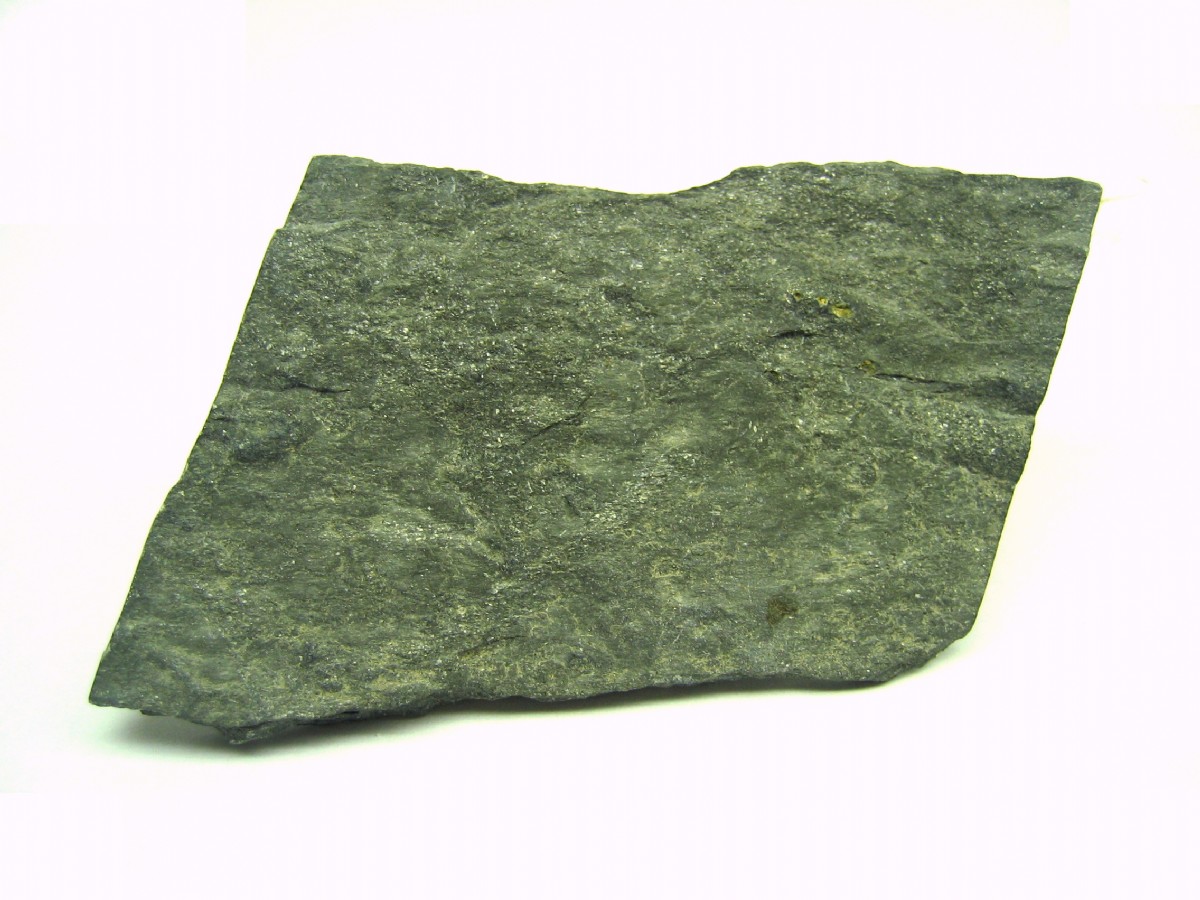
Metamorphic rocks are formed when rocks are subjected to such great pressure and heat that their mineral composition is altered. The original rocks may be sedimentary, igneous or metamorphic rocks. Marble, slate, gneiss and quartzite are all examples of metamorphic rocks. Some minerals in rocks undergoing metamorphism may be transformed into gemstones.

Changing rocks
Where two pieces of continent are forced together by the movement of tectonic plates, the land can be pushed up to great heights. The rocks are squeezed so tightly that they begin to change. The chemicals inside the rocks re-arrange themselves into new minerals.
Much the same thing happens if the rocks are heated intensely. This could happen if they were carried down into great depths where one plate slides beneath another in a subduction zone, or where hot molten rock (magma) from the ultra-hot mantle rises up into the crust. The result is that the rocks, whatever they were before, are now metamorphic rocks. There are many different kinds of metamorphic rocks. They can be classified according to their original type and by how much they have been squashed and heated. Examples include marble (originally limestone), slate (shale, a kind of layered mudstone) and quartzite (sandstone).


Gemstones
Pockets of minerals in rocks undergoing metamorphism can be transformed into gemstones. Quite ordinary-looking rocks become fabulous jewels. Carbon, which makes up coal, forms diamonds in the mantle, which are brought to the surface in volcanoes. Rubies and sapphires occur when certain sedimentary rocks are metamorphosed. Amethyst originates in volcanic rocks cooling at the surface. Jade forms in subduction zones, while topaz occurs in granite, an igneous rock.
Consultant: Ian Fairchild
pics
Without in any way limiting Q-files Ltd’s exclusive rights under copyright, any use of this publication to “train” generative artificial intelligence (AI) technologies to generate text is expressly prohibited. Q-files Ltd reserves all rights to license use of this work for generative AI training and development of machine learning language models.