
Australian states and territories

CITE
We have made every effort to follow citation style rules, but there may be some minor differences. If in doubt, please refer to the appropriate citation style manual.
Tasmania. (2026). In Q-files Encyclopedia, Geography, Australian states and territories. Retrieved from
https://www.q-files.com/geography/australian-states-and-territories/tasmania
"Tasmania." Geography, Australian states and territories, Q-files Encyclopedia, 1 Apr. 2026.
https://www.q-files.com/geography/australian-states-and-territories/tasmania.
Accessed 6 Aug. 2026.
Tasmania 2026. Geography, Australian states and territories. Retrieved 6 August 2026, from
https://www.q-files.com/geography/australian-states-and-territories/tasmania
Geography, Australian states and territories, s.v. "Tasmania," accessed August 6, 2026.
https://www.q-files.com/geography/australian-states-and-territories/tasmania


Tasmania
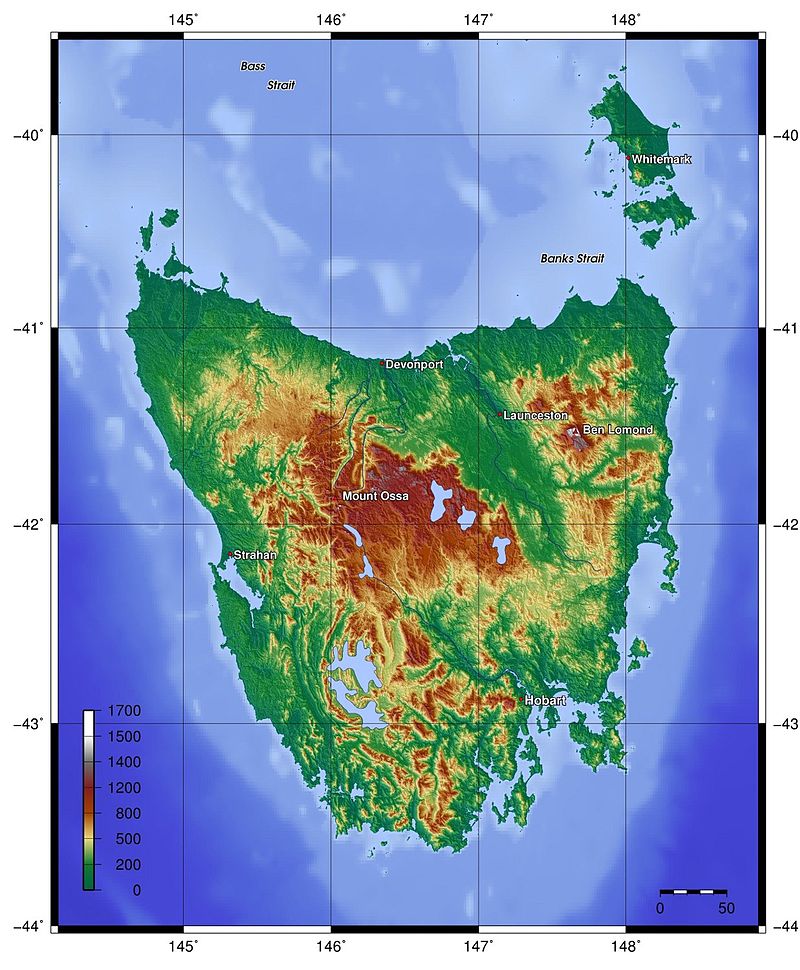
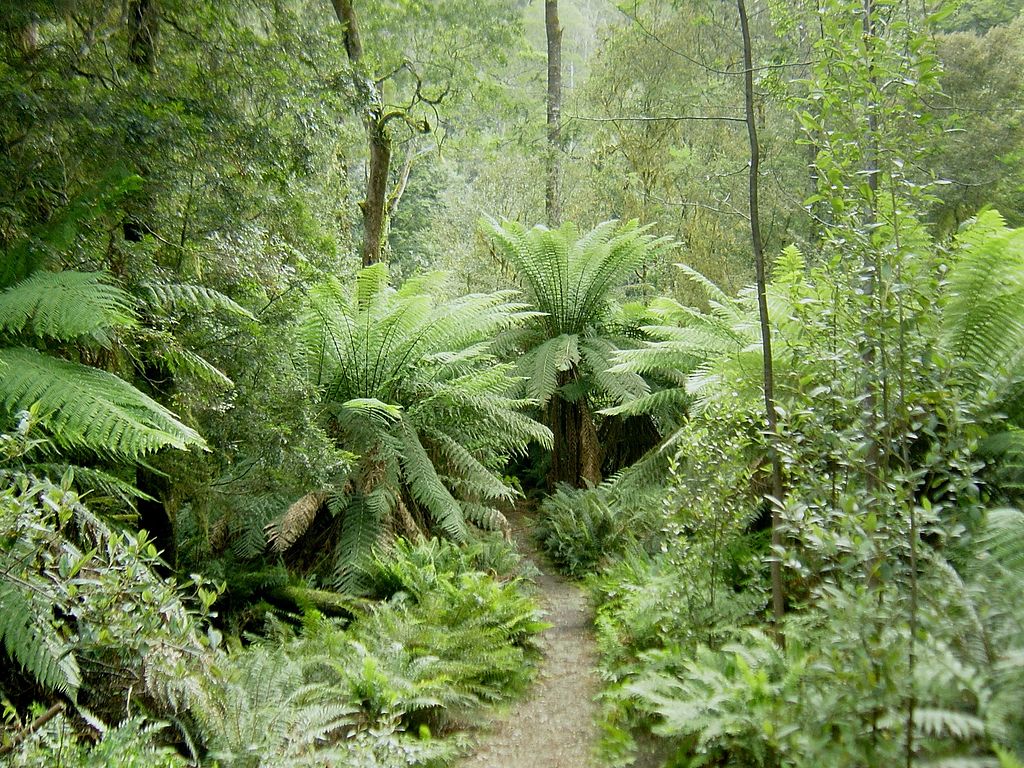
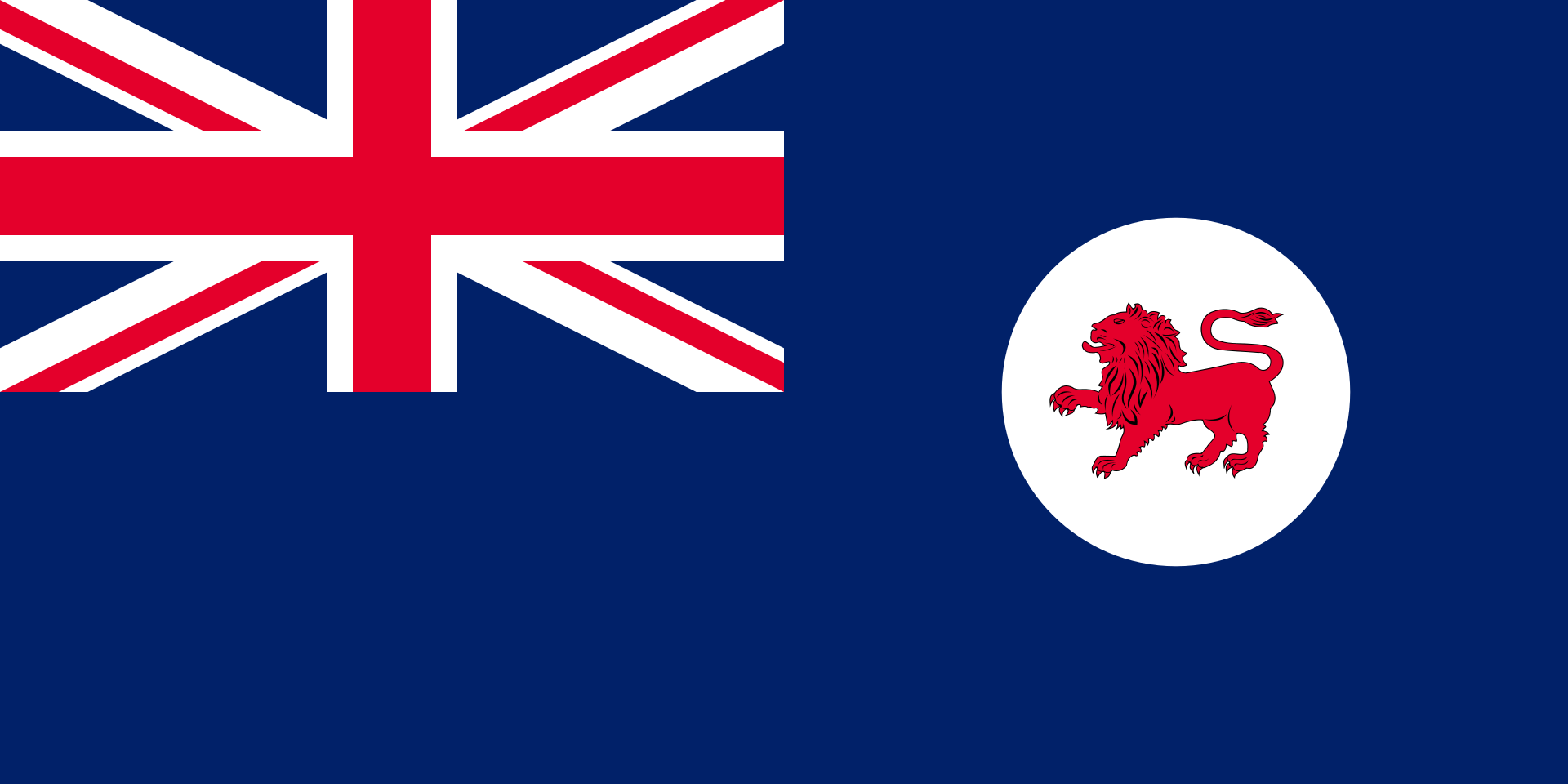
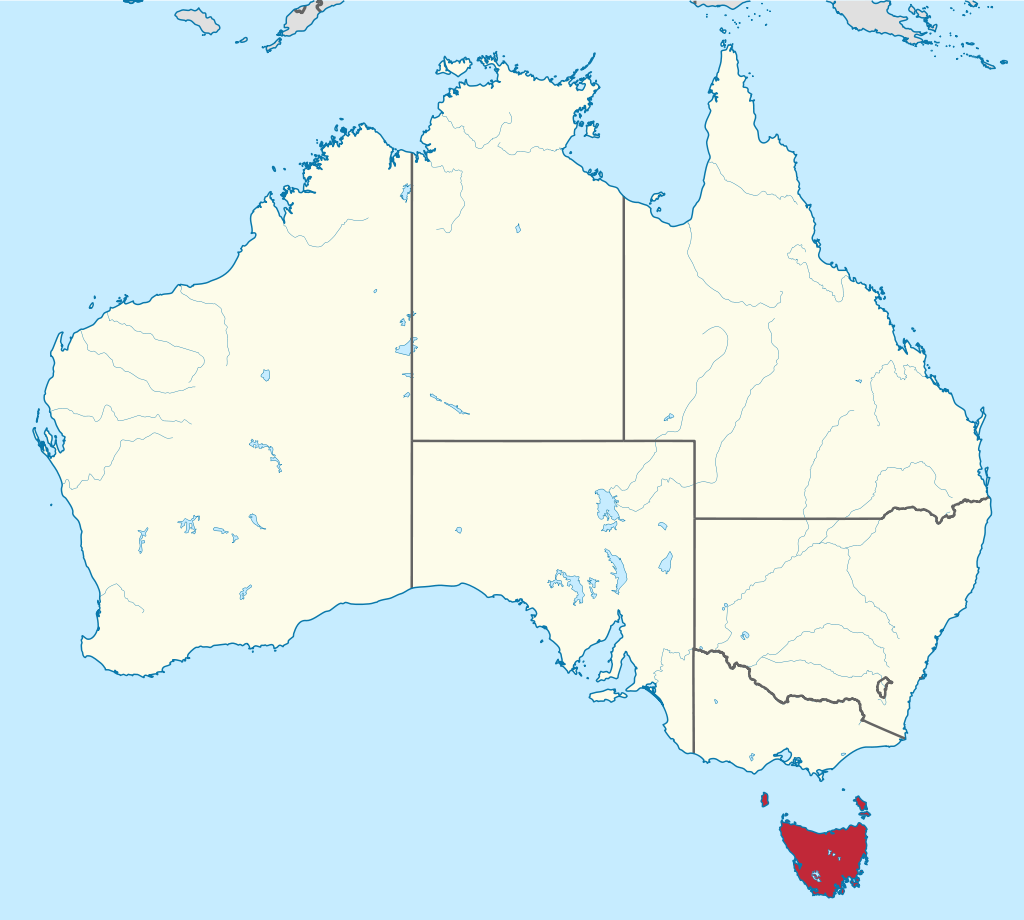
Tasmania (TAS) is an island state of Australia, located to the south of the mainland, separated from it by Bass Strait. The state encompasses the mountainous main island of Tasmania and the surrounding 334 islands. More than 42% of Tasmania's area, including national parks and World Heritage Sites, is protected. The Tarkine in northwestern Tasmania has some of the last surviving areas of temperate rainforests—consisting mostly of myrtle beech trees and horizontal scrub trees—in the Southern Hemisphere.

Climate
Tasmania has a relatively cool temperate climate compared to the rest of Australia, with mild to warm summers, mild winters in most settled areas and rain during all seasons (although the southeast sometimes experiences droughts). Some inland areas are cooler, receiving regular freezes throughout the winter months.
Geography
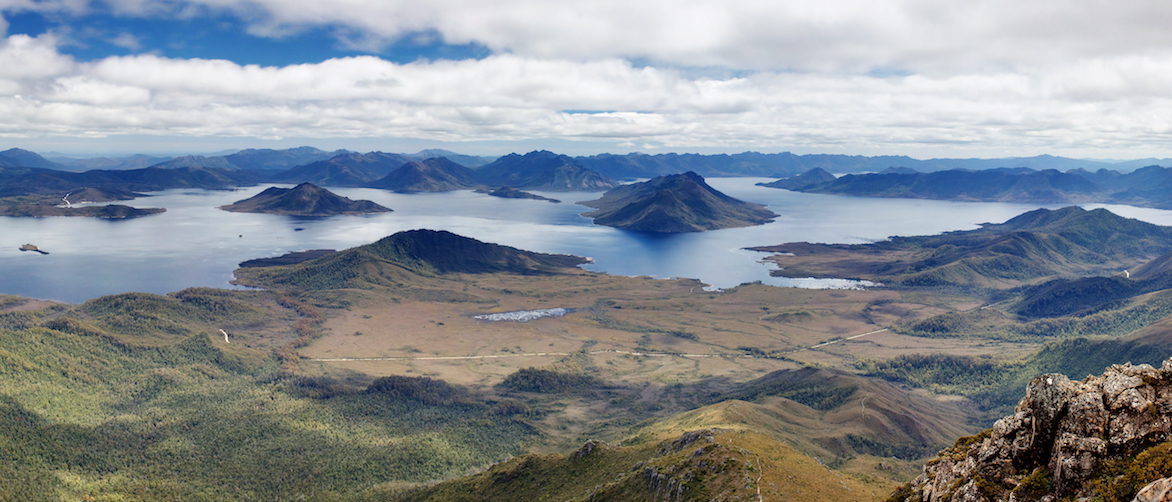
The rugged mountains of the Central Highlands covers most of the central western parts of Tasmania. They are covered by evergreen eucalypt forest and moorland. The central eastern area is a fairly flat plateau covered by dry grasslands, and is mostly used for grazing sheep. Cattle raising, wheat and barley cultivation, fruit and vegetable growing and vineyards are concentrated in the north. Several of Tasmania's largest rivers have been dammed at some point to provide hydro-electricity. Tasmania's major towns and cities are situated around estuaries on northern and southern coasts. The rest of Tasmania is still densely forested.
Wildlife
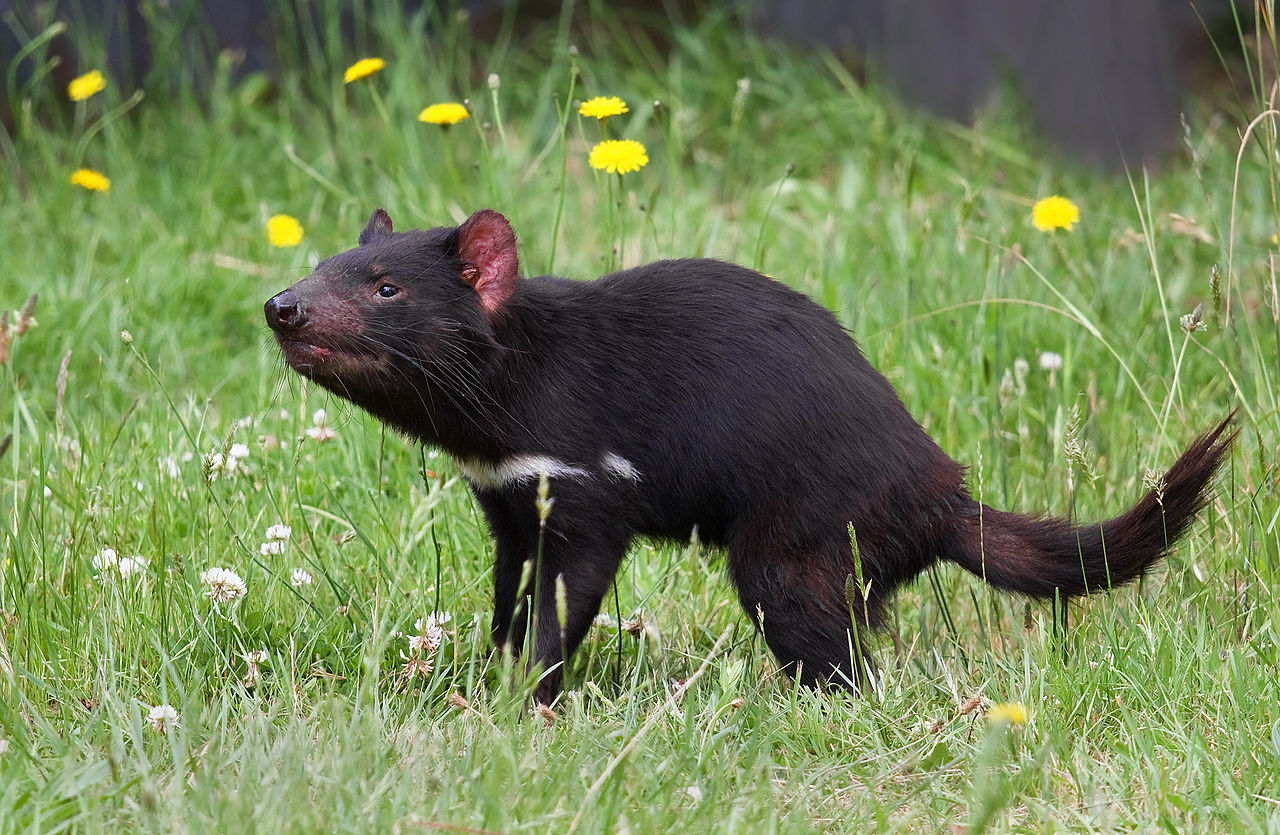
The island of Tasmania was once home to the thylacine, a marsupial which resembled a fossa. Known as the Tasmanian tiger because of the distinctive stripes across its back, it was persecuted by farmers and became extinct by 1936. The Tasmanian devil then became the world's largest carnivorous marsupial. It is now found in the wild only in Tasmania.
Consultant: Nicholas Harris
Facts about Tasmania
Nickname Tassie or Tas
Area 67,031 km (25,881 sq miles) Rank 7th
Highest point Mount Ossa 1617 m (5305 ft)
Population 540,569 Rank 6th
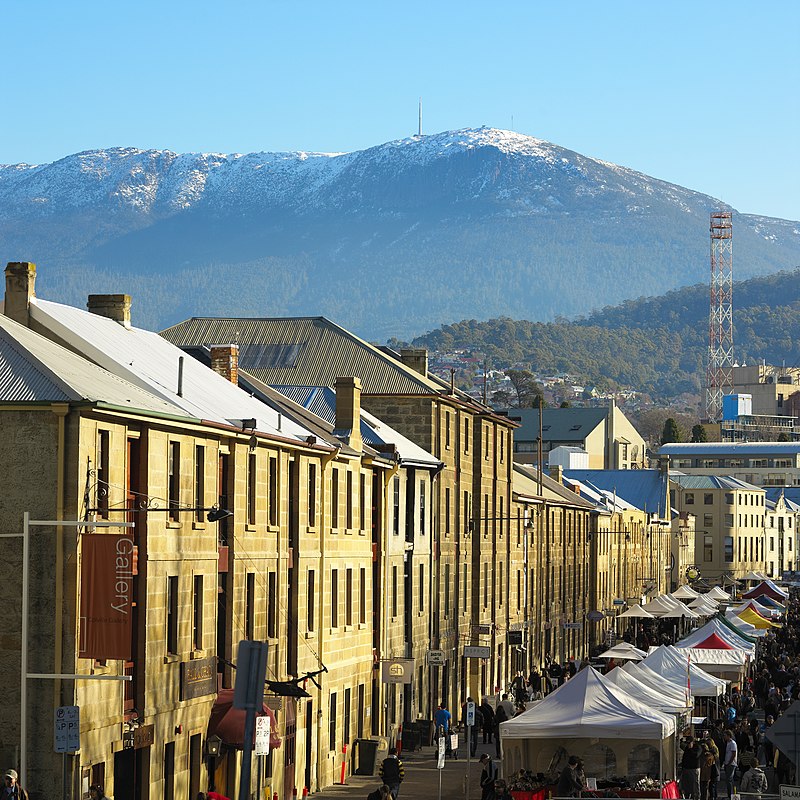
Capital Hobart pop. 226,884 (Greater Hobart)
Other major towns Launceston (pop. 86,404), Devonport (30,044), Burnie (26,978)
State mammal Tasmanian devil
State bird Yellow wattlebird
State flower Tasmanian blue gum
State mineral Crocoite
History of Tasmania
40,000–30,000 years ago
Tasmania is occupied by indigenous peoples, making their way across the land bridge from mainland Australia that existed while sea levels are lowered during the Pleistocene Ice Ages
12,000 years ago
Aboriginal Tasmanians are separated from the mainland Aboriginal groups after the sea levels rise to form Bass Strait. They live by fire-stick farming (burning down forests both to make it easier to hunt animals forced into the open and encourage the spread of grazing animals), hunting game, including kangaroo and wallabies, and catching seals, mutton-birds, shellfish and fish
1642
Dutch explorer Abel Tasman makes the first reported European sighting of the island on 24th November. Tasman names the island Anthony van Diemensland after the Governor of the Dutch East Indies, who funded his voyage
1772
French explorer Marc-Joseph Marion du Fresne becomes the first European to set foot on the island
1773
Tobias Furneaux becomes the first Englishman to land in Tasmania when he arrives at Adventure Bay, which he names after his ship.
1777
James Cook lands at Adventure Bay
1798–99
British explorers Matthew Flinders and George Bass sail through Bass Strait, establishing for the first time that Tasmania is an island
1803
New South Wales Governor Philip King sends Lieutenant John Bowen to establish a small military outpost at Risdon on the eastern shore of the Derwent River in order to head off French claims to the island
1804
A penal settlement is established by Captain David Collins in Sullivans Cove on the Derwent estuary. It becomes known as Hobart Town, later shortened to Hobart, after the British Colonial Secretary of the time, Lord Hobart. Other convict-based settlements are soon established, including the harsh penal colonies at Port Arthur in the southeast and Macquarie Harbour on the west coast
1820s
Lured by the promise of land grants and cheap convict labour, free settlers arrive on the island in large numbers. The rapid colonization transforms traditional kangaroo hunting grounds of the indigenous Tasmanians into farms with walled or fenced fields and grazing sheep and cattle
1825–31
Violence between colonists and natives breaks out in what becomes known as the "Black War". The Aboriginal population is estimated to have been between 3000 and 7000 at the time of colonization, but is almost wiped out by a combination of conflict with settlers, inter-tribal warfare—and from the late 1820s, the spread of infectious diseases to which they have no immunity
1825
Initially part of the Colony of New South Wales, the island becomes a self-governing colony under the name of Van Diemen's Land
1826
Governor George Arthur declares that colonists are free to kill Aboriginal Tasmanians when they attack settlers or their property. He declares martial law in 1828, giving soldiers the right to shoot on sight any Aboriginal in the Settled Districts
1831
After Aboriginal Tasmanians give up their fight against the settlers, the island government forces almost all the remaining indigenous population, around 140 people, to move to Flinders Island. Many die of disease there
1853
Penal transportation ceases. Approximately 75,000 convicts have been sent to Van Diemen's Land since the first settlement of 1803
1856
The island is officially renamed Tasmania in honour of its first European discoverer, Abel Tasman. The newly elected parliament sits for the first time, establishing Tasmania as a self-governing colony of the British Empire
1901
Tasmania unites with the five other Australian colonies to form the Commonwealth of Australia, of which it is now a state
1975
(5th January) Tasman Bridge disaster occurs in Hobart, when the bulk carrier, the Lake Illawarra, travelling up the River Derwent, collides with the bridge. This causes a large section of the deck to collapse. Twelve people are killed, including the ship's crew and the occupants of four cars which drive off the bridge. Hobart is cut off from its eastern suburbs for three years.
1996
Port Arthur massacre: a lone gunman shoots and kills 35 people, injuring 21 others
pics
Without in any way limiting Q-files Ltd’s exclusive rights under copyright, any use of this publication to “train” generative artificial intelligence (AI) technologies to generate text is expressly prohibited. Q-files Ltd reserves all rights to license use of this work for generative AI training and development of machine learning language models.