
Australian states and territories

CITE
We have made every effort to follow citation style rules, but there may be some minor differences. If in doubt, please refer to the appropriate citation style manual.
Queensland. (2026). In Q-files Encyclopedia, Geography, Australian states and territories. Retrieved from
https://www.q-files.com/geography/australian-states-and-territories/queensland
"Queensland." Geography, Australian states and territories, Q-files Encyclopedia, 1 Apr. 2026.
https://www.q-files.com/geography/australian-states-and-territories/queensland.
Accessed 6 Aug. 2026.
Queensland 2026. Geography, Australian states and territories. Retrieved 6 August 2026, from
https://www.q-files.com/geography/australian-states-and-territories/queensland
Geography, Australian states and territories, s.v. "Queensland," accessed August 6, 2026.
https://www.q-files.com/geography/australian-states-and-territories/queensland


Queensland
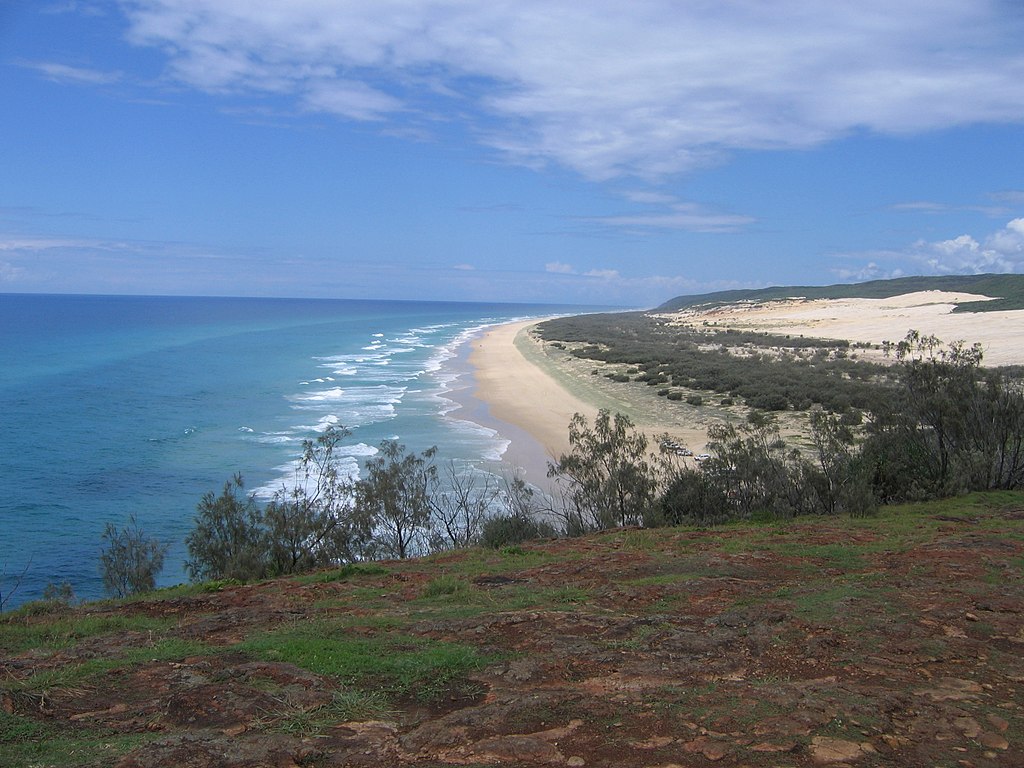
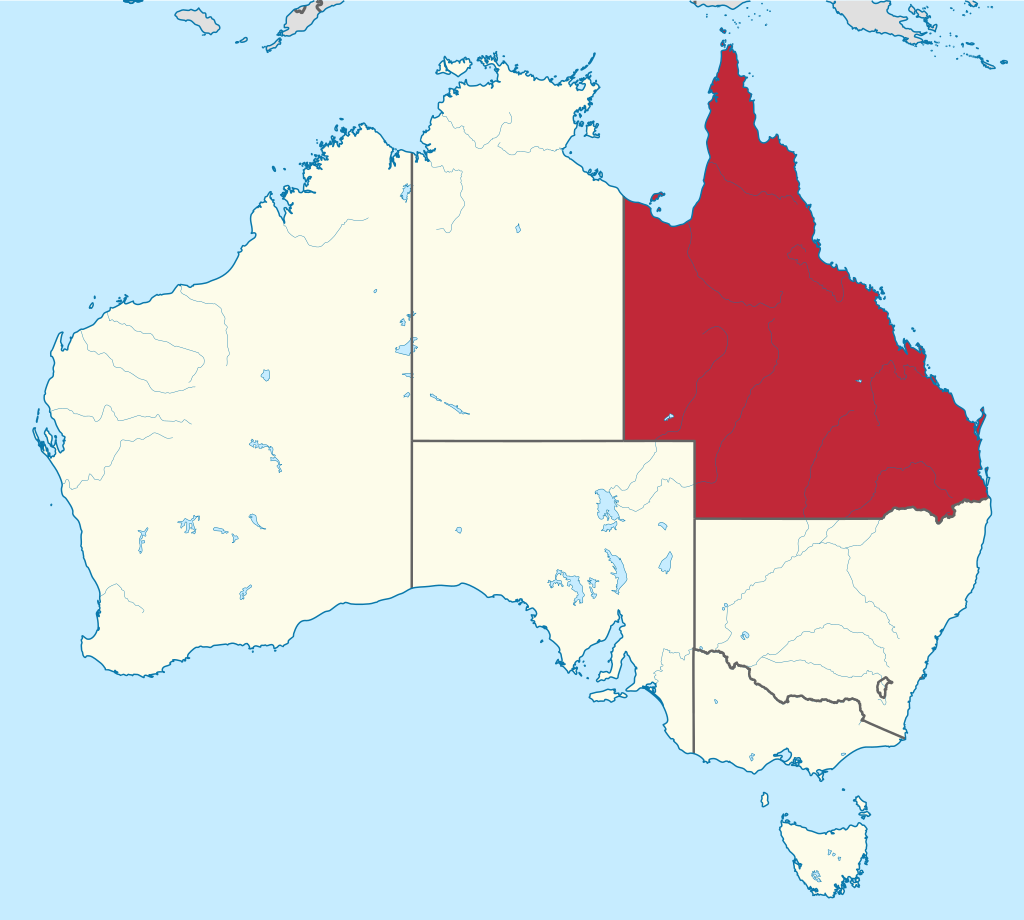
Situated in northeastern Australia, Queensland is the second largest state by area and the third most populous. Running along Queensland's Coral Sea coast between the Torres Strait in the north and K'gari (formerly Fraser Island) in the south is the Great Barrier Reef, the world's largest coral reef system. Just inland from the coast, the low mountains of the Great Dividing Range separate the humid coastal region—monsoonal in the tropical north, subtropical further south—from the semi-arid interior. Most Queenslanders live on or near the coast, with more than 70% of the population in the southeast of the state.

Geography
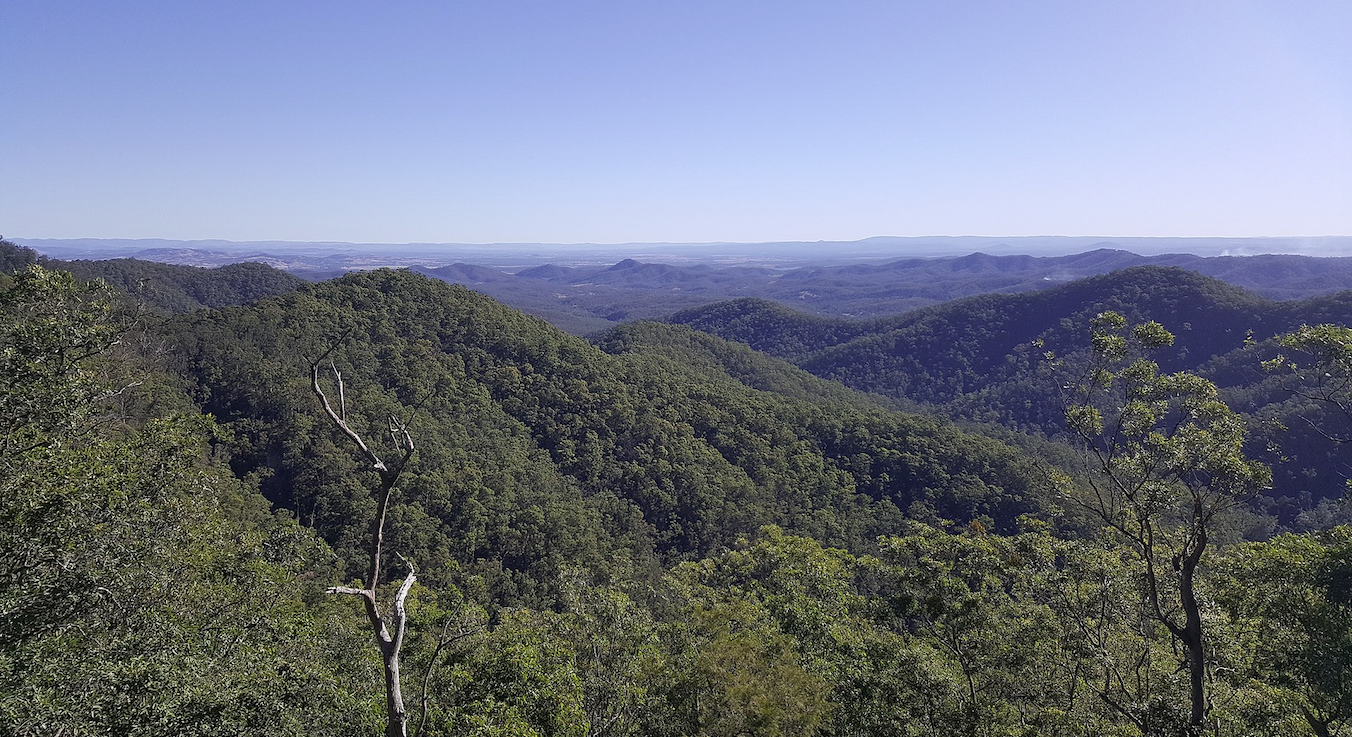

The state's coastal southeastern corner is an urban region which includes the state's three largest cities: Brisbane and the popular tourist destinations of Gold Coast and Sunshine Coast. Inland lies the fertile cattle pastures and cereal cropfields of Darling Downs. Further up the coast from Brisbane is an area of sugar cane cultivation, cattle farmland and tourist centres. Tropical rainforest covers parts of the Cape York Peninsula.
Severe tropical cyclones affect central and northern coastlines and can cause severe damage and flooding.
Southwest Queensland is an area of level plains. It is underlain by the Great Artesian Basin, which provides a reliable source of water for livestock grazed in this region. Further north lies the Gulf Country, the savanna lands bordering the Gulf of Carpentaria.
Economy
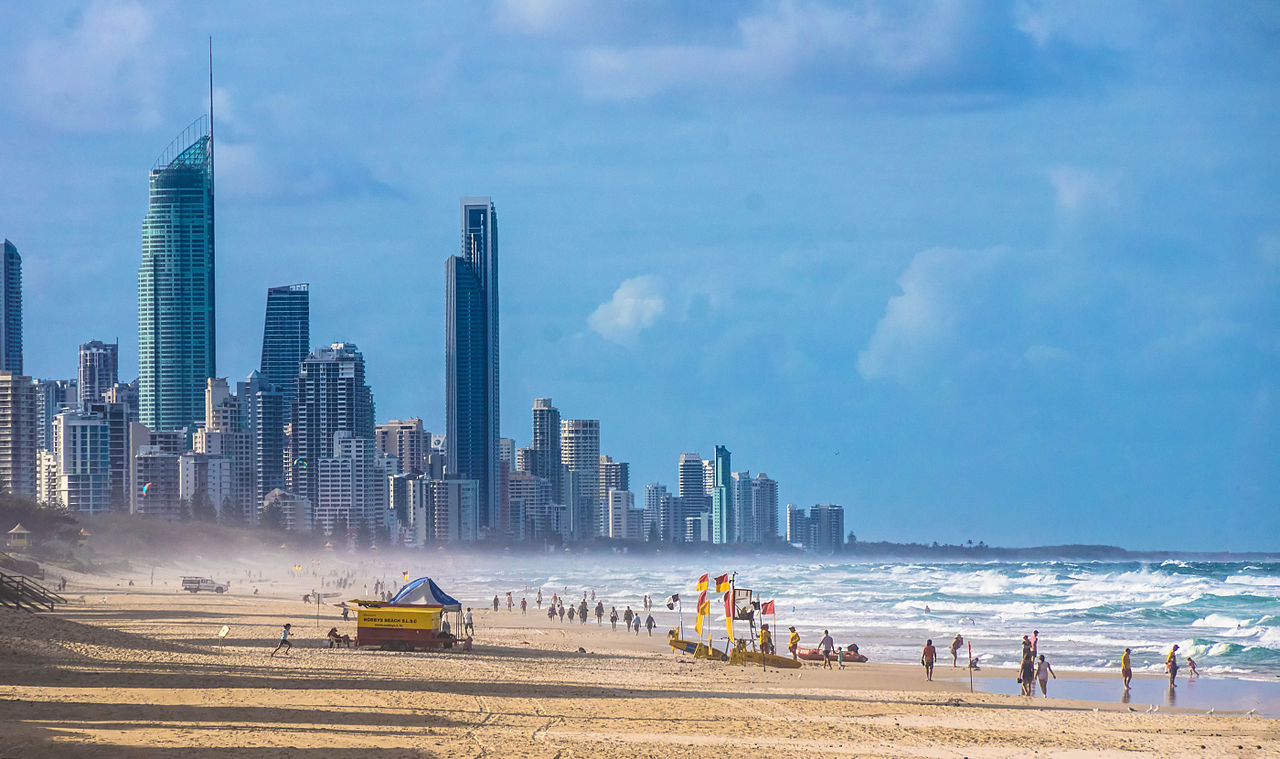

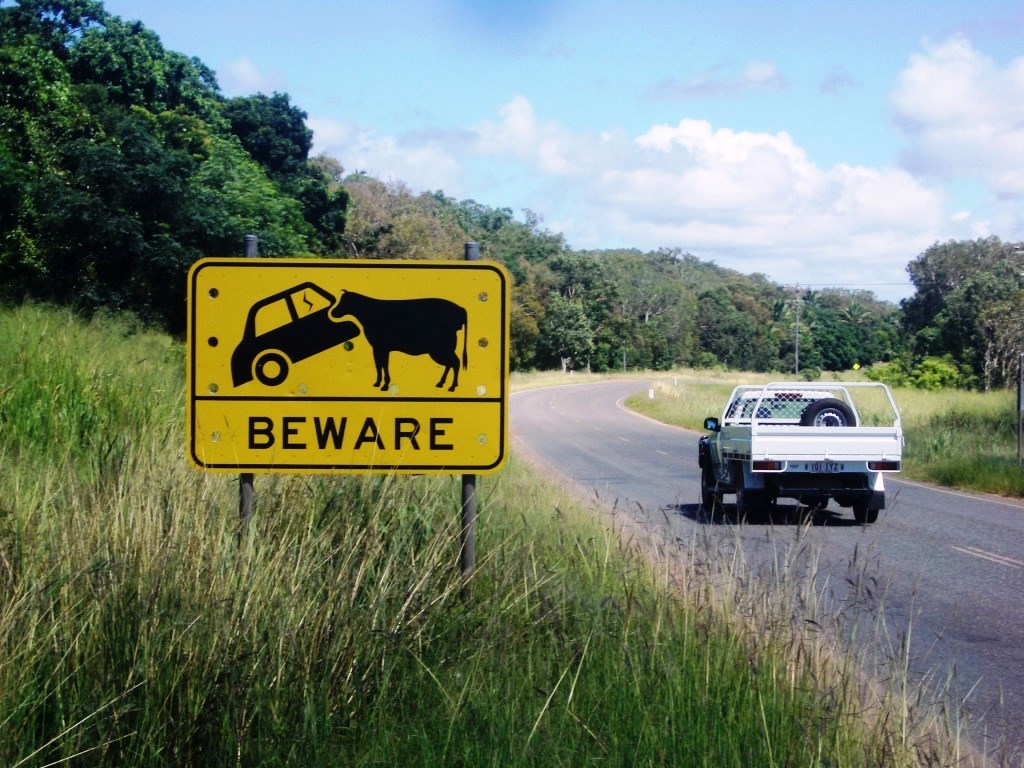
Queensland produces a wide variety of tropical and temperate fruit and vegetables as well as wines. Its farms grow cotton and sugar cane and raise cattle and sheep. Bauxite, coal, silver, lead, zinc, gold and copper are all mined in the state. Thanks to its warm climate, a rich natural environment and sandy beaches, tourism has become major industry in Queensland.
Brisbane
The third most populous city in Australia, Brisbane is the capital of Queensland. Its centre is situated inside a bend of the Brisbane River, about 15 kilometres (9 miles) from the river's mouth at Moreton Bay. In 1823 the Governor of New South Wales, Scotsman Sir Thomas Brisbane, ordered a new northern penal settlement to be set up. A party led by John Oxley explored Moreton Bay and recommended Red Cliff Point as a suitable site. A settlement was duly established there in 1824, but abandoned after only a year and moved to a new site on the Brisbane River, now known as North Quay in Brisbane city centre, which offered a more reliable water supply. Originally named Edenglassie, the settlement was renamed Brisbane after the Governor.
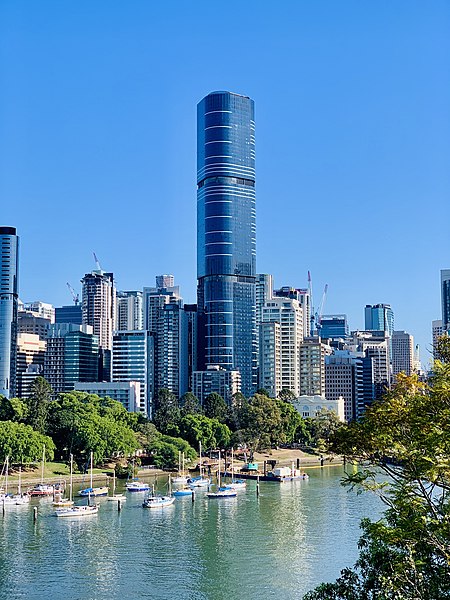
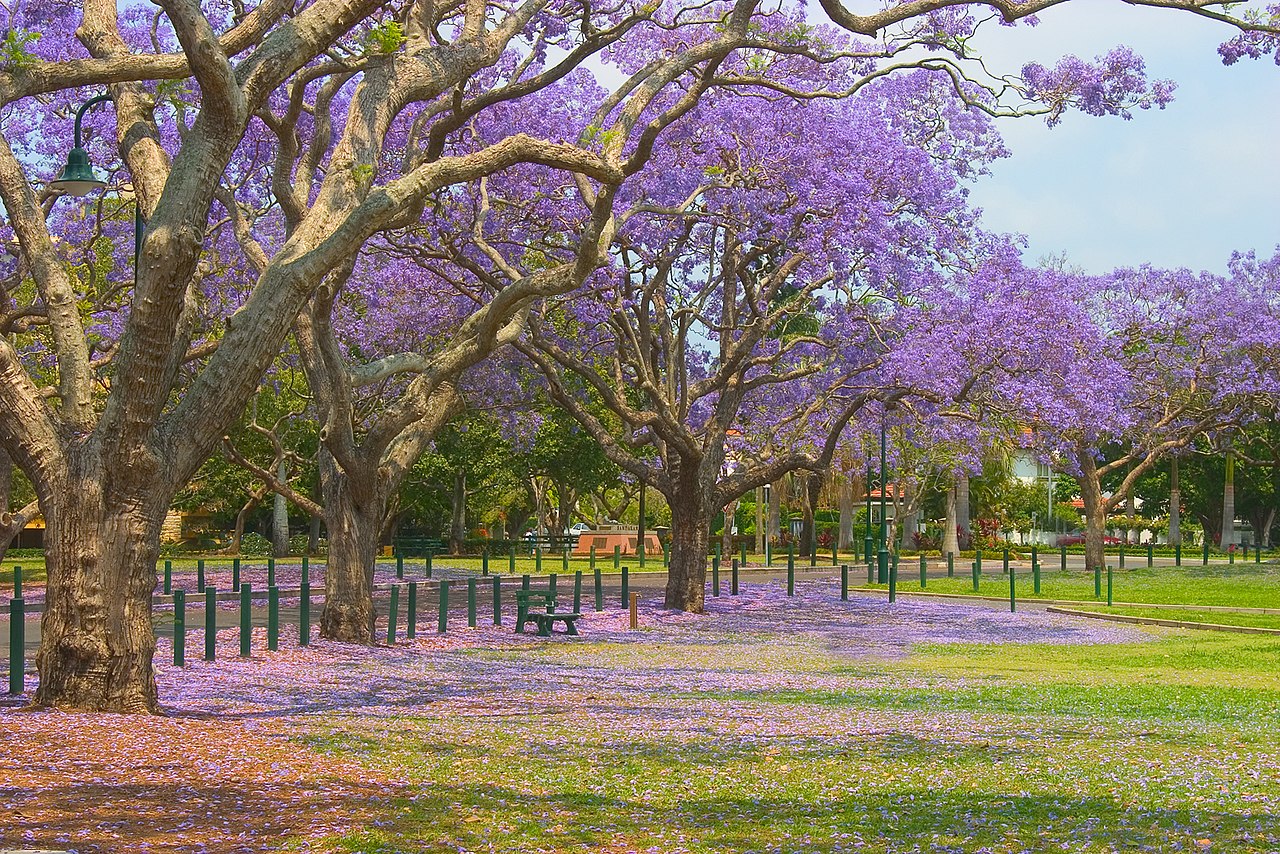
Non-convict European settlement began in in the mid-1830s, and free settlement became offically approved in 1842. Brisbane's population rose steadily, with many immigrants arriving from Germany as well as Britain and Ireland. When Queensland separated from New South Wales in 1859, Brisbane was chosen as its capital.

Torres Strait Islands
The Torres Strait Islands are a group of around 275 small islands in Torres Strait, the waterway separating Queensland's Cape York Peninsula from the island of New Guinea to the north. Only 14 of the islands are inhabited. More than 90% of the population of around 4500 are Torres Strait Islanders. They are Indigenous Australians. Largely Melanesian, they are ethnically different from Aboriginal Australians. Today, many more Torres Strait Islanders people live in mainland Australia than on the islands themselves.
The Torres Strait was previously a land "bridge" that connected the present-day Australian continent with New Guinea. It was submerged by rising sea levels at the end of the last ice age approximately 12,000 years ago. Some of the islands are mountain peaks that were not completely submerged; others are cays, formed on coral reefs. The islands and their surrounding waters and reefs are home to saltwater crocodiles, dugongs and marine turtles.

Consultant: Nicholas Harris
Facts about Queensland
Nickname Sunshine State
Area 1,730,620 sq km (668,200 sq miles) Rank 2nd
Highest point Mount Bartle Frere 1622 m (5322 ft)
Population 5,174,437 Rank 3rd
Capital Brisbane pop. 2,514,184 (metropolitan area)
Other major cities Gold Coast (pop. 693,671), Sunshine Coast (341,069), Townsville (181,668), Cairns (153,951), Toowoomba (138,223)
State mammal Koala
State bird Brolga
State fish Barrier Reef anemonefish
State flower Cooktown orchid
State mineral Sapphire

History of Queensland
60,000–40,000 years ago
Humans, the ancestors of today's Aboriginal Australians and Torres Strait Islanders, reach Queensland by boat or land bridge across the Torres Strait from New Guinea. They separate into over 90 different language groups
1606
Dutch navigator Willem Janszoon becomes the first European to land in Australia, when he arrives at what is today Weipa on the west coast of the Cape York Peninsula. It is the first recorded landing of a European in Australia, and it also marks the first contact between Europeans and Aboriginal Australians
1770
At Possession Island, a small island in the Torres Strait Islands group off the coast of far northern Queensland on 22nd August, James Cook claims the entire east coast of Australia for Great Britain
1788
Arthur Phillip founds the colony of New South Wales, which includes all of what is now Queensland
1824
Moreton Bay Penal Settlement is established at Redcliffe (in the present-day Brisbane metropolitan area) by British explorer John Oxley. It is later transferred to North Quay in what is now Brisbane city centre. The settlement, originally named Edenglassie, is renamed Brisbane after the Governor of New South Wales, Sir Thomas Brisbane
1839
Transportation of convicts ceases, leading the closure of the Brisbane penal settlement
1840s
Free settlement begins, with the rapid acquisition of land by European settlers leading to widespread fighting and heavy loss of life among the indigenous Australians whose land rights were disregarded. It is estimated more than 30,000 Aboriginal people are killed in Queensland's long and bloody Frontier War during the 19th century, while around 1500 whites are killed in massacres. The Native Police Force, employed by the Queensland government, plays a major role in oppressing the indigenous people
1842
Brisbane is officially opened to free settlement
1848
The first free immigrant ship, Artemisia, arrives in Moreton Bay from Europe
1859
Queensland is separated from New South Wales on 6th June (commemorated today as Queensland Day), thereby establishing it as a self-governing Crown colony. It is named in honour of Queen Victoria
1860s–early 1900s
Labourers, known at the time as Kanakas, are brought to Queensland from neighbouring Pacific Island nations and forced to work in the state's sugar cane fields. Some of these people are kidnapped in acts known as "blackbirding"
1867
James Nash discovers gold on the Mary River near the town of Gympie, sparking a gold rush
1901
Queensland is among the six colonies which become the founding states of the Federation of Australia. The White Australia policy comes into effect, which sees all foreign workers from the Pacific Islands sent home
1920
Australia's first major airline, Qantas (originally standing for "Queensland and Northern Territory Aerial Services"), is founded to serve outback Queensland
1935
Cane toads are deliberately introduced to Queensland from Hawaii in an unsuccessful attempt to reduce the number of cane beetles that were destroying the sugar crop. The toads have remained a pest ever since
1981
The Great Barrier Reef off Queensland's northeast coast, one of the world's largest coral reef systems, is declared a UNESCO World Heritage Site.
2025
Flooding engulfs the state, spreading across an area more than four times the size of the UK. It is caused by heavy rainfall in normally dry inland areas occurring between late January and mid-March. The floodwaters are expected to move slowly downstream into South Australia, filling Kati Thanda–Lake Eyre. More than 150,000 head of livestock have been lost, and over 4500 km of fencing has been destroyed.
pics

Without in any way limiting Q-files Ltd’s exclusive rights under copyright, any use of this publication to “train” generative artificial intelligence (AI) technologies to generate text is expressly prohibited. Q-files Ltd reserves all rights to license use of this work for generative AI training and development of machine learning language models.