
Erosion

CITE
We have made every effort to follow citation style rules, but there may be some minor differences. If in doubt, please refer to the appropriate citation style manual.
Weathering and erosion. (2026). In Q-files Encyclopedia, Earth, Erosion. Retrieved from
https://www.q-files.com/earth/erosion/weathering-and-erosion
"Weathering and erosion." Earth, Erosion, Q-files Encyclopedia, 6 Mar. 2026.
https://www.q-files.com/earth/erosion/weathering-and-erosion.
Accessed 6 Aug. 2026.
Weathering and erosion 2026. Earth, Erosion. Retrieved 6 August 2026, from
https://www.q-files.com/earth/erosion/weathering-and-erosion
Earth, Erosion, s.v. "Weathering and erosion," accessed August 6, 2026.
https://www.q-files.com/earth/erosion/weathering-and-erosion


Weathering and erosion
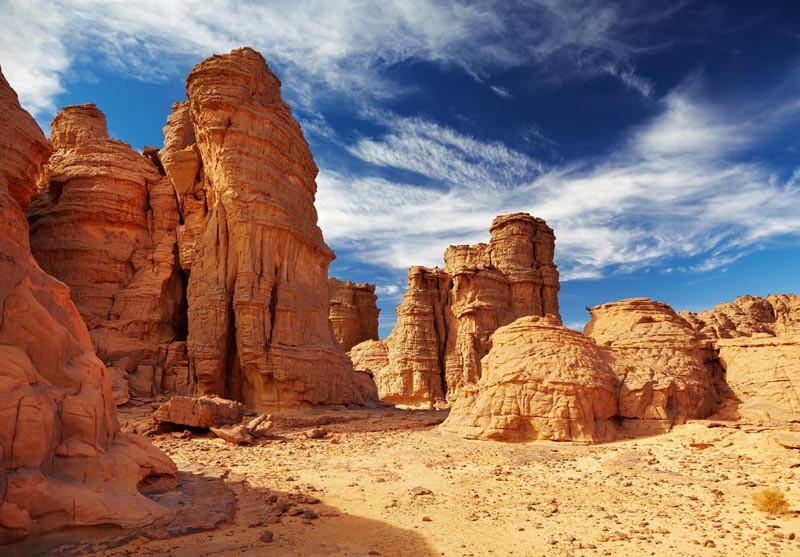
Over the millions of years of geological time, great mountain ranges have been forced up—then disappeared. Colliding tectonic plates, faulting and other earth movements have created these mountains. What has happened to them? Most have been ground down by the processes of weathering (attack by rainwater, frost and temperature change) and erosion (the removal of rock fragments by water, ice or wind).

Weathering
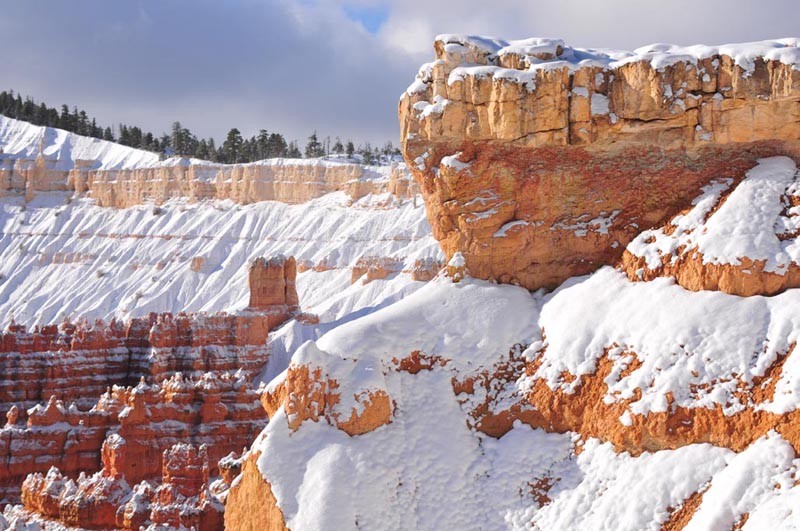
Attack by rainwater, frost, temperature change, plant roots and micro-organisms breaks down rocks in a process called weathering. Rocks heat up and expand in the sun, then cool and contract at night. The temperature changes, combined with chemical attack by water, crack the rock surface, causing small pieces to flake off. Rainwater seeps into crevices and, as it freezes into wedges of ice, expands with great force and splits off pieces of rock. This is known as frost-wedging. On slopes or cliffs, rockfalls and rockslides are the frequent result, with piles of scree accumulating at the bottom.
Deposition
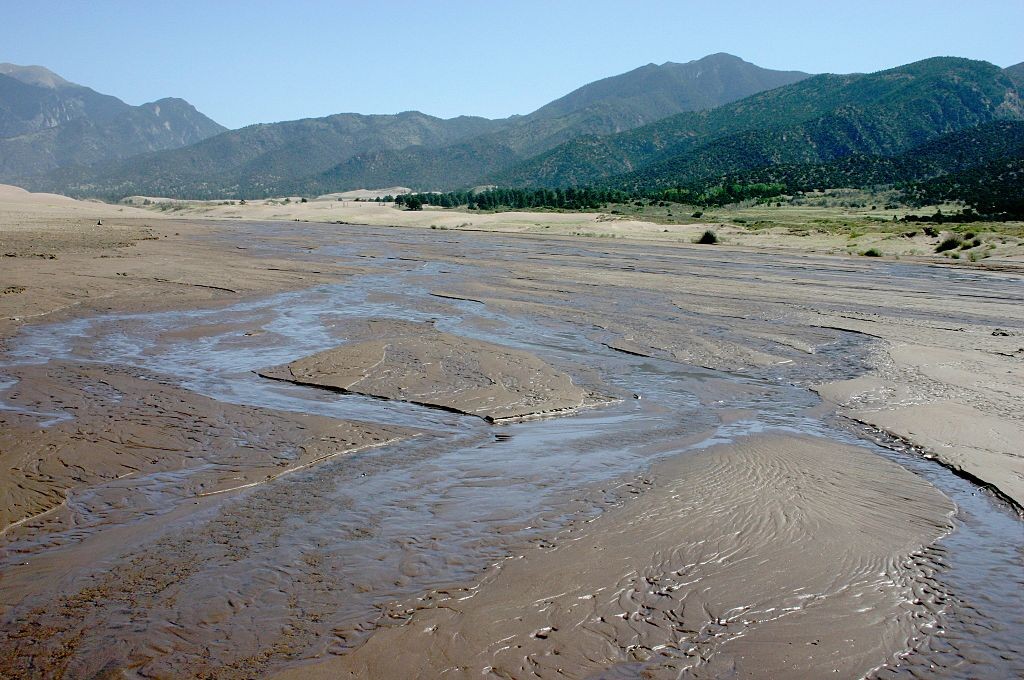
Weathering wears away the bare, rocky surfaces in mountainous areas fastest. Ice, wind and water carry the rocky fragments away and deposit them (lay them down) in lower regions such as plains, rivers and lakes. These fragments of rock—mud, sand, silt and gravel—are called sediments, and the process of laying them down is called deposition.
Kinds of sediment
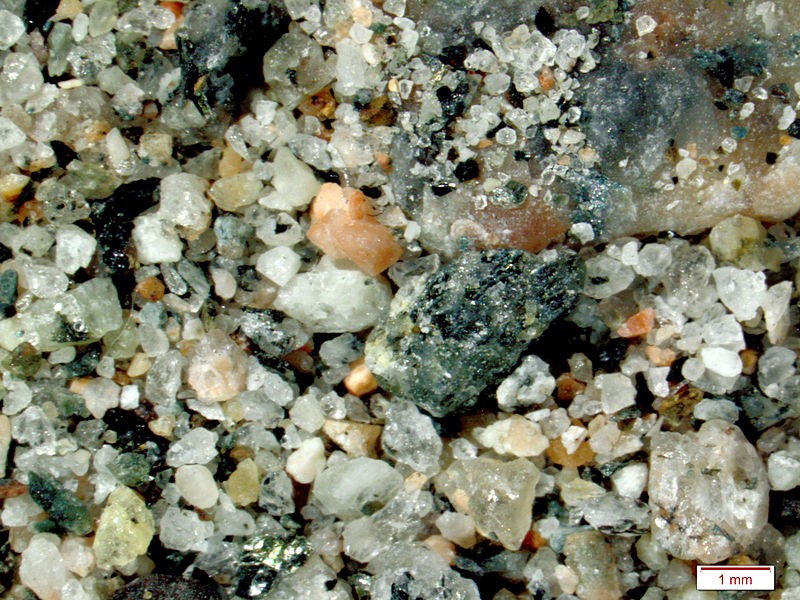
Gravel, sand, mud, silt—even the remains of living creatures—are all kinds of sediment. Sand consists of grains between 1/16 and 2 mm in size. Anything coarser is gravel, while finer material is mud. Mud can be divided into silt (consisting of particles measuring between 1/256 to 1/16 of a millimetre) and clay (less than 1/256 mm).
Erosion
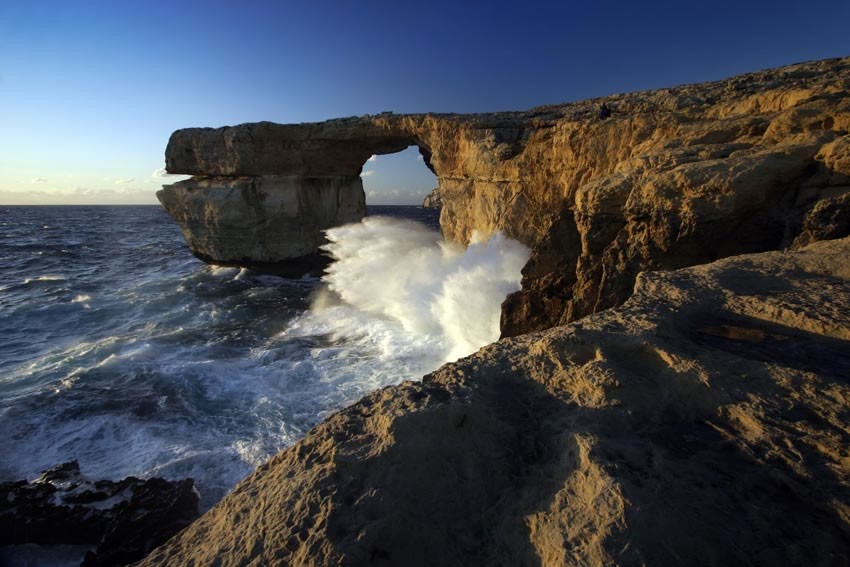
Erosion is the removal of fragments of rock by the action of running water, glaciers or wind. Rivers, especially if they are fast-flowing or in flood, can carry away quite large pieces of rock. Waves crashing on to cliffs, sometimes hurling pebbles or boulders at the rock, are also powerful forces of erosion. One of the world's most spectacular examples of erosion is the Grand Canyon in Arizona, USA, a deep, step-sided valley carved by the powerful waters of the Colorado River.
Consultant: Ian Fairchild
pics
Without in any way limiting Q-files Ltd’s exclusive rights under copyright, any use of this publication to “train” generative artificial intelligence (AI) technologies to generate text is expressly prohibited. Q-files Ltd reserves all rights to license use of this work for generative AI training and development of machine learning language models.