
British Empire

CITE
We have made every effort to follow citation style rules, but there may be some minor differences. If in doubt, please refer to the appropriate citation style manual.
Empire to Commonwealth. (2026). In Q-files Encyclopedia, History, British Empire. Retrieved from
https://www.q-files.com/history/british-empire/empire-to-commonwealth
"Empire to Commonwealth." History, British Empire, Q-files Encyclopedia, 30 Mar. 2026.
https://www.q-files.com/history/british-empire/empire-to-commonwealth.
Accessed 22 Sep. 2026.
Empire to Commonwealth 2026. History, British Empire. Retrieved 22 September 2026, from
https://www.q-files.com/history/british-empire/empire-to-commonwealth
History, British Empire, s.v. "Empire to Commonwealth," accessed September 22, 2026.
https://www.q-files.com/history/british-empire/empire-to-commonwealth


Empire to Commonwealth
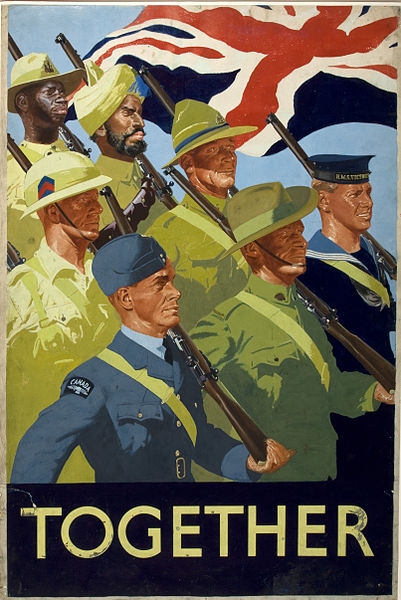
The military campaigns Britain waged in Europe, Asia and Africa during World War II (1939–45) virtually bankrupted the country. Major defeats, such as Singapore in 1942, showed how overstretched the Empire had become; it was no longer powerful enough to defend itself without allies from aggressors such as Germany and Japan. Britain's colonies had made a significant contribution to the British war effort, providing troops and resources. Millions of people living under British rule in Africa and Asia now believed that, in return, they deserved the chance to rule themselves. In the years after the end of the war, growing unrest led to many Britain’s territorial possessions gaining their independence—some by peaceful transition, others violently. Between 1945 and 1965, the number of people under British rule (outside Britain itself) fell from 700 million to five million.

World War II
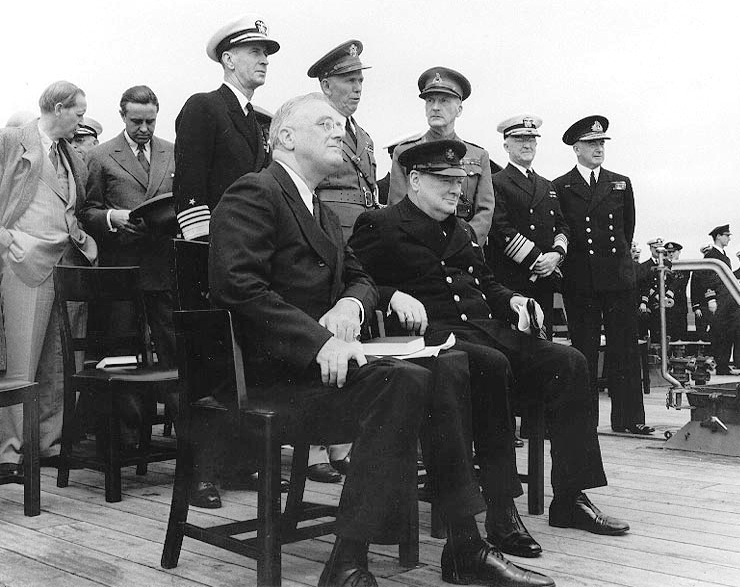
As in World War I, Britain once again relied on its Empire (and many of the newly independent Dominions) during World War II. After the fall of France in June 1940, Britain and Empire stood alone against Germany, until the Soviet Union was invaded by the Nazis in June 1941. Before entering the war, US President Franklin D. Roosevelt agreed to send Britain military aid. The Atlantic Charter, signed by Roosevelt and British Prime Minister Winston Churchill in August 1941, included the statement that "the right of all peoples to choose the form of government under which they live" should be respected. To many, it was clear that Britain would only receive assistance from the US in future on condition that it agreed to dismantle its Empire. (Churchill himself stated that the Charter was only meant to apply to states under German occupation, and not to the countries ruled by the British Empire.)
The way in which British forces were quickly overrun by Japan in the Far East harmed Britain's standing and prestige as an imperial power. Most damaging of all was the Fall of Singapore in February 1942. Regarded as a "fortress", Singapore was a major British military base, yet the garrison organized to defend it lasted barely more than a week before surrendering. About 80,000 British, Indian and Australian troops in Singapore became prisoners of war, joining 50,000 taken by the Japanese in the earlier Malayan Campaign. It was the largest British surrender in history.

Partition of India
Late in 1946, the British government decided to end their rule of India. Tensions between Hindus and Muslims had been growing over the years. Although the majority of people in India were Hindus, there were also millions of Muslims who did not want to live under Hindu rule. The Muslim leader Mohammed Ali Jinnah campaigned for a separate state for Muslims, and the British eventually agreed to this.
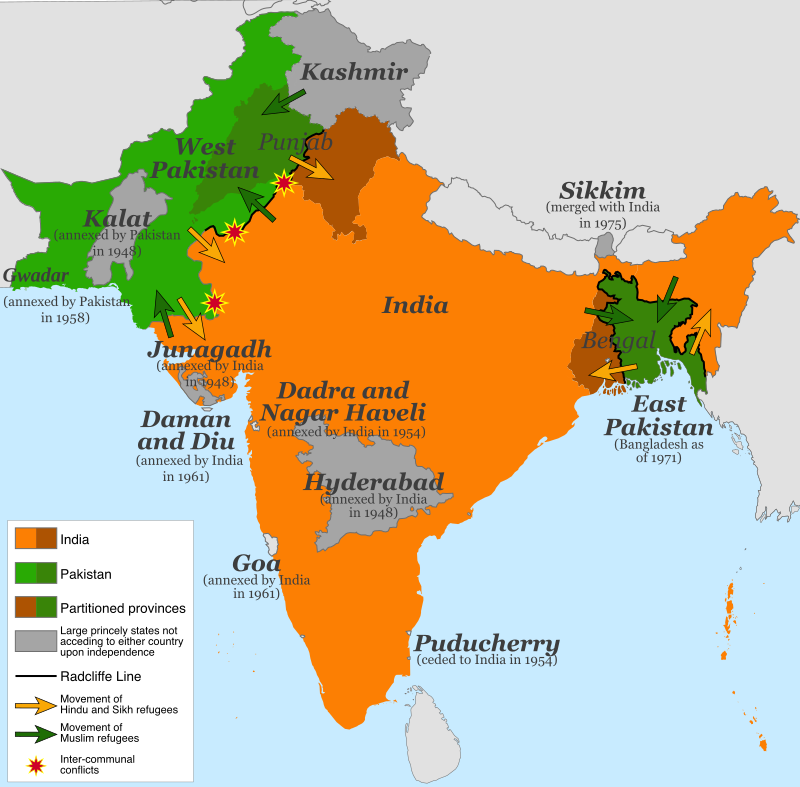
The mostly Hindu and Sikh areas of British India were assigned to the new nation of India, while areas in the northwest and northeast, where there were Muslim majorities, were to become part of the new nation of Pakistan (the northeast region later became present-day Bangladesh). Two provinces, Punjab and Bengal, were divided along religious lines. Punjab's mostly Muslim western part went to Pakistan while its mostly Hindu and Sikh eastern part was handed to India. However, there were significant Muslim minorities in eastern Punjab and many Hindus and Sikhs living in Punjab's western areas. Rioting broke out between Sikhs, Hindus and Muslims in Punjab and Bengal and spread to several other parts of India.
On 14th August 1947, Pakistan became an independent nation, with Jinnah as Governor-General. India, with Jawaharlal Nehru as prime minister, followed just after midnight on 15th August 1947. Around 12 million Hindus, Sikhs and Muslims who lived on the “wrong” side of the new borders moved between the newly created nations of India and Pakistan. It was one of the largest mass migrations ever recorded in modern history. As people moved from one state to the other, violence on a massive scale broke out between the two sides: anywhere between 200,000 and 1 million people died.

Burma (now Myanmar), which had been administered as part of the British Raj, and Ceylon (now Sri Lanka) gained their independence the following year (1948). India, Pakistan and Ceylon became members of the Commonwealth, while Burma chose not to join.
Palestine
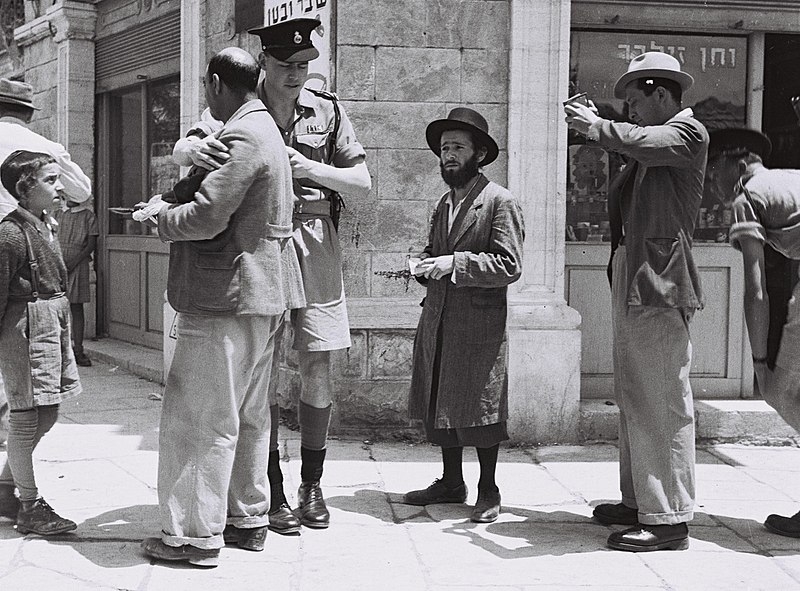
The British Mandate in Palestine, where an Arab majority lived alongside a Jewish minority, presented the British with another problem similar to that of India. In 1945 Jewish leaders began organizing the immigration of tens of thousands of Jewish war refugees—survivors of the Holocaust—to Palestine without the approval of the British government, who were opposed to an increase in Jewish migration. The Arabs, meanwhile, were fiercely opposed to the creation of a Jewish state. Faced with violent uprising by Jewish militants, Britain announced in 1947 that it would withdraw in 1948 and leave the matter to the newly-formed United Nations to solve.
The UN General Assembly agreed a plan to partition Palestine into a Jewish and an Arab state. The Jewish leadership accepted the decision but the Arabs opposed it. Civil war broke out between the Arabs and Jews, and British forces withdrew amid the fighting. When the British Mandate ended on 14th May 1948, the State of Israel declared its independence. Egypt, Lebanon, Syria, Jordan and Iraq immediately invaded, triggering what was to become known as the 1948 Arab-Israeli War.
Malayan Emergency
Following the surrender of Japan at the end of World War II, the British retook control of Malaya. The colony was highly valued as a source of rubber and tin. Malayan guerrilla fighters of the Malayan National Liberation Army (MNLA)—mostly Malayan-Chinese Communists—who had resisted the Japanese occupation during the war, now turned against the British. Efforts by British and Commonwealth forces to quell the uprising were supported by the Muslim Malay majority, on the understanding that once it had been put down, the British would grant Malaya independence.
The Malayan Emergency (or the Anti-British National Liberation War as it was known to the MNLA), began in 1948 and lasted until 1960. When the British granted independence to the Federation of Malaya in 1957, the purpose of the rebellion largely ended. In 1963, the 11 states of the Malayan Federation, together with Singapore, Sarawak and North Borneo, joined to form Malaysia. Two years later, Chinese-majority Singapore was expelled from the union and became an independent state. Brunei, a British protectorate since 1888, decided not to join the union. It became independent in 1984.

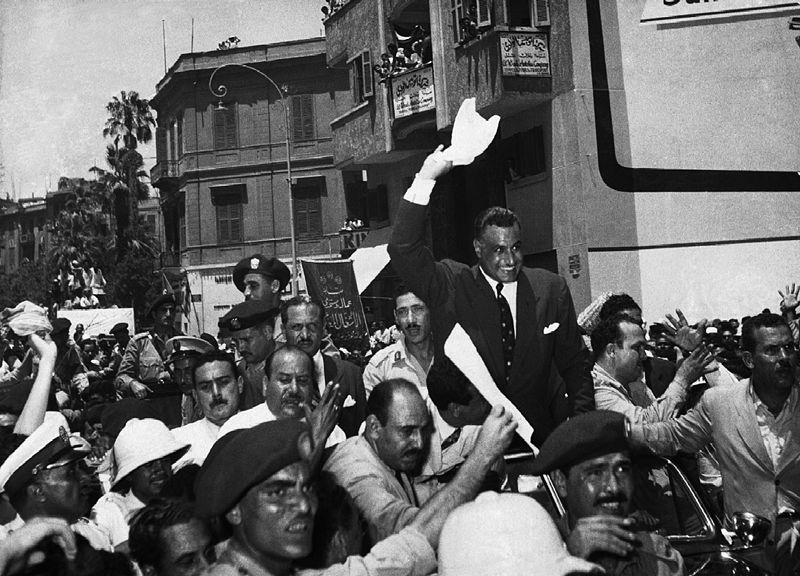
Suez Crisis
In 1951, the Conservative Party returned to power in Britain. The new government believed that Britain's position as a world power relied on the continued existence of its Empire. Britain's joint ownership (with France) of the Suez Canal allowed it to maintain its status as a power in the Middle East. Gamal Abdul Nasser had taken power in Egypt—through whose territory the Canal passed—in 1952. In July 1956, Nasser decided to nationalize (acquire for the nation) the Suez Canal, without seeking the permission of Britain or France. Britain's prime minister Anthony Eden made a secret plan with France to support an Israeli attack on Egypt that would give Britain and France an excuse to invade and retake the Suez Canal. The invasion, in October 1956, infuriated US president Dwight D. Eisenhower, who had not been consulted. Eisenhower expressed his disapproval by ensuring a collapse of the British pound on the world currency markets. This forced Britain into a humiliating withdrawal of its forces, and Eden resigned.
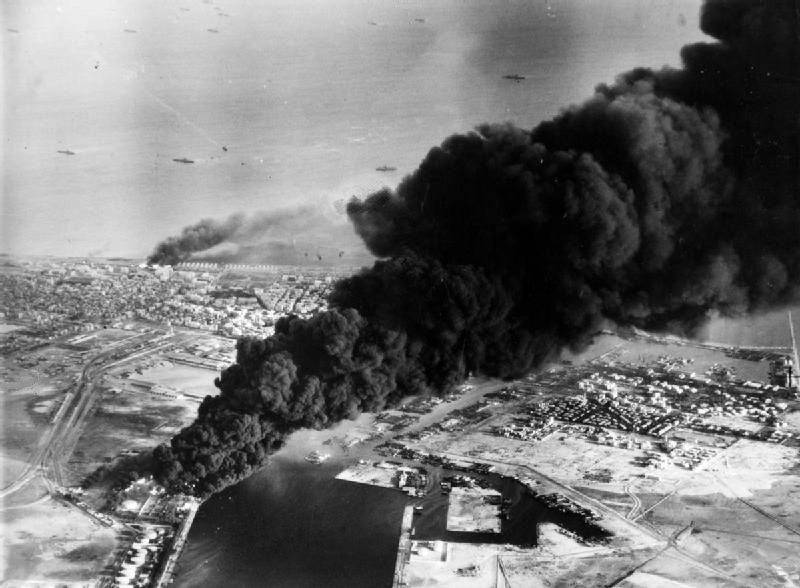
The Suez Crisis exposed Britain's limitations as a military power and showed it was no longer a superpower. It could no longer act without the agreement, if not the full support, of the United States, now the world's number one superpower.
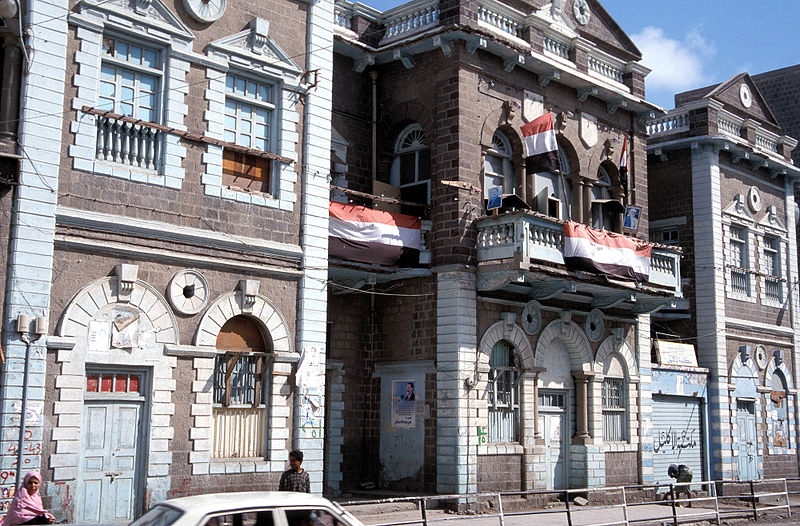
Britain granted continued to maintain a military presence in the Middle East for 20 years. In 1968, the government announced that British troops would be withdrawn from major military bases east of Suez. The British granted independence to the Maldives in 1965 but continued to station a garrison there; it withdrew from Aden (now part of Yemen) in 1967; it granted independence to Bahrain, Qatar and the United Arab Emirates in 1971; it withdrew the forces stationed in the Maldives in 1976.
African independence
The cost of continuing to run the Empire was becoming prohibitive to post-war Britain. Nationalist movements in the African colonies, led by Jomo Kenyatta in Kenya and Kwame Nkrumah in the Gold Coast (now Ghana), organized protests against British rule in the 1950s.
In 1960, British prime minister Harold Macmillan admitted there was a "wind of change blowing through this continent". Most of Britain's African colonies achieved independence in the 1960s. Macmillan wished to avoid the the brutal colonial war of the kind that France was fighting in Algeria, and under his premiership decolonization proceeded rapidly.

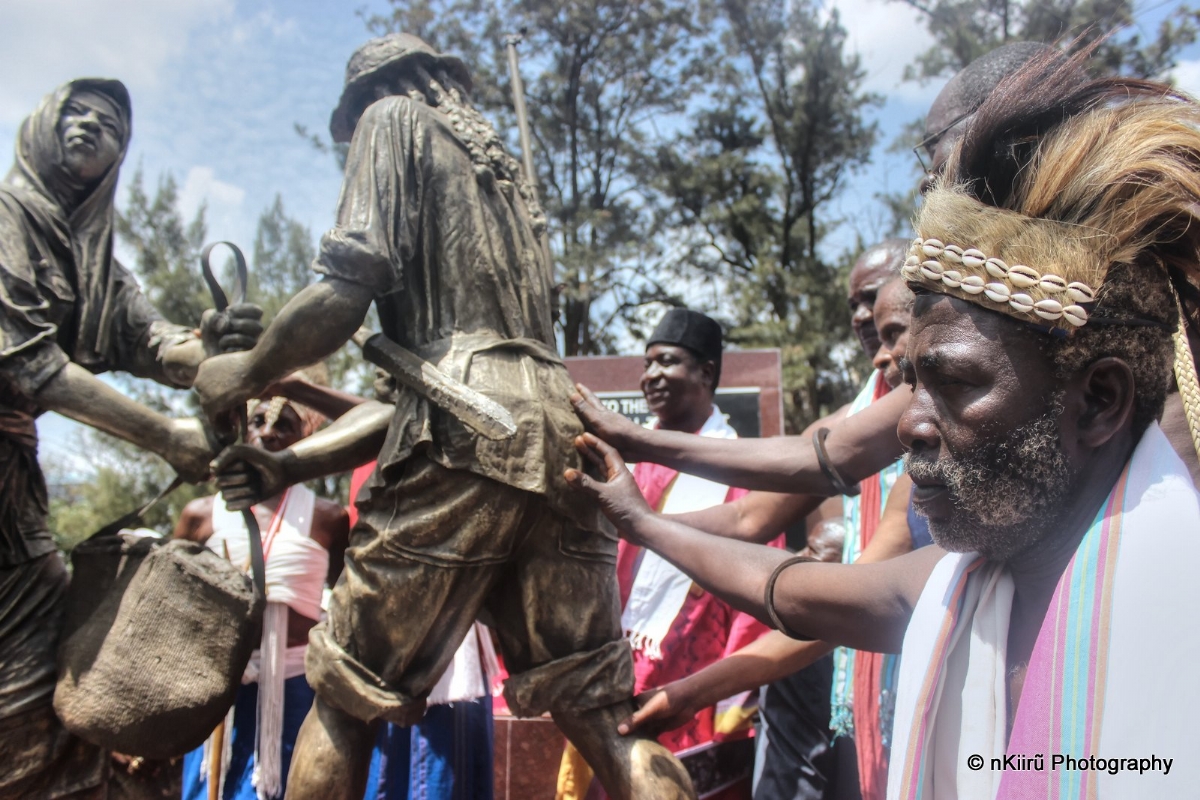
Britain's remaining colonies in Africa, except for self-governing Southern Rhodesia (present-day Zimbabwe), were all granted independence by 1968. Kenyan independence was preceded by the eight-year Mau Mau Uprising (1952–60) in which tens of thousands of suspected rebels were held by the British colonial government in detention camps. During the uprising, both sides were accused of atrocities, including massacres and the use of torture on prisoners.
The government of Southern Rhodesia, which was mostly made up members of the country's white minority (about 5% of the population), was refused independence because it did not represent the overwhelming African majority population. In response it issued a Unilateral Declaration of Independence and became the unrecognized state of Rhodesia in 1965. This resulted in a civil war (called the Bush War) between the forces of the white-led government and two liberation armies led by African leaders that lasted until 1979. Eventually, in a deal arranged with British help, the country won its independence in 1980, as the new nation of Zimbabwe with an African majority government.
Caribbean islands
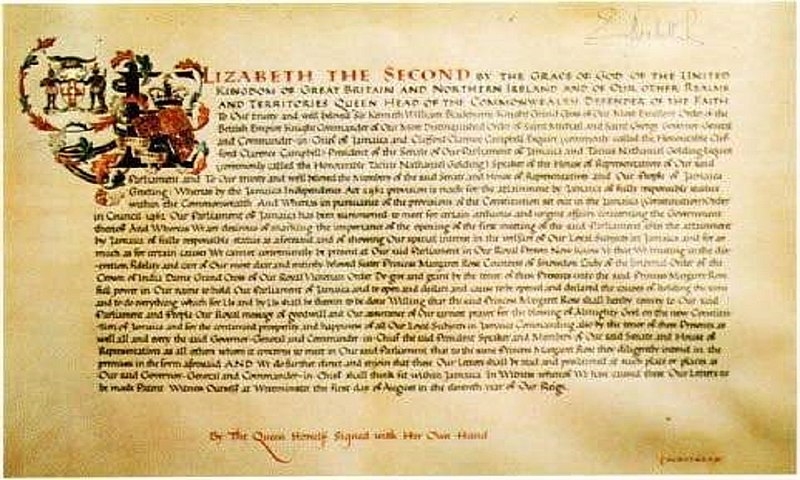
Various Caribbean islands came together in 1958 to establish the West Indies Federation. It was an attempt to unite the British Caribbean colonies under one government in the hope that it would then become independent as a single state. However, the Federation collapsed following the departure of its two largest members, Jamaica and Trinidad. Jamaica attained independence in 1962, as did Trinidad and Tobago.

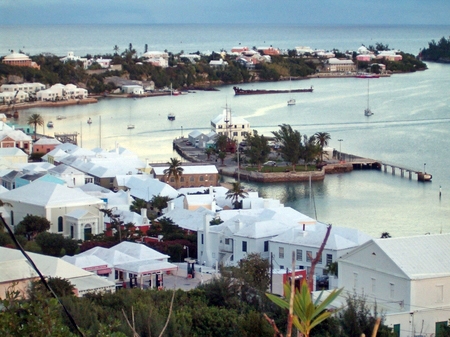
Barbados achieved independence in 1966 while the remainder of the eastern Caribbean islands, including the Bahamas, did so in the 1970s and 1980s. Some, including Anguilla, Turks and Caicos Islands, British Virgin Islands, Cayman Islands and Montserrat, opted against independence, while Britain deemed that Bermuda was not ready for independence. Of Britain's American mainland colonies, Guyana achieved independence in 1966 and British Honduras (renamed Belize in 1973) in 1981.
Mediterranean islands
The Eastern Mediterranean island of Cyprus had joined the British Empire in 1878 as part of a secret agreement between Britain and the Ottoman Empire, which possessed it previously. A guerrilla war waged by Greek Cypriots ended in 1960, leading to an independent Cyprus, with the UK retaining the military bases of Akrotiri and Dhekelia (as it does to this day).
The Mediterranean islands of Malta and Gozo were granted independence from the UK in 1964 and became the country of Malta. Gibraltar, Britain's important naval base at the southern tip of the Iberian Peninsula, remains a British Overseas Territory after Gibraltarians rejected proposals for Spanish sovereignty in a 1967 referendum, or sovereignty shared with Spain in a 2002 referendum.


Hong Kong
Under the terms of the 1842 Treaty of Nanking and the 1860 Convention of Peking, following British victory in the two Opium Wars, Hong Kong Island and Kowloon Peninsula were ceded to Britain in perpetuity (forever). The vast majority of the colony's land area was, however, made up of the New Territories, acquired under a 99-year lease in 1898 and which expired in 1997. By the 1980s Hong Kong had become immensely prosperous—one of the world's most significant financial centres and commercial ports—with a population of more than 5 million.
A deal between Britain and China was reached in 1984. Under the terms of the Sino-British Joint Declaration, Hong Kong would become a special administrative region of the People's Republic of China, maintaining its way of life for at least 50 years, with separate governing and economic systems from that of mainland China under the principle of "one country, two systems". The handover ceremony in 1997 marked "the end of Empire".
Commonwealth and British possessions

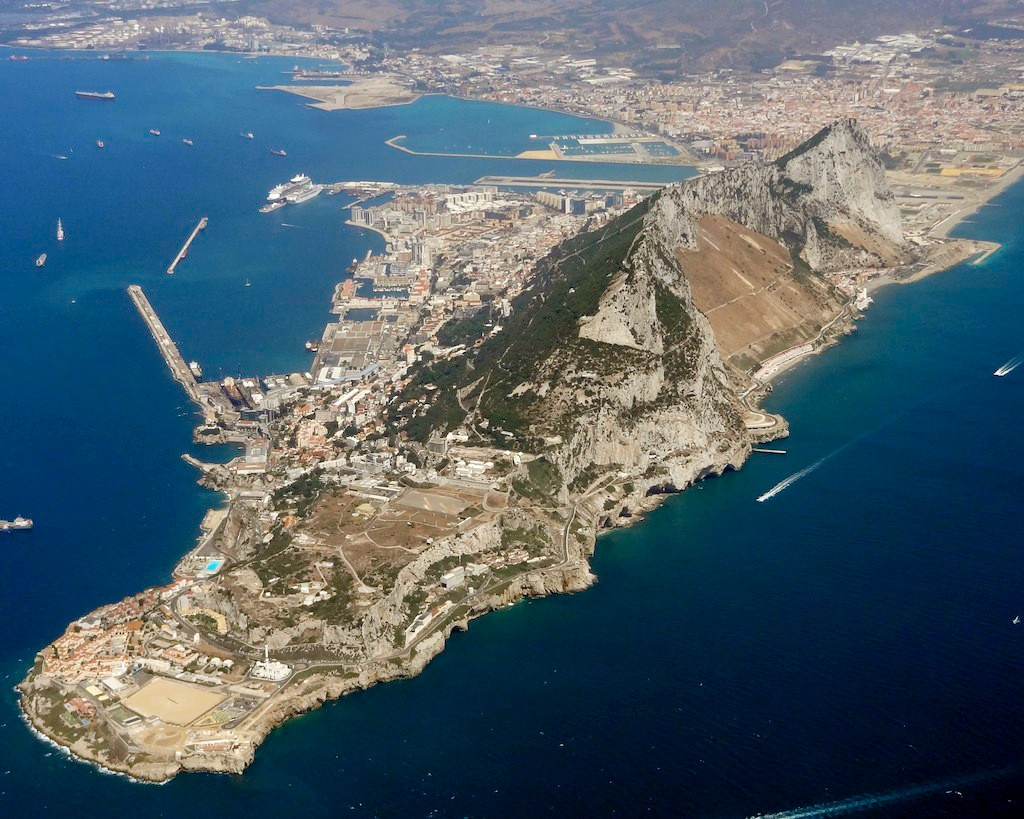
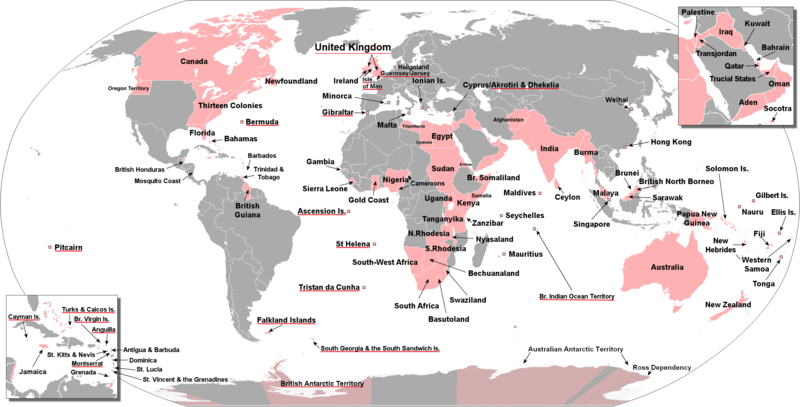
Most areas under British rule today outside the British Isles are small island territories. Britain retains sovereignty over 14 of them, known since 2002 as British Overseas Territories—although some are disputed by their geographical neighbours. Three are uninhabited; the remaining 11 are self-governing to a varying degree. Three territories have voted to remain under British sovereignty: Bermuda in 1995, Gibraltar in 2002 and the Falkland Islands in 2013.
Most former British colonies and protectorates are among the 56 member states of the Commonwealth of Nations, a voluntary association comprising a population of around 2.2 billion people. As of September 2022, 15 Commonwealth countries (including the UK) continue to share the British monarch, King Charles III, as their head of state.
Legacy of Empire
Years of British rule have left their mark on the independent nations that that once were part of the British Empire.
The empire established the use of English around the world. Helped in part by the influence of the United States (itself originally formed from British colonies), English today is the first language of up to 460 million people and is spoken by about one and a half billion as a first or second language.

Except in Africa, where nearly all the former colonies have adopted the presidential system, the British parliamentary system has been adopted by many former colonies, and English common law for legal systems. British missionaries who travelled to parts of the world that were already, or would one day become, British colonies, took Christianity—especially Anglicanism—with them. The British Empire provided a refuge for people from Europe who were persecuted for their religion.
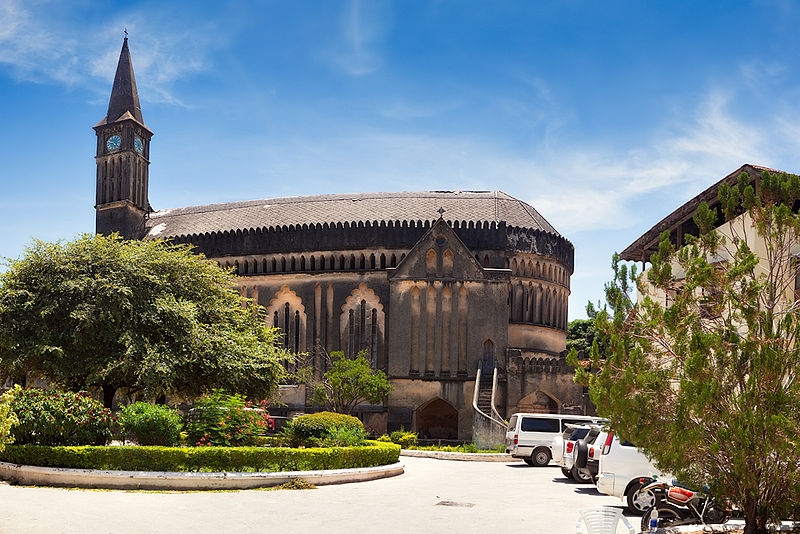
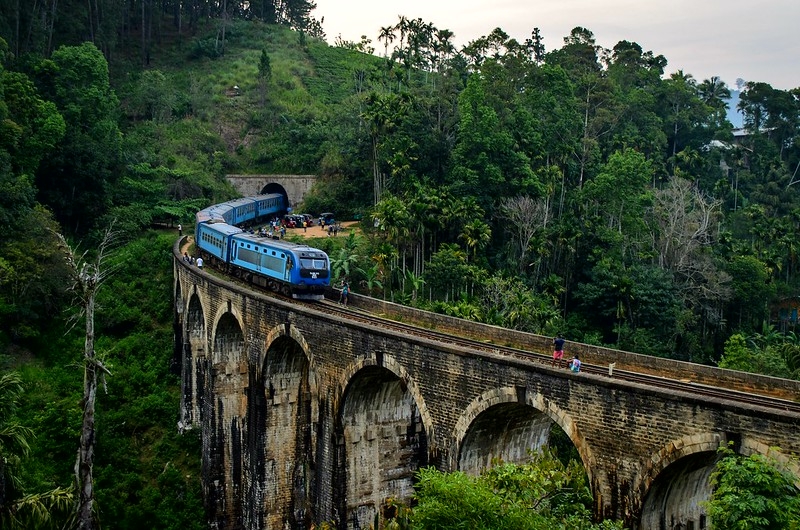
British colonial architecture, including churches, railway stations and government buildings, can be seen in many cities that were once part of the Empire. Individual and team sports developed in Britain—including football, cricket, rugby, netball, golf, bowls, hockey and lawn tennis—were also exported to many parts of Empire. The convention of driving on the left hand side of the road has been retained in many former colonies.
Political boundaries drawn by the British often did not correspond to areas inhabited by peoples of the same ethnicity or religions. This has contributed hugely to conflicts within countries that were once colonized.
The British Empire was also responsible for large migrations of peoples. Millions left the British Isles, with most of the original settler populations of the United States, Canada, Australia and New Zealand coming from Britain and Ireland. Tensions existed between the white settler populations of these countries and their indigenous minority populations, or, in the cases of South Africa and Zimbabwe, between white settler minorities and indigenous majorities—and still persist today. The tensions between nationalist and unionist communities in Northern Ireland today has its origins in the arrival in Ireland of settlers from Great Britain centuries ago.
Millions of people moved between British colonies, with large numbers of Indians emigrating to other parts of the Empire, such as Malaysia and Fiji, and Chinese people to Malaysia, Singapore and the Caribbean. Since World War II, many people have migrated to Britain from its former colonies.


In the past, many British people approved of what the Empire had contributed to the world: the introduction of stable government, the British "way of life" and Christianity, while ending slavery and barbaric traditions. The British Empire brought economic development to the parts of the world it controlled, building roads, railways, hospitals, schools and other modern amenities to the inhabitants. Some young people from the colonies were able to completed their higher education in Britain at its top universities.
However, the British also exploited and exported a variety of natural resources that belonged to the lands they colonized, reserving the profits for themselves. Inhabitants of some regions suffered at the hands of their colonial rulers, including forcible conquest, massacres, forced labour, the use of concentration camps and famine.
Consultant: Philip Parker
pics
Without in any way limiting Q-files Ltd’s exclusive rights under copyright, any use of this publication to “train” generative artificial intelligence (AI) technologies to generate text is expressly prohibited. Q-files Ltd reserves all rights to license use of this work for generative AI training and development of machine learning language models.