
British history

CITE
We have made every effort to follow citation style rules, but there may be some minor differences. If in doubt, please refer to the appropriate citation style manual.
Britain since World War II. (2026). In Q-files Encyclopedia, History, British history. Retrieved from
https://www.q-files.com/history/british-history/britain-since-world-war-ii
"Britain since World War II." History, British history, Q-files Encyclopedia, 30 Mar. 2026.
https://www.q-files.com/history/british-history/britain-since-world-war-ii.
Accessed 2 Sep. 2026.
Britain since World War II 2026. History, British history. Retrieved 2 September 2026, from
https://www.q-files.com/history/british-history/britain-since-world-war-ii
History, British history, s.v. "Britain since World War II," accessed September 2, 2026.
https://www.q-files.com/history/british-history/britain-since-world-war-ii


Britain since World War II
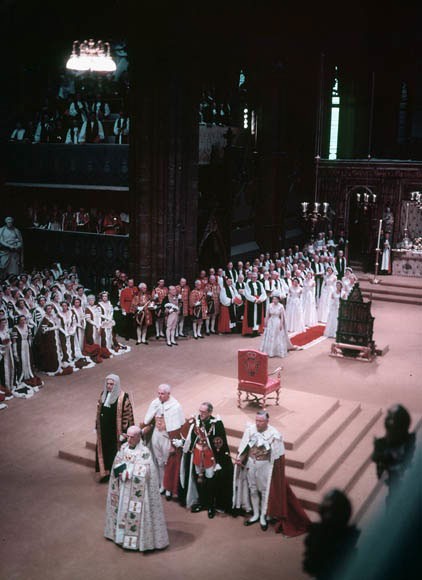
In the years following World War II, Britain rapidly lost its empire. Eventually, it joined its European neighbours in an economic and political union, the European Union (before leaving in 2020). During this period, the country has undergone huge changes. The National Health Service (NHS) and a welfare state have been set up. Power has devolved (been handed over) to Scotland and Wales. One thing has not changed, however: Britain remains a monarchy, with a king or queen as head of state. Elizabeth II, who had been on the throne since 1952, died in September 2022. Her son succeeded her as King Charles III.
Post-war reforms
In the general election held just before the end of World War II, in 1945, a Labour government led by Clement Attlee was swept to power, promising widespread reforms. The Bank of England, coal mines, iron and steel works, railways, civil aviation, road haulage, the docks, and the gas and electricity industries were all taken into public ownership. A National Health Service was set up in 1948 paid for by taxes and available for all to use. A welfare state paid for by compulsory contributions from workers provided unemployment benefits, widows’ pensions, sickness and maternity payments, and other benefits. Mothers received child benefits for their children.
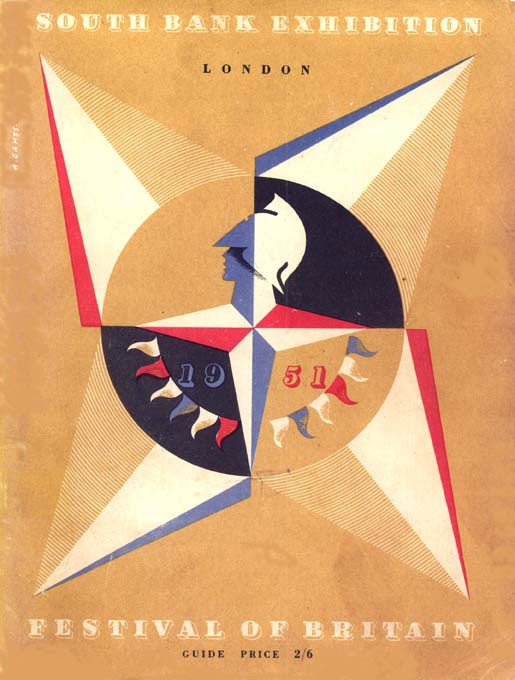
In its foreign policy, the government joined the North Atlantic Treaty Organization (NATO) to defend Western Europe from possible Russian attack. In 1951, the Festival of Britain was held to celebrate Britain’s post-war recovery.
Empire to Commonwealth
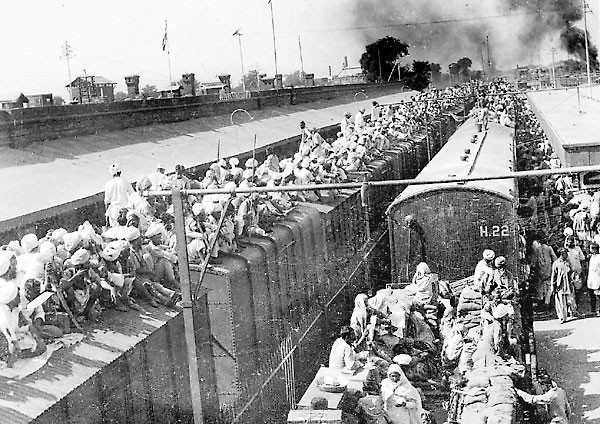
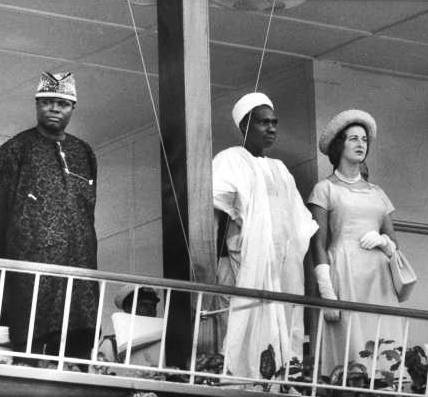
At the end of World War I, in 1918, the British Empire reached its greatest extent as Britain acquired former German colonies in Africa and lands from the former Ottoman Empire in the Middle East. Many countries in the Empire, however, wanted to govern themselves as independent nations. In 1947, Britain granted independence to India and Pakistan, with Burma (now Myanmar) and Ceylon (now Sri Lanka) following the next year. Malaya became independent in 1957, as did Ghana, the first black African colony to gain independence. Nigeria followed in 1960.
Over the next two decades, Britain granted independence to almost all its Caribbean, African, Asian and Pacific colonies. In 1997, it handed Hong Kong back to China. By then, Britain controlled only a few small islands in the Caribbean and the Pacific and Atlantic Oceans, as well as Gibraltar, on the southern tip of the Iberian Peninsula. Once they left the Empire, most former colonies continued their association with Britain by joining the Commonwealth, whose head since the death of Queen Elizabeth II in September 2022 is King Charles III.
Immigration
After World War II, there was a serious labour shortage in Britain. Workers were needed to help rebuild bombed cities, drive buses and trains, and staff the new NHS. To tackle this problem, the government invited people from all over the Commonwealth to come to work in the UK. Some of the first to arrive were a group of about 800 people from the Caribbean Islands, who arrived on the former troopship, the Empire Windrush, in 1948. They, along with the 300,000 or so West Indians who followed them over the next 20 years, became known as the Windrush Generation.
Alongside them, leaving behind the turmoil in India following partition in 1947, came some 300,000 people from India and 140,000 from Pakistan. Many worked in the textile mills of Yorkshire and Lancashire, engineering plants in the Midlands or food-processing factories in the southeast.
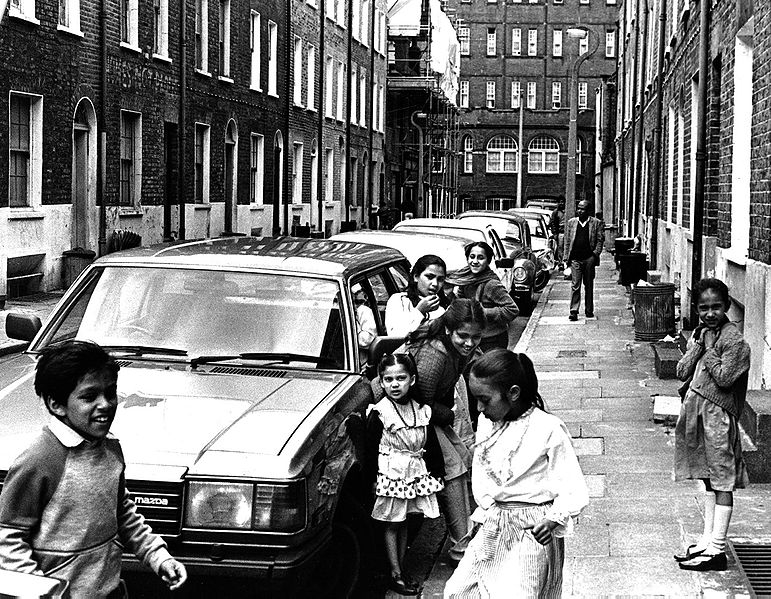
Immigrants from various parts of Africa, Cyprus and the Republic of Ireland also came to Britain. Thousands of people escaping Communist regimes in Poland, Hungary and other central and eastern countries arrived in the 1950s. This, however, was also period of large-scale emigration of Britons leaving for the USA, Canada, Australia and New Zealand, so more people were leaving the country than coming in.
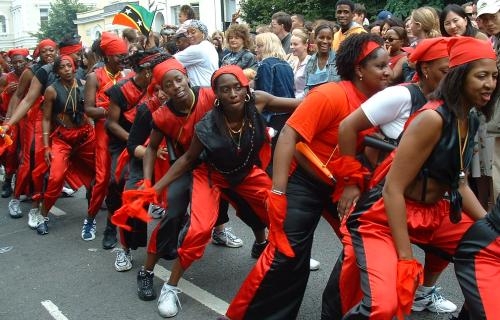
The post-war boom in immigration was not welcomed by everyone. In the late 1950s, racial tensions erupted in a series of riots, for example, in Notting Hill, London, in 1958, when British youths attacked West Indians. The government eventually cracked down on all forms of racial discrimination. They also passed the Immigration Act of 1971, which decreed that only holders of work permits, or people with parents or grandparents born in the UK could gain entry. This measure helped stem immigration from Commonwealth countries.
Events ensured that large-scale immigration continued, however. After Idi Amin seized power in Uganda, he announced the expulsion of its entire Asian community in 1972. Around 27,000 of these people came to the UK. In the 1990s, more and more people from countries, such as Yugoslavia, Somalia and Iraq, arrived in the UK seeking asylum (refuge from war or persecution).
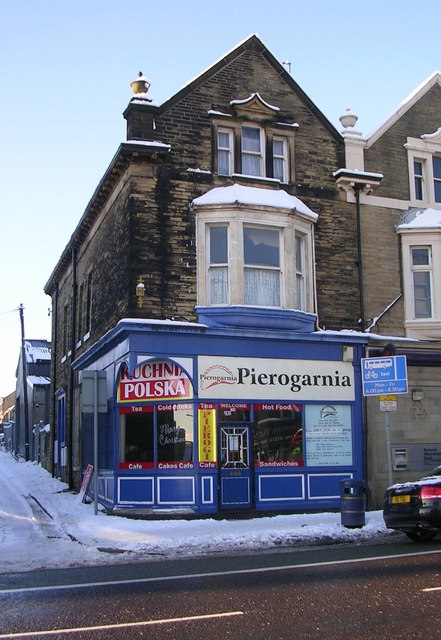
In 1992, the UK joined other European nations (see below) in signing the Maastricht Treaty. This granted all European Union citizens freedom to live in any member state. As a result, over the next two decades, hundreds of thousands of EU citizens came to live and work in Britain, especially from Poland, while large numbers of British people moved in the opposite direction. Since Britain exited the EU in 2020, the free movement of EU citizens to the UK has ended.
Joining Europe
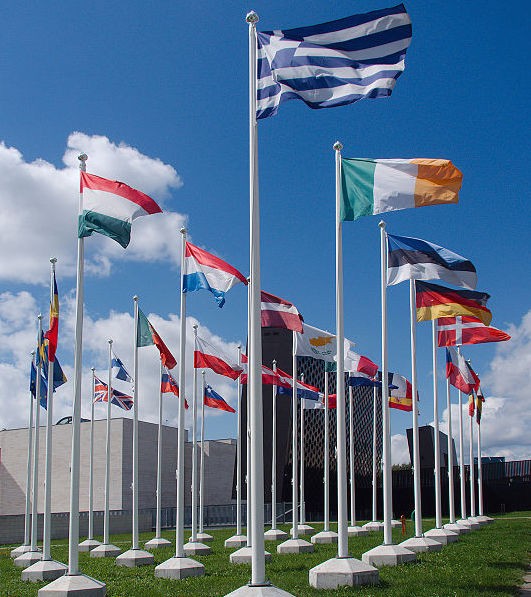
In 1951, France and German put aside their historic differences and set up, along with four other countries, including Italy, a common market in their iron and coal industries. In 1957, the six nations went further by setting up the European Economic Community (EEC). Britain did not join either organization, but in 1961 changed its mind and applied to join the EEC. France vetoed its membership in 1963, as it did again in 1967. In 1971, the Conservative government of Edward Heath applied again, this time successfully. In 1973, Britain joined the EEC and confirmed its membership with a referendum in 1975.
Today the EEC is known as the European Union (EU). Britain did not join 12 other member states in setting up the Euro, or single currency, in 2002. In a referendum held in June 2016, the British people voted by 52% to 48% to leave the EU, triggering a process known as Brexit. Britain officially left the EU on 31st January 2020.
Margaret Thatcher
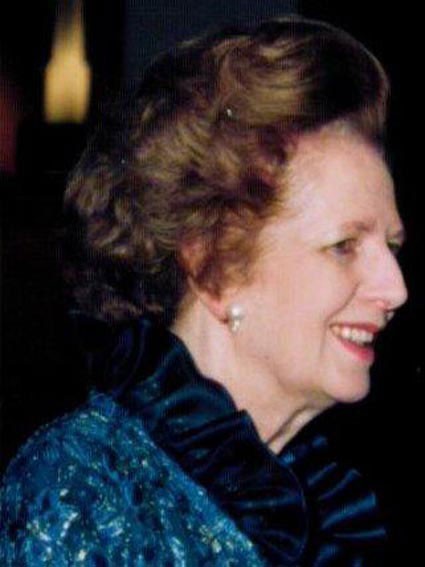
In 1979, Margaret Thatcher, as leader of the Conservative Party, became the first female prime minister of Britain. She introduced laws to reduce the powers of trade unions, closed coal mines, sold off government-owned industries, and let council tenants buy their houses. In 1982, she launched an air and naval task force to retake the Falkland Islands in the South Atlantic Ocean, which had been occupied by Argentina. Thatcher was a controversial prime minister with a strong belief in individual freedom. Many people opposed her policies. Although she supported the creation of a European single market in which goods could be freely traded through Europe, she became opposed to further involvement with Europe. In 1990 she lost the support of Conservative MPs and resigned. She died in 2013.
Devolution
In both Scotland and Wales, nationalists and others demanded home rule. In 1997, the Labour Party led by Tony Blair won a landslide victory against the sitting Conservative government. He promised to restore the Scottish parliament, which had been abolished in 1707, and to hand over some powers to Wales. After two referendums agreed the changes, elections were held to the new Scottish Parliament and Welsh Assembly in 1999.
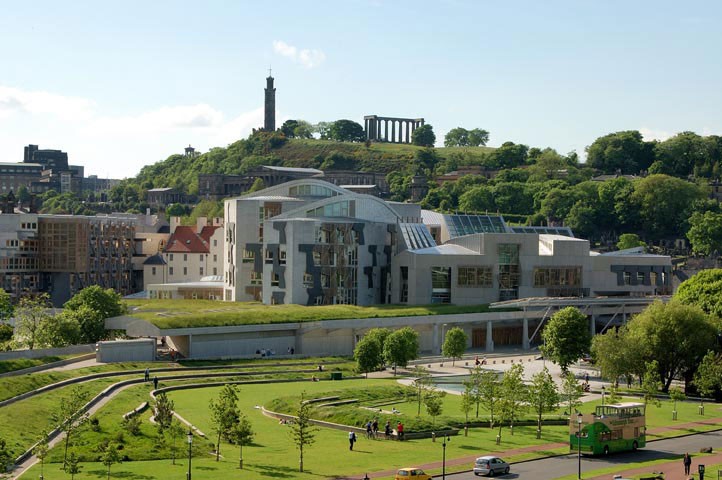
The peace agreement in Northern Ireland in 1998 also restored power in the province to a new Northern Irish Assembly. England was left out of these new arrangements, as it is still governed by the national parliament in Westminster.
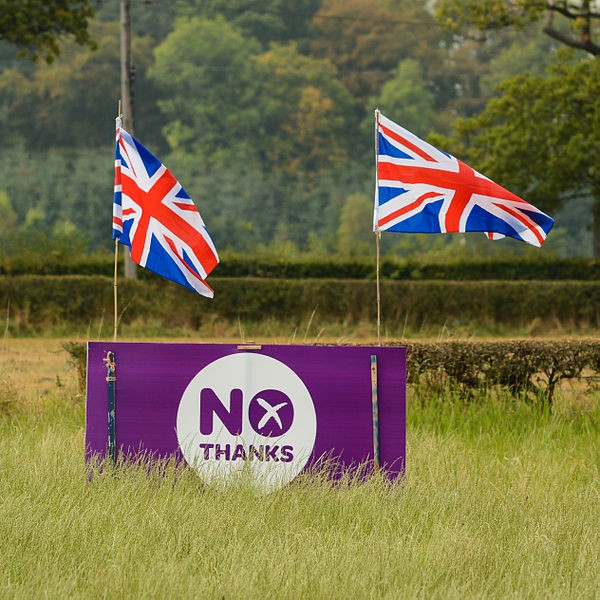
In 2011, the Scottish National Party (SNP) won power in the Scottish parliament with a pledge to campaign for full independence for Scotland outside the United Kingdom. In a referendum held in September 2014, the Scottish people voted (55.3% to 44.7%) "No" to independence from the UK.
Consultant: Philip Parker
pics
Without in any way limiting Q-files Ltd’s exclusive rights under copyright, any use of this publication to “train” generative artificial intelligence (AI) technologies to generate text is expressly prohibited. Q-files Ltd reserves all rights to license use of this work for generative AI training and development of machine learning language models.