
British history

CITE
We have made every effort to follow citation style rules, but there may be some minor differences. If in doubt, please refer to the appropriate citation style manual.
Thomas Becket. (2026). In Q-files Encyclopedia, History, British history. Retrieved from
https://www.q-files.com/history/british-history/thomas-becket
"Thomas Becket." History, British history, Q-files Encyclopedia, 30 Mar. 2026.
https://www.q-files.com/history/british-history/thomas-becket.
Accessed 6 Aug. 2026.
Thomas Becket 2026. History, British history. Retrieved 6 August 2026, from
https://www.q-files.com/history/british-history/thomas-becket
History, British history, s.v. "Thomas Becket," accessed August 6, 2026.
https://www.q-files.com/history/british-history/thomas-becket


Thomas Becket
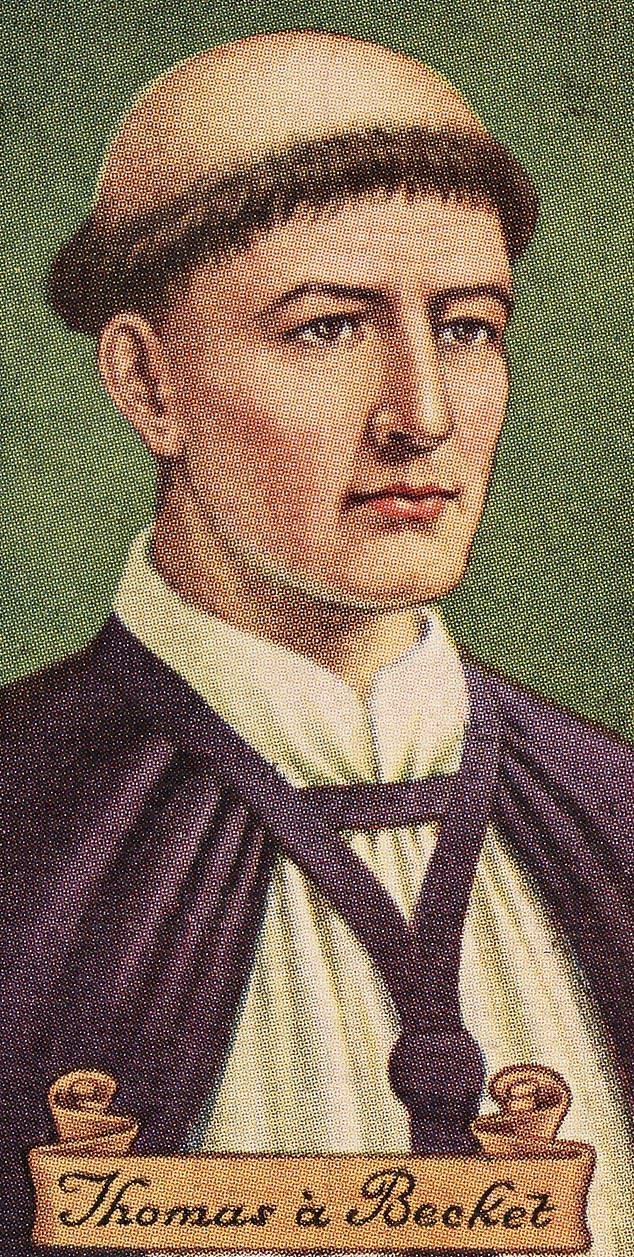
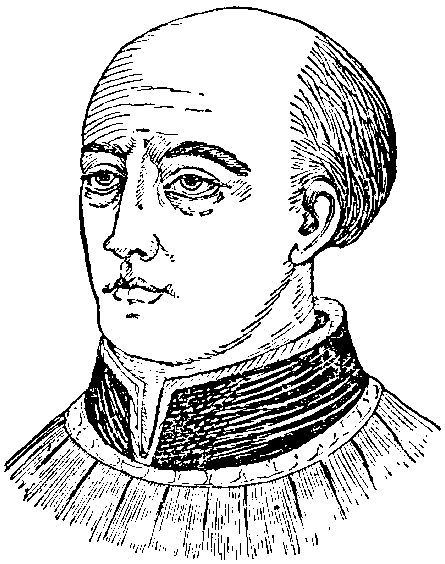
Thomas Becket (1119 or 1120–1170), was an English priest who served as Lord Chancellor from 1155 to 1162, and then as Archbishop of Canterbury from 1162 until his death in 1170. Once close friends, Becket and King Henry II fell out over the rights and privileges of the Church. The conflict between the two men led to Becket's murder by four knights, followers of the king, in Canterbury Cathedral on 29th December 1170. Becket was made a saint by Pope Alexander III in 1173, little more than two years after his death. Canterbury Cathedral soon became a popular pilgrimage destination for people from across Europe.

Early life
Thomas Becket was born in Cheapside, London, to wealthy Norman parents, Gilbert and Matilda Beket, who had settled in England some years earlier. He went to school at Merton Priory, afterwards a grammar school in London, and then in Paris. While Thomas was still at school, his father, a landlord, experienced a downturn in his fortunes. Thomas was forced to earn a living as a clerk. Later, he acquired a position in the household of the Archbishop of Canterbury, Theobald of Bec.
Theobald entrusted him with several important missions to Rome. He also sent him to Bologna and Auxerre to study canon law. In 1154 Theobald named Becket archdeacon of Canterbury and appointed him to several other ecclesiastical offices. Impressed by Becket's work, Theobald recommended him to King Henry II for the vacant post of Lord Chancellor, one of the king's most important ministers. He was appointed in 1155.
King Henry II
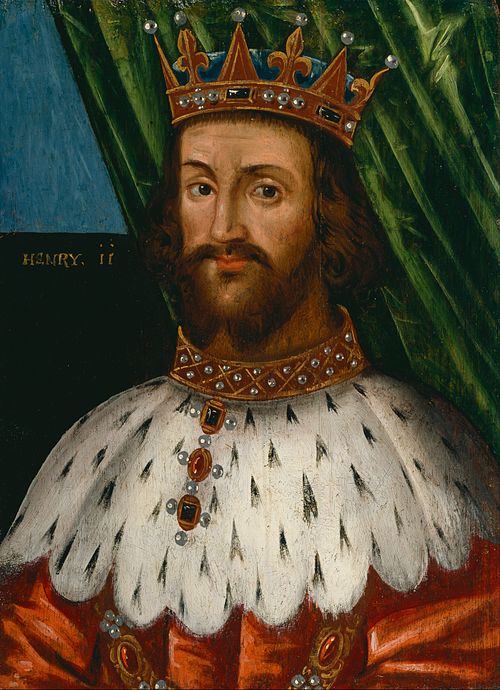
Henry Plantagenet was born in Le Mans, France, in 1133, the eldest son of Geoffrey the Fair, Count of Anjou, and Matilda, eldest daughter of Henry I. Following Henry’s death in 1135, Matilda laid claim to the English throne, but her cousin, Stephen of Blois, was crowned king instead. It led to a civil war between rival supporters of Stephen and Matilda.
The young Henry led an army to invade England from France in 1149 and again in 1153 in a bid to capture the throne on behalf of his mother. It was eventually decided that he himself would succeed to the throne when Stephen died. Henry became king in 1154.
Henry II was not only King of England. He also inherited the Duchy of Normandy and the Duchy of Anjou from his father, and a large part of southwestern France as a result of his marriage to Eleanor, Duchess of Aquitaine, in 1152. During his reign, Henry would acquire more lands and become the most powerful monarch in Europe.
Archbishop of Canterbury
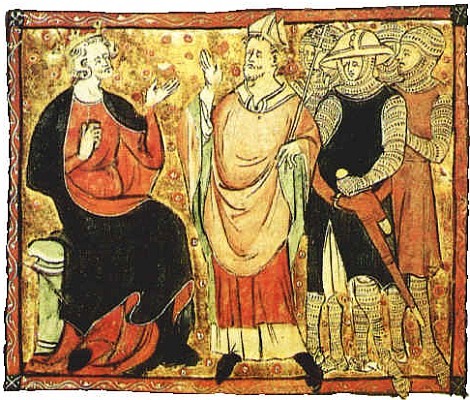
Becket became one of Henry's most trusted allies and closest friends. He served the king for seven years as a diplomat, and even as a soldier, leading troops into battle against the French.
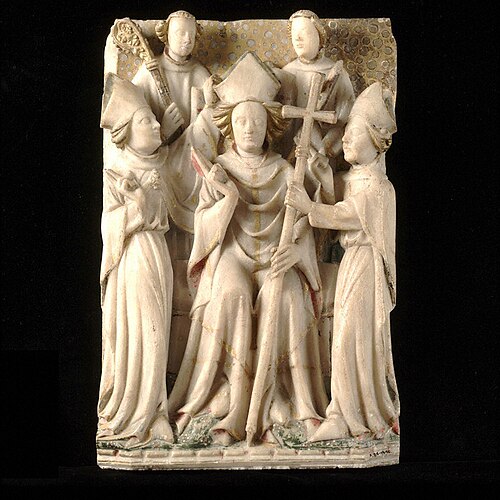
Archbishop Theobald died in 1161 and Henry proposed that Becket should be appointed as his successor. Knowing that Henry would be asking his friend to be loyal to the Crown and take his side in any future conflict with the Church, Becket was reluctant to accept the position. But, after being persuaded by Cardinal Henry of Pisa, he changed his mind. Still only a deacon, Thomas Becket was ordained as a priest on 2nd June 1162, then consecrated as bishop the following day, allowing to become archbishop.
Becket took his new responsibilities seriously. Previously a pleasure-loving man, he now lived with no comforts or luxuries, becoming generous in almsgiving (donating money, food or clothing to those in need). In his own words, he changed from "a patron of play-actors and a follower of hounds, to being a shepherd of souls".
Constitutions of Clarendon
In the Middle Ages, the Church was extremely wealthy and held great power in the land, even to the extent that members of the clergy were subject to different laws. If a clergyman was accused of a crime, he was tried not in the king's court but in a Church court, where the punishments were often more lenient. The English Church had the right to appeal to the Pope against the monarch's wishes.
Reform of the law was a priority for Henry. He established he jury system and ordered that only royal judges, called Justices, could try criminal cases. Seeking to extend this authority over the Church, in 1164 he introduced the Constitutions of Clarendon. These were a series of 16 articles intended to restrict Church privileges, reduce the power of the Church courts and limit the extent of the Pope's authority in England.
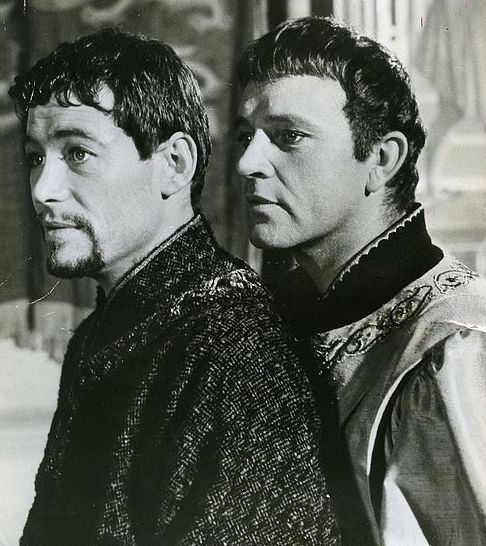
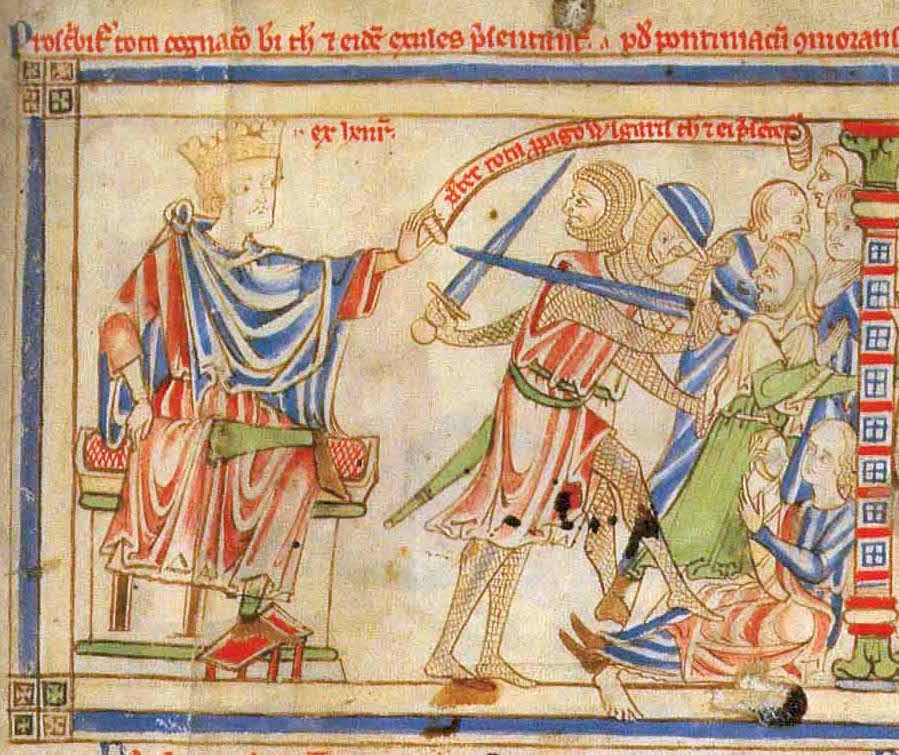
Becket refused to sign the Constitutions, arguing that it would mean that clergymen would be punished twice for the same crime. This put Becket on collision course with Henry—the king had not appointed his friend and ally as Archbishop only for him to obstruct his wishes. At a Great Council held at Northampton later that year, Becket was found guilty of treason. Fearing for his life, he fled to France.
Exile in France
King Louis VII of France offered Becket protection. He stayed at the Cistercian abbey at Pontigny before moving to Sens in 1166. He argued his case to Pope Alexander III (himself then in exile from Rome), who sent officials to negotiate a solution with Henry. But none could be found.
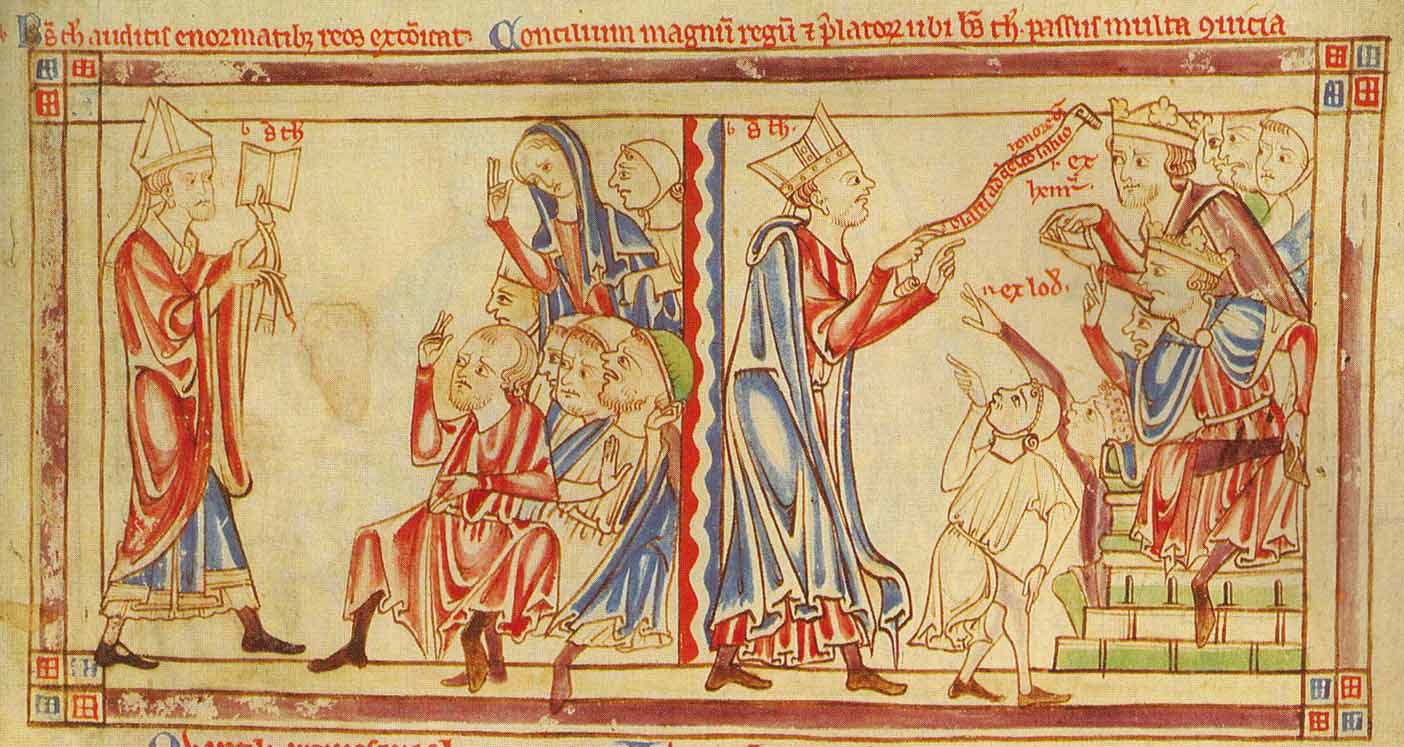
In June 1170, Henry arranged for his son, also called Henry, to be crowned as his heir by the Archbishop of York. This breached the tradition that crowning English monarchs was to be carried out only by the Archbishop of Canterbury. In response, a furious Becket excommunicated (banished from the Church) the Archbishop of York and two other bishops who had supported Henry's actions.
After he himself was threatened with excommunication by Pope Alexander, Henry decided to meet Thomas in France in July to seek a reconciliation. It was agreed that Thomas should return to Canterbury. Becket did so on 1st December 1170 and was acclaimed by the cathedral's clergy and the local people.
"Will no one rid me of
this turbulent priest?"
But Becket refused to lift the excommunication of the bishops. He also travelled to London to meet with the newly crowned heir to the English throne. When Henry—in Normandy at the time—was told of this, he flew into a rage. He is said to have cried: "Will no one rid me of this turbulent priest?".
Whether these were his actual words and whether he meant them literally is not known. But the consequences was tragic. Four knights, Reginald FitzUrse, Hugh de Morville, William de Tracy and Richard le Breton, took Henry's outburst as a royal command and set out across the English Channel to confront Becket.
Murder in the cathedral
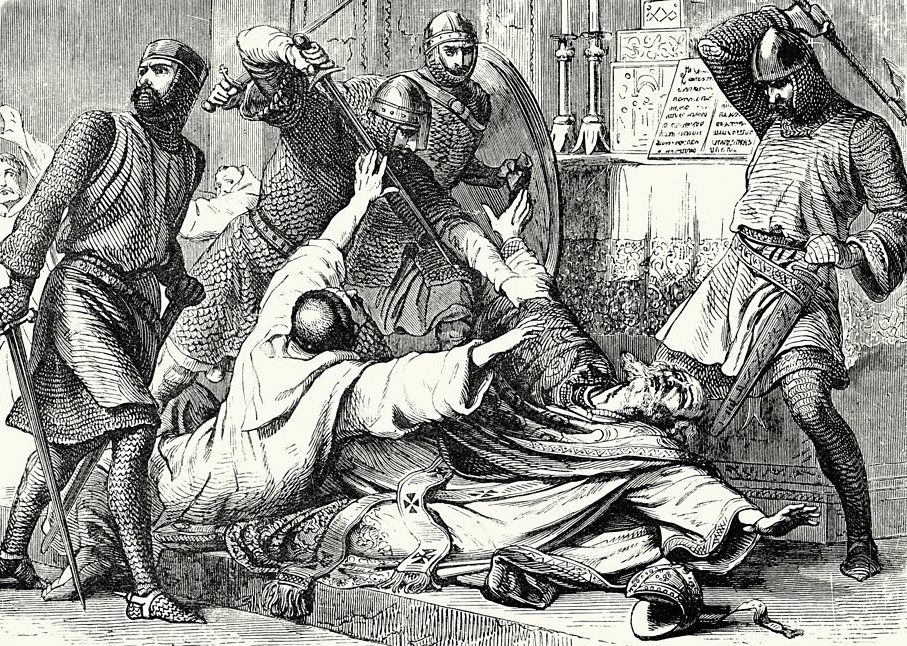

On 29th December 1170, the knights arrived at Canterbury. At first, they held back from violence. They placed their weapons under a tree outside the cathedral before entering to challenge Becket. On finding him in a side chapel, the knights demanded he absolve the excommunicated bishops (declare them free from punishment), but Becket refused. They then retrieved their weapons and rushed back inside. Becket, meanwhile, had entered the main part of the cathedral for vespers. One of the knights shouted at a monk: "Where is Thomas Becket, traitor to the king and country?"
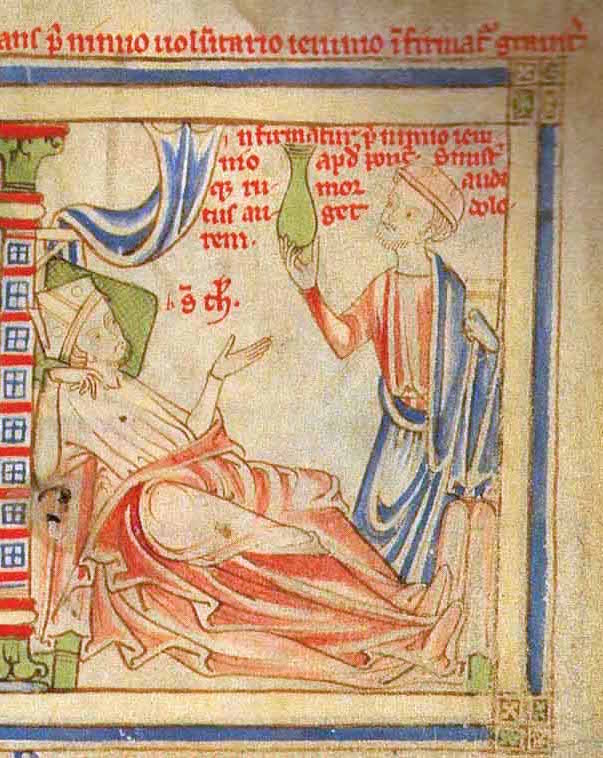
They found Becket just outside the cathedral quire (the space between the nave and sanctuary). On seeing them, Becket said "I am no traitor and I am ready to die." After failing to drag him outside the building, the knights struck him three times with their swords before running off. According to Edward Grim, one of the monks at the cathedral, who was with Becket and was himself wounded in the struggle, Becket bowed his head to make peace with God as he died.
Aftermath
After Becket's death, the monks at Canterbury Cathedral prepared his body for burial. Fearing the body might be stolen, they placed his remains beneath the floor of the crypt (the cathedral's underground chamber).
Becket's assassins fled north to de Morville's Knaresborough Castle. There they stayed for about a year. Henry did not have them arrested, nor did he confiscate their lands, but Pope Alexander excommunicated all four of them. Seeking forgiveness, the knights travelled to meet the Pope. Alexander ordered them to serve in the Crusades in the Holy Land for a period of 14 years.
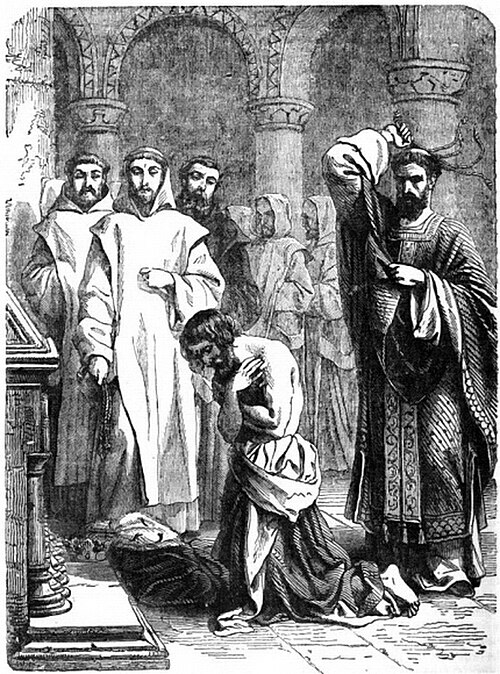
Henry II was pardoned by the Pope in May 1172 for his part in Becket's assassination. Henry insisted that he had never intended for Becket to be murdered, but it was not July 1174 that he humbled himself in public penance at Becket's tomb in Canterbury Cathedral. There he formally recognized that his quarrel with Becket had led to the crime. Having walked to the tomb in his bare feet, he ordered the monks to whip him while he prayed before the former archbishop's remains.
Henry withdrew his ruling that the Church could not make appeals to Rome, but in other matters of his dispute with Becket over the Church's rights and privileges, Henry got his way.

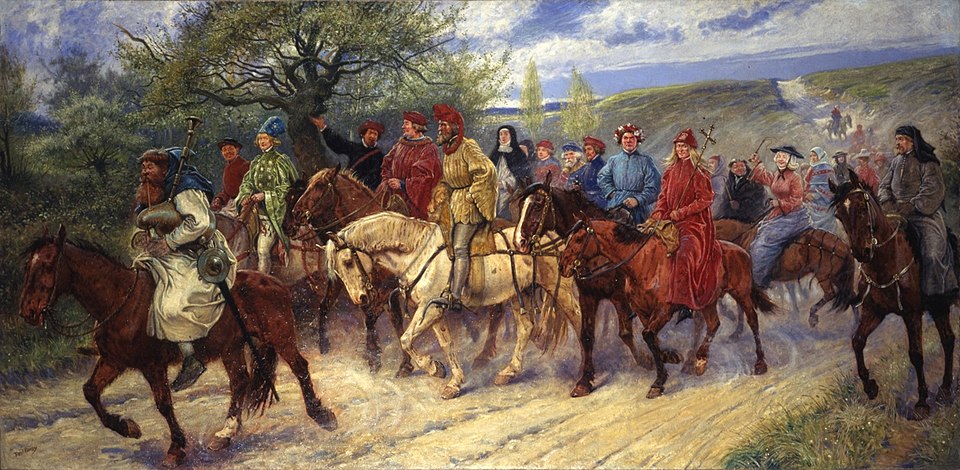
Soon after Becket's death, people from all over Europe began to honour Becket as a martyr (someone who died for their beliefs). On 21st February 1173, little more than two years after Becket's death, Pope Alexander III made him a saint. Becket's tomb at Canterbury Cathedral became the most important centre of pilgrimage in England. Pilgrims travelled to sip his blood, supposedly collected from the cathedral's flagstone floor and thought to have medicinal powers. Miracles of healing were witnessed at his tomb.
Becket's shrine was destroyed during the English Reformation in 1538, when Henry VIII ordered his bones to be burned and all mention of his name in service books erased. Today, the place of Thomas Becket's death in Canterbury Cathedral is marked by a sculpture and a simple altar.
pics

Without in any way limiting Q-files Ltd’s exclusive rights under copyright, any use of this publication to “train” generative artificial intelligence (AI) technologies to generate text is expressly prohibited. Q-files Ltd reserves all rights to license use of this work for generative AI training and development of machine learning language models.