
British history

CITE
We have made every effort to follow citation style rules, but there may be some minor differences. If in doubt, please refer to the appropriate citation style manual.
Tower of London. (2026). In Q-files Encyclopedia, History, British history. Retrieved from
https://www.q-files.com/history/british-history/tower-of-london
"Tower of London." History, British history, Q-files Encyclopedia, 30 Mar. 2026.
https://www.q-files.com/history/british-history/tower-of-london.
Accessed 6 Aug. 2026.
Tower of London 2026. History, British history. Retrieved 6 August 2026, from
https://www.q-files.com/history/british-history/tower-of-london
History, British history, s.v. "Tower of London," accessed August 6, 2026.
https://www.q-files.com/history/british-history/tower-of-london


Tower of London
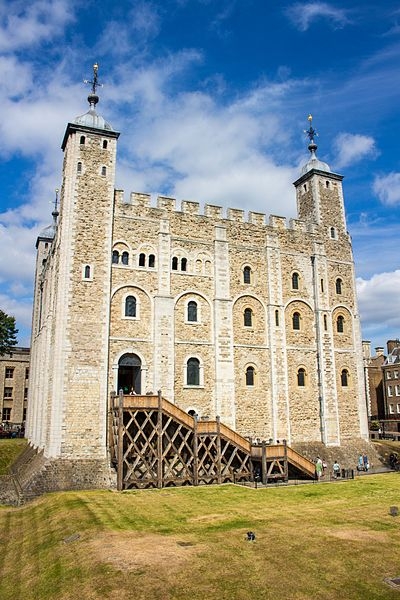
The Tower of London is a castle located on the north bank of the River Thames in central London. It was founded in 1066 soon after the Norman Conquest of England. The White Tower, which gives the entire castle its name, was ordered to be built by William the Conqueror in around 1078. A grand fortified palace for monarchs early in its history, it became used as a prison in the 16th century, when its defences were no longer strong enough to withstand cannon fire. The Tower has also served as an armoury, a treasury, a menagerie (collection of captive animals), the home of the Royal Mint, and the place where the British Crown Jewels are kept.

Building the Tower
Soon after his victory at the Battle of Hastings in 1066, William the Conqueror moved quickly to establish control over England's largest town, London. He ordered a fort to be built at the southeast corner of the Roman town walls, where the River Thames would provide additional protection from the south. A timber fence, or palisade, was constructed around the fort.
Plans were soon made for building a massive stone fortress on the site. Work on the White Tower began in around 1078. It would be the first stone keep in England. Masons arrived from Normandy, bringing stone from Caen (the main building material was Kentish stone). Most of the labouring was done by Englishmen. The finished building, completed in around 1097, years after William's death, was a magnificent royal residence.
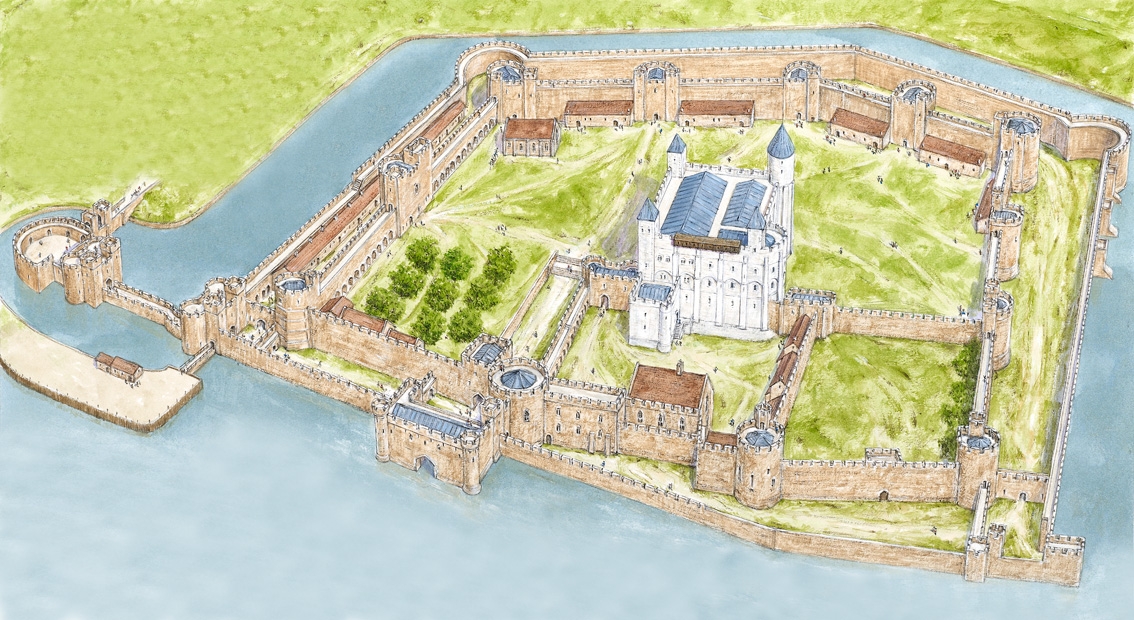
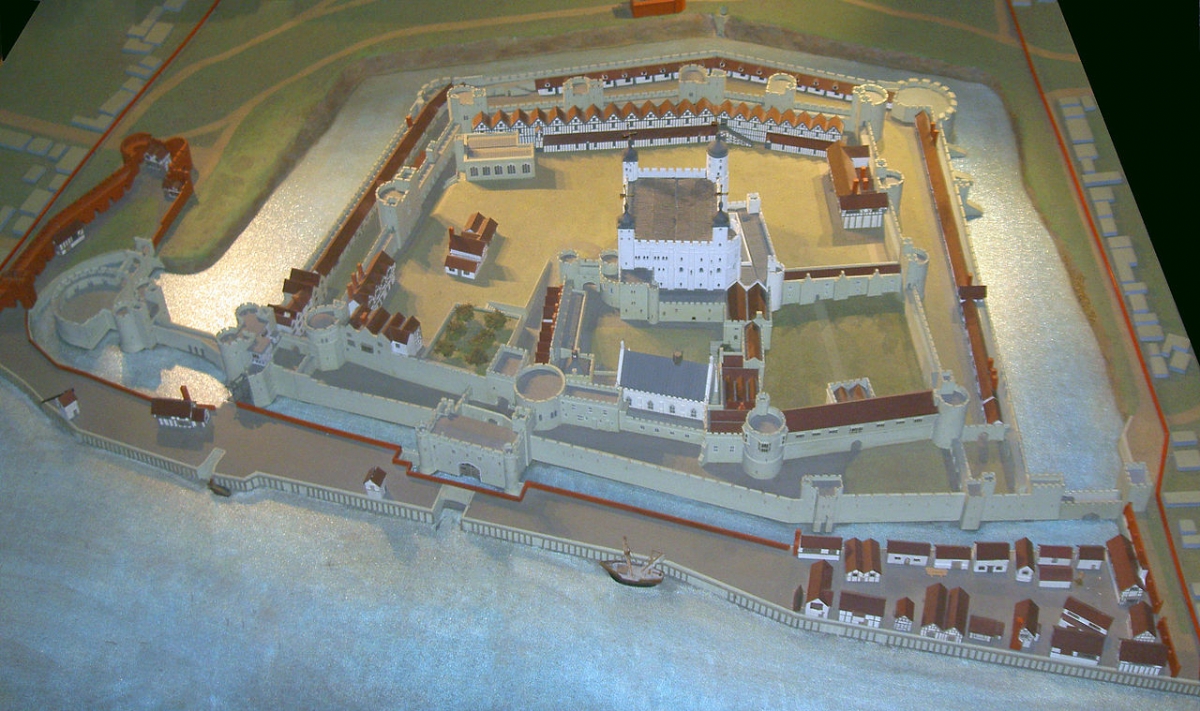
In around 1100, a stone wall was built around the Tower. A moat was dug in the 1190s during the reign of Richard I. This created the inner ward (bailey), doubling the castle's size. The new fortifications were tested when the castle came under siege from barons rebelling against the unpopular King John in 1215. The siege was lifted once John signed the Magna Carta.
Medieval castle
Both Henry III (1216–72) and Edward I (1272–1307) expanded William’s fortress, adding huge curtain (defensive) walls with a series of smaller towers, and enlarging the moat. This transformed the Tower into England’s largest and concentric castle: one which had one ring of defences inside another. This is essentially the Tower of London that stands today. Inside the castle, the medieval kings and their families lived in luxurious accommodation.
During medieval times, the Tower became the most important royal prison in the country, a place where noble or even royal prisoners were held.

Princes in the Tower
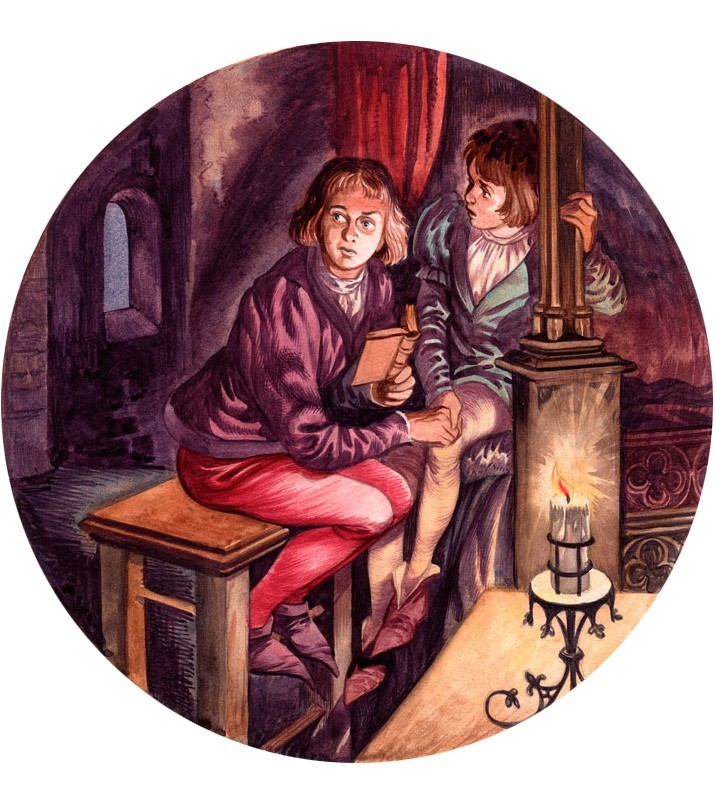
During the Wars of the Roses, King Henry VI was murdered here—supposedly while at prayer in the King's Private Chapel in the Wakefield Tower—in 1471. Later, the children of his great rival Edward IV, the Princes in the Tower, the 12-year-old Edward V along with his younger brother Richard, vanished within its walls in 1483. The Princes in the Tower, as they were known, were probably murdered on the orders of Richard, Duke of Gloucester, the future King Richard III, who was declared Lord Protector while Edward was too young to rule.

Prison and executions
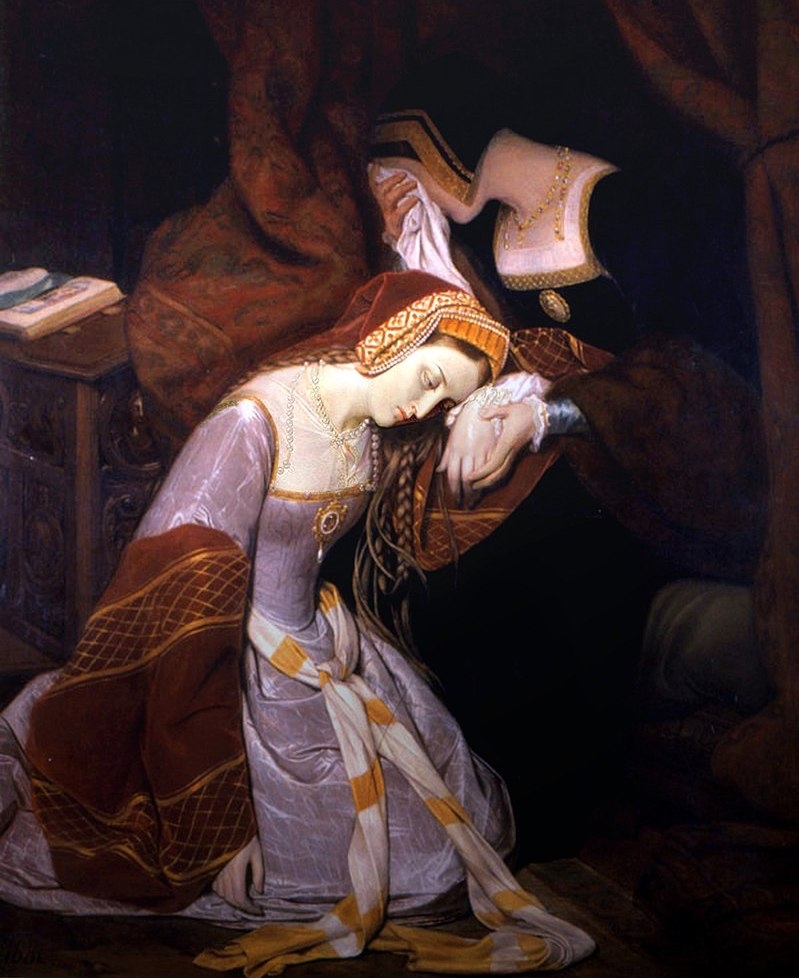
Under the Tudor monarchs, the Tower of London's use as a royal residence declined. It became used more as an armoury and a prison. The future Elizabeth I, Lady Jane Grey, Sir Walter Raleigh and Guy Fawkes were all "sent to the Tower". Lady Jane Grey, involved in a plot to replace Mary I, was executed for high treason in the Tower in 1554, aged 17. Anne Boleyn, second wife of Henry VIII, was accused of adultery and treason. She was held in luxurious lodgings before being executed on Tower Green, to the north of the castle.
Later history
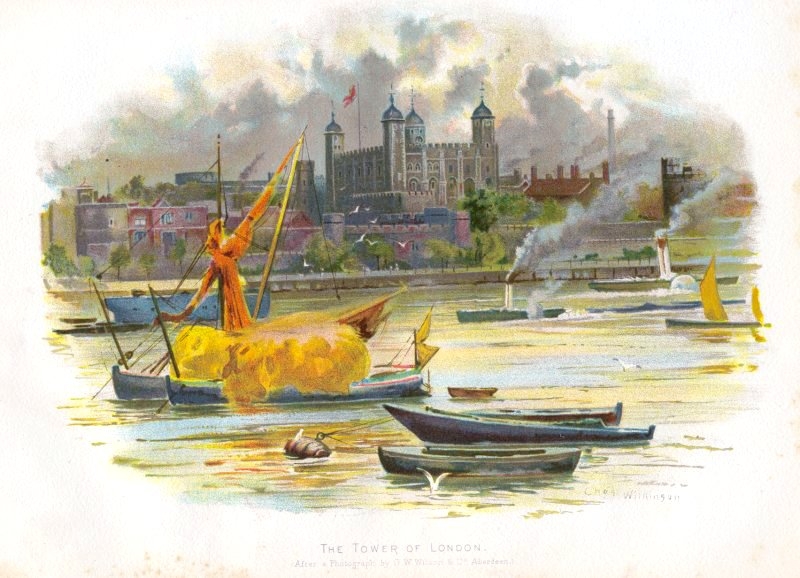
By the late 19th century, many of the Tower's buildings had become empty. It was then restored to what was considered to be its medieval appearance. In both World War I and World War II, the Tower was again used as a prison and witnessed the executions of 12 men for espionage. The last state prisoner to be held there was Rudolf Hess, Adolf Hitler's deputy, for four days in 1941.
After World War II, damage caused during the Blitz was repaired, and the castle reopened to the public. Today, the Tower of London is one of the country's most popular tourist attractions.


Yeoman Warders
Yeomen Warders have served the Tower of London since Tudor times. They were originally part the monarch’s personal bodyguard, who travelled with him wherever he went. Henry VIII decreed that some Yeomen would guard the Tower permanently.
Their main duty became to look after the prisoners. Today the Yeomen Warders, known as "Beefeaters", still carry out ceremonial duties, such as unlocking and locking the Tower every day in the Ceremony of the Keys. They are also responsible for safeguarding the British Crown Jewels. They have also conducted guided tours for visitors since Victorian times.
Crown Jewels
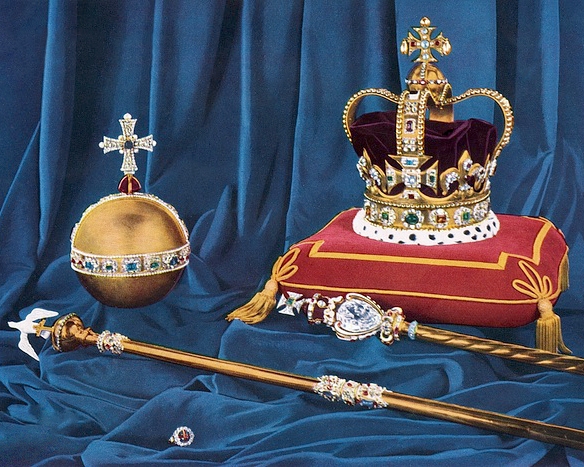
The tradition of housing the British Crown Jewels in the Tower probably dates from the reign of Henry III. The Jewel House was built specially for this purpose. In 1649, during the English Civil War, the monarchy was abolished and the Crown Jewels disposed of. Following the Restoration, a new set of Crown Jewels was created in 1661. These are displayed at the Tower of London today. The display includes 23,578 gemstones, St Edward's Crown (worn during all coronations at Westminster Abbey) and the Imperial State Crown.

Consultant: Philip Parker
pics

Without in any way limiting Q-files Ltd’s exclusive rights under copyright, any use of this publication to “train” generative artificial intelligence (AI) technologies to generate text is expressly prohibited. Q-files Ltd reserves all rights to license use of this work for generative AI training and development of machine learning language models.