
British history

CITE
We have made every effort to follow citation style rules, but there may be some minor differences. If in doubt, please refer to the appropriate citation style manual.
Sinking of the Titanic. (2026). In Q-files Encyclopedia, History, British history. Retrieved from
https://www.q-files.com/history/british-history/sinking-of-the-titanic
"Sinking of the Titanic." History, British history, Q-files Encyclopedia, 30 Mar. 2026.
https://www.q-files.com/history/british-history/sinking-of-the-titanic.
Accessed 21 Sep. 2026.
Sinking of the Titanic 2026. History, British history. Retrieved 21 September 2026, from
https://www.q-files.com/history/british-history/sinking-of-the-titanic
History, British history, s.v. "Sinking of the Titanic," accessed September 21, 2026.
https://www.q-files.com/history/british-history/sinking-of-the-titanic


Sinking of the Titanic
On the 10th April 1912, RMS Titanic set sail from Southampton bound for New York across the Atlantic Ocean. It was the maiden (first) voyage of the largest and most luxurious passenger ship ever built. Weighing around 46,000 tonnes, Titanic had more than 1300 passengers and 900 crew on board. But disaster struck one night on that voyage. The lookout spotted an iceberg ahead just before midnight. Despite desperate attempts to swerve away, Titanic collided with it. A hole was punched in her side and the ship began to fill with water. The captain gave the order to ready the lifeboats, but there were only 20 boats—far too few to save everyone. Within two hours Titanic sunk with more than 1500 people still on board. Nearly all perished in the icy waters. Following the disaster, new safety regulations for ships were introduced.
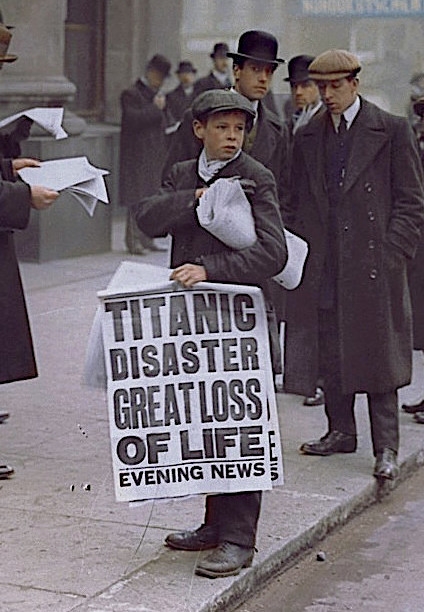
"Practically unsinkable"
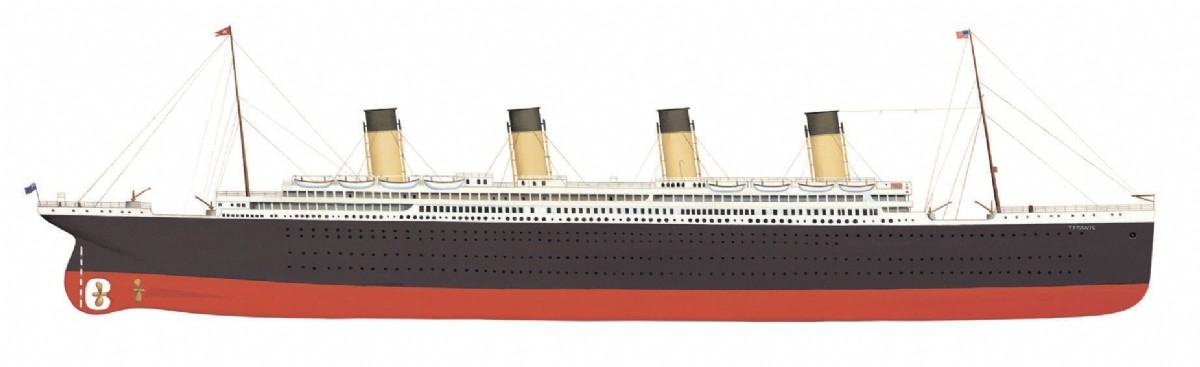
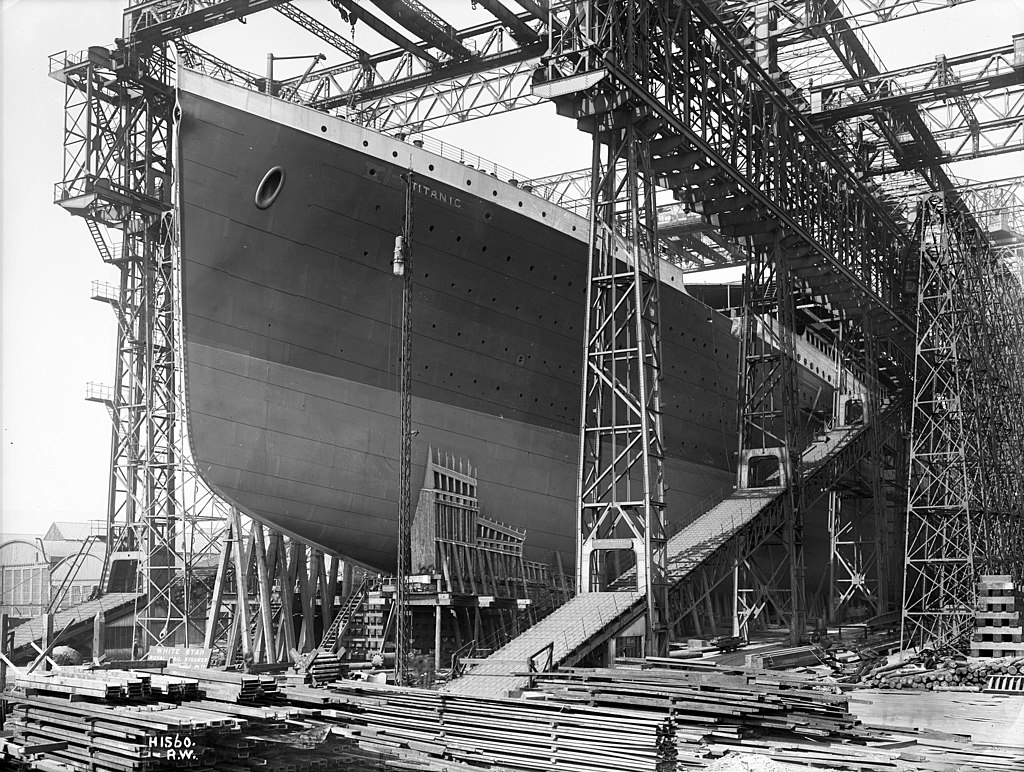
Titanic was one of three "Olympic Class" ocean liners commissioned by the White Star Line, a British shipping company. She would be built at the Harland and Wolff shipyard in Belfast. The other two were Olympic and Britannic. Construction began on Titanic on 31st March 1909. She was to be the biggest and most luxurious liner ever built. She measured 269.1 metres (882 feet 9 inches) long and 28.2 metres (92 feet 6 inches) across.
Titanic could reach a maximum speed of 24 knots—not quite as fast as Lusitania and Mauretania, liners belonging to White Star's rival, Cunard, which had a top speed of 26 knots.
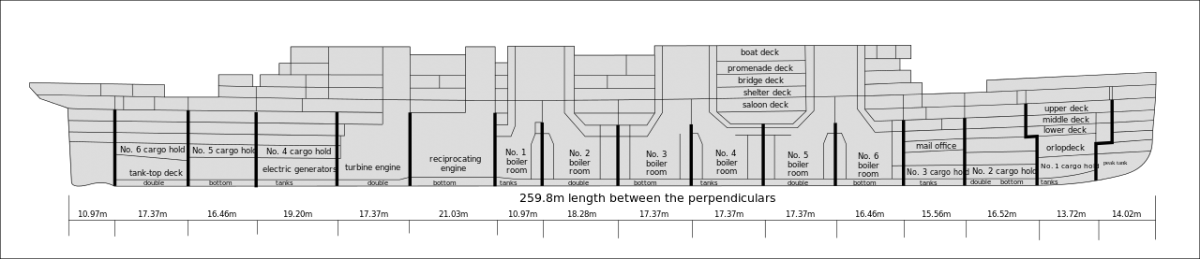
Titanic's hull was subdivided into 16 watertight compartments by a series of bulkheads, each of which extended well above the waterline. There were also 11 watertight doors which could seal off the compartments in the event of an emergency. Because of these features, it was claimed that the ship was "practically unsinkable".
Lifeboats
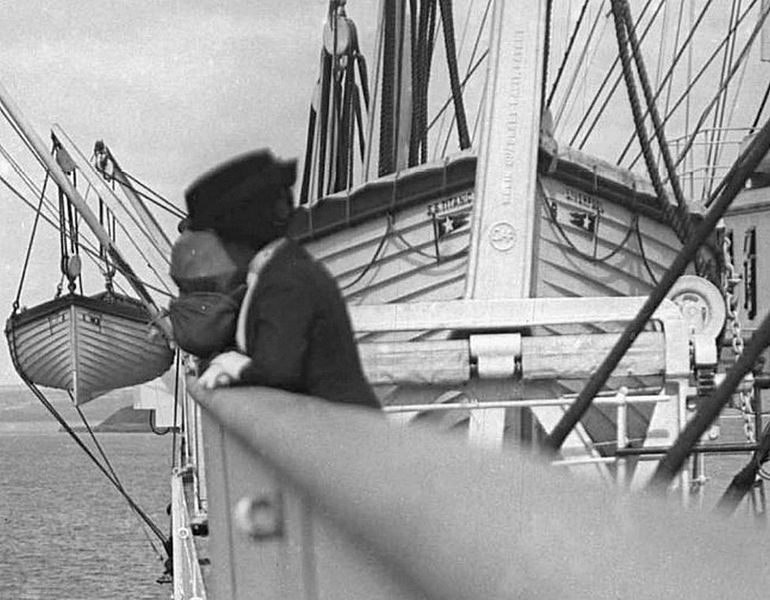
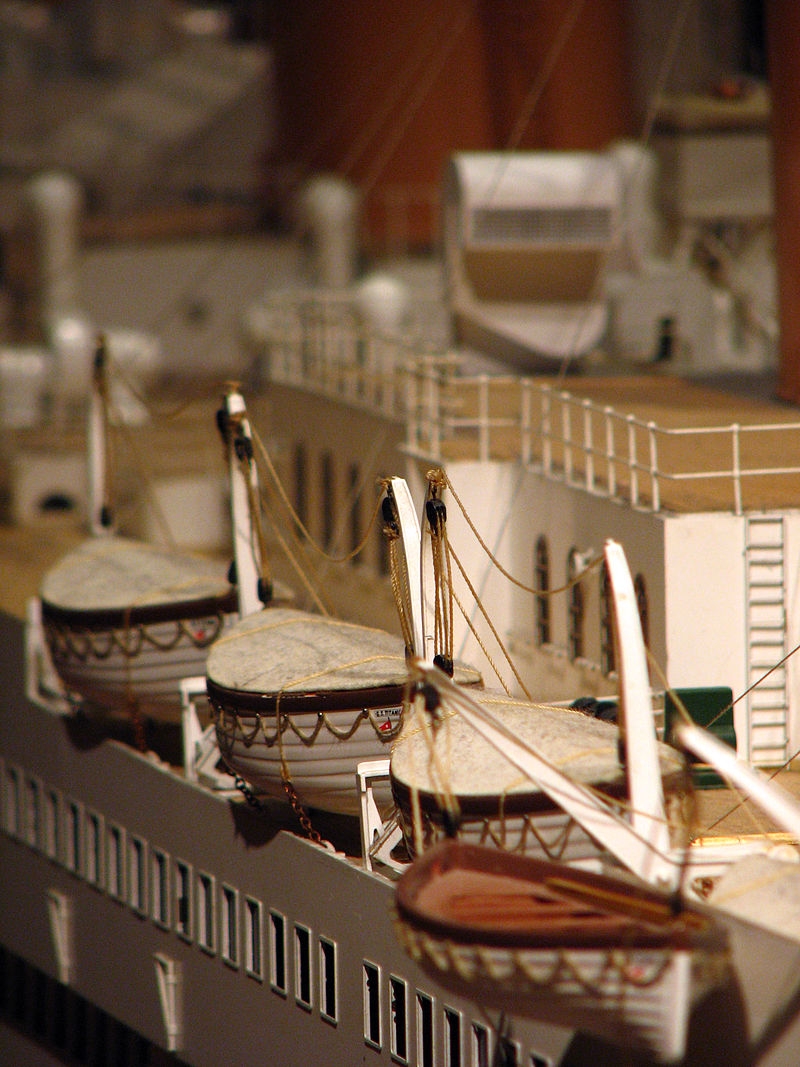
Titanic carried 20 lifeboats, only enough for 1178 people—about half the number on board—because of outdated maritime safety regulations. She was required by law to carry as few as 16. The ship had room for a total of 48 lifeboats. At the time, it was considered very unlikely a large ocean liner would sink rapidly, so lifeboats were intended only to transfer passengers to nearby rescue vessels.
Titanic sets sail
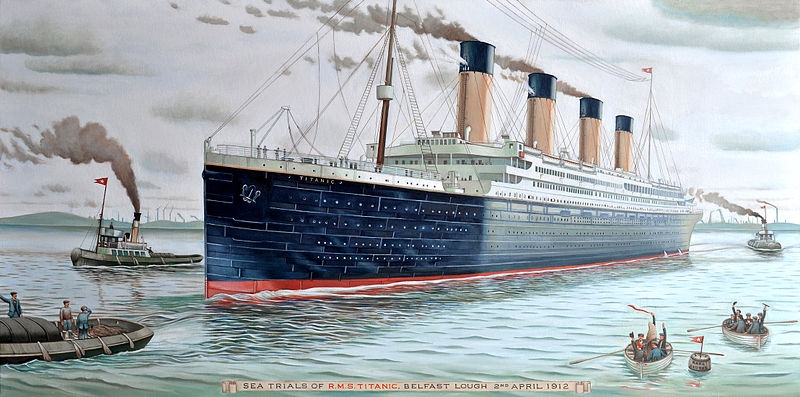

On the 10th April 1912, three years after construction work began, Titanic set sail on her maiden voyage from Southampton to New York. On board were passengers of all backgrounds: millionaires, movie stars, school teachers—and hundreds of migrants, ordinary people from Britain, Ireland, Scandinavia and other parts of Europe, all in search of a better life in the United States. Titanic carried an estimated 2224 people, including a crew of 908.
First Class
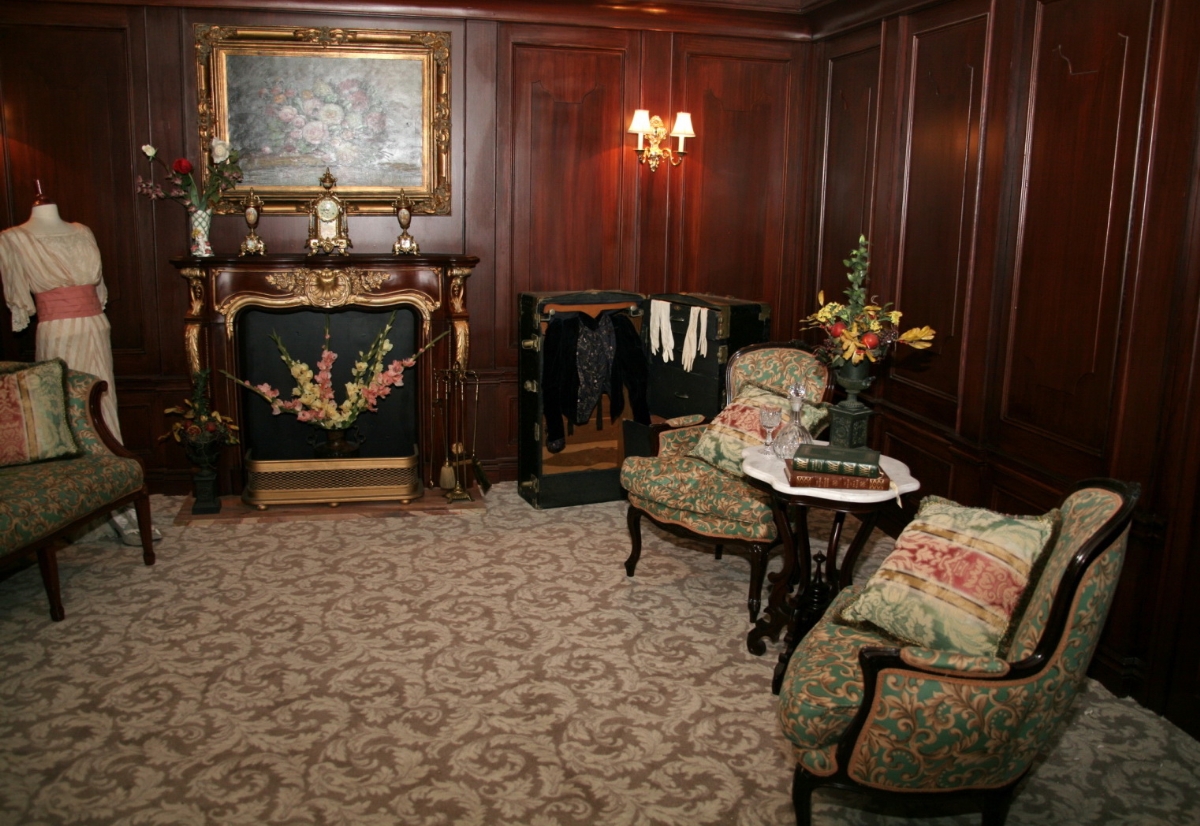
The First Class accommodation was the height of comfort and luxury. There was a gym, squash court, swimming pool, libraries, high-class restaurants and spacious cabins. Titanic was designed in a style similar to that of a high-class hotel. One of the several lavishly decorated common rooms included a lounge in the style of the Palace of Versailles.
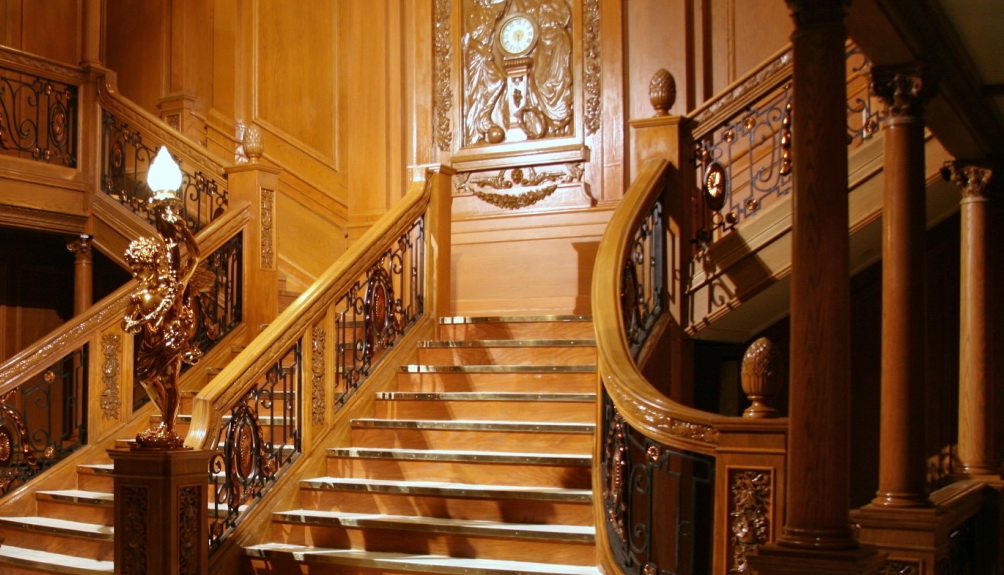
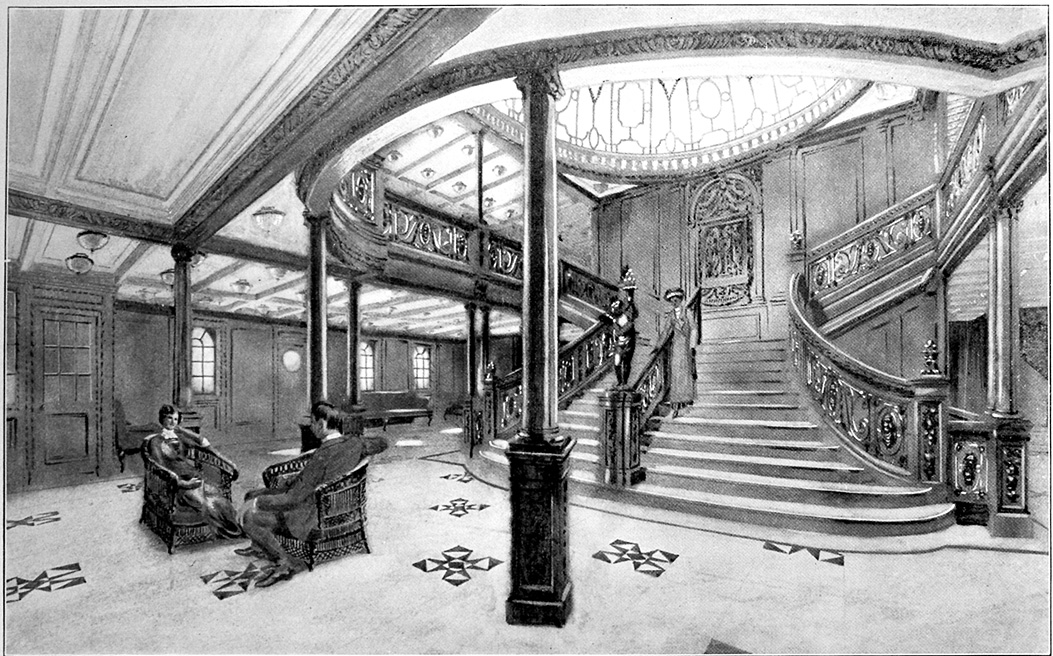
One of Titanic's most distinctive features was the Grand Staircase. Built of English oak with a sweeping curve, the staircase descended through seven decks of the ship. It was capped with a dome of iron and glass which let in natural light at the top of the stairwell.
Third Class
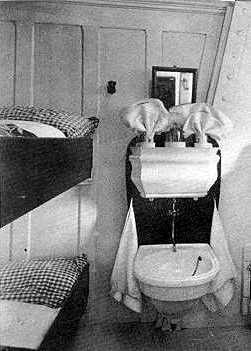
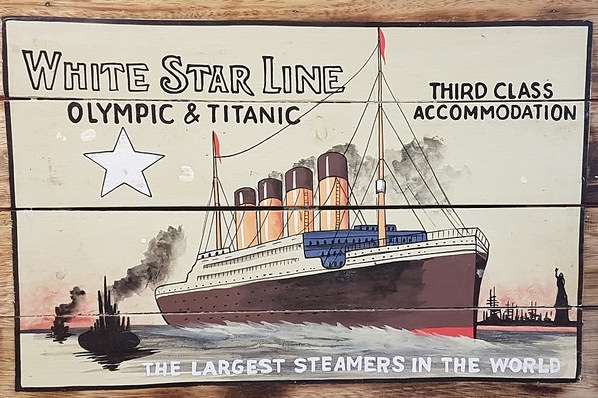
The Third Class (also known as Steerage) accommodation was not nearly as luxurious as First or Second Class. But conditions were far better than on many other ships of the time, where Third Class meant open dormitories sleeping hundreds of people. They had to stay there for the entire voyage, often without proper toilets.
On Titanic, single men had quarters in the forward areas, while single women, married couples and families had quarters towards the stern. They were private, small but comfortable cabins designed for two, four, six, eight or 10 passengers. Third Class passengers had their own dining rooms, as well as public gathering areas, a smoking room and a reading and writing room.

Crew
The vast majority of Titanic's crew of 908 were not seamen, but were responsible either for looking after the engines or for looking after the passengers. (Just 23 of the crew were women, mainly stewardesses.) There were bakers, chefs, butchers, fishmongers, dishwashers, laundrymen, waiters—and even a team who produced a newspaper for passengers called the Atlantic Daily Bulletin. The crew were either from Southampton or Belfast.
"Iceberg, right ahead"
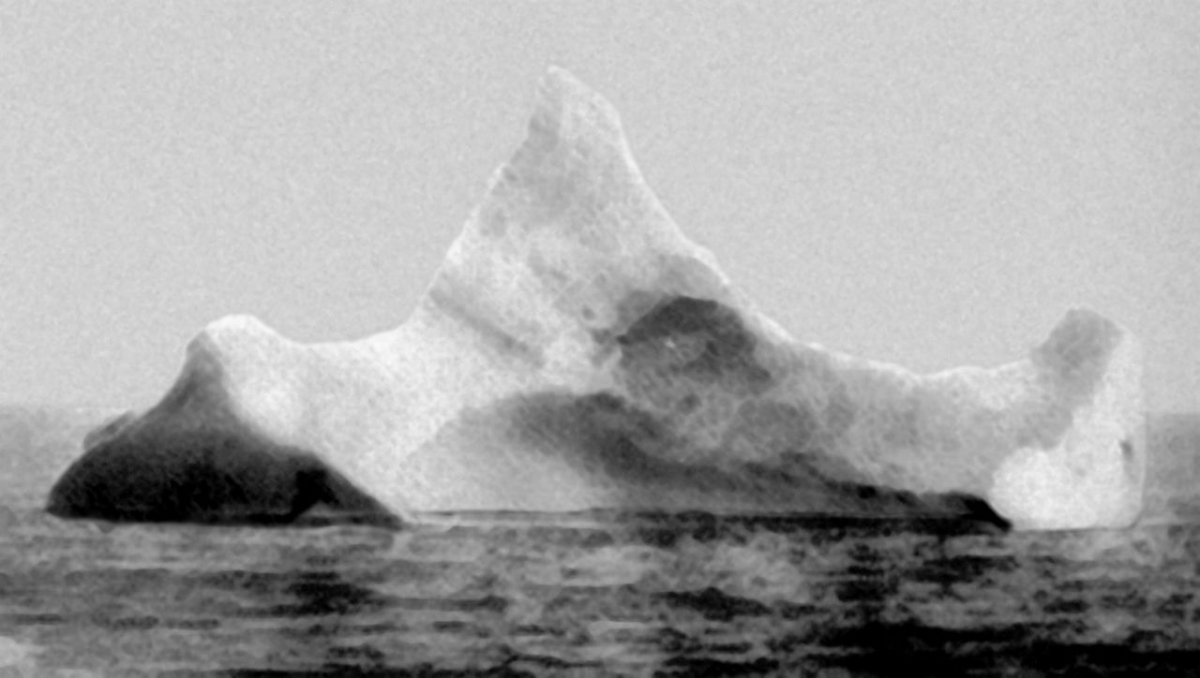
A few days into the voyage, Titanic received a series of warnings from other ships of icebergs drifting in the waters off Newfoundland. Despite these, Captain Edward Smith gave instructions for Titanic to steam on at full speed. Although the ship was not trying to set a speed record, he felt it was still important that she kept to her schedule. At the time, it was generally believed that ice posed little danger to large vessels. Other ships had actually collided with icebergs and had still been able to complete their voyages.
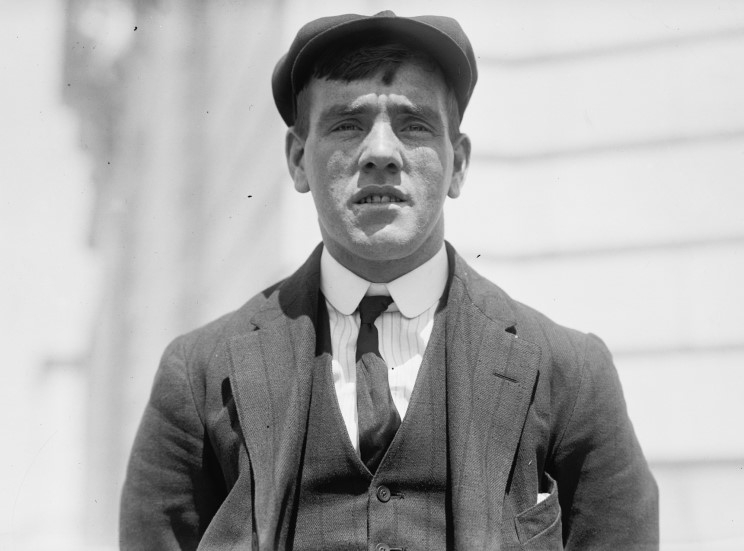
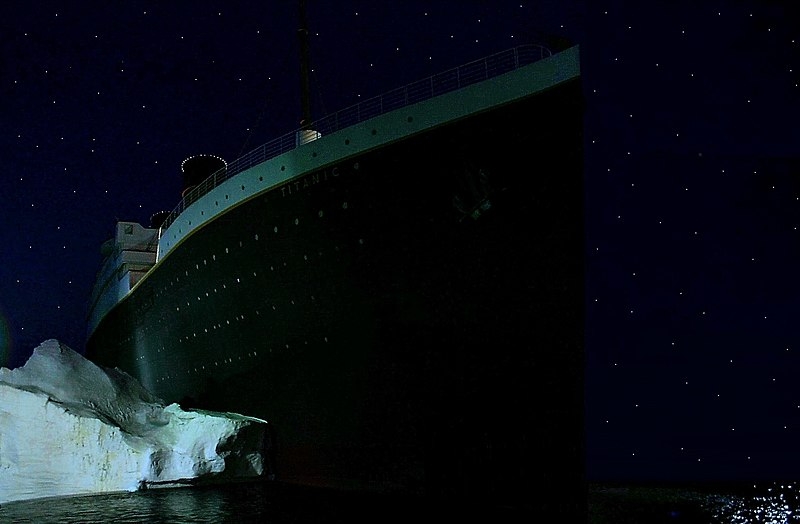
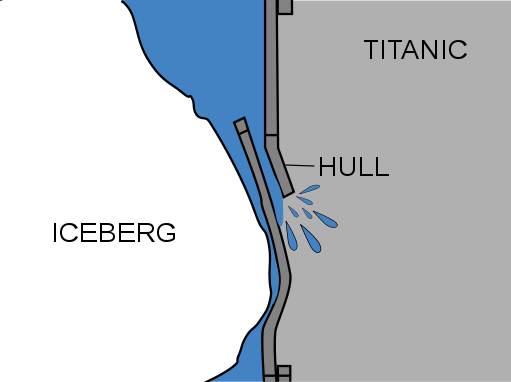
At 11.40 pm on the calm, clear night of Sunday 14th April 1912, the lookout Frederick Fleet sounded the alarm and telephoned the bridge, saying "Iceberg, right ahead." First Officer William Murdoch quickly ordered the ship to be steered around the obstacle and the engines to be stopped. But it was too late. The iceberg struck Titanic less than 40 seconds later. The collision caused the hull to buckle inwards along her starboard (right-hand) side. This opened five of her 16 watertight compartments to the sea. Already, it was clear the ship was doomed: she could not survive more than four of her compartments being flooded.
Titanic begins to sink
Titanic began sinking bow-first, with water spilling from one compartment to the next as she dipped into the water at a steeper and steeper angle. The cargo was stored in the lower part of the ship’s hull. These areas of the ship were the first to flood. The crew were sleeping on the lower decks. They tried to escape to the upper decks but the water was coming up fast. The boiler rooms were also deep in the hull of the ship and flooded soon after Titanic struck the iceberg. The engine crew worked to keep the pumps and lighting going for as long as possible.
Abandoning ship
Meanwhile, the crew radioed for help, sending out an SOS signal, the first time such a signal had ever been used. Ten minutes after midnight, the order came to abandon ship. But there were just 20 lifeboats, enough for only about half of the people on board. There had been no drills for such a procedure, so no one knew what to do. General panic broke out on deck. The officers did not know how many people they could safely put aboard the lifeboats. This meant that some boats were launched barely half-full. Some passengers did not believe that they were in any danger and refused to get into the lifeboats.
The Third Class passengers were not even allowed on deck until the lifeboats for women who were travelling First Class had departed. Many of them became trapped below decks as the ship filled with water.
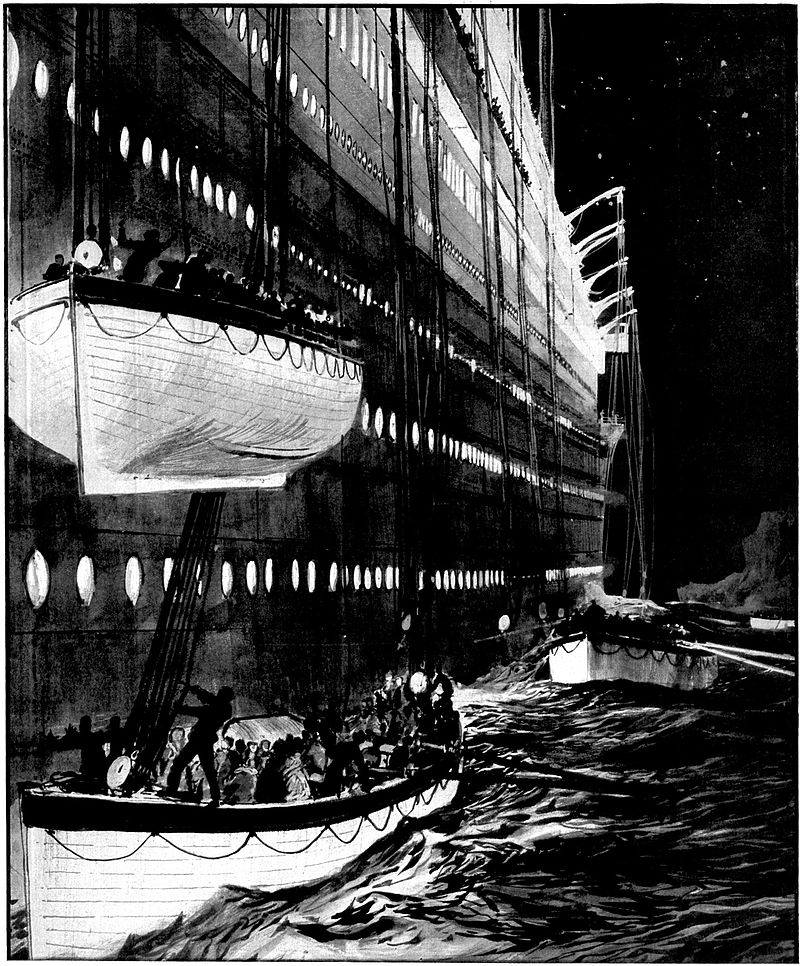
The "women and children first" rule was generally followed when loading the lifeboats. As a result, most of the male passengers and crew were left aboard.
The band played on
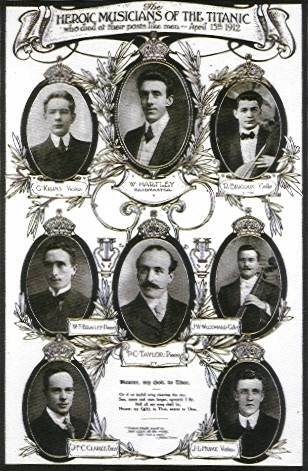
The eight musicians of the ship's band, led by Wallace Hartley, assembled in the first-class lounge and played music, intending to calm the passengers, for as long as they possibly could—even when it was clear the ship was going to sink. Some survivors reported that the last piece they played was the hymn Nearer, My God, to Thee, but this may have been a myth. All eight band members perished when Titanic sank. They were recognized as heroes.
Titanic goes under

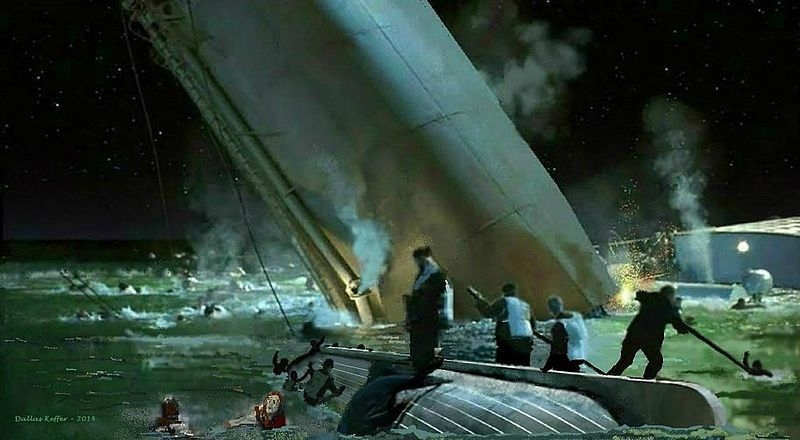
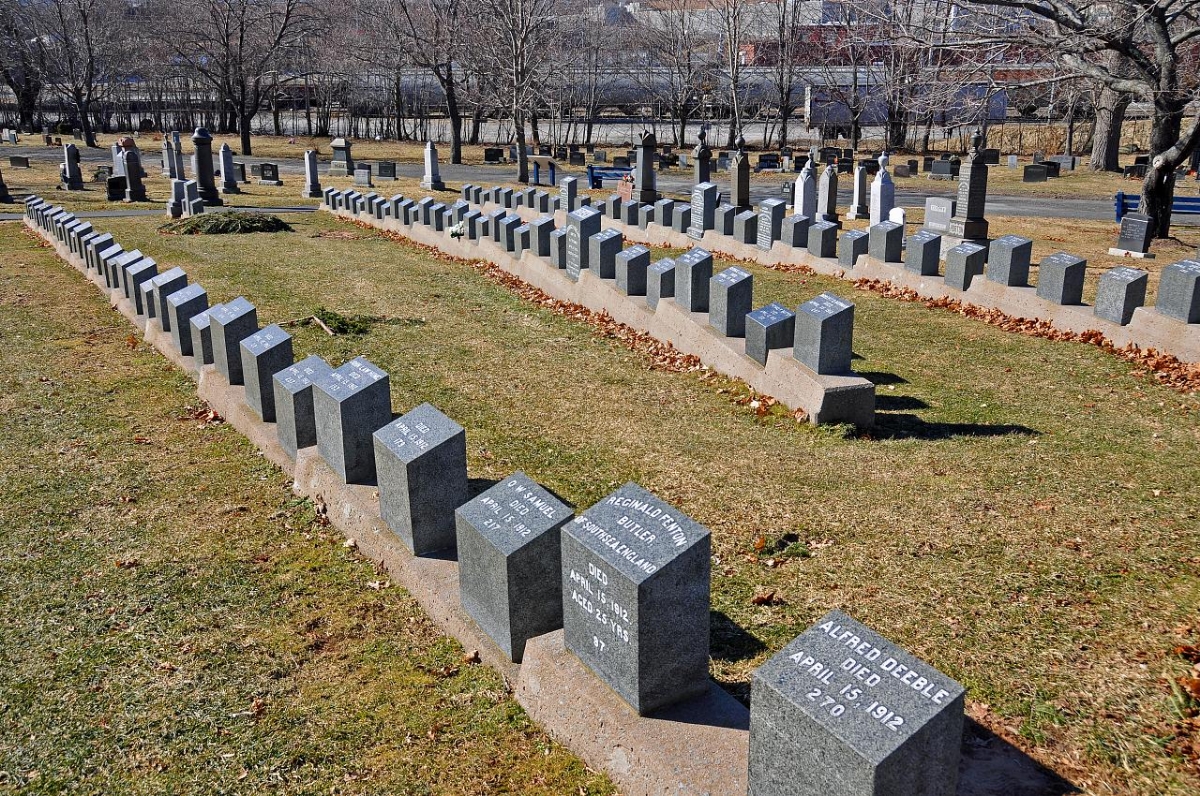
At 2.20 am, 2 hours 40 minutes after Titanic struck the iceberg, she finally broke in half and plunged downwards to the sea floor. Her forward deck had dipped under the water, and the sea poured in through open hatches. Her stern then rose out of the water, exposing the propellers. The ship broke in two between the third and fourth funnels. The stern rose to a nearly vertical angle with hundreds of people still clinging to it, before sinking. The people still on board and who were forced into the icy waters perished within minutes. Just 13 of them were helped into the lifeboats, although the boats had room for almost 500 more. Captain Smith went down with the ship.

SS Californian
Titanic sent distress signals by wireless, rockets and lamp, but no ship that responded was near enough to reach her before she sank. One ship, however, lay only a few kilometres away. The British ship SS Californian did see Titanic's flares, but did not assist. Earlier, Californian had warned Titanic by radio of ice in the area, but the warning was ignored by Titanic's senior wireless operator, Jack Phillips. Much later, inquiries found that it would have been possible for Californian to come to Titanic's rescue and that Captain Stanley Lord of the Californian had acted improperly in failing to do so.
Rescue
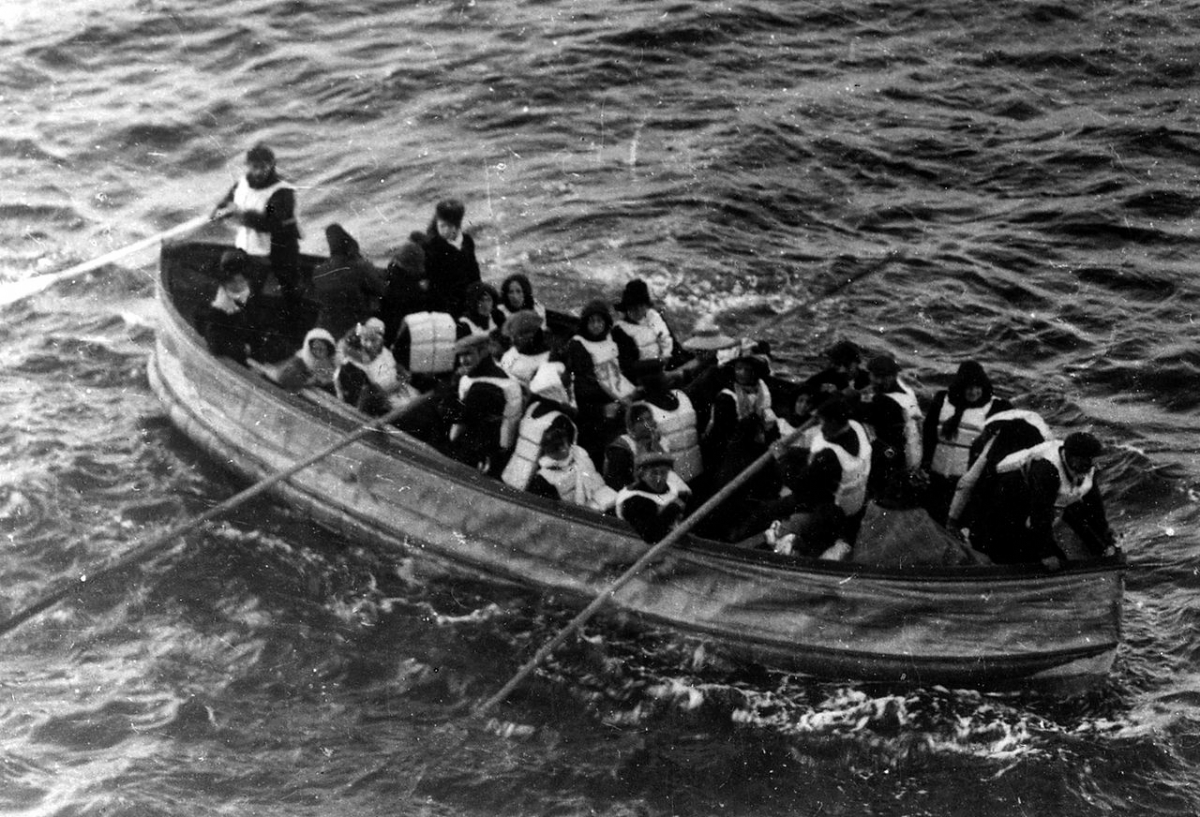
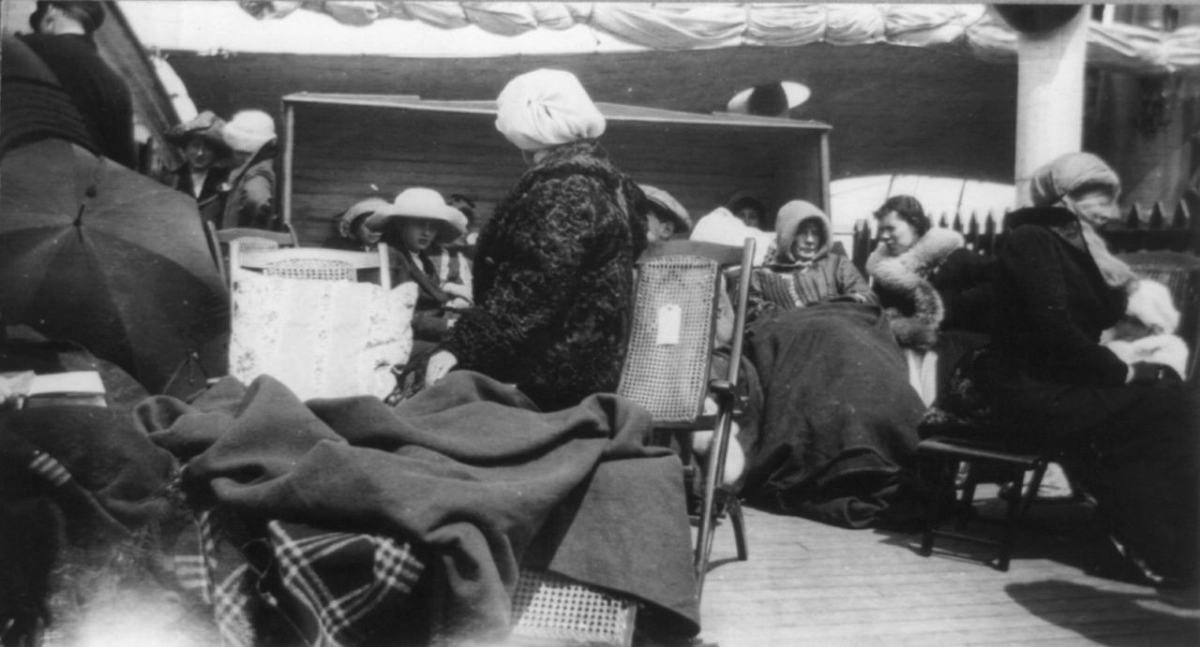
Responding to Titanic's distress calls, the Cunard liner RMS Carpathia, raced to the scene. It steamed through the night at full speed, dodging numerous icebergs on the way, arriving around 4.00 am. For the next four and a half hours, the ship took on the 711 survivors who had made it on to Titanic's lifeboats.
Carpathia then took them to New York, Titanic's original destination (six of the survivors unfortunately died on the way). The ship's master, Captain Arthur Rostron, described the scene of Titanic's sinking as an ice field. There were 20 large icebergs measuring up to 60 metres (200 feet) high, along with many smaller ones.
Who was to blame?
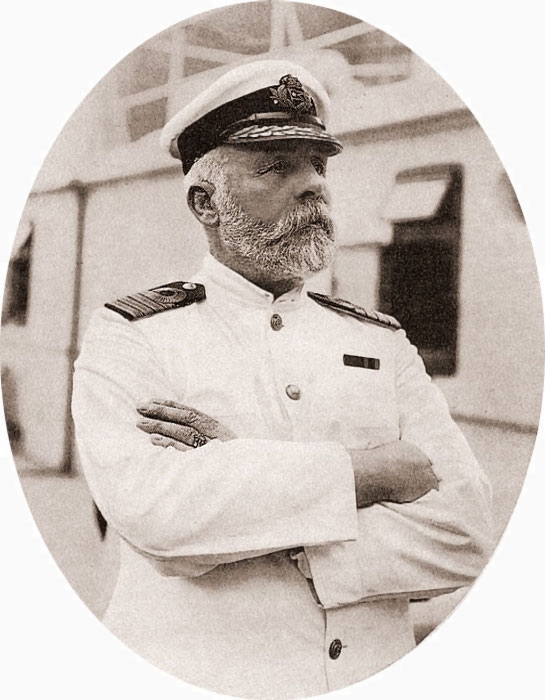
Captain Edward Smith has been criticized for his part in the tragedy. He failed to heed ice warnings and did not slow his ship when ice was reported directly in his path. It has been reported that, after the collision, Smith commanded Titanic to be driven Slow Ahead. As a result, the pressure of the sea forced the water over the bulkheads and flooded one watertight compartment after another. If she had stood still, it is argued, she might have survived until a rescue ship arrived on the scene.
Smith also allowed lifeboats to leave the sinking ship when they were only partly filled. This needlessly added at least 500 people to the number of dead.
Some have suggested that J. Bruce Ismay, the chairman of the White Star Line, the owners of Titanic, and who was on board, was the real culprit. They say he told Smith to "make a record crossing" and then, after the collision, instructed him to go Slow Ahead. However, there is no evidence he interfered with the navigation of Titanic.

Could Titanic have avoided the iceberg?
Titanic's rudder, measuring 24 metres high and 4.7 metres wide, (79 by 15 feet) was so large it needed steering engines to move it. The steam-powered steering mechanism took up to 30 seconds to respond. The complex task of putting the engines into reverse would also have taken up valuable time. Had the ship been steered hard to the left while maintaining her forward speed, Titanic might have just missed the iceberg.
Aftermath of the disaster
Official blame for the tragedy was placed on Captain Smith and the bridge crew, all of whom died in the disaster. New safety measures were introduced on all ocean liners. They included a requirement that the number of lifeboats on board was appropriate to the number of passengers.
One of their most important consequences of the disaster was the establishment in 1914 of the International Convention for the Safety of Life at Sea (SOLAS), which still governs maritime safety today.

Wreckage
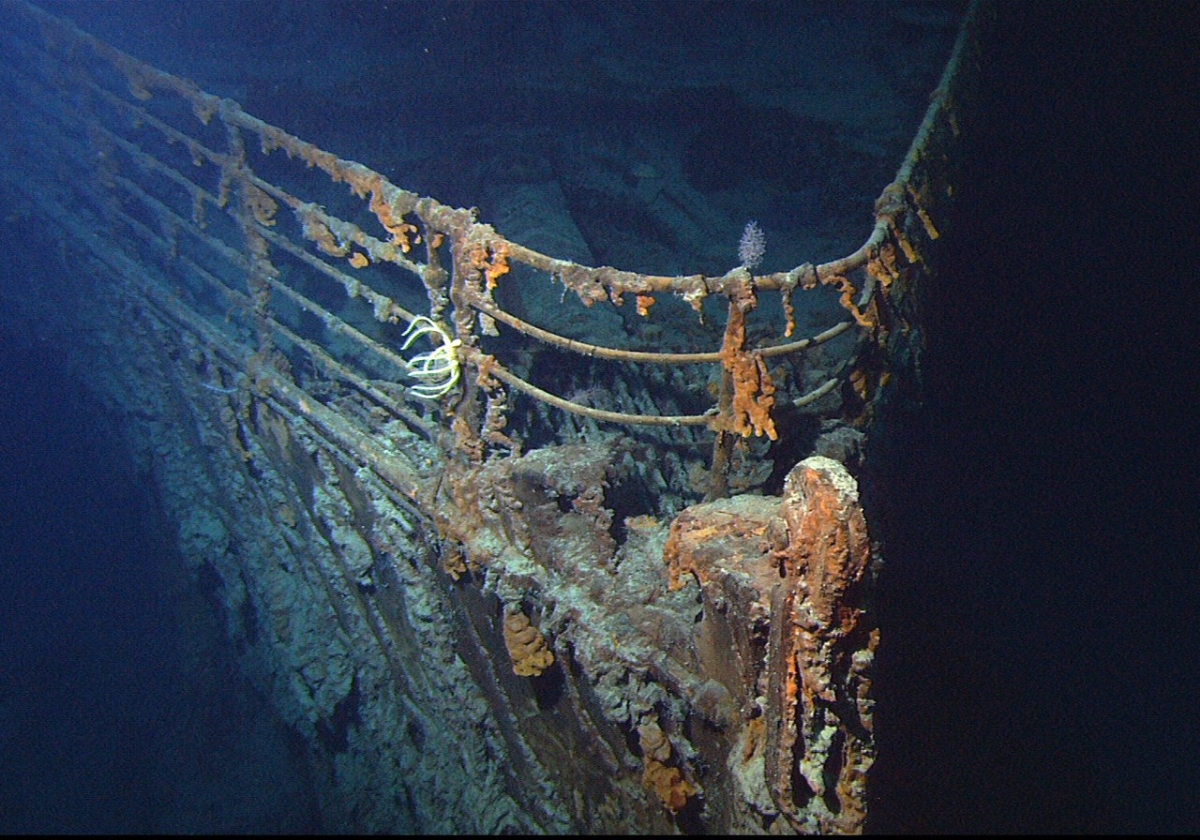
In 1985, following many earlier attempts, divers were finally able to locate the wreckage of the Titanic on the floor of the North Atlantic Ocean. The two parts of the ship lie at a depth of 3784 metres (12,415 feet) about 350 miles off the southeast coast of Newfoundland. Thousands of items have been recovered and displayed at museums around the world. Titanic has become one of the most famous ships in history.
Consultant: Philip Parker
The story of Titanic
31st March 1909
Construction begins at Harland and Wolff in Belfast, Ireland. It takes three years to complete
10th April 1912 12 noon
RMS Titanic sets sail from Southampton, England, on her maiden voyage, with approximately 2220 passengers and crew
10th April 1912 6.30 pm
Arrives in Cherbourg, France
10th April 1912 8.10 pm
Leaves Cherbourg
11th April 1912 11.30 am
Arrives in Queenstown, Ireland
11th April 1912 1.30 pm
Leaves Queenstown
14th April 1912 11.40 pm
Titanic collides with an iceberg southeast of Newfoundland
15th April 1912 12.20 am
RMS Carpathia receives distress calls and heads for the site to help
15th April 1912 12.40 am
Captain Smith gives the order to uncover the lifeboats and evacuate women and children
15th April 1912 12.45 am
The first lifeboat is launched
15th April 1912 2.20 am
Titanic sinks
15th April 1912 4.00 am
Carpathia arrives at the scene of the disaster and starts picking up survivors from the lifeboats
15th April 1912 8.50 am
Carpathia sets sail for New York with 705 Titanic survivors on board
15th April 1912 evening
Carpathia arrives in New York
April–May 1912
Separate American and British investigations into the disaster take place
September 1985
Scientists from Woods Hole Deep Submergence LAB (DSL) in Massachusetts, led by Dr Robert Ballard, and the French Institute Francais de Recherche pour l'Exploitation des Mers, led by Jean Jarry, locate the wreckage of Titanic
13th July 1986
Ballard and his crew use the manned deep-ocean research submersible Alvin to explore the wreckage
31st May 2009
The last known Titanic survivor, Millvina Dean (a 2-month-old baby at the time of the voyage), dies at the age of 97
31st March 2012
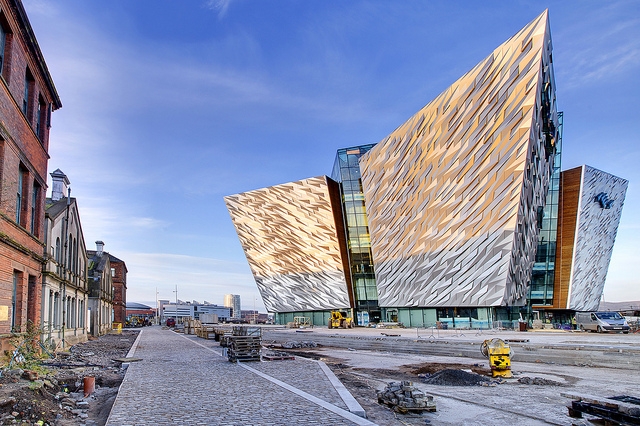
Titanic Belfast visitor attraction opens in Belfast, Northern Ireland
April 2012
On the 100th anniversary of Titanic's fateful voyage, MS Balmoral follows the ship's route from Southampton to New York. A memorial service is held on board above the wreck on the 15th
pics

Without in any way limiting Q-files Ltd’s exclusive rights under copyright, any use of this publication to “train” generative artificial intelligence (AI) technologies to generate text is expressly prohibited. Q-files Ltd reserves all rights to license use of this work for generative AI training and development of machine learning language models.