
British history

CITE
We have made every effort to follow citation style rules, but there may be some minor differences. If in doubt, please refer to the appropriate citation style manual.
Life in Anglo-Saxon times. (2026). In Q-files Encyclopedia, History, British history. Retrieved from
https://www.q-files.com/history/british-history/life-in-anglo-saxon-times
"Life in Anglo-Saxon times." History, British history, Q-files Encyclopedia, 30 Mar. 2026.
https://www.q-files.com/history/british-history/life-in-anglo-saxon-times.
Accessed 6 Aug. 2026.
Life in Anglo-Saxon times 2026. History, British history. Retrieved 6 August 2026, from
https://www.q-files.com/history/british-history/life-in-anglo-saxon-times
History, British history, s.v. "Life in Anglo-Saxon times," accessed August 6, 2026.
https://www.q-files.com/history/british-history/life-in-anglo-saxon-times


Life in Anglo-Saxon times
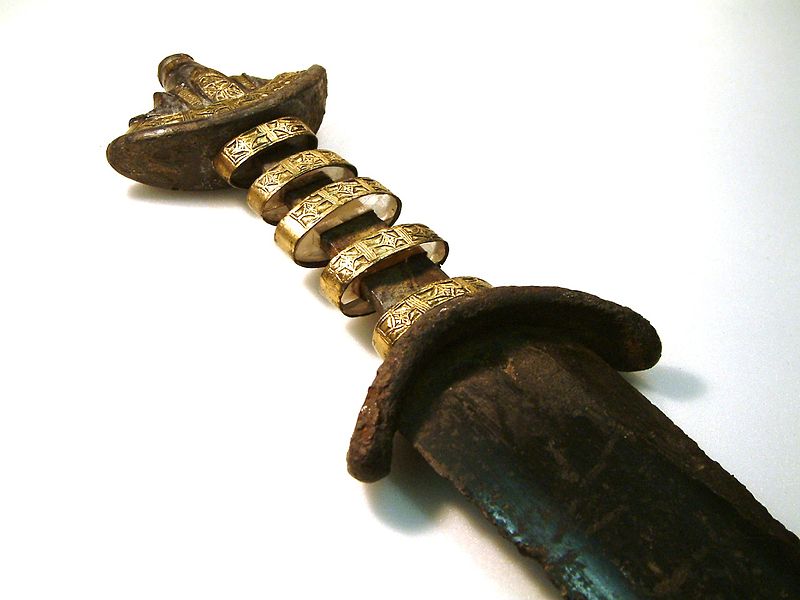
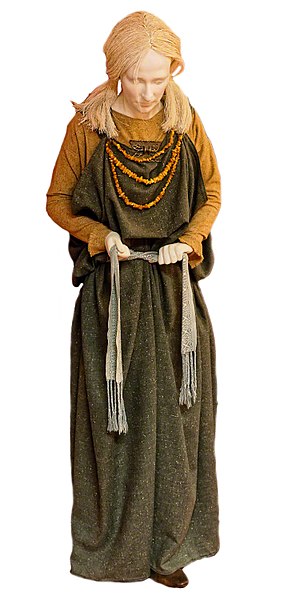
After the Romans left Britain and the Anglo-Saxon settlers arrived in the mid-5th century, there was a change from town life to the countryside. The Anglo-Saxons were a farming people and built their own villages, leaving the walled Roman towns to crumble to ruin. The new inhabitants of Britain were, however, skilled craftworkers, producing fine tools, knives and swords from gold, silver, copper and iron. From the beautiful brooches, beads and ornaments made from gold, gemstones and glass, we also know the Anglo-Saxons were accomplished jewellers too.
Anglo-Saxon society
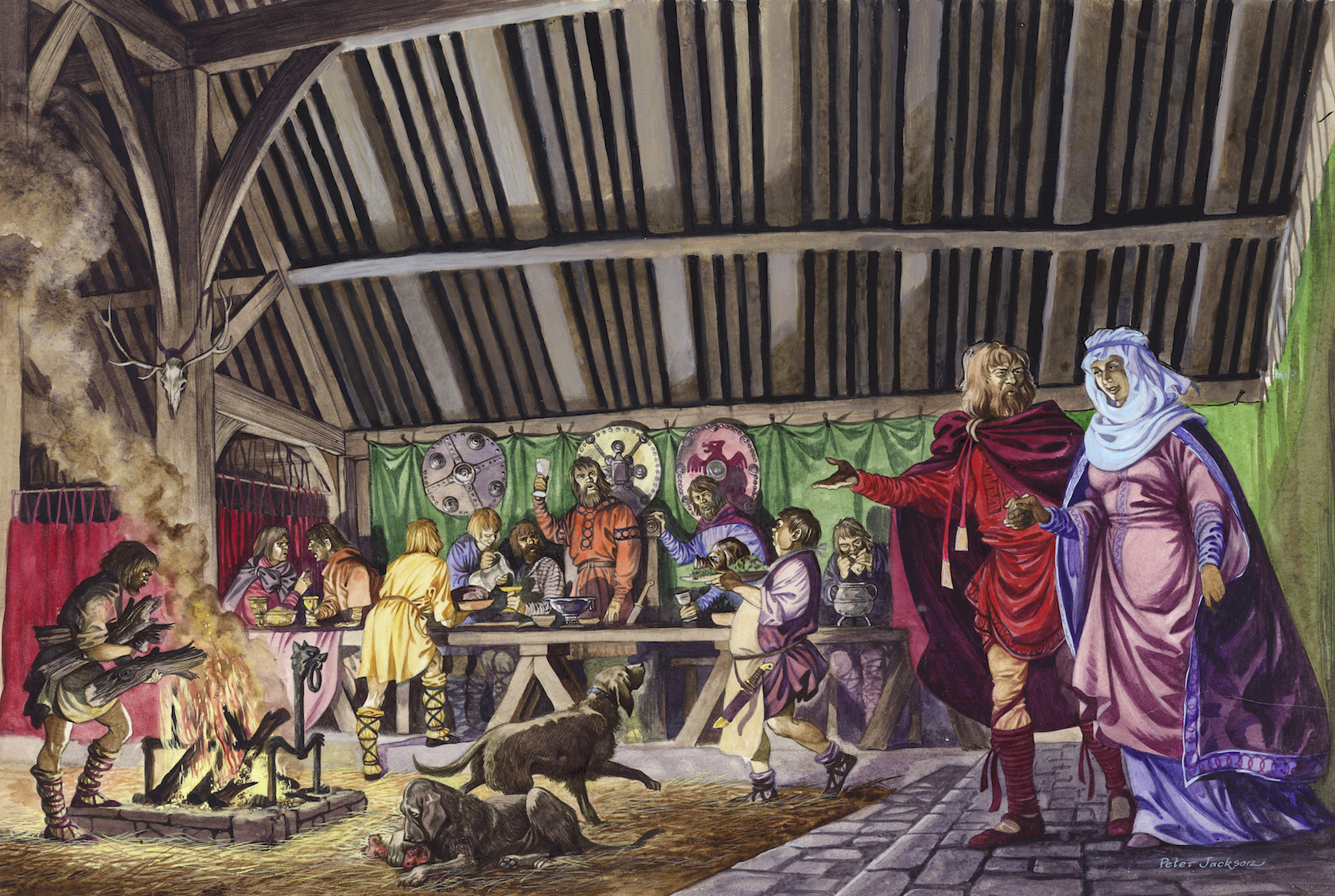
Anglo-Saxon society was divided into three classes. At the top was the thane (or thegn), a member of the noble class. Below the thane was the churl (or ceorl), a lowly country person—but one who was at least free. At the lowest level of society was the thrall, a slave or serf. Thralls worked on the thane’s land for part of the week and handed over some of their crops as rent.
Kinship (family ties) were important in Anglo-Saxon society. By law, if a person was killed or injured by another then the killer or injurer had to pay weregild ("man price") to that person's family. The amount payable varied according to a person's rank. A churl's weregild was 200 shillings (one-sixth that of a thane), but a thrall, treated as no more than someone's property, had no weregild.
Rural life
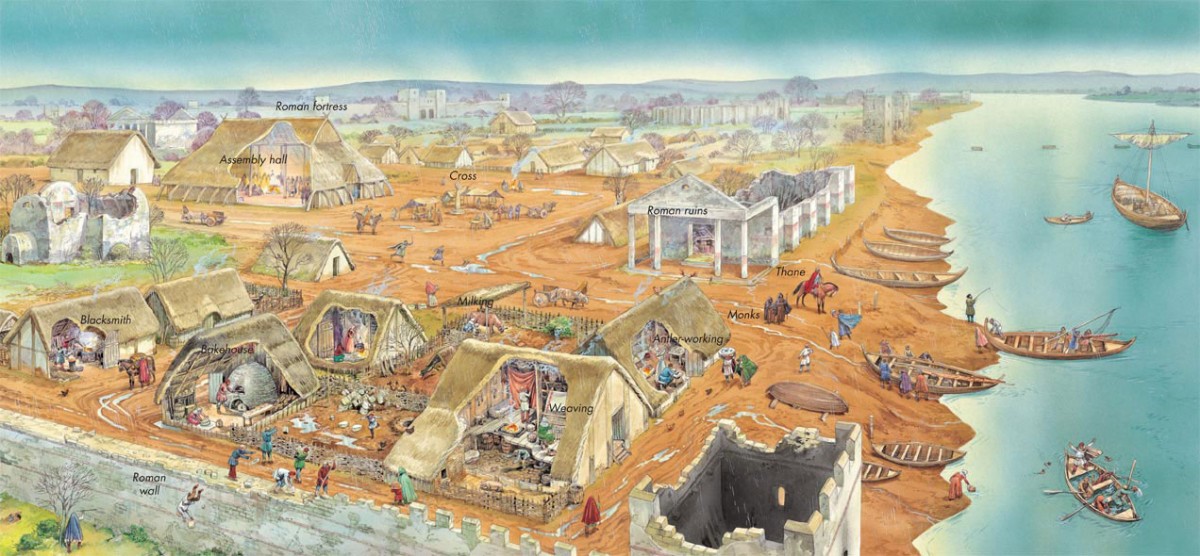
Most people in Anglo-Saxon England lived and worked off the land, using ploughs and tools made by hand. Ploughs were pulled by teams of up to eight oxen. Fields were divided into long strips. While one strip was ploughed and sown with crops such as wheat, barley or vegetables, the other was left fallow. Farmers also raised sheep, goats, cattle and pigs. As winter approached, most were slaughtered and their meat salted to preserve it.
Watermills were used to ground wheat to make flour for making bread. Ordinary people ate from wooden bowls with cups made from cow horns. Meat was a luxury and only the rich could eat it regulary. Everyone else usually ate just bread, cheese and eggs. For drink, people brewed beer (water from streams was often unsafe to drink) or made mead from fermented honey.

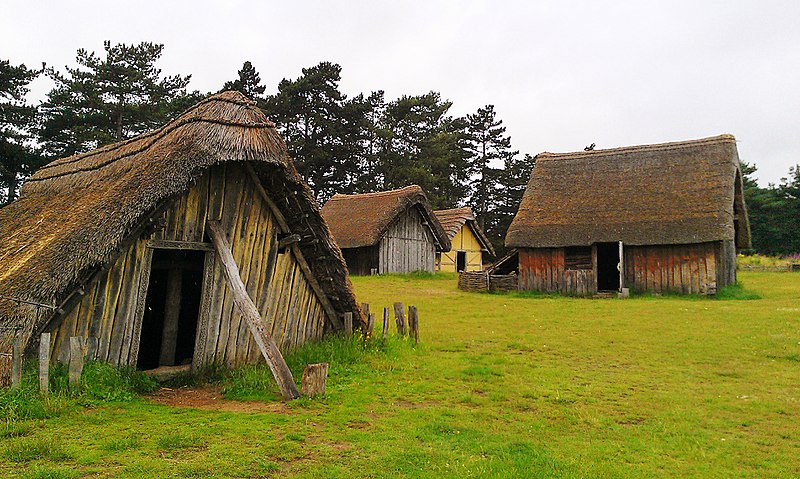
Houses were made of wood and wattle and daub (sticks woven together and covered with a mixture of straw and mud), with thatched roofs. Each house normally consisted of just a single room. A hole in the roof allowed smoke from the fire to escape. Poor people slept on the floor and, in winter, shared their dwellings with their animals.
Anglo-Saxon towns
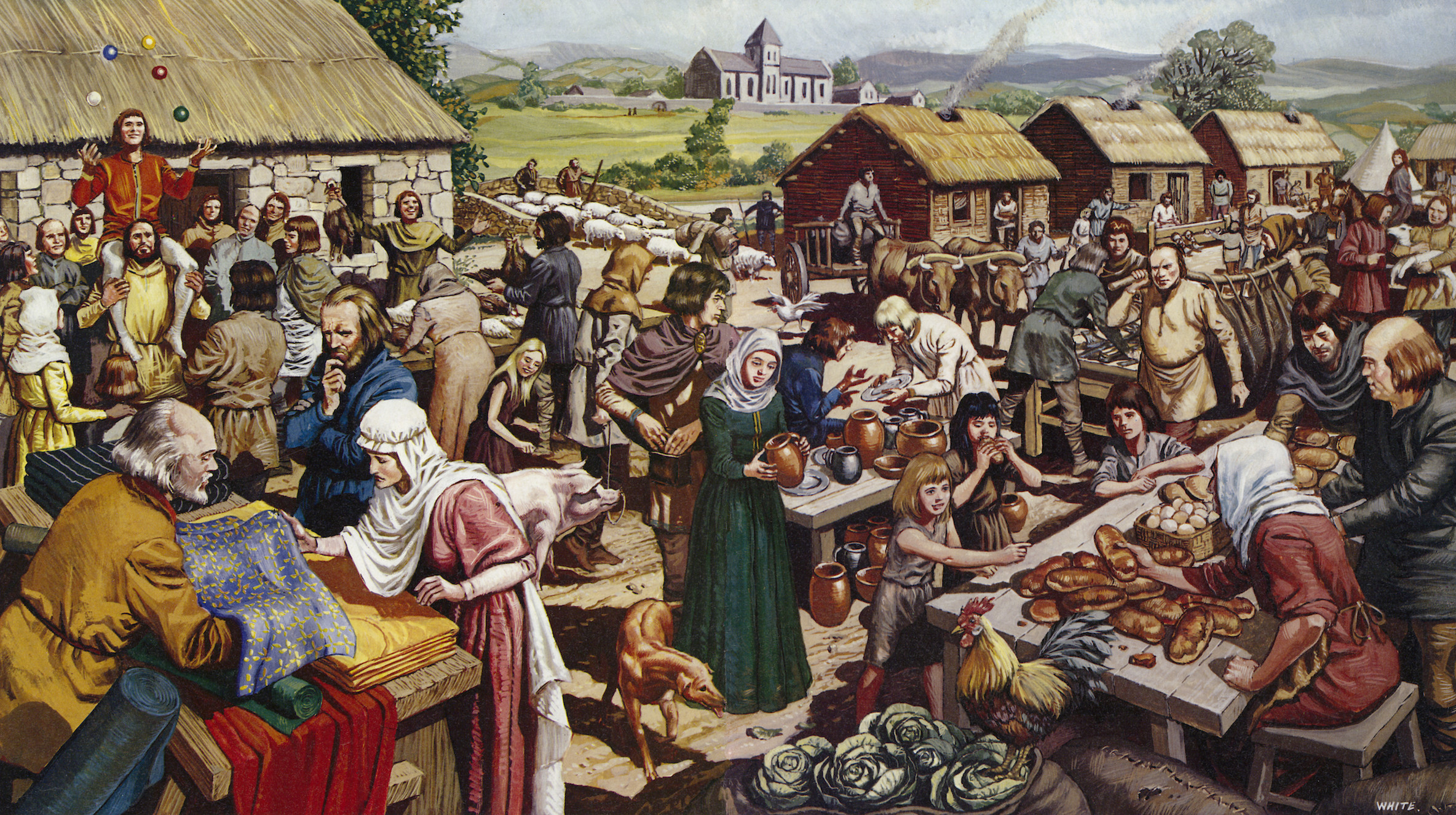
To begin with, Anglo-Saxons were mostly village-dwellers. But by the 11th century many towns, built around marketplaces and craftshops where skilled people worked with iron, leather, bone and wood, had sprung up across England. London, a bustling port, reached a population of around 18,000.
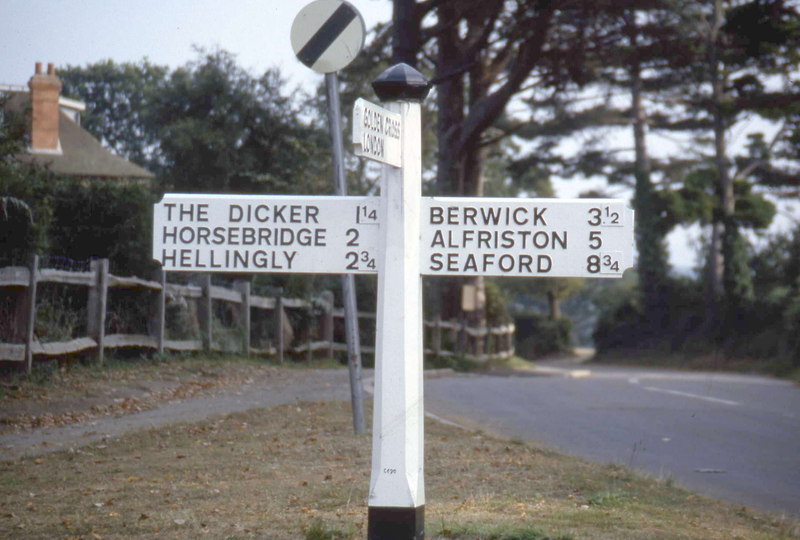
Many English placenames can be traced to Anglo-Saxon words. Names ending -ham or -tun (usually changed to -ton) come from the words for a village or estate, -ford, a shallow river crossing, -hurst, a wooded hill, -bury or borough, from burh, meaning fortified settlement, -ley, ly or -leigh, a wood or clearing, and -wick or -wich, meaning a settlement. The Anglo-Saxons called a Roman settlement a caester, from which we get the placename endings -chester, -caster or -cester.

Crafts
The Anglo-Saxons were skilled craftworkers, producing many fine goods in gold, silver and copper. Anglo-Saxon jewellers created beautiful brooches, beads and ornaments from gold, gemstones and glass. We know about Anglo-Saxon crafts and jewellery from two major archaeological finds: one at Sutton Hoo, discovered in 1939, the other near the village of Hammerwich, near Lichfield, known as the Staffordshire Hoard, unearthed by a metal detectorist in 2009.
Sutton Hoo is the site of two early medieval cemeteries dating from the 6th to 7th centuries near the town of Woodbridge in Suffolk. There, archaeologists found a rich burial place which may be that of the Anglo-Saxon king Raedwald of East Anglia, who died around 617. He was buried in a ship containing a fabulous collection of treasures. These included dress fittings in gold and gems, a ceremonial helmet, a shield and sword, a lyre and silver plate from the Byzantine Empire.


The Staffordshire Hoard is a huge collection made up of around 4600 fragments of Anglo-Saxon gold and silver metalwork, together with some 3500 pieces of garnet jewellery. It was most likely deposited in what was then Mercia between 650 and 675. The metal fragments, which demonstrate expert cratfsmanship, come from weapons. In fact, nearly all the items in the hoard are military; there are no vessels, eating utensils or feminine jewellery. The garnets, types of gemstone, may have come from Sri Lanka or Afghanistan—probably traded during Roman times—while the gold came from Byzantine coins.
Consultant: Philip Parker
pics

Without in any way limiting Q-files Ltd’s exclusive rights under copyright, any use of this publication to “train” generative artificial intelligence (AI) technologies to generate text is expressly prohibited. Q-files Ltd reserves all rights to license use of this work for generative AI training and development of machine learning language models.