
Crafts

CITE
We have made every effort to follow citation style rules, but there may be some minor differences. If in doubt, please refer to the appropriate citation style manual.
Jewellery. (2026). In Q-files Encyclopedia, Culture, Crafts. Retrieved from
https://www.q-files.com/culture/crafts/jewellery
"Jewellery." Culture, Crafts, Q-files Encyclopedia, 13 May. 2026.
https://www.q-files.com/culture/crafts/jewellery.
Accessed 31 Oct. 2026.
Jewellery 2026. Culture, Crafts. Retrieved 31 October 2026, from
https://www.q-files.com/culture/crafts/jewellery
Culture, Crafts, s.v. "Jewellery," accessed October 31, 2026.
https://www.q-files.com/culture/crafts/jewellery


Jewellery
People have been adorning their bodies with jewellery since they first began to wear clothes. Some pieces of jewellery, such as necklaces and bracelets, are fastened around the neck and wrists. Brooches, lapel pins and cufflinks were first designed to hold clothes together. Earrings and other body jewellery are worn in tiny holes pierced through the skin. Besides decoration, jewellery can be worn as a symbol that shows the wealth or status of the wearer, or expresses their interests. Gold and silver are the metals most often used, but jewellery can be made from almost any material, such as wood, shell, glass, clay, plastic—even animal bones or teeth.

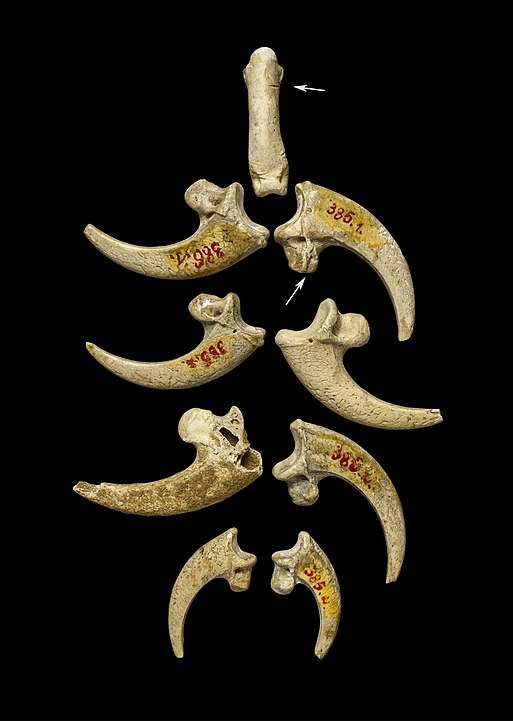
Ancient jewellery
The first jewellery was made by Neanderthals 130,000 years ago. They carved animal claws to make beads, and strung them together to make necklaces. The ancient Egyptians were skilled at making gold jewellery. They wore bracelets, rings and heavy gold necklaces, decorated with detailed scenes. The Celts were famous for their gold jewellery and especially their golden torcs, heavy metal collars which they believed would bring them luck on the battlefield.
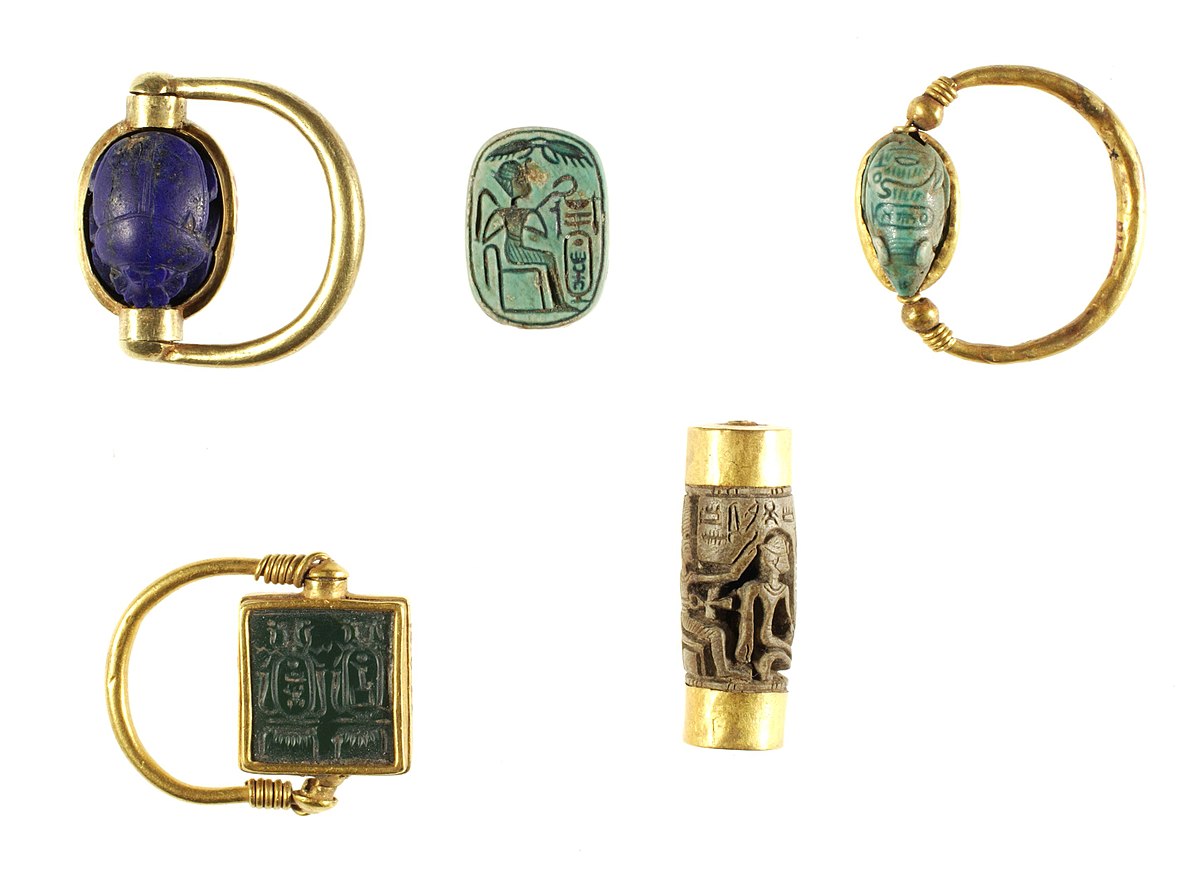
Gold
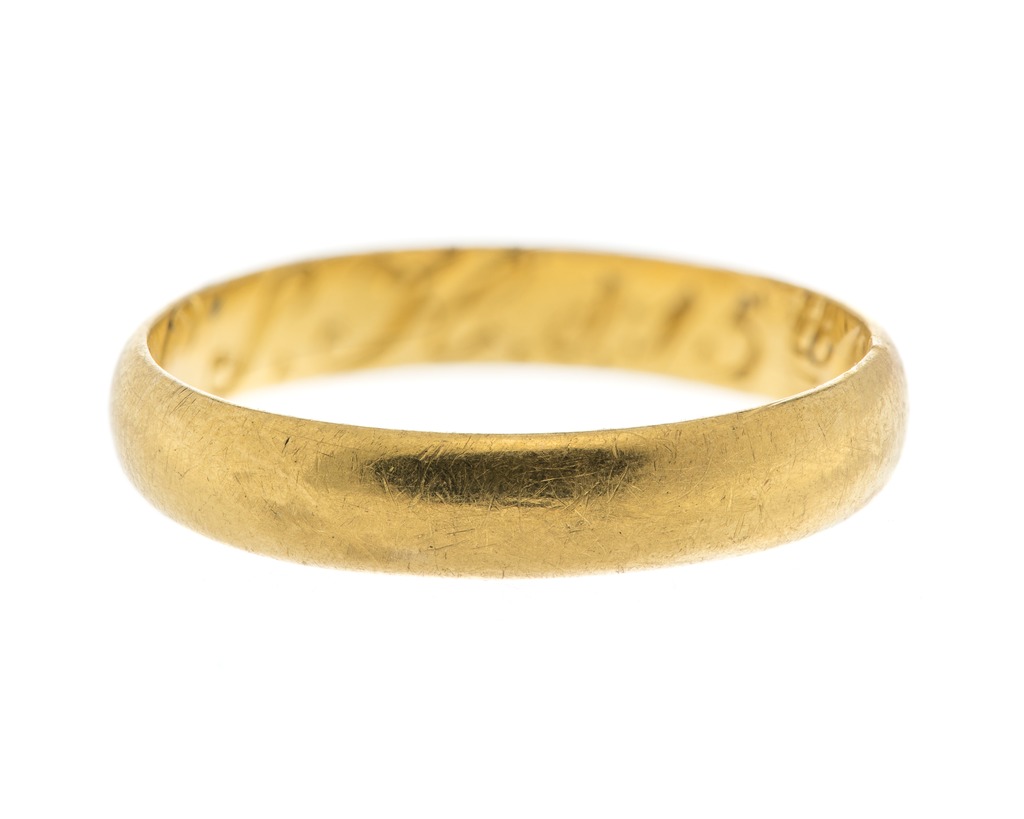
Gold is a perfect material for making jewellery because it is shiny, soft and easily shaped. It is also one of the least reactive elements, which means it lasts for a very long time. Gold is also rare, so it has always been valuable. Jewellers who work with gold are known as goldsmiths, and their craft, goldsmithing.


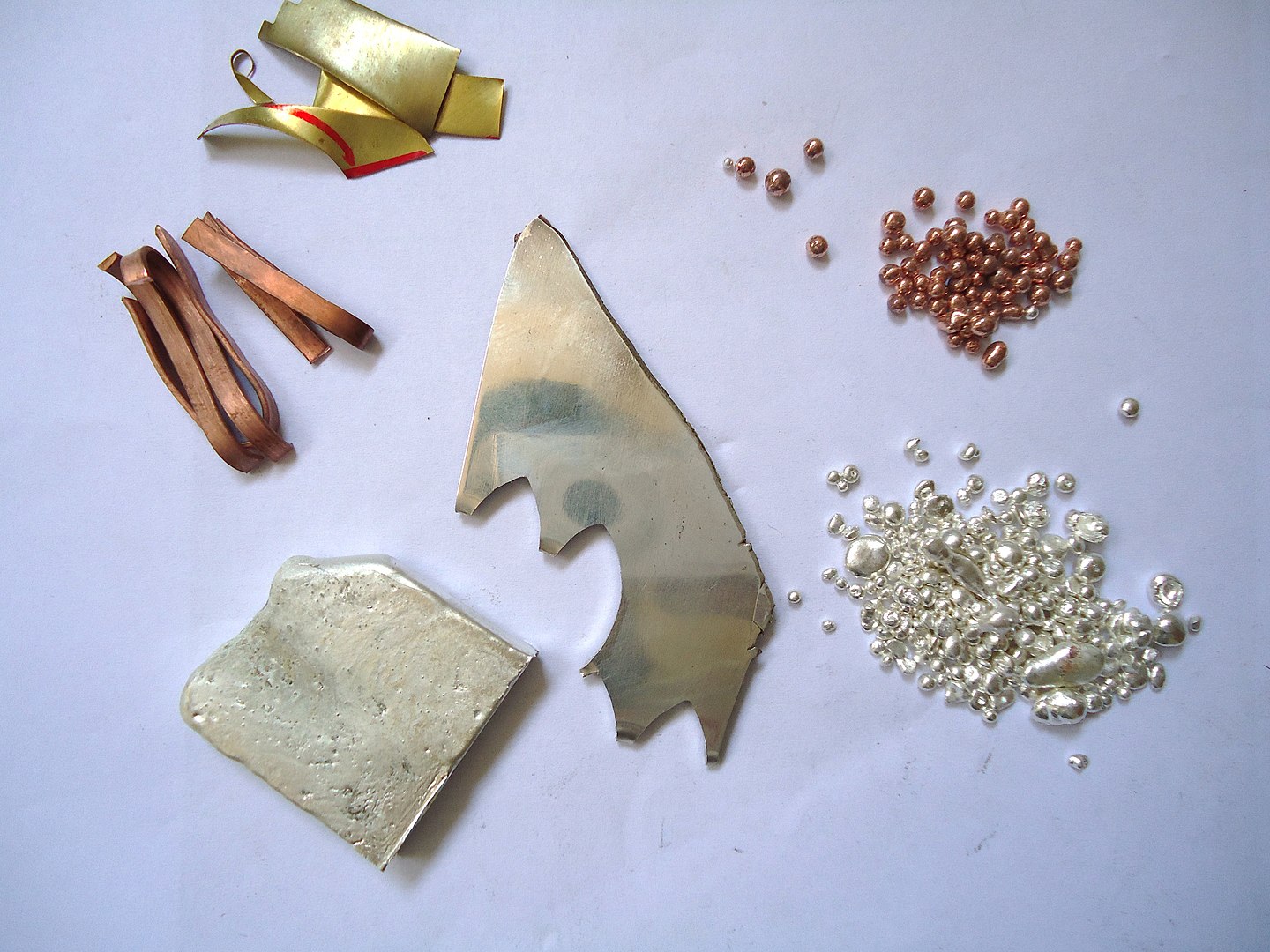
Pure gold is too soft on its own to make jewellery. To make it easier to work with, it must be mixed with very small amounts of silver or copper. These mixtures of metals are called alloys. Gold in its purest state is known as 24-carat gold, which means “24 parts gold”. A ring made with a mix of 22 parts gold and 2 parts copper is 22-carat gold.
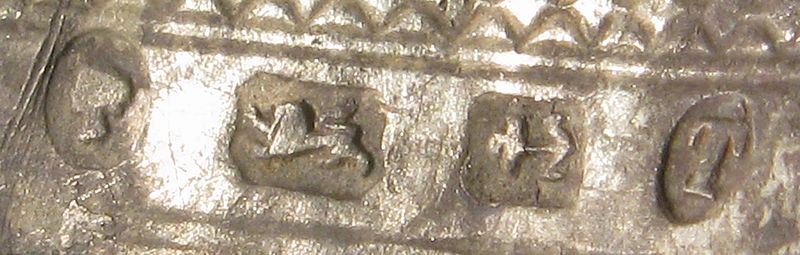
Hallmarking is the practice of marking objects made from precious metal to show that they are genuine. The first hallmarks were stamped on jewellery around 1600 years ago.
Metalwork
Metal used to make jewellery begins as thin strips of metal, or as wires or in liquid form. Soft metals, such as gold and silver, can be beaten into a thin sheet and cut to size. This sheet is then pressed on to a mould to create raised shapes in the surface, a process called embossing. Carving a design into the metal’s surface with a sharp tool is known as engraving. To join pieces of metal together, the jeweller uses a technique called soldering, by which a short length of filler metal (solder) is melted into the joint. The solder has a lower melting point than the metals it is joining together. When the solder cools and hardens, it creates a strong and invisible bond.


Wax casting
To make three-dimensional shapes, a jeweller first makes a model of the design in wax. The wax model is covered in plaster and placed into a hot oven, where the plaster hardens and the wax melts away, leaving a plaster mould.
The jeweller pours liquid metal into the mould, and leaves it to cool. The mould is then removed, revealing the piece of jewellery. This way of making jewellery is known as lost-wax casting, because the wax disappears during the process. The method has hardly changed in the last 5000 years.


Amber, pearls and coral come from living things. Amber is a precious stone that is formed from fossilized tree resin. It is only classified as true amber if it is more than one million years old, but some pieces can be as many as 120 million years old. Pearls are made inside the shells of bivalves such as oysters. Coral comes from the branches of red coral. The demand for coral jewellery have caused these corals to become endangered.
Until gem-cutting was invented in the 15th century, stones used in jewellery did not sparkle. Precious stones are set into jewellery by fixing them in place with a metal surround. This avoids causing damage to the stones by drilling or gluing.
Bead-making


The simplest beads are pieces of shell or wood with holes drilled through them so they can be strung on a thread. Glass beads have been made since Roman times. To make them, a thin stick of glass is melted around a rod, which is coated in ceramic to stop the glass sticking to the rod. While the bead is hot, it can be rolled and shaped using special tools. Adding colours and textures at this stage is called lampwork, a technique which first became widely used in 14th-century Italy.
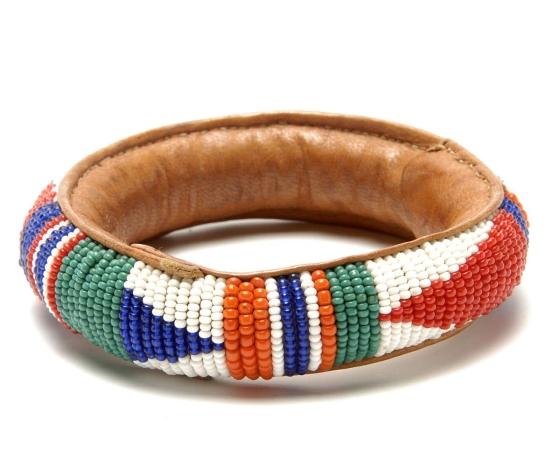
Tiny glass beads, known as seed beads, are made by forming a long, narrow tube of hot, softened glass and, once it has cooled, cutting it up into hundreds of tiny sections to make the beads. The new beads are then re-heated with carbon powder to round their edges, before being polished. They range in size from under a millimetre to several millimetres across.
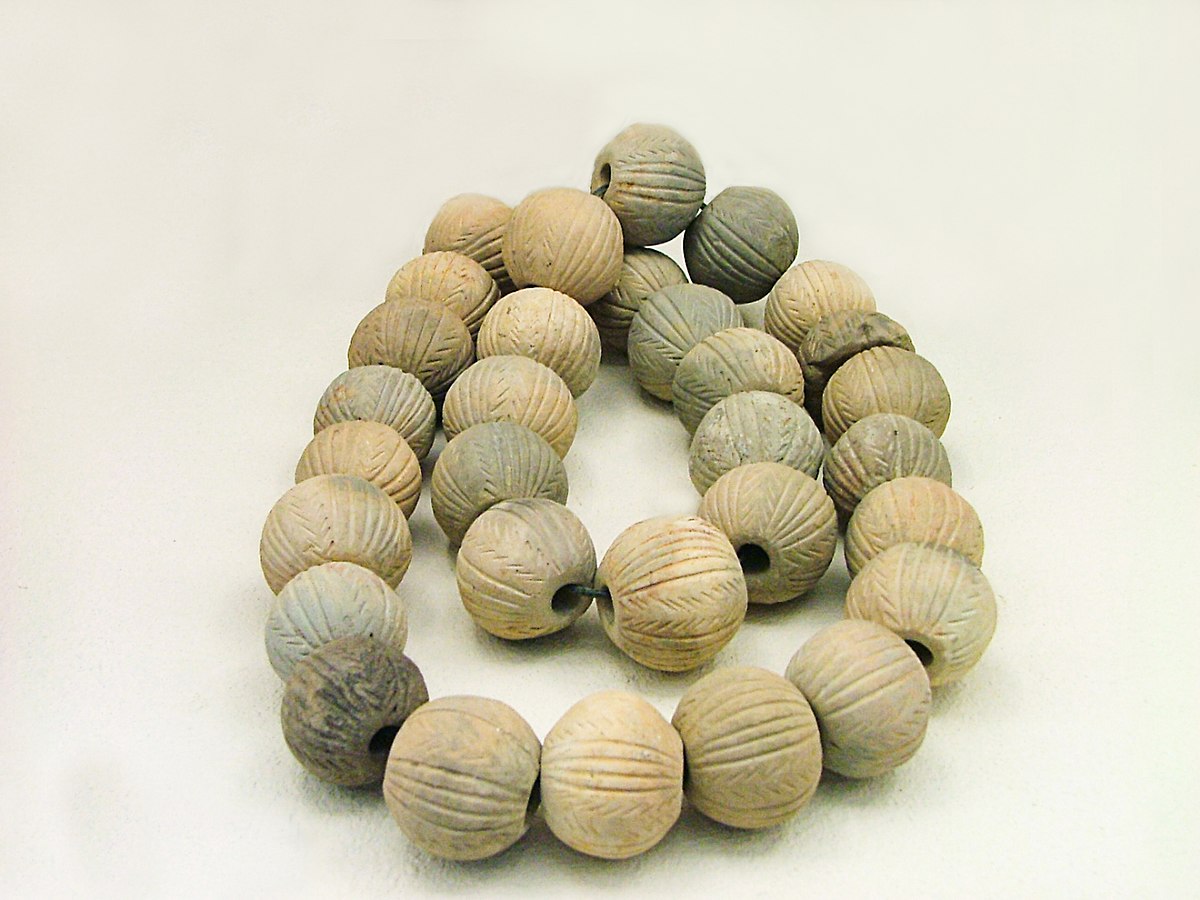
Beads can also be made from clay and decorated like pottery. In a similar process to glazing pottery, the beads are coated with a fine powder of glass and placed in a very hot oven, where the glass melts and forms different colours.

pics


Without in any way limiting Q-files Ltd’s exclusive rights under copyright, any use of this publication to “train” generative artificial intelligence (AI) technologies to generate text is expressly prohibited. Q-files Ltd reserves all rights to license use of this work for generative AI training and development of machine learning language models.