
Europe

CITE
We have made every effort to follow citation style rules, but there may be some minor differences. If in doubt, please refer to the appropriate citation style manual.
European Union. (2026). In Q-files Encyclopedia, Geography, Europe. Retrieved from
https://www.q-files.com/geography/europe/european-union
"European Union." Geography, Europe, Q-files Encyclopedia, 31 Mar. 2026.
https://www.q-files.com/geography/europe/european-union.
Accessed 2 Sep. 2026.
European Union 2026. Geography, Europe. Retrieved 2 September 2026, from
https://www.q-files.com/geography/europe/european-union
Geography, Europe, s.v. "European Union," accessed September 2, 2026.
https://www.q-files.com/geography/europe/european-union


European Union
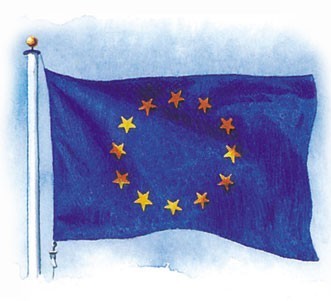
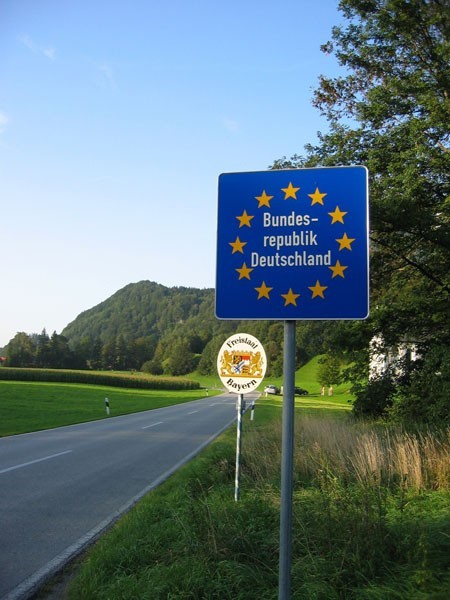
The European Union (EU) is an economic and political union of 27 member states. The EU has developed a single market through new laws that apply to all member states. Passport controls have been abolished in what is known as the Schengen Area, which includes most—but not all—of the EU member states. The EU's aims include ensuring the free movement of people, goods and services. There are common policies on trade, agriculture and fisheries. A monetary union, known as the Eurozone, in which the euro is the currency used in all countries that are members (20 out of 27), was established in 1999.
Updated 9th May 2025
Origins of the EU
The EU’s origins were in the European Coal and Steel Community (ECSC). After World War II ended, France and Germany came up with a plan to ensure they would never again go to war with one other. So they, plus four other nations—Italy, Belgium, Netherlands and Luxemburg—agreed to pool their coal and steel resources. Then, following the signing of the Treaty of Rome in 1957, the same six countries formed the European Economic Community (EEC) or Common Market, which came into being in 1958. Since then, a number of other European states joined, including Britain. The Maastricht Treaty established the European Union under its current name in 1993. Today the EU has 27 member states with a total population of around 450 million.
EU members
The EU has grown steadily from its six founding members. Britain, Ireland and Denmark joined in the first wave of expansion in 1973, followed by Greece in 1981 and Portugal and Spain five years later. Eastern Germany joined after unification and Austria, Finland and Sweden became part of the EU in 1995. The biggest enlargement came in 2004 when 10 new member countries joined. Romania and Bulgaria joined in 2007 and Croatia signed up in 2013. Britain left in 2020.
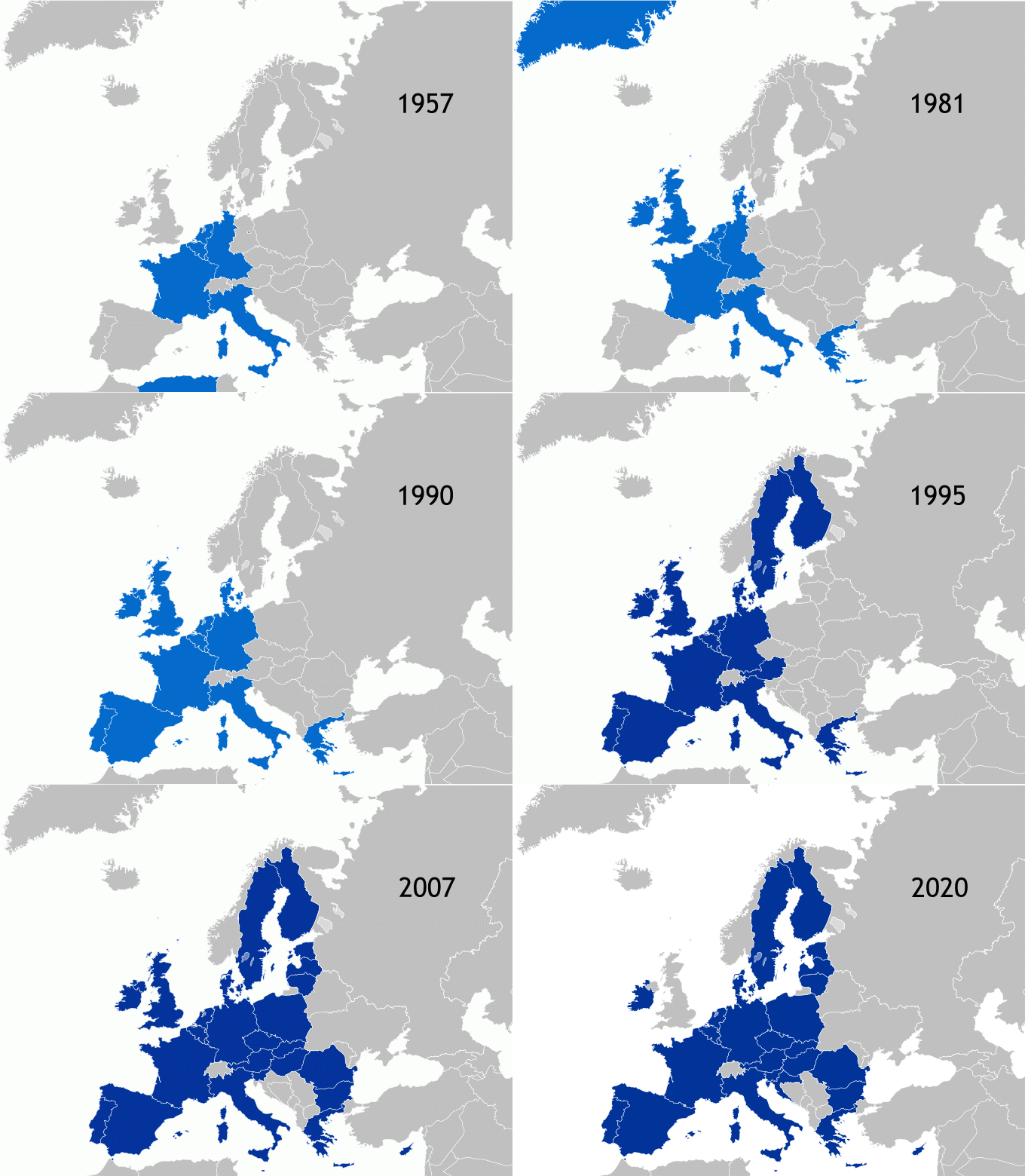
The 27 members are currently: Austria, Belgium, Bulgaria, Croatia, Cyprus, Czech Republic, Denmark, Estonia, Finland, France, Germany, Greece, Hungary, Ireland, Italy, Latvia, Lithuania, Luxembourg, Malta, Netherlands, Poland, Portugal, Romania, Slovakia, Slovenia, Spain and Sweden.
EU institutions
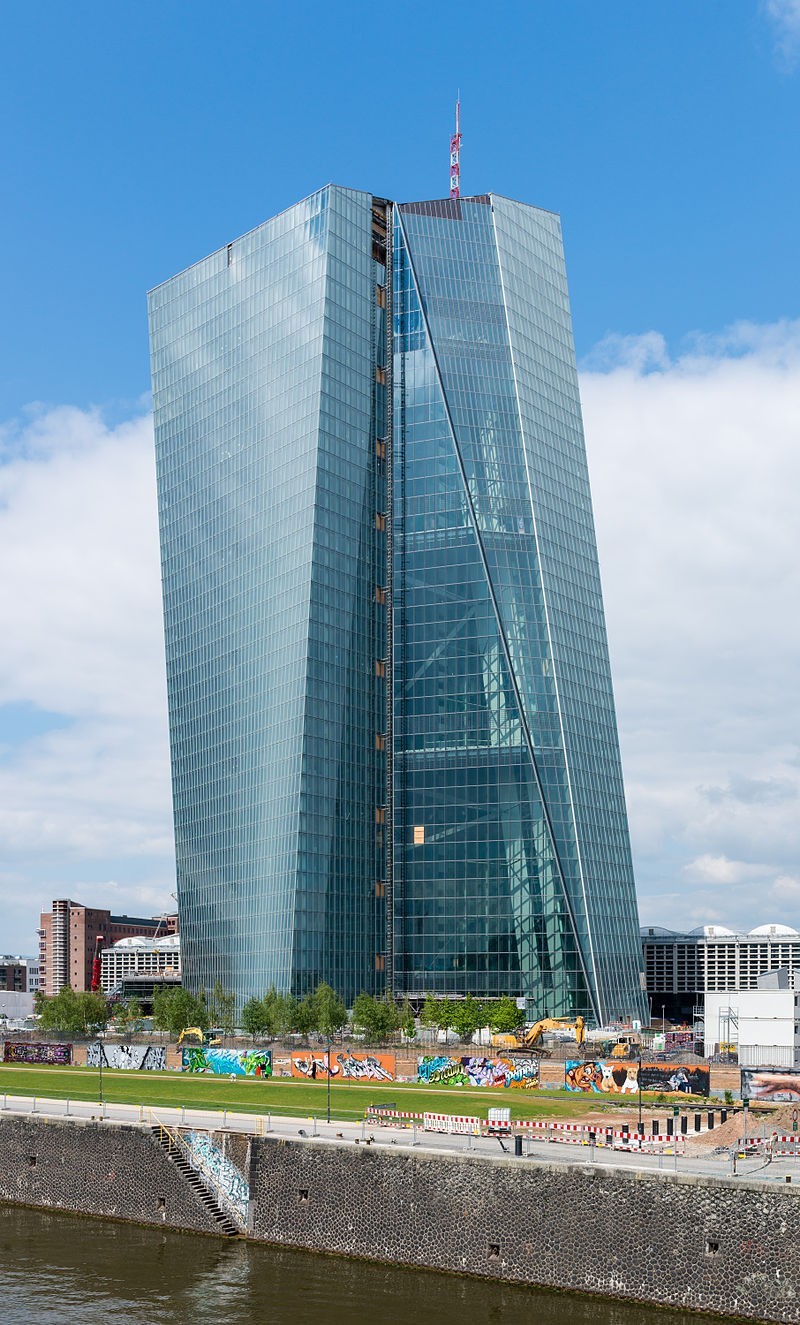
Five major institutions run the EU: the European Commission, the European Council, the Council of the European Union (or Council of Ministers), the European Parliament and the Court of Justice of the European Union.
The European Commission is based in Brussels. It is the EU’s executive body, and is made up of the President (currently Ursula von der Leyen of Germany) and 26 commissioners—one from each of the other EU member states. The commission proposes new laws and policies.
The European Council is made up of the heads of government of each of the member states, along with President of the European Council (currently António Costa of Portugal) and the President of the European Commission. Also based in Brussels, the European Council does not make laws, but decides on general policy matters.
(The European Council should not to be confused with the Council of the European Union, see below, or the Council of Europe—Europe’s leading human rights organization, a 46-member grouping that includes many other non-EU countries and which is not related to the EU at all.)
The Council of the European Union, also known as the Council of Ministers or, simply, the Council, consists of government ministers from all 27 nations. Together with the European Parliament, it forms the main decision-making body of the EU, approving European laws.
The Council meets in different forms for different purposes: foreign policy, for example, is discussed by the Foreign Affairs Council, while financial matters are discussed by the Economic and Financial Affairs Council. The ministers attending are those who have responsibility for the subject under discussion. The Council mainly meets in Brussels, but is based in Luxembourg for some months of the year. The Presidency of the Council of the European Union is held by a member state rather than an individual for a period of six months, before it passes to another member.
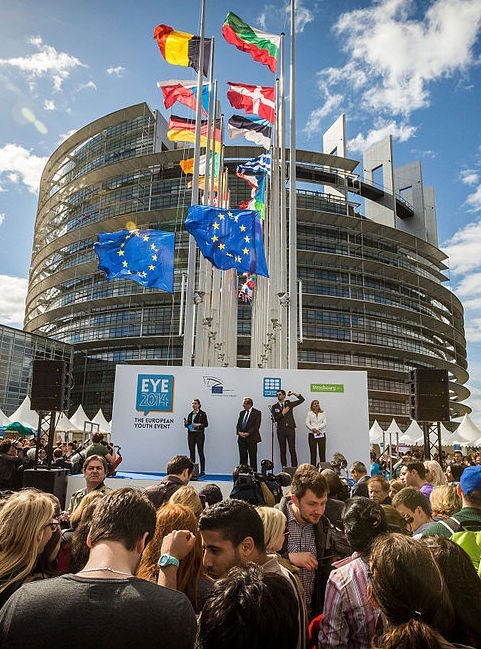
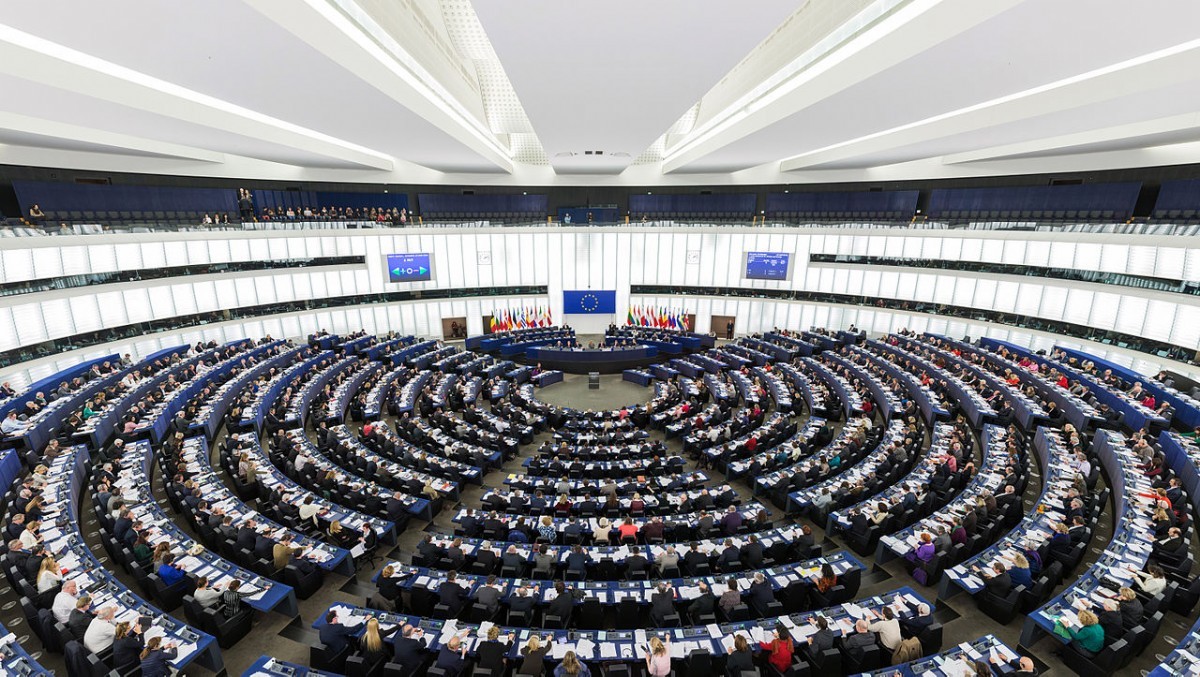
The European Parliament is the only EU institution that is directly elected by the EU member states’ citizens. It consists of 720 members (MEPs). Elections have been held every five years since 1979. Since that time, the European Parliament's powers have steadily increased as new EU treaties are agreed. The Parliament meets in three places: Brussels, Luxembourg and Strasbourg. The Parliament elects the President of the European Commission, and approves (or rejects) the appointment of the Commission as a whole. Acting alongside the Council of the European Union, it has control over the EU budget and approves all laws.
The Court of Justice of the European Union consists of judges appointed by each EU member state. The court ensures that laws passed at EU level are applied correctly.
EU budget contributions
The EU raises money—a total of €192.77 billion (€ is the symbol for euros)—from its member states roughly according to the size of their economies. Each country receives money back from the EU to support various projects in their countries. Once these adjustments are taken into account, Germany’s net contribution is the largest at €19.8 billion (2024 figures), followed by France at €9.3 billion. Countries with much smaller economies, such as Romania, contribute far less. Romania is a net recipient of €41 billion.
How does the EU
spend its money?
The EU started out as a trading group (as the EEC), with free movement of goods and services within all member nations. Its focus has since widened. Now its aims include reducing regional inequalities, preserving the environment, promoting human rights and investing in education and research.
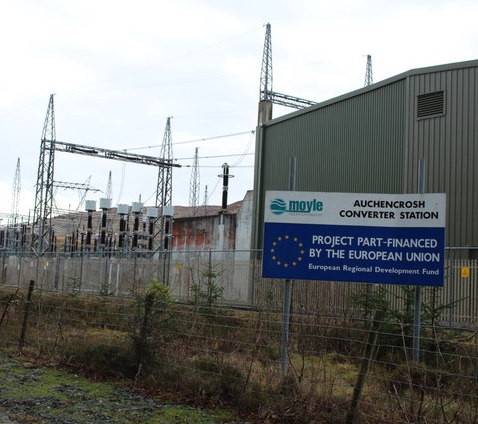
Over the six years between 2014 and 2020, the EU spent €1082.5 billion to achieve its goals. The largest share, €422 billion, was for agricultural funds for farms; €368 billion was allocated to supporting the poorer regions of the EU. Significant sums were spent on rural development and fisheries, research and training to boost industrial growth and development aid outside the EU. Around 6% of the EU budget goes for the administration of all the European Institutions and the running of the European School system for the provision of education for the children of EU staff.
Consultant: Nicholas Harris
pics
Without in any way limiting Q-files Ltd’s exclusive rights under copyright, any use of this publication to “train” generative artificial intelligence (AI) technologies to generate text is expressly prohibited. Q-files Ltd reserves all rights to license use of this work for generative AI training and development of machine learning language models.