
Asia

CITE
We have made every effort to follow citation style rules, but there may be some minor differences. If in doubt, please refer to the appropriate citation style manual.
Myanmar (Burma). (2026). In Q-files Encyclopedia, Geography, Asia. Retrieved from
https://www.q-files.com/geography/asia/myanmar-burma
"Myanmar (Burma)." Geography, Asia, Q-files Encyclopedia, 31 Mar. 2026.
https://www.q-files.com/geography/asia/myanmar-burma.
Accessed 6 Aug. 2026.
Myanmar (Burma) 2026. Geography, Asia. Retrieved 6 August 2026, from
https://www.q-files.com/geography/asia/myanmar-burma
Geography, Asia, s.v. "Myanmar (Burma)," accessed August 6, 2026.
https://www.q-files.com/geography/asia/myanmar-burma


Myanmar (Burma)
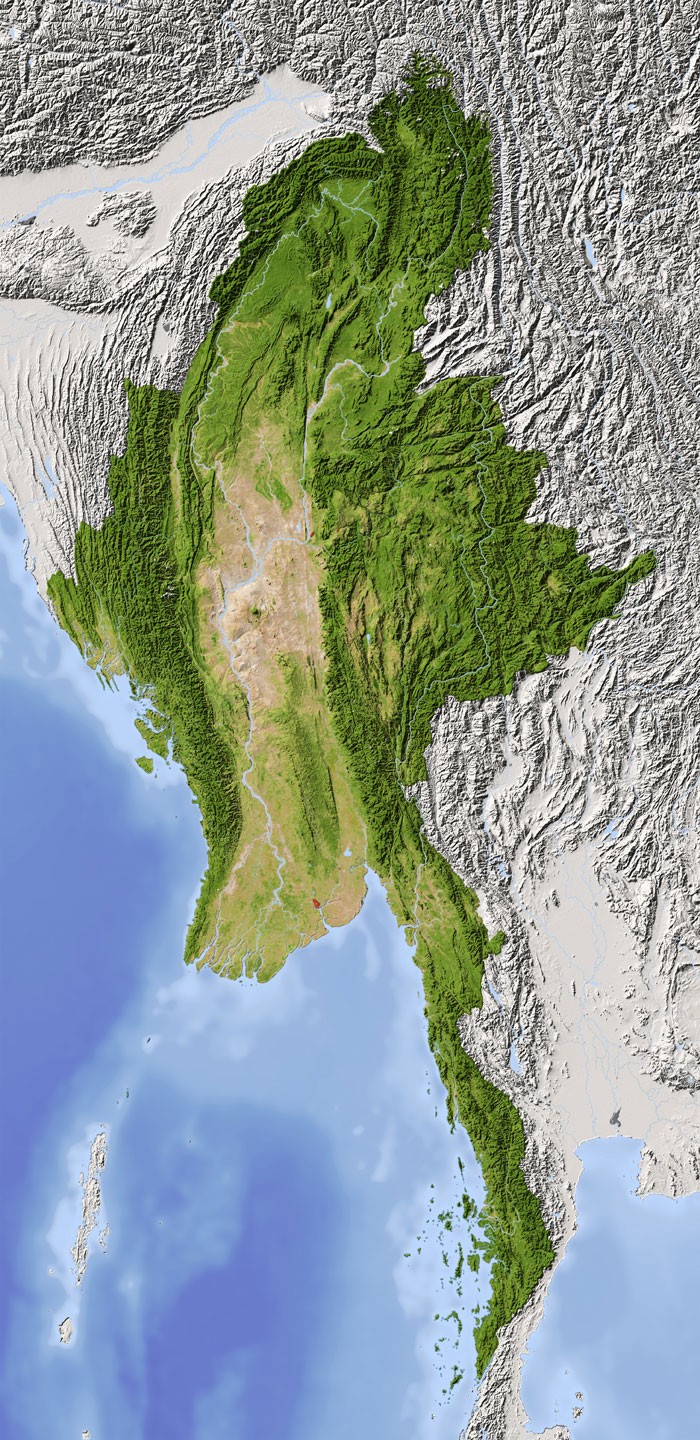
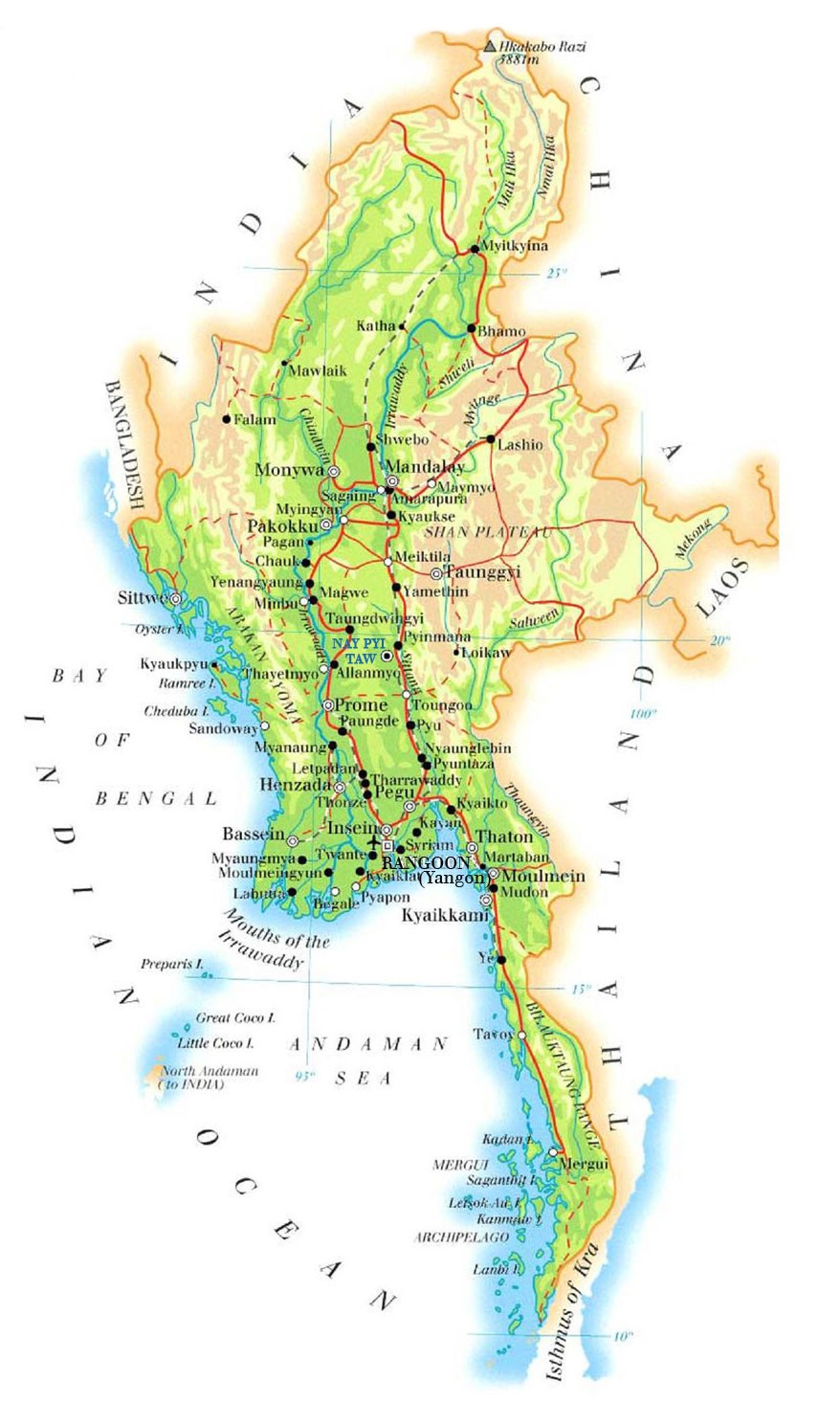
Myanmar is a land of mountains and river valleys. The River Irrawaddy (also known as the Ayeyarwady) runs north to south through the country, forming a wide valley, where most people live, and a swampy delta at the coast. Thickly forested uplands rise on both sides of the Irrawaddy valley, extending to the borders with India in the west and China to the north and east. The eastern part of Myanmar is made up of the high Shan Plateau, home to native hill tribes such as the Karen and Akha peoples. In the south, a long, narrow finger of land stretches southwards along the Andaman Sea coast, fringed by hundreds of tiny islands. Most of Myanmar has a tropical climate, with hot, humid weather all year round. The monsoon season takes place between May and October. Previously known as Burma, in 1989 the country was renamed Myanmar by its military dictatorship, though many people still call the country Burma. One of the best known leaders of the opposition to Myanmar's military government, Aung San Suu Kyi (born 1945), came to power herself after her political party, the National League for Democracy, won the 2015 General Election. She has since been arrrested and imprisoned following a military takeover in 2021.

People
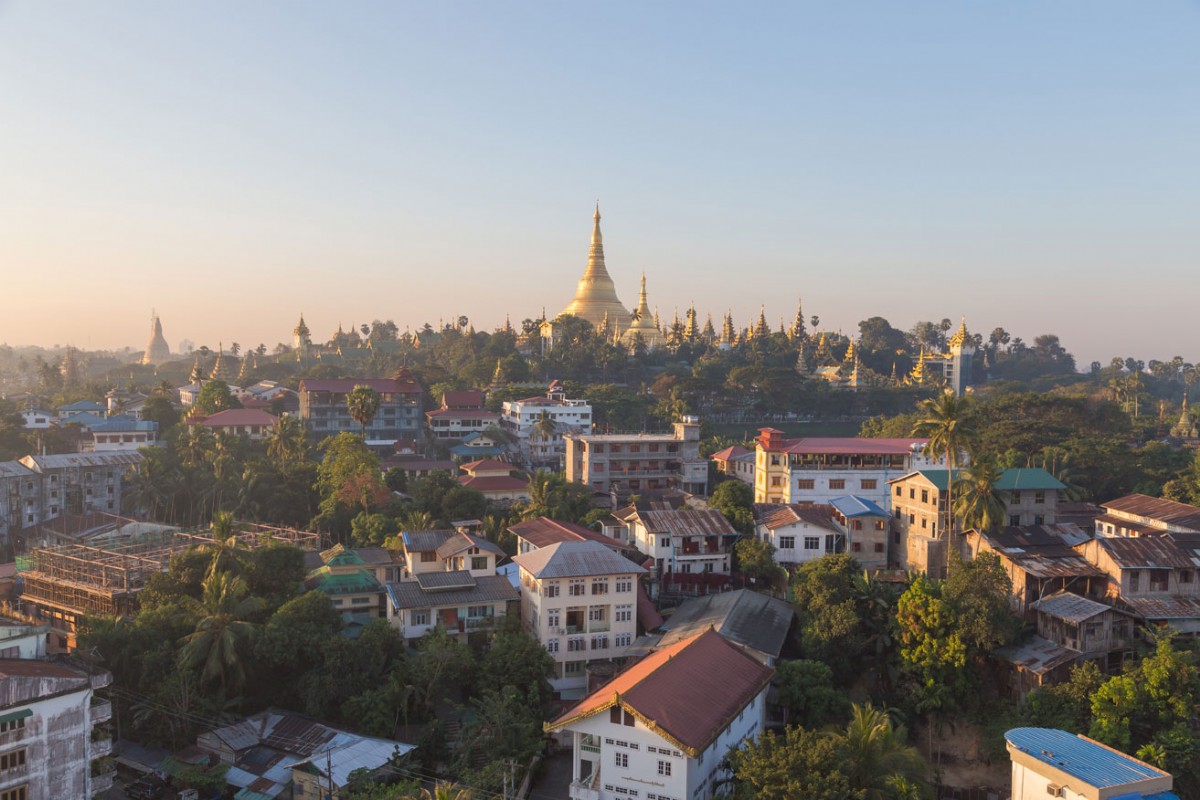
Myanmar is home to over 130 ethnic groups. The largest, the Burmans, live in the valleys and plains surrounding the Irrawaddy River. Their language, Burmese, is similar to languages spoken in Tibet and China. Most people in Myanmar are Buddhist, and the Buddhist monastery is an important centre of daily life. Many children go to school at monasteries, where they learn about Buddhism as well as how to read and write.
Hill tribes
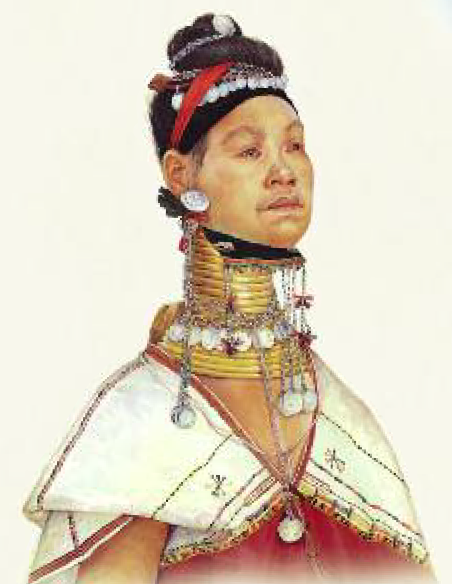
Hill tribes, such as the Karen and Akha peoples, make up around a quarter of Myanmar’s population. They live in villages high up in the eastern hills near the border with Thailand. Most work as subsistence farmers, growing rice and other crops for their families, and many follow traditional religions. Since Myanmar gained independence from the United Kingdom in 1948, there has been almost continual conflict between the Myanmar government and these hill peoples: around 200,000 have died fighting the government for independence.


Economy
In the 19th century, Myanmar was one of Asia’s richest countries, but long-term civil war and political unrest mean that today it is one of the poorest and least developed. Around two-thirds of people in Myanmar make a living from small-scale farming, using traditional methods to plant and harvest their crops. The main food crop, rice, is grown in the fertile delta region of the River Irrawaddy.

Myanmar is rich in natural resources. Its mountain forests hold over half the world’s supply of teak, a strong wood used to make high-quality furniture. It also has large reserves of gemstones, such as rubies and sapphires, and of natural gas, its largest export.
Rohingya crisis
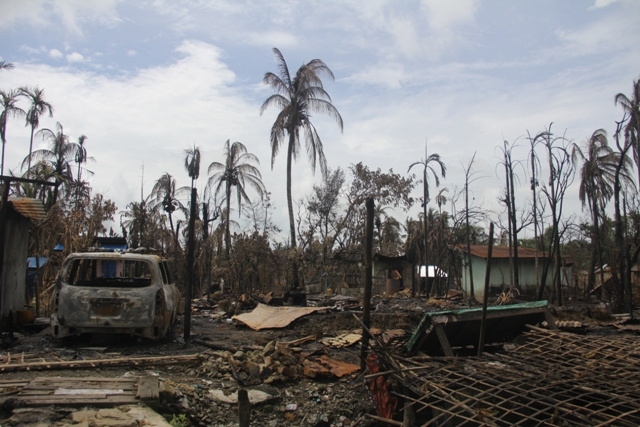
By June 2018, around 700,000 Rohingya people, Muslims from Rakhine state in western Myanmar, had fled to the Cox’s Bazar district in neighbouring Bangladesh. They were escaping persecution in Myanmar, where they have long been denied citizenship and faced restrictions on their movements. The Rohingya, who numbered around one million in Myanmar at the beginning of 2017, are one of the many ethnic minorities in Myanmar. The Myanmar army are reported to have carried out a brutal campaign of violent attacks, murder and destruction of Rohingya villages.
Consultant: Nicholas Harris
Facts about Myanmar
Population 54,133,798 (2023 estimate)
Area 676,578 sq km (261,227 sq miles)
Highest point Hkakabo Razi 5881 m (19,295 ft)
Capital Naypyidaw (Nay Pyi Taw) population 924,608
Other major cities Yangon (previously Rangoon, population 5.9 million), Mandalay (1.4 million)
Languages Burmese (official language), Shan, Karen and others
Religions Buddhist 89%, Christian 4%, Muslim 4%, others 3%
Ethnicity Burman 68%, Shan 9%, Karen 7%, Rakhine 4%, Rohingya 4%, Chinese 3%, Indian 2%, Mon 2%, others 1%
Currency Burmese kyat (MMK)
Chief exports Natural gas, timber, beans and pulses, rice, fish, textiles and clothing

History of Myanmar
AD 2nd century
The Tibeto-Burman-speaking Pyu people migrate southwards from present-day Yunnan and establish city-states in the Irrawaddy River valley. They form trade links with India.
c. 9th century
Burman people from the Kingdom of Nanzhao, in southern China, settle in the northern reaches of the Irrawaddy River valley.
1060s
King Anawrahta unites all settlements in the region by creating the Pagan Empire. Its official religion is Buddhism.
1287
Mongols, led by Kublai Khan, conquer the Pagan Empire and it splits into many states, at war with one another.
1437–1785
The Kingdom of Mrauk-U rules over what is now Rakhine State. At its peak in 1603, it extends across the Bay of Bengal coastline from the Sundarbans in Bangladesh to the Gulf of Martaban in southern Myanmar
1531–41
Toungoo–Hanthawaddy War: the Burmese speaking Taungoo Kingdom defeats the Mon-speaking Hanthawaddy kingdom and reunites Burma’s warring states.
1752–1885
Burma is ruled by the Konbaung Dynasty.
1824–86
After three wars between the British and Burmese, Burma becomes part of British India.
1937
The British separate Burma from British India and rule it as an individual colony.
1942–45
The Japanese occupy Burma, until they are removed by the British.
1947
Panglong Conference: Burmese leader Aung San negotiates an agreement with ethnic leaders to join the the Union of Burma and a united struggle for independence from Britain. Several of Burma's independence leaders along with Aung San are assassinated months afterwards.
1948
Burma becomes independent from Britain.
1962
A military takeover, led by Ne Win, bans all political parties other than his Burma Socialist Programme Party.
1987
Burma’s currency is devalued, plunging many people into poverty.
1988
8888 Uprising: a series of protests, peaking on 8th August 1988, during which Aung San Suu Kyi emerges as a national leader. The uprising ends on 18th September after a bloody military coup.
1989
Burma is re-named Myanmar
1989
Human rights activist Aung San Suu Kyi is put under house arrest by the military government.
1990
Government holds free elections for the first time in almost 30 years; the National League for Democracy (NLD), the party of Aung San Suu Kyi, wins 80% of the seats, but the military refuses to give up power
1991
Aung San Suu Kyi is awarded the Nobel Peace Prize.
2005
Military government moves the national capital from Yangon to a site near Pyinmana, and officially names it as Naypyidaw, meaning "city of the kings"
2007
Saffron Revolution led by Buddhist monks, a protest against the rising price of fuel, is dealt with harshly by the government
2008
Cyclone Nargis causes extensive damage in the densely populated, rice-farming Irrawaddy Delta; it is the worst natural disaster in Burmese history with an estimated 200,000 people dead or missing and as many as 1 million left homeless
2009
Kokang incident in northern Myanmar; government troops fight against ethnic minorities including the Han Chinese, Wa and Kachin
2010
Aung San Suu Kyi and other political prisoners are released from house arrest.
2011
Beginning of Kachin conflict: fighting between Kachin Independence Army and Myanmar Army troops
2012
Clashes between Rakhine Buddhists and Rohingya Muslims
2015 (February)
Armed conflict between ethnic Chinese rebels and the Myanmar Army after Kokang offensive; 40,000 to 50,000 civilians flee their homes and seek refuge in China
2015 (November)
National League for Democracy, led by Aung San Suu Kyi, wins a sweeping victory at the General Election.
2016
Aung San Suu Kyi becomes State Counsellor (effectively Prime Minister)
2017
The UN human rights council investigates into alleged human rights abuses, violent attacks and murder by the Myanmar Army against the Rohingya Muslim minority in Rakhine state; by October, around 536,000 Rohingya refugees have fled to the Cox’s Bazar district in neighbouring Bangladesh
2018
Number of Rohingya refugees who have fled Myanmar for Bangladesh reaches around the 700,000 mark. A UN report says it has found evidence of mass extermination and expulsion of the Rohingya Muslims
2020
(November) In the General Election, the National League for Democracy (NLD) wins a landslide victory. The Tatmadaw, Myanmar's military, disputes the results, claiming that the vote is fraudulent.
2021
(February) Democratically elected members of the National League for Democracy are deposed (removed from government) by the Tatmadaw, Myanmar's military, which declares the results of the November 2020 general election invalid. Aung San Suu Kyi is arrested, along with the President, ministers and members of Parliament. The coup receives international condemnation and triggers protests across the country, including Yangon, Mandalay and the national capital, Naypyidaw.
2021–present
Myanmar civil war: rebellions by the People's Defence Force of the National Unity Government erupt throughout Myanmar in response to the military government's crackdown on anti-coup protests. By January 2024, rebels gain swathes of territory along the border with China, as well in Chin and Rakhine states. Thousands of government soldiers, including some generals, surrender. The Tatmadaw still controls under 40% of the country. More than 2.6 million people are internally displaced (forced to leave their homes) because of the fighting.
2025
(March) A 7.7-magnitude earthquake strikes the Sagaing Region, with an epicentre close to Mandalay, causing extensive damage to buildings, with up to 5352 people losing their lives. Myanmar's military initially responds by intensifying air strikes and blocking aid to affected areas, before declaring a temporary ceasefire.
pics
Without in any way limiting Q-files Ltd’s exclusive rights under copyright, any use of this publication to “train” generative artificial intelligence (AI) technologies to generate text is expressly prohibited. Q-files Ltd reserves all rights to license use of this work for generative AI training and development of machine learning language models.