
Asia

CITE
We have made every effort to follow citation style rules, but there may be some minor differences. If in doubt, please refer to the appropriate citation style manual.
Tajikistan. (2026). In Q-files Encyclopedia, Geography, Asia. Retrieved from
https://www.q-files.com/geography/asia/tajikistan
"Tajikistan." Geography, Asia, Q-files Encyclopedia, 31 Mar. 2026.
https://www.q-files.com/geography/asia/tajikistan.
Accessed 6 Aug. 2026.
Tajikistan 2026. Geography, Asia. Retrieved 6 August 2026, from
https://www.q-files.com/geography/asia/tajikistan
Geography, Asia, s.v. "Tajikistan," accessed August 6, 2026.
https://www.q-files.com/geography/asia/tajikistan


Tajikistan
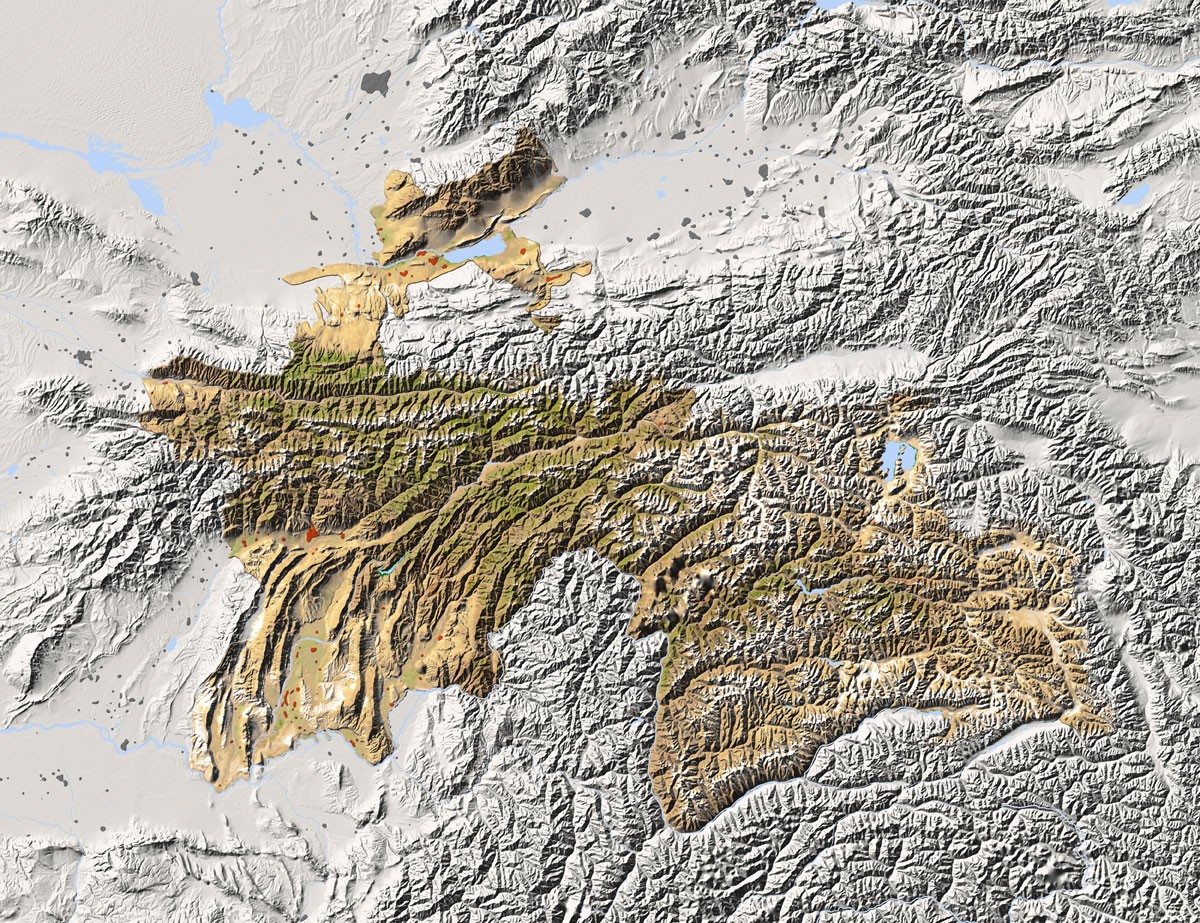
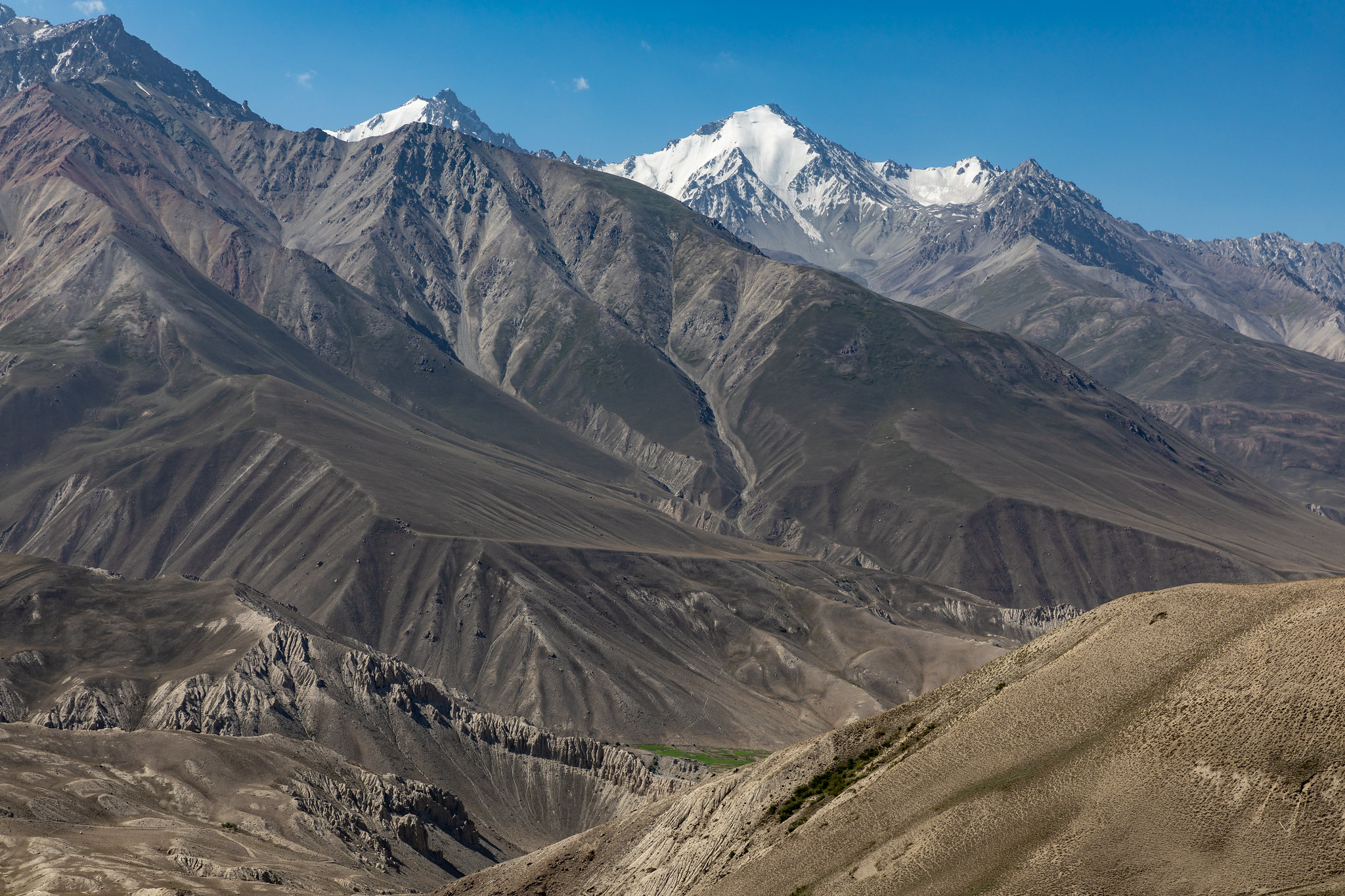
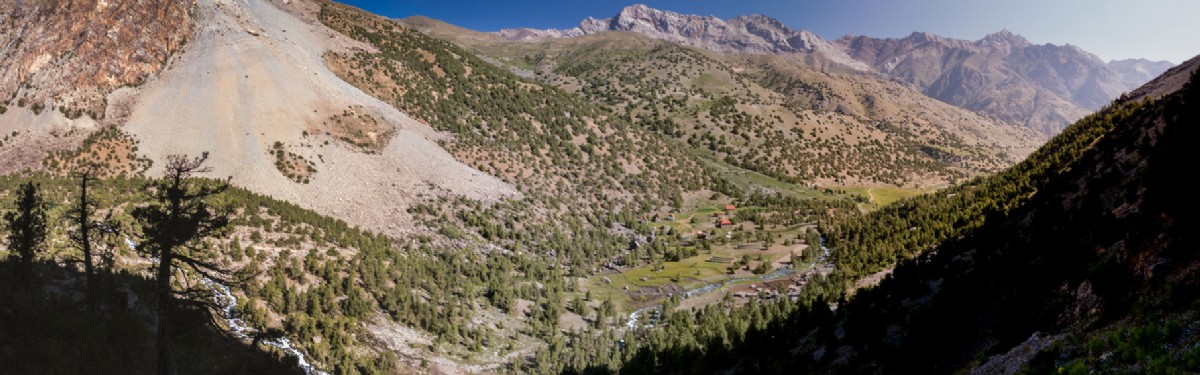
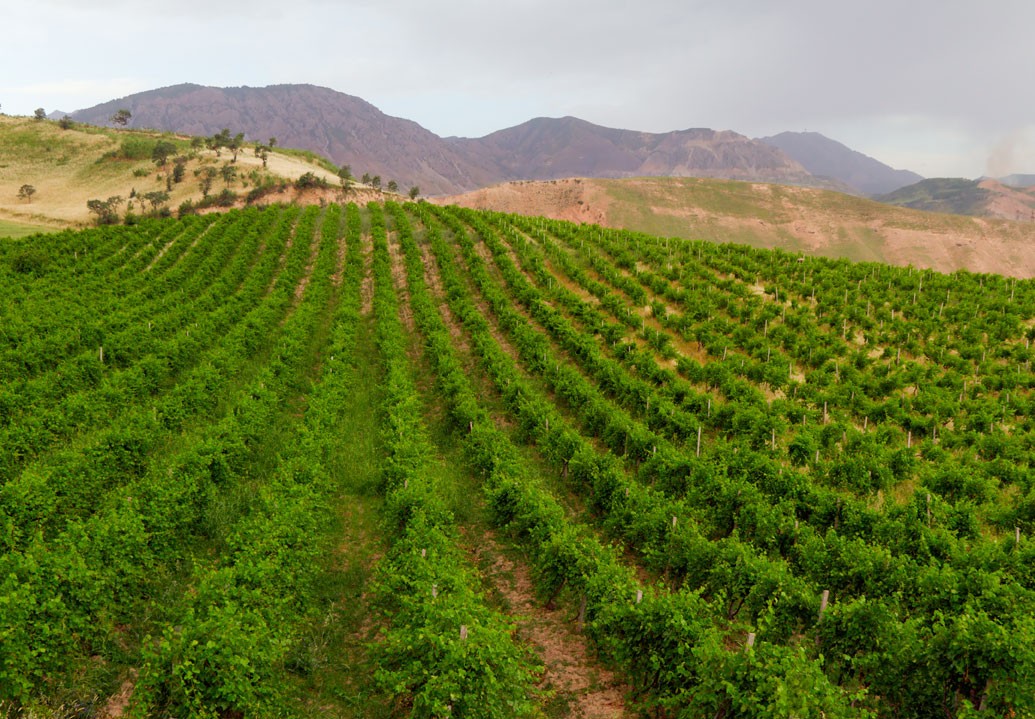
Nearly all of Tajikistan is mountainous. The highest mountains are the snow-capped peaks of the Pamirs, which rise in the east near the borders with Kyrgyzstan and China. This towering range is sometimes known as the “Roof of the World”. Other chains, including the Gissar Range, cut across the west of the country. Here, rivers such as the Syr Darya and Vakhsh carve steep valleys through the mountains. In the southwest, these valleys open out into the only lowland areas in Tajikistan. Here there is a a dry, continental climate. Summers are very hot, while winters are extremely cold. High in the mountains, it is cooler all year round.

People and farming
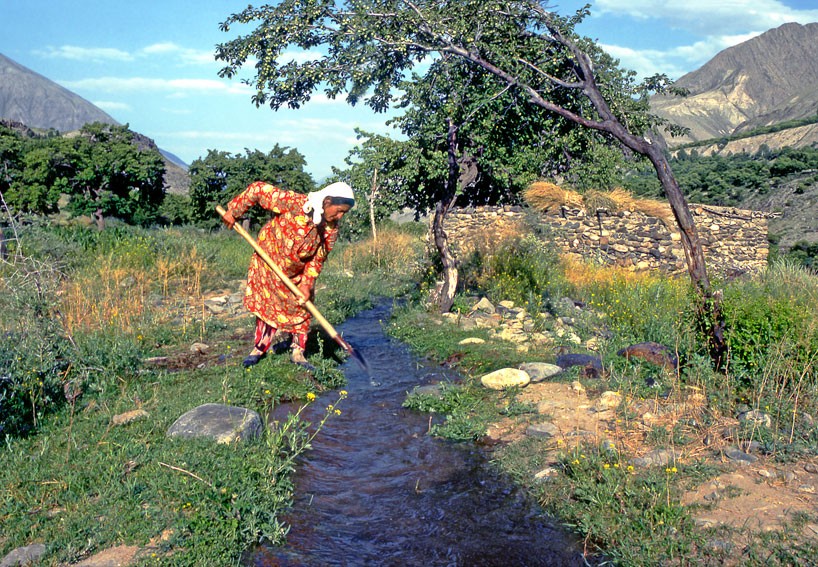
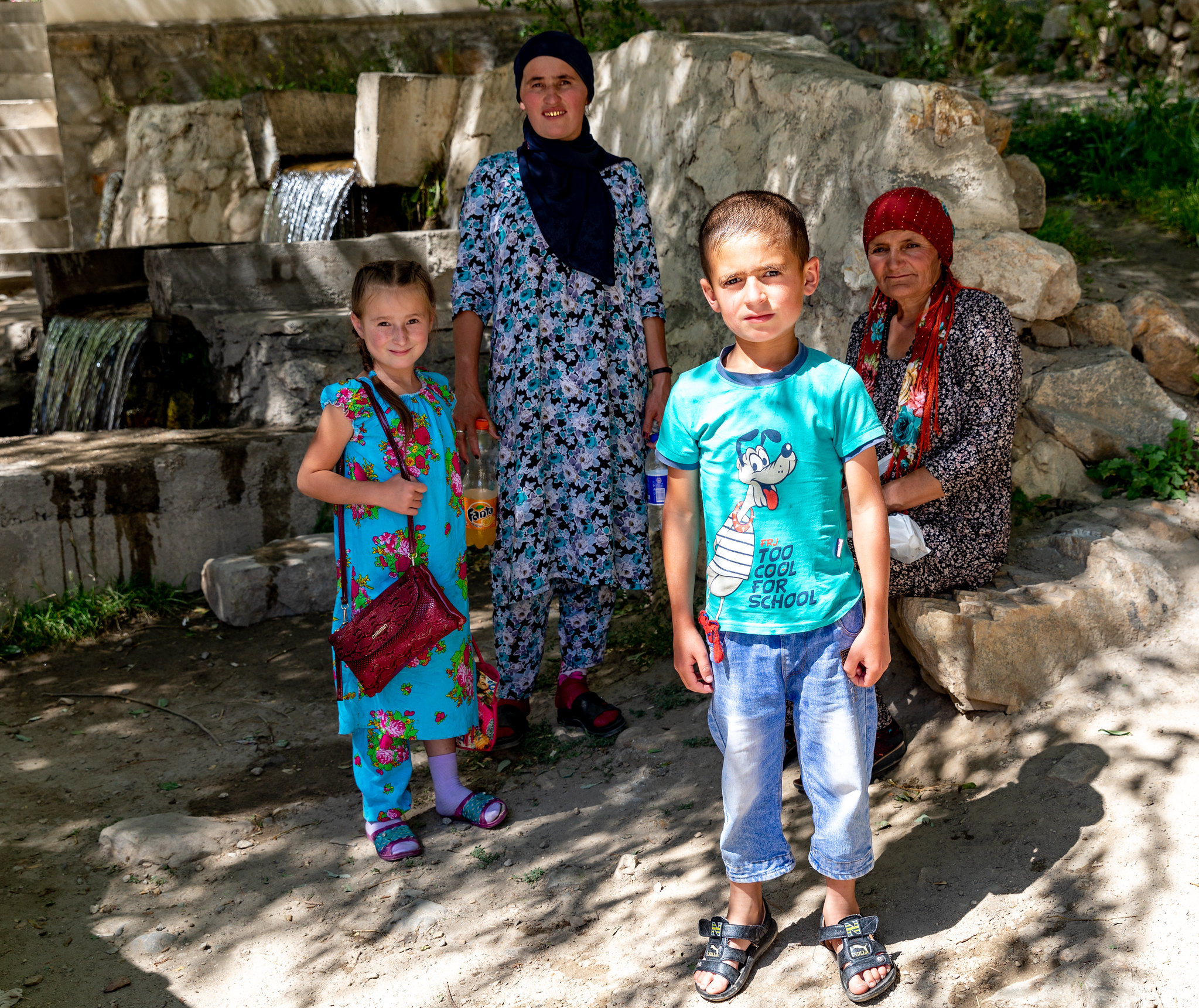
About two-thirds of the country’s people are ethnic Tajiks. Their language, Tajik, is a modern form of the ancient Persian language, related to Iranian. A large number of people also speak Russian, especially in the cities. Most people live in the western valleys. Here, the land is flat, but there is little rainfall. The crops have to be watered using systems of irrigation, or by diverting glacial streams into the fields.
Economy
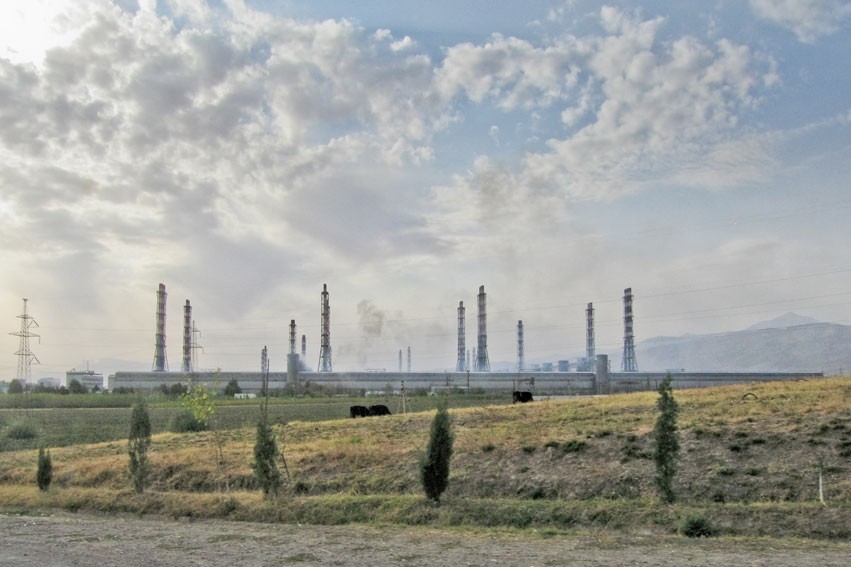
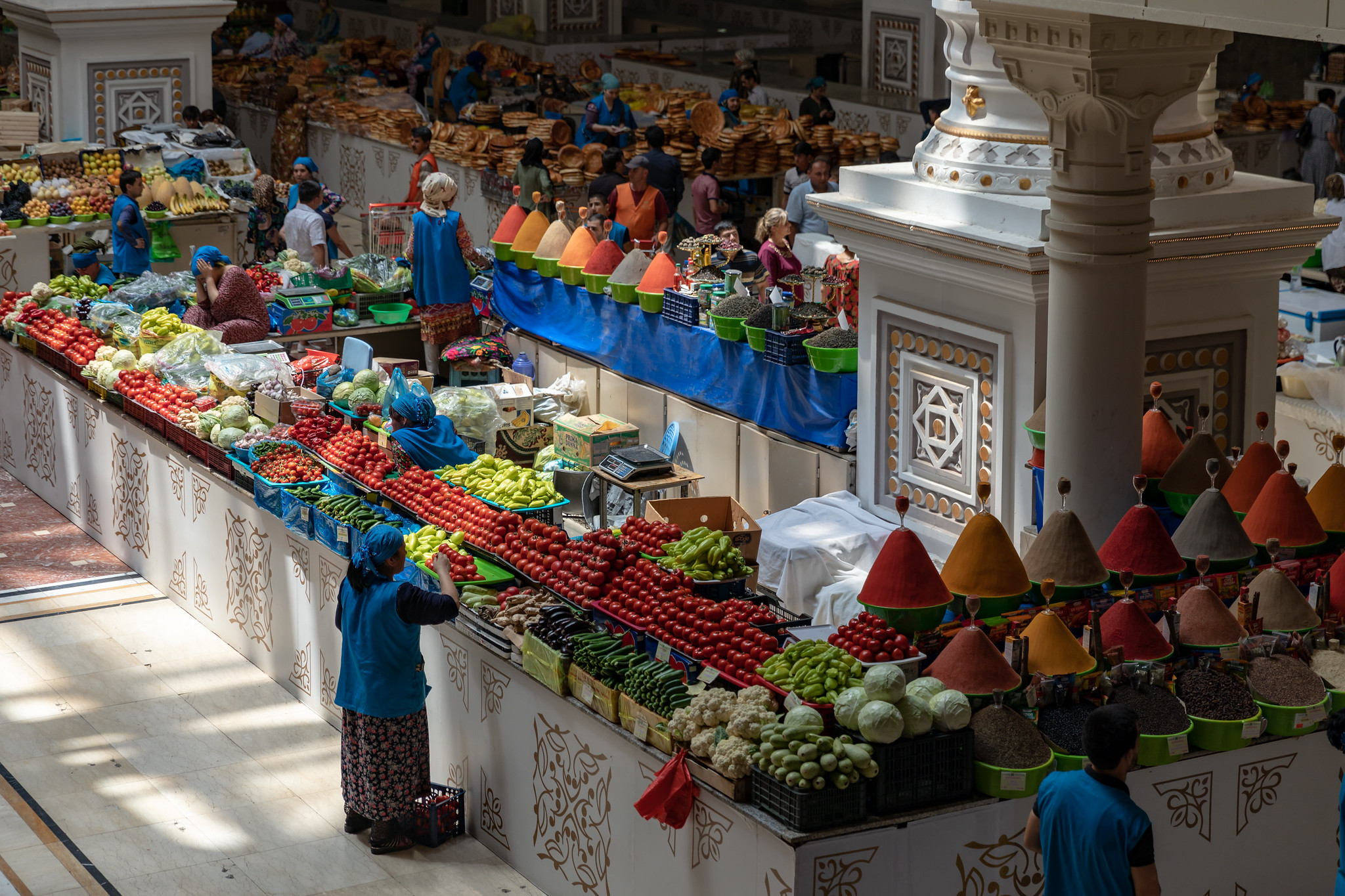
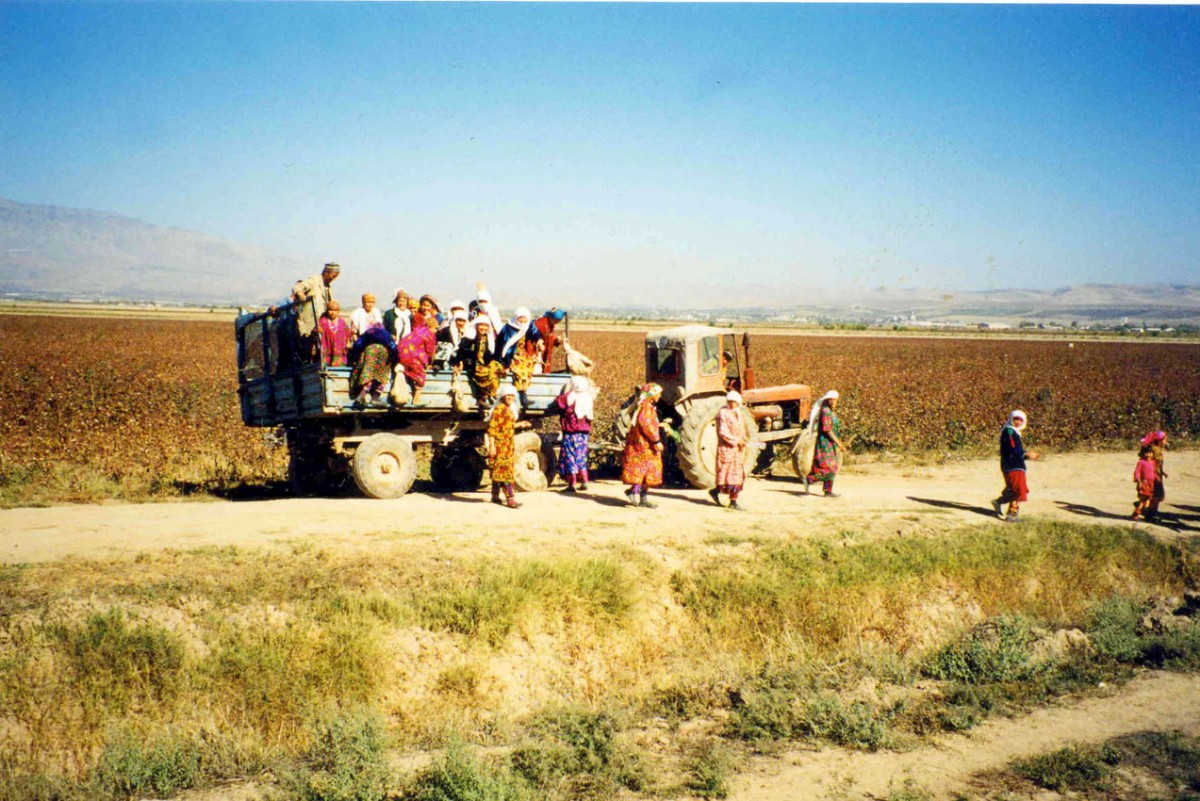
The civil war that broke out after independence (1992–97) devastated Tajikistan’s economy. Today, the country is the poorest in Central Asia. One of Tajikistan’s biggest exports is cotton, which has been grown in the region for over a century. Most people in the countryside make a living from the cotton industry, farming or food processing. Tajikistan also has a large aluminium industry: its main aluminium smelting plant, situated in Tursunzoda, is one of the largest in the world.
Consultant: Nicholas Harris
Facts about Tajikistan
Population 10,786,734 (2025 estimate)
Area 141,510 sq km
Highest point Qullai Ismoili Somoni 7495 m (24,590 ft)
Capital Dushanbe, population 679,400
Other major cities Khujand (pop. 144,865), Kulob (78,786)
Language Tajik
Religions Muslim 90%, others 10%
Ethnicity Tajik 84%, Uzbek 14%, others 2%
Currency Tajikistani somoni (TJS)
Chief exports aluminium, electricity, cotton, fruit and vegetables, textiles
History of Tajikistan
327 BC
Macedonian king Alexander the Great conquers the region. It becomes part of the Bactrian Kingdom in 256 BC, which dominates Central Asia until its fall in around 120 BC.
500 BC
The region of modern Tajikistan is part of the Persian Achaemenid Empire
30 BC–410 AD
Kushan Empire, a Buddhist power, rules the region
715 AD
Umayyad dynasty rulers conquer and annex what is today Tajiklistan to their Caliphate, the Islamic Empire. They are succeeded by the Abbasids in 750.
819–1005
Persian Samanid Empire rules Central Asia
13th century
Genghis Khan conquers the region and it becomes part of the Mongol Empire
1370
As Mongol Empire starts to weaken, Tamerlane, a Mongol-Turkic chieftain, conquers all of western Central Asia for his Timurid Empire. It lasts until 1506.
1506–1868
Region of present-day Tajikistan is controlled by Turkic, then Iranian and Bukharan rulers.
1868
Russian Empire defeats forces of Emirate of Bukhara, the ruling power in Tajikistan, and gradually takes control of the country, using its land to grow cotton.
1917–21
Central Asian countries fight against Russian Bolsheviks, calling for independence
1921
Tajikistan becomes part of the Soviet Union
1924
The Tajik Autonomous Soviet Socialist Republic is created as a part of Uzbekistan. The ancient Tajik cities of Bukhara and Samarkand are later (1928) placed outside the Tajikistan SSR. As citizens of the newly established Uzbek SSR, Tajiks come under pressure to take on Uzbek identity.
1960s
Tajikistan becomes an important supplier of cotton to the Soviet Union
1978
13,000 people join riots and protests at Russian rule in Tajikistan
1990
Huge protests break out in the capital, Dushanbe, calling for a democratic system of government
1991
Tajikistan declares independence from the Soviet Union. Rahmon Nabiyev, who served as a Communist leader during the 1980s, is elected president
1992–97
Civil war breaks out between Nabiyev’s supporters and anti-government protesters calling for democracy. More than 100,000 people are killed in the violence, with a further 1.2 million forced to flee their homes
1992
Violent demonstrations force Nabiyev to resign; Emomali Rakhmonov, a pro-Nabiyev communist, takes over as head of state
2003
New law is passed allowing Tajikistan’s President Rakhmonov to hold office for another 14 years
2006
Presidential election is boycotted by "mainline" opposition parties, accusing the president (now known as Rakhmon) of manipulating the results of the parliamentary elections in 2005
2012
Gorno-Badakhshan clashes: fighting between Tajik government forces and an armed group led by Tolib Ayombekov in Tajikistan's semi-autonomous Gorno-Badakhshan province in the east of the country; tensions flare up with Uzbekistan over gas and water supplies
2016
Work re-commences on the Rogun hydro-electric dam (first started in 1976) on the River Vakhsh amid strong opposition from downstream neighbour Uzbekistan, fearing the impact on its agriculture.
2022
(September) Clashes occur between Kyrgyz and Tajik troops along the Kyrgyzstan–Tajikistan border.
pics
Without in any way limiting Q-files Ltd’s exclusive rights under copyright, any use of this publication to “train” generative artificial intelligence (AI) technologies to generate text is expressly prohibited. Q-files Ltd reserves all rights to license use of this work for generative AI training and development of machine learning language models.