
Asia

CITE
We have made every effort to follow citation style rules, but there may be some minor differences. If in doubt, please refer to the appropriate citation style manual.
Mongolia. (2026). In Q-files Encyclopedia, Geography, Asia. Retrieved from
https://www.q-files.com/geography/asia/mongolia
"Mongolia." Geography, Asia, Q-files Encyclopedia, 31 Mar. 2026.
https://www.q-files.com/geography/asia/mongolia.
Accessed 29 Oct. 2026.
Mongolia 2026. Geography, Asia. Retrieved 29 October 2026, from
https://www.q-files.com/geography/asia/mongolia
Geography, Asia, s.v. "Mongolia," accessed October 29, 2026.
https://www.q-files.com/geography/asia/mongolia


Mongolia
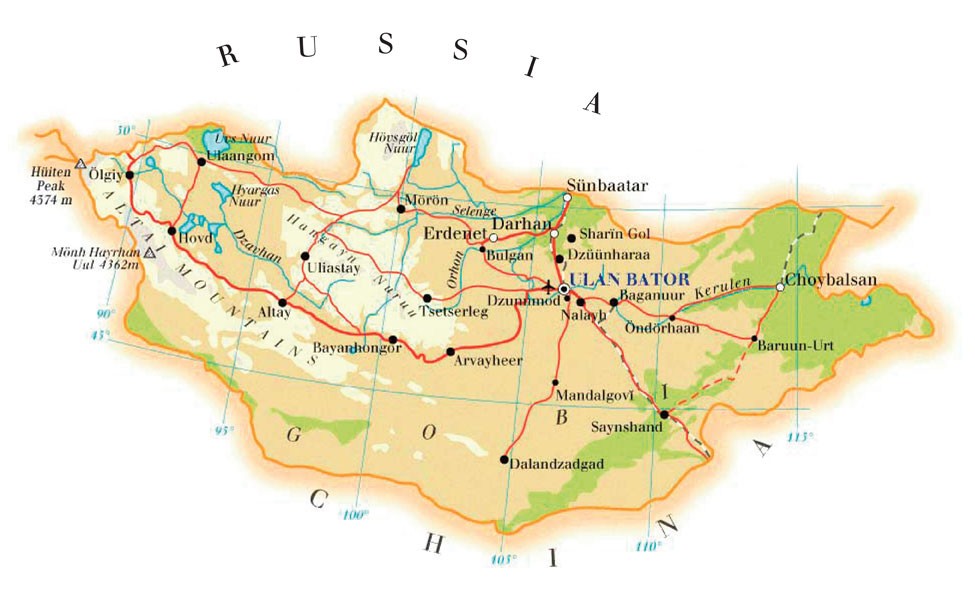
During the 13th and 14th centuries, Mongolia was the centre of one of the world’s greatest empires, the Mongol Empire. High, rugged mountains cover much of northern and western Mongolia. In the western Altai Mountains, some peaks reach over 4000 metres (14,000 feet). To the south, the land opens into the steppe grasslands of the Mongolian Plateau, and the rocky Gobi Desert. Mongolia’s seasons are extreme: in most of the country, winters are bitterly cold, while summers, though short, are hot.

People
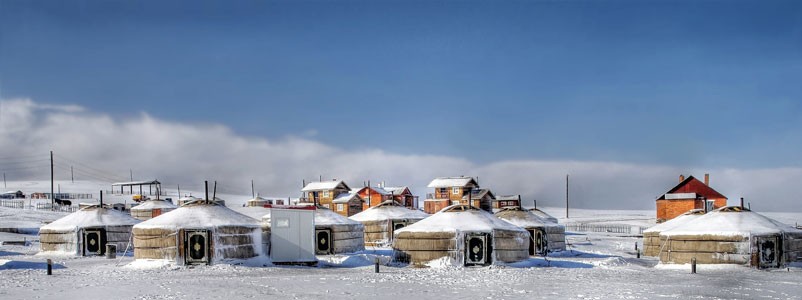
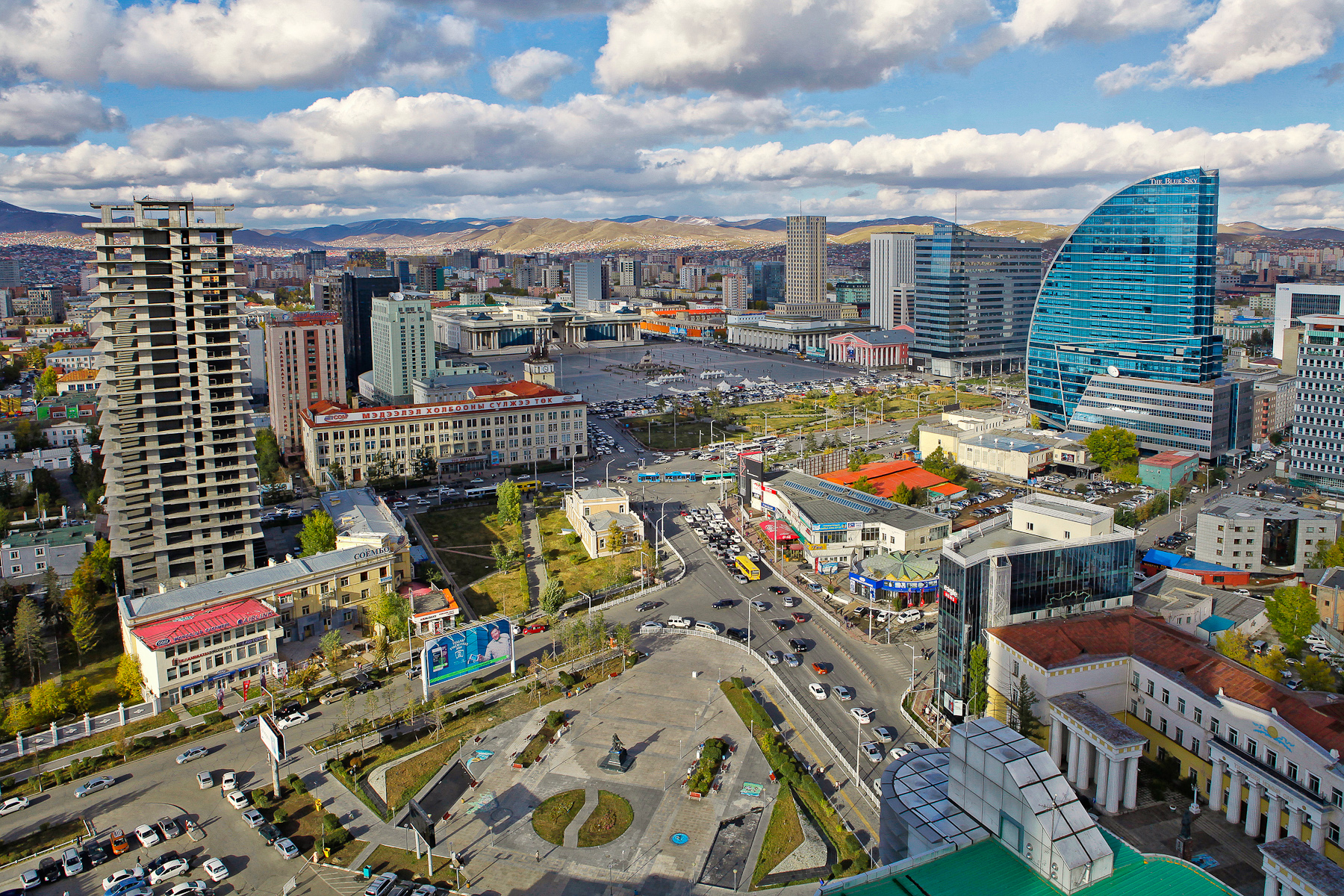
Around a third of Mongolians live a traditional nomadic or semi-nomadic lifestyle, moving from one grazing pasture to the next with their animals. Semi-nomadic families live in one town or village for part of the year, and graze their herds on the plains for the other part. Nomadic families live in round tents called yurts (gers). The walls are padded with layers of felted wool to keep out the cold. The one large city, Ulan Bator, draws many people away from this traditional way of life. Just under half of Mongolia’s population lives in the city; many live in modern houses alongside yurts.
Economy
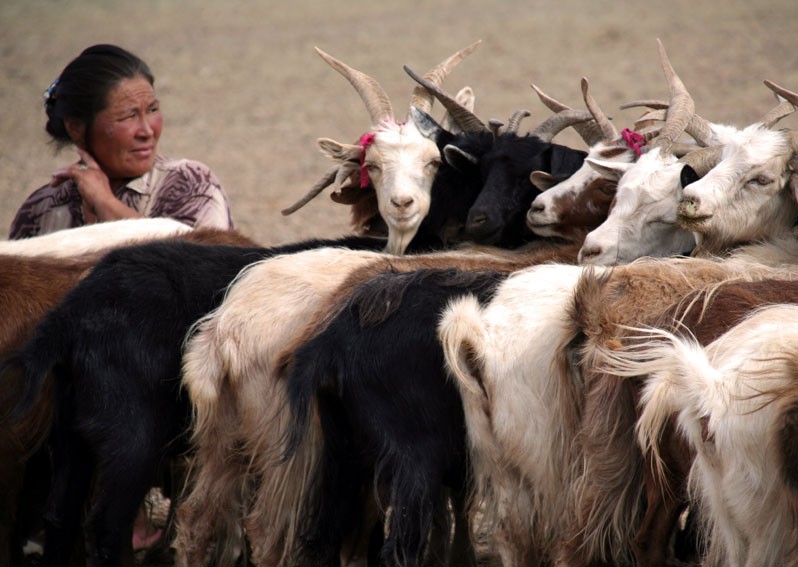
Traditionally, Mongolia’s economy was based entirely on the raising of livestock such as sheep, cattle, goats and camels. Today, around a third of people work in livestock farming. Mongolia’s harsh climate—as well as its large areas of mountains and desert—make it unsuitable for growing crops. Only about 3% of the population is employed full time in arable farming. Crops include potatoes, corn, wheat and barley.

Gobi Desert

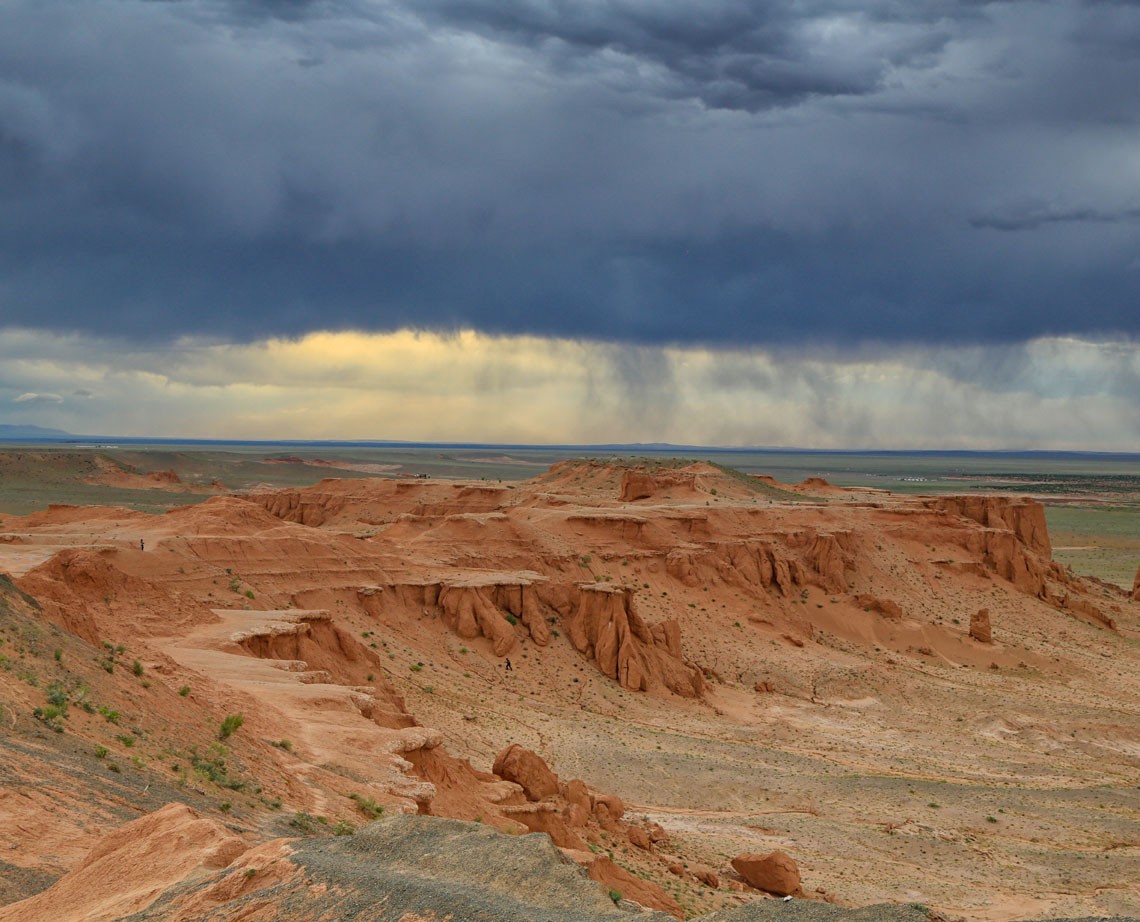
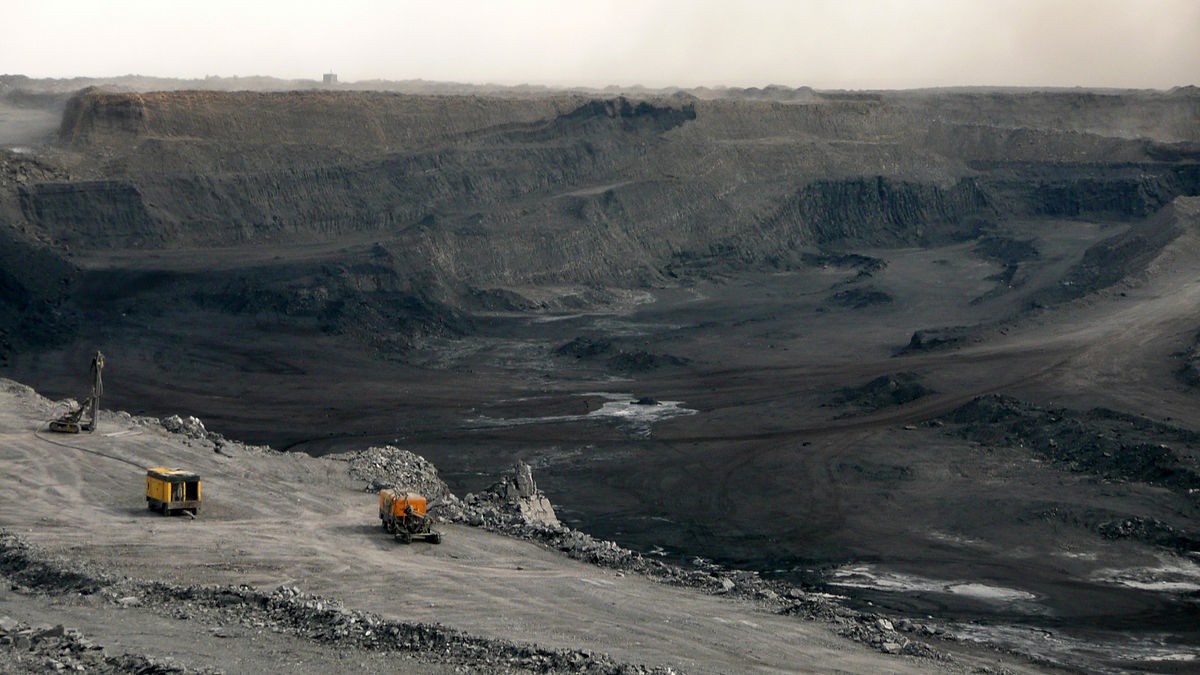
Southern Mongolia’s Gobi Desert lies in the rain shadow of the Himalayas. These mountains block nearly all rain-carrying clouds from the Indian Ocean reaching the desert. Much of the desert is bare rock, as strong winds blowing across the plateau have scoured the land of sand. In summer, temperatures can reach as high as 50°C (122°F). In winter, freezing winds from Siberia plunge the desert to a chilly -40°C (-40°F).
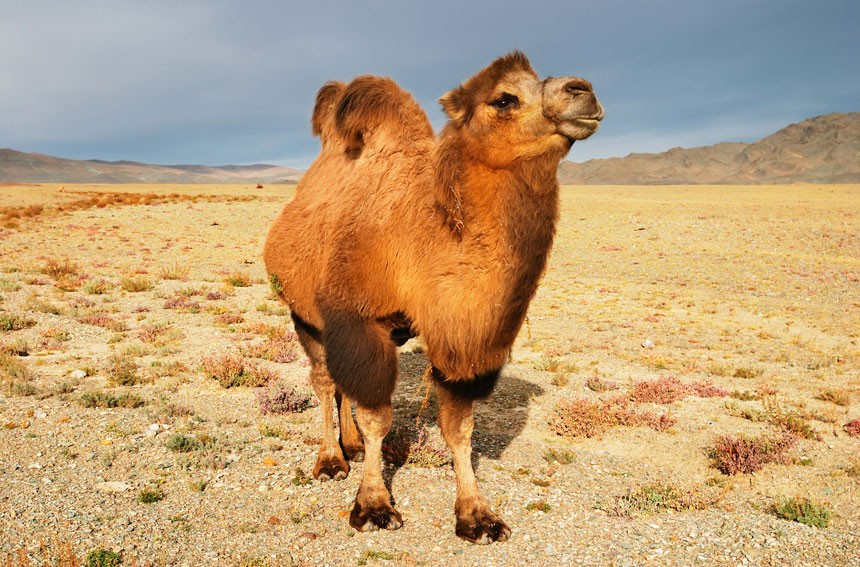
Despite the extreme conditions, many animals, such as Bactrian camels and wild horses, live in the desert. But in some areas it is too dry, or there is too much salt in the soil for anything to live. The Gobi Desert is getting bigger: Every year, it swallows up around 3600 square kilometres (1400 square miles) of grassland in China to the south.
Consultant: Nicholas Harris
Facts about Mongolia
Area 1,565,000 sq km (604,250 sq miles)
Population 3,504,741 (2023 estimate)
Highest point Hüiten Peak 4374 m (14,350 ft)
Capital Ulan Bator (Ulaanbaatar) (population 1,672,627)
Other major cities Erdenet (101,421), Darkhan (83,213)
Languages Khalkha Mongol (official language), Kazakh, Tuvan
Religions Buddhist 53%, officially atheist 39%, Muslim 3%, Shamanist 3%, Christian 2%
Ethnicity Mongol (including Khalkha, Dörvöd and others) 95%, Turkic peoples (including Kazakh and Tuvan) 4.5%, other 0.5%
Currency Mongolian tögrög (MNT)
Chief exports Copper, clothing, wool and textiles, livestock, animal products, coal, crude oil

History of Mongolia
209 BC–1206 AD
The region is ruled by a series of nomadic empires: the Xiongnu, Xianbei, Rouran, Göktürk, Uyghur, Liao and Khamag Mongol.
1206
Mongol leader Temüjin rises to power. He unites Mongolia’s tribes and becomes known as Genghis Khan (meaning “Ruler of All”). He begins to conquer surrounding territories, starting the Mongol Empire. At its largest, the empire stretches from Poland in the west to China in the east.
1368
Yuan dynasty is overthrown by the Ming dynasty, and the Yuan court flees north to the Mongol homeland, becoming the Northern Yuan dynasty.
1260–94
Great Khaanate is ruled by Kublai Khan, the grandson of Genghis Khan, as the Yuan dynasty, from the capital in present-day Beijing.
17th century
The city of Ulan Bator (Ulaanbaatar) grows up on the banks of the Tuul River.
1636–91
Southern, and then northern, Mongolia come under the rule of the Chinese Qing dynasty and become known as Inner and Outer Mongolia.
1911
At the fall of the Qing dynasty, Outer Mongolia declares independence, naming itself Ikh Mongol Uls (Great Mongol State). Its territory is roughly the same as the modern state of Mongolia. Inner Mongolia remains part of China.
1919
Chinese troops occupy the Great Mongol State.
1921
With help from Soviet Russia, Mongolia drives out Chinese forces and sets up a new government.
1924
Mongolia is named the Mongolian People’s Republic. The state is ruled by the Communist Mongolian People’s Revolutionary Party, but is heavily influenced and controlled by the Soviet Union.
1990
The Mongolian Revolution: through peaceful protest, Mongolians overthrow their government and demand democracy.
1992
A new democratic constitution is drawn up and the country is renamed Mongolia.
2009–10
A severe winter kills 22% of Mongolia’s livestock.
1227
Death of Genghis Khan. His empire is subdivided into four kingdoms, called khanates. One of them, the Great Khaanate, consists of the Mongol homeland and most of modern-day China.
pics
Without in any way limiting Q-files Ltd’s exclusive rights under copyright, any use of this publication to “train” generative artificial intelligence (AI) technologies to generate text is expressly prohibited. Q-files Ltd reserves all rights to license use of this work for generative AI training and development of machine learning language models.