
Asia

CITE
We have made every effort to follow citation style rules, but there may be some minor differences. If in doubt, please refer to the appropriate citation style manual.
Indonesia. (2026). In Q-files Encyclopedia, Geography, Asia. Retrieved from
https://www.q-files.com/geography/asia/indonesia
"Indonesia." Geography, Asia, Q-files Encyclopedia, 23 Jul. 2026.
https://www.q-files.com/geography/asia/indonesia.
Accessed 31 Oct. 2026.
Indonesia 2026. Geography, Asia. Retrieved 31 October 2026, from
https://www.q-files.com/geography/asia/indonesia
Geography, Asia, s.v. "Indonesia," accessed October 31, 2026.
https://www.q-files.com/geography/asia/indonesia


Indonesia
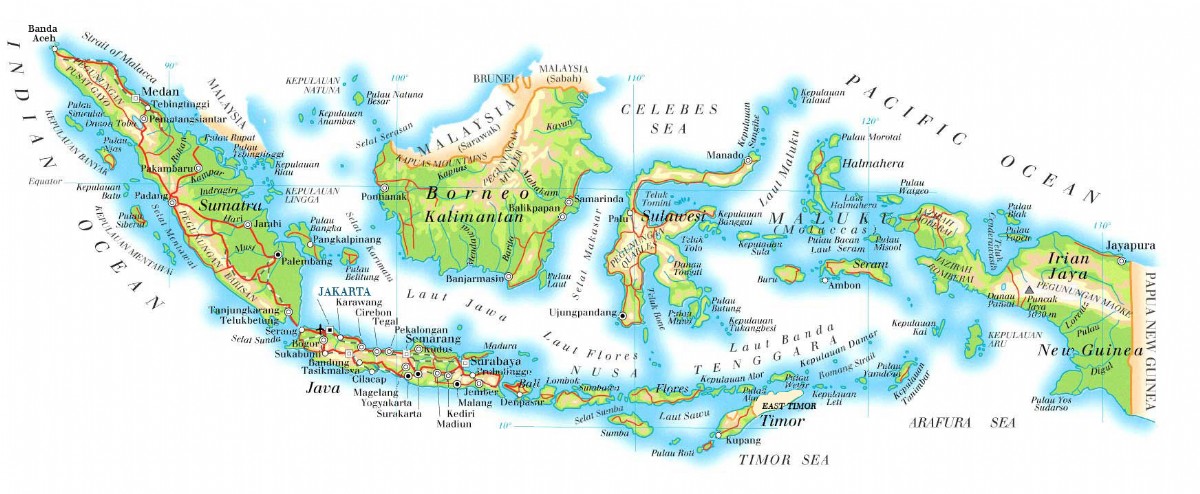
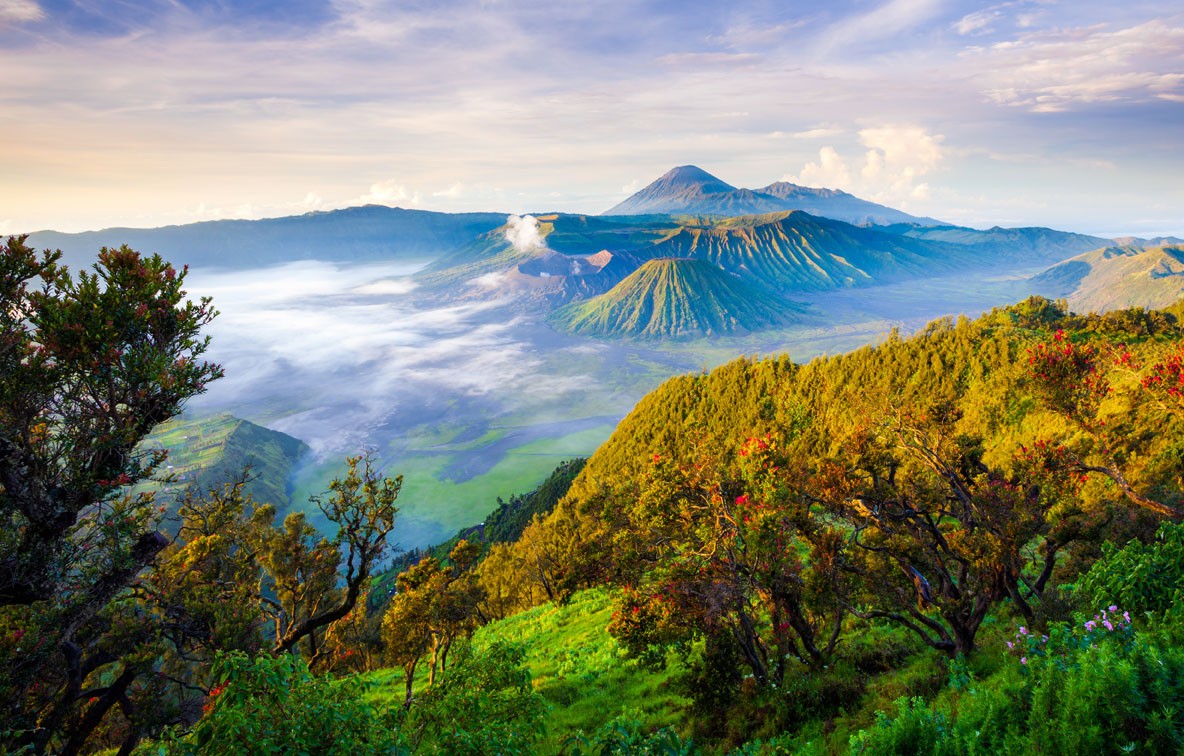
With more than 17,000 islands scattered along the equator, Indonesia is the largest group of islands—or archipelago—on Earth. It is home to 282 million people, making it the fourth most populated country in the world. Once prized in Europe as the “Spice Islands”, Indonesia has a history shaped by centuries of trade. Most of the country’s area is made up of the large, mountainous islands of Sumatra, Java and Sulawesi (Celebes), as well as large portions of the islands of Borneo and New Guinea. Among its many smaller islands are Bali, Lombok, Flores and Sumbawa. Lying on the Pacific Ring of Fire, Indonesia is home to nearly 150 volcanoes, and its islands are constantly at risk from volcanic eruptions and earthquakes. Much of Indonesia is covered by rainforest and has a tropical climate, with hot, humid weather all year round and a rainy season between November and March.


People
The island of Java, the world’s most populated island, is home to 55% of Indonesians. Indonesia is a multi-ethnic country, with around 360 different peoples and over 700 languages. Its two largest ethnic groups are the Javanese and Sundanese, both of whom are native to the island of Java.
Rural population
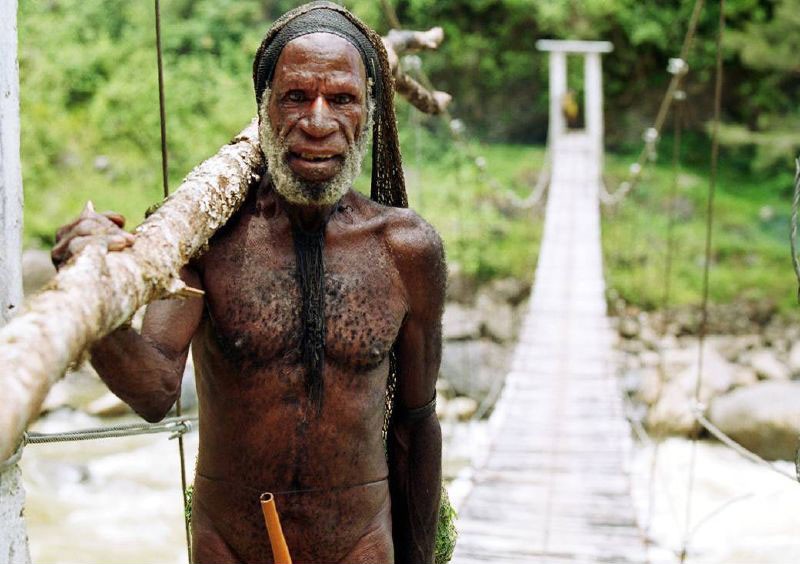
While Indonesia's huge, modern cities are developing quickly, some people, such as the Dani of western New Guinea, lead a lifestyle based on fishing and farming that has remained the same for thousands of years. In the countryside, many people still work as subsistence farmers, growing just enough rice to feed their families. New Guinea’s Korowai people, build their houses high in trees to protect them from attack by rival clans.
Economy
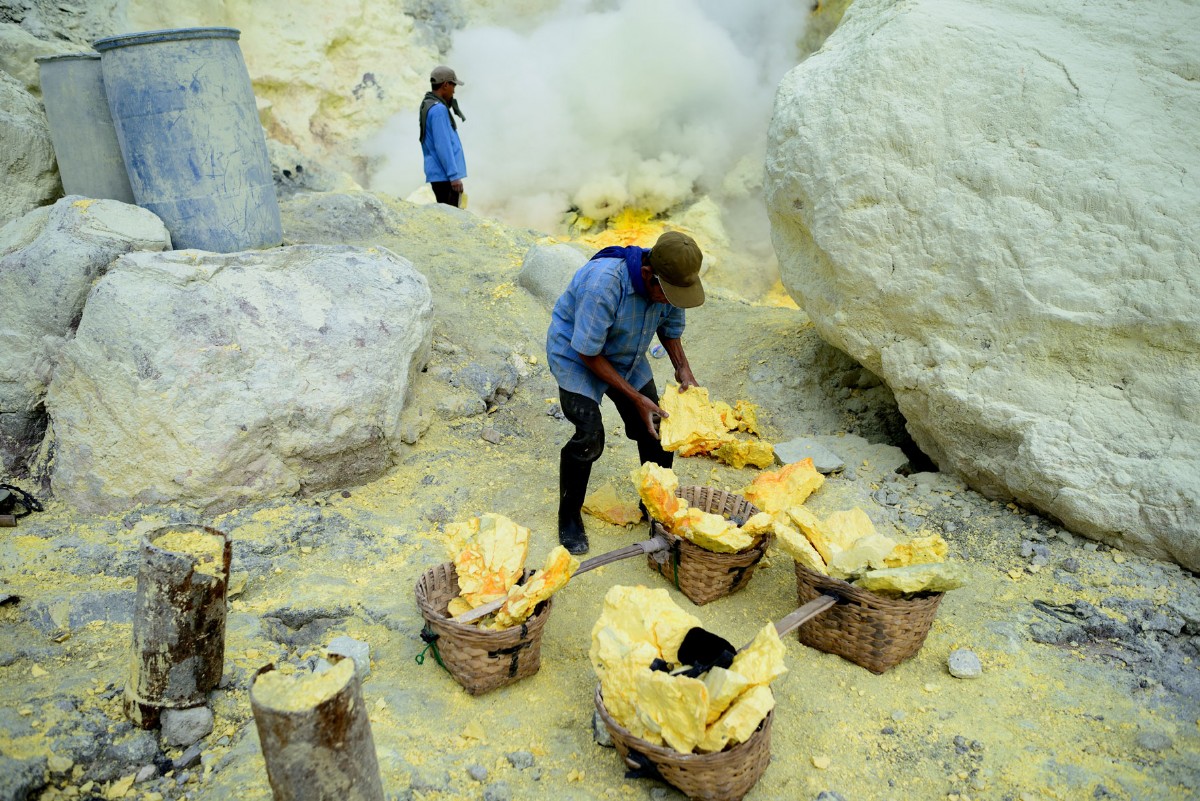
Large reserves of oil and gas were first discovered in Indonesia in 1871. Since independence in 1949, these industries have become more and more important. The country's largest oilfields are in eastern Sumatra, while most drilling for natural gas takes place in Sumatra and Kalimantan, the Indonesian portion of the island of Borneo.
Millions of Indonesians work in factories and processing plants on Java, making clothes, electrical goods and processed foods. Many of these goods are exported to Asian countries such as Japan, Singapore and China, as well as to the United States and Europe. Today, around half of Indonesians work in the service sector, in areas such as tourism, finance and communications.

Nickel
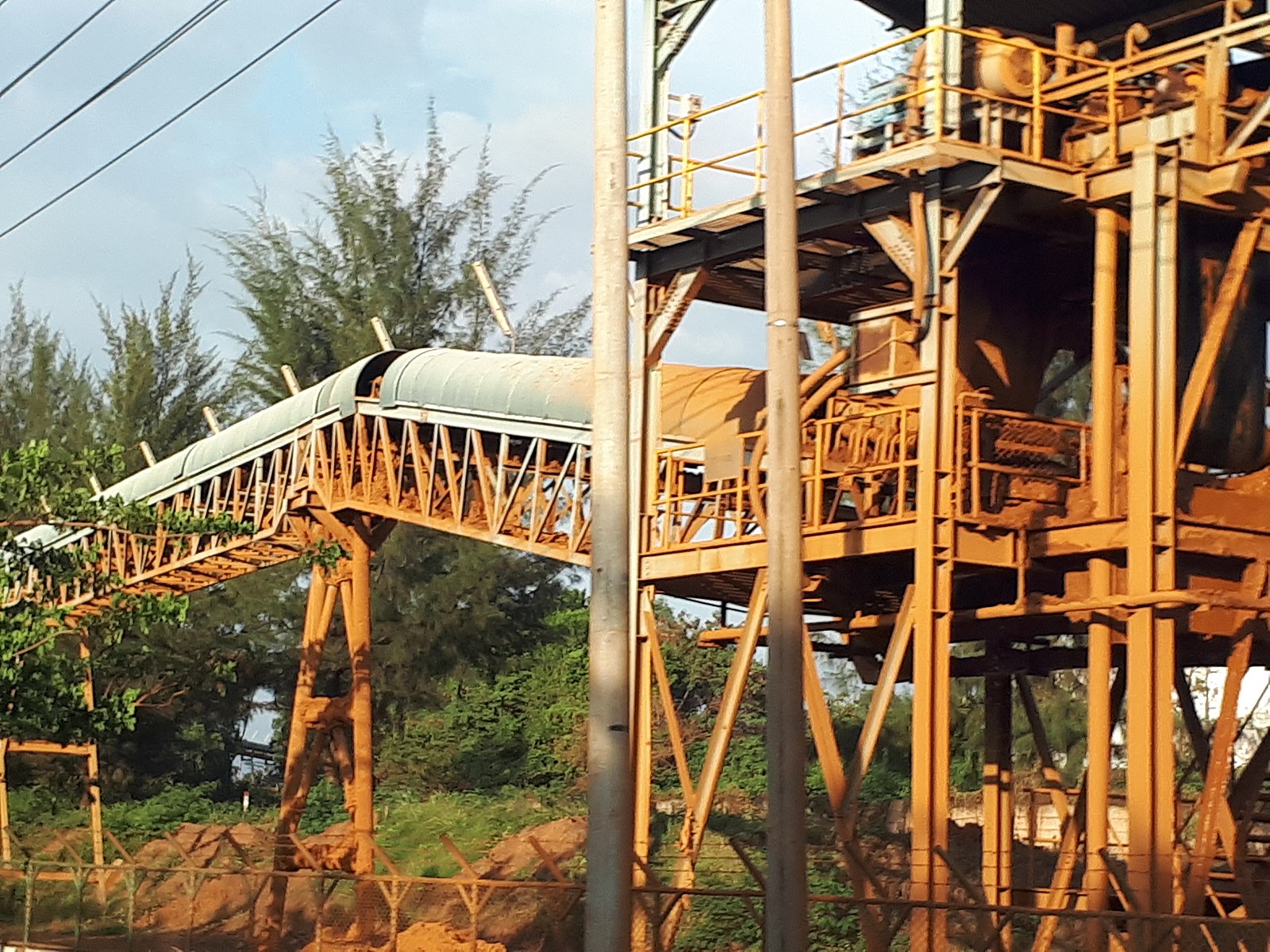
Indonesia is the largest nickel producer in the world, with around 1.6 million tonnes of nickel produced in 2022—nearly half of total world production. Nickel is used to manufacture lithium-ion batteries used in electric vehicles and Indonesia aims to be a key supplier of nickel for the booming electric vehicle battery market. Most nickel mines and the largest production sites are located in the islands of Sulawesi and Halmahera, the largest of the Maluku islands.
Part Chinese-owned, the Indonesia Morowali Industrial Park (IMIP), on North Morowali, is the country's largest nickel processing site. Served by its own seaport, airport and coal power plant, IMIP employs more than 100,000 people. Working conditions are reportedly poor, however, with a number of deaths and injuries from industrial accidents, including a major explosion at a nickel smelter in December 2023.
IMIP's activities have seriously polluted the local environment. Because the concentration of nickel in the nickel ore is very low, refining it to the quality required for use in batteries uses up a great deal of electrical power. This is supplied by new coal-fired power plants, which cause high levels of air pollution as well as carbon dioxide emissions. Runoff from IMIP—containing metals and chemicals—has contaminated rivers, destroyed fish populations and damaged forest ecosystems.
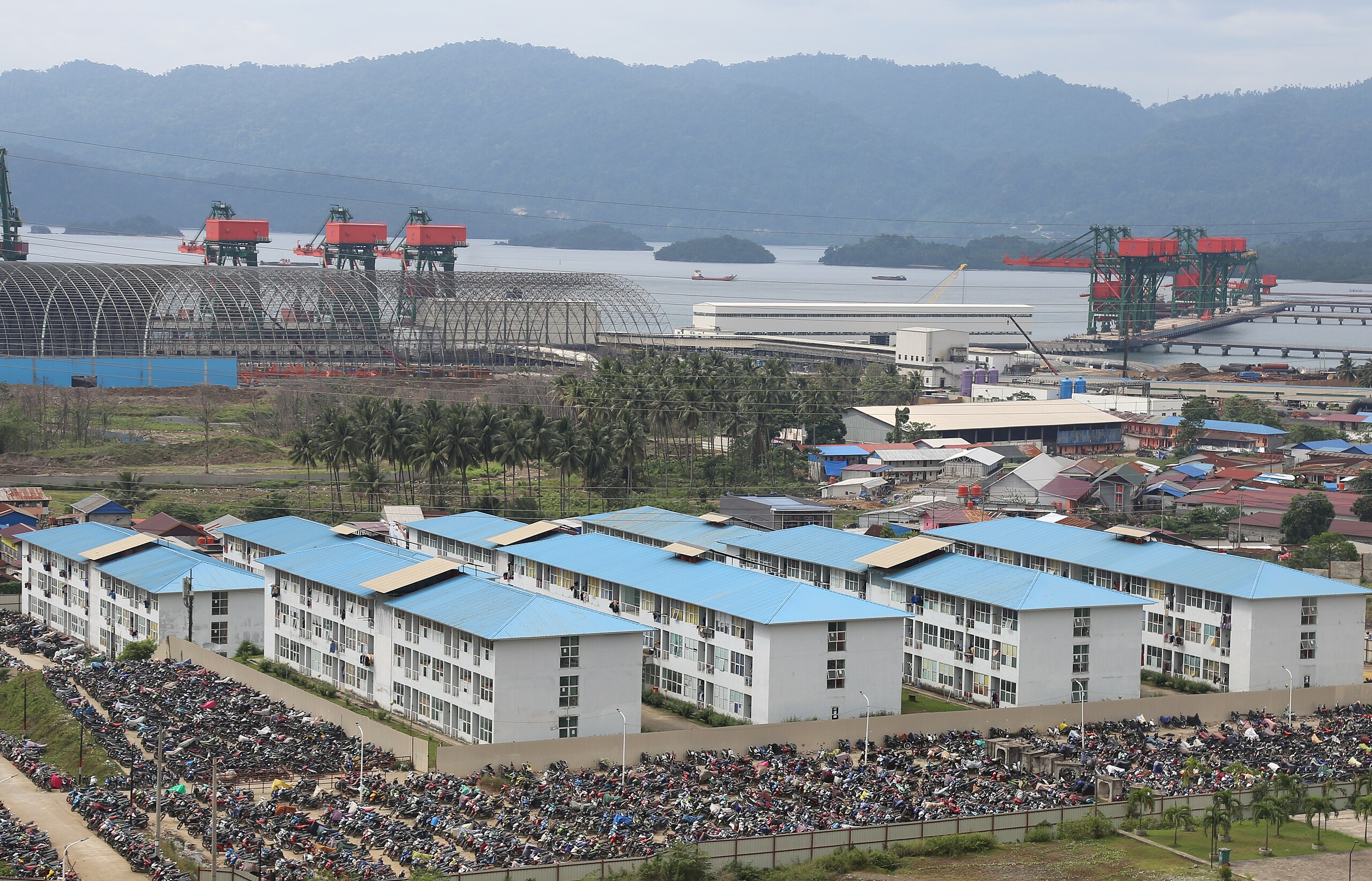
Nickel mining also presents a threat to Indonesia's many indigenous peoples, some of whom remain uncontacted by the outside world. The Togutil people of Halmahera, traditionally nomadic hunter-gatherers, depend on their forest home for their livelihood. The forest is rapidly being destroyed to make way for nickel mines.
Rainforests and palm oil


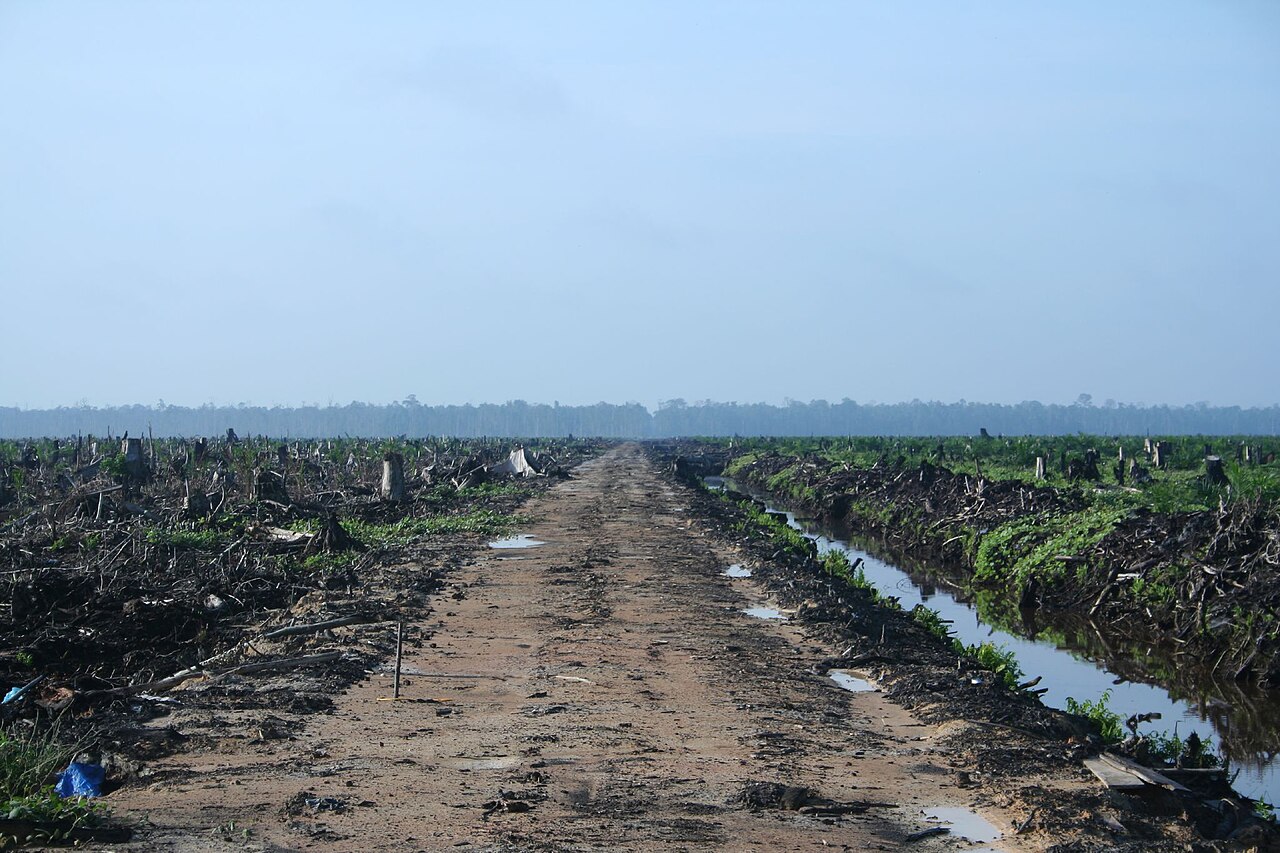
Indonesia is—or was—covered by rainforest, but it has one of the highest rates of deforestation (cutting down forests) in the world. Just under half of the country’s original forests now remain. Many areas have been cleared by logging companies who sell the trees for timber and paper pulp. In place of rainforest trees are now plantations of palm trees, grown for palm oil. Indonesia produces around half of the world’s supply of palm oil, which is used to make a wide range of products including biodiesel, cooking oil, a wide variety of foods, soap and lipstick.
Although the palm oil industry is an important source of income for Indonesia, the destruction of the forests has a disastrous impact on the lives of former villagers and wildlife. Orang-utans, found only in the rainforests of Borneo and Sumatra, are extremely endangered—only a few thousand remain in the wild.
Religions
Buddhists, Hindus, Muslims and Christians live—mostly peacefully—alongside each other in Indonesia. The majority of the population is Muslim, but Indonesia is not an Islamic state. All Indonesians are free to practise their own religion.
A history of trade and conquest has brought different waves of religious influences to Indonesia. Buddhism and Hinduism arrived in the islands between the 2nd and 4th centuries AD. By the 13th century, Islam had become more widespread. Spice traders from Portugal brought Catholicism to the islands in the 15th century, while Dutch settlers introduced Protestant Christianity a century later. Today, Indonesia’s eastern islands remain mainly Protestant.
Borobudur
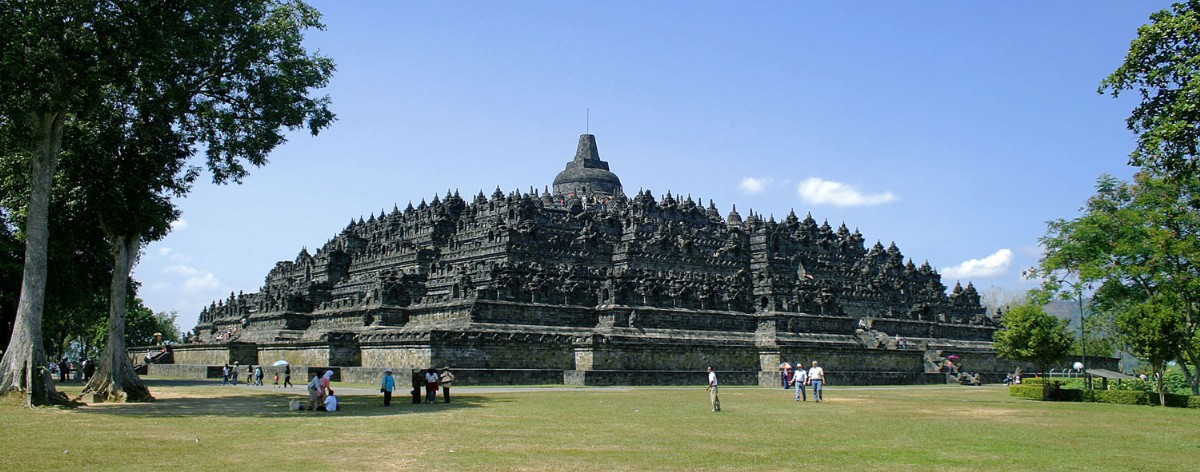
In the 9th century, Buddhist Indonesians built the vast temple of Borobudur at Magelang on the island of Java. It is made up of nine platforms and decorated with over 500 statues of the Buddha. Abandoned by the 15th century, the temple was rediscovered in the 1830s by Dutch explorers. The Indonesian government restored it to its former glory in the 1970s. Today, Borobudur, the largest Buddhist temple in the world, is Indonesia’s most-visited tourist attraction.

Borobudur is still an important place of pilgrimage for Buddhists, who follow a path around the monument and up its stairways and corridors to the top. On the walls are 1460 bas-relief sculptures, depicting scenes of daily life in 8th-century Java. Pilgrims pass through three levels, each one symbolizing a different stage of the Buddhist creation story: Kamadhatu (the world of desire), Rupadhatu (the world of forms) and Arupadhatu (the world of formlessness).
Balinese Hindus
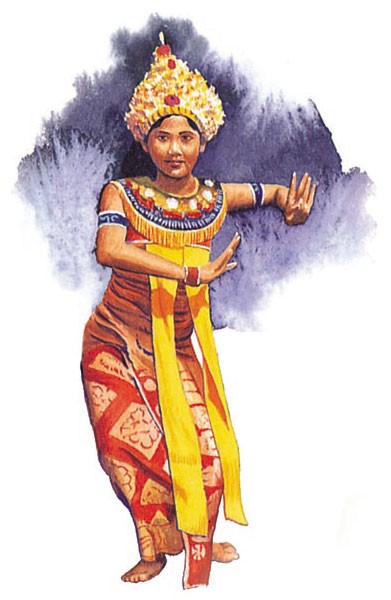
Around 10 million Hindus live in Indonesia. Most live on the island of Bali, or are Balinese people who have moved to other islands. Unlike Hindus in other countries such as India, Indonesia’s Hindus do not believe in a caste system, and do not focus as much on rebirth and reincarnation. They believe in the importance of the relationship between humans, God and nature, and hold great respect for the spirits of nature and of their ancestors.

Islam
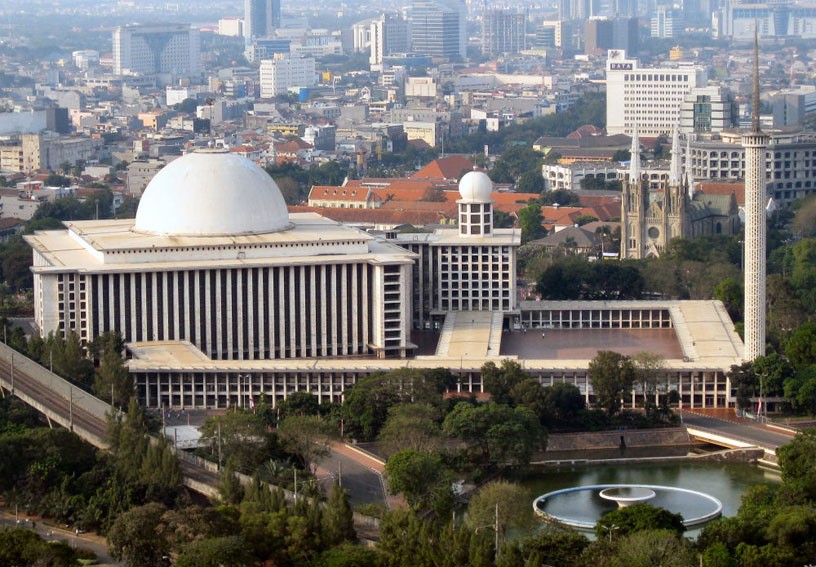
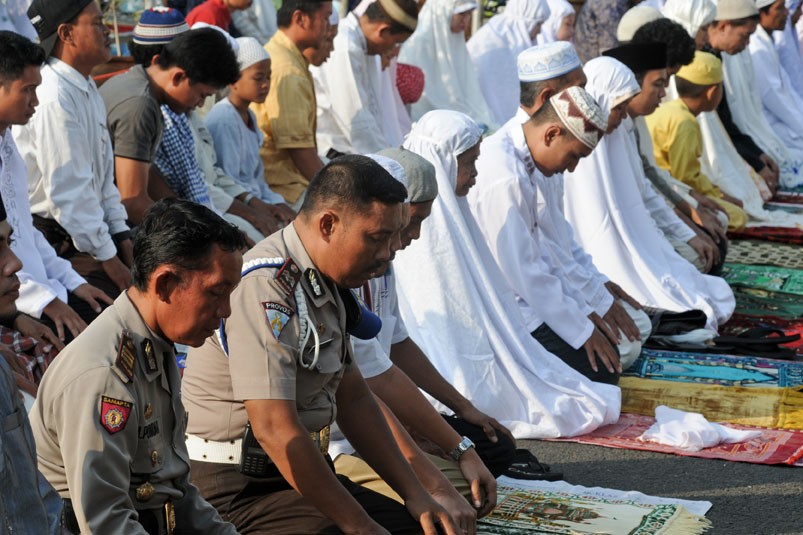
Indonesia is home to over 245 million Muslims, nearly all of them Sunni. Most fall into one of two categories: traditionalists, who follow local religious leaders, and modernists, who hold more modern, Western and secular (non-religious) ideas alongside their beliefs.
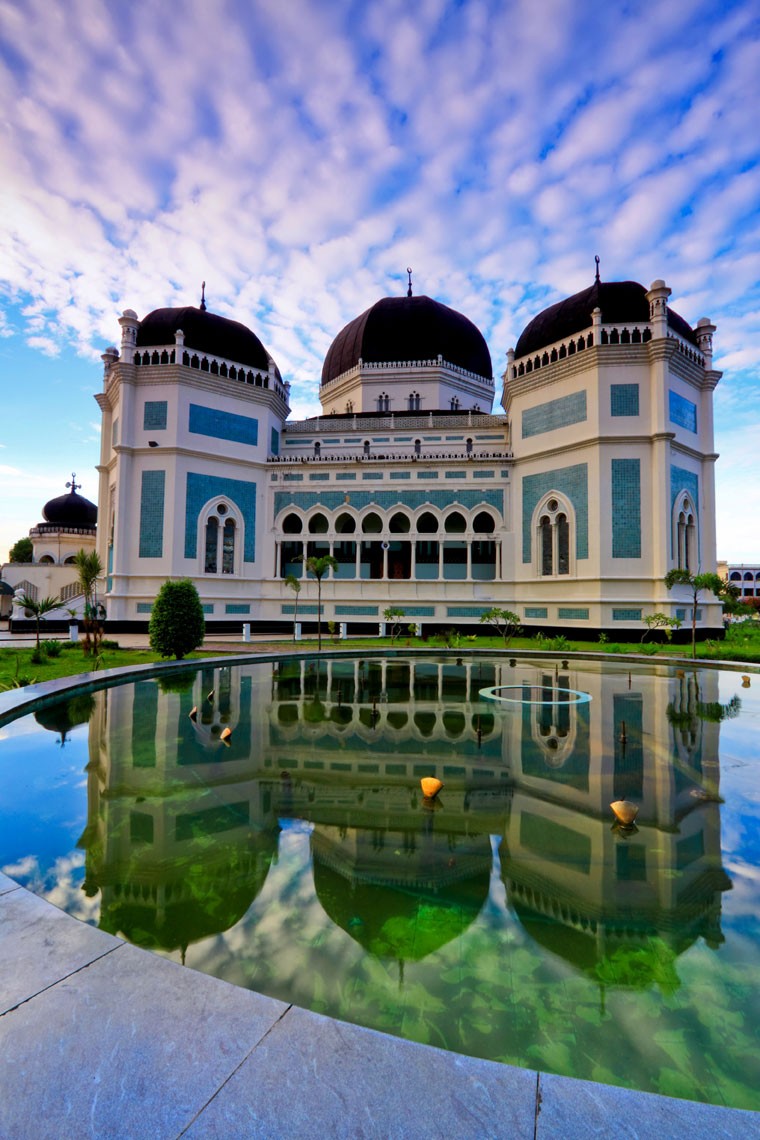
Arab traders introduced Islam to Indonesia at the end of the 13th century, and as the new religion became more popular, many Muslim kingdoms began to spring up. Islam soon replaced Buddhism and Hinduism as the islands’ main religion. The arrival of the Dutch in the 16th century pushed Muslim traders into rural areas, causing the spread of Islam far and wide across the islands. Today, over 90% of Indonesia’s population is Muslim; it has the largest Muslim population of any country in the world.

Dutch rule
Indonesia was ruled as a colony by the Netherlands for nearly 350 years. In 1602 the Dutch East India Company (Vereenigde Oostindische Compagnie, or VOC) was granted permission by the Dutch government to colonize, trade and rule what was then called Dutch East Indies. After the collapse of the VOC in 1799, the Dutch government took over governing the country.
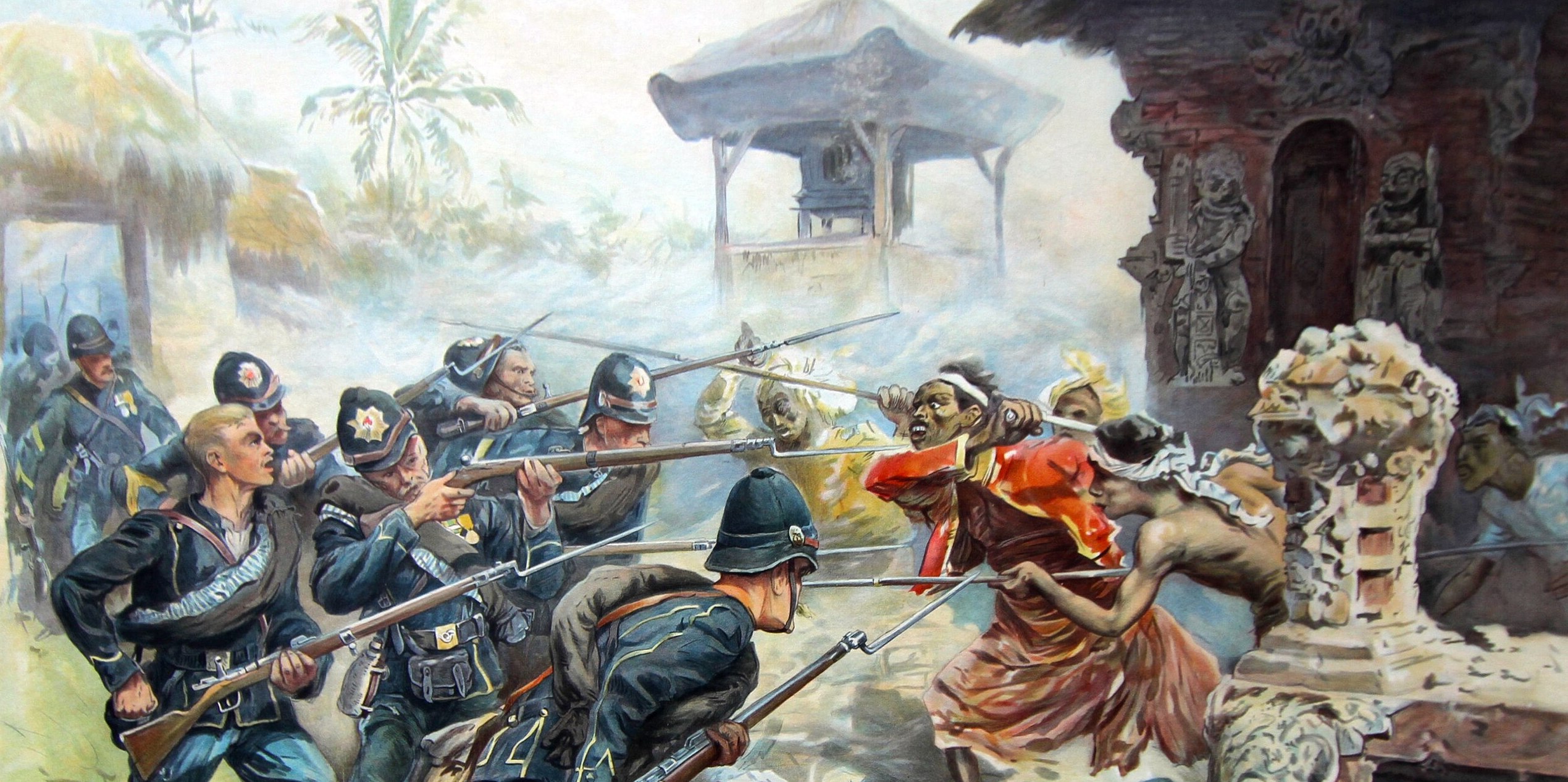
During the 19th century, the Dutch fought many wars against indigenous rulers and peoples in Java, Sumatra, Borneo and the other islands. Dutch rule reached its greatest territorial extent in the early 20th century with the occupation of Western New Guinea in 1920.
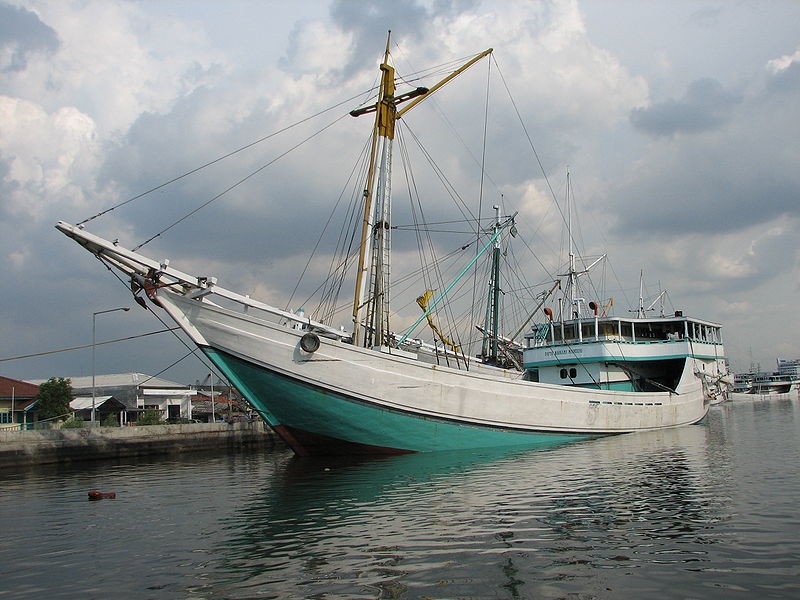
Under Dutch rule, Indonesia’s main islands were turned into huge plantations growing spices, coconuts and rubber. Enslaved people were forced to work in the fields. The capital, Batavia (now Jakarta), became a major trading port. Treated almost like slaves, indentured labourers from Java, Sumatra, China, Malaya and India worked on the plantations after slavery was abolished in 1860. Meanwhile, local farmers were forced to set aside their best land to growing cash crops for export such as indigo, coffee and sugar. This led to famine and disease among Javanese people, until the system was abolished in the 1870s.

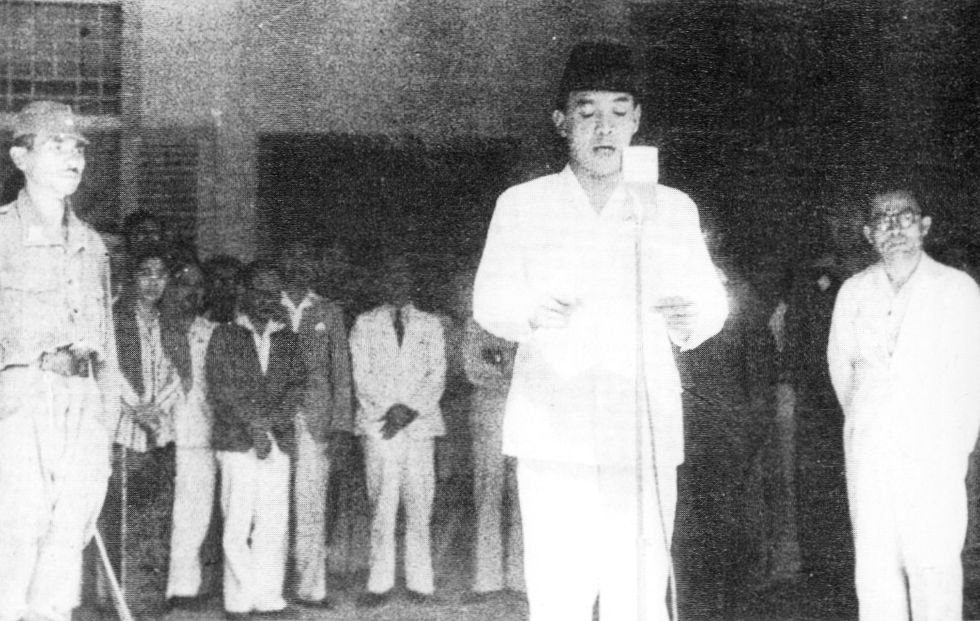
Japanese forces seized control of the Dutch East Indies in 1942 during World War II. Following the Japanese surrender in 1945, Indonesian nationalist leaders Sukarno and Hatta declared independence, starting the Indonesian National Revolution. For the next four years, the Dutch fought to re-establish control. In 1949, the United States forced the Netherlands to transfer sovereignty to Indonesia. The Dutch turned over their last remaining possession, Western New Guinea, to Indonesia, in 1962.
Jakarta
Jakarta, capital city of Indonesia, was founded in the 4th century as Sunda Kelapa, an important trading port for the Sunda Kingdom. In the 16th century it came under the rule of the Banten Sultanate before the VOC (see above) took over in 1619. The Dutch renamed the port Batavia, after the Batavi, a Germanic tribe who were seen as the ancestors of the Dutch. Batavia became the centre of the VOC's trading network in Asia.
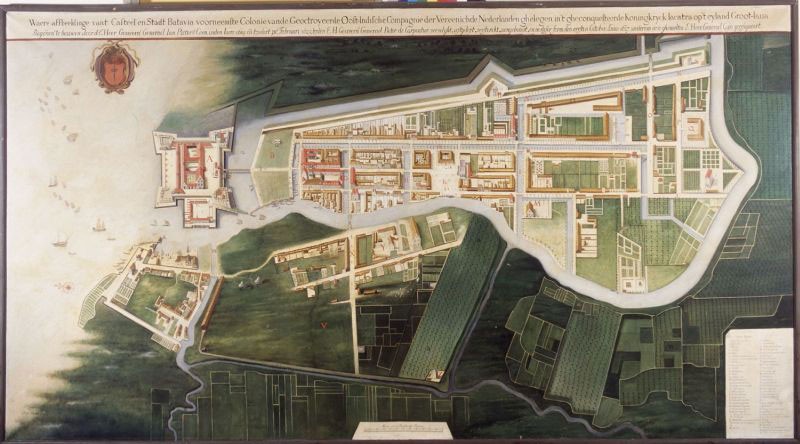
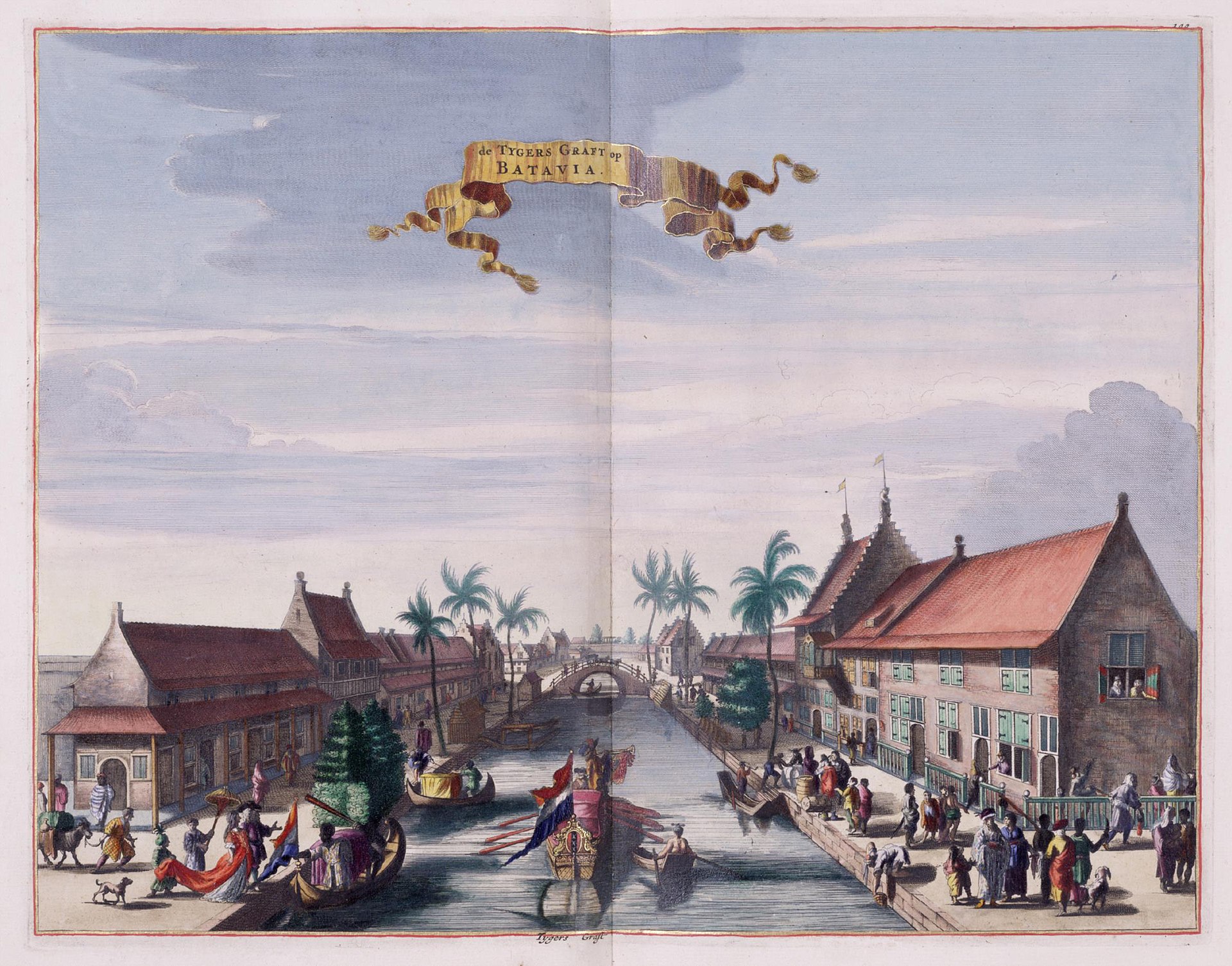
The city grew up on an area of low marshland around a sheltered bay. It had two centres: Oud Batavia, the oldest part, and Weltevreden, a newer district on higher ground to the south. By 1930, Batavia had more than 500,000 inhabitants, including 37,000 Europeans. On 5th March 1942 the city was captured by Japanese forces, who renamed it Jakarta. Indonesia became independent from Dutch rule in 1949 and Jakarta became the national capital the following year.
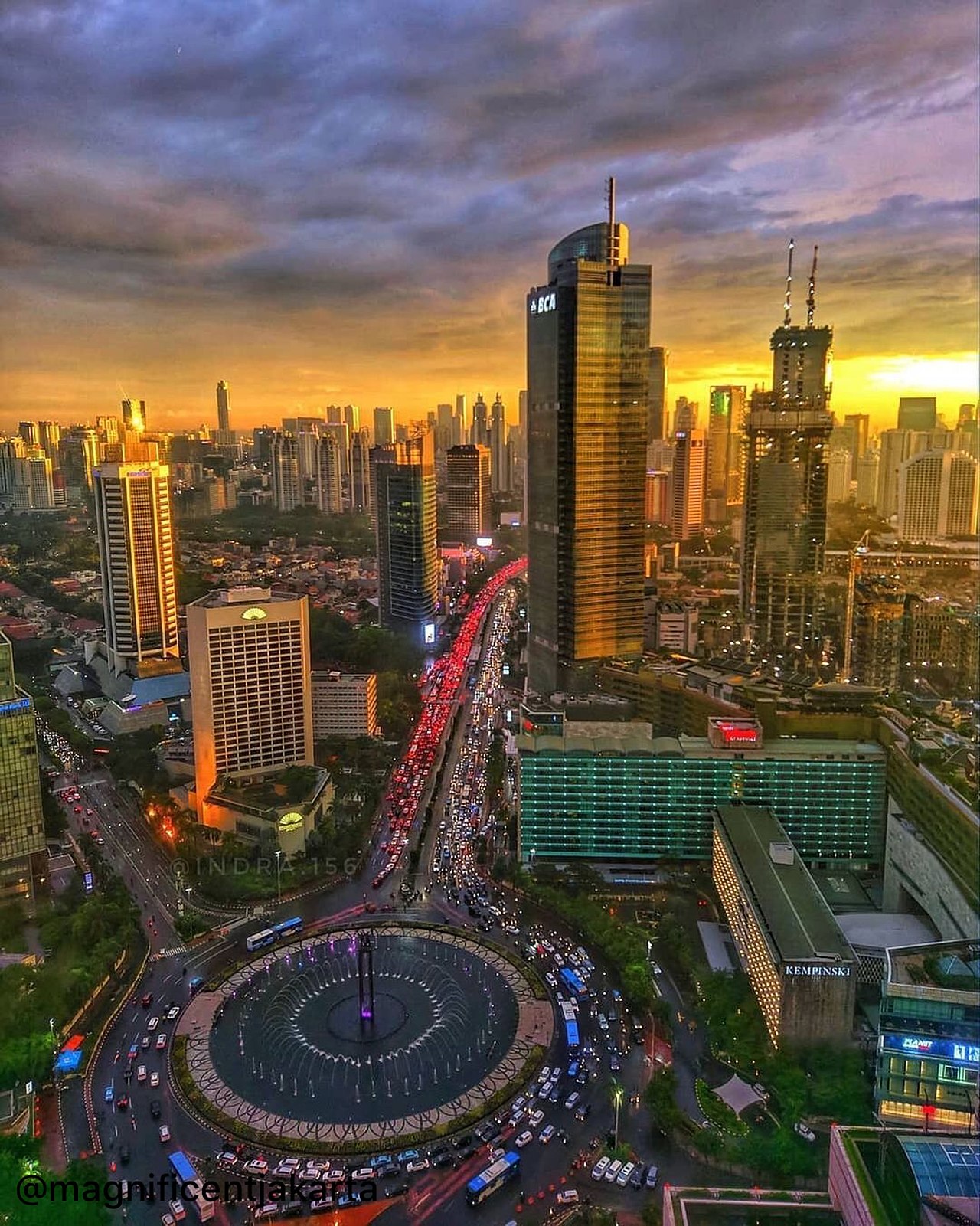
Jakarta's population rose from 4.5 million in 1970 to 11.3 million today (as of 2024), while the population of Greater Jakarta, a "megalopolis" created as neighbouring cities have merged together, rose from 8.2 million to 41.9 million, making it the largest metropolitan area in the world. The Golden Triangle, the business district in central Jakarta, is home to 88 skyscrapers that reach or exceed 150 metres (490 feet) in height. Jakarta' most famous landmark is the 132 metre-tall (433-foot) obelisk of the National Monument (Monumen Nasional or Monas) in the centre of Merdeka Square.
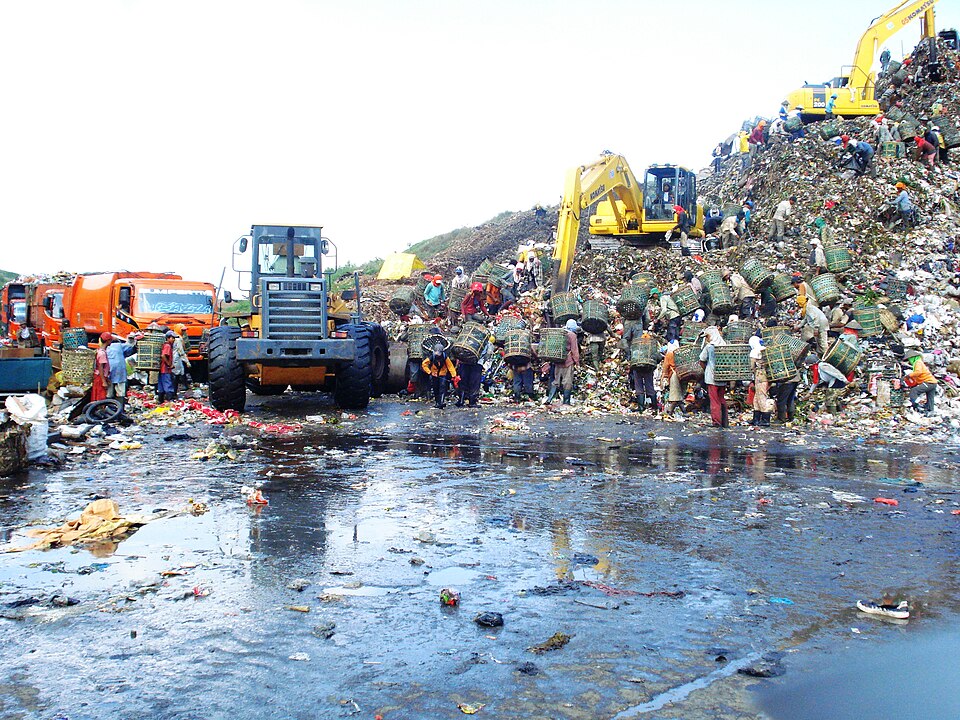
One of Jakarta's main challenges is flooding due to subsidence—some districts are sinking at around 25 centimetres (10 inches) a year—the result of the over-extraction of groundwater. At the same time, global warming is making extreme weather more common, causing storm surges and regular flooding. A ring dyke known as Giant Sea Wall Jakarta is under construction around Jakarta Bay to help counter the threat from rising sea levels.

Nusantara
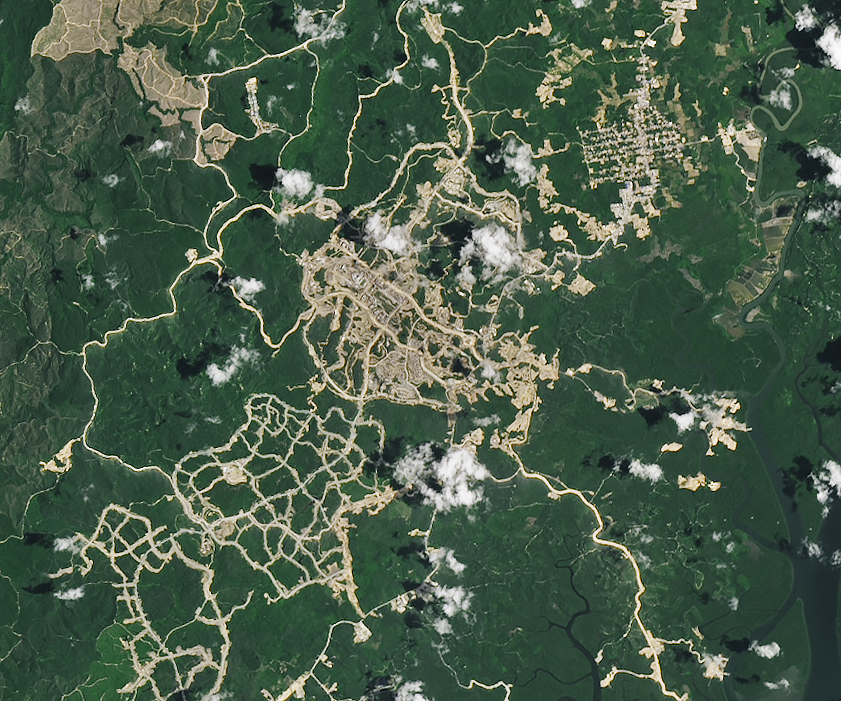
Nusantara, a new city on the east coast of the island of Borneo, is intended to replace Jakarta as the national capital. Construction, which began in 2022, will be carried out in in five phases, beginning with the building of the Government Central Area zone, made up of government offices, schools and hospitals. Work is scheduled to be completed in 2045, by which time the city is expected to have 1.9 million inhabitants. The government hopes that the development of Nusantara (whose name in Old Javanese means "the outer islands") will ease the growth of Jakarta, which suffers from overcrowding, severe traffic congestion and ground subsidence (see above).
Because Nusantara will be located nearer the centre of Indonesia’s archipelago, it is hoped that the country's wealth, currently concentrated on Java, will be spread more evenly across the country. Local people, including indigenous communities, are however being forced to move away to make room for new buildings and roads. Government planners claim that Nusantara is designed for sustainability and protecting the surrounding rainforest. The new city's electrical power will be drawn from renewable sources, and it is expected to be carbon neutral by 2045. However, environmental experts say the project is likely to cause the destruction of mangroves and rainforests, which are home to endangered species both in coastal waters and on land.

Consultant: Nicholas Harris
Facts about Indonesia
Population 282,477,584 (2024 estimate)
Area 1,919,440 sq km (741,050 sq miles)
Highest point Puncak Jaya 4884 m (16,024 ft)
Capital Jakarta (metro area population 41,900,000; city 11,350,328)
Other major cities Surabaya (3,017,382), Bandung (2,579,837), Medan (2,539,829), Bekasi (2,526,133)
Languages Indonesian (official language), Javanese, Sundanese, Madurese
Religions Muslim 87%, Christian 8%, Hindu 3%, other 2%
Ethnicity Javanese 42%, Sundanese 16%, Malay 3%, Batak 3%, Madurese 3%, Betawi 3%, Minangkabau 3%, others 27%
Currency Indonesian rupiah (IDR)
Chief exports Oil and gas, electrical appliances, plywood, textiles, rubber, palm oil

History of Indonesia
c. 2000 BC
Austronesian peoples (who form the majority of the modern population of Indonesia) arrive in the Indonesian archipelago from what is now Taiwan
7th–11th centuries
Rule of the Srivijaya Empire, based on the island of Sumatra, probably centred on Palembang. The empire trades with China and India. An important centre for the expansion of Buddhism, Srivijaya dominates much of coastal Southeast Asia until 1020s.
8th–10th centuries
Mataram Empire rules Central Java (around modern-day Yogyakarta), first under the Sailendra dynasty, later the Sanjaya dynasty
9th century
Borobudur is built during the reign of the Sailendra dynasty
1025
Rajendra Chola, the Chola king from Tamil Nadu in South India, launches successful raids on ports of Srivijaya
13th century
Islam begins to spread through Indonesia.
1222–92
Singhasari, a Javanese Hindu-Buddhist kingdom, rules in east Java
1293
The Hindu Majapahit Kingdom is established in Java with Kertarajasa Jayawardhana (son-in-law of the ruler of the Singhasari kingdom) as its first king
1350–89
Reign of Majapahit emperor Hayam Wuruk. It is marked by conquests that extend throughout Southeast Asia, led by his prime minister, Gajah Mada. The Majapahit Empire stretches from Sumatra to New Guinea, including present-day Indonesia, Singapore, Malaysia, Brunei, southern Thailand, Timor Leste and southwestern Philippines
early 1500s
Majapahit Empire declines, unable to control the rising influence of the Muslim sultanates, especially the Sultanate of Malacca. Majapahit ruling family moves to Bali
1512
First Portuguese traders, led by Francisco Serrão, arrive from Malacca to trade spices. Through both conquest and alliance with local rulers, they establish trading posts, forts and missions in North Sulawesi and the Spice Islands (present-day Maluku) by the end of the century.
1526–1813
Rule of the Banten Sultanate. It is founded by Sunan Gunung Jati from Cirebon at Banten on the northwest coast of Java. It becomes a major trading centre, especially of pepper, reaching its greatest importance in early 1600s.
1586–1755
Rule of the Sultanate of Mataram, the last major independent Javanese kingdom. It reaches the peak of its power during the reign of Agung Anyokrokusumo (1613–45)
1596
The first Dutch expedition, led by Cornelis de Houtman of Gouda, reaches Java. They return to the Netherlands with a valuable cargo of spices
1602
The Dutch parliament awards the Dutch East India Company (VOC) a monopoly on trade and colonial activities in the Indonesian archipelago (at this time the company controls no territory in Java)
1610
The VOC establishes its headquarters on Ambon Island, part of the Spice Islands.
1619
Jan Pieterszoon Coen, governor-general of the VOC, storms Jayakarta on the north coast of Java, driving out Banten forces. The VOC founds a new colony on the site, naming the settlement Batavia (it will later be known as Jakarta). The VOC moves its headquarters there. After repelling attacks from the Mataram Sultanate, it makes an agreement by which only Dutch ships are allowed to trade in the region.
1799
The VOC is dissolved following bankruptcy, and the Netherlands establishes the Dutch East Indies as a colony
1824
Anglo-Dutch Treaty: the Dutch secure British settlements in Sumatra, while the British secure the Dutch settlement of Singapore as well as Dutch possessions in the Malay Peninsula and Dutch India. (The resulting borders between former British and Dutch possessions remain today as those between modern Malaysia and Indonesia)
1825–30
Java War: Dutch forces end Javanese resistance to their conquest
1873–1904
Aceh War: Dutch defeat the Sultanate of Aceh
1883
Eruption of the Krakatoa volcano, one of the deadliest and most destructive volcanic events in recorded history: at least 36,417 deaths are caused by the eruption and the tsunamis it created
1894
The island of Lombok comes under Dutch control
1905–08
Southwestern Sulawesi, the island of Bali and the kingdoms in Maluku, Sumatra, Kalimantan and Nusa Tenggara come under Dutch rule
1920
Western New Guinea is brought under Dutch administration
1942–45
Japan occupies Dutch East Indies.
1945
Nationalist leader Sukarno declares independence from Dutch rule.
1945–49
The Indonesian National Revolution (Indonesian: Revolusi Nasional Indonesia). Indonesians fight to resist the Dutch taking back control
1949
The United States forces the Netherlands to transfer sovereignty to Indonesia. Most of Indonesia now becomes officially independent from Dutch rule. Western New Guinea (modern-day Papua and West Papua provinces) remains under Dutch control
1950s
South Maluku fights unsuccessfully for independence from Indonesia.
1962
Western New Guinea, a Dutch colonial possession, is placed under UN administration; it is then occupied by Indonesian forces and annexed to Indonesia, despite local opposition
1965–66
Under the leadership of Major General Suharto, the Indonesian army and civilian groups kill at least 500,000 Indonesians accused of being Communists.
1967–98
Suharto is president of Indonesia
1975–99
Indonesia occupies the newly independent country of East Timor, once a Portuguese territory, and makes it a province of Indonesia. At least 100,000 East Timorese are killed during the occupation.
1998
Protests and rioting topple President Suharto
1999
East Timor votes for independence and comes under UN administration.
1999–2002
Conflict between the Muslim and Christian population of the Moluccas (Maluku) kills thousands and forces half a million people to flee
2002
Western New Guinea (Irian Jaya) is given autonomy (self-rule) and is allowed to adopt the name Papua (January); East Timor becomes independent (May); Bomb attack by Islamist extremists on the Kuta Beach nightclub district on Bali kills 202 people, most of them tourists (October); Indonesian government and separatist Free Aceh Movement (Gam separatists) sign peace deal ending 26 years of violence on the oil-rich province of Aceh (December)
2003
Agreement between government and Gam separatists breaks down
2004
A tsunami caused by an earthquake off the island of Sumatra devastates Indonesia’s island communities, leaving over 220,000 Indonesians dead or missing.
2005
Government and Gam separatists sign a new peace deal
2018
A 7.5-magnitude earthquake strikes just off the island of Sulawesi, triggering a tsunami that engulfs the coastal city of Palu; more than 1300 people are killed
2019
President Joko Widodo announces that the country's new capital city, Nusantara, will be located in East Kalimantan on the island of Borneo
2022
(October) Kanjuruhan Stadium disaster: in a response to a pitch invasion by 3000 supporters at a football match in Malang Regency, East Java, riot police use tear gas, causing a crush as people attempt to exit the ground. Nearly 600 people are injured, while 133 are reported dead.
2025
(November) Cyclone Senyar causes heavy flooding and landslides across Sumatra, killing more than 800 people with around 1.2 million displaced
pics


Without in any way limiting Q-files Ltd’s exclusive rights under copyright, any use of this publication to “train” generative artificial intelligence (AI) technologies to generate text is expressly prohibited. Q-files Ltd reserves all rights to license use of this work for generative AI training and development of machine learning language models.