
Asia

CITE
We have made every effort to follow citation style rules, but there may be some minor differences. If in doubt, please refer to the appropriate citation style manual.
Southwest and Central Asia. (2026). In Q-files Encyclopedia, Geography, Asia. Retrieved from
https://www.q-files.com/geography/asia/southwest-and-central-asia
"Southwest and Central Asia." Geography, Asia, Q-files Encyclopedia, 31 Mar. 2026.
https://www.q-files.com/geography/asia/southwest-and-central-asia.
Accessed 2 Sep. 2026.
Southwest and Central Asia 2026. Geography, Asia. Retrieved 2 September 2026, from
https://www.q-files.com/geography/asia/southwest-and-central-asia
Geography, Asia, s.v. "Southwest and Central Asia," accessed September 2, 2026.
https://www.q-files.com/geography/asia/southwest-and-central-asia


Southwest and Central Asia
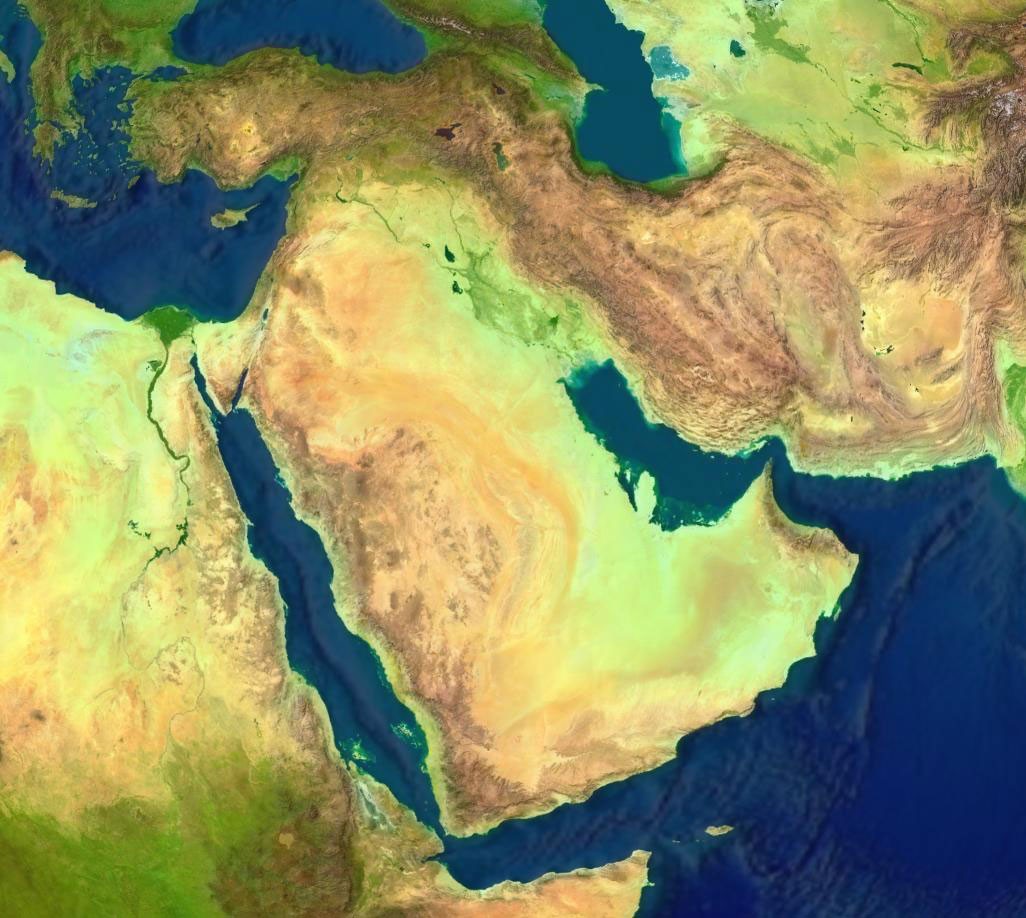
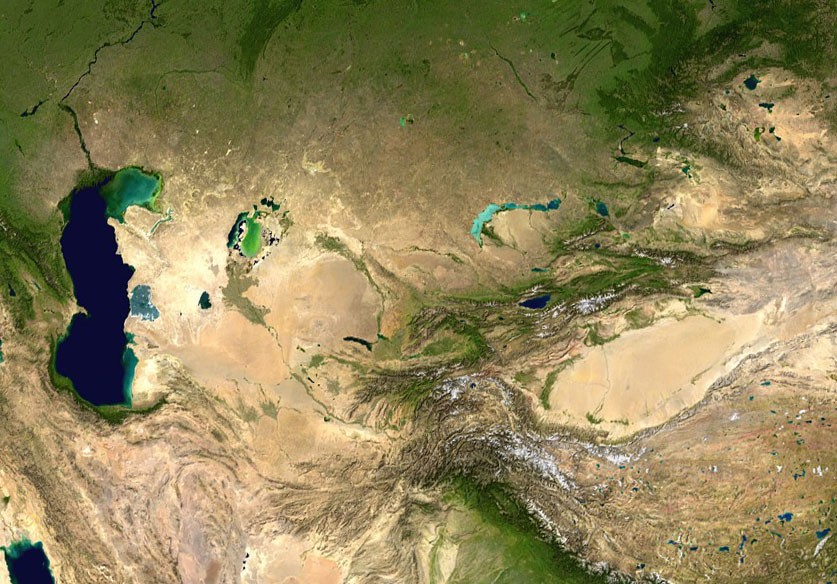
Southwest Asia is often called the Middle East, a region that covers 18 countries. The Middle East includes the Arabian Peninsula and extends to Iran in the east and Egypt, in Africa, in the west. Middle Eastern nations range from some of the world's wealthiest, such as oil-rich Qatar and United Arab Emirates, to among the poorest, for example, Yemen. Central Asia consists of five republics—Kazakhstan, Kyrgyzstan, Tajikistan, Turkmenistan and Uzbekistan—which lie sandwiched between the Middle East, Russia and China. Many Central Asian people are farmers and livestock herders, but the region also has significant reserves of minerals, oil and natural gas.

Middle East
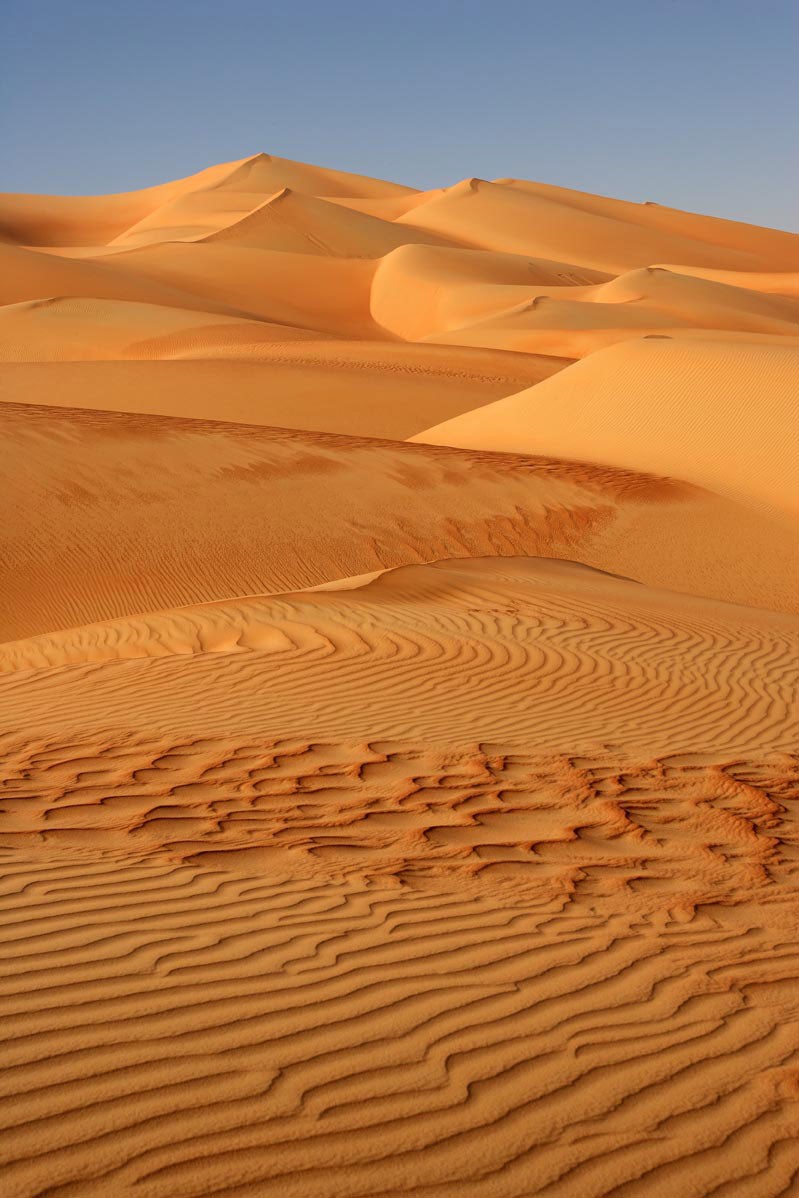
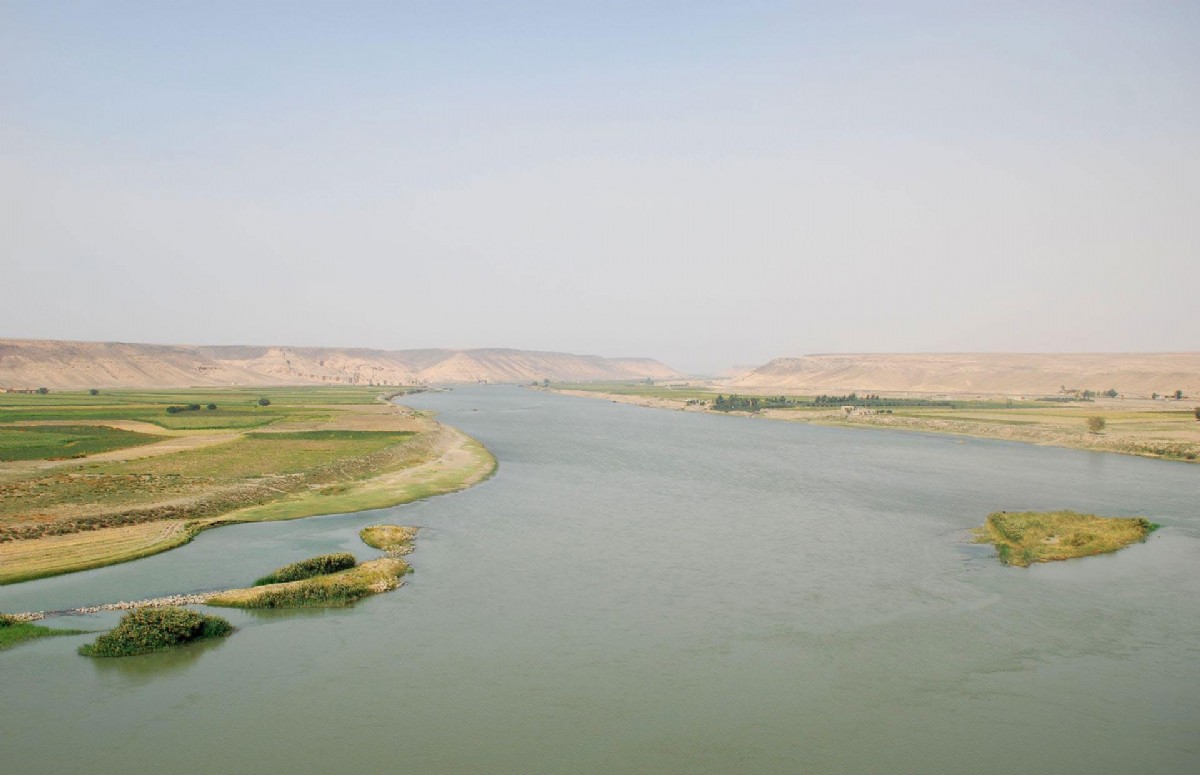
Much of the Middle East is made up of mountains, scrubland or desert, and has a hot, dry climate. Almost all the peninsula bordered by the Red Sea, the Persian Gulf and the Arabian Sea forms the Arabian Desert. Some parts of it, including the completely uninhabited Rub' al Khali ("the Empty Quarter"), consist entirely of sand dunes. The most fertile areas of the Middle East are along the Mediterranean coast and the floodplains of the rivers Euphrates and Tigris in Iraq. Here, crops such as cereals and citrus fruits can be grown.
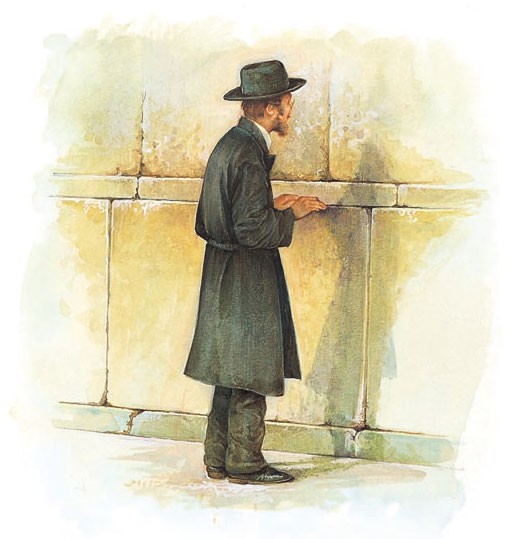
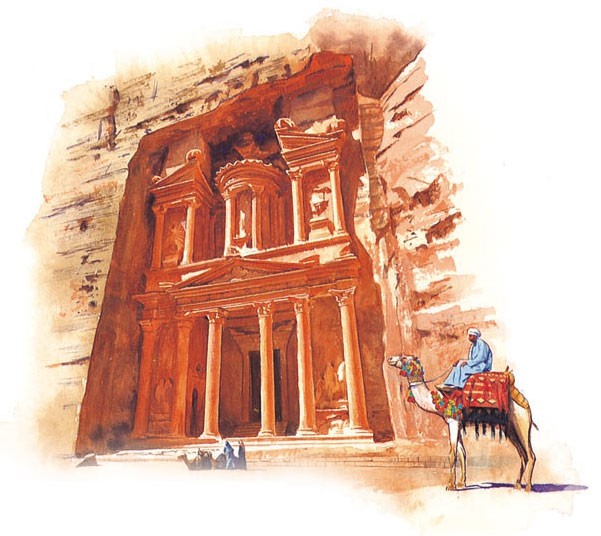
The Middle East has played an important part in world history in many ways. Three great religions, Judaism, Christianity and Islam, all have their birthplaces here. Outside Israel, a Jewish state, most people follow the religion of Islam. And conflict—between empires, nations and different religious groups—has raged here for centuries.
Israel has one of the most advanced economies in the Middle East and is a world leader in some areas of science and technology. Among its most important exports are electronics, software, military equipment and fruits.
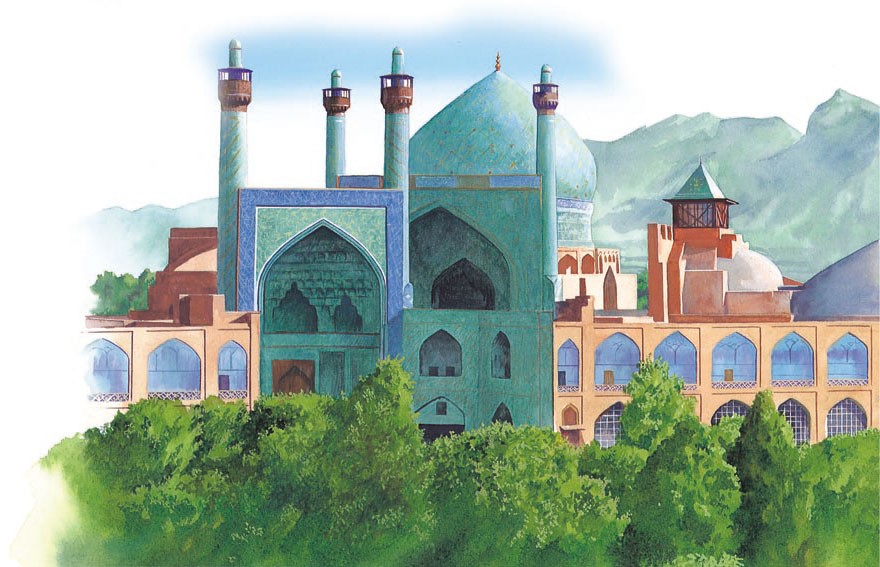
Iran, originally called Persia, once ruled an empire that stretched from India in the east to Greece in the west. Nowadays, Iran has some of the largest reserves of oil and natural gas in the world. More powerful than the country's president, Iran's Supreme Leader is the highest-ranking Islamic authority in the country.
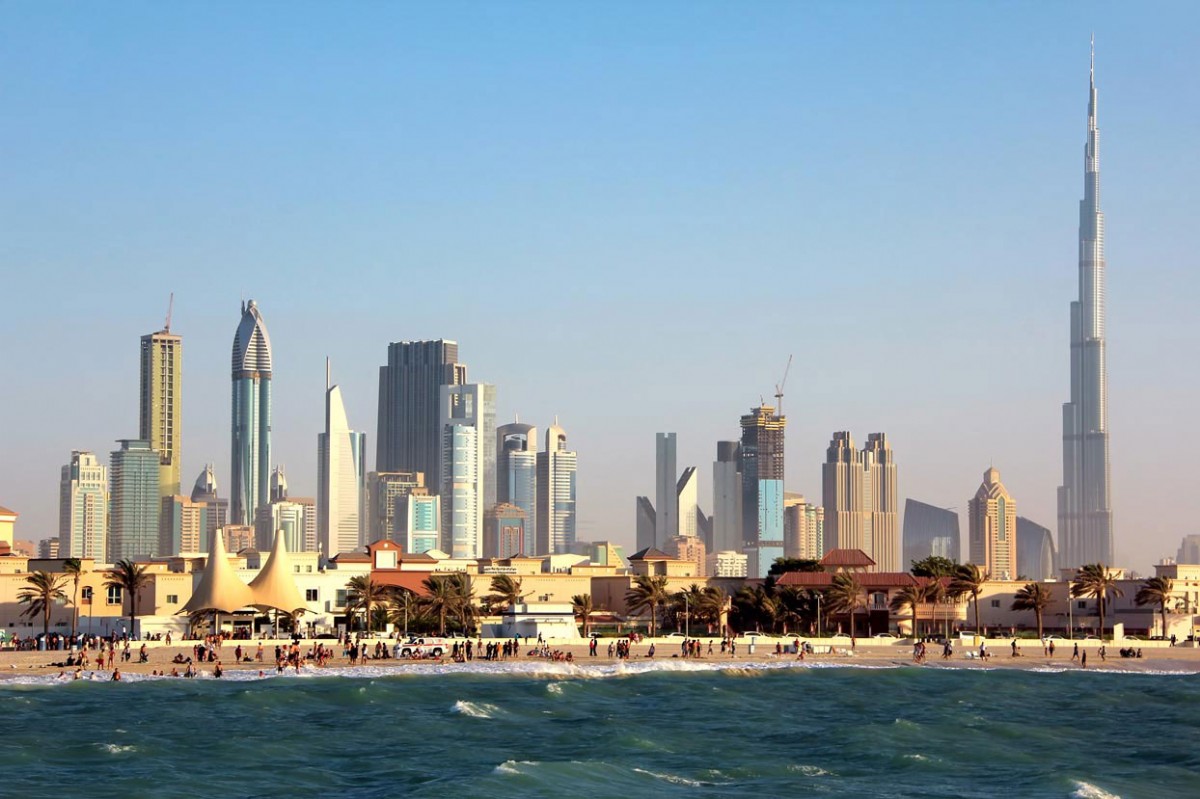
The countries grouped around the Persian Gulf, known as the Gulf states, including Saudi Arabia, Kuwait, Bahrain, Qatar and United Arab Emirates, have become extremely wealthy from their huge reserves of oil, which they export to the rest of the world. Saudi Arabia is an absolute monarchy—its king has unrestricted power. Nearly all Saudi's export earnings are made from oil. Around 40% of its population comes from overseas to work in its oil, construction and other industries.
Turkey
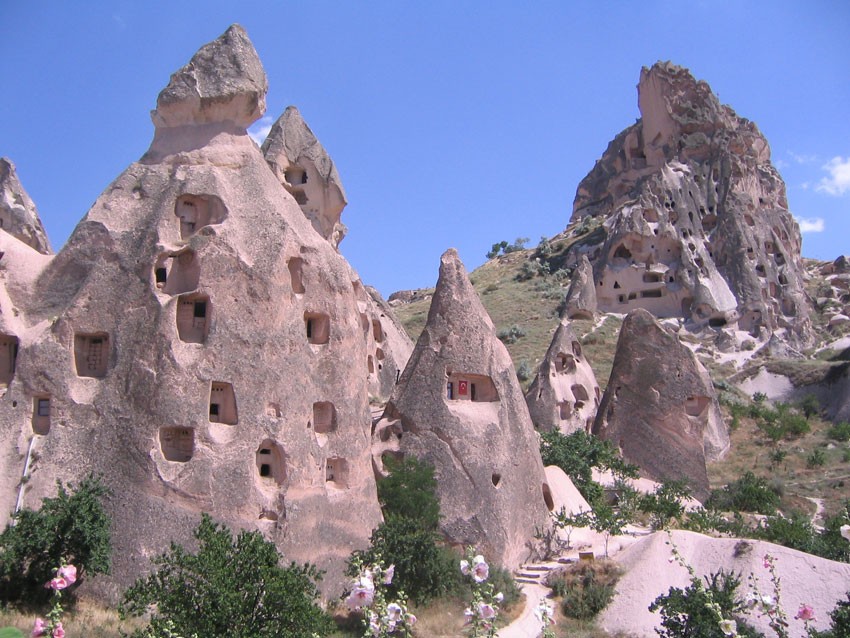
Turkey is divided between Europe and Asia by a narrow stretch of water called the Bosporus. The Asian part, by far the larger, is Anatolia, which forms a mountainous peninsula between the Black Sea and the Mediterranean Sea. Inland, the high plains are mostly dry, although wheat is grown in some parts, and forests cover the mountain slopes. In valleys and lowlands close to the Mediterranean coast, tobacco, figs, sultanas and cotton are the main crops.
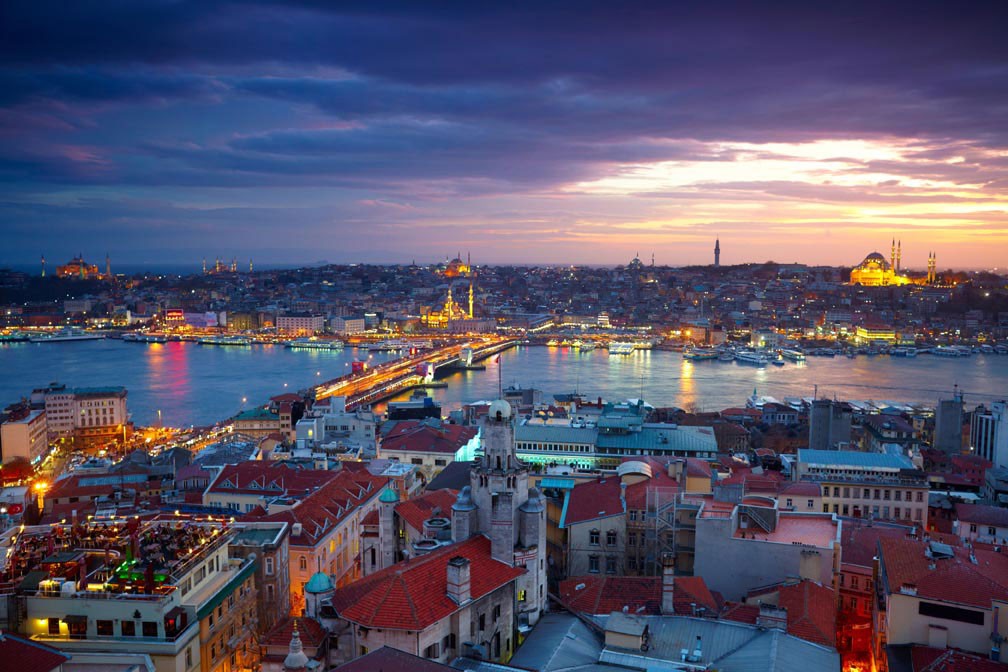
Turkey’s coasts are warm, but the dry grasslands of its interior can be bitterly cold in winter. Turkey is rapidly becoming a modern industrial nation, with shipbuilding, cars and electrical appliances among its most important industries. Its coastline and ancient sites also make it a popular tourist destination.
Central Asia
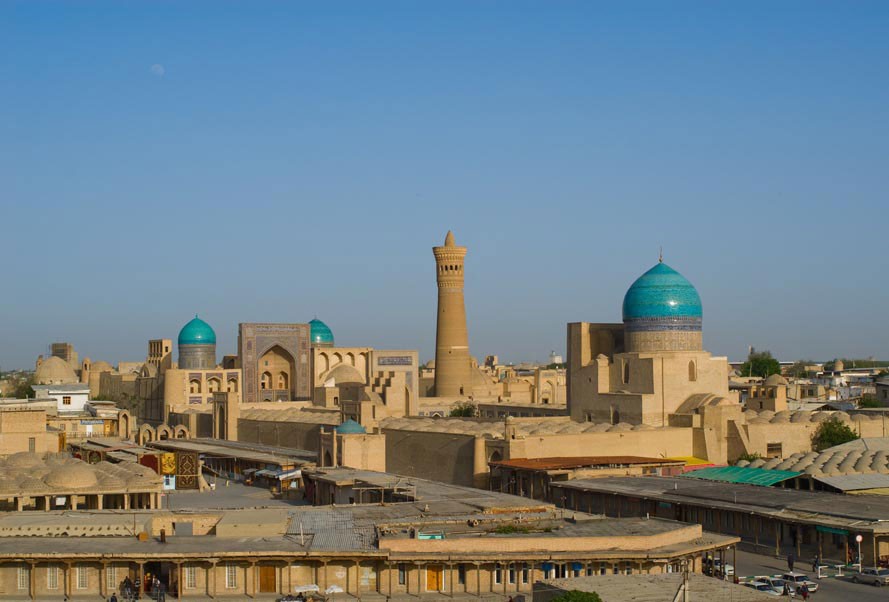
Five former Soviet republics, Kazakhstan, Kyrgyzstan, Tajikistan, Turkmenistan and Uzbekistan, lie in the desert region between the Middle East, Russia and China. Cotton, cereals, tobacco and fruit are grown near the rivers. Sheep are grazed on mountain slopes in the southeast. There are large oil, gas and coal reserves. The Silk Road, the ancient trade route between China and Europe, once wound through Central Asia. The region was settled by Turks (a people originally from the east). Arabs from the west brought with them Islam, which religion the people follow to this day. Before the Russians took over, the Mongols reigned supreme.
Consultant: Lloyd Jenkins
pics
Without in any way limiting Q-files Ltd’s exclusive rights under copyright, any use of this publication to “train” generative artificial intelligence (AI) technologies to generate text is expressly prohibited. Q-files Ltd reserves all rights to license use of this work for generative AI training and development of machine learning language models.