
Oceania

CITE
We have made every effort to follow citation style rules, but there may be some minor differences. If in doubt, please refer to the appropriate citation style manual.
Timeline of New Zealand history. (2023). In Q-files Encyclopedia, History, Oceania. Retrieved from
https://www.q-files.com/history/oceania/timeline-of-new-zealand-history
"Timeline of New Zealand history." History, Oceania, Q-files Encyclopedia, 2 Mar. 2023.
https://www.q-files.com/history/oceania/timeline-of-new-zealand-history.
Accessed 6 Aug. 2026.
Timeline of New Zealand history 2023. History, Oceania. Retrieved 6 August 2026, from
https://www.q-files.com/history/oceania/timeline-of-new-zealand-history
History, Oceania, s.v. "Timeline of New Zealand history," accessed August 6, 2026.
https://www.q-files.com/history/oceania/timeline-of-new-zealand-history


Timeline of New Zealand history
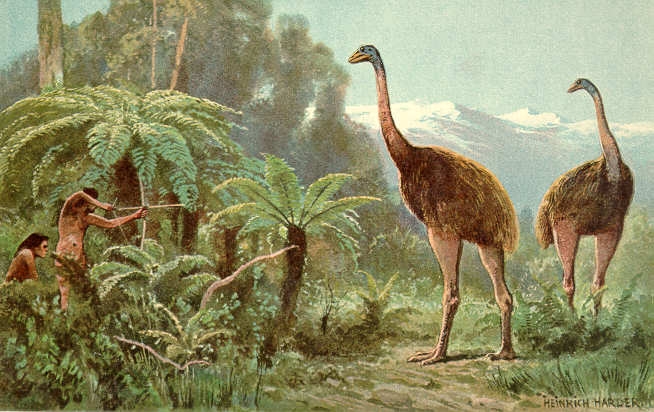
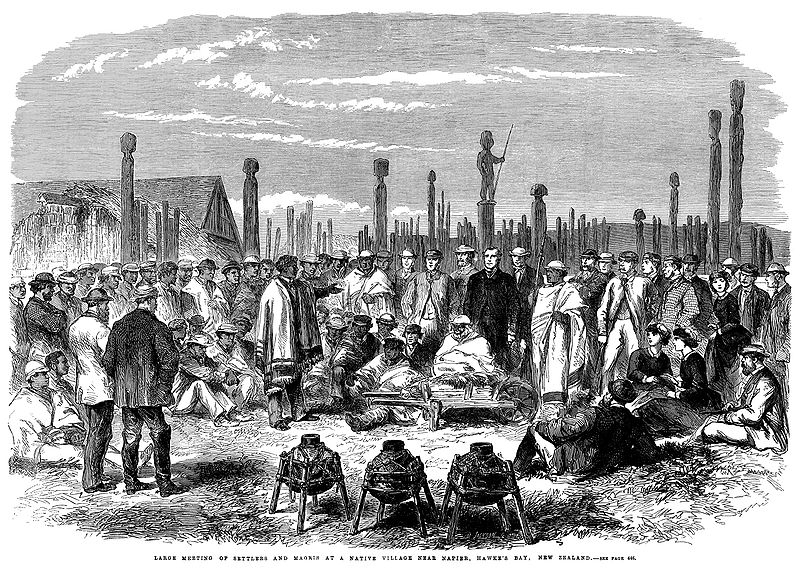
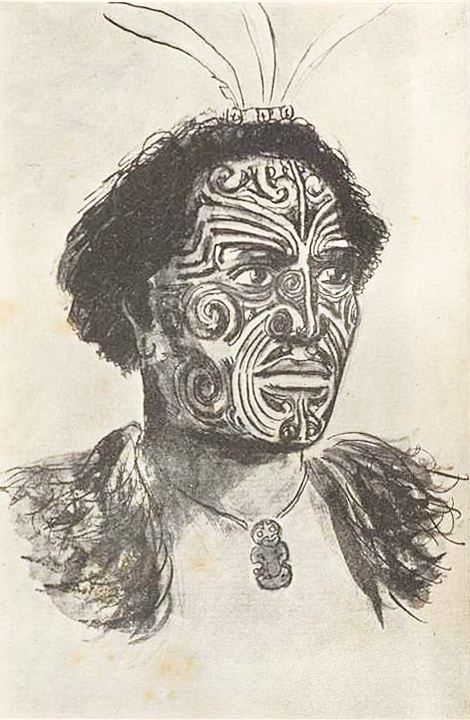
New Zealand was originally settled by people from eastern Polynesia around 1250 AD. Their descendants became known as the Maori. New Zealand was then home to giant flightless birds, such as the moa, and the Maori hunted them to extinction by about 1500. They then turned to cultivation of sweet potatoes, taro, gourds, yams and cabbage trees, or, where this was not possible, gathering wild plants. Wars between iwi (Maori tribes) broke out frequently. Family groups, called hapu, built pa (forts) to defend themselves and their lands.
European exploration
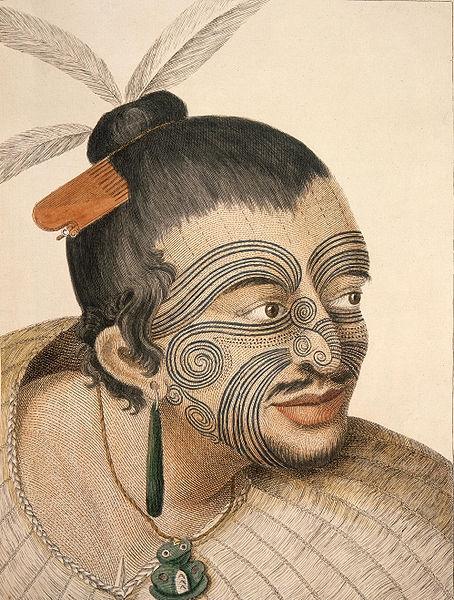
c.1250 AD Ancestors of the Maori arrive in what is now New Zealand by canoe from eastern Polynesia. Their name for the country is Aotearoa, meaning "land of the long white cloud".
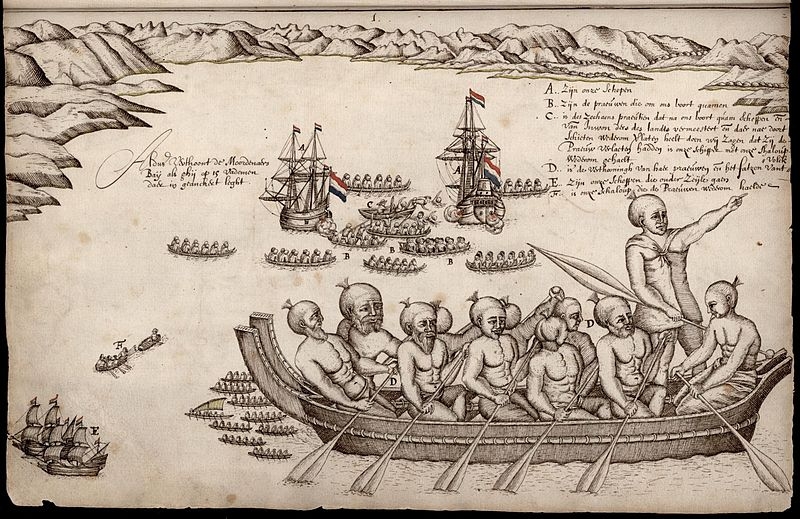
1642 Dutch explorer Abel Tasman is the first European to sight New Zealand. He arrives off South Island and calls it Staten Landt, before renaming it Nieuw Zeeland, after the Dutch province of Zeeland, in 1643. Four of Tasman's crew are killed in Whariwharangi Bay (Murderers' Bay) by Maori warriors while still at sea. Tasman later charts the west coast of North Island.
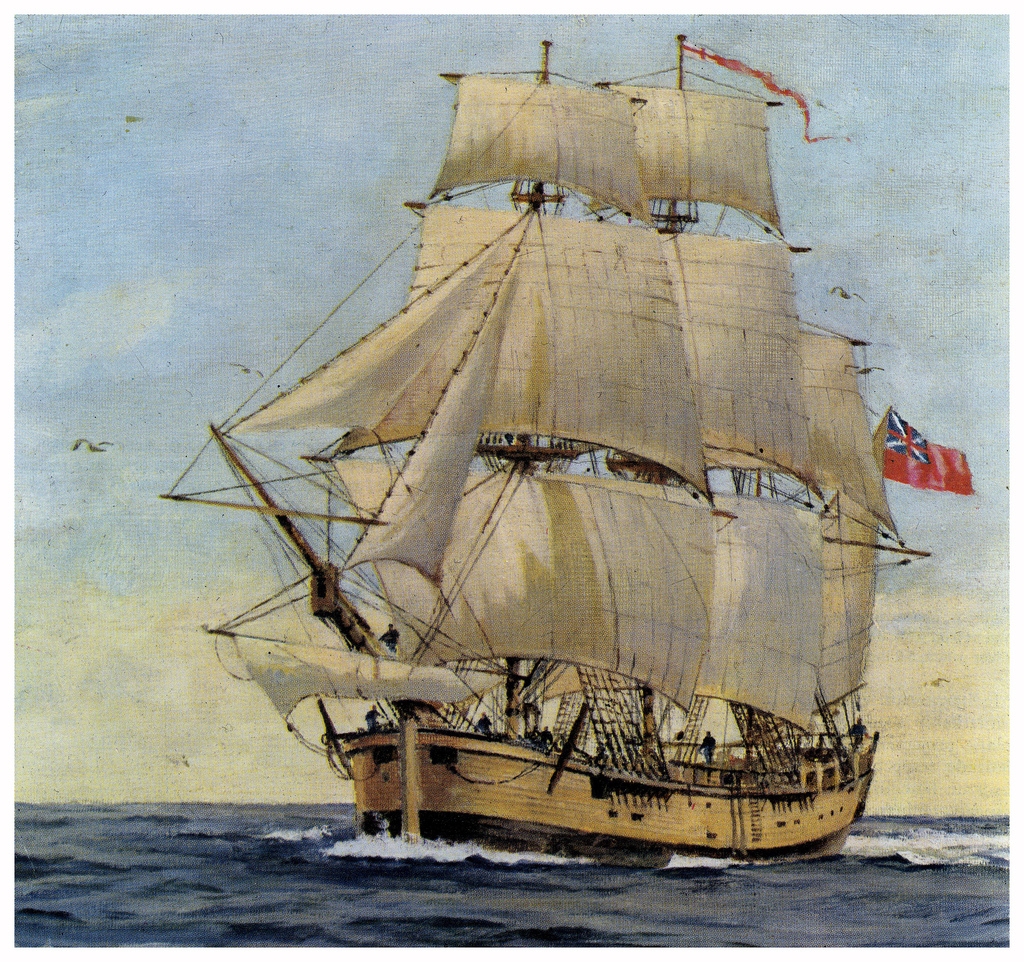
1769 British explorer James Cook visits New Zealand on board the Endeavour, sailing into Poverty Bay. He maps both islands and gives the new land the English name of New Zealand.
1772 French explorer Marc-Joseph Marion du Fresne anchors at Spirits Bay in North Island. He is killed at Tacoury's Cove, Bay of Islands, by the Maori.
1773 Cook returns to New Zealand, arriving in Queen Charlotte Sound, where ten members of his expedition are killed by the Maori. Cook returns for a third time in 1777.
1788 New Zealand is made part of the Australian colony of New South Wales.
1790 An epidemic of rewha-rewha (possibly influenza) kills 60% of the Maori population in southern North Island.
1790s New Zealand is visited by British, French and American whaling, sealing and cargo ships. They trade European goods, including guns and metal tools, for Maori food and water.

European settlement
early 19th century European (Maori: Pakeha) settlement begins slowly and is made up mostly of runaway sailors, escaped convicts, sealers, whalers and, from 1814, Christian missionaries.
1805–40 Musket Wars: thousands of battles and raids are fought throughout New Zealand and the Chatham Islands among the Maori, after some iwi (tribes) obtain muskets (types of gun) from Europeans, then use them to gain territory or seek revenge from other tribes. The battles result in the loss of up to 20,000 Maori lives and the enslavement of tens of thousands of Maori.
1835 Declaration of the Independence of New Zealand (Maori: He Whakaputanga o te Rangatiratanga o Nu Tireni) is signed by 34 Maori chiefs of the United Tribes of New Zealand, based in the Northland, the north of the North Island. It proclaims the sovereign independence of New Zealand, under the protection of the British Crown.
1839 Edward Gibbon Wakefield establishes the New Zealand Company in 1839 to attract settlers from Britain to set up homes and farms in New Zealand. Wellington is chosen as the first major planned settlement for British immigrants. The first settlers arrive at Petone in 1840. Settlements are established at Whanganui, New Plymouth and Otago.
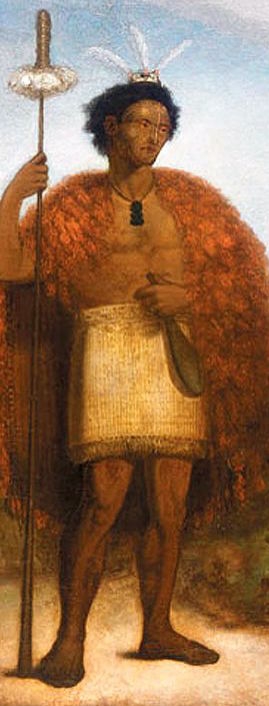
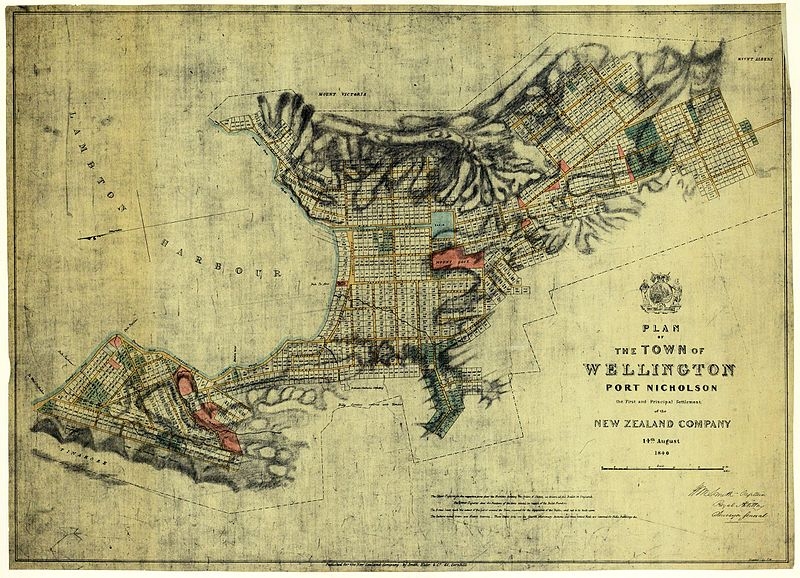
1840 Treaty of Waitangi between British and Maori tribes protects Maori land and establishes British law in New Zealand. British sovereignty over New Zealand is proclaimed by British naval officer William Hobson—the North Island by treaty and the South Island by discovery.

1841 New Zealand becomes a British Crown Colony independent of New South Wales, with Hobson as Governor and Commander in Chief.
1840s European settlement and sheep farming begins on land leased (or taken) from the Maori. The first farms are in Wairarapa, the southeastern corner of North Island, from where they quickly spread to the South Island. By the early 1870s there are 10 million sheep in New Zealand.
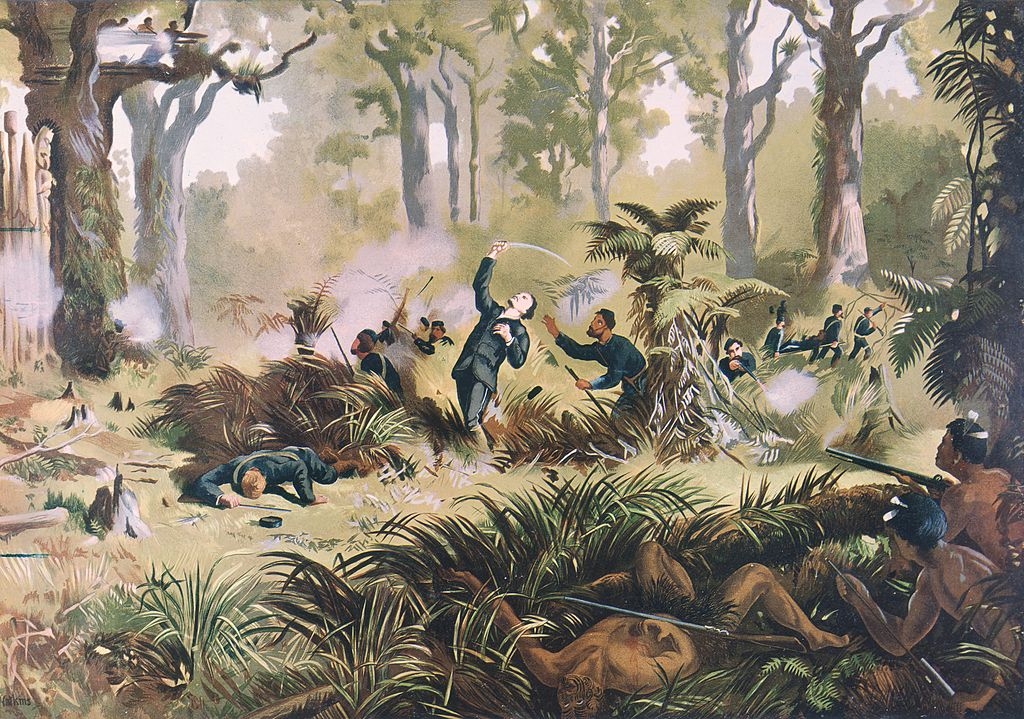
1845–72 New Zealand Wars fought between Maori and British settlers over ownership of land.
1852 The British Parliament passes the New Zealand Constitution Act, setting up a central government with an elected assembly (parliament) and six provincial governments.
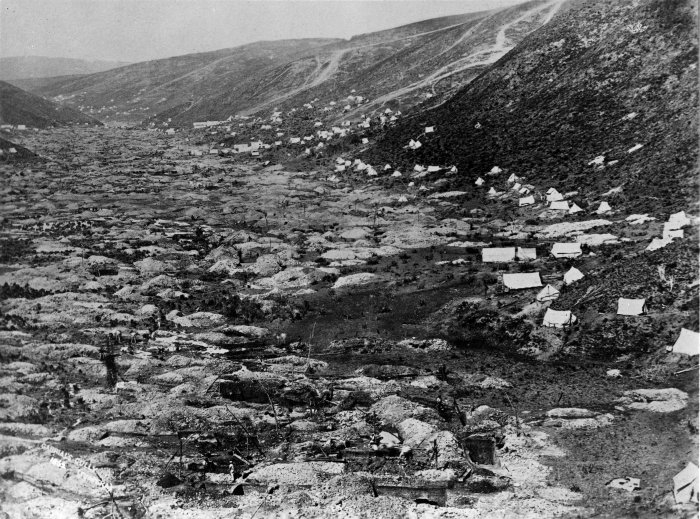
1861 Gold discovered Gabriels Gully, Otago on South Island starts a gold rush, drawing fortune-hunters from all over the world. Other discoveries in the 1860s prompted the the West Coast Gold Rush (1864–67) and the Hunt’s Duffer Gold Rush.
1865 New Zealand's capital is transferred from Auckland to Wellington. Government begins a programme of confiscations of millions of acres of land from the Maori in Waikato, Taranaki, Bay of Plenty and Hawke's Bay.

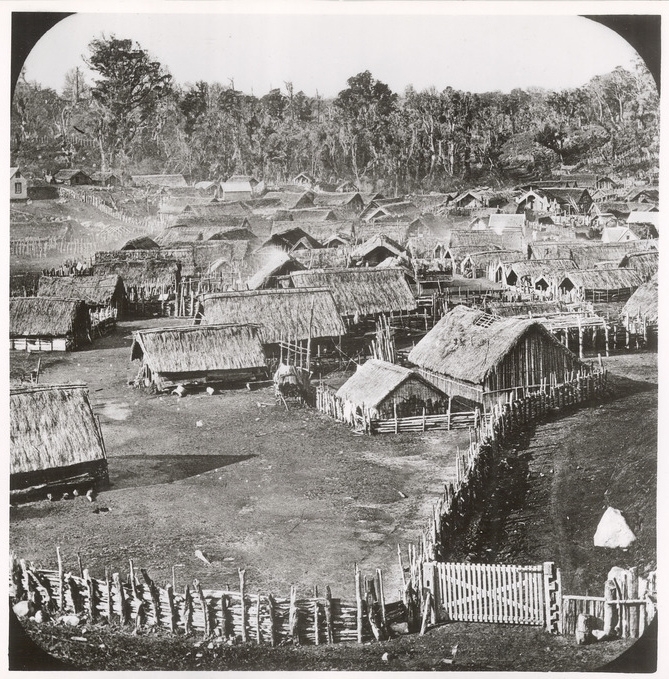
1866–81 Maori village of Parihaka becomes the centre of a major campaign of non-violent resistance to European occupation of confiscated land in the area. Founded by Maori chiefs Te Whiti o Rongomai and Tohu Kakahi, it attracts Maori who have been dispossessed of their land. Parihaka is finally destroyed by government troops in 1881, its inhabitants arrested and dispersed.
1867 Four Maori seats are established in Parliament. All Maori men over 21 are allowed to vote and to stand for parliament.
1877 Education Act is passed, establishing a national system of free primary education for all.
1893 New Zealand becomes the world's first country to give women the vote. Elizabeth Yates is elected mayor of Onehunga, becoming the first woman in the British Empire to hold the office of mayor.
1896 Maori population drops to 42,000, more than half the total at the time of European contact in the 18th century. It is caused by a combination of disease, war, intermarriage and land loss.
1903 New Zealand play their first international rugby match (against Australia); they become known as the All Blacks when they tour England in 1905.

Independence
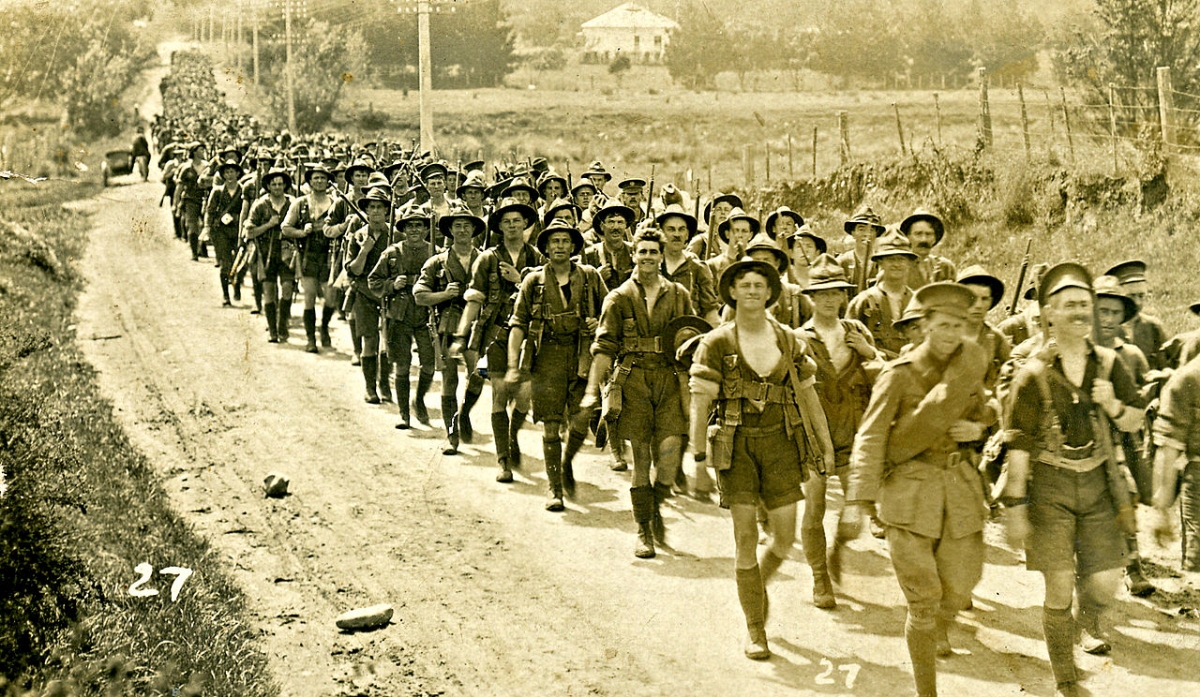

1907 New Zealand becomes a dominion within the British Empire, equal in status with Australia and Canada.
1915 Thousands of New Zealanders (part of ANZAC) are killed at Gallipoli in Turkey during World War I fighting on the side of Britain.
1930s New Zealand is hard hit by the Great Depression, with farming export earnings dropping dramatically.
1939–45 New Zealand fights in World War II on the side of the Allies.
1947 Statute of Westminster Adoption Act, passed by the New Zealand Parliament, gives New Zealand full independence from Britain.
1951 ANZUS treaty signed between United States, Australia and New Zealand. It binds each country to co-operate on military matters in the Pacific Ocean region (later, to conflicts worldwide).
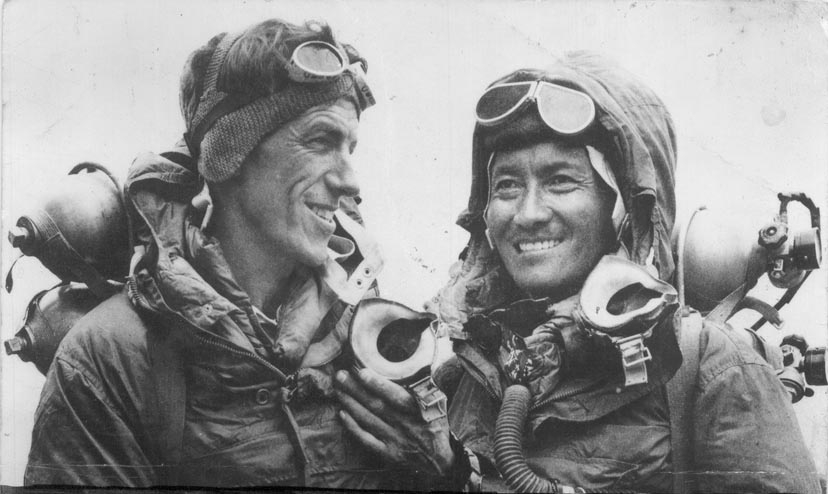
1953 New Zealand mountaineer Edmund Hillary and Nepalese Sherpa mountaineer Tenzing Norgay become the first climbers confirmed to have reached the summit of Mount Everest.
1959 Antarctic Treaty signed between New Zealand and other countries involved in scientific exploration in Antarctica.
1965–72 New Zealand troops are sent to serve in the Vietnam War, sparking anti-war protests at home.
1975 Waitangi Tribunal (Maori: Te Ropu Whakamana i te Tiriti o Waitangi), a commission of inquiry, is established to investigate and make recommendations on claims brought by the Maori that the British Crown breached promises made in the Treaty of Waitangi of 1840.
1981 South African rugby (Springbok) tour of New Zealand triggers widespread protests: the government of Prime Minister Robert Muldoon is called upon to ban it, but decides to let the tour go ahead. (At this time, all countries are strongly discouraged from having sporting contacts with South Africa because of its policy of apartheid.)
1984 Prime Minister David Lange bars nuclear-powered or nuclear-armed ships from using New Zealand ports or entering New Zealand waters.
1985 The French intelligence service sink the Rainbow Warror, the flagship of the environmental organization Greenpeace, in the port of Auckland. The ship is on its way to a protest against a planned French nuclear test in Moruroa. The incident sparks strong anti-nuclear feeling in New Zealand.
1987 The New Zealand Nuclear Free Zone, Disarmament and Arms Control Act makes the territorial sea, land and airspace of New Zealand nuclear-free zones.
1997 Jenny Shipley becomes New Zealand’s first woman prime minister.
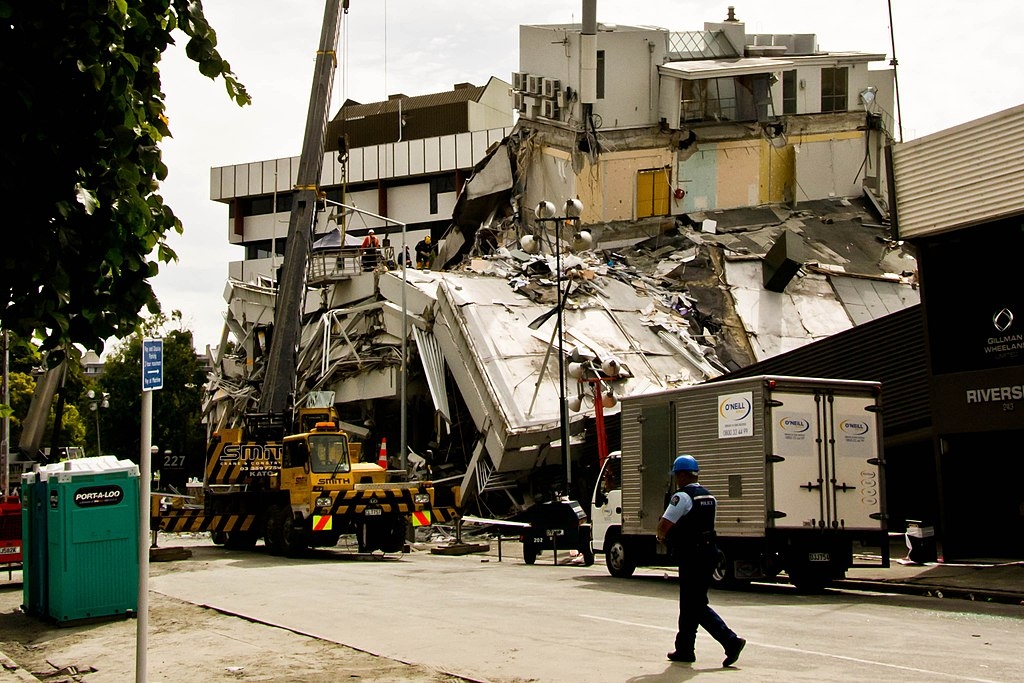
2011 The South Island’s largest city, Christchurch, is devastated by a major earthquake.
2013 New Zealand becomes the first country in the Asia-Pacific region to legalize same-sex marriage.
2014 Waitangi Tribunal (established in 1975) finds that the Ngapuhi (Maori of Northland, North Island) chiefs never agreed to give up their sovereignty when they signed the Treaty of Waitangi in 1840.
2017 Whanganui River, a river sacred to the Maori, becomes the first in the world to be recognized as a living entity with the same legal rights as a person, after parliament passes a bill granting it special status.
2019 A gunman shoots 50 worshippers dead and injures 50 others at mosques in Christchurch on what Prime Minister Jacinda Ardern describes as "one of New Zealand's darkest days".
2023 Severe Tropical Cyclone Gabrielle strikes the upper North Island, bringing high winds, heavy rain, devastating flooding and landslides. Fourteeen are dead or missing. Thousands of people are evacuated from their homes; power outages and damage to buildings are widespread.
Consultant: Philip Parker
pics


Without in any way limiting Q-files Ltd’s exclusive rights under copyright, any use of this publication to “train” generative artificial intelligence (AI) technologies to generate text is expressly prohibited. Q-files Ltd reserves all rights to license use of this work for generative AI training and development of machine learning language models.