
British Empire

CITE
We have made every effort to follow citation style rules, but there may be some minor differences. If in doubt, please refer to the appropriate citation style manual.
British Imperial Century: Asia. (2026). In Q-files Encyclopedia, History, British Empire. Retrieved from
https://www.q-files.com/history/british-empire/british-imperial-century-asia
"British Imperial Century: Asia." History, British Empire, Q-files Encyclopedia, 30 Mar. 2026.
https://www.q-files.com/history/british-empire/british-imperial-century-asia.
Accessed 21 Sep. 2026.
British Imperial Century: Asia 2026. History, British Empire. Retrieved 21 September 2026, from
https://www.q-files.com/history/british-empire/british-imperial-century-asia
History, British Empire, s.v. "British Imperial Century: Asia," accessed September 21, 2026.
https://www.q-files.com/history/british-empire/british-imperial-century-asia


British Imperial Century: Asia
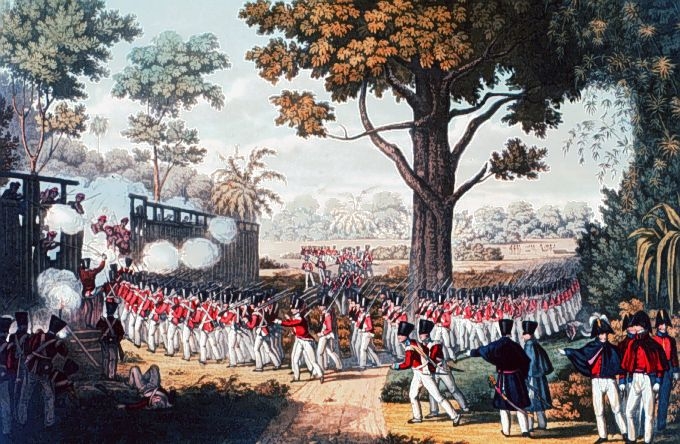
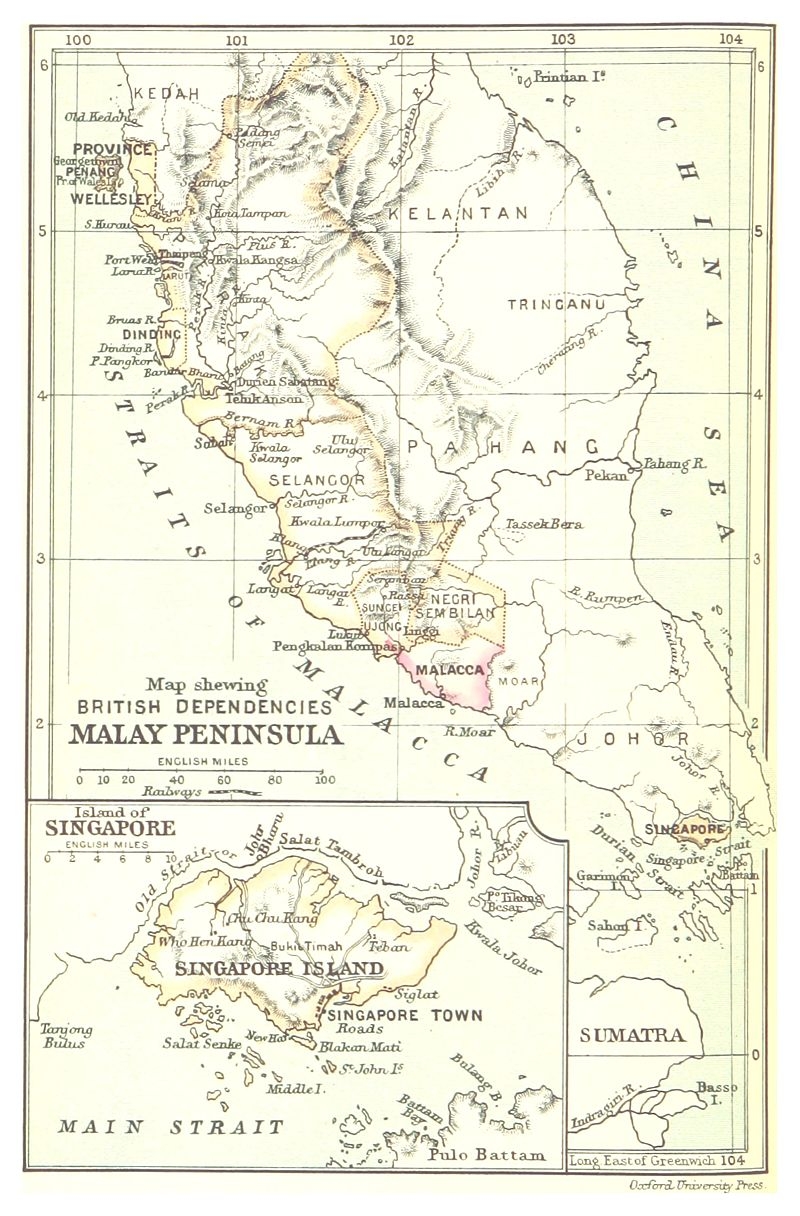
The East India Company drove the expansion of the British Empire in Asia. The Company's army had joined forces with the Royal Navy during the Seven Years' War (1756–63). They continued their co-operation in regions beyond India's shores, acquiring Penang Island from the Sultan of Kedah in 1786, capturing Java from the Dutch in 1811 and founding Singapore in 1819. By the Anglo-Dutch Treaty of 1824, the British gained control of Malacca in exchange for recognition of Dutch rule over the rest of the East Indies (present-day Indonesia). The Company also annexed several provinces of the neighbouring Burmese Empire, including Assam and Arakan, following its decisive victory in the First Anglo-Burmese War of 1824–26. The British fought two more wars against a weakened Burma, and took control of the whole country by 1885.
Malaya
Useful as bases for the growing trade with China, the colonies on the Malay Peninsula's coast of the Straits of Malacca, originally acquired by the British East India Company, together became the Crown Colony of the Straits Settlements in 1867. This marked the beginning of British expansion into the Malay Peninsula.
Over the course of the rest of the 19th century a number of Malay Sultans allied themselves with the British Empire. The British signed treaties with some Malay states, appointing “residents” who advised the Sultans and who soon became the effective rulers of their states.
Sarawak
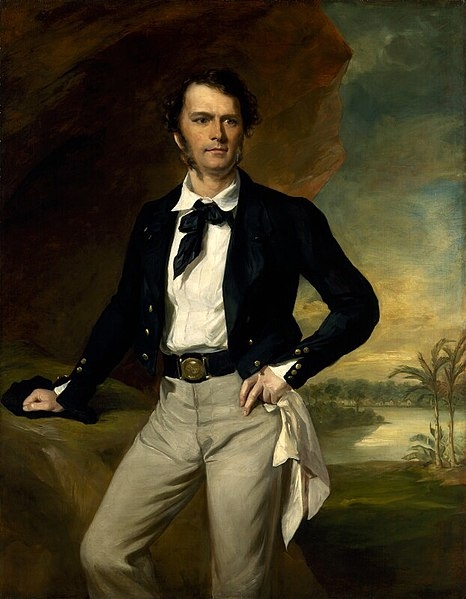
In 1842 the Sultan of Brunei granted lands in Sarawak, northern Borneo, to the English adventurer James Brooke. It was a reward for his help in putting down a local rebellion. Keen to play his part in the expansion of the British Empire, Brooke became Rajah (princely ruler) of Sarawak. He issued new laws for the territory, banning slavery, headhunting and piracy. Brooke also acquired the island of Labuan for Britain in 1846. Brooke's nephew and, later, his nephew's son—the "White Rajahs"—would govern the territory until 1946.
British Raj
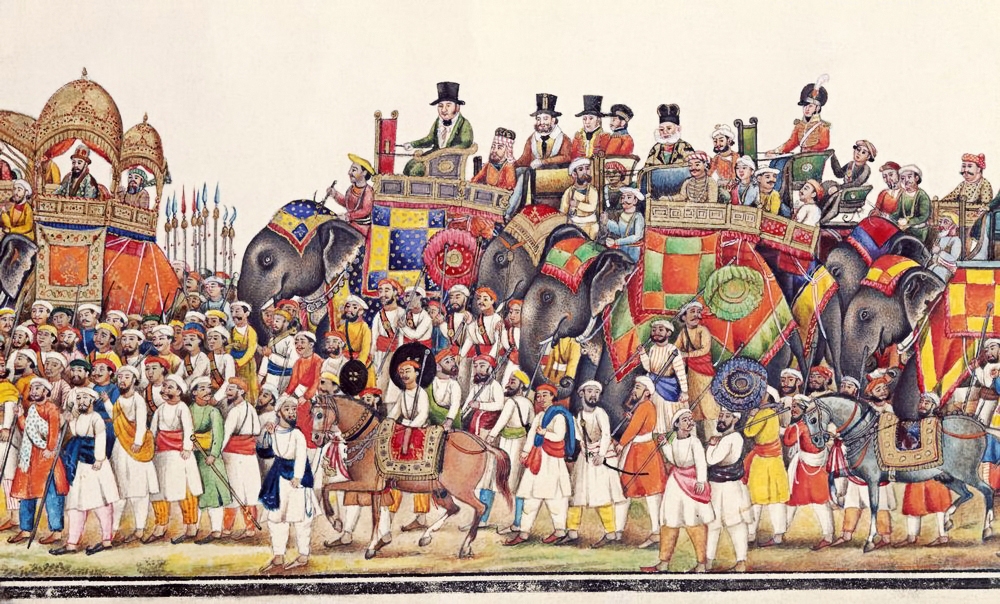
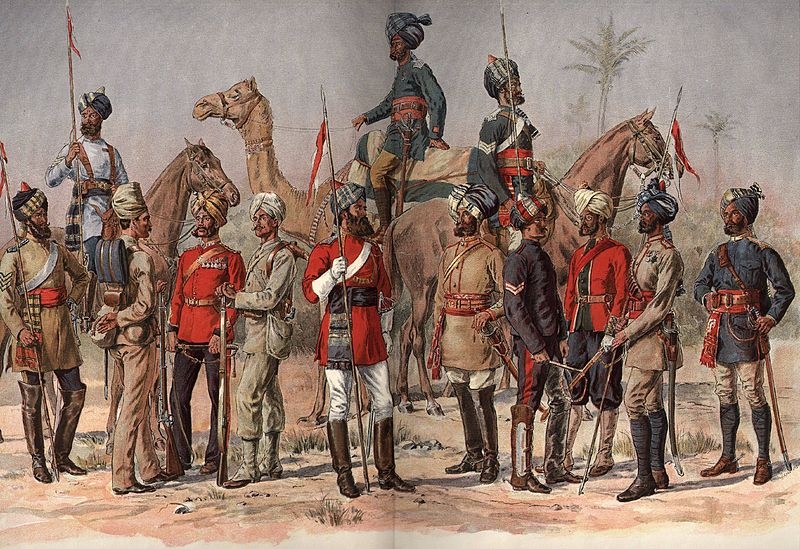
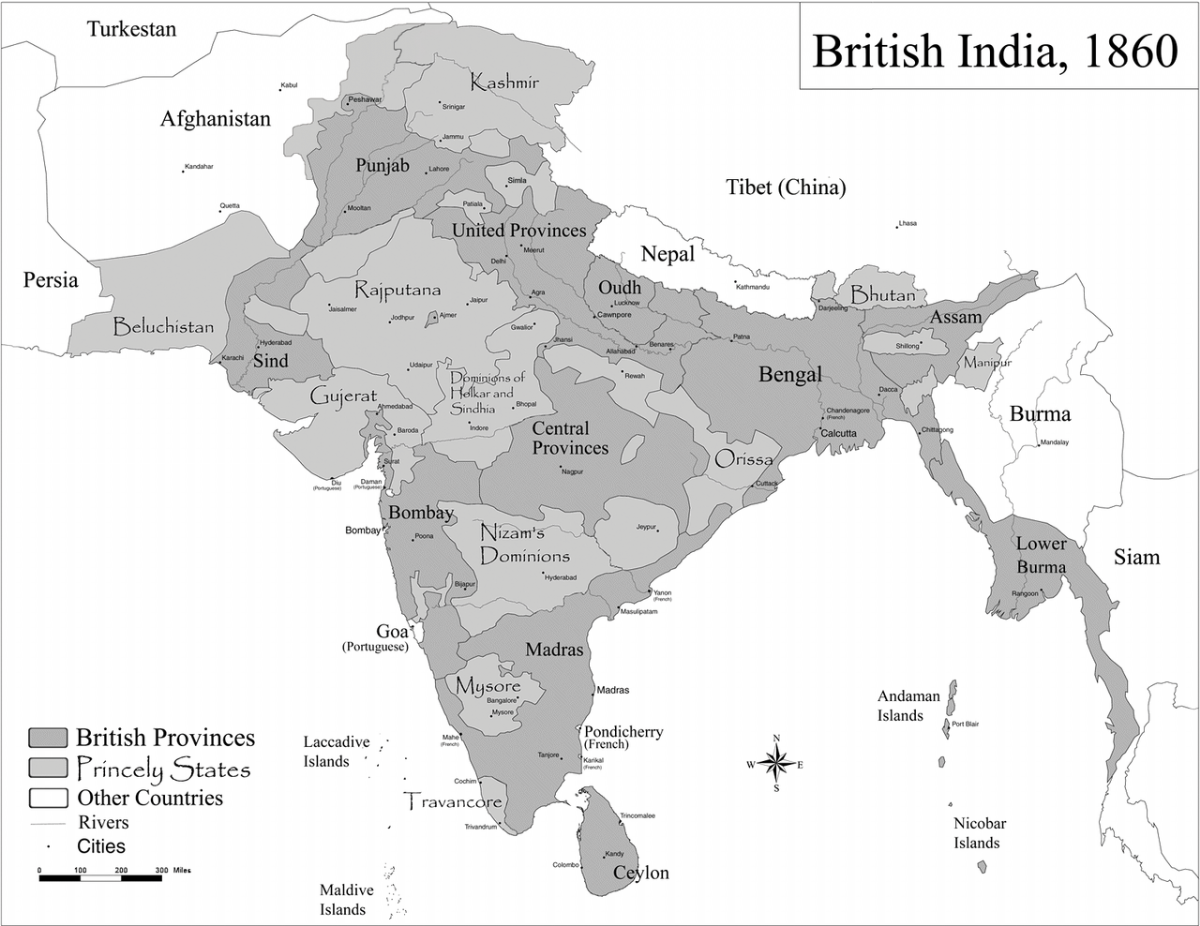
By the first decades of the 19th century, the British East India Company had gained control of much of the Indian subcontinent. The Ahom Kingdom of northeastern India fell to the British in 1826. Punjab, the Northwest Frontier Province and Kashmir were annexed in 1849. Other territory came under Company influence through alliances with local rulers, creating the “princely states” of the Hindu maharajas and the Muslim nawabs. Governing from its base in Calcutta (known today as Kolkata), the Company now acted more as an administrator than a trading company. Its private army, made up almost entirely of sepoys (hired Indian soldiers), enforced its rule.
However, it had become clear to the British government that the Company was not capable of governing the vast territory it had captured. The Company failed, for example, to deal with the famines during its period of rule, in particular the Great Bengal Famine of 1770 in which up to 10 million people died. Over a series of Acts passed between 1773 and 1853, the sovereignty of the British Crown was established over the Company's territories.
In 1857, a rebellion broke out among the Company's Indian troops in northern and central India. It began with a sepoy mutiny in Meerut led by Mangal Pandey. Within weeks, dozens of Indian army units joined peasant armies in widespread rebellion against the British presence. The rebel soldiers were then joined by the Indian nobility, many of whom had lost their lands under Company rule. Order was eventually restored in 1858. Poorly equipped and receiving little support, the rebels were brutally crushed by British forces.
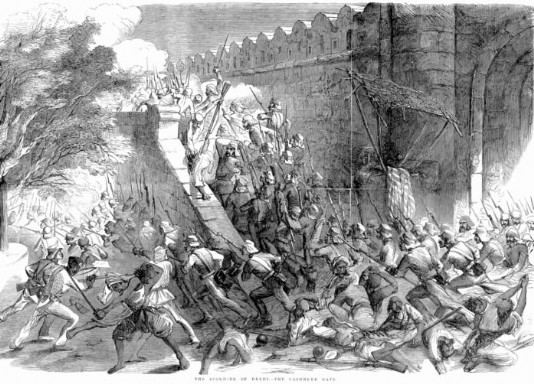
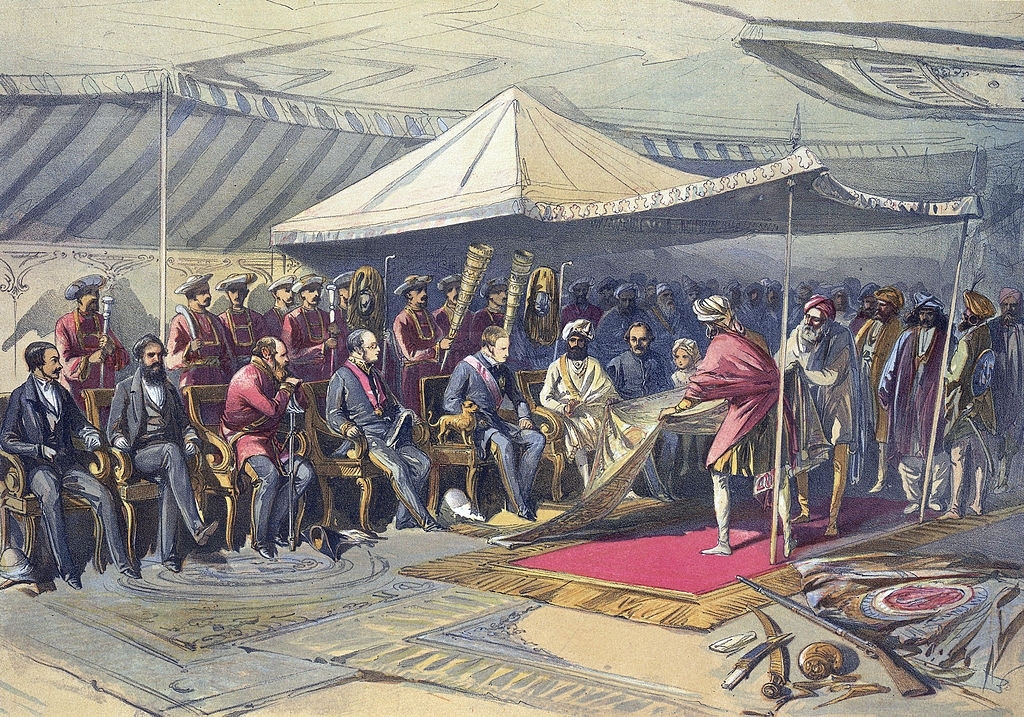
Through the Government of India Act 1858, the British government decided to close down the East India Company and assume direct control over India, establishing what was called the British Raj. A governor-general, appointed by the British government, now ruled the country. India became the Empire's most valuable possession, often described as "the Jewel in the Crown". In 1876, Queen Victoria was crowned Empress of India.
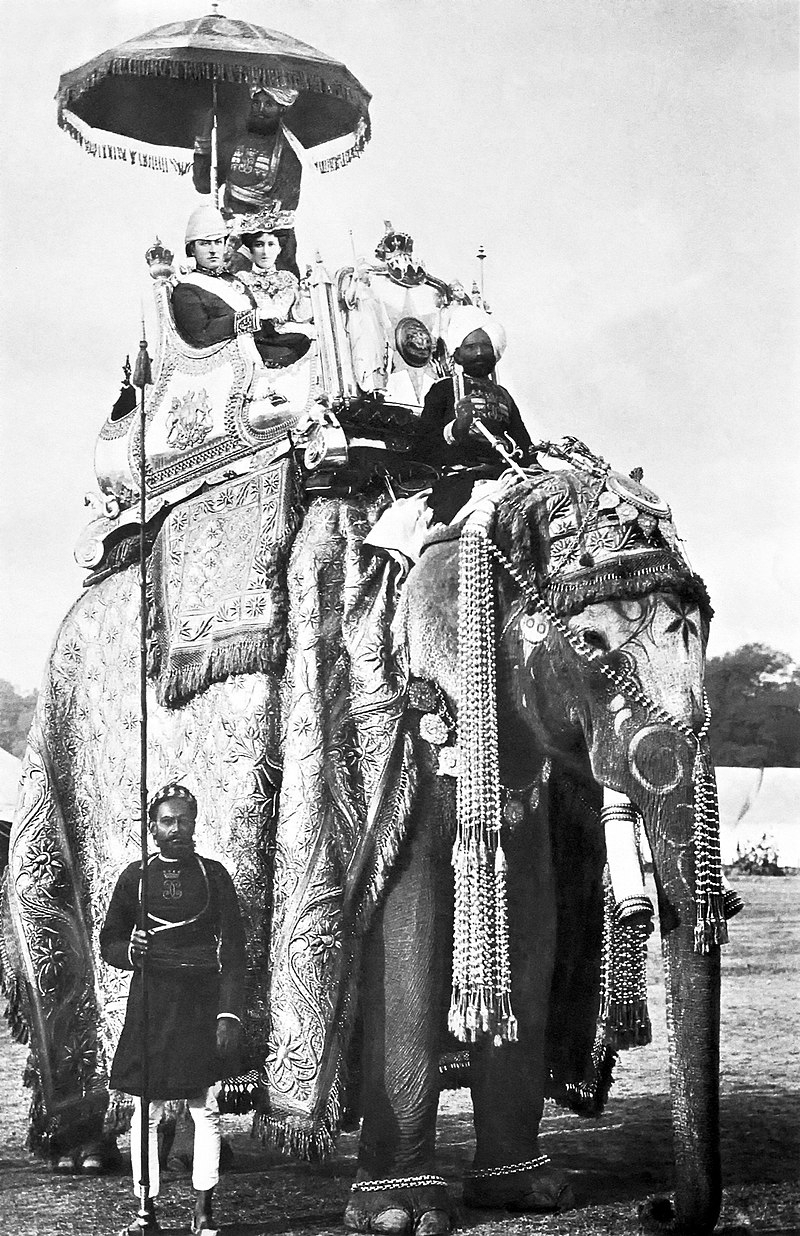
Under the British Raj, a system of law called the Indian Penal Code came into being. English became the language of education and the Anglican Church was established. Work began on building a huge railway network across India. Canals, irrigation systems, telegraph links, roads and ports were also built, while plantations for growing and exporting tea, coffee, sugar cane, cotton and jute were set up.
In 1905, the Viceroy of India (head of the British administration) Lord Curzon split the large province of Bengal into a mostly Hindu western half and a largely Muslim eastern half called Eastern Bengal and Assam. The people of Bengal were outraged by this act: it marked the beginning of the anti-colonial movement. Bengal was reunified in 1911, but many Muslims in Bengal had already begun to distrust both the British rulers and the Hindus, who dominated the region.
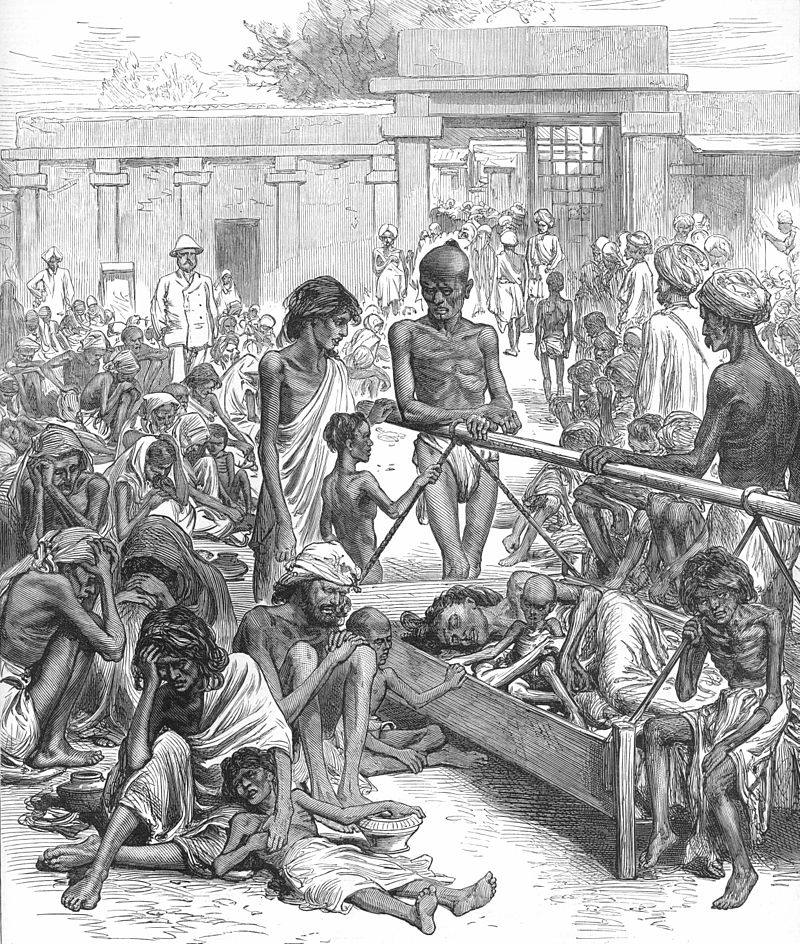
During British rule, famines in India were some of the most severe ever recorded. Some say they were made much worse by the British government's inaction. They included the Great Famine of 1876–78, in which between 5 and 10 million people died and up to 60 million were affected, the Indian famine of 1899–1900, in which between 1.25 to 10 million people died, and, in the last years of the Raj, the Bengal famine of 1943 when up to 3.8 million people died. An outbreak of plague in the mid-19th century killed 10 million people.
The Great Game
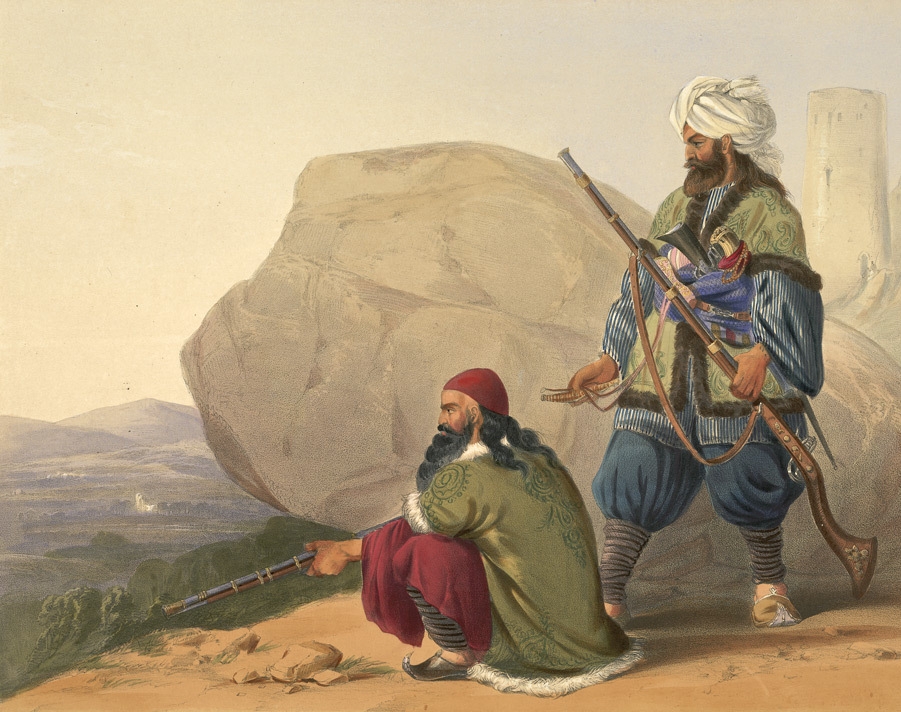
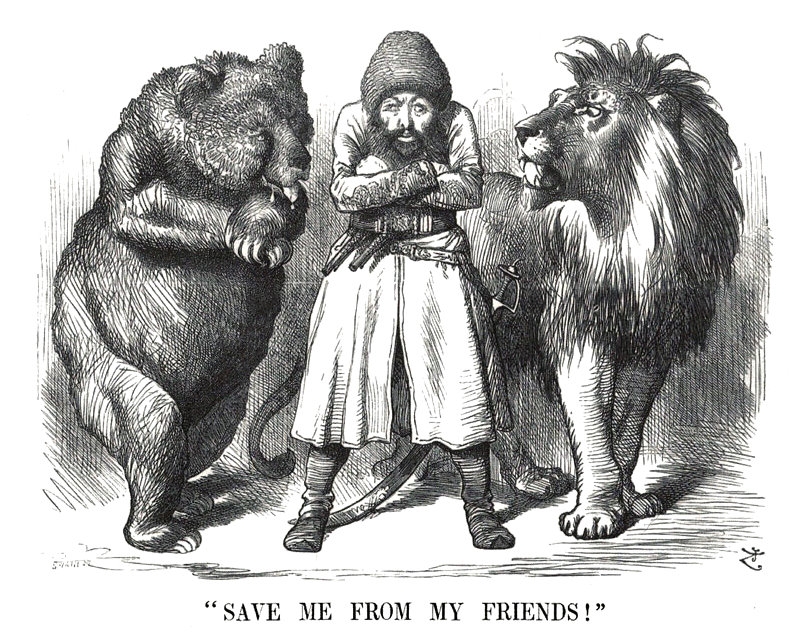
During the 19th century, Britain and the Russian Empire competed for control of lands in Central Asia, where the declining powers of the Ottoman Empire, the Qajar dynasty of Persia (present-day Iran) and the Qing Dynasty of China once held sway. This rivalry over Afghanistan, Persia and neighbouring lands came to be known as "The Great Game". Anxious to protect India's northwestern border from invasion by Russia, the East India Company attempted to conquer Afghanistan. Its troops were pushed back by Afghan forces during the Anglo-Afghan War of 1839–42. The Second Anglo-Afghan War (1878–80) ended in a decisive victory for the British. Afghanistan now formed a "buffer zone" between the British Raj and the Russian Empire.
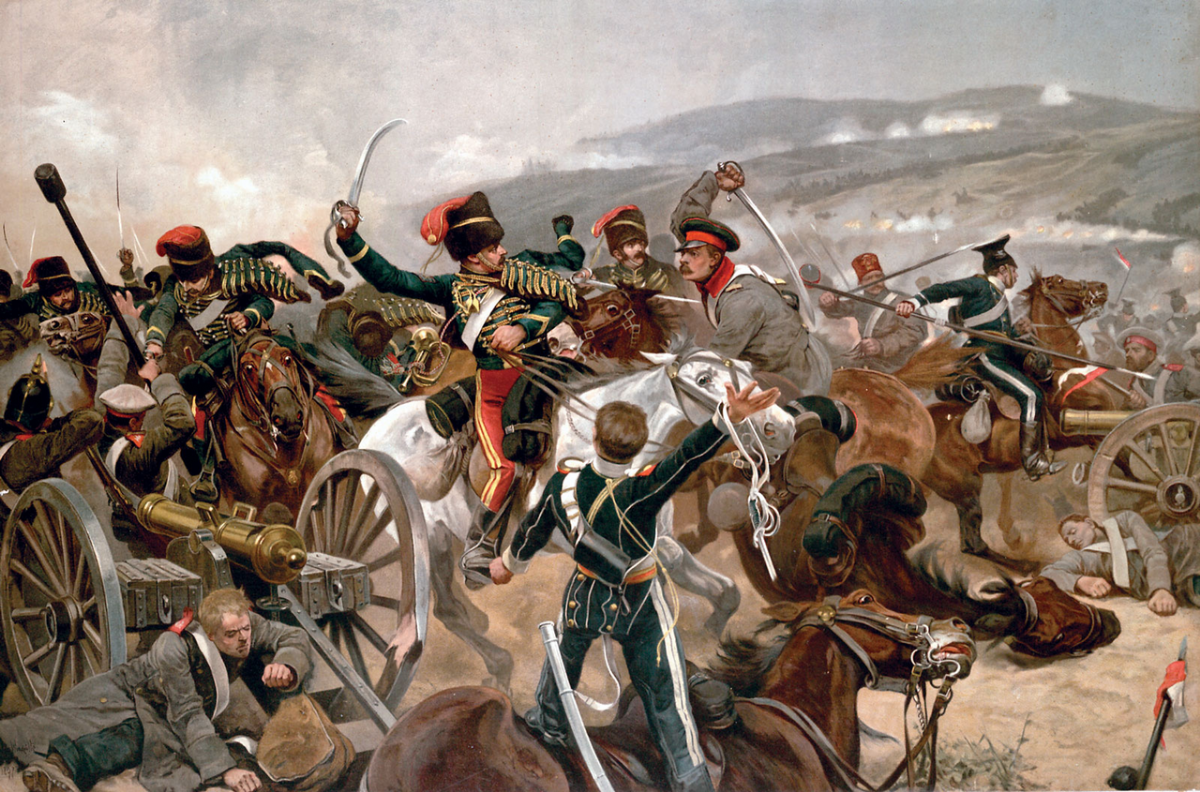
Fears of Russian dominance in the Mediterranean and Middle East (and the lack of resistance from a weak Ottoman Empire) led Britain, in alliance with France, to invade the Crimean Peninsula in 1854 and capture the naval base at Sebastopol. Victory over Russia in the Crimean War resulted in a treaty in 1856 banning the presence of Russian warships in the Black Sea.
Control of Persia was also contested between the British Empire and Russia. In the Anglo-Russian Convention of 1907, Persia (Iran's former name) was divided into spheres of influence between the two powers—Russia in the north, Britain in the southeast—regardless of the fact Persia was a sovereign independent state. The discovery of crude oil in 1908 by the British Anglo-Persian Oil Company (now BP) in Khuzestan, a province of southwestern Iran, raised Britain's interest in Persia further. The British government now became a hidden power behind the oil company, as it was keen to adopt oil instead of coal as fuel for the Royal Navy's ships.

Opium Wars
Trade with China in the 19th century was skewed in China's favour. Although the Chinese were happy to export goods such as silks and spices to the West, they strictly controlled imports into their country. Foreigners were allowed to trade through one port only, Canton (now known as Guangzhou). Silver from Europe flowed into China.
British East India Company merchants in China tried to get round these restrictions by illegally importing the drug opium from India. Made from the juice of the opium poppy, opium was highly addictive—and much in demand in China. Chinese forces confiscated stockpiles of opium in Canton and attempted to get foreign ships to surrender their cargoes. But the opium merchants were backed by the British government. War between Britain and China broke out in 1839. Outgunned and out-manoeuvred by Britain's superior ships, China, which relied on its fleet of wooden junks, suffered humiliating defeat in 1842.
Under the peace treaty that ended the war, Britain acquired the colony of Hong Kong (then only a minor settlement) and a range of trading concessions (offical permission to trade with local Chinese merchants and the opening of several Chinese ports to traders). War broke out again in 1856, resulting in another defeat for China, and more concessions to Britain (and France) in 1860.
Consultant: Philip Parker
pics

Without in any way limiting Q-files Ltd’s exclusive rights under copyright, any use of this publication to “train” generative artificial intelligence (AI) technologies to generate text is expressly prohibited. Q-files Ltd reserves all rights to license use of this work for generative AI training and development of machine learning language models.