
China

CITE
We have made every effort to follow citation style rules, but there may be some minor differences. If in doubt, please refer to the appropriate citation style manual.
Qing dynasty. (2025). In Q-files Encyclopedia, History, China. Retrieved from
https://www.q-files.com/history/china/qing-dynasty
"Qing dynasty." History, China, Q-files Encyclopedia, 3 Oct. 2025.
https://www.q-files.com/history/china/qing-dynasty.
Accessed 6 Aug. 2026.
Qing dynasty 2025. History, China. Retrieved 6 August 2026, from
https://www.q-files.com/history/china/qing-dynasty
History, China, s.v. "Qing dynasty," accessed August 6, 2026.
https://www.q-files.com/history/china/qing-dynasty


Qing dynasty
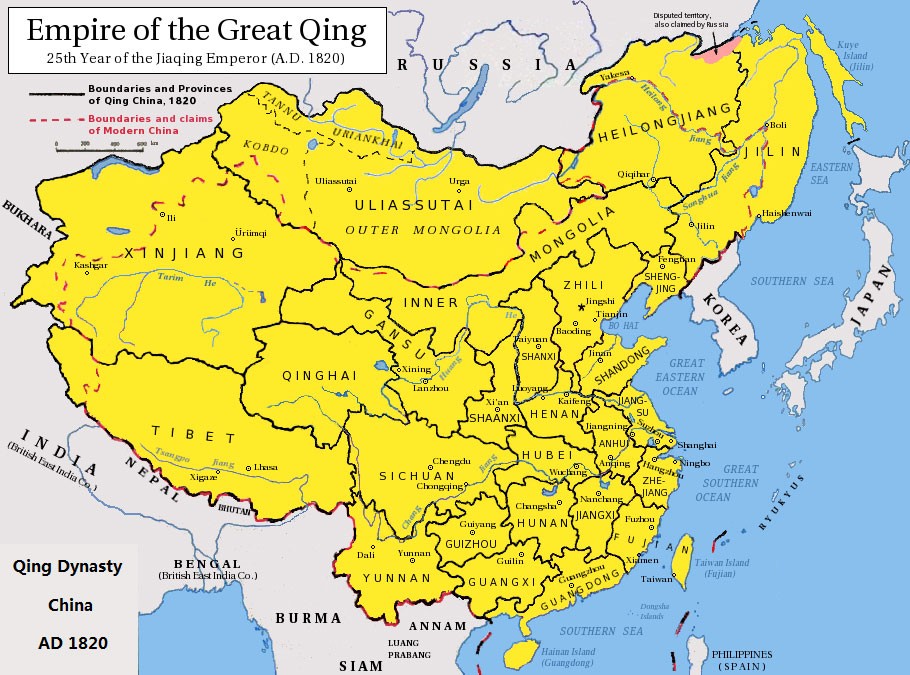
In 1644 peasant rebels seized the Chinese capital, Beijing, and the last Ming emperor, Chongzen, took his own life. Chinese generals supported an invasion from the Qing (pronounced "CHEENG"), a non-Chinese dynasty from Manchuria, to restore order. Once established as rulers of China, the Qing dynasty massively extended its territory, annexing Manchuria, Mongolia, Taiwan, Tibet and the regions of Turkestan and Xinjiang. Treaties with Russia in 1689 and 1727 fixed the border between the two empires. By the time of the Qianlong Emperor (reigned 1736–95), China had become the wealthiest and most powerful country in the world. However, during the course of the 19th century, Qing rulers faced internal revolts, economic disruption and attempts by foreign powers to dominate the country. The Qing rulers' reluctance to modernize China led to their downfall.
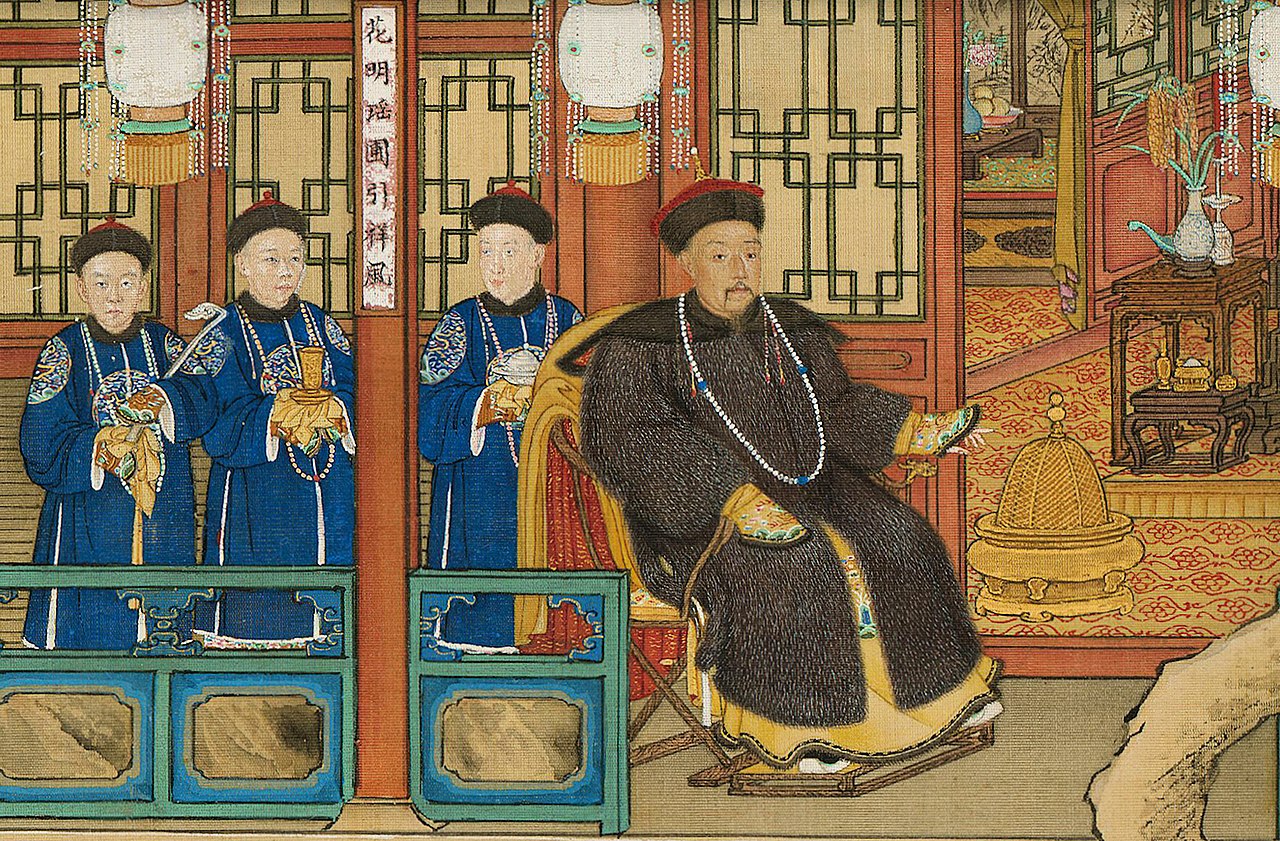
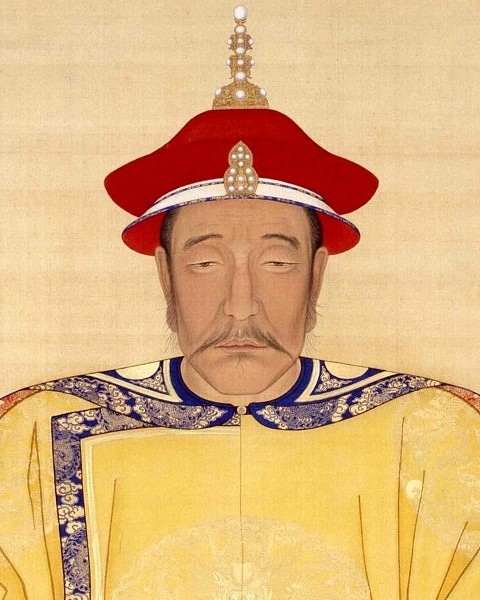
Nurhaci
The Manchu were a farming people from a land to the northeast of the Great Wall called Manchuria. Conquered by the Ming in the late 1380s, it had been under their rule ever since. In the 1580s the various Manchu tribes were united by a chieftain named Nurhaci (1559–1626). Having organized the Manchu clans into military divisions, known as Banners, Nurhaci went to war with Ming China in 1618. He was intent on taking back control of Manchuria from the Ming rulers.
After Nurhaci died in battle in 1626, his son Hong Taiji succeeded him. Hong Taiji renamed the dynasty his father had begun the Great Qing, and became its first emperor. He led invasions of Korea and Inner Mongolia, expanding the Qing Empire. His forces then marched south towards China.
Conquest of Ming China
Hong Taiji died in 1643, just as his Qing forces were preparing to attack Shanhai Pass, the last Ming fortification defending China. Hong Taiji's five-year-old son Fulin, later to be known as Shunzhi, was chosen to succeed him. Hong's half-brother, Dorgon, was appointed Prince Regent, to rule while Fulin was still a child.
Meanwhile, in 1644, as Ming control of China disintegrated, peasant rebels led by Li Zicheng captured Beijing. Unable to escape, the Ming emperor Chongzen took his own life. The Ming general, Wu Sangui, then opened the Shanhai Pass to the armies of Prince Dorgon. His Qing forces proceeded to defeat the rebels, seize the capital and take over the government of China. The young Shunzhi Emperor thus became the first Qing ruler of China.
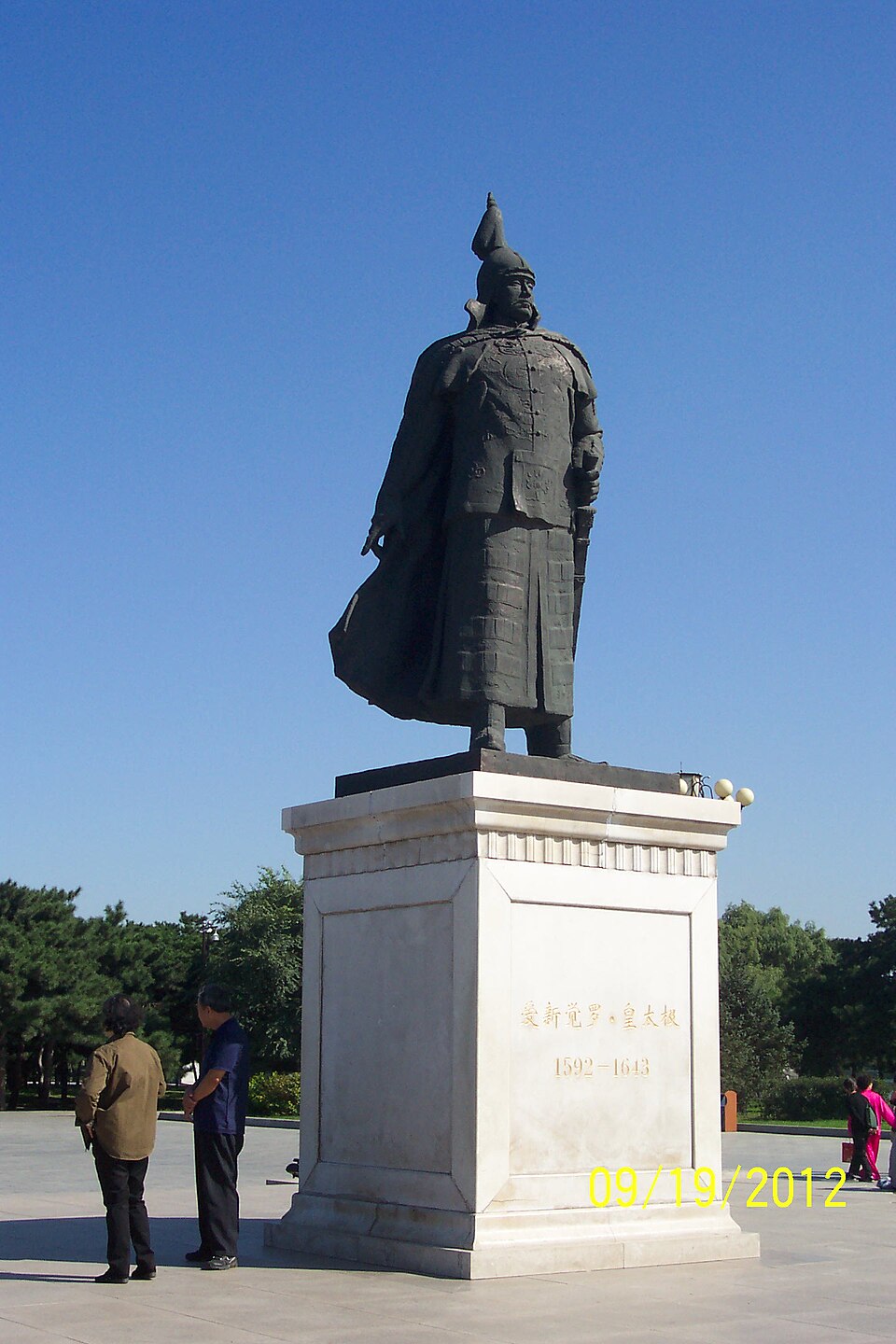
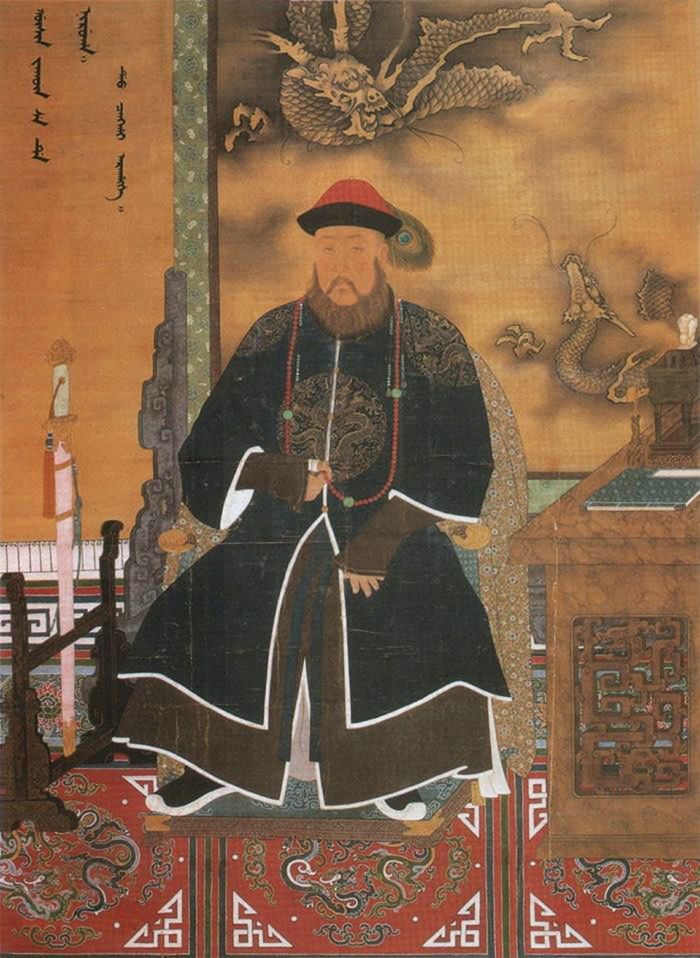
Shunzhi era
To begin with, power lay not with the boy emperor but chiefly in the hands of Dorgon. Under his leadership, the Qing conquered most (though not all) of the territory of the fallen Ming dynasty and established Qing rule over large parts of China.
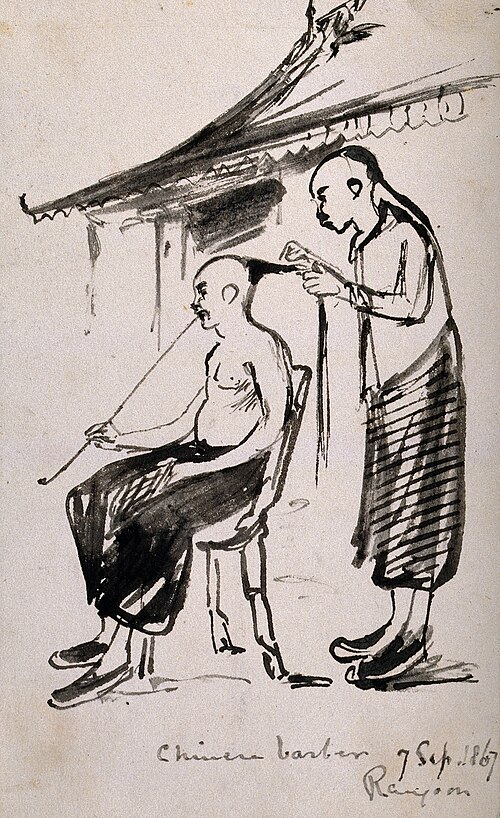
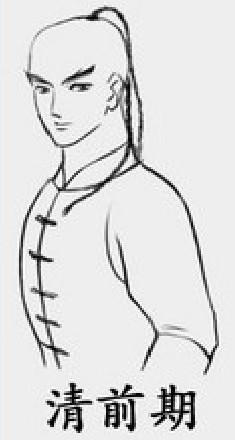
The Qing integrated former Ming soldiers into their armies and employed Ming officials to help them govern. But they were Manchu, a people with a different culture to that of the Han Chinese: they spoke a different language, had their own clothing styles and even wore their hair differently.
In 1645, the new government issued a command that all male subjects must shave their foreheads and braid their remaining hair into a long plait, or "queue", in the Manchu style. At first, this was unpopular, but soon the Han Chinese began adopting Manchu dress styles and eating new foods.
After Dorgon's death on the last day of 1650, Shunzhi, still a boy, began to rule in his own name. By the end of his short life in 1661, his armies had defeated most of the Qing's enemies. Shunzhi died at the age of 22 of smallpox, a common disease in China, but one against which the Manchus had no immunity. He was succeeded by his young son, who took the name of the Kangxi Emperor and went on to reign for 61 years.

Kangxi Emperor
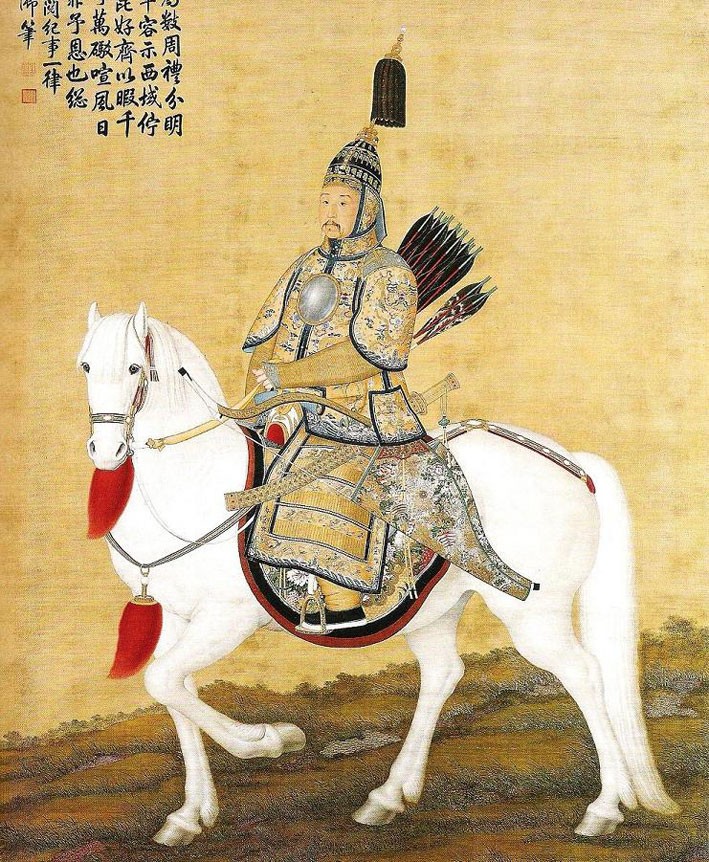
The Kangxi Emperor (reigned 1661–1722) was the longest-reigning emperor in Chinese history. He came to the throne at the age of just seven on the death of his father. At first, a council of regents ruled on his behalf, but when he was 15, he had them arrested and began to rule in his own right.
The first half of Kangxi's reign was devoted to imposing his authority: gaining control over Manchu nobles, putting down rebellions (including the 1673–81 Revolt of the Three Feudatories, a Han Chinese-led revolt in southern China), conquering the remaining Ming strongholds in southern China and Taiwan, and resisting invasion attempts from Tsarist Russia.
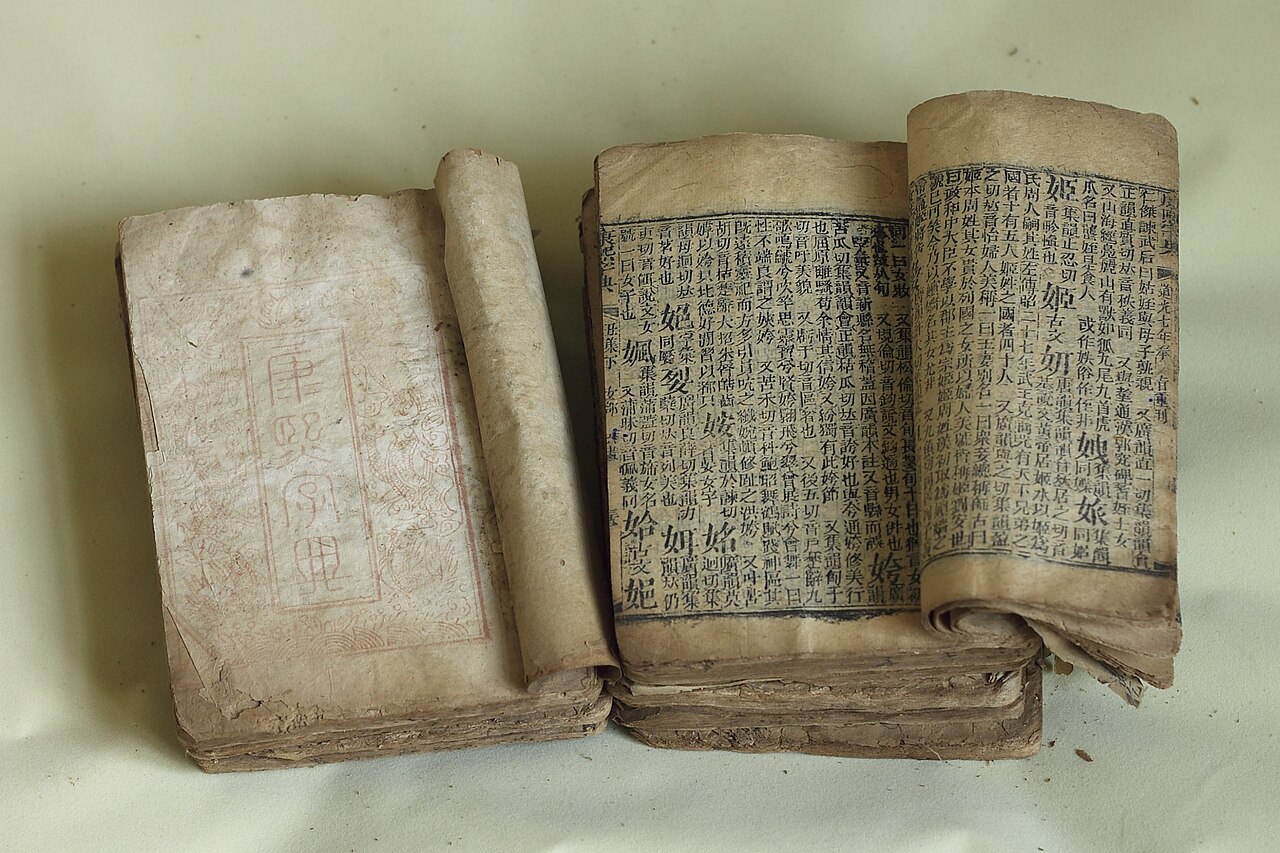
Later in his reign, Kangxi oversaw the growth of China's prosperity with huge increases in exports of silk, tea, cotton and porcelain. Kangxi was a great believer in education and ordered a new Chinese dictionary to be created.
On his deathbed, Kangxi chose his fourth son, Yinzhen, to succeed him. Yinzhen, who became known as the Yongzheng Emperor, cracked down on corruption and formed the Grand Council to help him govern. He continued his father's efforts to impose Qing rule over Outer Mongolia and Tibet.

Qianlong Emperor
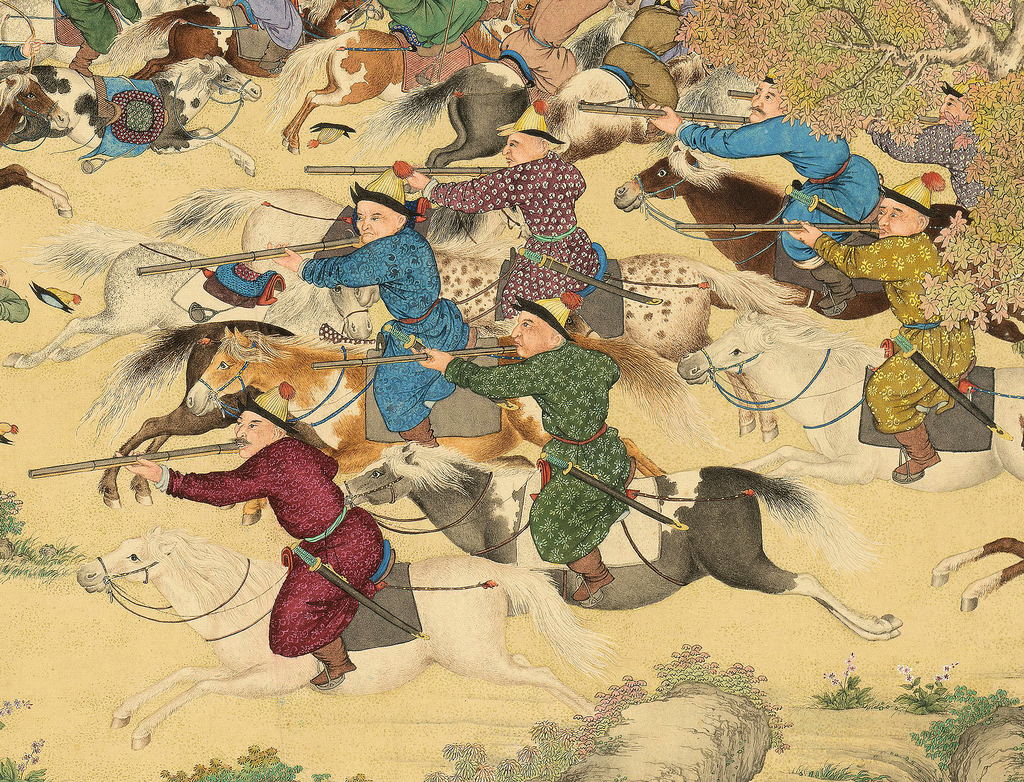
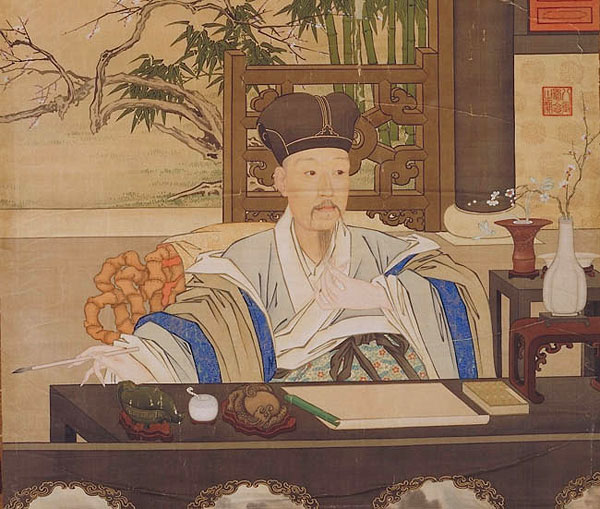
The second of the two great Qing reigns, that of Yongzheng's son, the Qianlong Emperor, ran from 1735 to 1796. Under Qianlong's rule, the Chinese Empire expanded to its greatest extent and had the largest population and economy in the world.
The most significant of Qianlong's military campaigns was against the Dzungar Khanate, a Mongol state. The Dzungars had long resisted Qing advances in their homeland, Dzungaria. But Qianlong finally defeated them in 1759 and proceeded to wipe them out. Han Chinese, Muslim Uyghurs and other peoples then settled the Dzungars' former lands, renamed Xinjiang.
Under Qianlong, China also extended its rule over Tibet and much of central Asia, while exerting political control over states in Southeast Asia and Korea. The empire's population now included not only the Han Chinese but also Mongol, Tibetan, Manchu and many other peoples, each with their own cultures and religions.
Qianlong celebrated the Manchu, Mongol, Han, Tibetan and Muslim cultures that his empire embraced. He ordered a five-language dictionary to be compiled and had Tibetan Buddhist texts and Chinese classics translated into the Manchu language. Devoted to the arts, Qianlong wrote much poetry and assembled a collection of around 4000 Chinese books.
Qianlong was the only Chinese emperor to retire. Not wishing to reign longer than his grandfather, the Kangxi Emperor, believing this to be disrespectful, in 1796 he abdicated in favour of his son, the Jiaqing Emperor. He remained in charge, however, until his death in 1799 at the age of 87.
Canton System
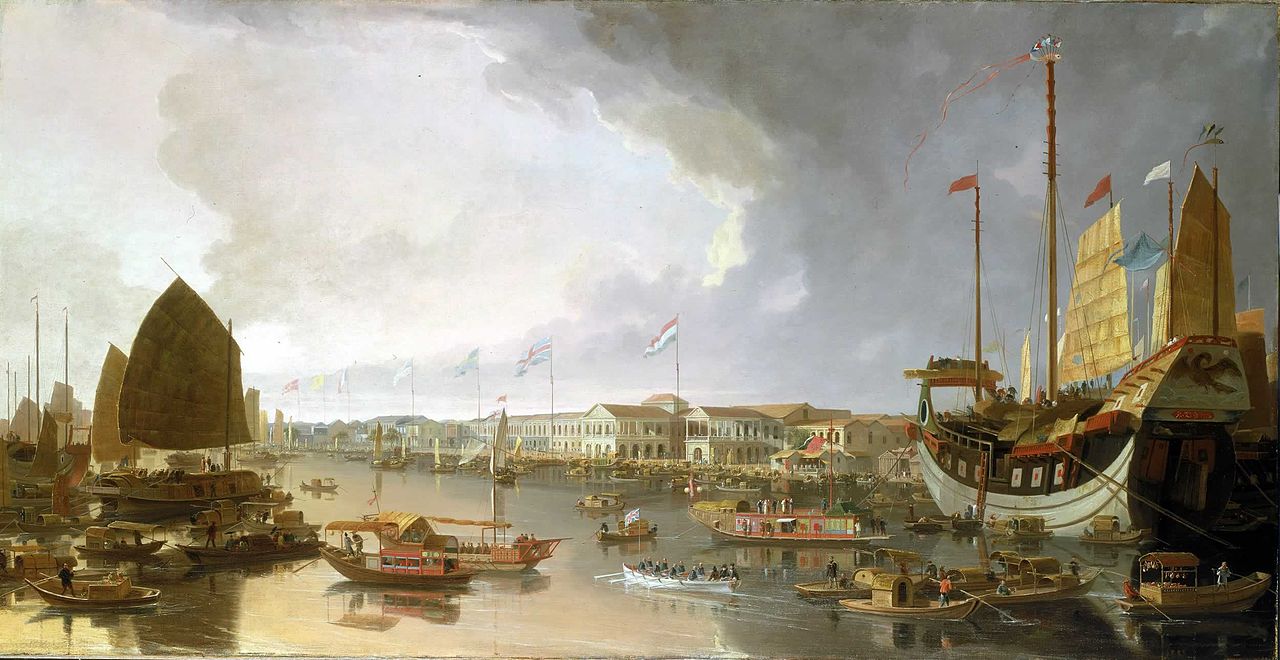
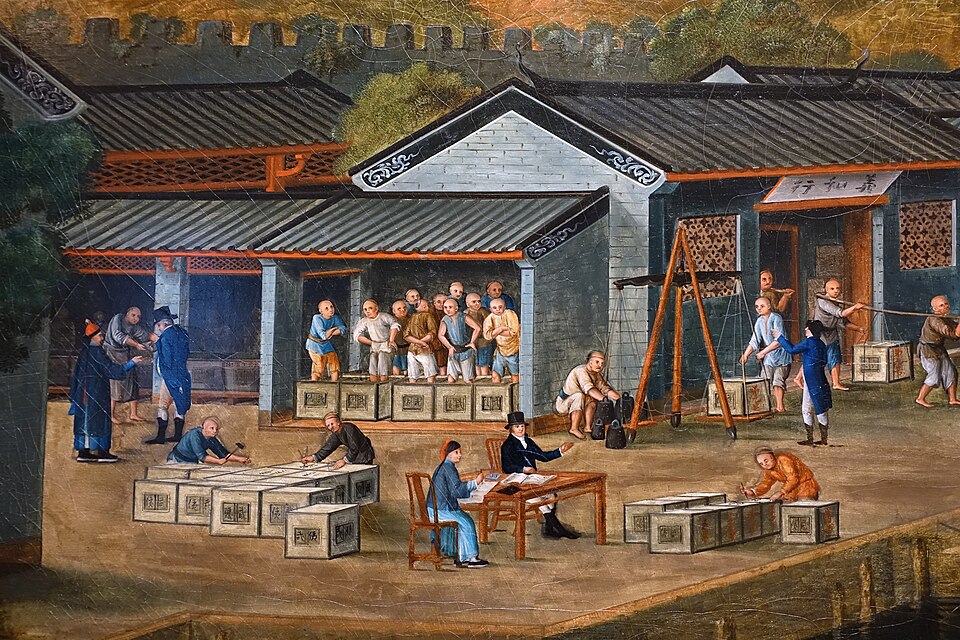
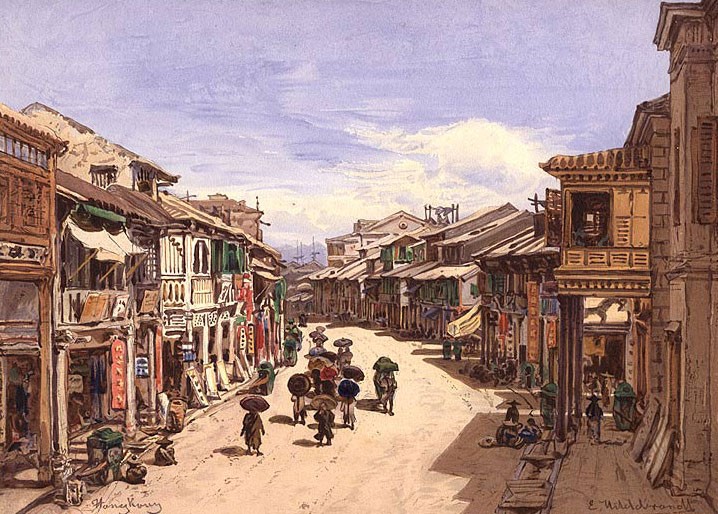
From the late 17th century onwards, Qing rulers became more open to foreign trade. After 1685, a series of customs stations were established in major port cities and Chinese merchants, known as Hongs, managed all trade in the port. The customs station at Canton (today known as Guangzhou) became by far the most active in foreign trade.
In 1757, the Qianlong Emperor acted to control trade with the West by ruling that it could only go through Canton. He set up what is known as the Canton System by which the Canton Cohong were granted the exclusive right to trade. The Cohong were a group of Chinese merchants operating out of the Thirteen Factories (warehouses) located on the banks of the Pearl River. Canton soon became a booming hub of international trade, particularly for the export of tea. Until the beginning of the 19th century, tea made up 90% of all exports leaving Canton, much of it shipped to Britain.
Rise and fall of the Qing

Plentiful food, new irrigation works and swift government action against natural disasters led to the rapid increase in population of China during the 1700s. Literacy and living standards were high. Chinese goods, such as tea, porcelain and silks, were sold across the world.
However, by the early 1800s, China went into a long decline. Population growth—it had doubled since 1700—meant there was not enough farmland or jobs to support everyone. More land was needed to cultivate for food, but this caused massive soil erosion and flooding. Poor conditions in the countryside fostered discontent and led to a number of rebellions against the Qing rulers.
Taiping Rebellion
The Taiping Rebellion was a civil war that took place in China from 1850 to 1864. It was fought between the Qing dynasty and the Taiping Heavenly Kingdom, a breakaway state led by a man called Hong Xiuquan. Founded as a movement to convert the Chinese people to Christianity—Hong Xiuquan believed himself to be the brother of Jesus Christ—and to overthrow the Qing rulers, the Taiping Heavenly Kingdom was based in Nanjing (called Tianjing by the Taipings). The kingdom gained control of large parts of southern China, an area with a population of nearly 30 million people. Hong’s call to rebellion appealed to many people: taxes had gone up, and floods and hurricanes had destroyed homes and fields, leaving many desperate.


The conflict between the Taiping and the Qing forces became one of the bloodiest wars in human history. The numbers of war dead is estimated at between 20 and 30 million people. Many millions were forced to flee the conquered regions to foreign settlements or other parts of China. The Taipings were eventually defeated by the Qing Imperial armies. Its commander, Zeng Guofan, finally captured Nanjing after a two-year siege in 1864.
Opium wars
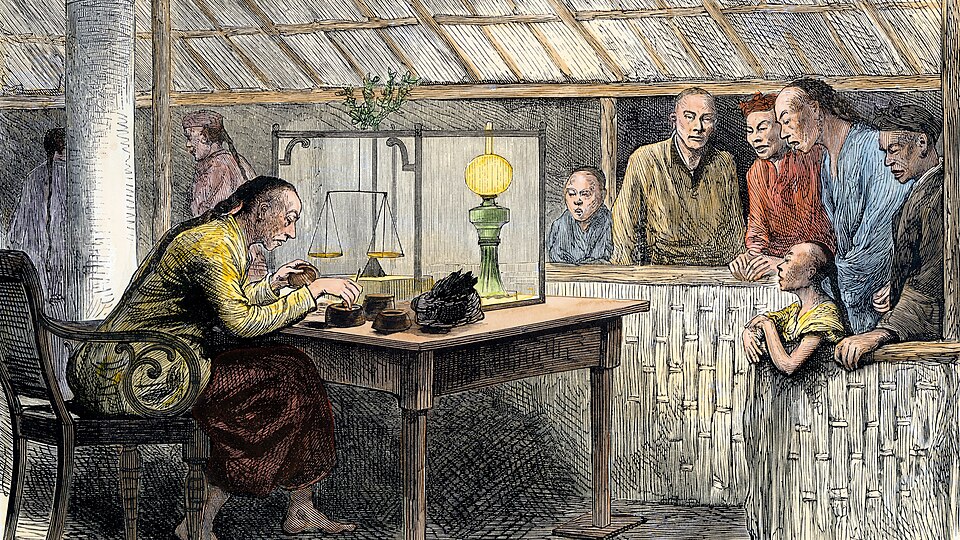
As the 19th century wore on, China became increasingly dominated by foreign powers. In 1839–42, and again in 1856–60, Britain fought the Opium Wars with China to force it to accept opium imports from British India. Although the Chinese were keen to export goods such as tea, silks and spices to the West, they strictly controlled imports into their country. Foreigners were allowed to trade through one port only, Canton (see above). As a result of this trade imbalance, silver from Europe was flowing into China.
British merchants in China tried to get round these restrictions by illegally importing the drug opium. They bought it from farmers in India under the control of the British East India Company. They then exchanged it in China for tea and silk to sell in Britain. Opium was made from the juice of the opium poppy and was dangerous because it was highly addictive—and much in demand in China.
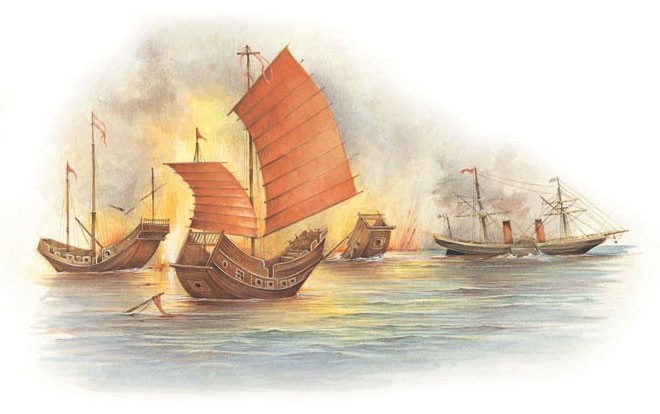
Banning the import of opium, the Qing government confiscated and burned 20,000 tonnes of opium in 1839 in an attempt to enforce the ban. In response, the opium merchants persuaded the British government to send its navy to attack China. Outgunned and out-manoeuvred by superior British naval forces, China, which relied on its fleet of wooden junks, suffered humiliating defeat in what was called the First Opium War.


Growing European control
Under the peace treaty that ended the First Opium War, Britain acquired the colony of Hong Kong and a range of trading concessions (offical permission to trade with local Chinese merchants and the opening of several Chinese ports to traders). This, the Treaty of Nanking of 1843, was the first of the unequal treaties the Qing were forced to sign (they were "unequal" because they were beneficial to only one side). By further unequal treaties, other western nations gained their own trading concessions, independent of Chinese control.
In this way, Europeans gradually began to dominate China's economy.
Empress Cixi
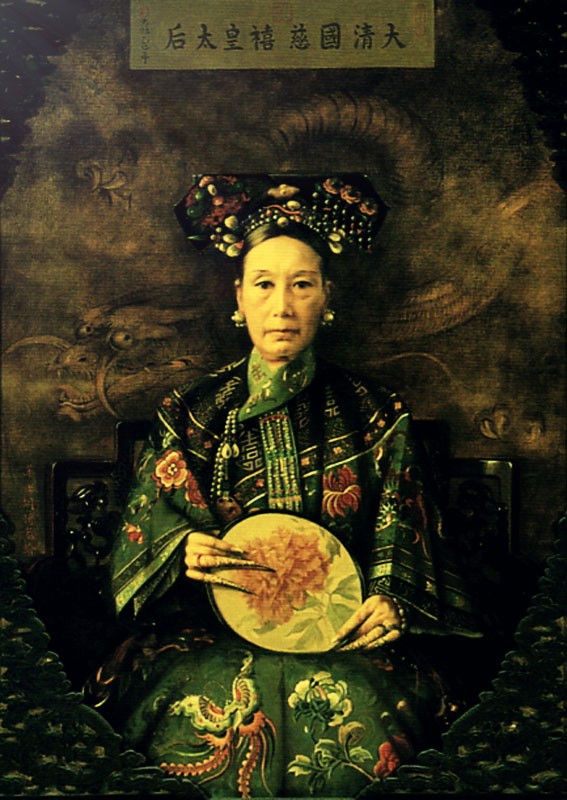
Cixi (1835–1908) was the widow of the Xianfeng Emperor, who ruled China from 1851 to 1861. She became regent for her infant son Tongzhi from 1862 to 1874, then for her three-year-old nephew Guangxu. He went on to rule as emperor for 46 years—but in name only. Cixi was widely known to be the power behind the throne, effectively the ruler in China from 1861 until her death in 1908.
The Dowager Empress Cixi was a reluctant reformer at a time when China, still in many ways a feudal society, was in urgent need of modernization. Reformers inside the Qing government worked to improve matters by upgrading the military and building new factories, railways and telegraphs. Although Cixi broadly supported these efforts, she refused to adopt Western-style democracy and responded to the radical Hundred Days' Reform movement in 1898 by placing the Guangxu Emperor under house arrest and publicly executing the main reformers.
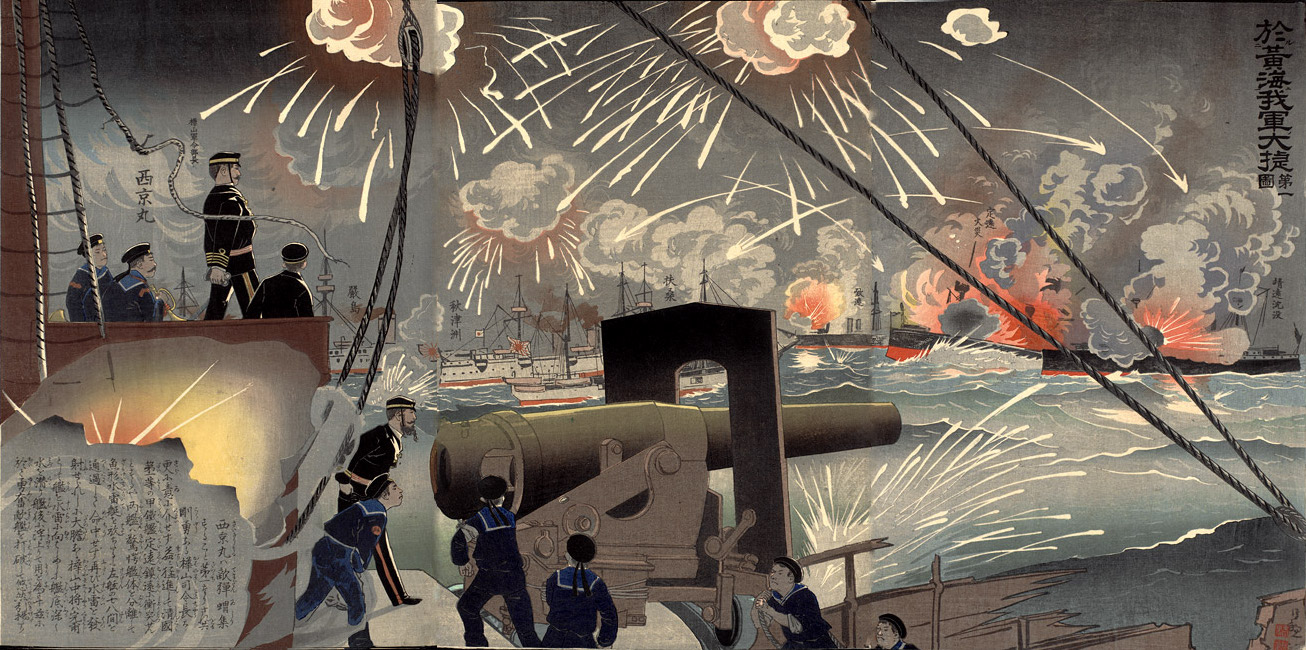
During the Jiawu War, fought between China and Japan in 1894–95, Japanese forces destroyed the Chinese navy and seized the island of Taiwan. After its defeat, China was forced to cede the Penghu (Pescadores) Islands and the Liaodong Peninsula as well as Taiwan. Japan would later take over Korea in 1910.
Boxer Rebellion

Cixi gave her support to the anti-foreigner, anti-Christian Boxer Rebellion in 1900. (The protesters were known as the "Boxers" in English, because many of them practised Chinese martial arts.) The Boxers destroyed foreign property and attacked or murdered Chinese Christians and foreign missionaries. The uprising was put down by the Eight-Nation Alliance of foreign powers. In the treaty the Qing government was forced to sign, vast amounts of silver—more than the government's annual tax revenue—were to be paid in compensation to Alliance nations. Cixi's handling of the Boxer Rebellion and her humiliation over the outcome further weakened the standing of the Qing dynasty.
End of the empire
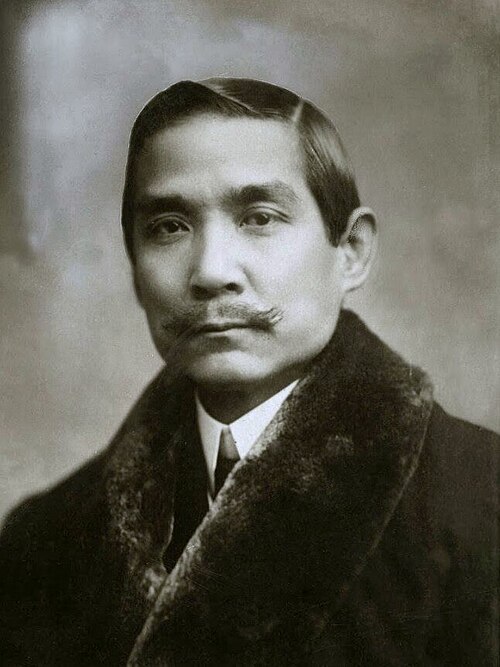
The Qing court introduced the New Policies in 1901, designed to bring in further reforms concerning tax, law, the police and the military. The old education system, still based on Confucian ideas, was abandoned in favour of Western-style education. But by now, some revolutionaries were insistent that old-style dictatorial rule by the Manchu, a non-Chinese people, needed to be abolished altogether in favour of a modern nation ruled by the Han Chinese themselves.
After the deaths of both the Guangxu Emperor and Cixi in 1908, Manchu conservatives at court blocked any further reforms. When Puyi, aged 2, became ruler of China as the Xuantong Emperor in 1908, revolution became inevitable.
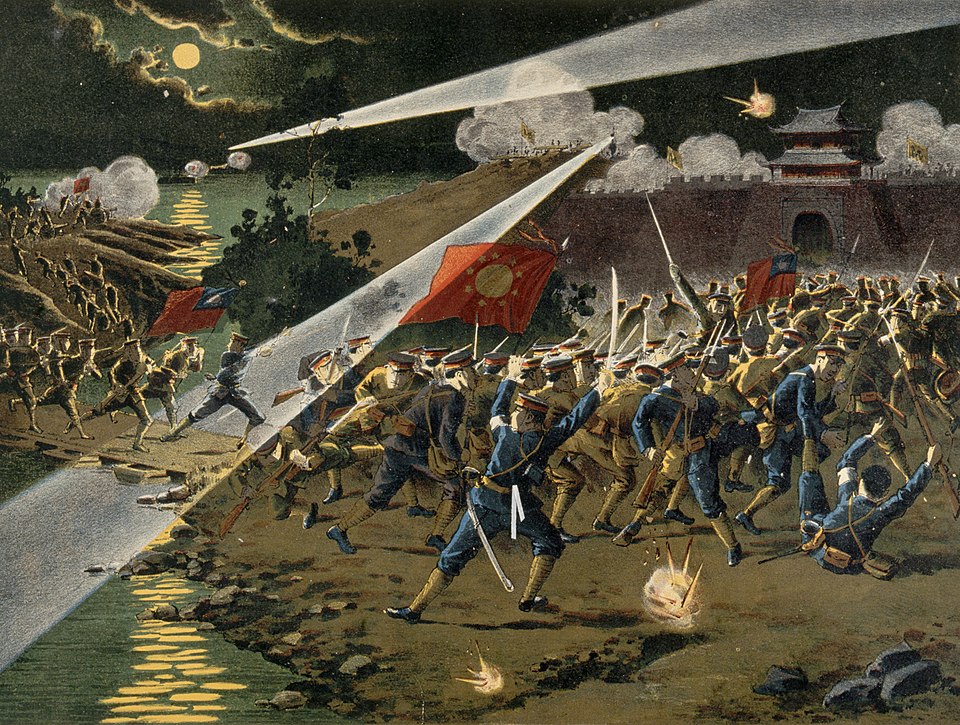
A group of army officers in Wuchang rose in revolt on 10th October 1911, quickly followed by other cities. The Xinhai Revolution was under way. The abdication of the emperor, on 12th February 1912, brought the Qing dynasty to an end.
Consultant: Philip Parker
pics


Without in any way limiting Q-files Ltd’s exclusive rights under copyright, any use of this publication to “train” generative artificial intelligence (AI) technologies to generate text is expressly prohibited. Q-files Ltd reserves all rights to license use of this work for generative AI training and development of machine learning language models.