
China

CITE
We have made every effort to follow citation style rules, but there may be some minor differences. If in doubt, please refer to the appropriate citation style manual.
Han dynasty. (2022). In Q-files Encyclopedia, History, China. Retrieved from
https://www.q-files.com/history/china/han-dynasty
"Han dynasty." History, China, Q-files Encyclopedia, 10 Feb. 2022.
https://www.q-files.com/history/china/han-dynasty.
Accessed 6 Aug. 2026.
Han dynasty 2022. History, China. Retrieved 6 August 2026, from
https://www.q-files.com/history/china/han-dynasty
History, China, s.v. "Han dynasty," accessed August 6, 2026.
https://www.q-files.com/history/china/han-dynasty


Han dynasty
The Han dynasty ruled the Chinese empire for more than 400 years, from 206 BC to AD 220. The first emperor of the Han Dynasty, Liu Bang (256 or 247–195 BC), who ruled as Emperor Gaozu, was born a peasant. He led a rebellion against the unpopular Qin dynasty. Han rule was a time of great prosperity for China. The country was governed efficiently and there were great advances in science and technology. There were long periods of peace and the Chinese army added vast tracts of new land to the already powerful empire.
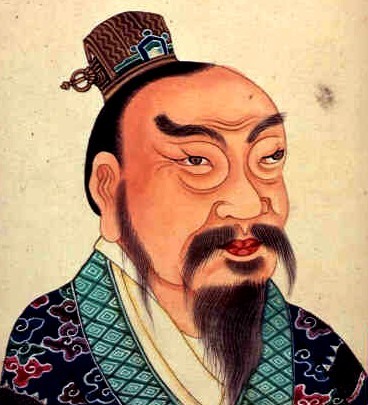
Han expansion

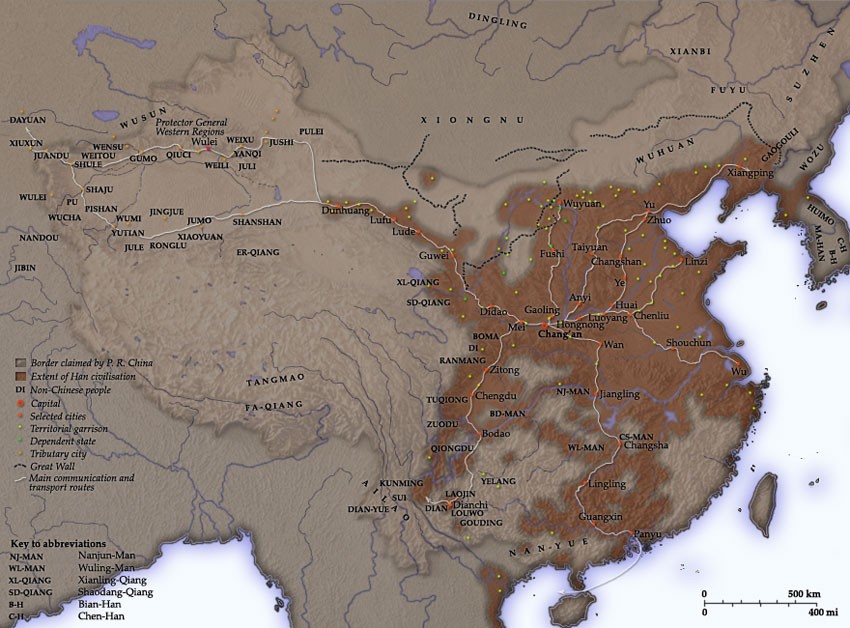
Emperor Wu of Han (ruled 141–87 BC) launched several military campaigns against the Xiongnu, a nomadic tribe from the west of China (and probably the ancestors of the Huns). Victory for the Han forced the Xiongnu to accept Han overlordship, and Han rule expanded into Central Asia. From here, the Silk Road, a vast trade network, would link China the Mediterranean world, along which merchants travelled to take silks to sell in Europe and the Middle East.
Wu also expanded the Han Empire the south, annexing the kingdoms of Minyue in 135 BC, Nanyue in 111 BC and Dian in 109 BC. After the death of Emperor Ling (ruled 168–189 AD), local warlords began to seize power across China. By 220 AD, the Han dynasty ceased to exist.

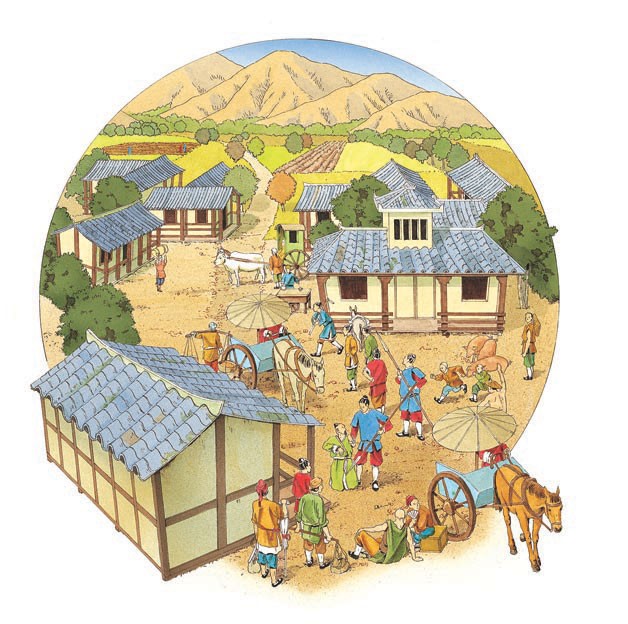
Chang'an
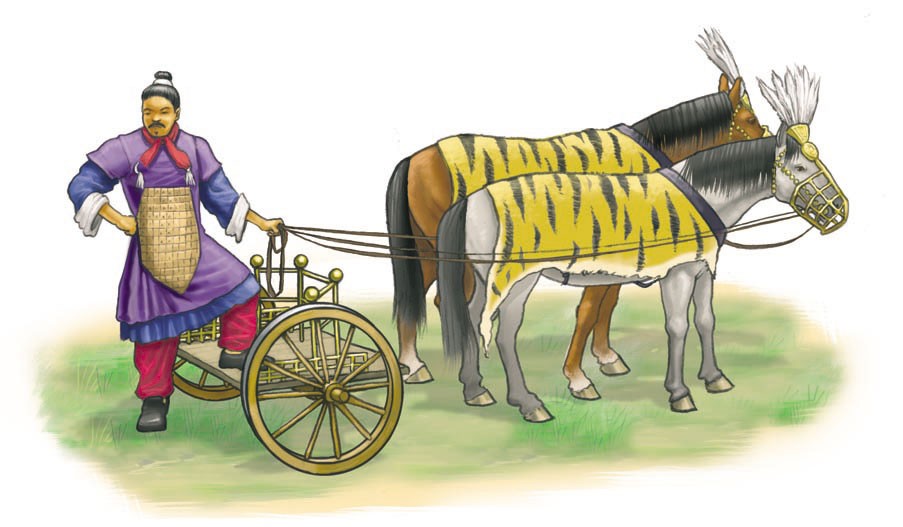
The capital of the early Han empire was the city of Chang’an. The road traffic included two-wheeled chariots and goods wagons taking produce to market. There were several marketplaces in the city, where people could buy food and materials such as silk, wood and leather. Musicians, jugglers and storytellers provided entertainment.
The city was divided into sections, each one surrounded by a wall. Inside the walls, the houses were packed tightly together. The roads in the city were arranged on a grid system (they crossed each other at right angles).
Han rule
In Han times, life was very well organized after the turbulent days of the Qin dynasty. Government officials travelled from village to village, advising people on such matters as the best crops to grow or which weights and measures might legally be used.
The teachings of the Zhou dynasty philosopher Confucius (known to the Chinese as Kongzi) became very important during this time. Confucius stressed that it was better to govern people wisely than to rule them by force. Under the Han emperors, officials were instructed to help people as much as possible. This was also a time when scholars began to write histories of China.
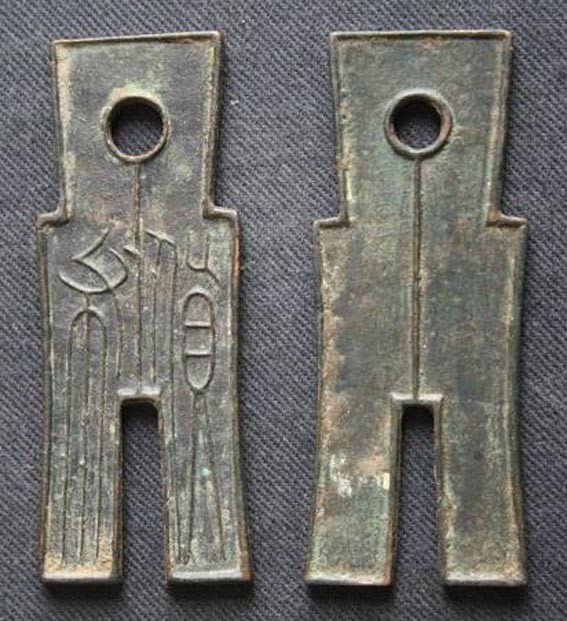
Science and inventions
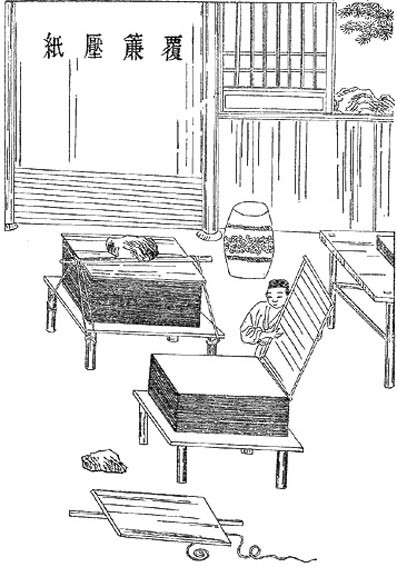
The Han period was a time of great technical achievement. The Chinese invented many things that we take for granted today. One of the most important inventions was paper, which was first manufactured in AD 105. The earliest paper was made from tree bark, old rags and fishing nets pulped together with water, then flattened and dried in thin sheets.
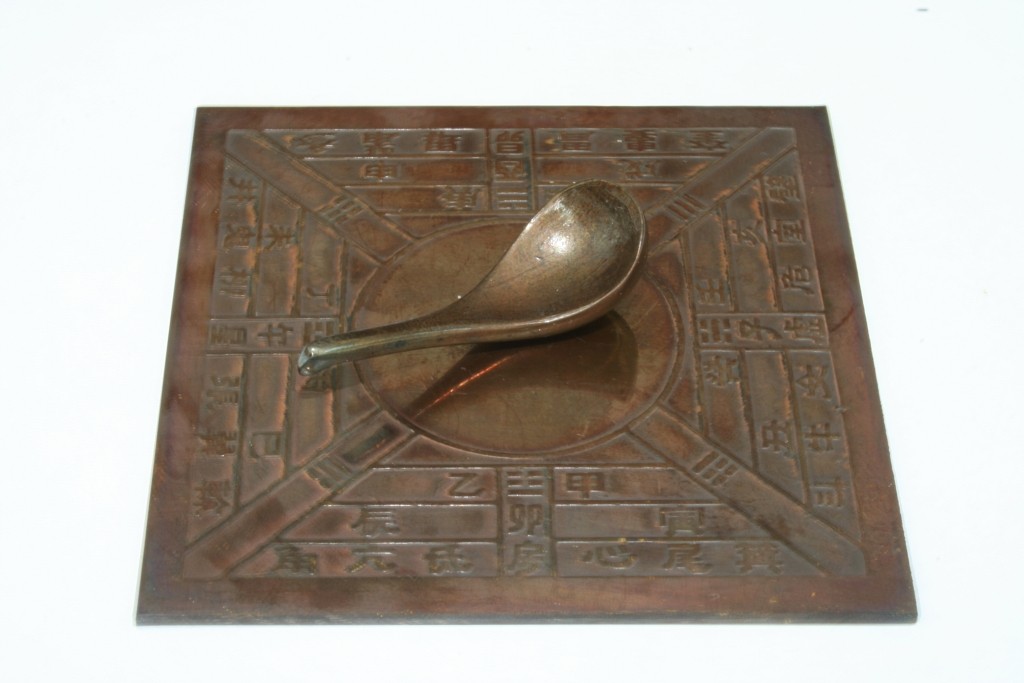
Chinese scientists were the first to understand magnetism, and invented a compass more than 2000 years ago. The stirrup was another early invention. Stirrups gave mounted soldiers more control over their horses and so helped them in battle. These and other inventions did not reach the West until hundreds of years later.

Evidence from tombs
China was remote from the rest of the world for hundreds of years after the Han dynasty. Much of our knowledge about the Chinese way of life comes from models left in tombs. The Chinese were skilled craftworkers and made precious objects out of jade and bronze.
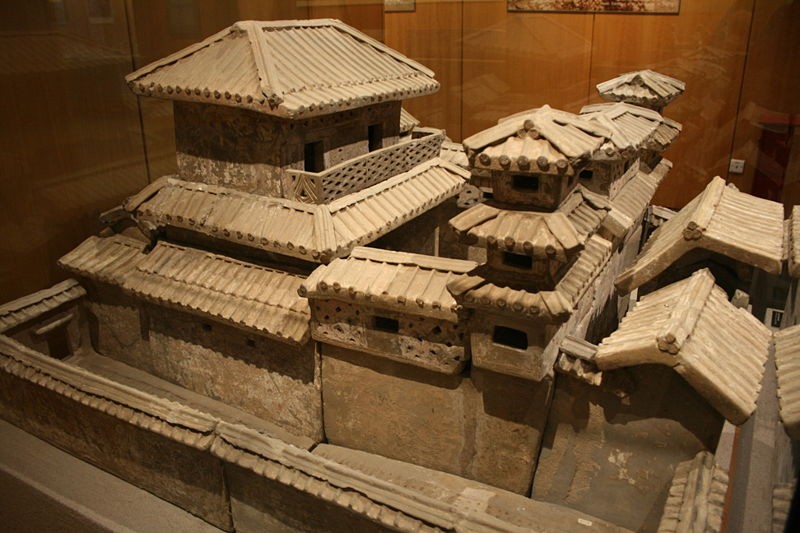
Bronze models of horse-drawn chariots tell us what the full-size vehicles may have looked like. The chariots had two wheels and a canopy shaped like a parasol. Government officials rode in them when they travelled the countryside, inspecting villages. Models of buildings have also been found in tombs. Stone tomb slabs also show scenes of everyday life in Han China.
Consultant: Philip Parker
pics

Without in any way limiting Q-files Ltd’s exclusive rights under copyright, any use of this publication to “train” generative artificial intelligence (AI) technologies to generate text is expressly prohibited. Q-files Ltd reserves all rights to license use of this work for generative AI training and development of machine learning language models.