
Famous leaders

CITE
We have made every effort to follow citation style rules, but there may be some minor differences. If in doubt, please refer to the appropriate citation style manual.
Winston Churchill. (2022). In Q-files Encyclopedia, History, Famous leaders. Retrieved from
https://www.q-files.com/history/famous-leaders/winston-churchill
"Winston Churchill." History, Famous leaders, Q-files Encyclopedia, 12 Dec. 2022.
https://www.q-files.com/history/famous-leaders/winston-churchill.
Accessed 6 Aug. 2026.
Winston Churchill 2022. History, Famous leaders. Retrieved 6 August 2026, from
https://www.q-files.com/history/famous-leaders/winston-churchill
History, Famous leaders, s.v. "Winston Churchill," accessed August 6, 2026.
https://www.q-files.com/history/famous-leaders/winston-churchill


Winston Churchill
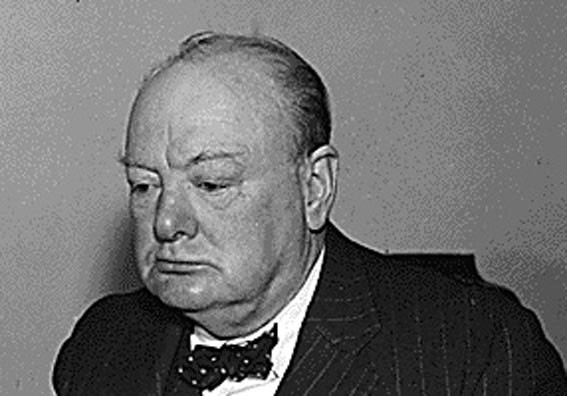
Winston Churchill was a soldier, politician, statesman and writer who served in World War I, and then, as prime minster during World War II, led Britain to victory over Nazi Germany. He is considered to have been one of Britain’s greatest prime ministers. He started his political career in 1900, as Conservative MP for Oldham in Manchester. He served twice as prime minister, from 1940 to 1945 and again from 1951 to 1955.

Early life
Winston Leonard Spencer Churchill was born on 30th November 1874 at Blenheim Palace in Oxfordshire. His father, Lord Randolph Churchill, was a Conservative politician and the youngest son of the 7th Duke of Marlborough. His mother, Jennie Jerome, was the daughter of a New York banker. Winston was trained as an officer in the British army at the Royal Military Academy in Sandhurst, and joined a cavalry unit in 1895. He served in India and Egypt with the army. But alongside his army duties, he began to take on work as a war correspondent for various newspapers.
Young Winston
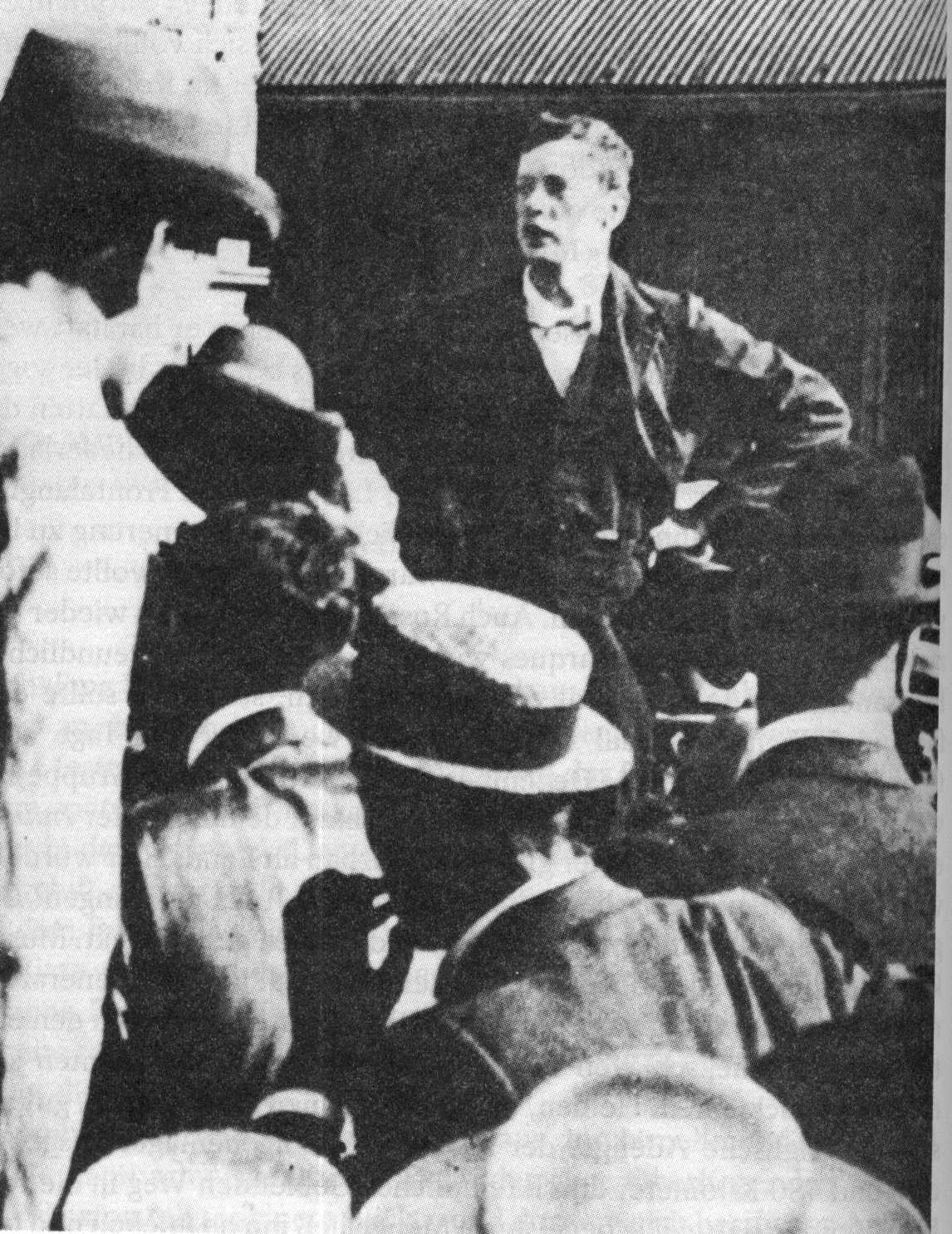
In 1899, while visiting South Africa to report on the Second Boer War for the Morning Post, Churchill helped to rescue an armoured train that was ambushed by the Boers. He was captured and taken prisoner, but escaped a month later by scrambling over the walls of the prison. He had to travel 480 kilometres (300 miles) to safety.
This story hit the headlines in Britain, and for a while Churchill was a national hero. His bravery during the train rescue prompted talk that he would be awarded a medal, but since he was a civilian, this was impossible. In 1900, as Conservative Party candidate, he was elected member of parliament for Oldham in Greater Manchester.

Crossing the floor
Churchill's support for free trade, against many in the Conservative Party, led in 1904 to his taking the unusual decision to "cross the floor" of the House of Commons to join the Liberal Party. And so it was as a Liberal that he began his ministerial career, becoming President of the Board of Trade in 1908. In the same year he married Clementine Hozier. "Clemmie" and Churchill remained devoted to each other throughout their lives.
Churchill was promoted to Home Secretary in 1910. The following year he became First Lord of the Admiralty. His main focus was ensuring that the Royal Navy was ready for action. He also supported the establishment of military aviation and the development of a new invention called the "landship": the tank.
Gallipoli
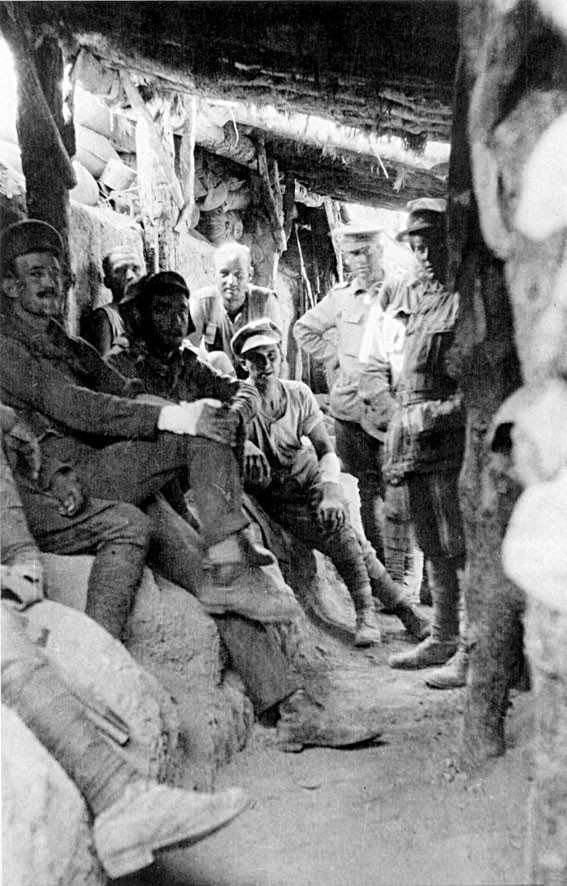
Soon after the outbreak of World War I, there was stalemate on the Western Front. Both the Allies and the Central Powers had dug themselves into defensive trench systems that stretched from the North Sea coast to the border with Switzerland. Churchill devised a plan to attack Turkey, forcing open the Dardanelles Strait that lay between the Gallipoli peninsula and the Turkish mainland, and allowing access through to the Black Sea for Britain's ally, Russia.
The Gallipoli Campaign, however, ended in terrible failure. Thousands of Allied troops died and many thousands more had to be evacuated late in 1915. Churchill took much of the blame for the disaster, and in November 1915 he briefly resigned from politics.
Between the wars
In 1924, Churchill rejoined the Conservative Party and was appointed Chancellor of the Exchequer, but later fell out with the leadership. Distrusted by all parties, he was to remain out of office until 1939, a time he later called the "wilderness years". During this time, Churchill returned to writing.
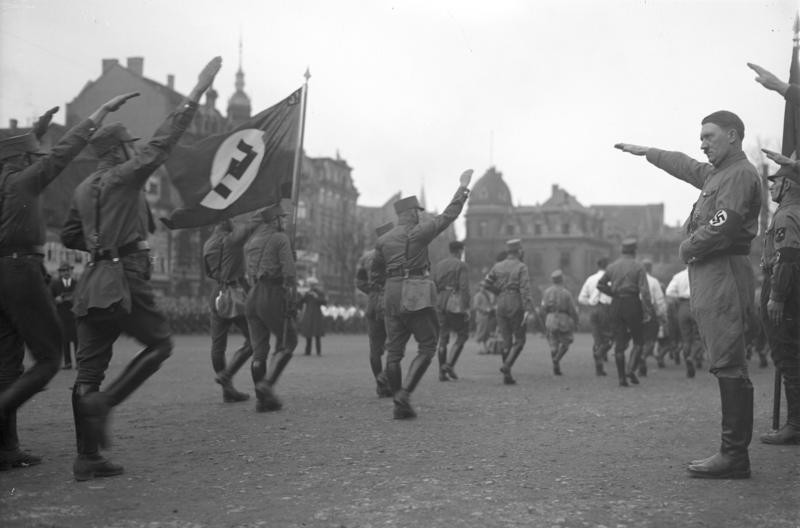
He frequently warned of the dangers of Nazi Germany and the rise of Adolf Hitler, arguing the need to build up the Royal Air Force (RAF) to match the German air force (the Luftwaffe), and to prepare for possible war.
"Peace in our time"
In September 1938, the Conservative British Prime Minster, Neville Chamberlain, flew to Munich to meet with Adolf Hitler. Chamberlain did a deal with Hitler, and returned to London proclaiming "peace in our time". Churchill, who was Conservative MP for Epping, spoke out against Chamberlain’s policy, called appeasement, in a powerful speech to the House of Commons. As Churchill predicted, Hitler was to break his promises and invade Poland, so on 3rd September 1939, Britain and France declared war on Germany. The same day, Chamberlain appointed Churchill to his old post of First Lord of the Admiralty.

Neville Chamberlain resigned as Prime Minister on 10th May 1940. The choice for his successor lay between the Foreign Secretary, Lord Halifax, and Churchill. Halifax was unwilling to take up the post, and so Churchill became Prime Minster later that day, just hours before German troops began their Blitzkrieg invasion of Belgium, the Netherlands and France.
Leadership qualities
As a prime minister during wartime, Churchill’s qualities came to the fore. He had great energy, often working late into the night. He knew the importance of strong leadership to unite the nation. He himself took on the role of Minister of Defence, and his government introduced sweeping emergency powers, placing all "persons, their services and their property at the disposal of the Crown" in the effort to defeat Nazi Germany.
Churchill used the power of his oratory (making speeches) to great effect from his very first speech as prime minister: "I have nothing to offer but blood, toil, tears and sweat... You ask, what is our aim? I can answer in one word: It is victory, victory at all costs, victory in spite of all terror… for without victory, there is no survival."

Battle of Britain
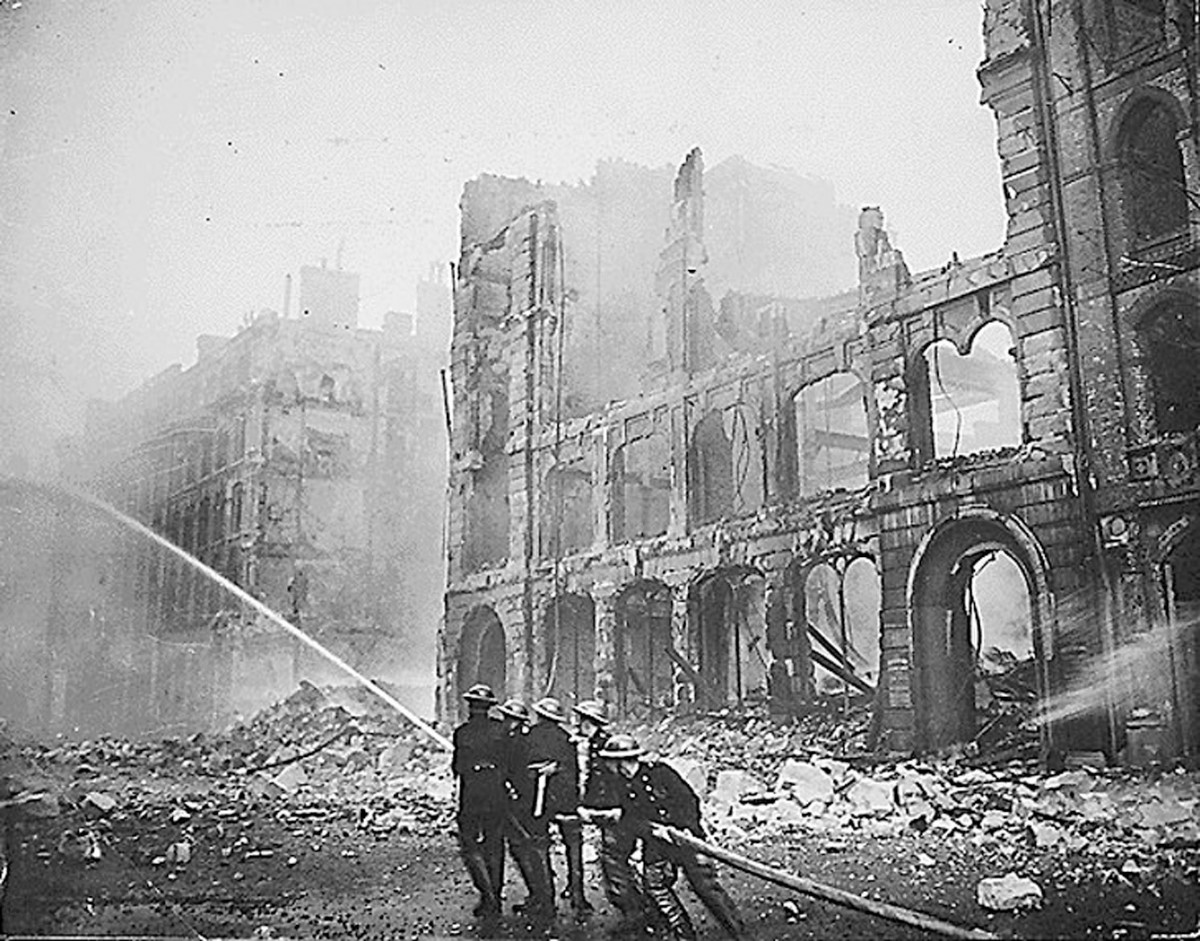
The first few months of Churchill’s premiership saw the evacuation of Allied troops from Dunkirk, and the threat of invasion from Nazi Germany. In 1940, an air battle took place between the RAF and the Luftwaffe, called the Battle of Britain. It was fought largely in the skies over southeastern England. Although the RAF emerged victorious from this battle, the German bombing of British cities, known as the Blitz, continued well into 1941. The figure of Churchill, cigar in hand, visiting the bomb-damaged streets of London became a well-known image from this period.
The Grand Alliance
Throughout 1940 and 1941, Churchill established and maintained a good relationship with the US president Franklin Roosevelt. Churchill knew that supplies of food, oil and munitions from the USA were absolutely vital to British success in the war. When the Japanese attack on Pearl Harbor drew the USA into the war, in December 1941, Churchill later recorded that his first reaction was one of relief. He knew that, with the USA as an ally, Britain could win the war. In June 1941, Hitler’s forces attacked the Soviet Union.
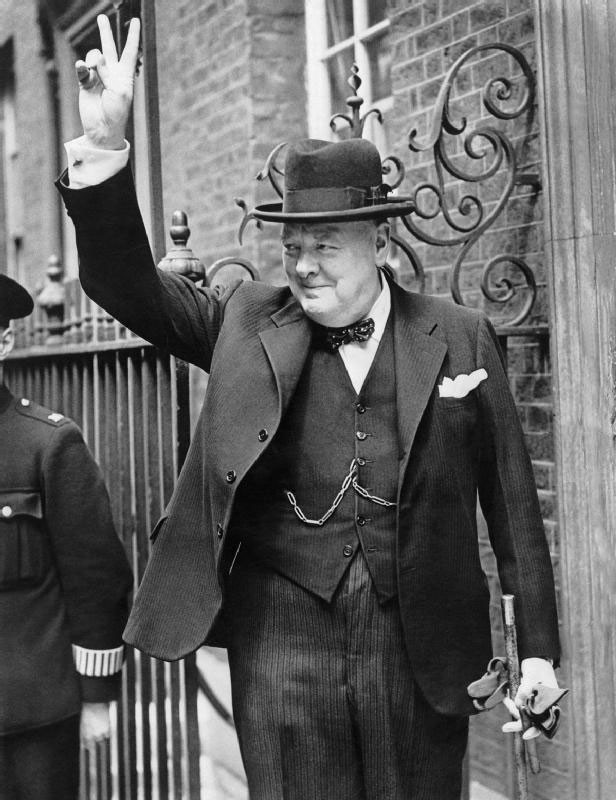
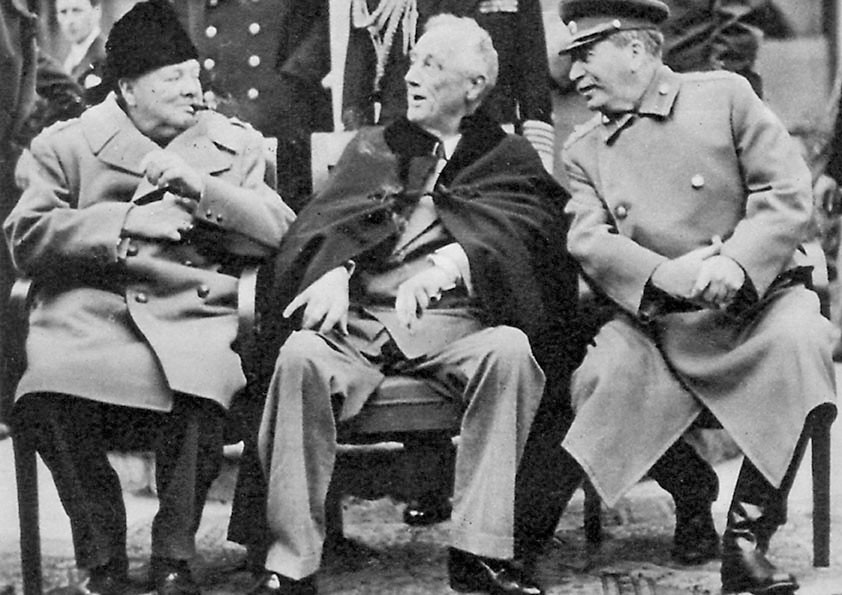
Despite his lifelong criticism of Communism, Churchill was unhesitating in his pledge to help the Russian people. From then on, his aim was to construct a "grand alliance" between Britain, the USA and the Soviet Union. In November 1943, Churchill, Roosevelt and Soviet leader Joseph Stalin met in Tehran, Iran, to discuss strategies for winning the war. In February 1945 they met again at Yalta, in the Crimea, to plan the final defeat and occupation of Nazi Germany.
After the war
A general election was held in July 1945, and despite the heroic status of Churchill as a war leader, the Conservatives lost. The Labour Party, led by Clement Attlee, won by a large majority. Churchill continued to lead the Conservative Party in opposition. In 1946, he gave his famous "iron curtain" speech, warning about the threat of Soviet Communism. At the general election in 1951, the Conservatives once more took control, with Churchill as Prime Minister. In 1953, the year of Queen Elizabeth II’s coronation, he was awarded both the Order of the Garter, the highest honour in the UK, and the Nobel Prize for Literature.
Churchill resigned as Prime Minister in 1955, although he did not retire from parliament until 1964. In 1963, he received the unique distinction of being made an honorary US citizen by order of the US Congress. Winston Churchill died at the age of 90, on 24th January 1965. He was buried in his family’s burial plot in Bladon, Oxfordshire, near to his birthplace at Blenheim Palace.
Consultant: Philip Parker
pics

Without in any way limiting Q-files Ltd’s exclusive rights under copyright, any use of this publication to “train” generative artificial intelligence (AI) technologies to generate text is expressly prohibited. Q-files Ltd reserves all rights to license use of this work for generative AI training and development of machine learning language models.