
Africa

CITE
We have made every effort to follow citation style rules, but there may be some minor differences. If in doubt, please refer to the appropriate citation style manual.
Réunion. (2026). In Q-files Encyclopedia, Geography, Africa. Retrieved from
https://www.q-files.com/geography/africa/reunion
"Réunion." Geography, Africa, Q-files Encyclopedia, 30 Mar. 2026.
https://www.q-files.com/geography/africa/reunion.
Accessed 13 Sep. 2026.
Réunion 2026. Geography, Africa. Retrieved 13 September 2026, from
https://www.q-files.com/geography/africa/reunion
Geography, Africa, s.v. "Réunion," accessed September 13, 2026.
https://www.q-files.com/geography/africa/reunion


Réunion
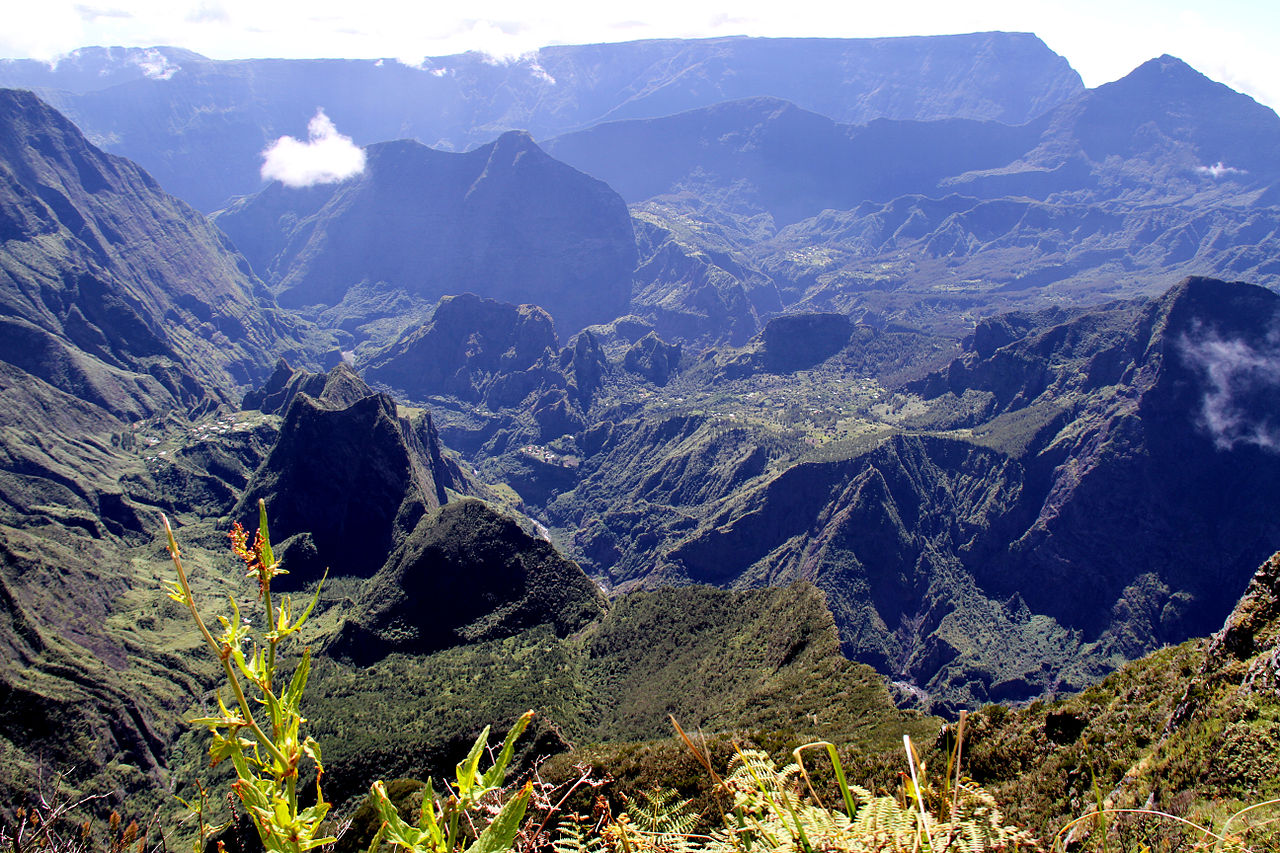
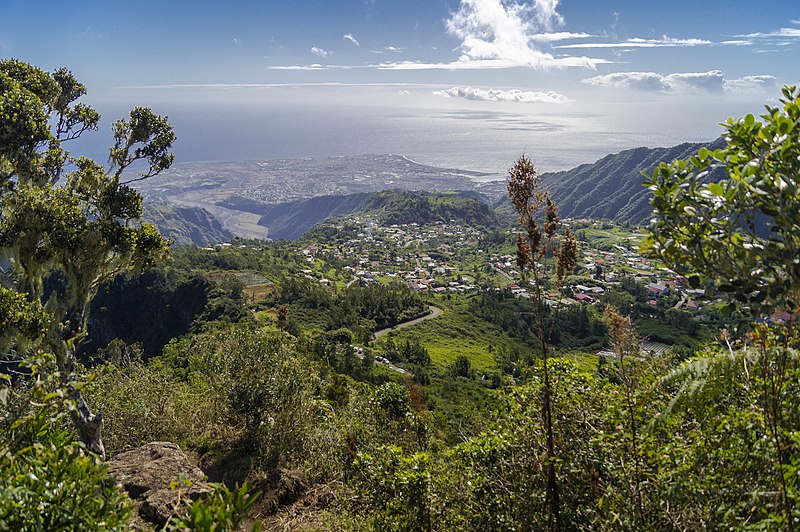
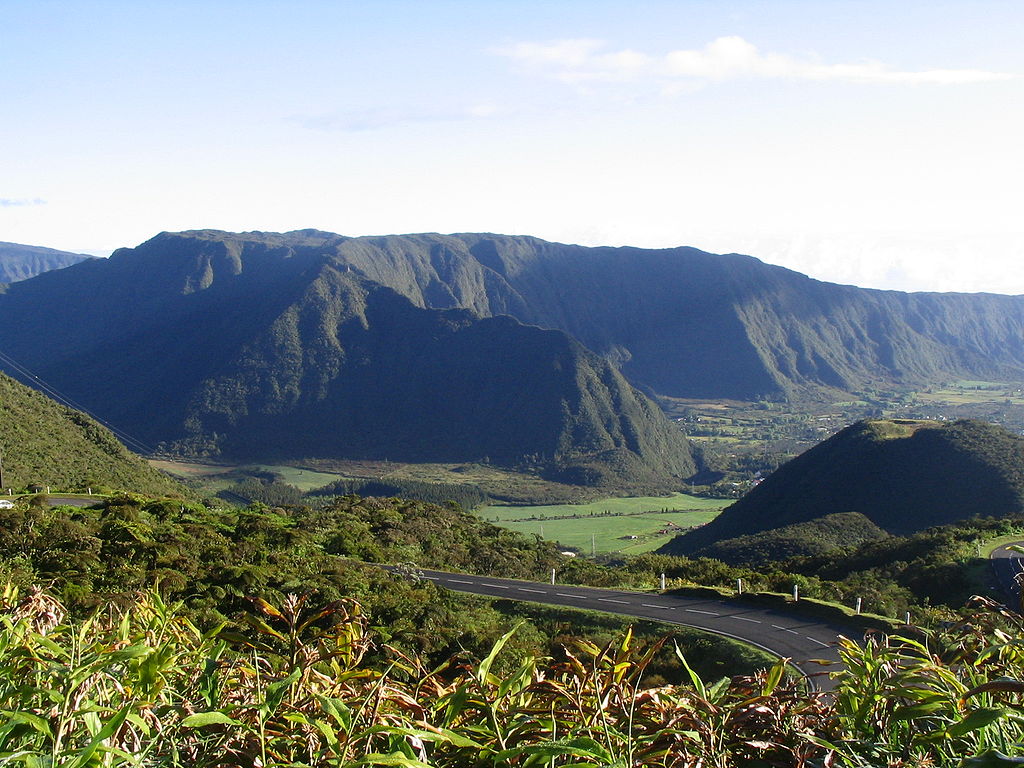
The tropical island of Réunion lies off the east coast of Madagascar and 175 kilometres (110 miles) southwest of Mauritius in the Indian Ocean. It is an overseas department of France. Two enormous volcanoes rise in the middle of this mountainous, rugged island. One of the most active volcanoes in the world, Piton de la Fournaise, the smaller of the two, has erupted six times since 2006. Cultivated land and cities, including the capital, Saint-Denis, are concentrated on the surrounding coastal lowlands. Réunion has many beaches, popular with tourists.

People and economy
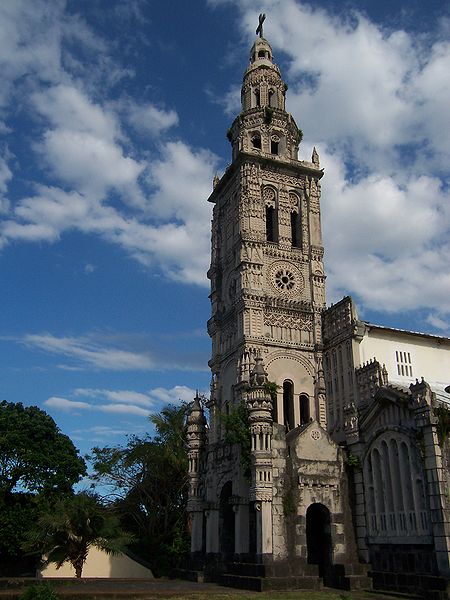
Réunion was an uninhabited island when it was first discovered in the early 16th century. Today, the people who live there are a mix of African, Indian, Malagasy and European peoples who have come to the island over the centuries. The Réunionese are French citizens and have EU citizenship.
For centuries, the production of sugar cane was Réunion’s main industry. Many islanders are descended from the African and Indian peoples who were brought to Réunion to work as slaves (later, as indentured labourers) on its sugar plantations. Although sugar production is still important today, most people work in manufacturing, or in services such as healthcare and tourism.
Facts about Réunion
Population 885,700 (2024 estimate)
Area 2512 sq km (970 sq miles)
Highest Point Piton des Neiges 3070 m (10,070 ft)
Capital Saint-Denis, metro area pop. 319,141
Languages French, Réunion Creole
Religions Christian (Roman Catholic) 87%, Hindu 7%, Muslim 3%, others 3%
Ethnicity European 25%; Tamil (South Indian) 25%; Malagasy, other African, mixed and others 50%
Currency Euro (EUR)
Chief exports cane sugar, frozen fish and shellfish

History of Réunion
1513
Portuguese explorers discover the uninhabited island
1642
France claims the island as a French colony
1649
The island is named Île Bourbon after the French royal House of Bourbon
1665
French East India Company dispatches the first French settlers to the island
1793
The island is renamed Île de la Réunion, commemorating the union of revolutionaries from Marseille with the National Guard following the French Revolution
1810–14
Britain takes control of the island during the Napoleonic Wars
1848
Slavery is abolished in Réunion. New workers come from India, Southeast Asia and East Africa to work on the island’s sugar cane plantations.
1869
Suez Canal opens, which means that Réunion is no longer an important stop-over for trade ships sailing between Europe and the East Indies
1946
Réunion is made an official overseas department of France
1990s
Violence breaks out on the island as people protest at inequality and poor working conditions
2005–06
Réunion is struck by an epidemic of chikungunya, a disease spread by mosquitoes
pics

Without in any way limiting Q-files Ltd’s exclusive rights under copyright, any use of this publication to “train” generative artificial intelligence (AI) technologies to generate text is expressly prohibited. Q-files Ltd reserves all rights to license use of this work for generative AI training and development of machine learning language models.